预约演示
更新于:2026-08-12

Xidian University
更新于:2026-08-12
概览
标签
肿瘤
消化系统疾病
皮肤和肌肉骨骼疾病
小分子化药
疾病领域得分
一眼洞穿机构专注的疾病领域

技术平台
公司药物应用最多的技术
靶点
公司最常开发的靶点
关联
靶点 |
作用机制 |
在研机构 |
原研机构 |
在研适应症 |
非在研适应症 |
最高研发阶段 |
首次获批国家/地区 |
首次获批日期 |

靶点 |
作用机制 |
在研机构 |
原研机构 |
在研适应症 |
非在研适应症 |
最高研发阶段 |
首次获批国家/地区 |
首次获批日期 |
NCT07662291
A Randomized, Sham-Controlled, Crossover fMRI Study on the Frequency Effects of Transcutaneous Trigeminal Nerve Stimulation on Central-Autonomic Coupling in Healthy Subjects
NCT07753473
Study on the Regulation of Heart-Brain Coupling in Individuals With Depressive Tendencies Using Transcranial Magnetic Stimulation (TMS) Based on Personalized Functional Connectivity
ChiCTR2600128961
Multidimensional Research on Addiction Intervention Based on TI Regulation: Mechanism Exploration and Efficacy Verification
100 项与 西安电子科技大学 相关的临床结果
登录后查看更多信息
登录后查看更多信息
2026-12-01Nano-Micro Letters
Moisture-Resistant Scalable Ambient-Air Crystallization of Perovskite Films via Self-Buffered Molecular Migration Strategy
Article
作者: Zhou, Long ; Hao, Yue ; Ren, Zeyang ; Chai, Wenming ; Zhu, Weidong ; Yang, Mei ; Chen, Dazheng ; Zhang, Chunfu ; Zhang, Jincheng ; Xi, He ; Liang, Laijun ; Wu, Xiaomeng
Abstract:
Ambient-air, moisture-assisted annealing is widely used in fabricating perovskite solar cells (PSCs). However, the inherent sensitivity of perovskite intermediate-phase to moisture—due to fast and spontaneous intermolecular exchange reaction—requires strict control of ambient humidity and immediate thermal annealing treatment, raising manufacturing costs and causing fast nucleation of perovskite films. We report herein a self-buffered molecular migration strategy to slow down the intermolecular exchange reaction by introducing a n–butylammonium bromide shielding layer, which limits moisture diffusion into intermediate-phase film. This further endows the notably wide nucleation time and humidity windows for perovskite crystallization in ambient air. Consequently, the optimized 1.68 eV-bandgap n-i-p structured PSC reaches a record-high reverse-scan (RS) PCE of 22.09%. Furthermore, the versatility and applicability of as-proposed self-buffered molecular migration strategy are certified by employing various shielding materials and 1.53 eV-/1.77 eV-bandgap perovskite materials. The n-i-p structured PSCs based on 1.53 eV- and 1.77 eV-bandgap perovskite films achieve outstanding RS PCEs of 25.23% and 19.09%, respectively, both of which are beyond of the state-of-the-art ambient-air processed PSCs.
2026-12-01SPECTROCHIMICA ACTA PART A-MOLECULAR AND BIOMOLECULAR SPECTROSCOPY
Spectroscopic identification of gauche and trans conformers in L-phenylalanine Fiber and hydrogel via CH/CD stretching vibrations
Article
作者: Zehnacker-Rentien, Anne ; Yao, Botao ; Lin, Ke ; Wang, Zhiqiang
Weak molecular interactions and subtle conformational variations can directly modulate CH bond strength, yet their spectroscopic signatures as a probe of polymorphism remain largely unexplored. Here, chiral phenylalanine in anhydrous Form I, hemihydrated fiber, and hydrogel states were investigated by Raman, IR, and vibrational circular dichroism (VCD) spectroscopy combined with DFT calculations, focusing on the CH stretching region. Isotopic substitution combined with VCD analysis reveals coexistence of gauche (G-) and trans (T) conformers in the fiber and hydrogel. The methine CD stretching vibration of the T conformer exhibits a marked blue shift relative to the G- conformer, indicating strengthening of the CH bond induced by close-range electrostatic repulsion from a neighboring NH₃+ group. Raman analysis of the hydrogel demonstrates preservation of the local G-/T hydrogen-bonded pairing motif and associated π-π interactions despite the absence of long-range crystalline order. These results demonstrate that CH stretching vibrations serve as highly sensitive reporters of weak molecular interactions and local structural organization in condensed phases.
2026-09-01BIOSENSORS & BIOELECTRONICS
Synchronous detection of mechanical-electrical properties of 4T1 breast tumor tissues based on piezoelectric actuators
Article
作者: Wang, Weikai ; Jiang, Shuqi ; Wang, Yingting ; Hu, Yili ; Wu, Zhuoya ; Li, Jianping ; Ma, Jijie ; Tao, Xiangsheng ; Jin, ZhiGang ; Zhu, Dan ; Shen, Yigang ; Liu, Qi ; Yu, Kun ; Wen, Jianming ; Li, Nan
Traditional tumor detection relies on invasive biochemical analysis, which poses risks of biological toxicity and tissue damage. In contrast, label-free techniques based on biophysical properties(such as mechanical stiffness and electrical impedance)offer a promising non-invasive alternative. However, existing biophysical properties detection methods are largely limited to single-modal measurements, capable of assessing only either mechanical or electrical properties individually, which results in limited tumor detection rates and restricts their clinical applicability. Although combined electro-mechanical measurements exist, they are often limited to microscopic scales or fixed tissue specimens. To overcome these limitations, this study proposes a method for synchronously detecting the mechanical and electrical properties of fresh ex vivo tissues. Utilizing a piezoelectric-driven system, dynamic mechanical loading (1 Hz) was applied to tumor tissue from 4T1-bearing mice and normal mammary tissue from healthy BALB/c mice. The mechanical response and high-frequency electrical impedance (1 MHz) were acquired simultaneously via integrated force/displacement sensors and concentric electrodes. Experimental results show that tumor tissue exhibits distinct viscoelastic features, with significantly higher complex modulus and damping coefficient than normal tissue. Concurrently, the electrical impedance of tumor tissue (276.4 Ω) was significantly lower than that of normal tissue (587.2 Ω). This multi-parameter synchronous detection method effectively discriminates tumor from normal tissue and demonstrates strong potential as a rapid, label-free tool for intraoperative assessment and real-time monitoring.
100 项与 西安电子科技大学 相关的药物交易
登录后查看更多信息
100 项与 西安电子科技大学 相关的转化医学
登录后查看更多信息
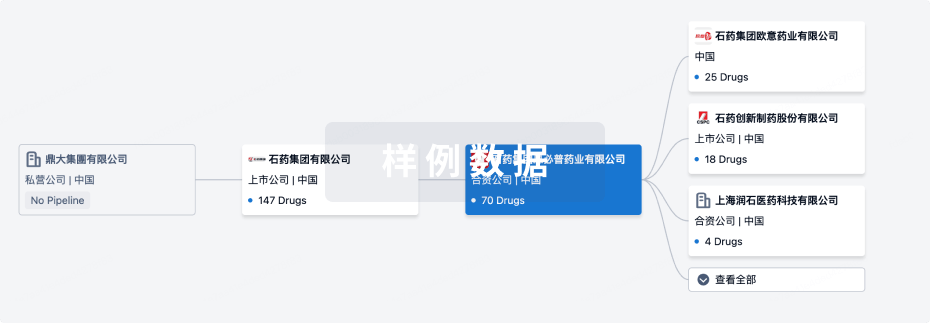
组织架构
使用我们的机构树数据加速您的研究。
登录
或
管线布局
2026年10月28日管线快照
管线布局中药物为当前组织机构及其子机构作为药物机构进行统计,早期临床1期并入临床1期,临床1/2期并入临床2期,临床2/3期并入临床3期
临床前
2
1
其他
登录后查看更多信息
当前项目
登录后查看更多信息
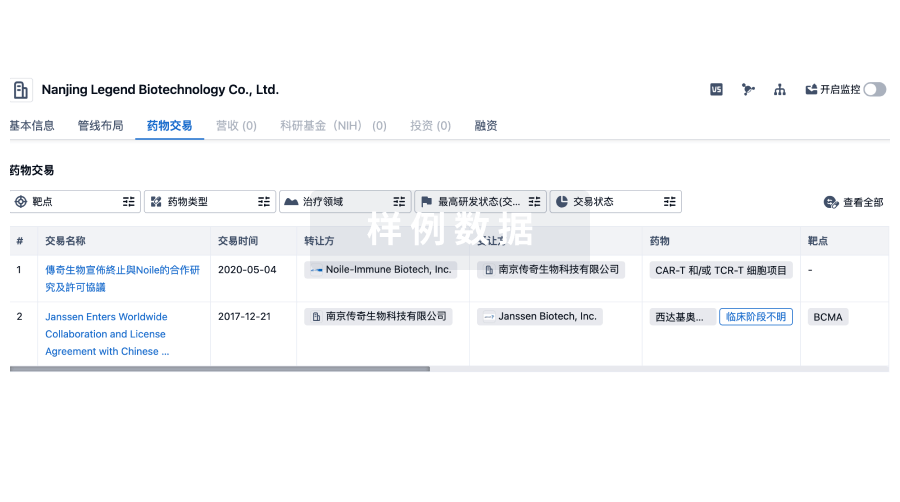
药物交易
使用我们的药物交易数据加速您的研究。
登录
或
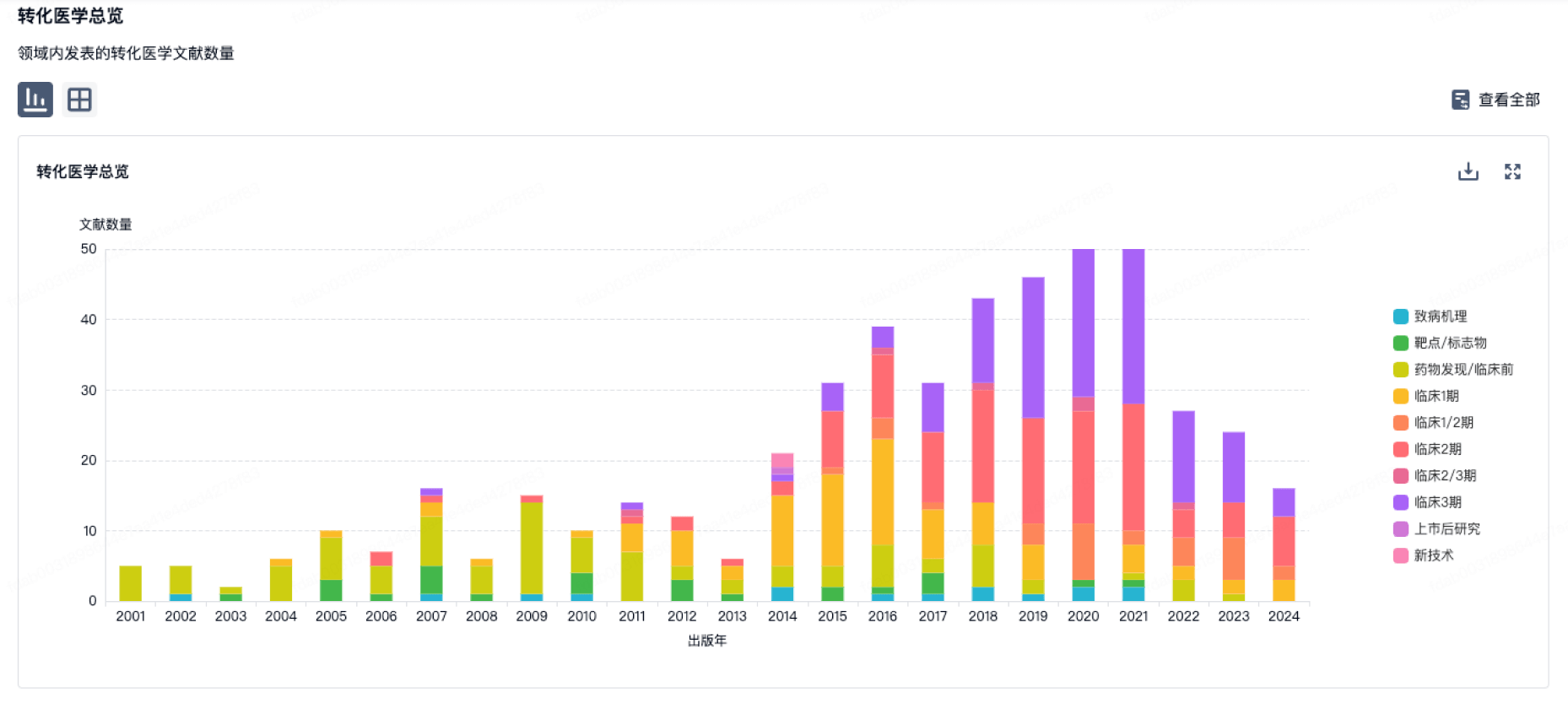
转化医学
使用我们的转化医学数据加速您的研究。
登录
或
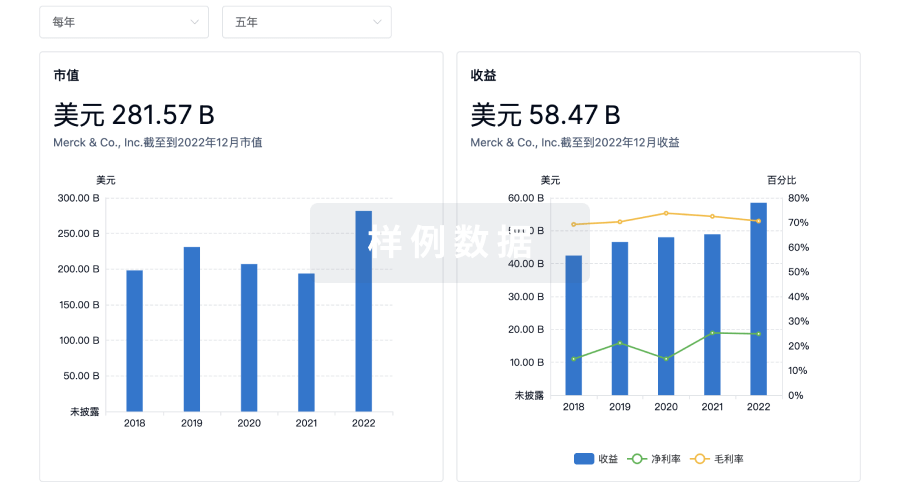
营收
使用 Synapse 探索超过 36 万个组织的财务状况。
登录
或
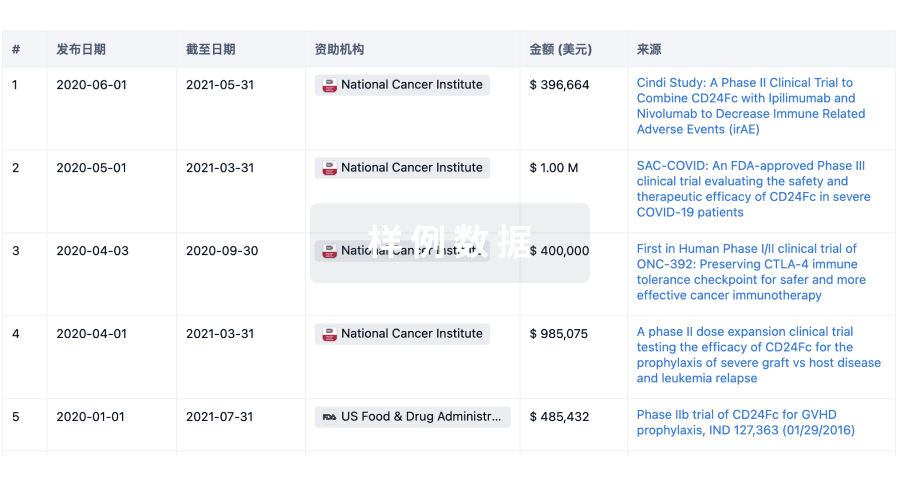
科研基金(NIH)
访问超过 200 万项资助和基金信息,以提升您的研究之旅。
登录
或
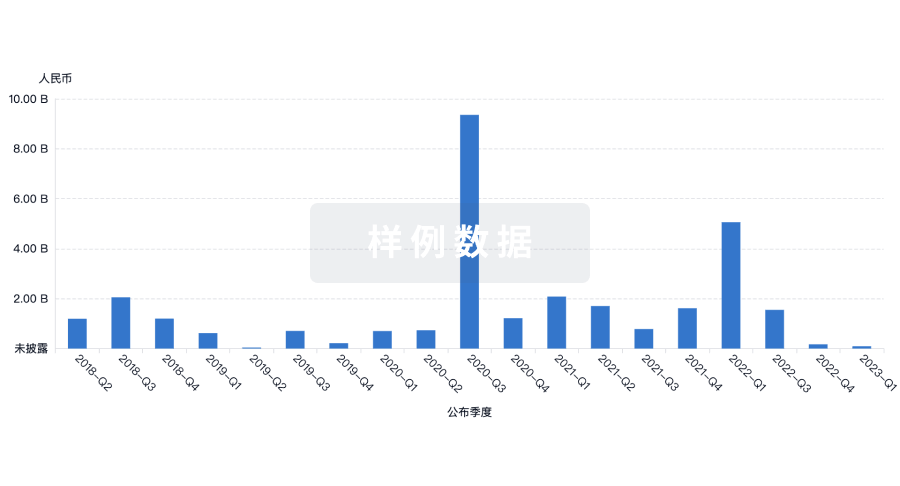
投资
深入了解从初创企业到成熟企业的最新公司投资动态。
登录
或
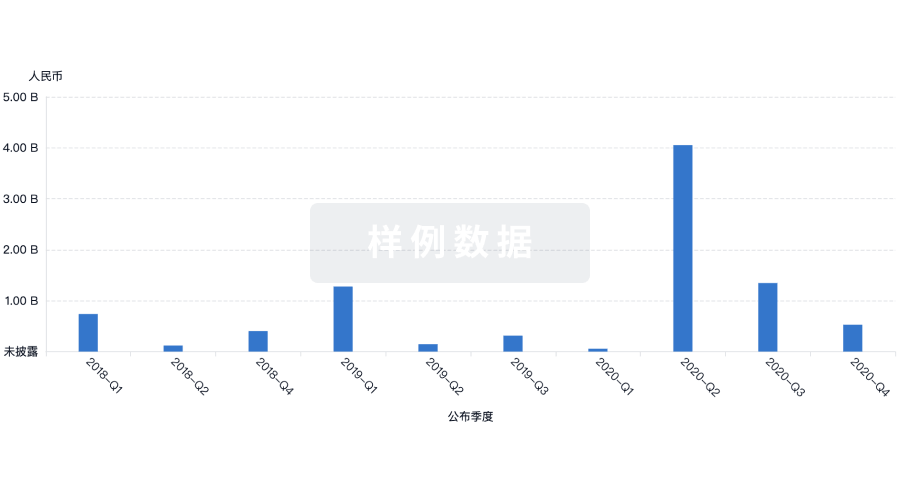
融资
发掘融资趋势以验证和推进您的投资机会。
登录
或
提出任何生物医药研究问题
让每一步生物医药决策都精准制胜
基于十亿级生物数据与全球情报的精准 AI,赋能早期药物发现
立即开始免费试用!
智慧芽新药情报库是智慧芽专为生命科学人士构建的基于AI的创新药情报平台,助您全方位提升您的研发与决策效率。
立即接入生物医药数据包
智慧芽新药库数据也通过智慧芽开放平台,以MCP或API服务形式对外开放。立即使用我们的MCP服务定制您的LLM智能体。
生物序列数据库
生物药研发创新
免费使用
化学结构数据库
小分子化药研发创新
免费使用