预约演示
更新于:2026-10-26

Northwest Women & Children Hospital
更新于:2026-10-26
概览
关联
ChiCTR2600131798
Effects of Conscious Sedation During Oocyte Retrieval on Assisted Reproductive Outcomes: A Retrospective Cohort Study Using Target Trial Emulation
NCT07811895
Dual Glucose-dependent Insulinotropic Peptide (GIP) and Glucagon-like Peptide-1 (GLP-1) Receptor Agonist in Women With Obesity for Frozen Embryo Transfer (FET): Pragmatic, Multicenter, Randomized Controlled Trial

ChiCTR2600130322
Study on Efficacy and Safety of Dydrogesterone Monotherapy versus Combined with Vaginal Progesterone in Natural Cycle Frozen-thawed Embryo Transfer
100 项与 西北妇女儿童医院(陕西省妇幼保健院)(陕西省计划生育研究所) 相关的临床结果
登录后查看更多信息
登录后查看更多信息
2026-12-31GYNECOLOGICAL ENDOCRINOLOGY
Ovulation induction versus artificial cycles in women with polycystic ovary syndrome: a retrospective cohort study
Article
作者: Wang, Yu ; Teng, Xiaoming ; Liu, Yanan ; Liu, Xitong
OBJECTIVE:
We aim to clarify the comparative clinical efficacy of ovulation induction and artificial cycle (AC) protocols for frozen-thawed embryo transfer (FET) in reproductive-aged women with polycystic ovary syndrome (PCOS), given the conflicting findings and ongoing controversy surrounding this issue in existing studies.
METHODS:
This was a retrospective cohort study conducted at a public fertility center in China, which included a total of 1331 women with PCOS who underwent FET between January 2021 and December 2024; the study compared the efficacy of two endometrial preparation interventions during FET, ovulation induction cycles (n = 543) and AC (n = 788). The primary outcome measure was live birth rate, while the secondary outcome measures were categorized into three types: clinical outcomes, maternal outcomes and perinatal outcomes.
RESULTS:
Endometrial thickness on the day of progesterone administration was significantly greater in the ovulation induction group (10.3 (9.0-12.2) vs. 9.2 (8.0-10.8), p < 0.001) than in the AC group. Following adjustment for potential confounding factors, the ovulation induction cycle group exhibited a significantly higher clinical pregnancy rate (59.5% vs. 51.5%, aOR = 1.3, 95%CI: 1.1-1.7) and live birth rate (48.8% vs. 39.7%, aOR = 1.4, 95%CI: 1.1-1.7) relative to the artificial cycle group. Perinatal outcomes were comparable between AC and ovulation induction.
CONCLUSIONS:
In conclusion, ovulation induction significantly improves live birth rates over artificial cycles in PCOS women undergoing FET, with comparable perinatal safety. Despite the limitations of retrospective, single-center data, this study provides real-world evidence to guide endometrial preparation. Prospective randomized trials are warranted to confirm these findings.
2026-12-31ANNALS OF MEDICINE
Association between quality of life and pregnancy outcomes among infertility patients undergoing assisted reproduction technologies: a prospective cohort study
Article
作者: Qu, Pengfei ; Fu, Xiaojie ; Liang, Sirui ; Wang, Kangxin ; Hu, Qiyue ; Zhao, Doudou ; Shi, Juanzi ; Zhang, Yu ; Zhao, Fuyang ; Gao, Lu ; Liu, Yuan ; Ren, Siyi ; Cao, Xu ; Man, Yuanyuan ; Li, Yiting ; He, Sifan
BACKGROUND:
Infertility and its treatment impose significant psychosocial burdens that impair quality of life (QoL). Its impact on pregnancy outcomes after embryo transfer (ET) in assisted reproduction technologies (ART) remains underexplored.
OBJECTIVE:
This study prospectively examined the association between QoL-measured by the FertiQoL instrument-and cumulative live birth rates (CLBRs) in women undergoing ART.
METHODS:
In this prospective cohort study, 1,233 women initiating IVF/ICSI completed the FertiQoL questionnaire pretreatment. Latent profile analysis (LPA) identified distinct QoL subgroups based on domain scores. Multivariable regression models, adjusted for confounders, assessed associations between QoL profiles/scores and pregnancy outcomes, with CLBRs as the primary endpoint. Smoothed curve fitting and threshold analyses explored nonlinear relationships.
RESULTS:
LPA delineated three FertiQoL subgroups: Low (n = 278), Medium (n = 676), and High (n = 279). Multivariate regression revealed that, relative to the Low-QoL group, the Medium-QoL group had significantly higher CLBRs (adjusted odds ratio [OR]: 1.704; 95% CI: 1.217-2.380) and reduced miscarriage risk (adjusted OR: 0.513; 95% CI: 0.304-0.875). Smoothed curve fitting indicated a nonlinear association between total FertiQoL score and CLBRs. Threshold analysis identified a cutoff of 74.306 (log-likelihood ratio test p = 0.054); below this value, each one-unit increase in score corresponded to a 2.1% higher CLBR (adjusted OR: 1.021; 95% CI: 1.006-1.036). Bootstrap internal validation confirmed the stability of this cutoff.
CONCLUSION:
QoL was significantly associated with CLBRs following ET. A threshold effect was evident: improvements in QoL below a score of 74.306 were associated with higher live birth rates. These findings underscore the importance of integrating QoL assessment and intervention into infertility care.
2026-12-01JOURNAL OF AFFECTIVE DISORDERS
Paternal versus maternal depressive symptoms and child internalizing/externalizing problems: a comparative threshold analysis
Article
作者: Liu, Jiahua ; Mi, Jie ; Sun, Hongli ; Liu, Minna
BACKGROUND:
Parental depression is a well-established risk factor for child psychopathology, yet most studies focus on mothers. Whether nonlinear patterns with thresholds exist, especially for fathers, remains unclear. This study examines these associations and identified optimal thresholds comparing mothers and fathers.
METHODS:
This cross-sectional study included 21,366 parents (16,258 mothers and 5108 fathers) of children aged 3-6 years in western China. Depressive symptoms were assessed using the Center for Epidemiologic Studies Depression Scale (CESD). Child internalizing and externalizing problems were measured with the Strengths and Difficulties Questionnaire (SDQ). Piecewise logistic regression with grid search identified thresholds, adjusting for demographic and socioeconomic covariates.
RESULTS:
Higher CES-D scores were associated with increased odds of child problems (all P < 0.001). The gender by CES-D interaction was significant for externalizing problems (P = 0.019), indicating a stronger association in fathers. For internalizing problems, the optimal threshold was a CES-D score of 17 for both mothers and fathers. For externalizing problems, the threshold was lower in fathers (16) than in mothers (21). Below these thresholds, each one-point increase in CES-D score was associated with 10-16% higher odds of child problems. Above the thresholds, the associations were attenuated. Piecewise models fitted significantly better than linear models (all P < 0.001).
CONCLUSIONS:
Fathers' depressive symptoms were associated with child externalizing problems at a lower severity level compared with mothers, suggesting that screening for paternal depression even at subclinical levels may help identify families at elevated risk. The identified thresholds may help generate hypotheses for future longitudinal and clinical validation studies.
100 项与 西北妇女儿童医院(陕西省妇幼保健院)(陕西省计划生育研究所) 相关的药物交易
登录后查看更多信息
100 项与 西北妇女儿童医院(陕西省妇幼保健院)(陕西省计划生育研究所) 相关的转化医学
登录后查看更多信息
组织架构
使用我们的机构树数据加速您的研究。
登录
或
管线布局
2026年11月04日管线快照
无数据报导
登录后保持更新
药物交易
使用我们的药物交易数据加速您的研究。
登录
或
转化医学
使用我们的转化医学数据加速您的研究。
登录
或
营收
使用 Synapse 探索超过 36 万个组织的财务状况。
登录
或
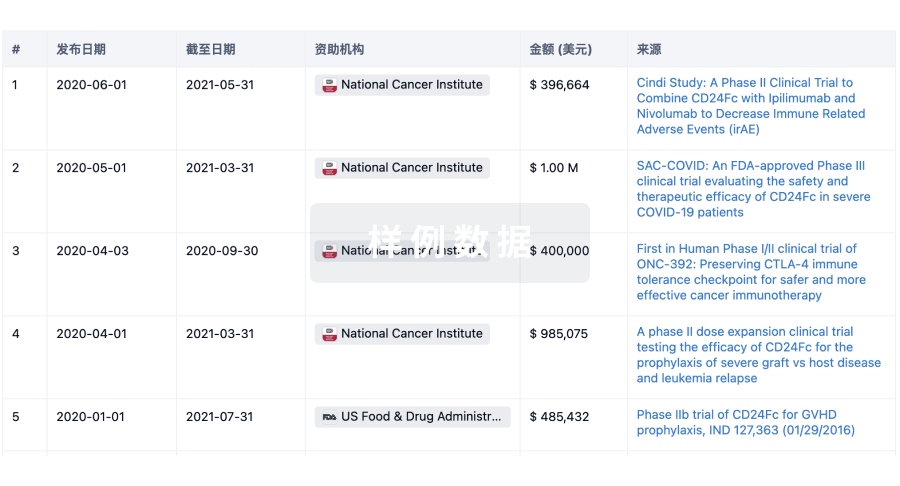
科研基金(NIH)
访问超过 200 万项资助和基金信息,以提升您的研究之旅。
登录
或
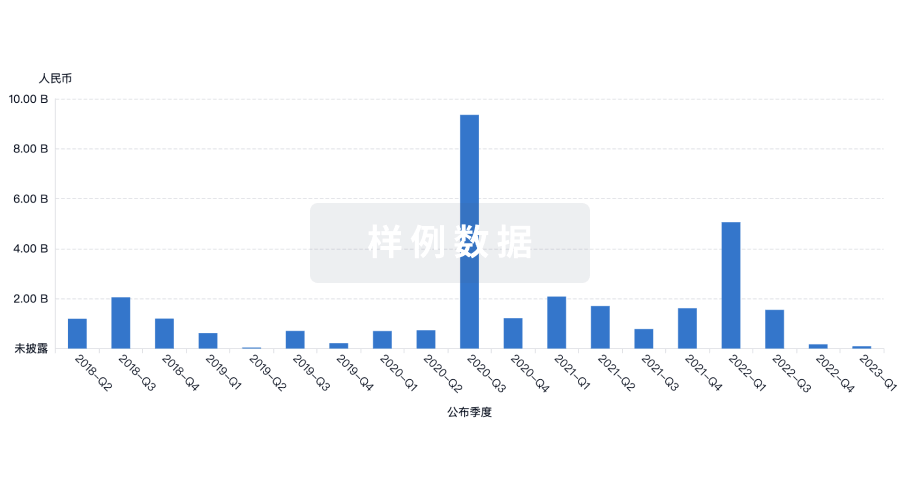
投资
深入了解从初创企业到成熟企业的最新公司投资动态。
登录
或
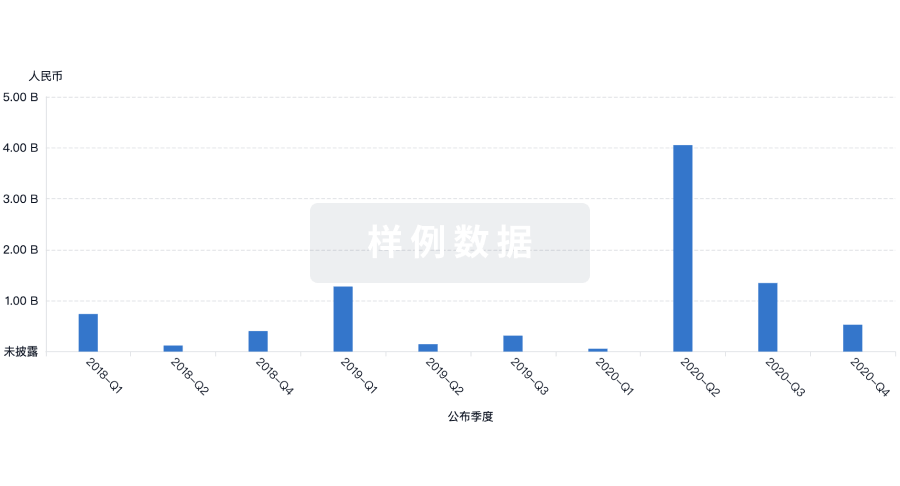
融资
发掘融资趋势以验证和推进您的投资机会。
登录
或
提出任何生物医药研究问题
让每一步生物医药决策都精准制胜
基于十亿级生物数据与全球情报的精准 AI,赋能早期药物发现
立即开始免费试用!
智慧芽新药情报库是智慧芽专为生命科学人士构建的基于AI的创新药情报平台,助您全方位提升您的研发与决策效率。
立即接入生物医药数据包
智慧芽新药库数据也通过智慧芽开放平台,以MCP或API服务形式对外开放。立即使用我们的MCP服务定制您的LLM智能体。
生物序列数据库
生物药研发创新
免费使用
化学结构数据库
小分子化药研发创新
免费使用