预约演示
更新于:2026-05-15
The Second People's Hospital of Hunan Province
更新于:2026-05-15
概览
标签
消化系统疾病
肿瘤
化学药
疾病领域得分
一眼洞穿机构专注的疾病领域

技术平台
公司药物应用最多的技术
靶点
公司最常开发的靶点
关联
靶点 |
作用机制 |
在研机构 |
原研机构 |
在研适应症 |
非在研适应症 |
最高研发阶段 |
首次获批国家/地区 |
首次获批日期 |

ChiCTR2500097869
Exploration of the Brain Mechanisms Underlying the Efficacy and Safety of tTIS in the Treatment of Alcohol - addicted Patients Based on Randomized Double - blind Controlled Clinical Trials
ChiCTR2500105240
Scientific research on the efficacy and safety of Aripiprazole Oral Soluble Film (Xingping® Film) in the treatment of schizophrenia
ChiCTR2200066961
An exploratory clinical study of Selinexor combined with zanubrutinib and Rituximab in the treatment of relapsed/refractory senile DLBCL
100 项与 湖南省第二人民医院(湖南省脑科医院) 相关的临床结果
登录后查看更多信息
登录后查看更多信息
2026-03-01NEUROSCIENCE
Early-onset axonal pathology and β-amyloidosis in human brains with hematological malignances and cardiovascular diseases
Article
作者: Zhang, Xiao-Jie ; Cheng, Hai-Ying ; Tu, Tian ; Zhang, Qi-Lei ; Wang, Jian ; Chen, Hui-Ping ; Tu, Ewen ; Wang, Yan ; Sun, Zhong-Ping ; Zhou, Peng ; Pan, Aihua ; Yan, Xiao-Xin
β-Amyloid (Aβ) and tau pathologies are hallmark lesions of Alzheimer's disease (AD) and they develop in human brain following differential spatiotemporal trajectories. Accordingly, young/adult-onset tau-independent β-amyloidosis is rare. We encountered four such cases among 397 banked brains, with the donors died of hematological malignances (blood cancers) or cardiovascular diseases. To explore the pathological implication, we examined 17 brains (10-87 year-old, y) from blood cancer patients and three (52-82 y) with cardiovascular diseases, focusing on vascular injury, axonal pathology and Aβ formation. Aβ plaques occurred in two adult brains (31 y, 63 y) with blood cancers and two (52 y, 65 y) with cardiovascular diseases in the absence of tau pathology. In the blood cancer brains, 17/17 had vascular injuries seen in hematoxylin-eosin stained sections, 13/17 had iron leakage, and 13/17 had axonal pathology. Malignant cell infiltration was found in 5/14 brains with myeloid, lymphocytic and lymphoma malignances, with light chain infiltration in 3/3 brains with multiple myeloma. In the cardiovascular disease brains, Aβ deposition primarily as diffuse plaques occurred in the cerebral cortex, with vascular and axonal pathologies in the white matter, striatum and internal capsule. Using a multi-labeling approach, the injury/stress induced axonal pathology was associated with β-amyloid processor protein and β-secretase 1 upregulation, but not with intra-axonal amyloid tracer staining. The current findings suggest that hematological malignances and cardiovascular diseases are risk conditions for early-onset cerebral axonal pathology and β-amyloidosis, potentially attributable to vascular injury.
2026-02-01MOLECULAR PSYCHIATRY
Intermittent theta burst stimulation for non-suicidal self-injury in adolescents with major depressive disorder: a randomized, sham-controlled trial
Article
作者: Qin, Yue ; Chen, Haiyu ; Huang, Chunxiang ; Teng, Ziwei ; Liu, Jieyu ; Yuan, Hui ; Zou, Tianxiang ; Jin, Kun ; Liu, Fangkun ; Huang, Jing ; Gao, Xueping ; Wu, Renrong ; Cui, Xilong ; Chen, Jindong ; Yang, Jun
Non-suicidal self-injury (NSSI) poses a significant threat to adolescents with major depressive disorder (MDD) owing to elevated hospitalization and suicidality risks. Intermittent theta burst stimulation (iTBS) shows promise for treating NSSI in adolescents with depression. The efficacy of iTBS for treating NSSI in adolescents with MDD was evaluated in this study. In this sham-controlled, randomized clinical trial, adolescents with MDD were allocated randomly to active or sham treatment groups in a 1:1 ratio. They received active or sham iTBS over the left dorsolateral prefrontal cortex (LDLPFC) for five sessions daily for 5 days. The primary outcome was the difference in NSSI frequency and severity at 4-week follow-up, assessed using the Deliberate Self-Harm Inventory-Adolescent Revised version (DSHI-AR). Additional measures included changes in the Deliberate Self-Harm Ideation Scale for Adolescents Revised (DSHI-AR ideation) and Ottawa Self-Injury Inventory-addiction subscale (OSI-addiction). Of the 60 participants (mean [standard deviation] age, 14.2 [1.5] years; female sex, 55 patients [91.7%]), 85% completed the intervention. At 4 weeks post-intervention, the active treatment group showed greater DSHI-AR score reduction than the sham treatment group (mean difference, -18.66; 95% confidence interval [CI], -28.35--8.97). Active treatment led to a greater decline in DSHI-AR ideation (mean difference, -9.23; 95% CI, -14.41--4.05) and OSI-addiction (mean difference, -6.16; 95% CI, -10.58--1.74) scores compared with the sham treatment. Mild headaches were reported during the intervention, without significant group differences. The findings indicate that iTBS targeting the LDLPFC is an effective and well-tolerated strategy for treating NSSI in adolescents with MDD.
2026-02-01JOURNAL OF NEUROIMMUNOLOGY
Personalized Ofatumumab therapy for autoimmune encephalitis: A case series of four patients
Article
作者: Dong, Xuanqi ; Yang, Fei ; Chen, Jun ; Xie, Jiahui ; Jiang, Xinyi ; Tu, Ewen ; Tang, Miao ; Yang, Zhenyu ; Zhang, Bo ; Long, Qiong
OBJECTIVE:
Autoimmune encephalitis (AE), a prevalent neuroimmunological disorder, is primarily managed with immunotherapy. However, a subset of patients exhibits suboptimal responses to first-line treatments, and second-line options remain limited. This study investigates the efficacy and safety of a personalized ofatumumab (OFA) regimen guided by monitoring CD27 + CD19+ memory B cells in refractory AE.
METHODS:
We report three cases of anti-N-methyl-d-aspartate receptor (anti-NMDAR) encephalitis and one case of antibody-negative AE (NA-AE) refractory to corticosteroids and intravenous immunoglobulin (IVIG). OFA was initiated at 20 mg subcutaneously on days 0 and 7, with subsequent doses administered when peripheral blood CD27 + CD19+ memory B cells exceeded 0.05 % of peripheral blood mononuclear cells (PBMCs).
RESULTS:
After a median follow-up of 10 months (range: 6-12 months), all patients demonstrated clinical improvement, with significant reductions in modified Rankin Scale (mRS) and Clinical Assessment Scale in Autoimmune Encephalitis (CASE) scores. One patient experienced relapse post-SARS-CoV-2 infection, while the remainder remained recurrence-free without drug-related adverse events.
INTERPRETATION:
CD27 + CD19+ memory B cell-guided OFA therapy may offer a novel strategy for refractory AE.
100 项与 湖南省第二人民医院(湖南省脑科医院) 相关的药物交易
登录后查看更多信息
100 项与 湖南省第二人民医院(湖南省脑科医院) 相关的转化医学
登录后查看更多信息
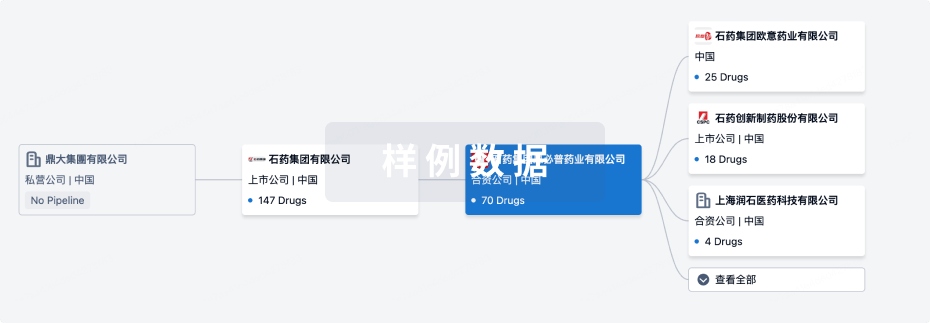
组织架构
使用我们的机构树数据加速您的研究。
登录
或
管线布局
2026年06月03日管线快照
管线布局中药物为当前组织机构及其子机构作为药物机构进行统计,早期临床1期并入临床1期,临床1/2期并入临床2期,临床2/3期并入临床3期
临床前
1
登录后查看更多信息
当前项目
登录后查看更多信息
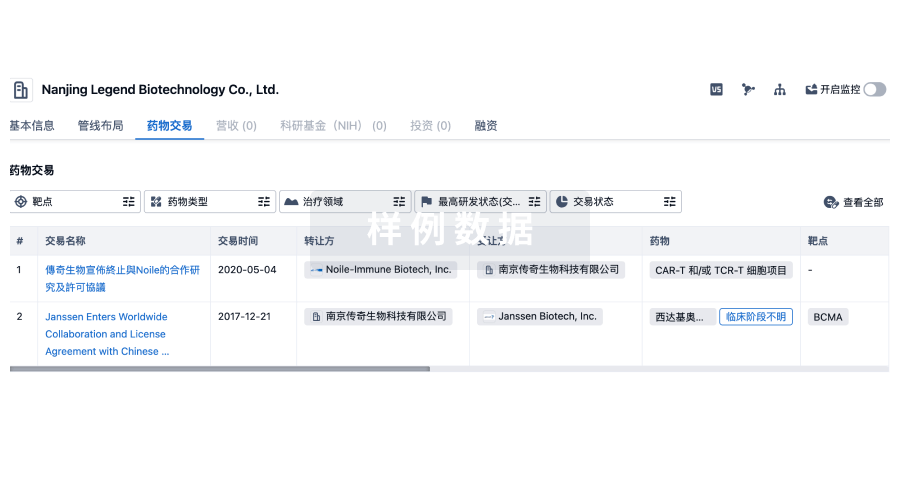
药物交易
使用我们的药物交易数据加速您的研究。
登录
或
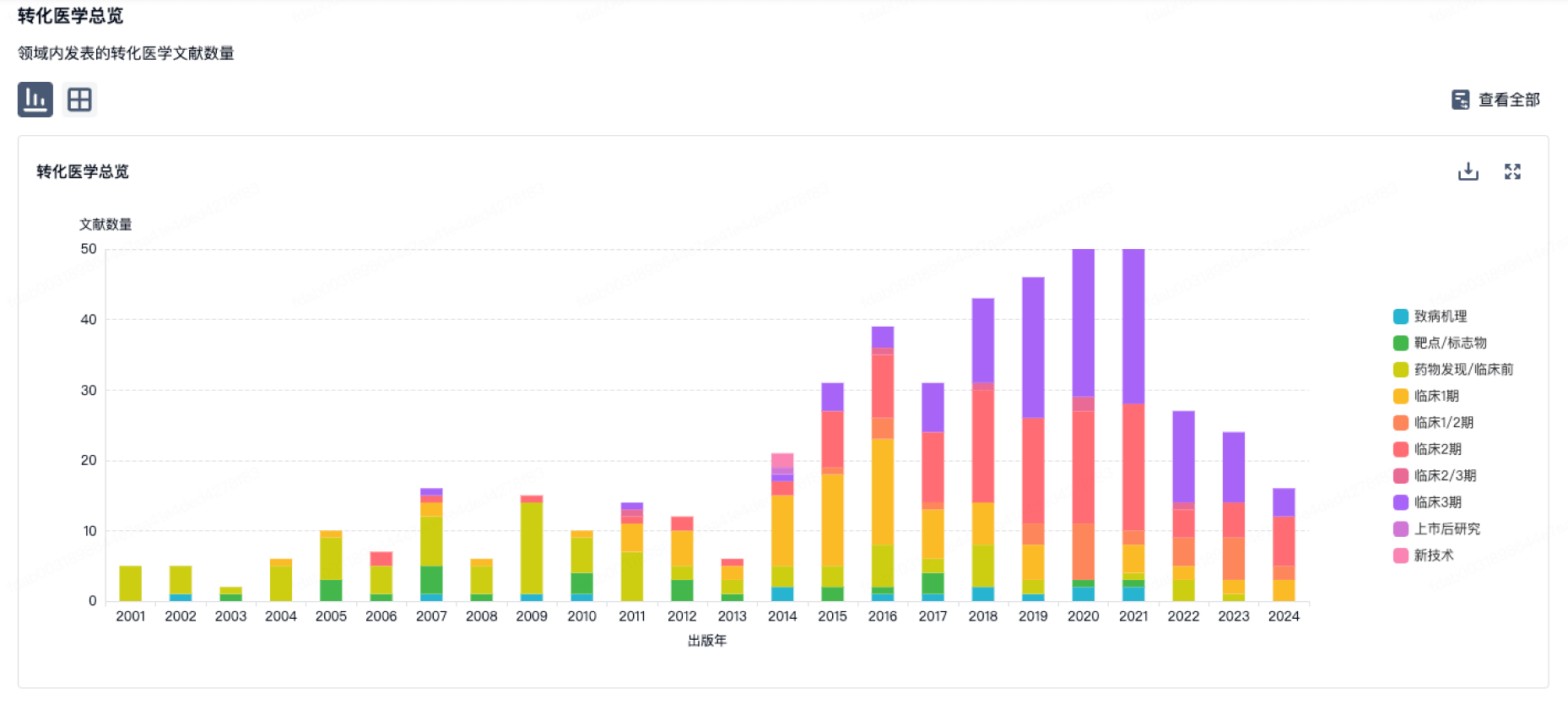
转化医学
使用我们的转化医学数据加速您的研究。
登录
或
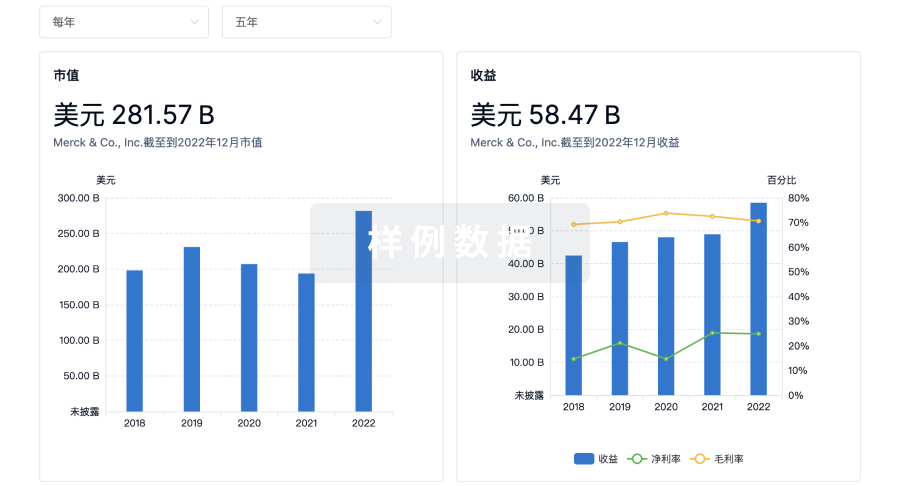
营收
使用 Synapse 探索超过 36 万个组织的财务状况。
登录
或
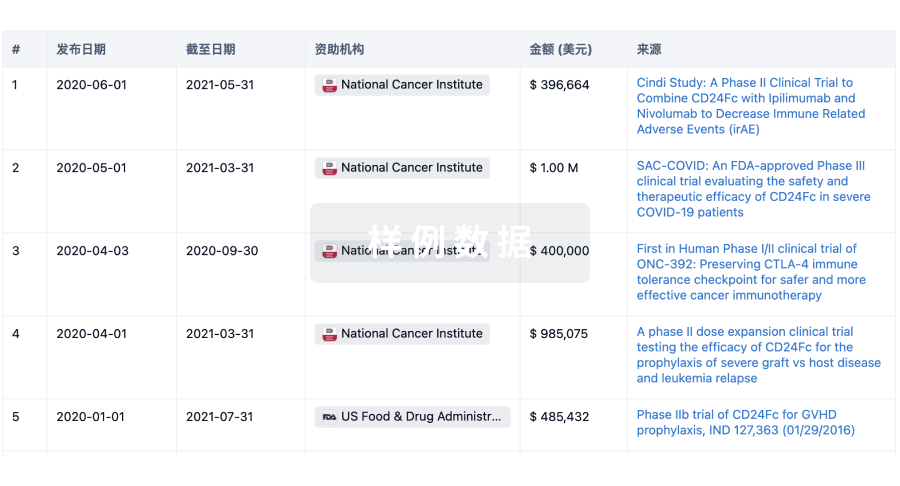
科研基金(NIH)
访问超过 200 万项资助和基金信息,以提升您的研究之旅。
登录
或
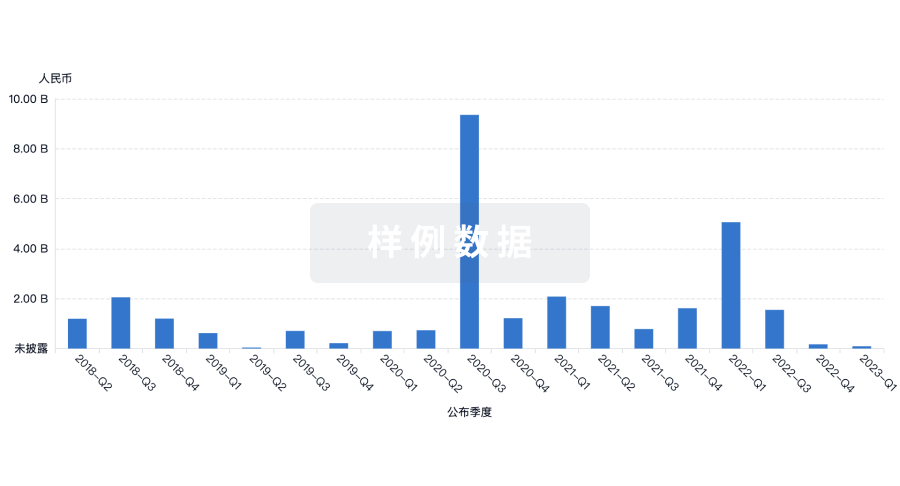
投资
深入了解从初创企业到成熟企业的最新公司投资动态。
登录
或
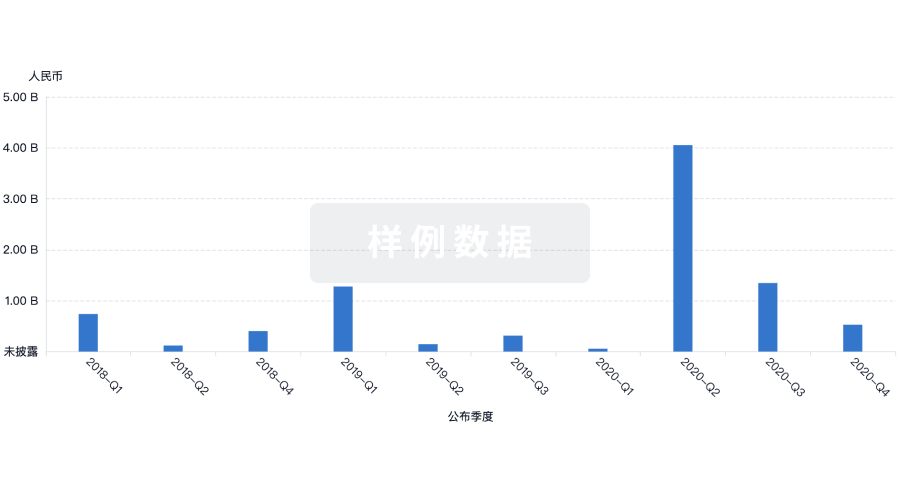
融资
发掘融资趋势以验证和推进您的投资机会。
登录
或
生物医药百科问答
全新生物医药AI Agent 覆盖科研全链路,让突破性发现快人一步
立即开始免费试用!
智慧芽新药情报库是智慧芽专为生命科学人士构建的基于AI的创新药情报平台,助您全方位提升您的研发与决策效率。
立即开始数据试用!
智慧芽新药库数据也通过智慧芽数据服务平台,以API或者数据包形式对外开放,助您更加充分利用智慧芽新药情报信息。
生物序列数据库
生物药研发创新
免费使用
化学结构数据库
小分子化药研发创新
免费使用