预约演示
更新于:2025-12-08

Universidad de Antíoquia
更新于:2025-12-08
概览
标签
感染
小分子化药
疾病领域得分
一眼洞穿机构专注的疾病领域

技术平台
公司药物应用最多的技术
靶点
公司最常开发的靶点
关联
靶点 |
作用机制 |
在研机构 |
原研机构 |
在研适应症 |
非在研适应症 |
最高研发阶段 |
首次获批国家/地区 |
首次获批日期 |
NCT06996730
A Double-Blind, Placebo-Controlled, Double-Dummy Study of Donanemab and RG6289 in PSEN1 E280A Mutation Carriers, and in Non-Randomized, Placebo-Treated Non-Carriers From the Same Kindred, to Evaluate the Efficacy and Safety of Donanemab, RG6289, or the Combination of Donanemab and RG6289, in the Treatment of Autosomal-Dominant Alzheimer's Disease

NCT07239141
Estimation of the Non-Inferiority of the Laringocel® Videolaryngoscope Compared With the C-MAC D-BLADE (Karl Storz®) for First-Attempt Intubation in Adult Patients Undergoing Elective Surgery
NCT06822478
Randomized Blinded Clinical Trial to Evaluate the Safety and Efficacy of Arnica Tincture in the Topical Treatment of Cutaneous Leishmaniasis.
100 项与 Universidad de Antíoquia 相关的临床结果
登录后查看更多信息
登录后查看更多信息
2026-01-01MEAT SCIENCE
Evaluation of portable, low-cost techniques for discriminating the DFD (dark, firm, dry) condition in beef
Article
作者: Angulo-Arizala, Joaquín ; Hernández-Hernández, Leonardo ; Barragán-Hernández, Wilson ; Mahecha-Ledesma, Liliana
This study evaluated the effectiveness of portable, low-cost techniques, specifically colorimetry and visible spectroscopy for discriminating dark, firm, and dry (DFD) beef carcasses during processing in a certified slaughterhouse. Portable, low-cost devices were used for real-time assessments. A total of 523 chilled carcasses were analyzed, of which 449 were classified as normal and 74 as DFD, based on pH measurements (≥5.8 for DFD). Colorimetric variables (L*, a*, b*, chroma, and hue) were consistently higher in normal carcasses compared to DFD. Supervised classification models were used to predict DFD status using the evaluated detection techniques. Given the class imbalance, the Synthetic Minority Over-sampling Technique (SMOTE) was applied, significantly improving the performance of machine learning models. Portable spectroscopy showed superior performance, especially when combined with preprocessing techniques such as multiplicative scatter correction and second-order derivatives, achieving 96.77 % sensitivity and 98.06 % specificity with the Random Forest model. Although colorimetry proved effective, spectroscopy yielded greater reliability for real-time DFD detection. These findings highlight the potential of these techniques as cost-effective alternatives to traditional methods, supporting their applicability in rapid and objective meat quality assessments under industrial conditions.
2026-01-01JOURNAL OF HYPERTENSION
Circulatory phenotypes in hypertension identified by 24-h ambulatory blood pressure monitoring
Article
作者: Gallo-Villegas, Jaime ; Álvarez-Montoya, Diego ; Aristizábal-Ocampo, Dagnovar ; Fernández-Ruiz, Ricardo ; Madrid-Muñoz, Camilo
Background::
Although 24-h ambulatory blood-pressure monitoring (ABPM) is widely available, its diagnostic potential beyond confirming different types of hypertension remains under-utilized.
Objective::
To derive and externally validate against echocardiographic hemodynamic indices a purely ABPM-based classification of circulatory phenotypes that extends conventional blood-pressure staging.
Methods::
We retrospectively analyzed 29 743 consecutive adults who underwent 24-h ABPM. After excluding anyone previously treated for hypertension, 12 876 de-novo participants (50.2 ± 13.6 years; 51.4% men; 24.7% obese) were included, 9195 of whom were hypertensive. Pearson correlation matrices identified diastolic blood pressure (DBP), pulse pressure (PP) and heart rate (HR) as the least-collinear variables. These were
z
-standardized and submitted to K-means clustering.
Results::
Four reproducible phenotypes were yielded: cardiogenic – elevated HR and cardiac output (CO) without arterial dysfunction (ΔHR = +10.5 bpm vs. normotensives, 95% CI 10.0–10.9); vaso-resistive – raised DBP with reduced HR, resulting in a higher DBP/HR index (ΔDBP/HR = +0.23 mmHg bpm
−1
, 95% CI 0.22–0.24); mixed – simultaneously increased HR and DBP, giving the highest DBP/HR index (
P
< 0.001 vs. normotensives); arterial-stiffness – widened PP with lower DBP, reflected in an elevated PP/DBP index (ΔPP/DBP = +0.16, 95% CI 0.15–0.17). Cluster-derived proxies of CO, systemic vascular resistance, and arterial stiffness showed good agreement with echocardiographic measurements, confirming their physiological validity.
Conclusions::
A simple, unsupervised cluster analysis of routine ABPM data uncovers four reproducible circulatory phenotypes that enrich traditional blood pressure staging. Incorporating these phenotypes into clinical practice could refine risk stratification and enable mechanism-targeted antihypertensive therapy.
2025-12-31Hospital practice (1995)
Direct costs of severe hypoglycemia events in individuals with diabetes mellitus: a perspective from the Colombian health system - a single-center study
Article
作者: Rojas-Henao, Natalia A. ; Garcia-Rivera, Michael ; Díaz-Giraldo, Juliana ; Hernandez-Herrera, Ana C. ; Builes-Montaño, Carlos E.
BACKGROUND AND AIMS:
Diabetes mellitus is one of the more prevalent chronic diseases globally, and healthcare expenditures for diabetes care are on the rise. Intensive diabetes treatment has been associated with reducing the risk of chronic complications. However, hypoglycemia, the most common adverse effect, poses a significant risk to individuals' lives and is linked to high costs for healthcare systems.
METHODS:
We conducted a retrospective cross-sectional study to determine direct costs by identifying emergency room visits due to hypoglycemia events using diagnostic codes during January 2017 to June 2019. Direct costs were calculated using billed data from the payer and information on outpatient treatment regimens. Differences in median costs were estimated based on length of stay and type of outpatient treatment.
RESULTS:
Data from 101 patients and the same number of events were included. Women represented (62.4%) of the patients, the median age was 70 (IQR 59.5-80). Blood glucose levels at admission ranged from 12 mg/dL to 67 mg/dL. Most patients were on insulin for outpatient treatment. The median cost of care per hypoglycemia episode was US $345.35 (IQR US $202-727.8), and the cost per episode was higher in patients treated with regimens that included sulfonylureas.
CONCLUSIONS:
The management of patients admitted to the emergency department with a diagnosis of hypoglycemia places a significant burden on the Colombian healthcare system, primarily due to the associated hospitalization costs. Patients treated with regimens that included sulfonylureas incurred higher costs per episode. Prevention, patient education, and individualized treatment approaches could help alleviate the burden of hypoglycemia on both patients and the healthcare system.
100 项与 Universidad de Antíoquia 相关的药物交易
登录后查看更多信息
100 项与 Universidad de Antíoquia 相关的转化医学
登录后查看更多信息
组织架构
使用我们的机构树数据加速您的研究。
登录
或
管线布局
2026年10月13日管线快照
管线布局中药物为当前组织机构及其子机构作为药物机构进行统计,早期临床1期并入临床1期,临床1/2期并入临床2期,临床2/3期并入临床3期
临床前
1
登录后查看更多信息
当前项目
登录后查看更多信息
药物交易
使用我们的药物交易数据加速您的研究。
登录
或
转化医学
使用我们的转化医学数据加速您的研究。
登录
或
营收
使用 Synapse 探索超过 36 万个组织的财务状况。
登录
或
科研基金(NIH)
访问超过 200 万项资助和基金信息,以提升您的研究之旅。
登录
或
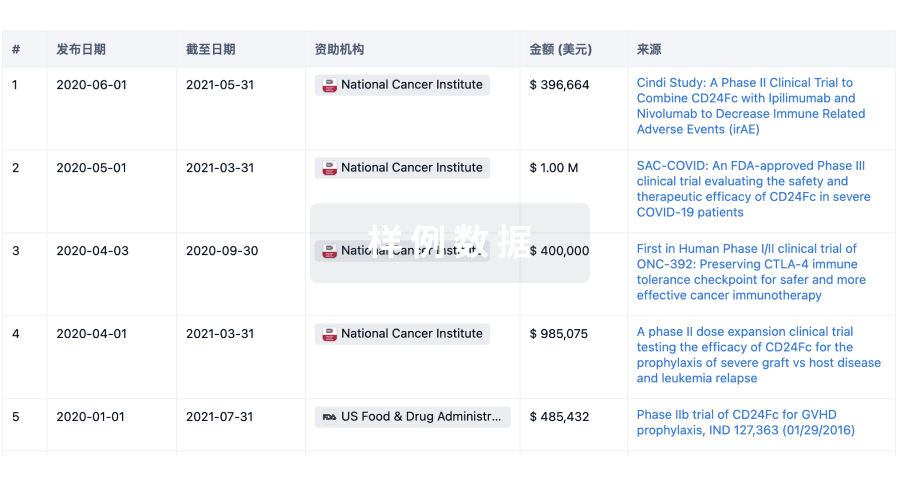
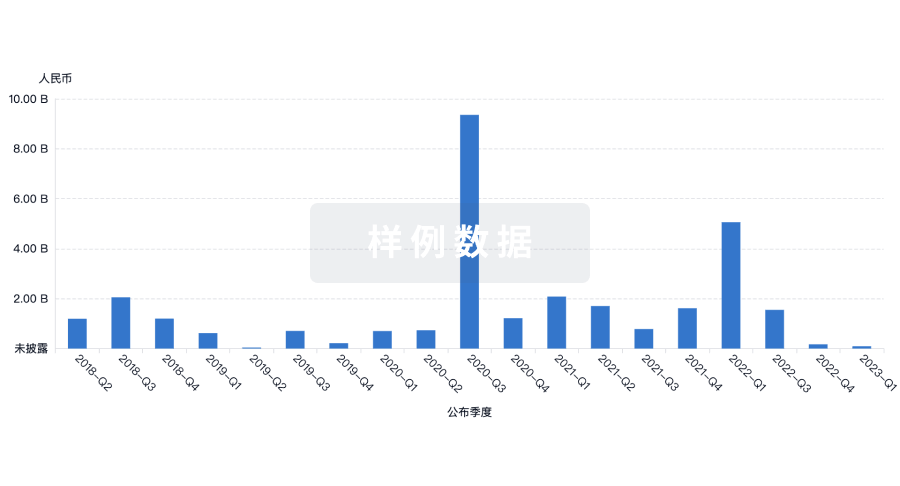
投资
深入了解从初创企业到成熟企业的最新公司投资动态。
登录
或
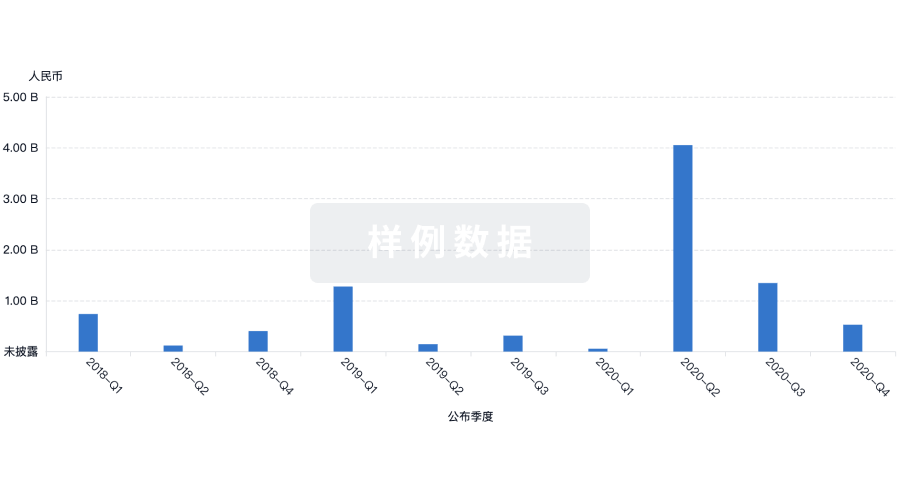
融资
发掘融资趋势以验证和推进您的投资机会。
登录
或
提出任何生物医药研究问题
让每一步生物医药决策都精准制胜
基于十亿级生物数据与全球情报的精准 AI,赋能早期药物发现
立即开始免费试用!
智慧芽新药情报库是智慧芽专为生命科学人士构建的基于AI的创新药情报平台,助您全方位提升您的研发与决策效率。
立即接入生物医药数据包
智慧芽新药库数据也通过智慧芽开放平台,以MCP或API服务形式对外开放。立即使用我们的MCP服务定制您的LLM智能体。
生物序列数据库
生物药研发创新
免费使用
化学结构数据库
小分子化药研发创新
免费使用