预约演示
更新于:2025-08-29

Grape King Bio Ltd.
更新于:2025-08-29
概览
标签
消化系统疾病
化学药
疾病领域得分
一眼洞穿机构专注的疾病领域

暂无数据
技术平台
公司药物应用最多的技术
靶点
公司最常开发的靶点
暂无数据
关联
靶点 |
作用机制 |
在研机构 |
原研机构 |
在研适应症 |
非在研适应症 |
最高研发阶段 |
首次获批国家/地区 |
首次获批日期 |
NCT06893549
Effect of Lactobacillus Plantarum GKK1 Supplementation on Anti-fatigue Health Effects
NCT06570408
Precision Application of Clostridium Butyricm of Clinical Research on Osteoarthritis
NCT05607524
Effects of Grape King Bio Probiotic Capsules in Promoting Fat Excretion by Human Trial

100 项与 葡萄王生技股份有限公司 相关的临床结果
登录后查看更多信息
登录后查看更多信息
2025-09-01Biochemistry and Biophysics Reports
Health-promoting effects of Clostridium butyricum GKB7 on the gastrointestinal tract in murine models
Article
作者: Chen, Chia-Chi ; Chen, Yen-Lien ; Tsai, You-Shan ; Lin, Shih-Wei ; Lee, Li-Ya ; Chen, Chin-Chu
Clostridium butyricum is an anaerobic bacterium known for its ability to produce butyrate and modulate gut microbiota. This study aimed to evaluate the protective and regulatory effects of a novel strain, Clostridium butyricum GKB7, isolated from a healthy Taiwanese individual, on gastrointestinal tract. Three rodent disease models were established: picrylsulfonic acid-induced colitis in rats, loperamide-induced constipation in rats, and aspirin-induced gastric ulcers in mice. Strain GKB7 was administered orally at doses equivalent to human intake with 100 mg/60kg/day. It was found that strain GKB7 significantly normalized colon length and weight, reduced intestinal injury, and partially protected the enterochromaffin cell in colitis model. Besides, strain GKB7 improved stool water content over time and significantly enhanced gastrointestinal motility in constipation model. Furthermore, strain GKB7 mitigated gastric ulcer severity and tissue damage, achieving a 25.2 % curative ratio in gastric ulcer model, with observed reductions in ulcer depth, area, and inflammation. C. butyricum GKB7 exhibits probiotic potential by improving colonic integrity, promoting bowel movement, and protecting against gastric injury. These results support its potential as a supplement for gastrointestinal disorders including inflammatory bowel disease, constipation, or peptic ulcers.
2025-08-01Clinical Nutrition ESPEN
Impact of probiotic Lactobacillus plantarum GKM3 on gastrointestinal health in overweight and obese individuals: A randomized clinical trial
Article
作者: Chen, Yen-Lien ; Tsai, You-Shan ; Hsu, Chin-Lin ; Lin, Shih-Wei ; Lin, Xin-Bei ; Chen, Chin-Chu
BACKGROUND & AIMS:
Overweight and obesity, usually resulting from excess calorie intake, pose significant health challenges in modern societies and contribute to the development of chronic metabolic disorders. Gut microbes have been recognized as key regulators of energy utilization and gastrointestinal health. In this study, we investigated the effects of probiotics Lactobacillus plantarum strain GKM3 on overweight and obese subjects in a double-blind, randomized, placebo-controlled clinical trial.
METHODS:
Participants, aged 20-40 with body mass index between 25.0 and 29.9 and body fat percentages over 25 % for males and 30 % for females, were divided into a placebo group (n = 19) and a probioitcs group (n = 40), receiving capsules containing either a placebo or the probiotics GKM3 for four weeks.
RESULTS:
Our findings demonstrated that supplementation with strain GKM3 at 1 g per day over the 4-week period significantly increased bowel movement frequency and alleviated symptoms such as gastroesophageal reflux, nausea, abdominal pain, and constipation. Fecal lipid analysis revealed elevated levels of triglycerides and total cholesterol compared to the placebo group. Microbiota analysis showed a significant reduction in obesity-associated taxa (Alcaligenaceae, Fusobacteriaceae, Acidaminococcus, Fusobacterium, and Megamonas) and an increase in beneficial genera (Akkermansia and Lactobacillus) following probiotic intervention.
CONCLUSION:
Our study suggests that the strain GKM3 modulates gut flora, leading to reduced fat absorption and improved gastrointestinal functions in overweight and obese individuals.
2025-08-01BIOMEDICINE & PHARMACOTHERAPY
GKB202 suppresses endothelin-1/ERK signaling in pancreatic cancer cells: Potential implications for circulating tumor cell regulation
Article
作者: Hu, Yu-Fang ; Chen, Shu-Yu ; Chou, Ruey-Hwang ; Lu, Long-Sheng ; Chen, Chin-Chu ; Li, Tsung-Ju ; Li, I-Chen ; Lin, Ting-Wei ; Chang, Jun-Way ; Wu, Shih-Pei ; Chen, Andy Y
Circulating tumor cells (CTCs) play a key role in cancer metastasis. However, the complex tumor microenvironment means that targeting these cells therapeutically remains a major clinical challenge. The natural compound GKB202, derived from the mycelium of Antrodia cinnamomea, has been shown to possess anti-cancer properties. Yet, its role in regulating signaling mechanisms preceding cancer metastasis remains unclear. In this study, RNA-seq analysis demonstrated that GKB202 treatment reduced endothelin-1 (ET-1) expression and downregulated signaling cascades in CTCs derived from pancreatic cancer patients. Furthermore, conditioned medium assays indicated that GKB202 prevented cancer cells from stimulating endothelial cells to produce ET-1 and activate ERK/p-ERK downstream signaling, suggesting its potential to inhibit CTCs and prevent the extravasation process. Using protein interaction prediction tools and pathway analysis (STRING and KEGG), we identified interactions between ET-1, MAPK, and AKT, which are associated with tumor angiogenesis pathways. Molecular docking analysis further revealed that GKB202 can act as an ETB receptor antagonist, with a binding energy comparable to that of Bosentan, a known ETB receptor blocker. In addition, combination index (CI) analysis demonstrated that GKB202 exhibited significant synergistic effects with 5-fluorouracil (5-FU), a first-line chemotherapeutic agent. Based on these findings, this study highlights the potential of GKB202 to inhibit cancer cell-induced ET-1 production in endothelial cells, providing novel insights into the tumor microenvironment. Furthermore, as a naturally derived small-molecule compound, GKB202 may serve as a promising candidate for future therapeutic interventions.
2024-03-08
·美通社
100 项与 葡萄王生技股份有限公司 相关的药物交易
登录后查看更多信息
100 项与 葡萄王生技股份有限公司 相关的转化医学
登录后查看更多信息
组织架构
使用我们的机构树数据加速您的研究。
登录
或
管线布局
2026年02月09日管线快照
管线布局中药物为当前组织机构及其子机构作为药物机构进行统计,早期临床1期并入临床1期,临床1/2期并入临床2期,临床2/3期并入临床3期
临床申请
1
登录后查看更多信息
当前项目
登录后查看更多信息
药物交易
使用我们的药物交易数据加速您的研究。
登录
或
转化医学
使用我们的转化医学数据加速您的研究。
登录
或
营收
使用 Synapse 探索超过 36 万个组织的财务状况。
登录
或
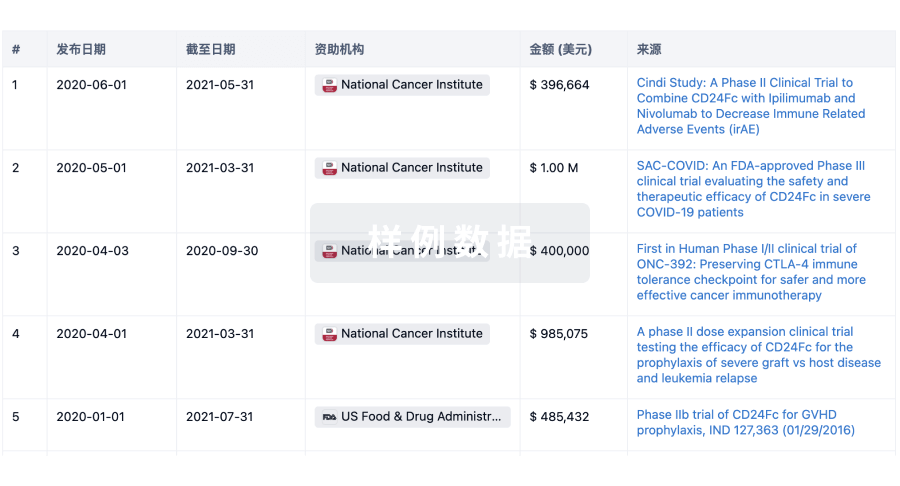
科研基金(NIH)
访问超过 200 万项资助和基金信息,以提升您的研究之旅。
登录
或
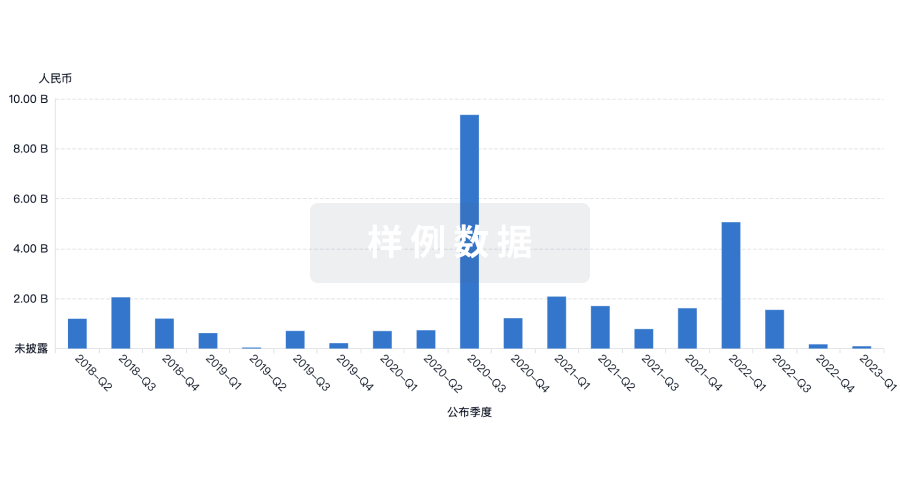
投资
深入了解从初创企业到成熟企业的最新公司投资动态。
登录
或
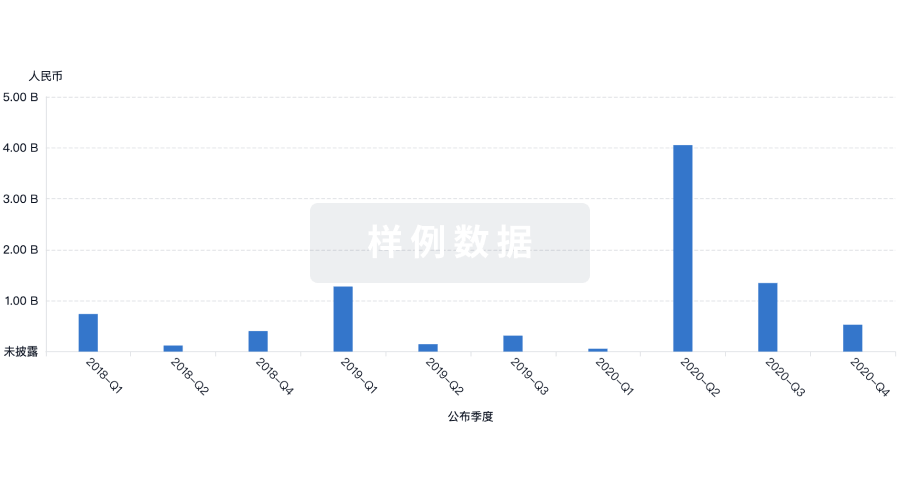
融资
发掘融资趋势以验证和推进您的投资机会。
登录
或
生物医药百科问答
全新生物医药AI Agent 覆盖科研全链路,让突破性发现快人一步
立即开始免费试用!
智慧芽新药情报库是智慧芽专为生命科学人士构建的基于AI的创新药情报平台,助您全方位提升您的研发与决策效率。
立即开始数据试用!
智慧芽新药库数据也通过智慧芽数据服务平台,以API或者数据包形式对外开放,助您更加充分利用智慧芽新药情报信息。
生物序列数据库
生物药研发创新
免费使用
化学结构数据库
小分子化药研发创新
免费使用