预约演示
更新于:2026-03-05
DuPont Pharmaceuticals Co.
子公司|1991|Delaware, United States
子公司|1991|Delaware, United States
更新于:2026-03-05
概览
标签
其他疾病
小分子化药
疾病领域得分
一眼洞穿机构专注的疾病领域

暂无数据
技术平台
公司药物应用最多的技术
暂无数据
靶点
公司最常开发的靶点
暂无数据
| 排名前五的药物类型 | 数量 |
|---|---|
| 小分子化药 | 1 |
| 排名前五的靶点 | 数量 |
|---|---|
| CRHR1(促肾上腺皮质激素释放激素受体1) | 1 |
关联
1
项与 DuPont Pharmaceuticals Co. 相关的药物靶点 |
作用机制 CRHR1拮抗剂 |
在研适应症 |
非在研适应症- |
最高研发阶段临床前 |
首次获批国家/地区- |
首次获批日期- |
100 项与 DuPont Pharmaceuticals Co. 相关的临床结果
登录后查看更多信息
0 项与 DuPont Pharmaceuticals Co. 相关的专利(医药)
登录后查看更多信息
245
项与 DuPont Pharmaceuticals Co. 相关的文献(医药)2025-06-01·ARCHIVES OF TOXICOLOGY
A clinical chemical atlas of xenobiotic toxicity for the Sprague–Dawley rat
Article
作者: Holmes, Elaine ; Grigoroff, Lucy ; Cantor, Glenn H ; Masuda, Reika ; Kadyrov, Janonna ; Lodge, Samantha ; Sala, Samuele ; Lehman-McKeeman, Lois ; Wist, Julien ; Shockcor, John ; Lindon, John C ; Robertson, Donald ; Minaee, Novia ; Car, Bruce D ; Ebbels, Timothy M ; Reily, Michael D ; Nicholson, Jeremy K
Abstract:
The Consortium for Metabonomic Toxicology (COMET) studies was designed to model metabolic responses to organ- and mechanism-specific toxins to predict acute drug toxicity in rats. A range of clinical chemical parameters were measured in 7-day toxicology studies for 86 toxins eliciting a range of organ- and mechanism-specific effects. Additionally, 21 surgical or physiological stressors were evaluated to identify physiological or metabolic responses that might confound the interpretation of observed toxicity profiles. From these studies on a total of 3473 rats measured at six pharmaceutical companies, we provide a set of 12 serum and 5 urine physical and clinical chemistry parameters. Samples were collected at 24 h, 48 h and 168 h post-dose for each animal and are presented as a downloadable database file. We also summarise the main observations based on the group response at the level of the individual toxin. We demonstrate that correlations between parameters, such as serum bilirubin and aspartate aminotransferase (AST), provide a more nuanced profile of organ-specific toxicity than consideration of individual parameters alone. In addition, we highlight the variability in the measured parameters across the dataset attributable to inter-laboratory differences, and the heterogeneity of metabolic responses to particular compounds or differences in temporal patterns of response. This clinical chemistry atlas of toxicity serves as a valuable reference tool for evaluating the potential toxicity of novel drug candidates.
2005-11-01·CRYSTAL GROWTH & DESIGN
A Molecular Modeling Study of the Crystal Morphology of Adipic Acid and Its Habit Modification by Homologous Impurities
作者: Thomson, G. B. ; Clydesdale, G. ; Meenan, P. ; Walker, E. M. ; Roberts, K. J. ; Docherty, R.
The crystal morphol. of adipic acid (AA) and its mediation by the action of the homologous additives, caproic acid, glutaric acid, and succinic acid, has been investigated via computational mol. modeling-based simulation techniques (Clydesdale, G.; Docherty, R.; Roberts, K. J. HABIT95, Quantum Chem. Program Exchange (QCPE), Bloomington, IN 47405, Program Number 670, 1996).With the aid of intermol. and interat. energetic analyses, the exptl. effect of these impurities has been rationalized.The predicted morphologies are in good agreement with sublimation-grown exptl. data.This is not so for solution growth data, reflecting the possible adsorption of water mols. onto exposed carboxylic acid groups via hydrogen bonding on the {100} faces, thus allowing this form to become dominant.Modeling the adsorption of the additives reveals preferential adsorption onto the {302̅} faces, consistent with good additive/host templating at the growth interface, as demonstrated exptl.Intermol. bonding interactions examined those that disappeared in the presence of the additives.It was shown that impurity incorporation disrupted the hydrogen-bonding network within the system, due to an increase in interaction distances and in atom-atom repulsions.Despite its industrial significance, this is the first detailed study of the intermol. interactions involved in impurity incorporation within adipic acid crystallization, and so any conclusions concerning the effect of impurities within the crystallizing mixture will be most useful.
2004-01-01·Acta neurochirurgica. Supplement
The Janus face of inflammation in ischemic brain injury
Review
作者: Wang, X ; Feuerstein, G Z
Brain ischemia elicits an intense inflammatory reaction as evidenced by endogenous activation of microglia and infiltration of leukocytes from the systemic circulation into the brain. A key issue regarding the well-described inflammation in brain injury is whether this reaction is of salutary or detrimental nature in the short and longterm post ischemia. In this brief review, evidence in support for the possible beneficial as well as detrimental role of inflammatory cells and mediators in ischemic brain injury is highlighted. We offer the opinion that both benefits and adverse effects of the inflammatory reaction at large depent on the levels of a specific mediator, the temporal relationships to the injury, the context in which the mediator operates and the spatial relationships to the injury.
42
项与 DuPont Pharmaceuticals Co. 相关的新闻(医药)2025-10-29
·药哥侃药
药哥侃药
设为星标
在前沿医药创新转化上,中外之间仍然有显著差距,一批创新创业人才正在加速填补这一差距。
就在今天,由一位海归博士创立的创新药企业刚刚拿下一笔金额巨大的融资。
日前,上海长森药业有限公司(下称“长森药业”)宣布完成数亿元人民币B+轮融资,本轮融资由启明创投领投。
融资资金将主要用于推进核心管线的关键临床研究及全球化布局。
长森药业由全球知名化学药物研发专家、海归博士王喆于2012年创立,是一家致力于自主研发全球首创(First-in-class,FIC)、同靶点最好(Best-in-class,BIC,新一代)、拥有全球知识产权的创新药产品,满足临床未被满足的需求的创新药企业。
长森药业创始人王喆博士师从哈佛大学诺贝尔化学奖得主 E.J. Corey教授,从事药物开发研究工作20余年,有领导从立项到药物上市的完整产业链经验,在抗感染、抗病毒及抗癌新药研发领域有极深的造诣与卓越成就。
王喆拥有美国田纳西大学博士学位和哈佛大学博士后研究经历,曾在美国 Enanta Pharmaceuticals、DuPont Pharmaceuticals、P&G Pharmaceuticals等多家美国上市药企担任研发项目带头人及资深科学家等职位,主持开发了超过5个在不同临床阶段的新药,其中抗丙肝新药ABT-450 (Paritaprevir)、 VIEKIRA XR、Technivie及ABT-493 (Glecaprevir)均已在全球上市。
王喆在美国获得超过100个发明专利,多项成果专利实现商业化转让。发表SCI论文30余篇,承担多个国家及上海市重大专项课题。
长森药业在研管线
图片来源:公司官网
王喆所创立的长森药业专注于免疫抗病毒、自身免疫疾病、肿瘤免疫治疗等领域的创新药开发与产业化,目前已有多项适应症进入临床II期及III期工作,其核心产品临床数据表现达到国际领先水平(BIC,FIC),尤其是全球首创的双功能双靶点乙肝完全治愈新药LW231,以及更安全有效的新一代自免疫疾病药物LW402,将极大地满足相关领域的临床需求,有望成为相关领域的重大突破性成果。
作为全球首创(FIC)的双功能双靶点免疫抗病毒治疗乙肝新药,LW231有望实现停药后不反弹,或将突破乙肝无药可完全治愈的世界难题。根据《慢性乙型肝炎防治指南(2022年版)》,乙肝完全治愈的标志性指标为肝细胞HBV DNA(包括核内的cccDNA)的清除,并且停药后不反弹。
LW231的临床前研究数据显示目前全球仅LW231达到这一指标。
在2024年全国颠覆性技术创新大赛总决赛颁奖仪式上,lw231荣获最高奖项卓越奖,成为全国十个获此荣誉的项目之一,这标志着长森药业的科研成果得到高度认可。
该项目获评2024年全国颠覆性技术创新大赛最高奖项——卓越奖,同年获得国家科技部重点研发计划颠覆性专项支持。
LW402是长森药业自主研发的新一代自免疫疾病领军创新药物,在多个适应症的临床研究中均展现出优异的安全性与疗效,大幅优于同类药物已公布数据。
长森药业总部位于闵行莘庄工业园,建有近4000平方米的创新药研发实验室及转化中心。
长森药业是国家高新技术企业,上海市“专精特新”中小企业,拥有授权发明专利40余项。
转载、合作、沟通请加药哥微信:Leon1985002
药哥侃药覆盖医药企业目录指引
上市医药公司:
恒瑞医药百济神州 药明生物药明康德
康方生物迈瑞医疗信达生物复星医药
复宏汉霖中国生物制药
免责声明:本微信文章仅根据公开信息进行总结、分析和/或推测,相关内容和观点仅供参考,不作为任何投资、立项以及就医、用药指南(若有)等各类用途的决策依据,药哥侃药及运营者不对任何个人或主体因使用本文内容而导致的任何过失、损失等后果承担责任。
临床3期引进/卖出申请上市上市批准临床2期
2025-02-01
·药时空
合成生物学正在从实验室技术向产业革命的核心驱动力转变。未来10年,其发展将围绕 技术迭代、跨学科融合、商业化路径、政策协同四大主线展开,深刻重构医药、化工、农业、能源等行业的竞争格局。以下是针对行业资深人士的详细趋势解读:一、技术突破:从“基因剪刀”到“生物操作系统”1. 基因编辑技术的终极精准化
超精确编辑工具:CRISPR-Cas9的局限性(如脱靶效应、编辑效率)正被新一代工具突破。Prime Editing(无需DNA双链断裂)和 Base Editing(单碱基转换)已进入临床前试验,未来将针对复杂遗传病(如亨廷顿舞蹈症)实现“无痕修复”。表观遗传编辑(Epigenome Editing)技术可通过甲基化或组蛋白修饰调控基因表达,为癌症、神经退行性疾病提供非破坏性治疗方案。
全基因组合成与重编程:“人工酵母基因组计划Sc2.0”已完成合成酵母所有16条染色体,下一步将实现 哺乳动物细胞全基因组设计(如人工合成人类染色体)。此类技术将催生 定制化底盘细胞,用于高效生产高价值药物(如复杂糖基化抗体)。2. AI与自动化重构生物设计范式
生成式AI驱动蛋白质设计:AlphaFold2/3已实现蛋白质结构预测,结合 生成式对抗网络(GAN),AI可设计自然界不存在的酶或抗体(如2023年David Baker团队设计的抗新冠纳米抗体)。未来5年,AI设计的蛋白质药物将进入临床(如由Generate Biomedicines开发的肿瘤靶向分子)。
高通量生物铸造厂(Biofoundry):自动化平台(如Ginkgo Bioworks的Foundry)将“设计-构建-测试”周期从数月缩短至数天。通过 机器人液滴微流控技术,单日可筛选数百万个工程菌株,加速代谢通路优化(如提高聚乳酸PLA的产率)。
量子计算赋能系统生物学:量子计算机可模拟复杂生物网络(如细胞信号传导),解决传统计算难以处理的 多尺度建模问题(从分子到器官层面)。IBM与D-Wave已在探索量子算法优化CRISPR编辑策略。二、产业应用:从“替代传统”到“创造新需求”1. 医疗健康:从治疗到预防的范式转移
基因疗法2.0时代:体内基因编辑(如Intellia的NTLA-2001治疗转甲状腺素蛋白淀粉样变性)将取代体外细胞改造,成为主流。难点在于 递送系统优化(如脂质纳米颗粒LNP的器官靶向性)。通用型CAR-T(UCAR-T)通过基因编辑敲除HLA和TCR,实现“现货供应”,成本降低90%(由Allogene等公司推动)。
合成微生物组疗法:工程菌群(如Synlogic的SYNB1934治疗苯丙酮尿症)可动态感知肠道环境并释放代谢酶,未来将用于 代谢综合征、自身免疫病 的调控。关键技术在于 生物传感器-执行器模块 的稳定性设计。
细胞工厂生产复杂药物:哺乳动物细胞(如CHO细胞)的基因组重编程将实现 个性化生物药 的快速生产(如患者特异性抗癌疫苗)。关键挑战是 降低质控成本(通过AI实时监测细胞培养参数)。2. 绿色制造:颠覆石化产业链
生物基材料规模化:PHA(聚羟基脂肪酸酯)的生物合成成本已降至$2.5/kg(与传统塑料接近),未来将替代50%的包装材料。技术瓶颈在于 菌株抗逆性提升(如耐受高浓度产物)。蜘蛛丝蛋白 通过毕赤酵母表达,已用于手术缝合线和防弹衣(如Bolt Threads的Microsilk™),下一步将拓展至 可穿戴电子设备的柔性基底。
碳中和生物炼制:利用 合成自养微生物(如LanzaTech的工程梭菌)将CO₂直接转化为乙醇、航空燃油,实现“负碳生产”。规模化需解决 气体质量传递效率(如新型气升式反应器设计)。3. 农业与食品:重构全球供应链
基因编辑作物的去监管化:美国、日本已对 非转基因编辑作物(如SDN-1技术)开放绿色通道,中国正推进 基因编辑安全管理条例 修订。未来将出现耐盐碱水稻、高Omega-3大豆等品种,减少对进口肥料的依赖。
细胞农业的工业化挑战:
培养肉成本已降至 50 / 磅( U P S I D E F o o d s ),但细胞培养基成本占比超 60 50/磅(UPSIDEFoods),但细胞培养基成本占比超605/磅以下,2030年市场规模预计达250亿美元。三、商业化路径:从技术验证到规模化盈利1. 技术转化瓶颈与突破点
代谢工程的三重挑战:
通路拥堵:宿主细胞资源竞争导致产物抑制(如通过动态调控启动子分配资源)。
产物毒性:工程菌难以耐受自身产物(如通过外排泵过表达或膜结构改造)。
分离纯化成本:占生物制造总成本40%以上(如开发原位分离技术或自分泌标签)。
商业模式创新:平台型公司(如Ginkgo Bioworks的“生物设计即服务”)通过标准化流程降低客户研发成本,但面临 毛利率低(约30%)的问题。垂直整合型企业(如Amyris自建发酵工厂)可提升利润空间,但资本开支压力大。2. 资本市场的理性回归
投资热点迁移:2021-2022年合成生物学融资额超300亿美元,但2023年估值回调(如Zymergen市值缩水90%)。资本正从 早期技术平台 转向 已验证商业模式的垂直应用(如精密发酵食品、基因疗法CDMO)。
并购潮加速行业整合:传统化工巨头(如巴斯夫、杜邦)通过收购合成生物学初创企业(如巴斯夫收购Glycosyn)补强生物制造能力,医药巨头(如诺华、罗氏)则聚焦基因编辑工具(如诺华与Intellia合作)。四、政策与伦理:全球博弈下的规则重塑1. 主要经济体的战略布局
美国:《国家生物经济倡议》计划投入200亿美元,重点支持 生物制造国防供应链(如DARPA的Living Foundries项目)。
欧盟:《绿色新政》将合成生物学列为关键技术,但受限于 GMO监管框架,商业化进程滞后。
中国:“十四五”规划明确合成生物学为战略前沿,深圳、天津等地建设 生物制造产业集群,但 知识产权保护 仍是短板。2. 生物安全与全球治理
基因驱动技术(Gene Drive):可用于根除疟蚊,但可能破坏生态平衡。联合国《生物多样性公约》正推动 区域化风险评估,要求野外试验前达成国际共识。
生物黑客(Biohacking)风险:DIY基因编辑工具(如CRISPR试剂盒)的普及可能引发生物恐怖主义。各国需建立 合成DNA序列筛查系统(如美国商务部“基因合成联盟”)。五、未来十年关键里程碑预测(2030年)
技术层面:
AI设计的新药分子占比超30%,首个量子计算优化的合成生物系统投入应用。
全合成基因组哺乳动物细胞实现工业化生产单克隆抗体。
产业层面:
生物基材料替代10%的石化塑料,细胞培养肉占据全球肉类市场5%份额。
基因编辑疗法覆盖超50种遗传病,成本降至10万美元/疗程以下。
政策层面:
全球统一的合成生物产品认证标准出台,主要经济体建立 合成生物学技术出口管制清单。结语
未来10年,合成生物学将跨越“死亡之谷”,从技术突破走向产业落地。行业资深人士需关注 三大核心能力建设:
数据驱动的生物设计能力(整合AI、自动化、量子计算);
规模化生产的工程化能力(从实验室到万吨级发酵);
全球化合规运营能力(应对地缘政治与监管风险)。
唯有如此,方能在生物经济的浪潮中占据先机。
识别微信二维码,可添加药时空小编
请注明:姓名+研究方向!
基因疗法细胞疗法免疫疗法
2025-01-24
·中国生物
这个形状像“车轮子”的东西,你认识吗?
图为轮状病毒结构示意图
Estes和Kapikian,2007
01
”车轮子“病毒知多少?
轮状病毒(rotavirus,RV) 属于呼肠孤病毒科,轮状病毒属,是一种双链核糖核酸病毒,由Bishop于1973年从腹泻患者十二指肠上皮细胞中首次发现,因其在电镜下呈“车轮”状而被称为轮状病毒[1]。
根据轮状病毒外壳蛋白的抗原性差异,将轮状病毒分为不同的血清型。近年来,全球最常见的G血清型有G1、G2、G3、G4、G8和G9,约占轮状病毒毒株的90%[2]。
02
”车轮子“病毒有多可怕?
轮状病毒是引起全球5岁以下婴幼儿重度腹泻的最常见的病原体,2000年之前,全球5岁以下儿童每年因轮状病毒感染导致52.8万例死亡,在轮状病毒疫苗大范围接种后,2016年已降到12.85万[2],是全球婴幼宝宝都畏惧的一种病毒。
轮状病毒感染常见于秋冬季,主要通过粪口途径传播(即通过被轮状病毒粪便污染的手、物体等经口入体内引起感染),造成宝宝出现不同程度的腹泻,伴有发热和呕吐,严重时可致电解质紊乱、酸碱平衡失调,甚至死亡。
03
面对”车轮子“病毒,我们该怎么办?
当然是——喝“它”
轮状病毒感染尚无特效治疗药物,接种疫苗是最经济有效的预防措施。
当前,国内获批上市使用的2款国产轮状病毒疫苗,均由中国生物兰州生物制品研究所自主研发。
01. 口服轮状病毒活疫苗(单价)(商品名:罗特威)
全球使用时间最长、国内首款轮状病毒疫苗
兰州生物制品研究所从1982年开始进行轮状病毒疫苗的研发,在轮状病毒病原学、流行病学、疫苗株筛选、病毒质控方法建立等方面做了大量开创性工作。
自主研发的口服轮状病毒活疫苗(单价)于1998年获得国家一类新药证书,2001年取得正式生产文号,是国内第一款口服轮状病毒活疫苗,适用于2个月-3周岁婴幼儿,自上市以来已接种超过1亿剂,可有效预防A群轮状病毒引起的腹泻,减轻临床症状及住院率,能明显缩短A群轮状病毒胃肠炎患儿病程。
该疫苗曾荣获国家科技进步二等奖、杜邦科技创新奖、甘肃省科技进步一等奖等奖项。
02. 口服三价重配轮状病毒减毒活疫苗(Vero细胞)(商品名:瑞特威)
这是全球首款人-羊轮状病毒基因重配疫苗
也是兰州生物继口服轮状病毒活疫苗之后
出品的首款国产多价轮状病毒疫苗
口服三价重配轮状病毒减毒活疫苗(Vero细胞)具有自主知识产权,该疫苗以羊轮状病毒为骨架,将其结构蛋白VP7基因分别用G2、G3和G4型人轮状病毒毒株相应基因进行替换,获得了G2、G3、G4型人-羊轮状病毒基因重配株,是首款国产多价轮状病毒疫苗,适用于6-32周龄婴幼儿,可有效预防G1、G2、G3、G4和G9型轮状病。
该疫苗于2023年4月获得国家食品药品监督管理局颁发的药品注册证书,2023年12月获批上市。
04
日常预防措施有哪些?
除了疫苗接种,日常预防也至关重要:
勤洗手:
培养宝宝和家人的勤洗手习惯,特别是在饭前便后、接触垃圾或清洁工作后,使用流动水和肥皂彻底清洗双手。
注重饮食:
确保宝宝的饮食和饮水安全,避免食用被污染的食物和水。
保持环境清洁:
定期清洁和消毒宝宝的玩具、餐具、奶瓶等用品,保持居住环境的整洁和通风,减少病毒滋生的机会。
References
[1] Bishop RF, Davidson GP, Holmes IH, et al. Virus particles in epithelial cells of duodenal mucosa from children with acute nonbacterial gastroenteritis[J]. Lancet,1973,2(7841):12811283.DOI:
10.1016/s0140-6736(73) 92867-5.
[2]段招军,李金松,张静,等.儿童轮状病毒胃肠炎免疫预防专家共识(2024年版)[J].中国疫苗和免疫,2024,30(01):95-126.DOI:10.19914/j.CJVI.2024018.
来源:兰州生物制品研究所
搜索“中国生物”
关注中国生物全媒体矩阵
上市批准疫苗
100 项与 DuPont Pharmaceuticals Co. 相关的药物交易
登录后查看更多信息
100 项与 DuPont Pharmaceuticals Co. 相关的转化医学
登录后查看更多信息
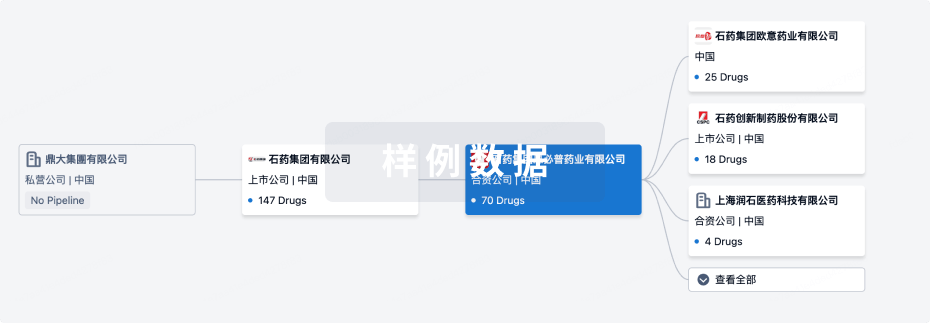
组织架构
使用我们的机构树数据加速您的研究。
登录
或
管线布局
2026年09月13日管线快照
管线布局中药物为当前组织机构及其子机构作为药物机构进行统计,早期临床1期并入临床1期,临床1/2期并入临床2期,临床2/3期并入临床3期
临床前
1
7
其他
登录后查看更多信息
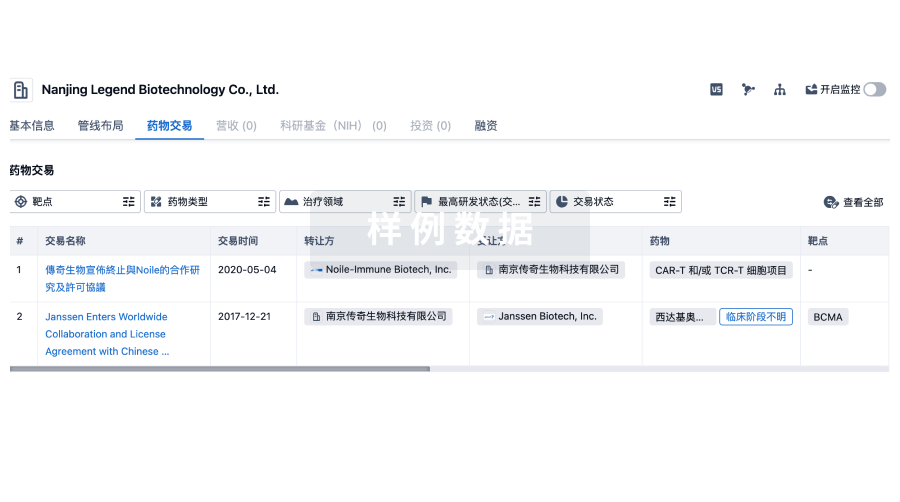
药物交易
使用我们的药物交易数据加速您的研究。
登录
或
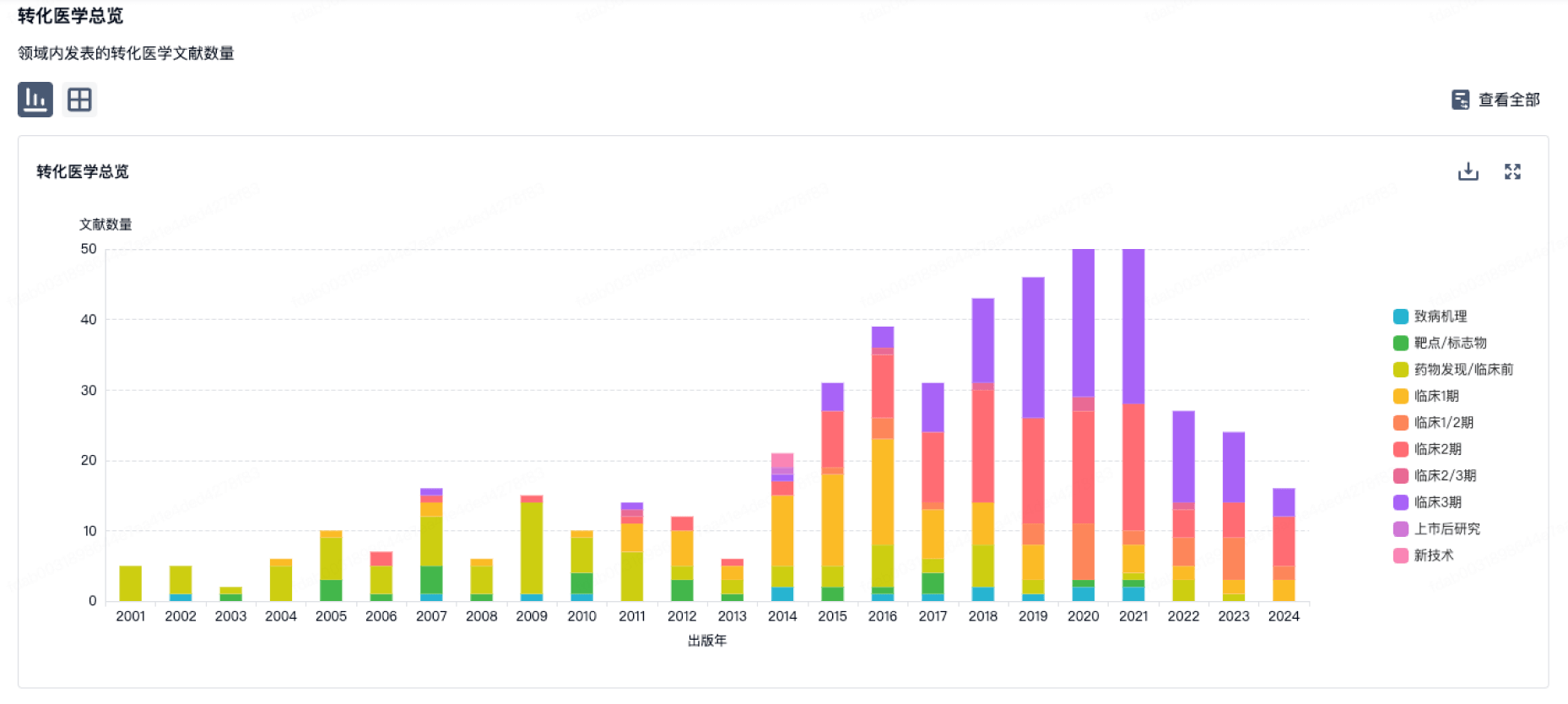
转化医学
使用我们的转化医学数据加速您的研究。
登录
或
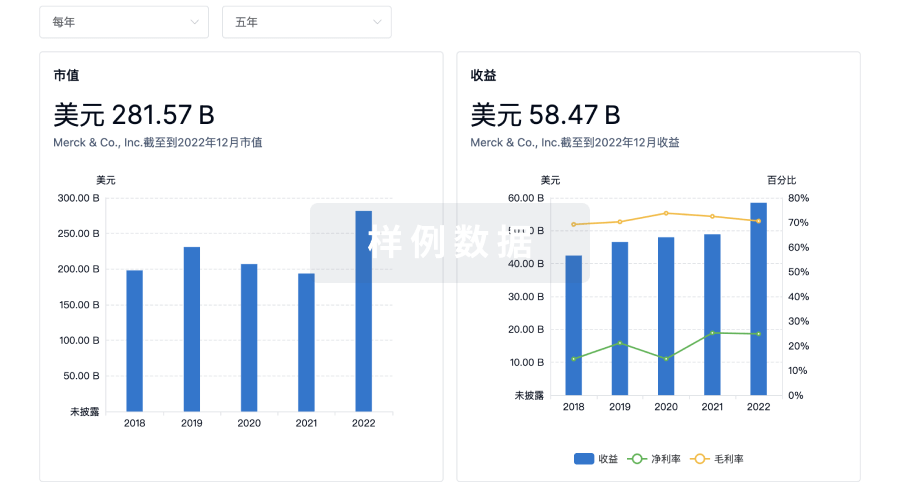
营收
使用 Synapse 探索超过 36 万个组织的财务状况。
登录
或
科研基金(NIH)
访问超过 200 万项资助和基金信息,以提升您的研究之旅。
登录
或
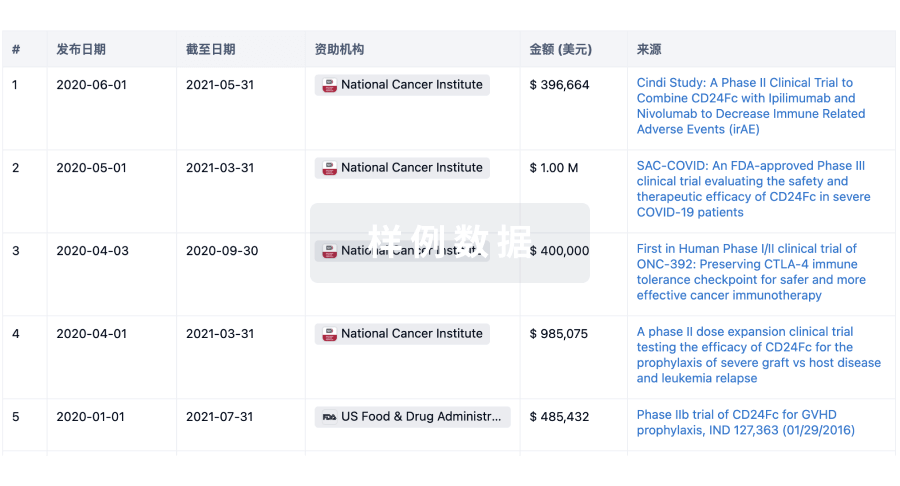
投资
深入了解从初创企业到成熟企业的最新公司投资动态。
登录
或
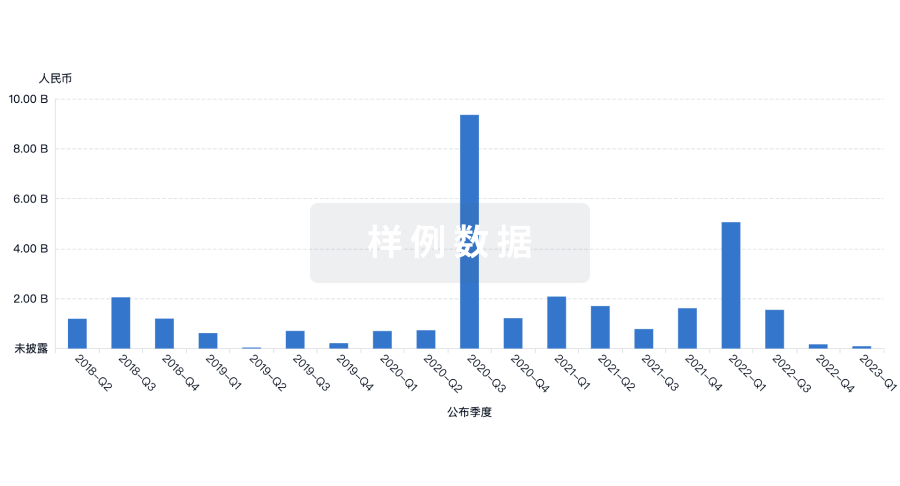
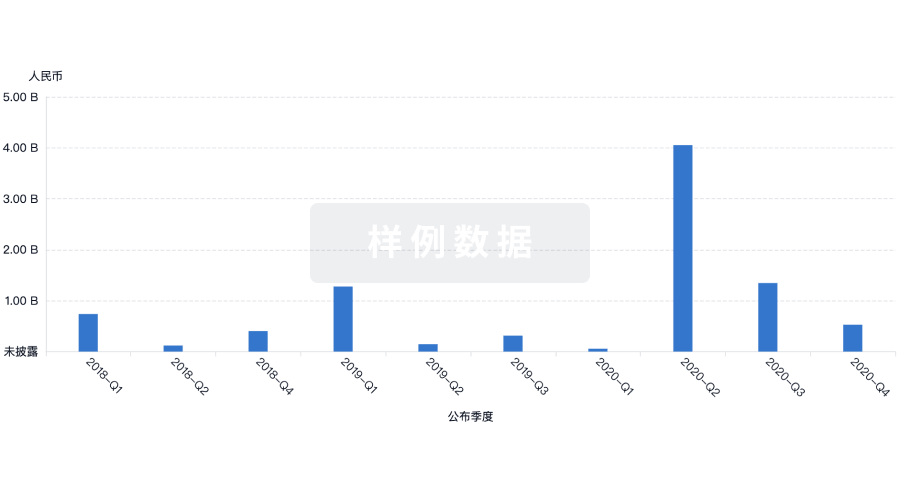
融资
发掘融资趋势以验证和推进您的投资机会。
登录
或
提出任何生物医药研究问题
让每一步生物医药决策都精准制胜
基于十亿级生物数据与全球情报的精准 AI,赋能早期药物发现
立即开始免费试用!
智慧芽新药情报库是智慧芽专为生命科学人士构建的基于AI的创新药情报平台,助您全方位提升您的研发与决策效率。
立即接入生物医药数据包
智慧芽新药库数据也通过智慧芽开放平台,以MCP或API服务形式对外开放。立即使用我们的MCP服务定制您的LLM智能体。
生物序列数据库
生物药研发创新
免费使用
化学结构数据库
小分子化药研发创新
免费使用