预约演示
更新于:2026-01-29

Fujian Normal University
更新于:2026-01-29
概览
标签
肿瘤
神经系统疾病
消化系统疾病
小分子化药
化学药
ADC
疾病领域得分
一眼洞穿机构专注的疾病领域

技术平台
公司药物应用最多的技术
靶点
公司最常开发的靶点
关联
靶点 |
作用机制 |
在研机构 |
原研机构 |
在研适应症 |
非在研适应症 |
最高研发阶段 |
首次获批国家/地区 |
首次获批日期 |
靶点 |
作用机制 |
在研机构 |
原研机构 |
在研适应症 |
非在研适应症 |
最高研发阶段 |
首次获批国家/地区 |
首次获批日期 |
CN120504658
专利挖掘靶点 |
作用机制 |
在研机构 |
原研机构 |
在研适应症 |
非在研适应症 |
最高研发阶段 |
首次获批国家/地区 |
首次获批日期 |
ChiCTR2500106827
The protective benefits of aerobic exercise on the cardiovascular structure and function of people with impaired glucose tolerance
ChiCTR2500104251
Protective benefits of aerobic exercise on cardiovascular structure and function in patients with T2DM
ChiCTR2500104330
Acute effects of high-intensity interval training and moderate-intensity continuous training on arterial stiffness and endothelial function in patients with hypertension
100 项与 福建师范大学 相关的临床结果
登录后查看更多信息
登录后查看更多信息
2026-04-01BIOMATERIALS
A multifunctional manganese-based nanozyme platform for synergistic hypoxia alleviation and cholesterol depletion to potentiate STING-mediated cancer immunotherapy
Article
作者: Yan, Shuangqian ; Cao, Mengru ; Zeng, Xuemei ; Xue, Panpan ; Huang, Zhe ; Liu, Shijian ; Shao, Sijie
Aberrant cholesterol accumulation and hypoxia contribute to cancer malignancy by promoting cell survival, enhancing DNA repair pathways, reducing the efficacy of the stimulator of the interferon gene (STING) activation, and creating an immunosuppressive tumor microenvironment. In this study, we developed a manganese-based nanoplatform, termed MnOxChP, which combines peroxidase-, catalase-, glutathione oxidase-, and NADPH oxidase-like nanozyme activities with cholesterol oxidase (ChOx) to enhance STING activation for effective cancer immunotherapy by modulating cholesterol metabolism and hypoxia. ChOx catalyzes the oxidation of cholesterol and O2 into H2O2, depleting cholesterol, which disrupts lipid rafts domains, inhibits DNA damage repair, and increases membrane fluidity. This process amplifies the cytosolic DNA pool, induced by lethal •OH from the Fenton-like reaction, thereby strengthening STING activation mediated by Mn2+. Additionally, the multiple enzyme-like activities of MnOx overcome the tumor's antioxidant defense system and alleviate hypoxia, further enhancing •OH-induced lethality and cholesterol oxidation. Cholesterol depletion also inhibits the PD-1/PD-L1 axis, mitigating CD8+ T cells exhaustion. The MnOxChP nanoplatform induces potent immunogenic cell death, demonstrating significant immunotherapeutic efficacy in both abscopal and metastasis mouse models. This strategy amplifies STING activation and expands the potential of cholesterol metabolism modulation-based immunotherapy.
2026-03-01PERSONALITY AND SOCIAL PSYCHOLOGY BULLETIN
Performing like a Learning Machine: The Emphasis on Performance Goals Results in Self-Objectification
Article
作者: Cheng, Lei ; Zhang, Jingyu ; Wang, Xijing ; Yang, Ying
Little attention has been given to self-objectification, which refers to viewing oneself as an instrument or object rather than a full human, in an educational context. To address this gap, the current research aims to test self-objectification among students, and we hypothesized that a performance goal orientation would result in self-objectification (H1), which would further predict reduced authenticity (H2). Six studies (N = 1,716) confirmed our hypotheses. Studies 1–2, employing cross-sectional and 2-wave designs, found a positive association between a performance goal orientation and self-objectification among college students. Study 3 further showed the link among middle school students (i.e., adolescents). Studies 4–5b employed experimental methodologies to demonstrate the causal relationship between the performance goal orientation and self-objectification. In addition, increased self-objectification triggered by the performance goal orientation was further related to reduced authenticity (Studies 3–5b). This work advances the understanding of self-objectification in the educational domain.
2026-03-01JOURNAL OF COLLOID AND INTERFACE SCIENCE
Medium-entropy-designed δ-MnO2 cathode for high-performance aqueous zinc-ion battery
Article
作者: Han, Lili ; Duan, Qile ; Ding, Xiang ; Wang, Yizhen ; Yuan, Weiwu ; Mei, Tao ; Xiao, Yi ; Liu, Yisi ; Yang, Xiao ; Liu, Liangwei
Layered δ-MnO2 cathode holds the merits of high average voltage (∼1.3 V) and large theoretical capacity (308 mA h g-1) in aqueous zinc-ion batteries (AZIBs). Meanwhile, it suffers from defects of poor bulk electronic/ionic conductivity and inferior structural stability. Herein, based on the medium-entropy design concept, this study constructs an entropy-stabilized δ-MnO2 cathode material through Cr/V/Ti multi-principal elemental co-doping, which integrates entropy-increasing effect and cocktail effect to obtain greatly enhanced bulk electronic spatial structures, thereby improving reaction kinetics, inhibiting Mn-dissolution, and enhancing structural stability. A series of ex-/in-situ characterizations (e. g. in-situ XRD, in-situ DRT) and DFT calculations fundamentally affirm the optimized structure-activity relationship and Zn2+ insertion/extraction mechanism after medium-entropy doping. As a result, the optimal medium-entropy cathode shows elevated working capacity of 298 mA h g-1 at 1C with superior cyclic stability (91.5 %@100 cycles) within 0.8-1.8 V. It also gives competitive rate capabilities (199 mA h g-1@83 %@3C) and high energy density (360.6 W h kg-1), representing significant reference value and practicality for high-performance AZIBs.
2026-01-07
2025-12-14
2025-11-26
免疫疗法抗体药物偶联物
100 项与 福建师范大学 相关的药物交易
登录后查看更多信息
100 项与 福建师范大学 相关的转化医学
登录后查看更多信息
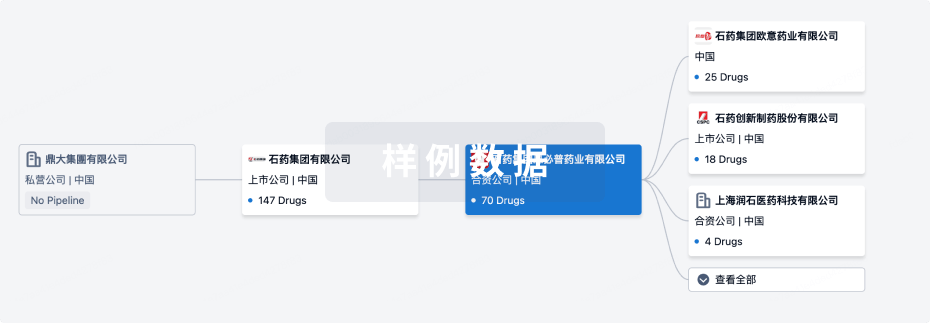
组织架构
使用我们的机构树数据加速您的研究。
登录
或
管线布局
2026年02月09日管线快照
管线布局中药物为当前组织机构及其子机构作为药物机构进行统计,早期临床1期并入临床1期,临床1/2期并入临床2期,临床2/3期并入临床3期
药物发现
3
2
临床前
登录后查看更多信息
当前项目
登录后查看更多信息
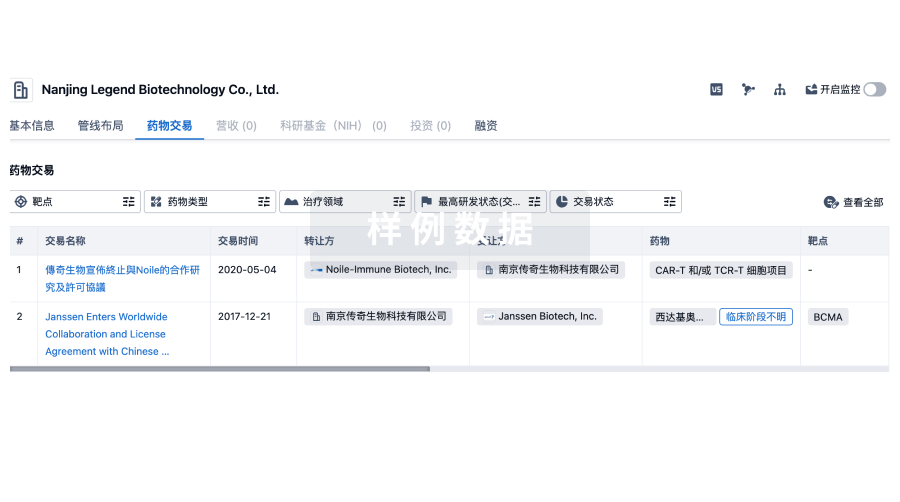
药物交易
使用我们的药物交易数据加速您的研究。
登录
或
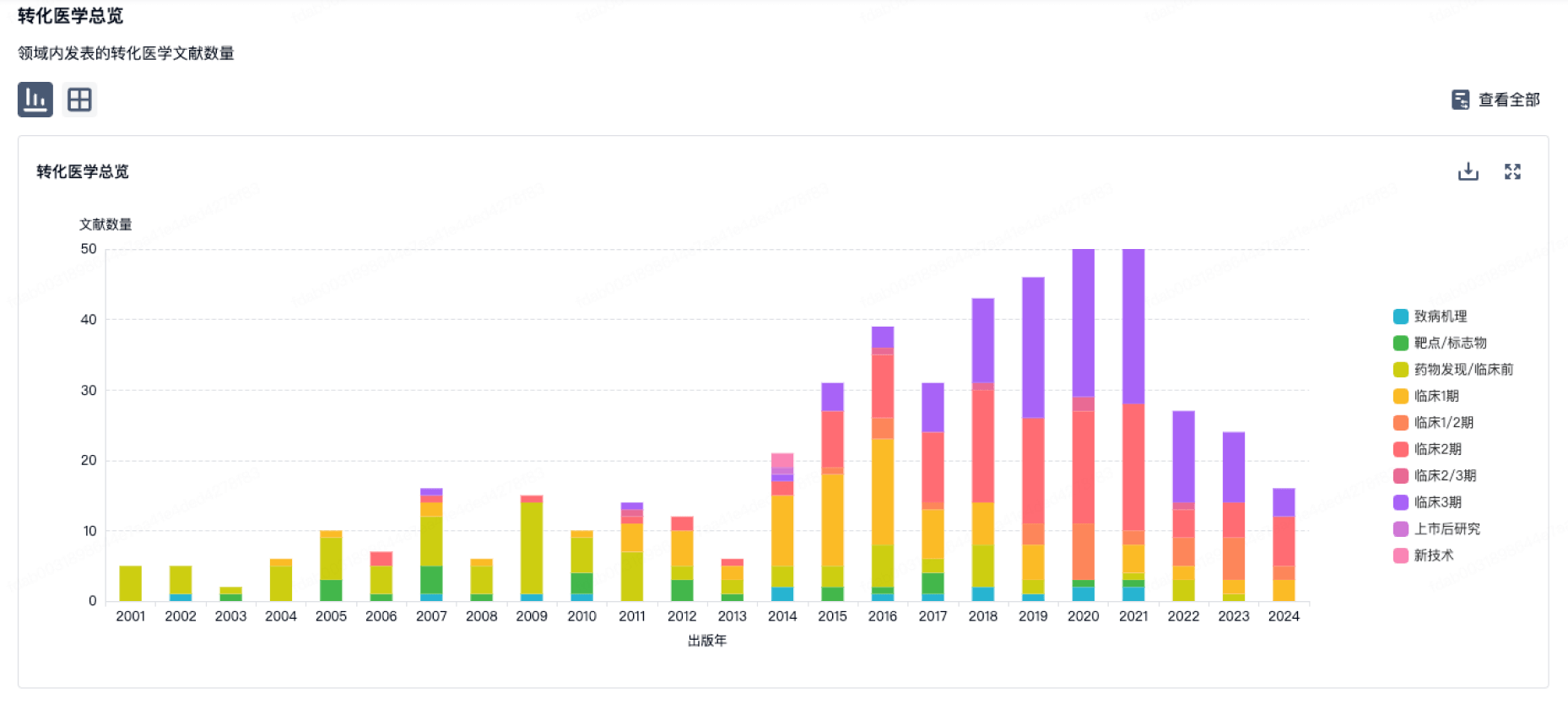
转化医学
使用我们的转化医学数据加速您的研究。
登录
或
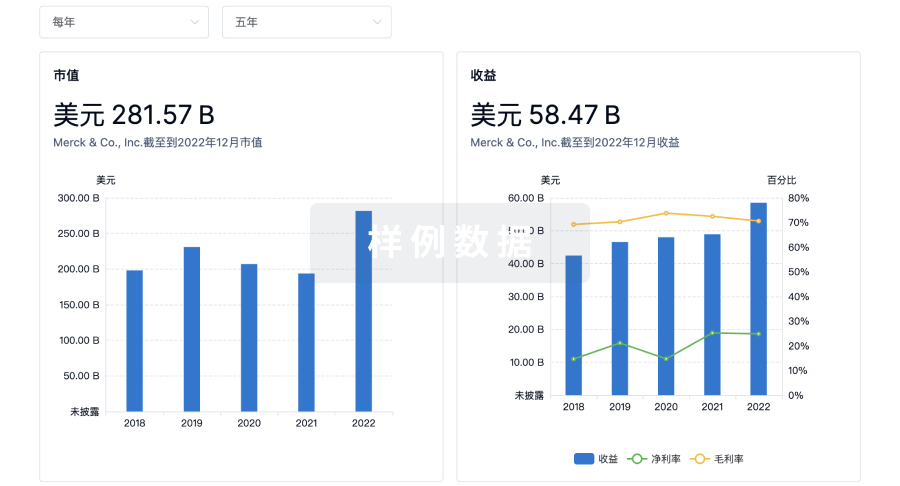
营收
使用 Synapse 探索超过 36 万个组织的财务状况。
登录
或
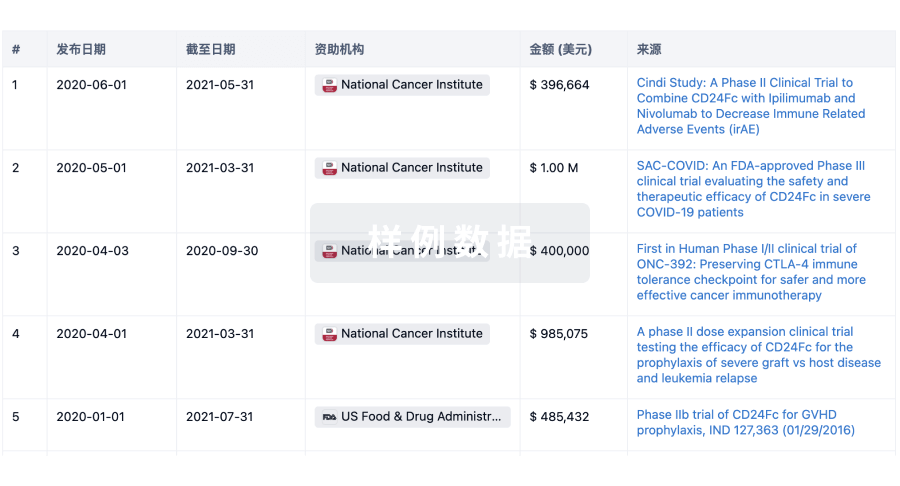
科研基金(NIH)
访问超过 200 万项资助和基金信息,以提升您的研究之旅。
登录
或
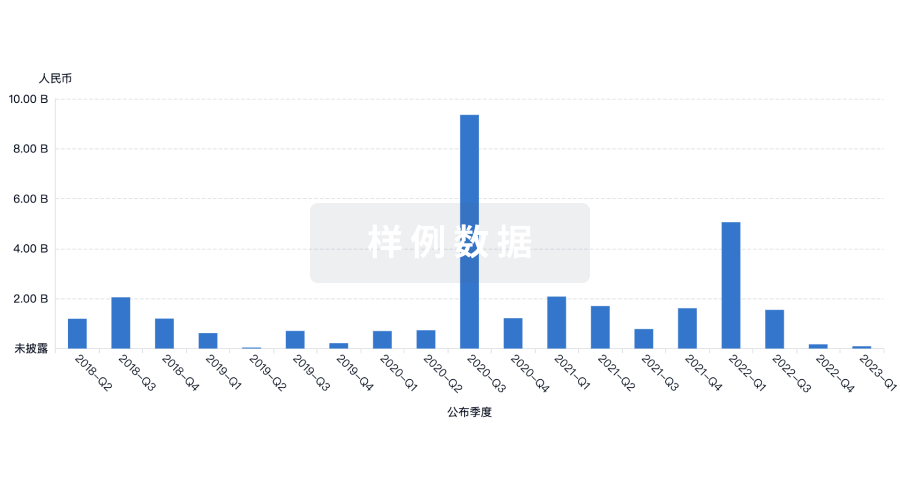
投资
深入了解从初创企业到成熟企业的最新公司投资动态。
登录
或
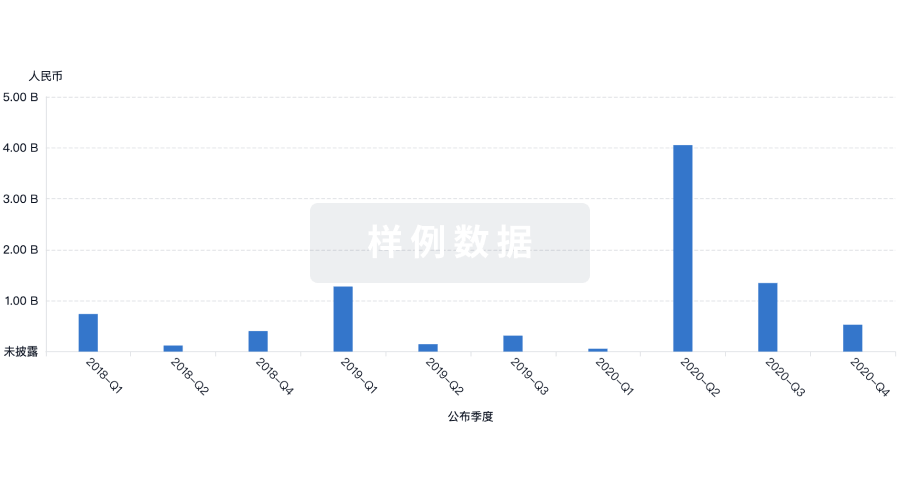
融资
发掘融资趋势以验证和推进您的投资机会。
登录
或
生物医药百科问答
全新生物医药AI Agent 覆盖科研全链路,让突破性发现快人一步
立即开始免费试用!
智慧芽新药情报库是智慧芽专为生命科学人士构建的基于AI的创新药情报平台,助您全方位提升您的研发与决策效率。
立即开始数据试用!
智慧芽新药库数据也通过智慧芽数据服务平台,以API或者数据包形式对外开放,助您更加充分利用智慧芽新药情报信息。
生物序列数据库
生物药研发创新
免费使用
化学结构数据库
小分子化药研发创新
免费使用