预约演示
更新于:2026-03-08

Harbin University of Commerce
更新于:2026-03-08
概览
标签
肿瘤
其他疾病
内分泌与代谢疾病
小分子化药
多糖药物
疾病领域得分
一眼洞穿机构专注的疾病领域

技术平台
公司药物应用最多的技术
靶点
公司最常开发的靶点
关联
靶点 |
作用机制 |
在研机构 |
原研机构 |
在研适应症 |
非在研适应症 |
最高研发阶段 |
首次获批国家/地区 |
首次获批日期 |
靶点 |
作用机制 |
在研机构 |
原研机构 |
在研适应症 |
非在研适应症 |
最高研发阶段 |
首次获批国家/地区 |
首次获批日期 |

靶点 |
作用机制 |
在研机构 |
原研机构 |
在研适应症 |
非在研适应症 |
最高研发阶段 |
首次获批国家/地区 |
首次获批日期 |
100 项与 哈尔滨商业大学 相关的临床结果
登录后查看更多信息
登录后查看更多信息
2026-04-01JOURNAL OF ETHNOPHARMACOLOGY
Corrigendum to “Chaihu Shugan San exerts antidepressant effects by driving microglial M2 polarization via inhibition of the IL-1β/JNK signaling pathway” [J. Ethnopharmacol. 360C (2026) 121137]
作者: Ren, Haiqin ; Qu, Zhongyuan ; Wang, Jiafeng ; Liu, Lin ; Liu, Kaili ; Qiang, Fajing ; Wang, Hao ; Zou, Xiang ; Li, Jianli ; Zhang, Tianlei ; Gao, Yuan
2026-03-01CARBOHYDRATE POLYMERS
Effect of starch chain structures on the order, strength, and digestibility of retrograded starch structures: A review
Review
作者: Geng, Dong-Hui ; Wang, Kuaitian ; Zhao, Xiaoyan ; Cheng, Yongqiang ; Asiamah, Ebenezer ; Tang, Ning ; Zhang, Na
The balance between inhibiting and promoting starch retrogradation is a challenge in developing low glycemic index foods, as they are important ways for preventing texture deterioration and reducing digestibility, respectively. Currently, a comprehensive analysis on how starch chain structures influence gel strength and digestibility through molecular rearrangement during retrogradation is still lacking. This paper reviewed the short-term and long-term retrogradation properties of amylose and amylopectin, and comprehensively discussed the roles of their chain structures in the ordered degree, strength, and digestibility of retrograded gels. Amylose chains, especially short-medium chains with a degree of polymerization (DP) of 100-2500, readily rearrange into long and stable helices during retrogradation, which enhances gel strength and reduces starch digestibility. Similarly, long amylopectin chains (≥ 25 DP) demonstrate amylose-like behavior in their rearrangement propensity. In contrast, short-medium amylopectin chains (6-24 DP) exhibit limited rearrangement capacity due to steric hindrance, resulting in the weakening of gel strength and the reduction of resistant starch content. However, these branches promote intermolecular entanglement to form microcrystals, and their α-1,6-glycosidic bonds are insensitive to digestive enzymes, demonstrating excellent potential in producing slowly digestible starch. This review provides critical theoretical insights for the production and storage of high-quality and slow-digestion starch-based foods.
2026-03-01FOOD CHEMISTRY
Preparation of indicator cards for freshness detection of rice with four different processing degrees during storage based on olfactory visualization technology
Article
作者: Xu, Xin-Yu ; Liu, Wan-Ru ; Wang, Bing ; Zhang, Guang ; Ma, Chun-Min ; Xu, Yue ; Zhang, Na ; Yang, Yang ; Wang, Yuan-Yuan
Rice deteriorates during storage by producing volatile amines and aldehydes. Based on olfactory visualization technology, this study prepared a chitosan-carboxymethylcellulose-Congo red (CS/CMC-CR) indicator card, which can specifically detect changes in the main deteriorative flavor substances in rice, thereby realizing the visual determination of rice freshness. This indicator card also possesses the characteristics of environmental friendliness, cost-effectiveness, and convenient operation. Experiments show that hexanal is the main characteristic flavor compound for rice deterioration during storage, and Congo red exhibits the highest sensitivity to hexanal-with a significant color change observed when the hexanal concentration reaches 2.24 mg/kg. The interference of other volatile flavor compounds on the color of the Congo red indicator card was eliminated. Furthermore, the CS/CMC-CR composite indicator card has a denser structure and better crystallinity than single materials, with improved mechanical properties (maximum tensile strength of 37.10 MPa) and barrier properties, achieving nearly 100% accuracy in rice freshness detection.
100 项与 哈尔滨商业大学 相关的药物交易
登录后查看更多信息
100 项与 哈尔滨商业大学 相关的转化医学
登录后查看更多信息
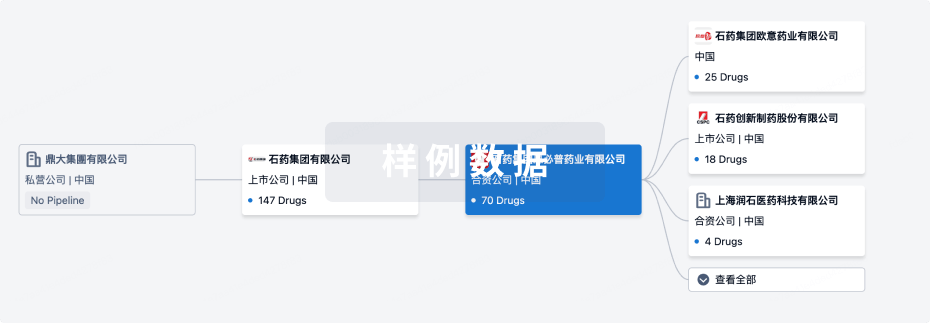
组织架构
使用我们的机构树数据加速您的研究。
登录
或
管线布局
2026年06月11日管线快照
管线布局中药物为当前组织机构及其子机构作为药物机构进行统计,早期临床1期并入临床1期,临床1/2期并入临床2期,临床2/3期并入临床3期
药物发现
4
3
临床前
登录后查看更多信息
当前项目
登录后查看更多信息
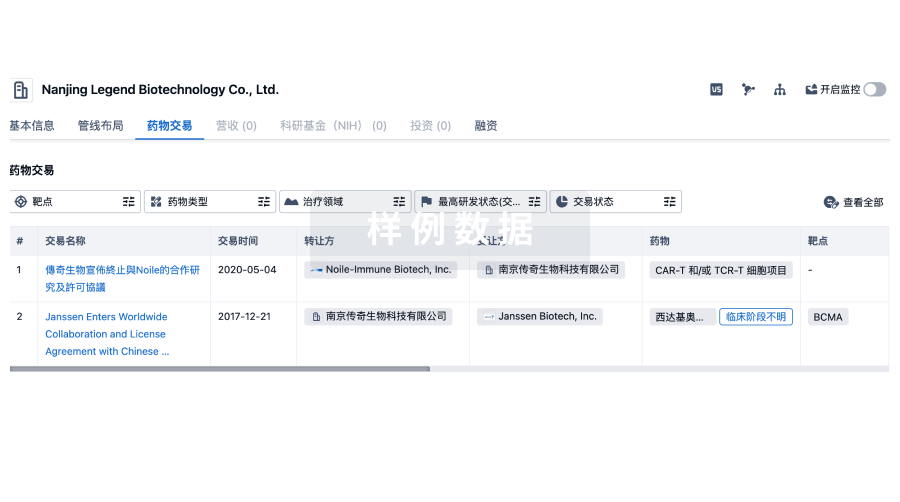
药物交易
使用我们的药物交易数据加速您的研究。
登录
或
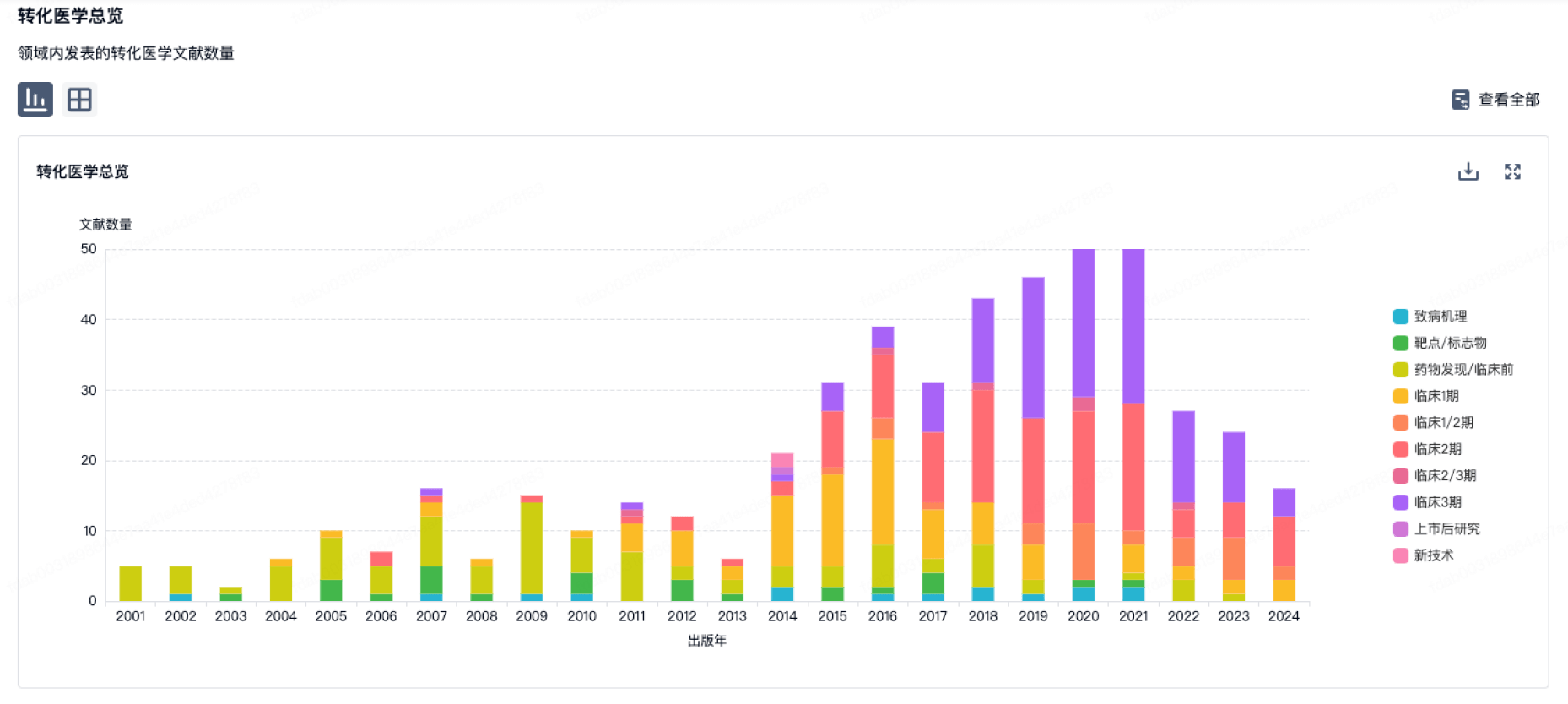
转化医学
使用我们的转化医学数据加速您的研究。
登录
或
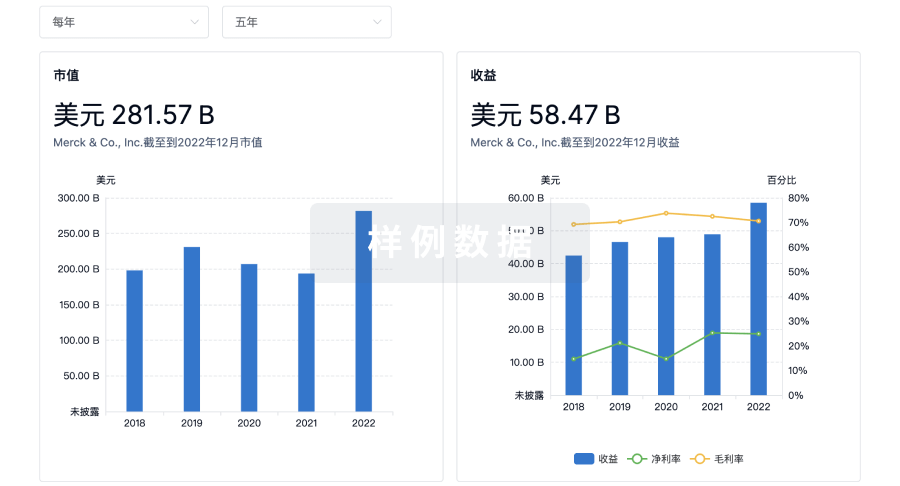
营收
使用 Synapse 探索超过 36 万个组织的财务状况。
登录
或
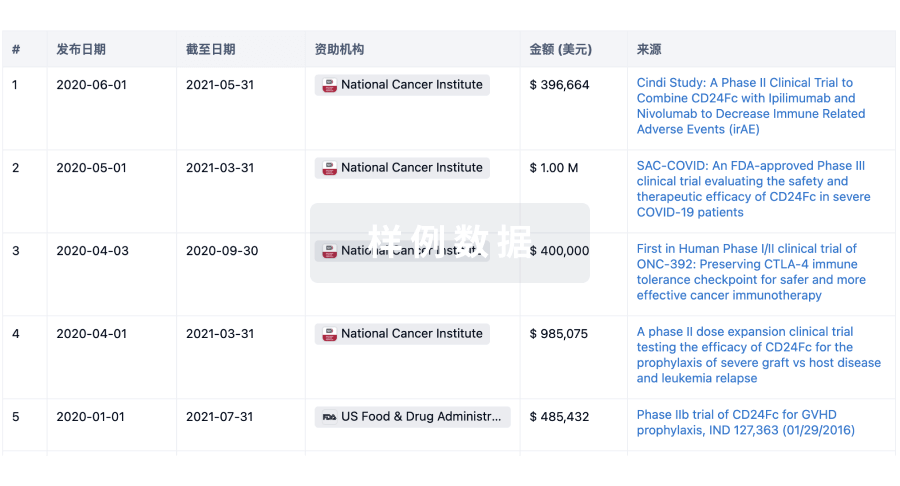
科研基金(NIH)
访问超过 200 万项资助和基金信息,以提升您的研究之旅。
登录
或
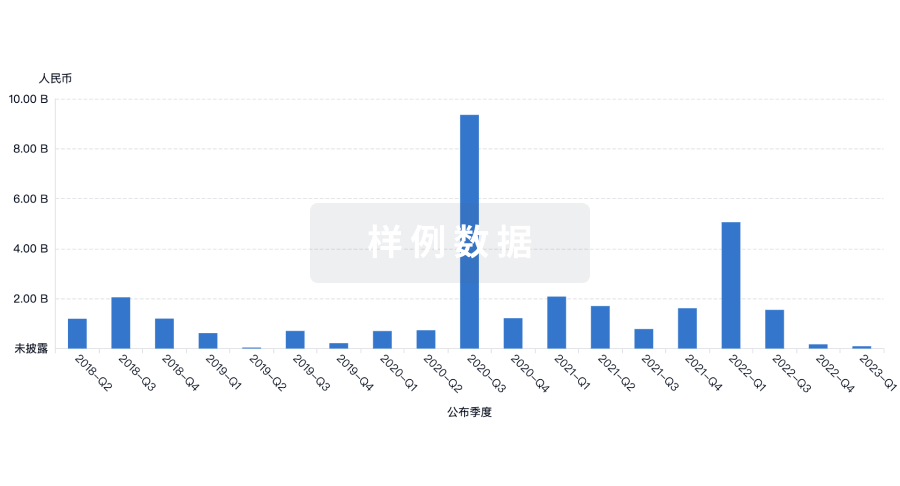
投资
深入了解从初创企业到成熟企业的最新公司投资动态。
登录
或
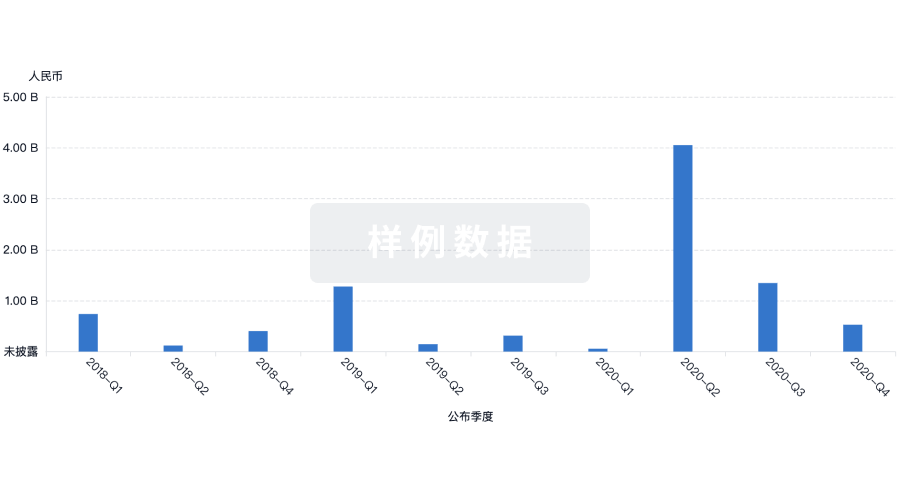
融资
发掘融资趋势以验证和推进您的投资机会。
登录
或
生物医药百科问答
全新生物医药AI Agent 覆盖科研全链路,让突破性发现快人一步
立即开始免费试用!
智慧芽新药情报库是智慧芽专为生命科学人士构建的基于AI的创新药情报平台,助您全方位提升您的研发与决策效率。
立即开始数据试用!
智慧芽新药库数据也通过智慧芽数据服务平台,以API或者数据包形式对外开放,助您更加充分利用智慧芽新药情报信息。
生物序列数据库
生物药研发创新
免费使用
化学结构数据库
小分子化药研发创新
免费使用