预约演示
更新于:2026-10-16

Dalian University
更新于:2026-10-16
概览
标签
皮肤和肌肉骨骼疾病
免疫系统疾病
消化系统疾病
小分子化药
化学药
疾病领域得分
一眼洞穿机构专注的疾病领域

技术平台
公司药物应用最多的技术
靶点
公司最常开发的靶点
关联
靶点 |
作用机制 |
在研机构 |
原研机构 |
在研适应症 |
非在研适应症 |
最高研发阶段 |
首次获批国家/地区 |
首次获批日期 |
靶点 |
作用机制 |
在研机构 |
原研机构 |
在研适应症 |
非在研适应症 |
最高研发阶段 |
首次获批国家/地区 |
首次获批日期 |
靶点 |
作用机制 |
在研机构 |
原研机构 |
在研适应症 |
非在研适应症 |
最高研发阶段 |
首次获批国家/地区 |
首次获批日期 |

NCT03282435
Treatment of Non-small Cell Lung Cancer With CIK Cells Blocked by PD-1 Antibody
NCT03333499
the Effects of YangXinShi (YXS) on the Quality of Life and Exercise Tolerance in Patients With Chronic Heart Failure
NCT03948191
A Double-masked, Methylprednisolone-control, Efficacy and Safety Study of 99Tc-MDP for Thyroid Associated Ophthalmopathy.
100 项与 大连大学 相关的临床结果
登录后查看更多信息
登录后查看更多信息
2026-10-01Food Chemistry-X
Untargeted UHPLC-MS/MS analysis of intestines of high-value Apostichopus Japonicus: A proof of concept
Article
作者: Jiang, Piaopiao ; Zhou, Xu ; Hu, Yun ; Li, Boyan ; Zhang, Jin ; Zeng, Zhongda
This study articulated the intestinal metabolome of Apostichopus japonicus, one of the most geographically indicated high-value aquatic products in China. Through untargeted UHPLC-MS/MS metabolomic analysis, 645 metabolites were annotated from a total of 6333 detected spectral features in the body wall and intestinal tissues of A. japonicus. These substances constituted the primary metabolic profile of the body wall and intestines. Statistical analysis identified 208 differential metabolites and seven significantly enriched metabolic pathways. Among them, 172 metabolites were upregulated in the intestine, accounting for a proportion of 82.69%. The use of integrated bioaccessibility response method allowed for a quantitative and concise gauge of metabolic alterations including upregulation and downregulation of metabolites between intestinal and body wall samples. The work helped understand the nutritional aspects of A. japonicus intestine and support its potential utility in food processing and health-related applications.
2026-10-01FOOD CHEMISTRY
Physicochemical characterization, antioxidant and antifreeze properties of Porphyra haitanensis polysaccharide fractions
Article
作者: Han, Lin ; Yao, Ziang ; Peng, Xin ; Liu, Yu ; Wu, Haige ; Wang, Yibing ; Cao, Jijuan
This study aims to reveal the antifreeze and antioxidant properties of Porphyra haitanensis polysaccharide (PHP) fractions, and to elucidate their relationship with the chemical composition of PHP. With the decrease of alcohol precipitation concentration (75%-45%), the content of sulfate groups (SG) in PHP fractions increased, and their antifreeze effect increased. Specifically, the frozen yeast cells viability increased from 4.38% to 82.20%, and the fermentation capacity of frozen yeast cells increased from 1.92 cm to 2.53 cm. Through correlation analysis, it was found that SG was positively correlated with antifreeze properties, but not with antioxidant activity. Additionally, molecular dynamics simulations showed that polysaccharides with higher SG content enhanced ice crystal inhibition and antifreeze activity by changing the arrangement of the polysaccharide water interface. These results illustrate that the composition of PHP fractions is related to their antifreeze protection effect, and they have potential as cell and food antifreeze agents.
2026-10-01IEEE TRANSACTIONS ON NANOBIOSCIENCE
Directly Encrypting DNA Sequences for Secure DNA Storage via Automata Cryptography
Article
作者: Liu, Xiang ; Kang, Jun ; Zheng, Pan ; Yang, Ziyuan ; Cao, Ben ; Zhou, Shihua ; Wang, Bin ; Sun, Lijun
DNA data storage is an emerging data storage method with an extremely long storage duration and high density, yet it currently lacks adequate consideration for data security. Existing encryption methods for DNA storage are based on bit-level encryption, which makes them incompatible with DNA encoding methods based on data characteristics. In this study, we propose a method for directly encrypting DNA sequences via automata cryptography for secure DNA storage (DNA-AC) to solve the above challenges. In DNA-AC, sequence-level encryption is achieved through diffusion and rotation of bases, making the base distribution more uniform and random, improving the security of DNA storage data. Security analysis demonstrates that DNA-AC exhibits a high key space, an information entropy close to 2, a Number of Bases Change Rate (NBCR) of 75% and Bases Average Changing Intensity (BACI) of 42%, showing strong resistance to malicious attacks. Compared to representative works, DNA-AC supports parallel processing to accommodate high-throughput parallel DNA synthesis and sequencing. In general, DNA-AC offers a secure, high-performance, and scalable solution for DNA storage encryption, with the potential to be an ideal data encryption approach for DNA storage devices.
100 项与 大连大学 相关的药物交易
登录后查看更多信息
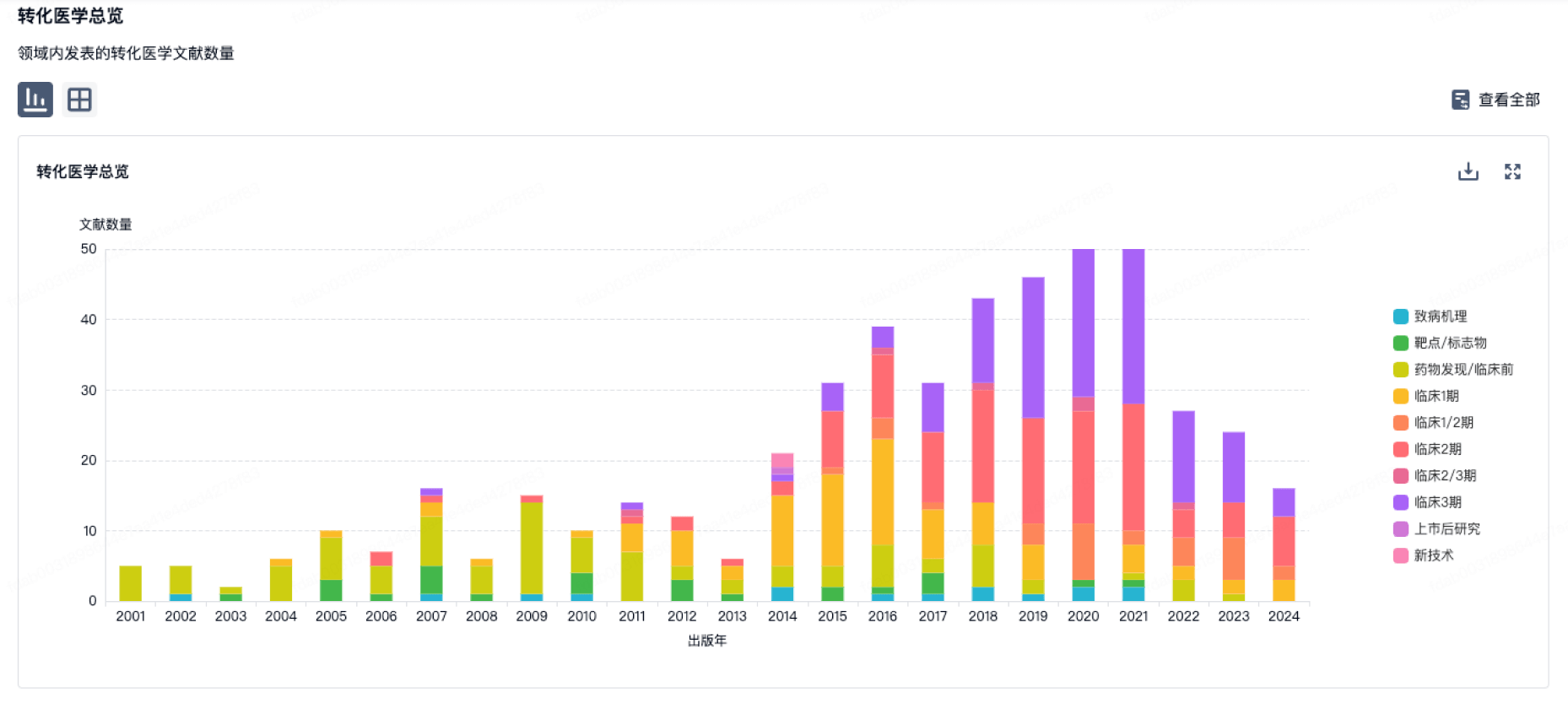
100 项与 大连大学 相关的转化医学
登录后查看更多信息
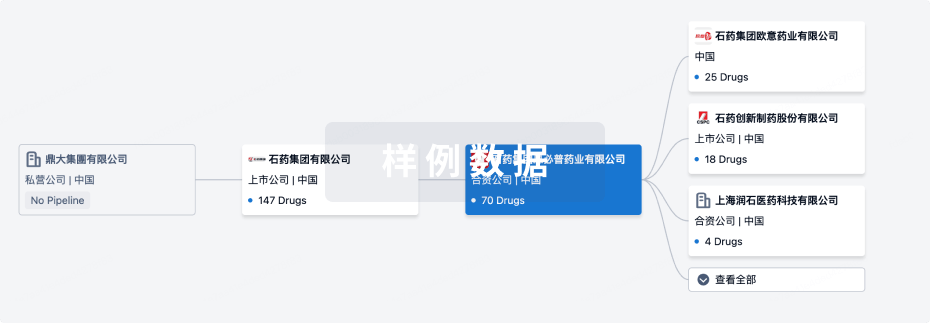
组织架构
使用我们的机构树数据加速您的研究。
登录
或
管线布局
2026年10月23日管线快照
管线布局中药物为当前组织机构及其子机构作为药物机构进行统计,早期临床1期并入临床1期,临床1/2期并入临床2期,临床2/3期并入临床3期
药物发现
2
3
临床前
其他
1
登录后查看更多信息
当前项目
登录后查看更多信息
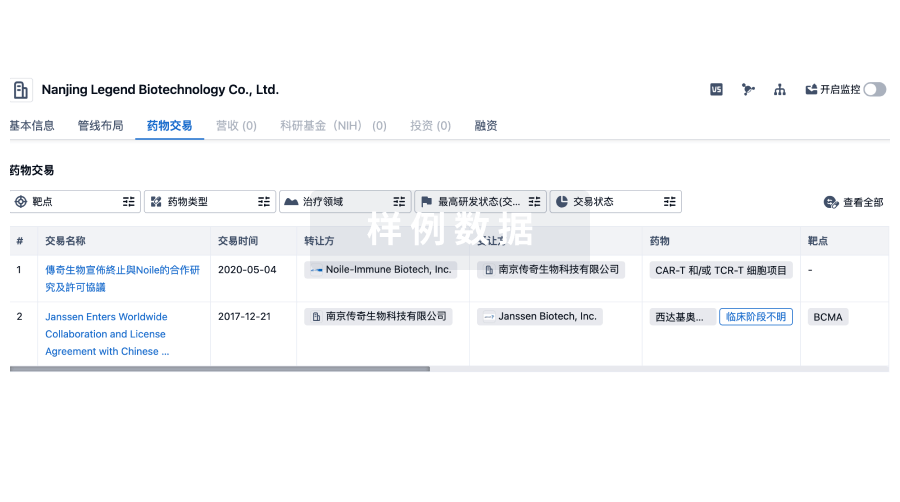
药物交易
使用我们的药物交易数据加速您的研究。
登录
或
转化医学
使用我们的转化医学数据加速您的研究。
登录
或
营收
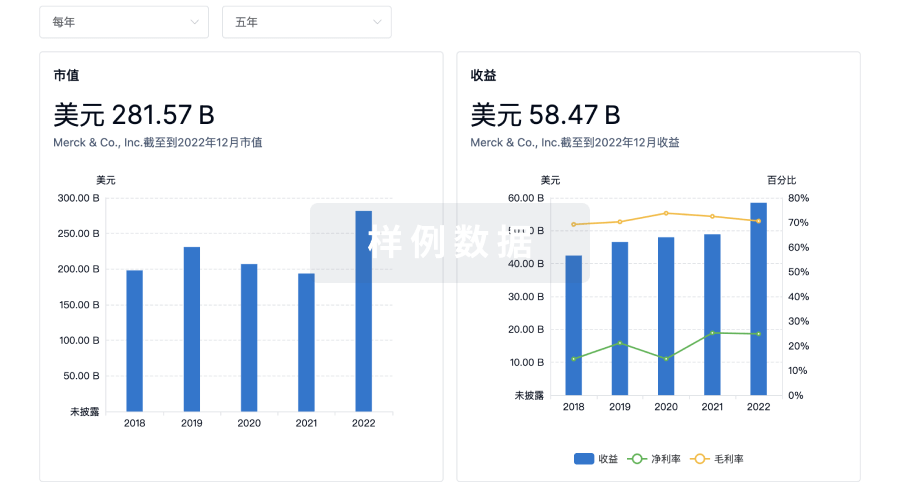
使用 Synapse 探索超过 36 万个组织的财务状况。
登录
或
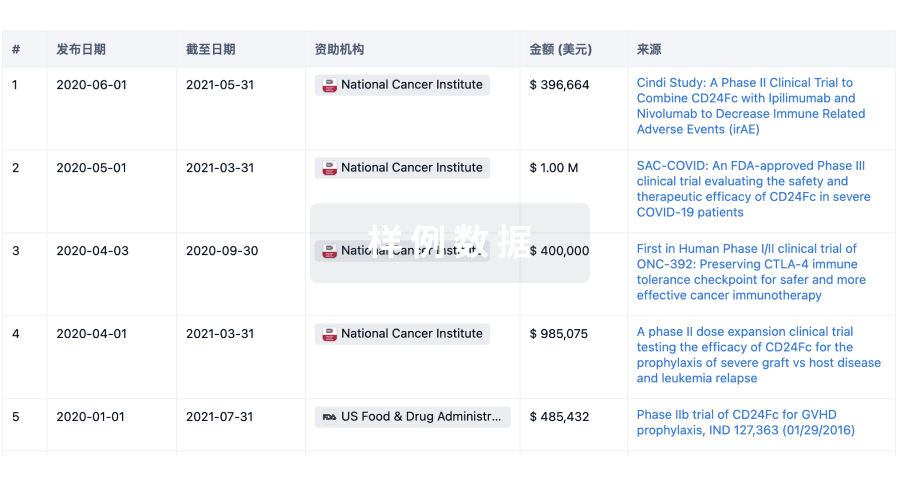
科研基金(NIH)
访问超过 200 万项资助和基金信息,以提升您的研究之旅。
登录
或
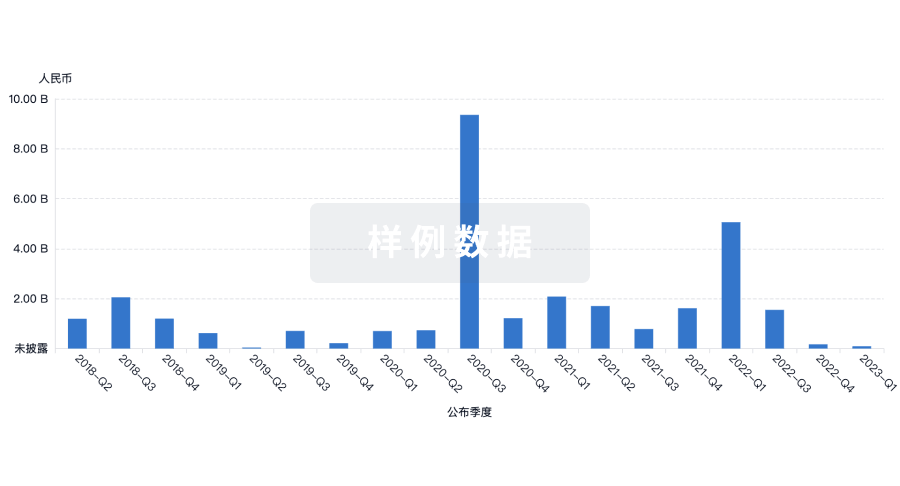
投资
深入了解从初创企业到成熟企业的最新公司投资动态。
登录
或
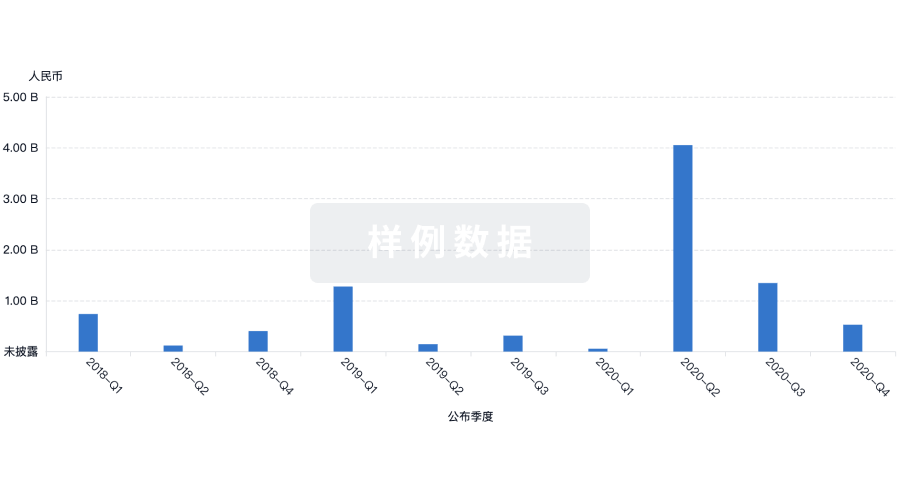
融资
发掘融资趋势以验证和推进您的投资机会。
登录
或
提出任何生物医药研究问题
让每一步生物医药决策都精准制胜
基于十亿级生物数据与全球情报的精准 AI,赋能早期药物发现
立即开始免费试用!
智慧芽新药情报库是智慧芽专为生命科学人士构建的基于AI的创新药情报平台,助您全方位提升您的研发与决策效率。
立即接入生物医药数据包
智慧芽新药库数据也通过智慧芽开放平台,以MCP或API服务形式对外开放。立即使用我们的MCP服务定制您的LLM智能体。
生物序列数据库
生物药研发创新
免费使用
化学结构数据库
小分子化药研发创新
免费使用