预约演示
更新于:2026-09-27
La Jolla Labs, Inc.
更新于:2026-09-27
概览
标签
神经系统疾病
其他疾病
免疫系统疾病
小分子化药
ASO
疾病领域得分
一眼洞穿机构专注的疾病领域

暂无数据
技术平台
公司药物应用最多的技术
暂无数据
靶点
公司最常开发的靶点
暂无数据
| 排名前五的药物类型 | 数量 |
|---|---|
| 小分子化药 | 1 |
| ASO | 1 |
| 排名前五的靶点 | 数量 |
|---|---|
| HIV-1 maturation(HIV-1病毒成熟) | 1 |
| TDP43(TAR DNA结合蛋白43) | 1 |
关联
2
项与 La Jolla Labs, Inc. 相关的药物靶点 |
作用机制 TDP43抑制剂 |
在研适应症 |
非在研适应症- |
最高研发阶段临床阶段不明 |
首次获批国家/地区- |
首次获批日期- |
作用机制 HIV-1 maturation抑制剂 |
原研机构 |
在研适应症 |
非在研适应症- |
最高研发阶段临床前 |
首次获批国家/地区- |
首次获批日期- |

100 项与 La Jolla Labs, Inc. 相关的临床结果
登录后查看更多信息
0 项与 La Jolla Labs, Inc. 相关的专利(医药)
登录后查看更多信息
4
项与 La Jolla Labs, Inc. 相关的新闻(医药)2026-09-18
8个月从想法到注射,GBFsen如何为“不可救药”的患者带来转机?
如果不幸患有渐冻症(ALS),世界基本对你关上了一扇门。但如果再不幸一些,患上的是一种自基因G298S突变导致的、极具侵袭性的快速进展型ALS,那扇窗也将被残忍焊死。从确诊到呼吸衰竭,往往不足18个月。
2026年4月30日,德国海德堡大学医院内,一管名为GBFsen的透明液体,通过鞘内注射缓缓注入了一名带着这种突变的患者的脑脊液中。它不是为了讨好大多数人,而是为“一个人”打造的量身定制武器。这是一场速度与生命的赛跑,它赢了。
这个突变,比普通渐冻症狠十倍
GBFsen的研发起点,源于人类基因组中一个微小却致命的“错别字”——TARDBP基因G298S突变。
简单比喻,TDP-43蛋白本是维持神经细胞整体有序的关键管家。在中国南方特定人群中,这个管家会中毒发狂、失去理智,冲进邻居的芝麻仓库纵火。G298S突变,正是这把疯狂火种。
这场由基因突变引发的“打砸抢”,医学上称之为“毒性功能获得”。在运动神经元内部,发狂的TDP-43无法无天,摧毁基因表达,崩溃物流运输。神经元因此惨死,四肢在瘫痪中干瘪。
更可怕的是时间窗。一篇2022年发表的国际重磅科学论文正式确认:TARDBP G298S是中国南方人群(特别是广东和广西地区)ALS的“奠基者突变”。在该研究中通过全外显子测序和Sanger测序发现的全部16名G298S突变携带者,均来自中国南方。
而临床上,G298S是公认破坏力最大的突变之一。同样是TARDBP基因变异,携带M337V突变的患者平均能存活数年,肌肉萎缩相对较慢;但携带G298S的患者却手脚先瘫,从发病到呼吸衰竭平均仅约14个月,大量宝贵体能瞬间流失、几乎无法容错。
8个月,从想法到扎进脊髓传统的药物研发通常需要10到15年,数十亿美元投入。但当患者的时间只剩下不到14个月时,墨守成规等同于宣判死刑。
这就是La Jolla Labs团队必须发起“闪电战”的根本原因。
La Jolla Labs是一家脱胎于美国加利福尼亚州拉霍亚大学的生物技术公司。CEOTamar Grossman博士拥有特拉维夫大学的生物化学博士及加州大学圣地亚哥分校的博士后研究背景,此前担任强生创新药物部门全球RNA、基因治疗与递送副总裁。首席技术官Jeff Milton则由CMU毕业,此前在Arcturus Therapeutics担任数据科学高级总监,长期在Ionis Pharmaceuticals担任领导岗位。
而La Jolla Labs在追求闪电战的过程中,其专有的AI设计平台LJSplice扮演了决定性角色。传统上,找到一条能完美匹配突变目标、又不误伤正常细胞的核酸序列就如同大海捞针。但借助于前沿的机器学习模型和大规模的RNA剪接规律数据,该平台能在计算机技术模拟数百万种排列组合,在热力学上确保高结合性,在基因组层面千方百计避免脱靶效应。最终,他们只用了数个月的时间,就锁定了高度精准的候选ASO序列,并完成了初期设计门槛。
GBFsen项目时间轴异常闪亮:
2025年4月:目标患者确诊,病情恶化像高速坠落;
2025年9月:团队启动自费治疗计划,这是企业第一次在没有任何外部风投情况下主动出击;
2025年10月—2026年3月:AI设计药物序列、大规模细胞筛选、化学合成……几乎饱和作业;
2026年3月:项目提交至欧洲1M1M联盟进行独立审查;
2026年4月30日:通过审查,在海德堡大学医院首例临床给药,同时符合德国AMG“医院豁免”条款,绕过长周期审批。
精准暗杀,不伤无辜
GBFsen是一种“反义寡核苷酸(ASO)”大分子药物。
其化学结构简单:是一段特殊的单链核酸序列,完全互补于含G298S突变的mRNA。通过脑室穿刺注入后,它能识别并被内源性RNase-H酶精确切断——仅切割突变型mRNA。
同时,编码正常TDP-43蛋白的野生型等位基因不受影响。既消除了“敌人”,又无伤友军。患者,离这个药最近
G298S在中国的流行病学分布,构成了GBFsen与中国患者的最强关联。目前,已有中国香港团队跟进G298S的临床表型追踪,广东省的多家ALS中心也已建立对该位点的初步临床筛查能力。这意味着:在技术上,一旦GBFsen的安全性信号得到验证,携带相同G298S突变的南方ALS患者,可直接筛查突变并尽快接受治疗方案。
La Jolla Labs团队已声明,计划扩大其N-of-1(一位到数位患者)开发,完全有能力同步供给高通量的个体化药物订单。
结语
GBFsen不只是一个药,更是一种范式——当AI、精准医学和灵活监管三条线拧成一股绳,极罕见病也能被“定时拯救”。
对于中国南方那部分携带G298S突变的家族性渐冻症患者而言,这个药意味着从“无药可等”到“有药可试”的转折。
虽然它还在早期临床阶段,但已经照亮了一条路:不抛弃任何一个罕见的基因突变,不让任何一个患者因“人太少”而被遗忘。
核心信息速记
突变:TARDBP G298S,中国南方家族性ALS的奠基者突变
药物:GBFsen(定制ASO,等位基因特异性静默)
研发团队:美国La Jolla Labs(CEO Tamar Grossman,CTO Jeff Milton)
时间:2025.9启动 → 2026.4.30首例给药,全程8个月
给药地点:德国海德堡大学医院(利用“医院豁免”条款)
适用人群:携带G298S突变的ALS患者(主要分布于中国广东、广西等地)
不适用:散发性ALS、SOD1突变型及其他非G298S突变型
免责声明:本文仅供科普参考,不构成医疗建议。GBFsen仍处于早期临床研究阶段,尚未获批上市。是否携带G298S突变需通过正规基因检测确认,请遵从主治医师指导进行任何治疗决策。
内容调研来源
BioSpace官方新闻稿(2026年4月30日)
La Jolla Labs官网及LJSplice平台公开信息
1M1M联盟(欧洲N-of-1个性化ASO评估框架)
2022年《BMC Medical Genomics》中国南方G298S奠基者突变研究
德国《药品法》(AMG)第4b条“医院豁免”条款
2026-07-16
San Diego, CA / Cambridge, MA
/ Ulm, Germany — July 16, 2026
— La Jolla Labs Inc. Unravel Biosciences
Inc., and Ulm University today announced a strategic international
collaboration focused on accelerating the discovery of new therapeutics for
amyotrophic lateral sclerosis (ALS) through the integration of artificial
intelligence, RNA biology, and translational neuroscience using a
patient-driven approach.
The newly formed consortium
combines advanced machine learning, multimodal primary patient data analysis,
RNA-targeting therapeutic development, and deep expertise in neurodegenerative
disease biology to identify and validate novel therapeutic targets for ALS that
can be modulated using ASOs, genetic manipulation, or small molecules.
As part of the collaboration
launch, the team was awarded the phase 1 Discovery Award in the prestigious
Longitude Prize on ALS; a global initiative designed to accelerate AI-enabled
drug discovery for ALS.
La Jolla Labs is a clinical-stage
biotechnology company merging RNA biology with cutting-edge machine learning,
automation, and cloud computing. The company specializes in RNA-targeting
approaches including antisense oligonucleotides, siRNA, and miRNA therapeutics,
supported by scalable high-throughput screening and cloud-native discovery
infrastructure.
Unravel Bio contributes its
clinical-stage Predictable Medicine™ platform, which integrates computational
drug prediction, multimodal disease datasets, and advanced biological modeling
to uncover therapeutic opportunities across complex neurological disorders by
analyzing each patient individually. The platform is designed to connect
behavioral, molecular, and systemic disease mechanisms into actionable
therapeutic programs and rapid clinical validation.
Ulm University brings
internationally recognized research and clinical expertise in ALS research,
neurodegeneration, and translational neuroscience, strengthening the
consortium’s ability to connect computational discoveries with biological
validation and clinical relevance.
Together, the organizations have
developed a new framework for ALS therapeutic discovery that combines AI-native
target identification with RNA-based therapeutic strategies and
patient-centered disease modeling and validation.
“ALS is an extraordinarily
complex disease that requires equally sophisticated and collaborative
approaches,” said Tamar Grossman CEO of La Jolla Labs Inc. “By bringing
together complementary strengths in AI, RNA therapeutics, and neurodegenerative
disease biology, we believe this partnership creates a powerful engine for
discovering entirely new therapeutic opportunities.”
“The strength of this
collaboration lies in its interdisciplinary design,” said representatives of
the consortium. “We are integrating computational prediction, large-scale
patient data, and translational biology into a unified discovery platform
capable of moving from insight to validation far more rapidly than traditional
approaches.”
The consortium has begun collaborative
work leveraging large-scale ALS patient datasets and AI-driven discovery
workflows to identify and prioritize novel therapeutic targets for future development.
For more information about the Longitude Prize on ALS,
visit:
About La Jolla Labs
La Jolla Labs is a clinical-stage
biotechnology company merging RNA biology with machine learning, automation,
and cloud computing to accelerate therapeutic development. The company
specializes in RNA-targeting modalities including antisense oligonucleotides,
siRNA, and miRNA, enabled by scalable high-throughput screening and AI-driven
discovery technologies.
About Unravel Biosciences
Unravel Bio is a clinical-stage,
AI-native therapeutics company pioneering Predictable Medicine™, a platform
integrating computational biology, multimodal patient datasets, and
experimental and clinical validation to identify novel therapeutic targets and
treatments across neurological and systemic diseases.
About Universität Ulm
Universität Ulm is a leading
German research university recognized internationally for excellence in
neuroscience, neurodegeneration, and translational biomedical research,
including advanced research programs focused on ALS and related disorders.
寡核苷酸
2026-05-06
April 30, 2026 — La Jolla Labs,Inc. today announced that the first patient has been treated with GBFsen, a custom-designed antisense oligonucleotide (ASO) therapy developed to target a TDP-4 patient-specific mutation associated with an inherited, ultra-rare form of
amyotrophic lateral sclerosis (ALS).
The patient was diagnosed one year ago with a rapidly progressive form of ALS driven by a mutation in the prion-like domain
of TDP-43. With no approved therapies, no clinical protocols, and no established development pathway for his specific mutation, traditional drug
development frameworks offered no viable options.
La Jolla Labs initiated a therapeutic program at its own expense, with the support from Illumina, ChemGenes Corporation, and
IDT, to pursue this targeted genetic intervention. The program was initiated in September 2025, the team identified highly selective and potent compounds targeting mutant TDP-43. The program was reviewed in March 2026 by the 1M1M consortium and proceeded into clinical development at Heidelberg University Hospital. Safety, tolerability, and exploratory biomarkers are being monitored. “The first patient treated with GBFsen reflects what is possible when scientific urgency is matched with human urgency,” said Dr. Tamar Grossman, Co-founder and Chief Executive Officer of La Jolla Labs. “This program was built from the ground up around a single mutation, with the goal of intervening directly in the underlying biology of disease.”
“This milestone is not only about a single patient, but about challenging the assumptions that have historically limited drug development for ultra-rare conditions,” said Jeff Milton, Co-founder, Chief Technology Officer of La Jolla Labs. “We believe individualized therapies can be developed with both speed and scientific rigor, and that new models are needed to serve patients who fall outside conventional frameworks.” La Jolla
Labs believes this effort may inform future approaches to enable more rapid, cost-effective therapies for patients with rare and genetically defined
diseases. “This is about more than one case,” added Dr. Grossman. “It is about demonstrating that therapies to rare diseases does not have to mean unreachable and our vision at La Jolla Labs is to make genetic medicine accessible to all patients”
GBFsen is an investigational antisense oligonucleotide therapy designed to selectively target a disease-causing RNA transcripts associated with a rare genetic form of ALS involving TDP-43 pathology. GBFsen has not been approved by the U.S. Foo and Drug Administration, and studies are ongoing for safety and efficacy.
La Jolla Labs is a biotechnology company revolutionize genetic medicine discovery and development for rare and complex diseases. La Jolla Labs proprietary AI-powered software streamlines drug design and screening, resulting in efficient and rapid drug discovery of safe and effective candidates. La Jolla Labs has a clinically validated technology for novel therapeutics.
The content above comes from the network. if any infringement, please contact us to modify.
寡核苷酸临床研究
100 项与 La Jolla Labs, Inc. 相关的药物交易
登录后查看更多信息
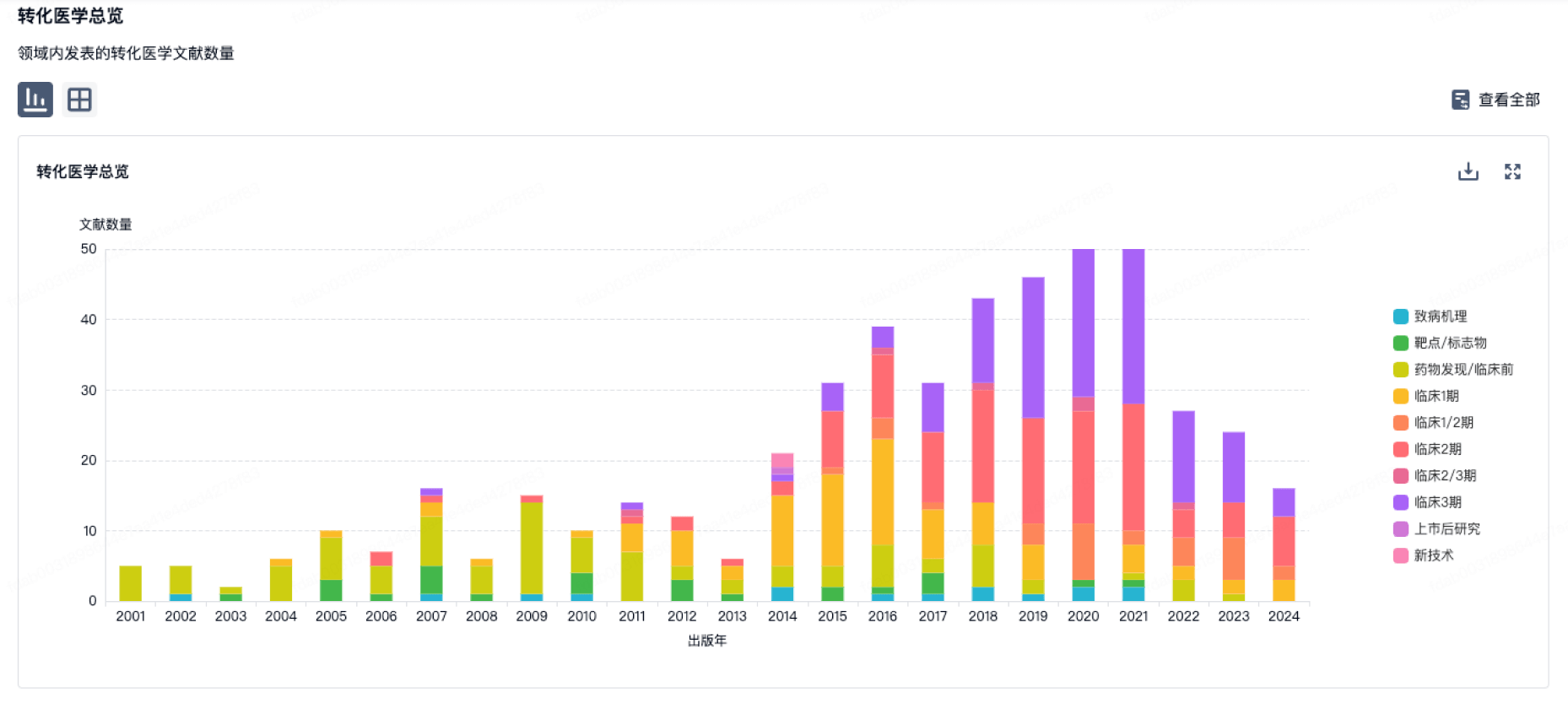
100 项与 La Jolla Labs, Inc. 相关的转化医学
登录后查看更多信息
组织架构
使用我们的机构树数据加速您的研究。
登录
或
管线布局
2026年10月10日管线快照
管线布局中药物为当前组织机构及其子机构作为药物机构进行统计,早期临床1期并入临床1期,临床1/2期并入临床2期,临床2/3期并入临床3期
临床前
1
1
其他
登录后查看更多信息
药物交易
使用我们的药物交易数据加速您的研究。
登录
或
转化医学
使用我们的转化医学数据加速您的研究。
登录
或
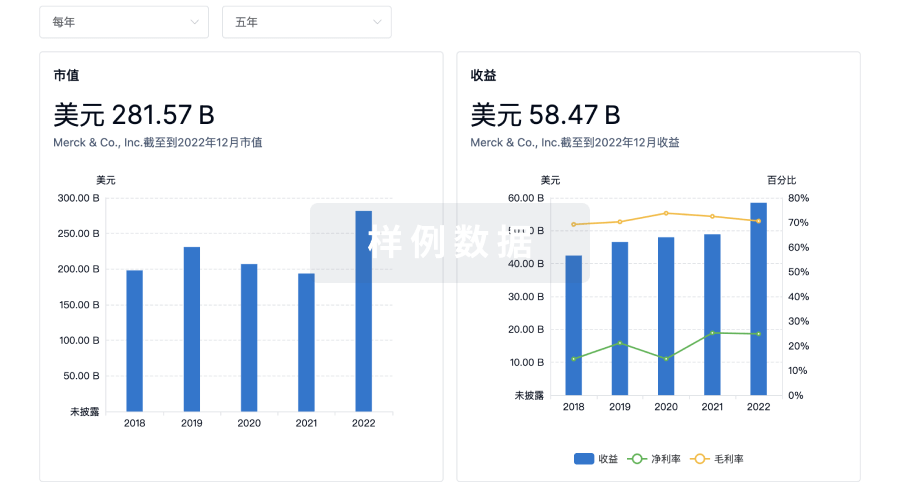
营收
使用 Synapse 探索超过 36 万个组织的财务状况。
登录
或
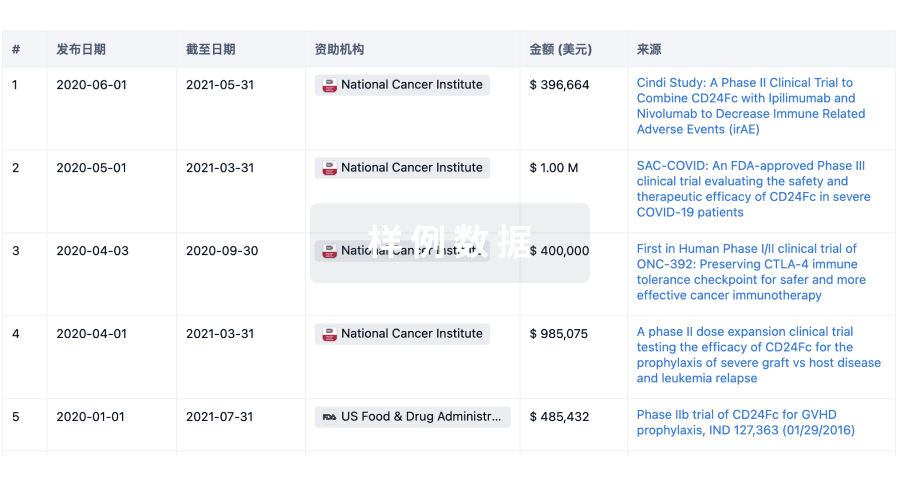
科研基金(NIH)
访问超过 200 万项资助和基金信息,以提升您的研究之旅。
登录
或
投资
深入了解从初创企业到成熟企业的最新公司投资动态。
登录
或
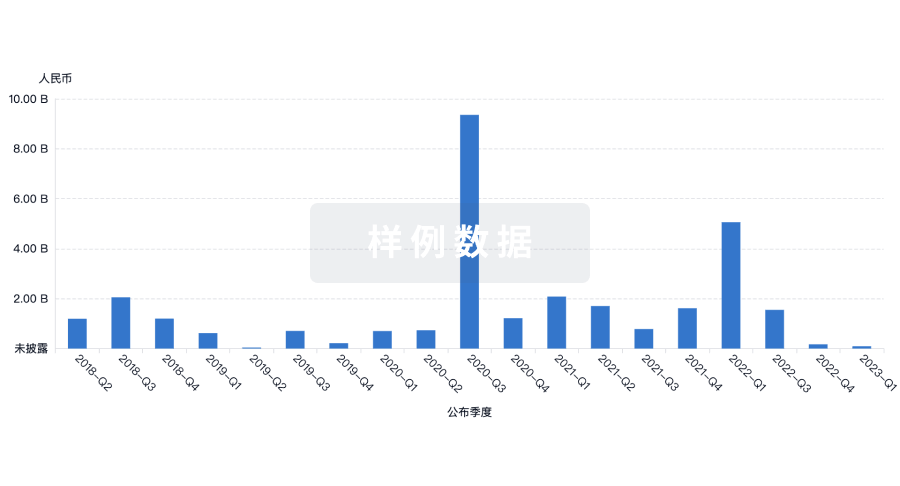
融资
发掘融资趋势以验证和推进您的投资机会。
登录
或
提出任何生物医药研究问题
让每一步生物医药决策都精准制胜
基于十亿级生物数据与全球情报的精准 AI,赋能早期药物发现
立即开始免费试用!
智慧芽新药情报库是智慧芽专为生命科学人士构建的基于AI的创新药情报平台,助您全方位提升您的研发与决策效率。
立即接入生物医药数据包
智慧芽新药库数据也通过智慧芽开放平台,以MCP或API服务形式对外开放。立即使用我们的MCP服务定制您的LLM智能体。
生物序列数据库
生物药研发创新
免费使用
化学结构数据库
小分子化药研发创新
免费使用