预约演示
更新于:2026-05-11

Hunan Agricultural University
更新于:2026-05-11
概览
标签
其他疾病
感染
内分泌与代谢疾病
小分子化药
重组多肽
疾病领域得分
一眼洞穿机构专注的疾病领域

技术平台
公司药物应用最多的技术
靶点
公司最常开发的靶点
关联
靶点 |
作用机制 |
在研机构 |
原研机构 |
在研适应症 |
非在研适应症 |
最高研发阶段 |
首次获批国家/地区 |
首次获批日期 |
靶点 |
作用机制 |
在研机构 |
原研机构 |
在研适应症 |
非在研适应症 |
最高研发阶段 |
首次获批国家/地区 |
首次获批日期 |
CN118403141
专利挖掘靶点 |
作用机制 |
在研机构 |
原研机构 |
在研适应症 |
非在研适应症 |
最高研发阶段 |
首次获批国家/地区 |
首次获批日期 |
100 项与 湖南农业大学 相关的临床结果
登录后查看更多信息
登录后查看更多信息
2026-12-31Emerging Microbes & Infections
Article
作者: Chen, Yifeng ; Zhou, Wangping ; Du, Lifei ; Tian, Yao ; Sun, Zhiliang ; Sun, Leisheng ; Zhou, Zijing ; Xiao, Gang ; Jia, Chenghao ; Liu, Junqi ; Fan, Chengming ; Zheng, Xiaofeng ; Zhang, Jie ; Yue, Min
Bordetella bronchiseptica, long regarded as a veterinary pathogen, is now emerging as a zoonotic threat to humans, particularly in immunocompromised individuals. We report a sentinel event involving a synchronized B. bronchiseptica outbreak in swine and their human caretaker, providing a unique opportunity to examine cross-species transmission and adaptation at the genomic level. Comparative genomics revealed that the human-adapted isolate (RL57) and its swine progenitor (XX35) share an identical chromosome, with XX35 harbouring an extra conjugative plasmid. Remarkably, RL57 did not simply lose this plasmid; instead, the entire plasmid was integrated into the chromosome via site-specific recombination. This integration allowed permanent retention of plasmid-encoded virulence and fitness genes, after which the plasmid was discarded to eliminate its replicative burden - a "capture-and-discard" mechanism of evolution. Following plasmid loss, the RL57 strain exhibited hypervirulence, faster growth, enhanced thermotolerance, and increased biofilm formation, indicating successful adaptation to the human host. Plasmid loss paradoxically rewired bacterial metabolism: sulfur assimilation and sulfonate utilization pathways were upregulated to fuel host adaptation. Strikingly, despite a collapse in transcription of specific metabolic modules, translational compensation maintained high protein levels, driving robust biofilm formation and thermal tolerance. These findings reveal a previously unrecognized evolutionary strategy in which plasmid integration followed by subsequent plasmid loss amplifies pathogenicity and host adaptability. Finally, we propose a One Health surveillance triad - metagenomic tracking of plasmid-chromosome dynamics, recombination hotspot screening, and metabolic shift monitoring - to proactively identify and mitigate such zoonotic events.
2026-09-01Synthetic and Systems Biotechnology
Metabolic engineering and adaptive laboratory evolution enhance squalene production in Yarrowia lipolytica
Article
作者: Ji, Xiao-Jun ; Hu, Peng-Cheng ; Tian, Yun ; Lu, Xiang-Yang ; Liu, Hu-Hu ; Li, Chang-Zhu ; Zhao, Qiao-Qin ; Yang, Xiao-Na ; Zhang, Chuan-Jiang ; Sun, Xiao-Man ; Zhu, Meng-Yao
Squalene, a multifunctional natural compound with diverse bioactivities, has significant potential in the nutraceutical and health industries. Microbial synthesis using engineered cell factories represents a sustainable alternative to conventional methods of extracting from plants or animals. This study systematically optimized squalene production in Yarrowia lipolytica through integrated metabolic pathway reconstruction and adaptive laboratory evolution. First, overexpression of DGA1 and LRO1 induced lipid droplet expansion and proliferation to achieve efficient steady-state accumulation of intracellular squalene. Second, the catalytic efficiency between ERG20 and SQS was enhanced by fusing ERG20-SQS through an enzyme fusion strategy for increasing the squalene synthesis flux. Then, the expression of ScHMG1, the rate-limiting enzyme of the MVA pathway, was further enhanced to optimize precursor supply. Finally, adaptive laboratory evolution induced by hydrogen peroxide generated the evolved strain SY8-H3, which produced 801.34 mg/L of squalene in shake-flask fermentation and 4.53 g/L via fed-batch fermentation in a 2.4 L bioreactor. This research firstly applies the oxidative stress-driven adaptive evolution to enhance squalene biosynthesis in Y. lipolytica, establishing the reference for synthesizing squalene and its derived compounds in engineered Y. lipolytica.
2026-08-01BIOMATERIALS
Spider-inspired nanohunter in ultrafast hydrogel enables spatiotemporal targeted delivery for enhanced healing of methicillin-resistant Staphylococcus aureus infected wounds
Article
作者: Ding, Ke ; Wang, Rongrong ; Jiang, Ning ; Chen, Jiaxu ; Ding, Shenghua ; Guo, Jia ; Xie, Ying ; Xu, Saiqing ; Shan, Yang ; Li, Huan
Persistent drug-resistant bacterial infections and chronic inflammation severely hinder wound healing, highlighting the need for multifunctional therapies with spatiotemporal control. Herein, inspired by the bolas spider's three-stage predatory mechanism, we developed an "attract-penetrate-kill" bactericidal strategy by engineering a chitooligosaccharide-octyl gallate (COS-OG) nanohunter via ultrasound-assisted Fenton grafting. Notably, COS-OG selectively "attracted" bacteria while remaining non-toxic to mammalian cells. Molecular dynamics simulations further reveal its efficient "penetration" into bacterial membranes, followed by the "kill" phase under blue-light (BL, 54.24 J/cm2) irradiation, achieving 99.99% MRSA inhibition and vastly outperforming vancomycin (67.63%). To further enable spatiotemporally targeted delivery, COS-OG was encapsulated in a green hydrogel formed by carboxymethyl chitosan (CMCS) and oxidized tannic acid (OTA). OTA underwent auto-oxidation to crosslink CMCS through Schiff base and hydrogen bonds, enabling ultrafast gelation (within 20 s) with only 20% wt (CMCS dry weight) TA. This ingenious design not only imparted the hydrogel outstanding injectable properties and in situ moldability but also enabled sequential antibacterial and anti-inflammatory functions. Specifically, the system rapidly cleared bacteria by mimicking the bolas spider hunting mechanism (BL on, 162.72 J/cm2) and subsequently exerted an immunomodulatory function by inhibiting the IL17 signaling pathway (BL off) executed by TA and COS-OG, while enhancing collagen deposition and angiogenesis. In vivo, the hydrogel accelerated MRSA-infected wound healing, achieving 92.63% wound closure compared to only 67.18% for commercial 3 M dressings. Collectively, this system integrates biomimetic design, ultrafast gelation, and spatiotemporal control into a green platform, offering a simple, safe, low cost, and translatable therapeutic solution for bacterial infected wounds.
2026-05-07
2026-05-03
2026-04-29
100 项与 湖南农业大学 相关的药物交易
登录后查看更多信息
100 项与 湖南农业大学 相关的转化医学
登录后查看更多信息
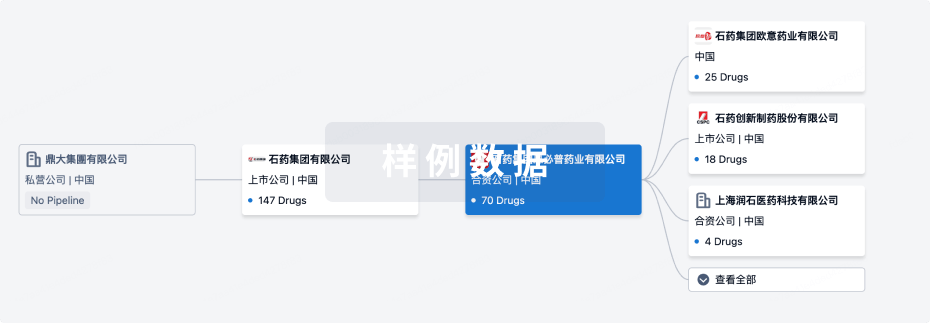
组织架构
使用我们的机构树数据加速您的研究。
登录
或
管线布局
2026年10月14日管线快照
管线布局中药物为当前组织机构及其子机构作为药物机构进行统计,早期临床1期并入临床1期,临床1/2期并入临床2期,临床2/3期并入临床3期
药物发现
1
2
临床前
登录后查看更多信息
当前项目
登录后查看更多信息
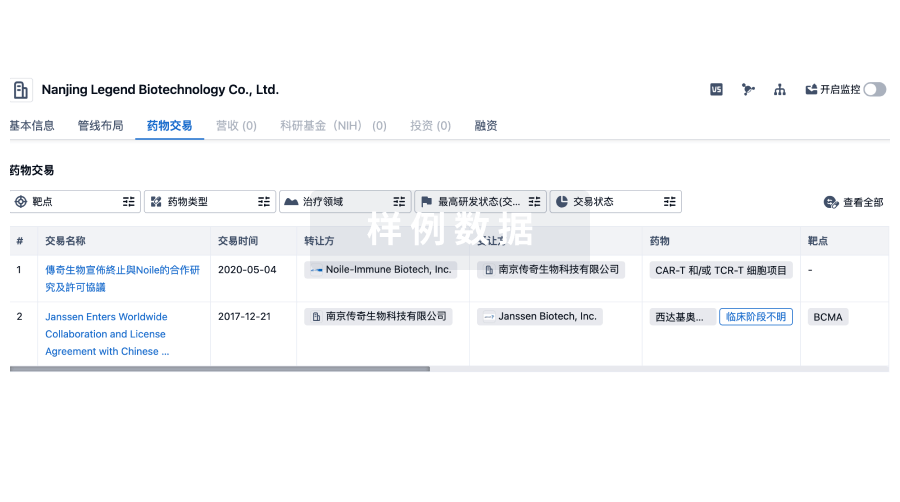
药物交易
使用我们的药物交易数据加速您的研究。
登录
或
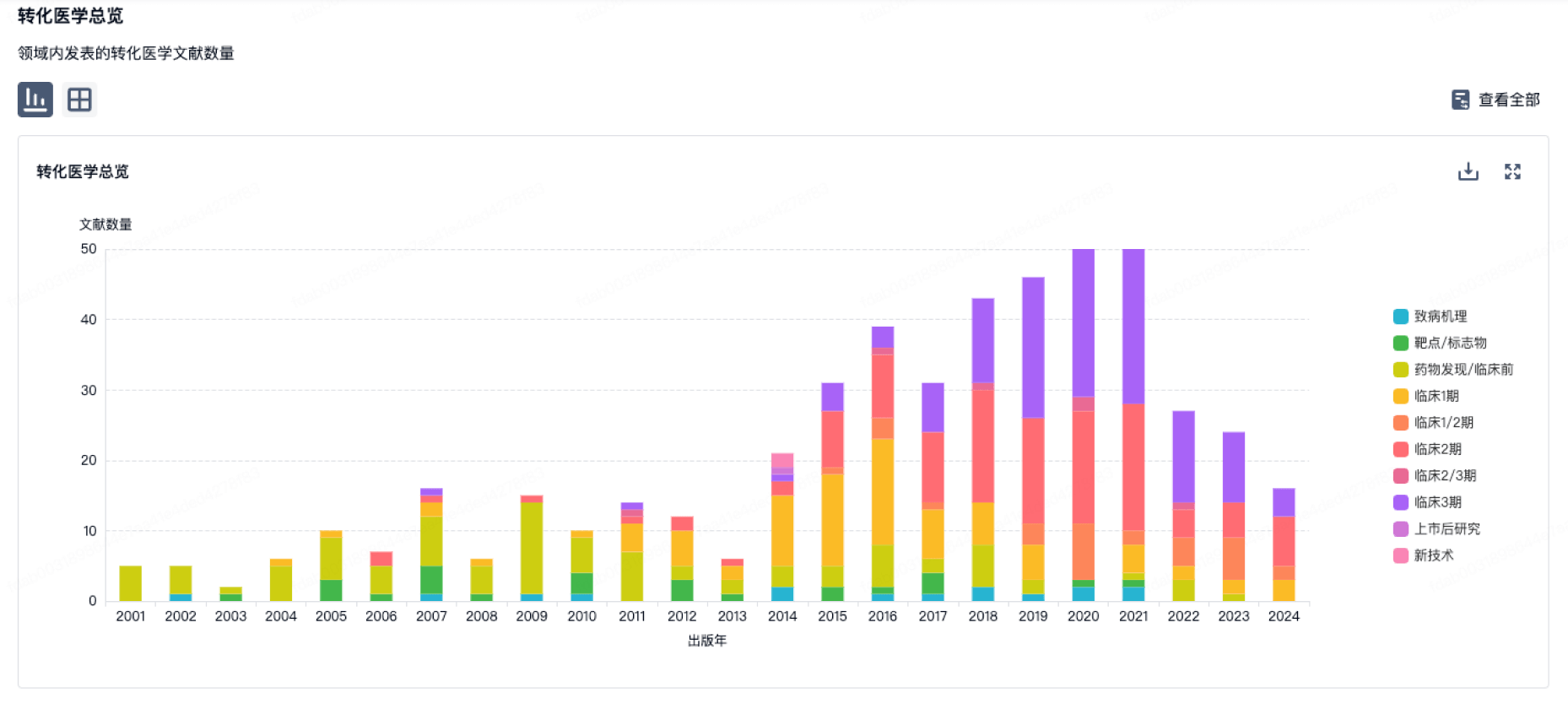
转化医学
使用我们的转化医学数据加速您的研究。
登录
或
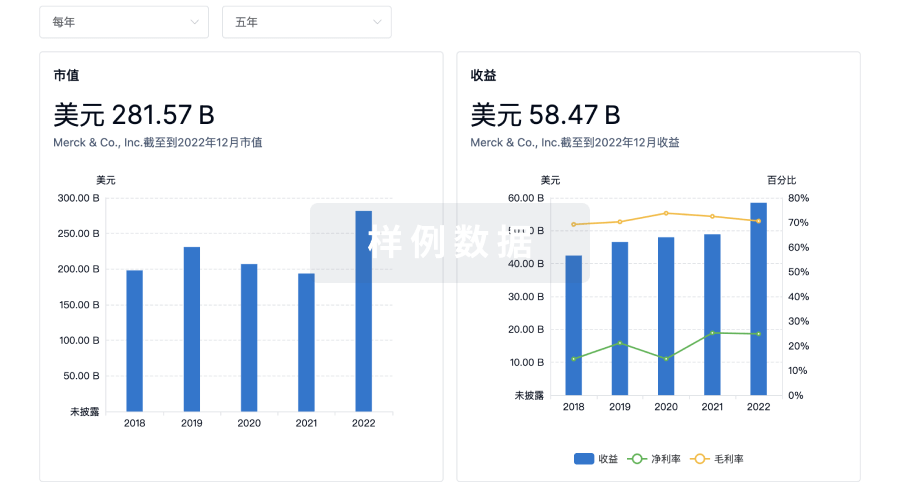
营收
使用 Synapse 探索超过 36 万个组织的财务状况。
登录
或
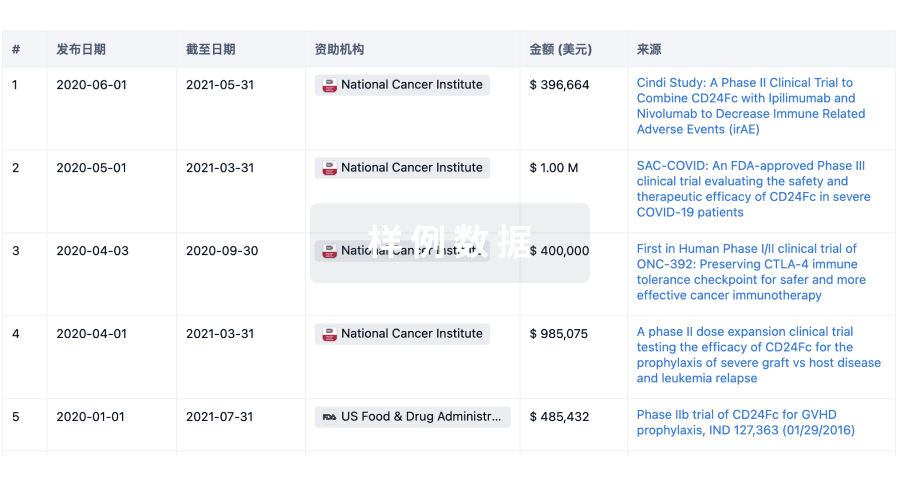
科研基金(NIH)
访问超过 200 万项资助和基金信息,以提升您的研究之旅。
登录
或
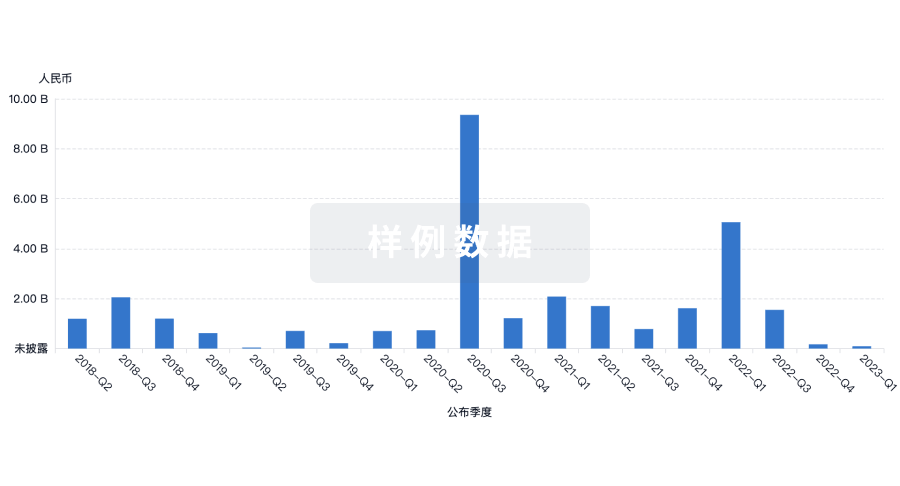
投资
深入了解从初创企业到成熟企业的最新公司投资动态。
登录
或
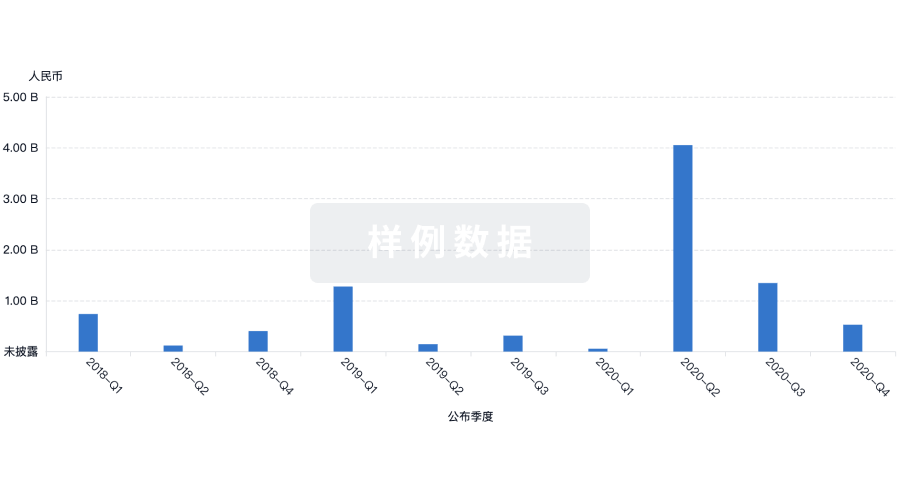
融资
发掘融资趋势以验证和推进您的投资机会。
登录
或
提出任何生物医药研究问题
让每一步生物医药决策都精准制胜
基于十亿级生物数据与全球情报的精准 AI,赋能早期药物发现
立即开始免费试用!
智慧芽新药情报库是智慧芽专为生命科学人士构建的基于AI的创新药情报平台,助您全方位提升您的研发与决策效率。
立即接入生物医药数据包
智慧芽新药库数据也通过智慧芽开放平台,以MCP或API服务形式对外开放。立即使用我们的MCP服务定制您的LLM智能体。
生物序列数据库
生物药研发创新
免费使用
化学结构数据库
小分子化药研发创新
免费使用