预约演示
更新于:2026-02-08

By-health Co., Ltd.
更新于:2026-02-08
概览
关联
CTR20242106
枸橼酸西地那非口崩片在中国男性健康受试者中进行的单中心、随机、开放、单次空腹口服给药、两制剂、两序列、两周期、交叉的人体生物等效性试验
ChiCTR2400082019
Human Trial Effect Evaluation of Xinluosu Tablets in Helping to Maintain Normal Platelet Aggregation Function and Beneficial to Blood Flow Health Function
ChiCTR2300069680
Mechanism of Bifidobacterium Combined with Lactobacillus Rhamnosus in Improving Infantile Eczema
100 项与 汤臣倍健股份有限公司 相关的临床结果
登录后查看更多信息
登录后查看更多信息
2026-01-01Food Chemistry-X
Molecular mechanism of synergistic tyrosinase inhibition by blueberry and black chokeberry anthocyanidins: Optimal synergistic formulation for multi-berry beverage development
Article
作者: Ding, Yang ; Zhang, Yu ; Tan, Hui ; Zhao, Lanqiong ; Jiao, Xinyao ; Yuan, Zixuan ; Li, Zhongxia ; Yang, Baoru ; Du, Yuxin ; Li, Bin ; Chen, Yuxin ; Shimizu, Kuniyoshi ; Zhao, Chong
Tyrosinase is the rate-limiting enzyme in melanogenesis and food browning, making its inhibitors crucial for health and food preservation. However, the specific mechanisms by which multi-berry formulations synergistically inhibit tyrosinase remain uncharacterized, particularly within the context of overcoming bioactivity limitations caused by standardized food ingredients. Our study revealed that blueberry-black chokeberry extracts at 1:1 ratio with superior synergistic inhibition in tyrosinase. Using affinity-ultrafiltration coupled with ultra-performance liquid chromatography-mass spectrometry (AUF-UPLC-MS), sixteen inhibitors were identified, notably delphinidin-3-O-galactoside (IC50 = 45.06 ± 1.32 μM) and cyanidin-3-O-arabinoside (IC50 = 55.54 ± 0.83 μM) displayed the highest binding affinities with synergistic inhibition at 4:1-ratio. This anthocyanin mixture exhibited reversible mixed-type inhibition, with Lineweaver-Burk analysis and multi-spectroscopic studies confirming stable complex formation. Molecular docking and dynamics simulations revealed the mixture sequence-specific inhibition mediated by enhanced hydrogen bonding that prevented drastic structural changes. The anthocyanin mixture also exhibited enhanced processing stability. These findings provided mechanistic foundations for developing multi-berry-derived anti-tyrosinase ingredients, enabling bioactivity maximization in industrial food processing.
2021-06-01Rejuvenation research3区 · 医学
Autophagy Plays a Role in the Prolongation of the Life Span of
Caenorhabditis elegans
by Astaxanthin
3区 · 医学
Article
作者: Liu, Huan ; Yang, Liu ; Luo, Suhui ; Fu, Min ; Zhang, Xumei ; Zhang, Xuguang
Astaxanthin (AST), a xanthophyll belonging to the family of carotenoids, is a potent antioxidant. The effect of AST on longevity and its physiological and molecular mechanism are still unclear. In this study, we proved that AST could prolong the life span of
Caenorhabditis elegans
. To uncover whether AST could delay aging by upregulating autophagy, we measured the expression of autophagy gene and the life span of autophagy gene bec-1 mutant nematodes, and the results showed that the expression of autophagy gene was upregulated after AST intervention and the disruption of bec-1 weakened the extension of the life span. To explore the molecular mechanism of AST-induced autophagy upregulation, we knocked out the daf-16 or hlh-30 (key genes of insulin/insulin growth factor-1 [IGF-1] signal pathway or target of rapamycin [TOR] signal pathway) by RNA interference, and the expression of autophagy gene lgg-1 decreased. Collectively, our results strongly suggest that autophagy, which is both the insulin/IGF-1 signal pathway dependent and TOR signal pathway dependent, plays a role in the prolongation of the life span of
Caenorhabditis elegans
by AST.
2021-01-01Experimental animals4区 · 医学
Impacts of ceftriaxone exposure during pregnancy on maternal gut and placental microbiota and its influence on maternal and offspring immunity in mice
4区 · 医学
Article
作者: Cheng, Ruyue ; He, Fang ; Marotta, Francesco ; Shen, Xi ; Wan, ChaoMin ; Li, Ming ; Qian, Wei ; Guo, Jiawen ; Cheng, Guo ; Zhang, Yujie
This study aimed to investigate the association between microbiota found in the maternal gut and placenta, and whether ceftriaxone exposure during pregnancy could alter these microbiota, and consequently affect the immunity of the mothers and their offspring. The microbiota in the feces and placenta of the dams were comprehensively analyzed using16S rRNA sequencing. Furthermore, viable bacteria in the placentas and blood of pups were also isolated by plate cultivation then taxonomically identified in detail by clone sequencing. Serum cytokines collected from dams and pups were quantitatively profiled using Luminex. The spleen organ index of dams was significantly lower and the offspring serum interleukin-6 levels were significantly higher in ceftriaxone-treated mice compared with the control group. The maternal fecal microbiota community was drastically altered in ceftriaxone-treated mice with significantly decreased diversity, depletion of Bacteroidetes and the blooming of Tenericutes. However, the placenta microbiota was dominated by Proteobacteria especially characteristically by Ralstonia, which was distinct from the maternal gut microbiota, regardless of whether ceftriaxone treatment or not. Viable bacteria have been found in placenta and blood cultures. These results indicated that ceftriaxone exposure in pregnancy could dramatically alter maternal intestinal microbiota, which affected the immunity of the mothers and their offspring at least partly, characteristically by enhanced pro-inflammatory responses. This study also indicated that the placenta might harbor its own microbes and the microbes were distinct from maternal gut microbiota, which may not be affected by oral administration of ceftriaxone during pregnancy.
100 项与 汤臣倍健股份有限公司 相关的药物交易
登录后查看更多信息
100 项与 汤臣倍健股份有限公司 相关的转化医学
登录后查看更多信息
组织架构
使用我们的机构树数据加速您的研究。
登录
或
管线布局
2026年02月08日管线快照
无数据报导
登录后保持更新
药物交易
使用我们的药物交易数据加速您的研究。
登录
或
转化医学
使用我们的转化医学数据加速您的研究。
登录
或
营收
使用 Synapse 探索超过 36 万个组织的财务状况。
登录
或
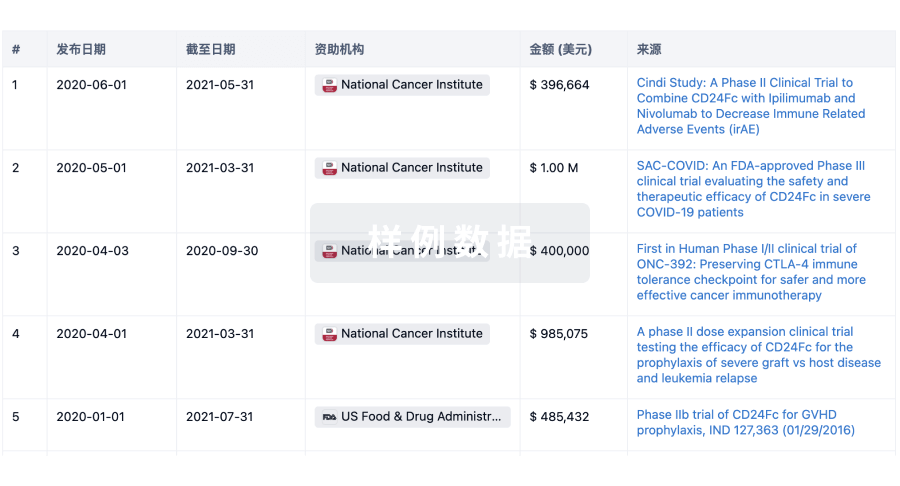
科研基金(NIH)
访问超过 200 万项资助和基金信息,以提升您的研究之旅。
登录
或
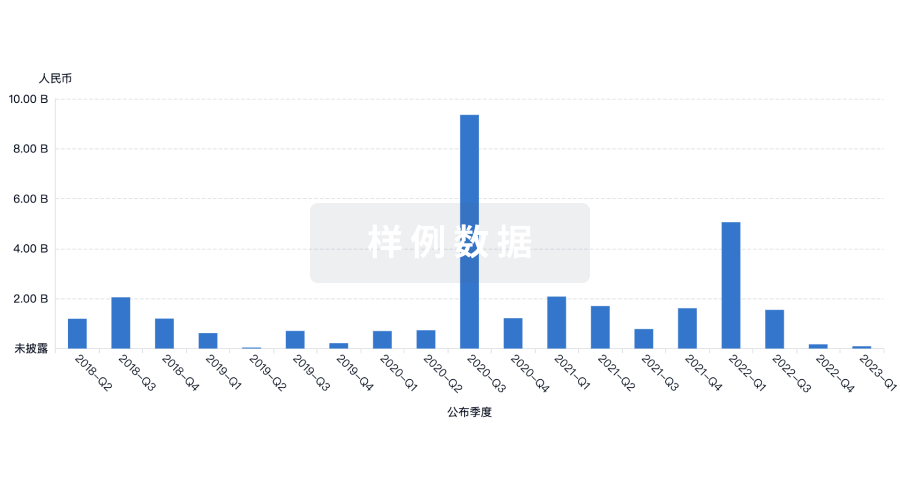
投资
深入了解从初创企业到成熟企业的最新公司投资动态。
登录
或
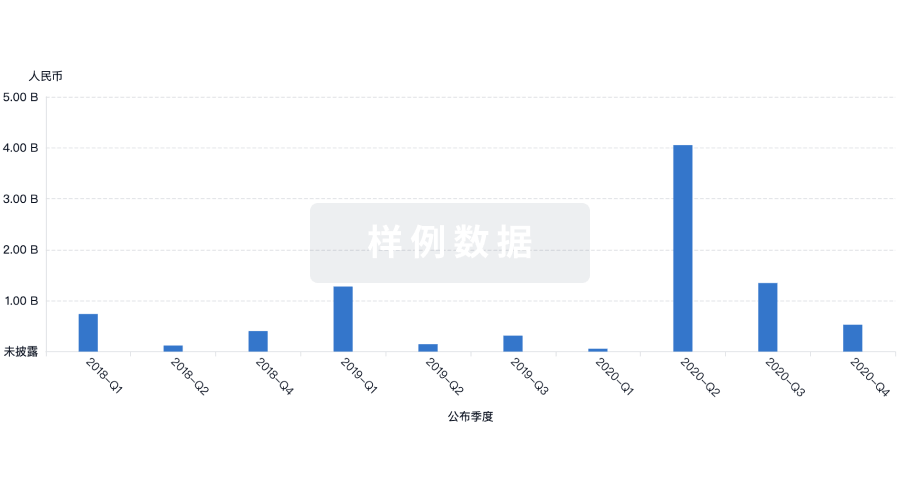
融资
发掘融资趋势以验证和推进您的投资机会。
登录
或
生物医药百科问答
全新生物医药AI Agent 覆盖科研全链路,让突破性发现快人一步
立即开始免费试用!
智慧芽新药情报库是智慧芽专为生命科学人士构建的基于AI的创新药情报平台,助您全方位提升您的研发与决策效率。
立即开始数据试用!
智慧芽新药库数据也通过智慧芽数据服务平台,以API或者数据包形式对外开放,助您更加充分利用智慧芽新药情报信息。
生物序列数据库
生物药研发创新
免费使用
化学结构数据库
小分子化药研发创新
免费使用