预约演示
更新于:2026-03-05

Dezhou University
更新于:2026-03-05
概览
标签
肿瘤
小分子化药
寡核苷酸
疾病领域得分
一眼洞穿机构专注的疾病领域

技术平台
公司药物应用最多的技术
靶点
公司最常开发的靶点
关联
靶点 |
作用机制 |
在研机构 |
原研机构 |
在研适应症 |
非在研适应症 |
最高研发阶段 |
首次获批国家/地区 |
首次获批日期 |

CN119979671
专利挖掘靶点 |
作用机制 |
在研机构 |
原研机构 |
在研适应症 |
非在研适应症 |
最高研发阶段 |
首次获批国家/地区 |
首次获批日期 |

靶点 |
作用机制 |
在研机构 |
原研机构 |
在研适应症 |
非在研适应症 |
最高研发阶段 |
首次获批国家/地区 |
首次获批日期 |
100 项与 德州学院 相关的临床结果
登录后查看更多信息
登录后查看更多信息
2026-05-01JOURNAL OF COLLOID AND INTERFACE SCIENCE
A hydrothermal pretreatment-assisted heterogeneous molten salt strategy to synthesize crystalline carbon nitride for solar-driven H2O2 production
Article
作者: Wang, Wanting ; Chen, Xihan ; Zhong, Chenglin ; Lau, Woon-Ming ; Yang, Hui ; Sun, Zongzhao ; Huang, Limin ; Li, Bingwen ; Wang, Xinfang ; Yu, Wenqing ; Tan, Yueyang
Interfacial effects critically regulate photocatalytic pathways through charge transfer modulation, reactant enrichment, and transition-state stabilization. However, precisely manipulating free electrons to drive efficient O2 reduction to H2O2 remains challenging. To address this, we develop a hydrothermal pretreatment-assisted heterogeneous molten salt strategy to synthesize crystalline carbon nitride (S/Cl-CN). This approach synergistically integrates molten KSCN (enabling rapid mass transfer and in situ generation of electron-withdrawing CN groups) with solid KCl (providing spatial confinement for oriented crystallization). The heterogeneous environment optimally tunes interfacial effects, enhancing structural order and charge separation efficiency. The resulting S/Cl-CN exhibits extended visible-light absorption (narrowed bandgap 2.67 eV), accelerated carrier mobility and optimized O2 adsorption sites via CN-induced electron redistribution. These properties enable record H2O2 production rates of 4.58 mM g-1 h-1 in pure water (17-fold higher than the reference) and 177.1 mM g-1 h-1 with the sacrificial agent. Mechanistic studies confirm interfacial engineering promotes two-step single-electron oxygen reduction (via stabilized OOH⁎ and HOOH⁎ intermediates), complementary water oxidation pathways and reduced energy barriers for O2 activation and conversion. This work resolves electron-manipulation challenges in photocatalytic H2O2 synthesis and establishes a scalable molten salt platform for interface-optimized catalyst design.
2026-03-01JOURNAL OF COLLOID AND INTERFACE SCIENCE
Achieving high-performance acetylene/carbon dioxide separation via green and scalable synthesis of high-density cobalt-based MOF
Article
作者: Li, Bao-Ju ; Krishna, Rajamani ; Guo, Xing-Zhe ; Gai, Fang-Yuan ; Dao, Yan-Mei ; Zhang, Jie ; Zhang, Yu-Qian ; Wang, Qian-Long ; Zhang, Xiao-Xia ; Zhao, Jia-Long ; Qi, Zhong-Yu
A high-density Co-based metal-organic framework (3D-PL-MOF) was successfully synthesized, featuring a heptanuclear cobalt cluster for highly efficient C2H2/CO2 separation. The material exhibits exceptional stability and significant gas uptake, achieving adsorption capacities of 66.3 cm3 g-1 for C2H2 and 49.7 cm3 g-1 for CO2 at 298 K and 1 bar. Critically, the C2H2 uptake markedly exceeds that of CO2 in the low-pressure region. Molecular simulations and calculated isosteric heats of adsorption reveal that the framework's interaction forces with C2H2 are significantly stronger than those with CO2. The 3D-PL-MOF demonstrates outstanding separation performance, enabling the recovery of high-purity C2H2 from an equimolar C2H2/CO2 mixture with a yield of 51.4 L kg-1. The stability of the material has been demonstrated through breakthrough tests under both three consecutive cycles and 50 % relative humidity conditions. Importantly, the 3D-PL-MOF is amenable to low-cost, gram-scale synthesis utilizing a simple, green water/ethanol solvent system. This work not only introduces a promising material for energy-efficient gas separation but also offers new strategies for developing adsorption separation materials that effectively combine high density with environmentally friendly synthesis.
2026-02-02INORGANIC CHEMISTRY
Achieving Antithermal Quenching Orange Photoluminescence in Sb
3+
-Doped CsCd
5
Cl
11
All-Inorganic Halides
Article
作者: Wang, Zhigang ; Zhang, Yanjiao ; Xia, Mingjun ; Gong, Pifu ; Wang, Xinfang ; Chen, Mingxing ; Jia, Zhen ; Han, Yunhua ; Li, Xinhui
Owing to the outstanding photoluminescent (PL) characteristics including the broadband emission and high PL quantum yield, metal halides with robust crystal structures have promising applications in information anticounterfeiting and encryption, optical temperature sensing, optoelectronic devices, etc. However, their intrinsic luminescent thermal quenching severely limits their practical applications at high temperatures. Herein, a novel three-dimensional all-inorganic metal halide CsCd5Cl11 with the distorted octahedra was successfully synthesized. Upon doping with Sb3+, the CsCd5Cl11:Sb3+ halides exhibit antithermal quenching orange PL over the temperature range of 260-440 K. Their integrated PL intensity at 440 K can reach approximately 610% and 320% of those at 260 and 300 K, respectively. Structure and thermoluminescence analysis indicates that the luminescent antithermal quenching originates from the intrinsic structural rigidity of the octahedra in the structure and the trapped excitons absorbing thermal energy to escape from the shallow traps, thereby compensating for the thermally induced nonradiative transition losses of excitons. Moreover, the CsCd5Cl11:Sb3+ underlying PL luminescence mechanism was systematically elucidated by first-principles calculations. Enlightened by the adaptable optical properties, the platform of the developed halides for high-temperature visualization and anticounterfeiting is demonstrated. This work not only presents a new halide material with antithermal quenching but also broadens versatile applications in optoelectronic fields.
2026-02-22
·德州学院
2025-11-26
细胞疗法生物类似药
100 项与 德州学院 相关的药物交易
登录后查看更多信息
100 项与 德州学院 相关的转化医学
登录后查看更多信息
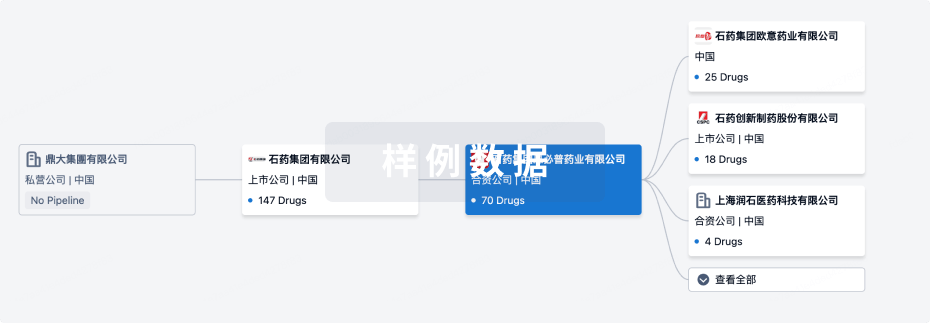
组织架构
使用我们的机构树数据加速您的研究。
登录
或
管线布局
2026年04月04日管线快照
管线布局中药物为当前组织机构及其子机构作为药物机构进行统计,早期临床1期并入临床1期,临床1/2期并入临床2期,临床2/3期并入临床3期
药物发现
2
1
临床前
登录后查看更多信息
当前项目
登录后查看更多信息
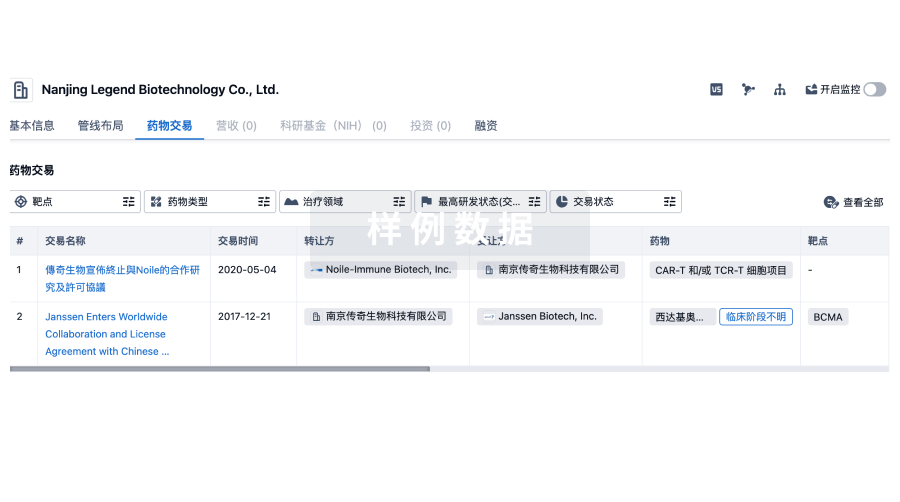
药物交易
使用我们的药物交易数据加速您的研究。
登录
或
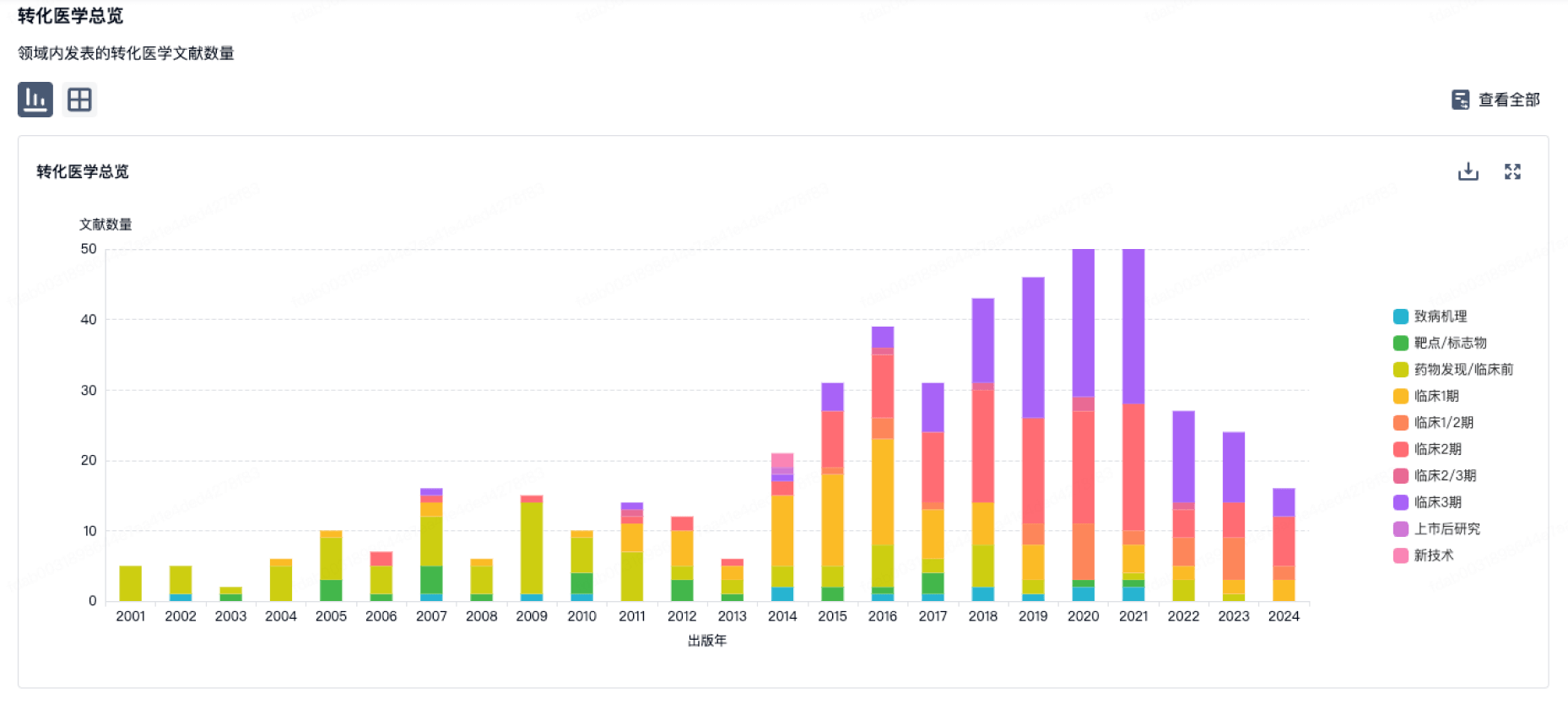
转化医学
使用我们的转化医学数据加速您的研究。
登录
或
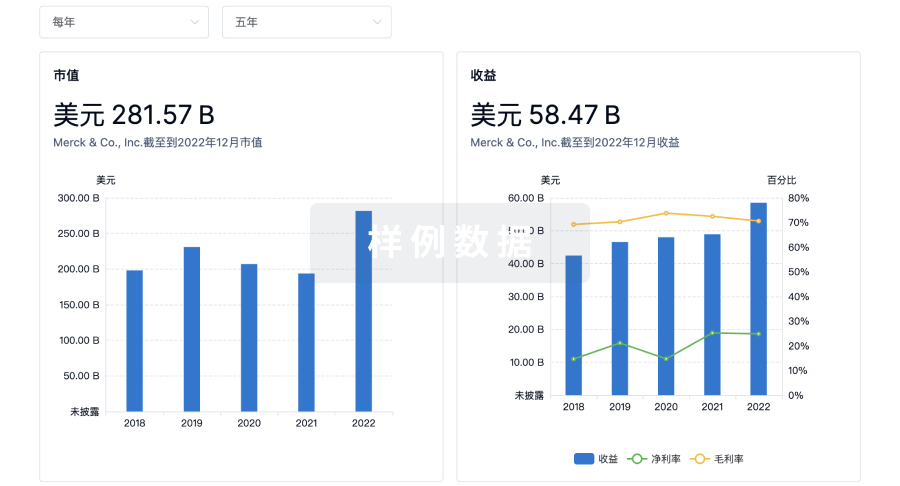
营收
使用 Synapse 探索超过 36 万个组织的财务状况。
登录
或
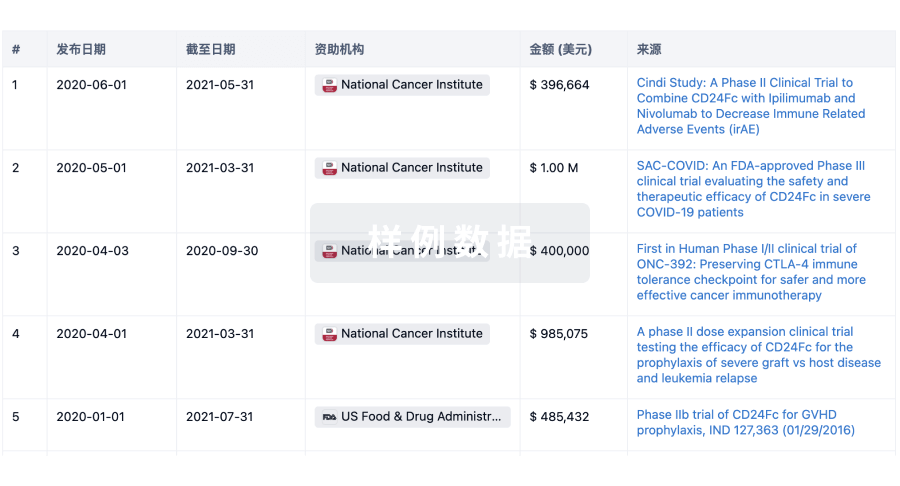
科研基金(NIH)
访问超过 200 万项资助和基金信息,以提升您的研究之旅。
登录
或
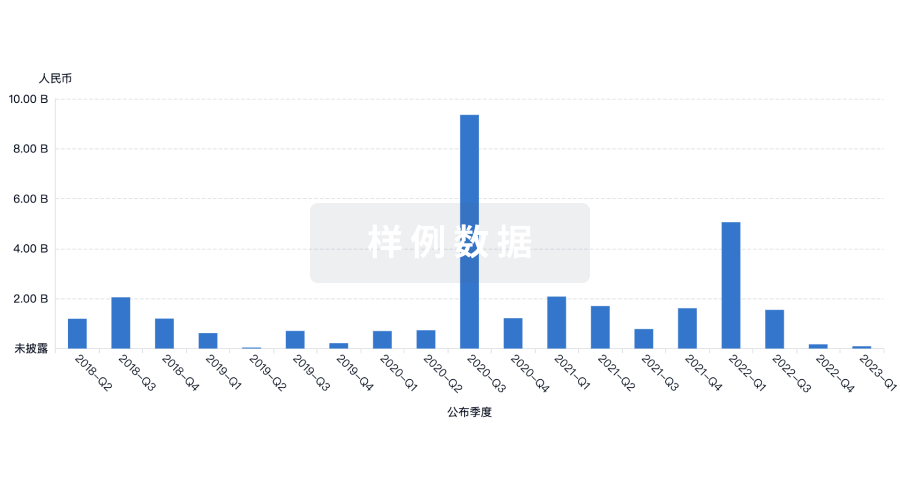
投资
深入了解从初创企业到成熟企业的最新公司投资动态。
登录
或
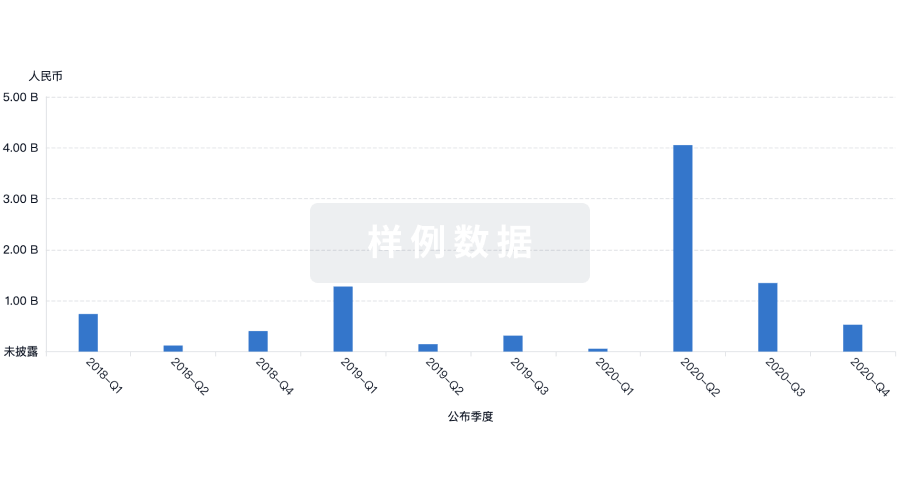
融资
发掘融资趋势以验证和推进您的投资机会。
登录
或
生物医药百科问答
全新生物医药AI Agent 覆盖科研全链路,让突破性发现快人一步
立即开始免费试用!
智慧芽新药情报库是智慧芽专为生命科学人士构建的基于AI的创新药情报平台,助您全方位提升您的研发与决策效率。
立即开始数据试用!
智慧芽新药库数据也通过智慧芽数据服务平台,以API或者数据包形式对外开放,助您更加充分利用智慧芽新药情报信息。
生物序列数据库
生物药研发创新
免费使用
化学结构数据库
小分子化药研发创新
免费使用