预约演示
更新于:2026-03-08

Isra University
更新于:2026-03-08
概览
标签
肿瘤
小分子化药
疾病领域得分
一眼洞穿机构专注的疾病领域

技术平台
公司药物应用最多的技术
靶点
公司最常开发的靶点
关联
靶点 |
作用机制 |
在研机构 |
原研机构 |
在研适应症 |
非在研适应症 |
最高研发阶段 |
首次获批国家/地区 |
首次获批日期 |

IRCT20200316046791N1
Comparison of Mirror Therapy and Motor Relearning program in improving the motor function of patients with stroke.
NCT07403422
Effects of Forward Head Posture on Cervical Proprioception, Muscle Endurance, and Cardiopulmonary Function During Cognitive-Motor Tasks Among University Students: A Cross-Sectional Study
NCT07027215
Impact of Augmented Sensory Feedback on Motor Control and Risk of Falling in Cancer-Related Neuropathic Patients"
100 项与 Isra University 相关的临床结果
登录后查看更多信息
登录后查看更多信息
2026-03-01APPLIED RADIATION AND ISOTOPES
Experimental investigation of high-density TeO2- and Sm2O3-modified ZnO-BaO-B2O3 glasses: Promising lead-free materials for nuclear radiation shielding application
Article
作者: Manjunatha ; Bennal, A S ; Sayyed, M I ; Savanur, H K
The replacement of lead (Pb) in radiation shielding materials is a critical priority for advancing safe medical diagnostics and environmental protection. However, viable alternatives that match Pb's attenuation performance remain limited. In this study, we present a new class of lead-free, high-density glasses: (30-x-y) B2O3-9ZnO-31BaO-(30+x) TeO2-ySm2O3, where x = 0, 2, 4, 6 mol% and y = 0, 0.5, 1, 1.5 mol%. These glasses were synthesised via the melt-quenching method. The shielding capabilities of the synthesised glasses were systematically investigated through experimental and Phy-X/PSD theoretical analysis. The experimental arrangement employed a narrow-beam transmission geometry with a NaI(Tl) scintillation detector and radioactive sources including 133Ba, 22Na, 137Cs, and 60Co. Gamma-ray attenuation capabilities were evaluated using linear and mass attenuation coefficients (LAC and MAC), half- and tenth value layers (HVL and TVL), mean free path (MFP), and effective atomic number (Zeff). The results showed that the combined inclusion of TeO2 and Sm2O3 led to a measurable increase in density and gamma attenuation properties across all gamma energies, with strong agreement between experimental and theoretical results, showing a maximum deviation of 8.37 %. The Zeff ranged from 22.2 at 356 keV to 18.014 at 1332 keV for TeSm-0.5, showing the expected energy-dependent variation due to dominant gamma interaction processes. The HVL and TVL increased with energy but decreased with increasing TeO2 and Sm2O3 contents, with TeSm-1.5 showing the lowest HVL (1.575 cm at 511 keV) and TVL (6.311 cm at 662 keV). These results demonstrate that prepared lead-free glasses achieve substantial shielding efficiency, with potential applications in transparent protective barriers and healthcare infrastructure.
2026-03-01APPLIED RADIATION AND ISOTOPES
Impact of ZnO on the dielectric, optical and γ-ray shielding characteristics of TeO2–Bi2O3– B2O3 glasses
Article
作者: Ullah, Sami ; Sayyed, M I ; Rana, Anwar Manzoor ; Hina, Maryam ; Sindhu, Kainat ; Ahmad, Javed
The zinc-tellurium-bismuth-borate glass system has been synthesized, and its physical, optical, dielectric, and radiation attenuation properties have been investigated. Experimental outcomes reveal that density and bandgap energy express an increasing trend with increasing ZnO content in these glasses. DC conductivity discloses space-charge-limited conduction behavior, which changes to Ohmic conduction with increasing ZnO concentration. AC conductivity also depicts changing behavior from ionic to hopping conduction of charge carriers with rising ZnO content in these glasses. The MAC values demonstrate a rising trend from 46.38 cm2/g to 56.73 cm2/g, while HVL and mean free path reveal a reduction from 3.477 cm to 2.885 cm and from 5.016 cm to 4.162 cm, respectively, as the ZnO content in these glasses increases. The BZBT6 glass exhibits radiation shielding characteristics comparable to those of commercially available lead-containing glass (RS-520) and appears to be suitable as a gamma-radiation shield at intermediate energies.
2026-02-01JOURNAL OF CRITICAL CARE
Letter to the editor: “Immediate “sipping” vs. delayed oral fluid intake after extubation: A randomized controlled trial”
Letter
作者: Chattha, Iqra ; Tariq, Asher ; Akram, Muhammad Hamza ; Kumar, Satesh ; Chattha, Ahsen Javaid
100 项与 Isra University 相关的药物交易
登录后查看更多信息
100 项与 Isra University 相关的转化医学
登录后查看更多信息
组织架构
使用我们的机构树数据加速您的研究。
登录
或
管线布局
2026年10月09日管线快照
管线布局中药物为当前组织机构及其子机构作为药物机构进行统计,早期临床1期并入临床1期,临床1/2期并入临床2期,临床2/3期并入临床3期
临床前
1
登录后查看更多信息
当前项目
登录后查看更多信息
药物交易
使用我们的药物交易数据加速您的研究。
登录
或
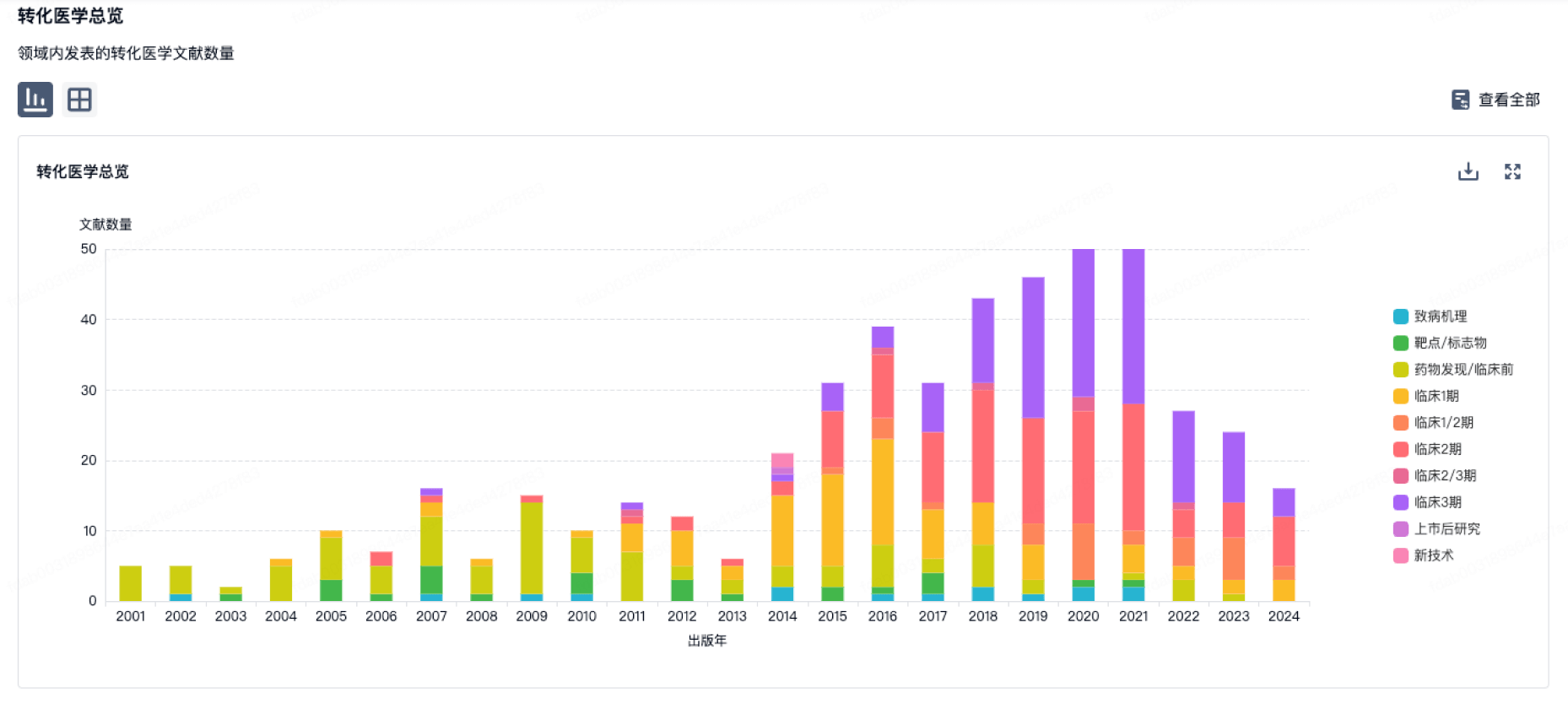
转化医学
使用我们的转化医学数据加速您的研究。
登录
或
营收
使用 Synapse 探索超过 36 万个组织的财务状况。
登录
或
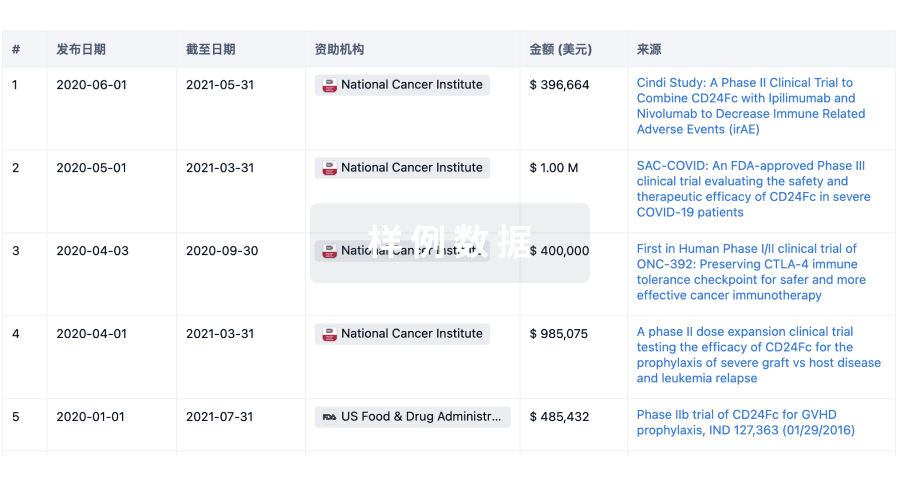
科研基金(NIH)
访问超过 200 万项资助和基金信息,以提升您的研究之旅。
登录
或
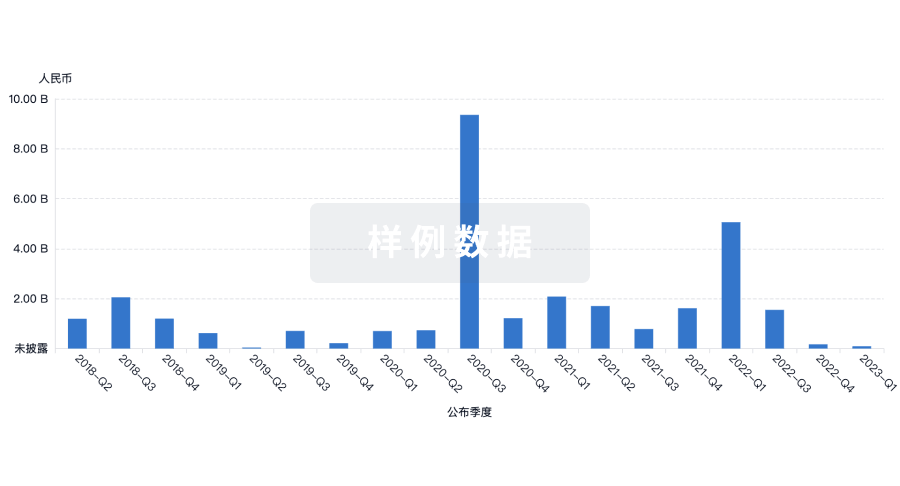
投资
深入了解从初创企业到成熟企业的最新公司投资动态。
登录
或
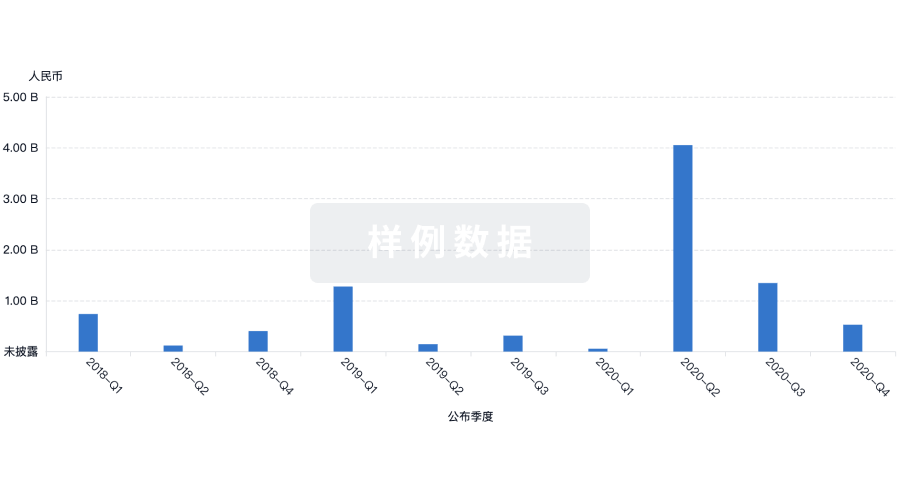
融资
发掘融资趋势以验证和推进您的投资机会。
登录
或
提出任何生物医药研究问题
让每一步生物医药决策都精准制胜
基于十亿级生物数据与全球情报的精准 AI,赋能早期药物发现
立即开始免费试用!
智慧芽新药情报库是智慧芽专为生命科学人士构建的基于AI的创新药情报平台,助您全方位提升您的研发与决策效率。
立即接入生物医药数据包
智慧芽新药库数据也通过智慧芽开放平台,以MCP或API服务形式对外开放。立即使用我们的MCP服务定制您的LLM智能体。
生物序列数据库
生物药研发创新
免费使用
化学结构数据库
小分子化药研发创新
免费使用