预约演示
更新于:2026-03-05

Yan Chai Hospital
更新于:2026-03-05
概览
关联
NCT06499961
The Digital Version of Holistic Healthy Life Education: A Randomized Controlled Trial

ChiCTR2300069721
Efficacy and safety of tocilizumab for renal ischemia-reperfusion: an exploratory study
ChiCTR2200063657
A randomized controlled study of oral roxastatin in the treatment of renal anemia after allogeneic kidney transplantation
100 项与 仁濟醫院 相关的临床结果
登录后查看更多信息
登录后查看更多信息
2026-01-20Journal of the American Heart Association
Location‐Specific Analysis of Hematoma Expansion in Intracerebral Hemorrhage
Article
作者: Lui, Adrian ; Ho, Ryan Wui‐Hang ; Sheng, Bun ; Hu, Yan‐Jun ; Xiao, Hai‐Bing ; Wu, Jerome ; Fok, Joshua ; Cai, Ji‐Fu ; Zeng, Wen‐Shuang ; Leung, Ka‐Long ; Yip, Edwin Kin‐Keung ; Wang, Wei ; So, Ching Hei ; Teo, Kay Cheong ; Lau, Kui Kai
Background:
Hematoma expansion (HE) is a potential modifier of intracerebral hemorrhage (ICH) outcome, yet reducing HE does not necessarily improve prognosis. This may reflect the complex relationship between location, baseline volume, HE, and outcomes, where different locations have varying hematoma growth and differing impacts on prognosis. Prior HE studies have oversimplified location categorization into lobar and deep. Therefore, we aim to investigate how HE varies across more specific location categorization and examine their interactions.
Methods:
We retrospectively analyzed 691 nonanticoagulated patients with spontaneous ICH from the University of Hong Kong ICH registry (2011–2022) and 3 regional hospitals (2020–2022). Locations were categorized into lobar, putamen/external capsule, globus pallidus/internal capsule, thalamus, cerebellum, and brainstem. HE was defined as a >33% or >6 mL increase in intraparenchymal hematoma. The associations between location and volume with HE were assessed using multivariable logistic regression. Location‐specific volume cutoffs were defined with the receiver operating characteristic curves.
Results:
The HE rates and absolute volume growth differed significantly by location (both
P
<0.001). The risk of HE also varied across locations (
P
=0.016), but only cerebellar ICH showed a significantly lower risk compared with lobar ICH (adjusted odds ratio, 0.313 [95% CI, 0.098–0.998]). Additionally, there was a significant interaction between baseline volume and location with HE (
Pinteraction
<0.001). HE risk was significantly higher for baseline hematoma volume ≥27.2 mL for lobar (aOR, 8.71 [95% CI 3.35–22.64]) and≥36.2 mL for putamen/external capsule (adjusted odds ratio, 2.83 [95% CI, 1.53–5.25]), but not for other location‐specific volumes.
Conclusions:
The risk of HE and its association with baseline volume varied by ICH locations. These findings provide novel insight to guide patient selection for antiexpansion therapies.
2025-12-01SLAS Discovery
High-content immunofluorescence assay detecting PD-L1 expression changes in head and neck cancer patient-derived cultures
Article
作者: Lui, Vivian Wai Yan ; Su, Yu-Xiong ; Chan, Jason Ying Kuen ; Ng, Yuen-Keng ; Abbang, Stacy Magdalene ; Lau, Cecilia Pik Yuk ; Piao, Wenying ; Ye, Jishi ; Li, Hui ; Lau, Chin Wang
Clinical uses of monoclonal antibodies against immune checkpoint molecules, such as the Program Death-Ligand 1 (PD-L1) or Program Death Protein-1 (PD-1), has transformed cancer therapy across pan-cancers. In addition to antibody therapies, there is a growing interest in identifying small molecules that could modulate PD-L1 levels in cancer cells. Yet, most current PD-L1 assays are not robust enough to be developed for drug screening purposes. Here, we report the development of a sensitive PD-L1 immunofluorescence assay that can capture PD-L1 expression heterogeneity in HNC patient tumor cultures and allows relative quantification of PD-L1 levels in cells in a streamlined and robust manner. Furthermore, this imaging-based assay can capture additional spatial or subcellular localization information of PD-L1 expression in patient cultures and has the potential to be combined with other image-based assays for future drug development purposes. Importantly, we demonstrated that this assay was robust enough to evaluate dose-dependent PD-L1-modulatory effects of drugs in patient-derived tumor cultures and demonstrated patient-to-patient variability of drug responses for PD-L1 modulation. This assay has the potential to be adopted for high-throughput drug screening for identifying small molecules modulators of PD-L1 using individual patient tumor cultures of various cancer types.
2025-11-01Arthroscopy Techniques
Endoscopic Layered Adhesiolysis of Achilles Tendon–Flexor Hallucis Longus Complex via Medial Portals After Gastrocnemius Fascial Turn-Down Flap and Flexor Hallucis Longus Transfer for Chronic Achilles Tear
Article
作者: Lui, Tun Hing ; Li, Charles Churk Hang ; Slocum, Amanda Mun Yee ; Poon, Jerome Chi Wang
Good outcomes have been reported after gastrocnemius fascial turn-down flap with flexor hallucis longus (FHL) augmentation for chronic Achilles tendon (AT) rupture. However, postoperative peritendinous fibrous adhesions with tightness and ankle stiffness can occur because of extensive soft tissue dissection and postoperative immobilization. Adhesions can occur at the deep surface of the FHL muscle, between the AT and FHL muscle, and between the Achilles tendon and the deep fascia of the leg. The purpose of this Technical Note is to describe the details of endoscopic layered adhesiolysis of the AT-FHL complex. This minimally invasive approach allows adequate release of every plane of the complex and immediate vigorous mobilization of the foot and ankle. This technique, combined with endoscopic adhesiolysis of the muscles in the superior posterior compartment of the leg and endoscopic adhesiolysis of the AT after tendon repair, forms a comprehensive system for managing various situations after AT repair or tendon transfer. It is indicated in symptomatic fibrous adhesions of the AT-FHL complex after FHL transfer when the patient experiences pain and tightness over the operated region of the AT with corresponding tenderness and is recalcitrant to conservative treatment.
2026-03-02
·启阔生物
100 项与 仁濟醫院 相关的药物交易
登录后查看更多信息
100 项与 仁濟醫院 相关的转化医学
登录后查看更多信息
组织架构
使用我们的机构树数据加速您的研究。
登录
或
管线布局
2026年04月15日管线快照
无数据报导
登录后保持更新
药物交易
使用我们的药物交易数据加速您的研究。
登录
或
转化医学
使用我们的转化医学数据加速您的研究。
登录
或
营收
使用 Synapse 探索超过 36 万个组织的财务状况。
登录
或
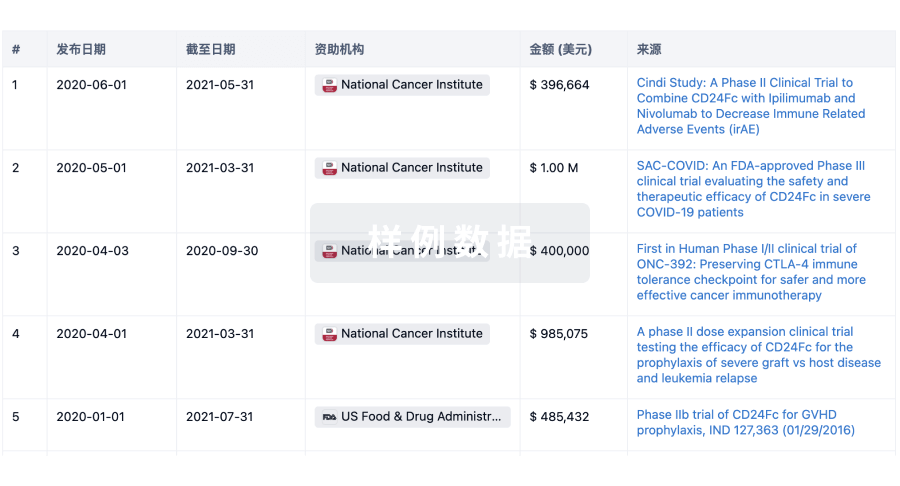
科研基金(NIH)
访问超过 200 万项资助和基金信息,以提升您的研究之旅。
登录
或
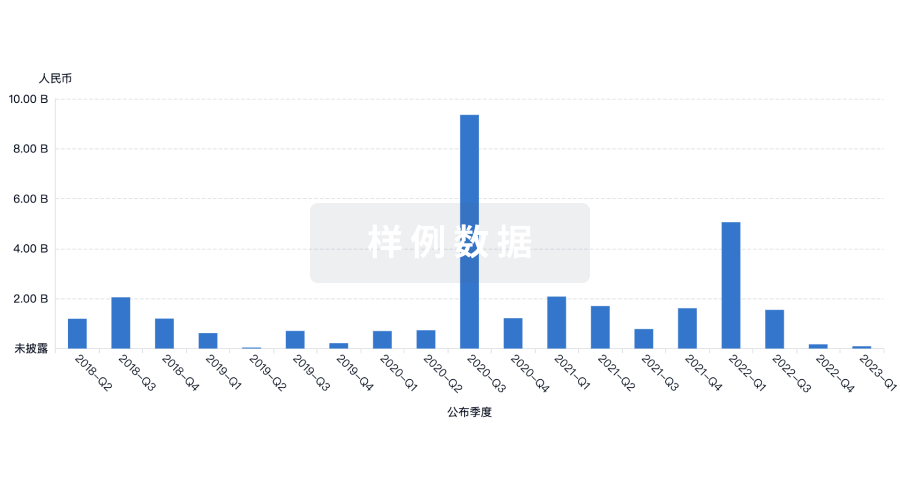
投资
深入了解从初创企业到成熟企业的最新公司投资动态。
登录
或
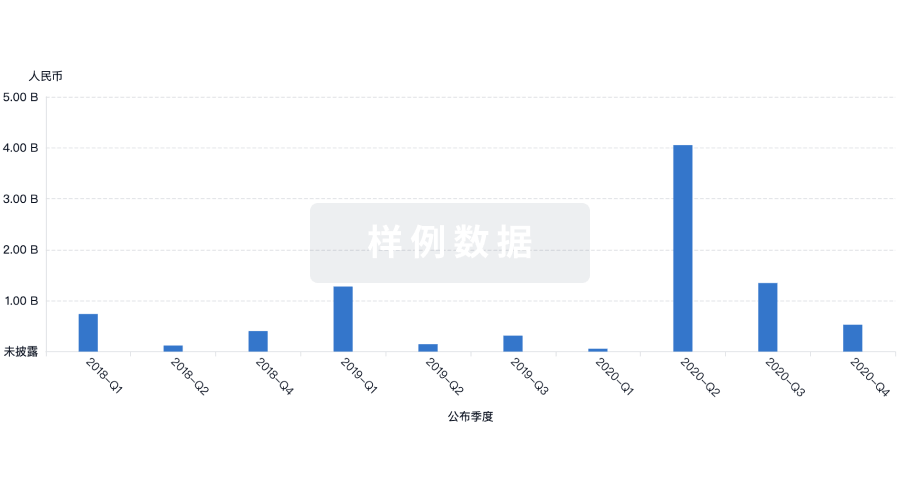
融资
发掘融资趋势以验证和推进您的投资机会。
登录
或
生物医药百科问答
全新生物医药AI Agent 覆盖科研全链路,让突破性发现快人一步
立即开始免费试用!
智慧芽新药情报库是智慧芽专为生命科学人士构建的基于AI的创新药情报平台,助您全方位提升您的研发与决策效率。
立即开始数据试用!
智慧芽新药库数据也通过智慧芽数据服务平台,以API或者数据包形式对外开放,助您更加充分利用智慧芽新药情报信息。
生物序列数据库
生物药研发创新
免费使用
化学结构数据库
小分子化药研发创新
免费使用