预约演示
更新于:2026-04-12

QED Therapeutics, Inc.
更新于:2026-04-12
概览
标签
皮肤和肌肉骨骼疾病
其他疾病
遗传病与畸形
小分子化药
疾病领域得分
一眼洞穿机构专注的疾病领域

技术平台
公司药物应用最多的技术
靶点
公司最常开发的靶点
关联
靶点 |
作用机制 |
在研机构 |
原研机构 |
在研适应症 |
非在研适应症 |
最高研发阶段 |
首次获批国家/地区 |
首次获批日期 |
NCT07393373
Phase 2, Open-Label, Long-Term, Extension (OLE) Study of Infigratinib, an FGFR 1-3-Selective Tyrosine Kinase Inhibitor, in Children With Hypochondroplasia: ACCEL OLE
NCT07169279
Phase 2b, Randomized, Double-Blind, Placebo-Controlled Clinical Trial, Preceded by a Single Ascending Dose Portion and a Phase 2 Open-Label Portion, to Evaluate the Safety and Efficacy of Oral Infigratinib in Infants and Young Children With Achondroplasia
NCT06410976
Prospective Clinical Assessment Study in Children With Hypochondroplasia: ACCEL
100 项与 QED Therapeutics, Inc. 相关的临床结果
登录后查看更多信息
登录后查看更多信息
2022-01-01Therapeutic Advances in Musculoskeletal Disease3区 · 医学
Infigratinib in children with achondroplasia: the PROPEL and PROPEL 2 studies
3区 · 医学
Article
作者: Cho, Terry ; Rogoff, Daniela ; Hoover-Fong, Julie ; Harmatz, Paul ; Bober, Michael B. ; Savarirayan, Ravi ; Gotway, Garrett ; Salles, Jean Pierre ; Muslimova, Elena ; Burren, Christine ; Nicolino, Marc ; Rossi, Massimiliano ; Arundel, Paul ; Delgado, Borja ; Cormier-Daire, Valerie ; Leiva-Gea, Antonio ; Phillips, John ; Saal, Howard ; De Bergua, Josep Maria ; Skae, Mars ; Irving, Melita ; Kannu, Peter ; Weng, Richard ; Santos-Simarro, Fernando ; Saraff, Vrinda ; McDevitt, Helen
Background::
Achondroplasia is the most common short-limbed skeletal dysplasia resulting from gain-of-function pathogenic variants in fibroblast growth factor receptor 3 ( FGFR3) gene, a negative regulator of endochondral bone formation. Most treatment options are symptomatic, targeting medical complications. Infigratinib is an orally bioavailable, FGFR1–3 selective tyrosine kinase inhibitor being investigated as a direct therapeutic strategy to counteract FGFR3 overactivity in achondroplasia.
Objectives::
The main objective of PROPEL is to collect baseline data of children with achondroplasia being considered for future enrollment in interventional studies sponsored by QED Therapeutics. The objectives of PROPEL 2 are to obtain preliminary evidence of safety and efficacy of oral infigratinib in children with achondroplasia, to identify the infigratinib dose to be explored in future studies, and to characterize the pharmacokinetic (PK) profile of infigratinib and major metabolites.
Design::
PROPEL (NCT04035811) is a prospective, noninterventional clinical study designed to characterize the natural history and collect baseline data of children with achondroplasia over 6−24 months. PROPEL 2 (NCT04265651), a prospective, phase II, open-label study of infigratinib in children with achondroplasia, consists of a dose-escalation, dose-finding, and dose-expansion phase to confirm the selected dose, and a PK substudy.
Methods and analysis::
Children aged 3−11 years with achondroplasia who completed ⩾6 months in PROPEL are eligible for PROPEL 2. Primary endpoints include treatment-emergent adverse events and change from baseline in annualized height velocity. Four cohorts at ascending dose levels are planned for dose escalation. The selected dose will be confirmed in the dose-expansion phase.
Ethics::
PROPEL and PROPEL 2 are being conducted in accordance with the International Conference on Harmonization Good Clinical Practice guidelines, principles of the Declaration of Helsinki, and relevant human clinical research and data privacy regulations. Protocols have been approved by local health authorities, ethics committees, and institutions as applicable. Parents/legally authorized representatives are required to provide signed informed consent; signed informed assent by the child is also required, where applicable.
Discussion::
PROPEL and PROPEL 2 will provide preliminary evidence of the safety and efficacy of infigratinib as precision treatment of children with achondroplasia and will inform the design of future studies of FGFR-targeted agents in achondroplasia.
Registration::
ClinicalTrials.gov: NCT04035811; NCT04265651.
2020-06-01Cancer treatment reviews
Broadening the therapeutic horizon of advanced biliary tract cancer through molecular characterisation
Review
作者: Keith Steward ; Ghassan K. Abou-Alfa ; David K. Lau ; Milind Javle ; Chigusa Morizane ; Ian Chau ; Caroline Fong ; Avani Athauda
Biliary tract cancers (BTC) comprise a group of rare and heterogeneous poor-prognosis tumours with the incidence of intrahepatic cholangiocarcinoma increasing over recent years. Combination chemotherapy with gemcitabine and cisplatin is the established first-line treatment for advanced BTC with a significant but modest survival advantage over monotherapy. There remains no accepted standard treatment in the second-line setting, although recent results from a randomised study have shown a survival benefit with 5-fluorouracil and oxaliplatin chemotherapy. Historically, clinical trials investigating targeted therapies in unselected BTC have failed to demonstrate significant clinical benefit. More recently, advancement in molecular exploration of BTC has shed light on the complex biological heterogeneity within these tumours and has also identified actionable genomic aberrations, such as fibroblast growth factor receptor 2 (FGFR2) gene fusions, isocitrate dehydrogenase (IDH) and BRAF mutations, which offer promise with the anticipation of increased responses and durable clinical benefit in selected patients. Several targeted drugs have now entered clinical development with some encouraging results being seen. Here we review the current and rapidly evolving therapeutic landscape of advanced BTC, including targeted therapies and immunotherapy. We also discuss how recent efforts and successes in BTC are overcoming the obstacles typically associated with precision medicine in rare cancers. Ultimately, the management of advanced BTC is likely to become molecularly selected in the near future with the hope of finally improving the bleak prognosis of patients with this disease.
2019-07-01ANNALS OF ONCOLOGY
Phase 3 multicenter, open-label, randomized study of infigratinib versus gemcitabine plus cisplatin in the first-line treatment of patients with advanced cholangiocarcinoma with FGFR2 gene fusions/translocations: the PROOF trial
Article
作者: Borbath, I ; Valle, J ; Clarke, S ; Ye, Y ; Cho, T ; Abou-Alfa, G ; Spratlin, J ; Louvet, C ; Weiss, K ; Moran, S ; Hitre, E ; Berman, C ; Javle, M ; Macarulla, T ; Oh, D ; Howland, M
2026-02-12
2026-02-11
2026-02-02
100 项与 QED Therapeutics, Inc. 相关的药物交易
登录后查看更多信息
100 项与 QED Therapeutics, Inc. 相关的转化医学
登录后查看更多信息
组织架构
使用我们的机构树数据加速您的研究。
登录
或
管线布局
2026年10月09日管线快照
管线布局中药物为当前组织机构及其子机构作为药物机构进行统计,早期临床1期并入临床1期,临床1/2期并入临床2期,临床2/3期并入临床3期
临床3期
1
登录后查看更多信息
当前项目
登录后查看更多信息
药物交易
使用我们的药物交易数据加速您的研究。
登录
或
转化医学
使用我们的转化医学数据加速您的研究。
登录
或
营收
使用 Synapse 探索超过 36 万个组织的财务状况。
登录
或
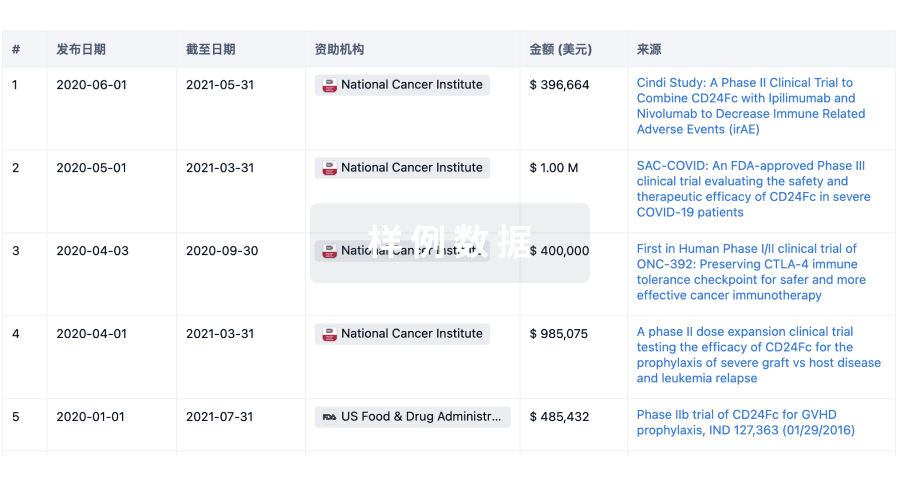
科研基金(NIH)
访问超过 200 万项资助和基金信息,以提升您的研究之旅。
登录
或
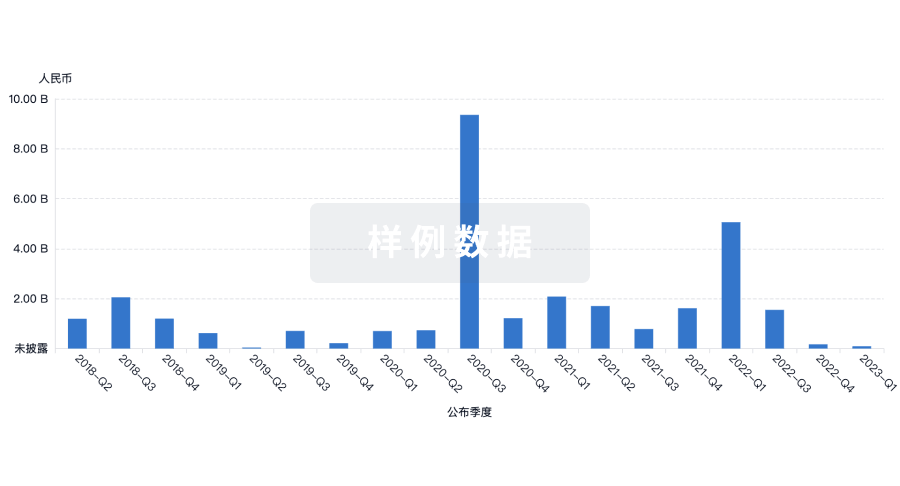
投资
深入了解从初创企业到成熟企业的最新公司投资动态。
登录
或
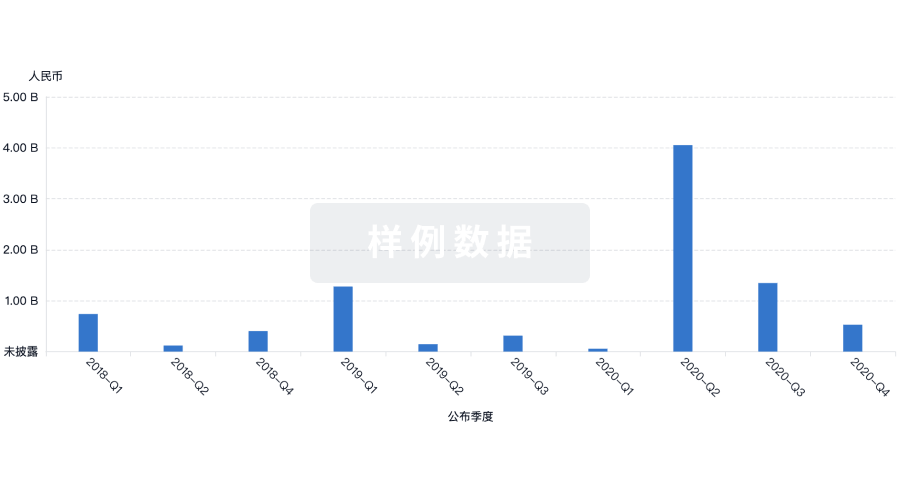
融资
发掘融资趋势以验证和推进您的投资机会。
登录
或
提出任何生物医药研究问题
让每一步生物医药决策都精准制胜
基于十亿级生物数据与全球情报的精准 AI,赋能早期药物发现
立即开始免费试用!
智慧芽新药情报库是智慧芽专为生命科学人士构建的基于AI的创新药情报平台,助您全方位提升您的研发与决策效率。
立即接入生物医药数据包
智慧芽新药库数据也通过智慧芽开放平台,以MCP或API服务形式对外开放。立即使用我们的MCP服务定制您的LLM智能体。
生物序列数据库
生物药研发创新
免费使用
化学结构数据库
小分子化药研发创新
免费使用