预约演示
更新于:2026-05-25

Mudanjiang Youbo Pharmaceutical Co., Ltd.
更新于:2026-05-25
概览
标签
心血管疾病
神经系统疾病
消化系统疾病
中药
环肽药物
生物药
疾病领域得分
一眼洞穿机构专注的疾病领域

技术平台
公司药物应用最多的技术
靶点
公司最常开发的靶点
关联
靶点 |
作用机制 |
在研机构 |
原研机构 |
在研适应症 |
非在研适应症 |
最高研发阶段 |
首次获批国家/地区 |
首次获批日期 |
靶点 |
作用机制 |
在研机构 |
原研机构 |
在研适应症 |
非在研适应症 |
最高研发阶段 |
首次获批国家/地区 |
首次获批日期 |
靶点 |
作用机制 |
在研机构 |
原研机构 |
在研适应症 |
非在研适应症 |
最高研发阶段 |
首次获批国家/地区 |
首次获批日期 |

CTR20250665
以注射用达托霉素为对照,初步探索静脉输注不同剂量的YB211治疗成人急性细菌性皮肤及皮肤结构感染受试者的有效性和安全性的随机、盲法、阳性药平行对照、多中心的Ⅱ期临床试验
CTR20233741
评价中国健康成人受试者单次和多次静脉输注YB211的耐受性、安全性和药代动力学特征的单中心、随机、双盲、安慰剂对照设计的I期临床试验
CTR20223258
评价中国健康成人受试者单次和多次皮下注射YB209的单中心、随机、盲法、对照设计的耐受性、安全性和药代动力学特征的I期临床试验
100 项与 牡丹江友搏药业有限责任公司 相关的临床结果
登录后查看更多信息
登录后查看更多信息
2026-07-01BIOORGANIC & MEDICINAL CHEMISTRY
A general tyrosinase-responsive prodrug strategy: design and synthesis of melanoma-selective anticancer agents
Article
作者: Zheng, Guojun ; Wu, Yongsheng ; Zou, Yening ; Li, Binjie ; Qiu, Boxiang ; Tan, Zhenlulu
Melanoma is highly aggressive with limited therapeutic options for advanced-stage disease, making it the leading cause of skin cancer-related deaths. This study developed a tyrosinase (TYR)-responsive prodrug design strategy by taking TYR-an enzyme specifically overexpressed in melanoma cells-as the endogenous trigger. By introducing a TYR-specific recognition unit into the molecular structures of doxorubicin (DOX) and camptothecin (CPT) and coupling them via a self-immolative linker, two potential prodrugs, TYR-DOX and TYR-CPT, were successfully designed and synthesized. In vitro enzymatic activity assays demonstrated that TYR-DOX could be efficiently activated by TYR in a concentration-dependent manner, and this process was significantly inhibited by a TYR inhibitor, confirming its specific responsiveness to TYR. In contrast, TYR-CPT did not exhibit similar activity. Further cellular assays revealed that, compared with free DOX, TYR-DOX retained potent cytotoxicity against melanoma A375 cells (IC50 = 1.40 μM) while significantly reducing toxicity to normal HEK293 cells (p < 0.0001), indicating markedly enhanced tumor selectivity. Extending this design strategy to seven other clinically used antitumor drugs led to the successful identification of two promising candidates, TYR-GEM and TYR-ETC, demonstrating the general applicability of the strategy. Preliminary structure-activity relationship analysis further suggests that the presence of hydrogen-bond-forming groups within the prodrug structure contributes to enhanced TYR-responsive activity. In summary, the TYR-responsive prodrug design strategy constructed in this study effectively enhances the tumor selectivity of chemotherapeutic agents, and provides a versatile and translatable new approach for the precise targeted therapy of melanoma.
2023-04-01Acta pharmaceutica Sinica. B
A novel biological sources consistency evaluation method reveals high level of biodiversity within wild natural medicine: A case study of Amynthas earthworms as “Guang Dilong”
Article
作者: Han Gao ; Lifu Jia ; Luqi Huang ; Chao Jiang ; Yanxu Chang ; Yongsheng Wu ; Xiaoying Zhang ; Dandan Wang ; Ye Shang ; Jibao Jiang ; Wenzhi Yang ; Zhenguo Li ; Zhimei Xing ; Tenukeguli Tuliebieke ; Xiaoxuan Tian ; Liuwei Xu ; Chunxiao Li ; Hong Wang ; Dan Wang
For wild natural medicine, unanticipated biodiversity as species or varieties with similar morphological characteristics and sympatric distribution may co-exist in a single batch of medical materials, which affects the efficacy and safety of clinical medication. DNA barcoding as an effective species identification tool is limited by its low sample throughput nature. In this study, combining DNA mini-barcode, DNA metabarcoding and species delimitation method, a novel biological sources consistency evaluation strategy was proposed, and high level of interspecific and intraspecific variations were observed and validated among 5376 Amynthas samples from 19 sampling points regarded as "Guang Dilong" and 25 batches of proprietary Chinese medicines. Besides Amynthas aspergillum as the authentic source, 8 other Molecular Operational Taxonomic Units (MOTUs) were elucidated. Significantly, even the subgroups within A. aspergillum revealed here differ significantly on chemical compositions and biological activity. Fortunately, this biodiversity could be controlled when the collection was limited to designated areas, as proved by 2796 "decoction pieces" samples. This batch biological identification method should be introduced as a novel concept regarding natural medicine quality control, and to offer guidelines for in-situ conservation and breeding bases construction of wild natural medicine.
2022-06-01Journal of ethnopharmacology2区 · 医学
Shuxuetong injection and its peptides enhance angiogenesis after hindlimb ischemia by activating the MYPT1/LIMK1/Cofilin pathway
2区 · 医学
Article
作者: Leng, Yuze ; Li, Mengyao ; Wang, Hong ; Fang, Zhirui ; Zhang, Lusha ; Wang, Qianyi ; Chen, Lu ; Xue, Yuejin ; Li, Zhenguo ; Han, Lifeng ; Sun, Wei ; Wu, Yongsheng
ETHNOPHARMACOLOGICAL RELEVANCE:
Shuxuetong (SXT) injection is formulated by leech and earthworm, has been widely used in the treatment of thrombotic cardiovascular and cerebrovascular diseases with remarkable clinical efficacy.
AIM OF THE STUDY:
The purpose of this study is to investigate the protective mechanism of SXT injection on the mice model of hindlimb ischemia, and to evaluate the angiogenic effects of SXT injection and its main active substances.
MATERIALS AND METHODS:
Hindlimb ischemia was induced by left femoral artery ligation. After operation, the mice were injected with saline, 10 mg/kg/d cilostazol, 37.5 mg/kg/d SXT injection, 75 mg/kg/d SXT injection and 150 mg/kg/d SXT injection via tail vein for 4 weeks. Ischemia severity was assessed using laser Doppler perfusion imaging system. Tissue recovery and capillary density were evaluated by histological and immunofluorescent staining. Vascular endothelial growth factor-A (VEGF-A) and platelet-derived growth factor (PDGF-BB) expression were measured by reverse transcription polymerase chain reaction (RT-PCR) and enzyme-linked immunosorbent assay (ELISA) analyses. Human umbilical vein endothelial cells (HUVECs) proliferation was measured using a BrdU kit and the viability of HUVECs was performed by MTT assay. Migration of HUVECs was performed by the wound healing method and a modified transwell assay. Capillary tube formation by HUVECs was examined by using Matrigel assay. Western blotting was used to detect the expressions of p-Cofilin, p-MYPT1, and p-LIMK1.
RESULTS:
SXT injection treatment significantly restored the blood flow and reduced tissue injury in mouse gastrocnemius muscle. SXT injection treatment increased capillary density and promoted angiogenesis in hindlimb ischemia. Moreover, SXT injection enhanced the expression of VEGF-A and PDGF-BB at both mRNA and protein levels in ischemic tissue of mice. SXT injection and its main active peptides dramatically increased the migration and capillary tube formation of HUVECs. SXT injection and its peptides enhanced protein expressions of the phosphorylation of MYPT1, Cofilin, and LIMK1. DSYVGDEAQSKR, YNELRVAPEEHP, and IQFLPEGSPVTM may act as the active components of SXT injection.
CONCLUSION:
SXT injection promoted angiogenesis and improved function recovery in hindlimb ischemia mice by regulation of VEGF-A/PDGF-BB. Moreover, SXT injection and its active peptides induced cell migration and tube formation in HUVECs through activating the MYPT1/LIMK1/Cofilin pathway. This study provided experimental basis for SXT injection in the treatment of ischemic diseases and revealed the effective substance of SXT injection in regulating angiogenesis, providing better evidence for the clinical application of SXT injection.
100 项与 牡丹江友搏药业有限责任公司 相关的药物交易
登录后查看更多信息
100 项与 牡丹江友搏药业有限责任公司 相关的转化医学
登录后查看更多信息
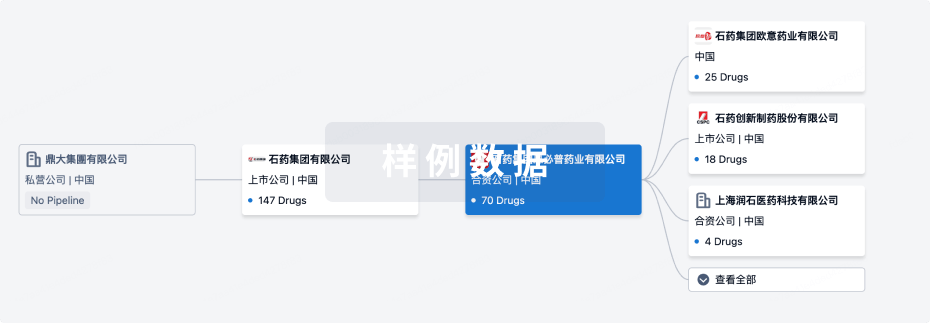
组织架构
使用我们的机构树数据加速您的研究。
登录
或
管线布局
2026年10月13日管线快照
管线布局中药物为当前组织机构及其子机构作为药物机构进行统计,早期临床1期并入临床1期,临床1/2期并入临床2期,临床2/3期并入临床3期
临床1期
1
2
临床2期
临床3期
1
1
批准上市
登录后查看更多信息
当前项目
登录后查看更多信息
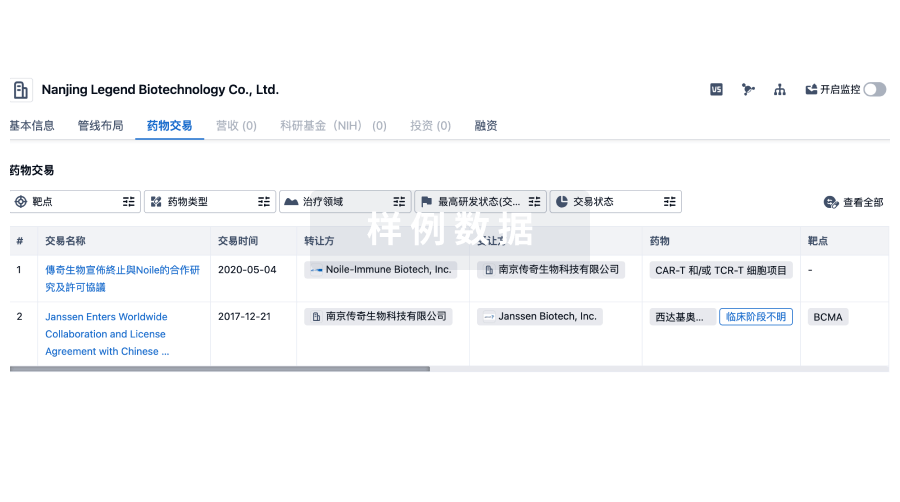
药物交易
使用我们的药物交易数据加速您的研究。
登录
或
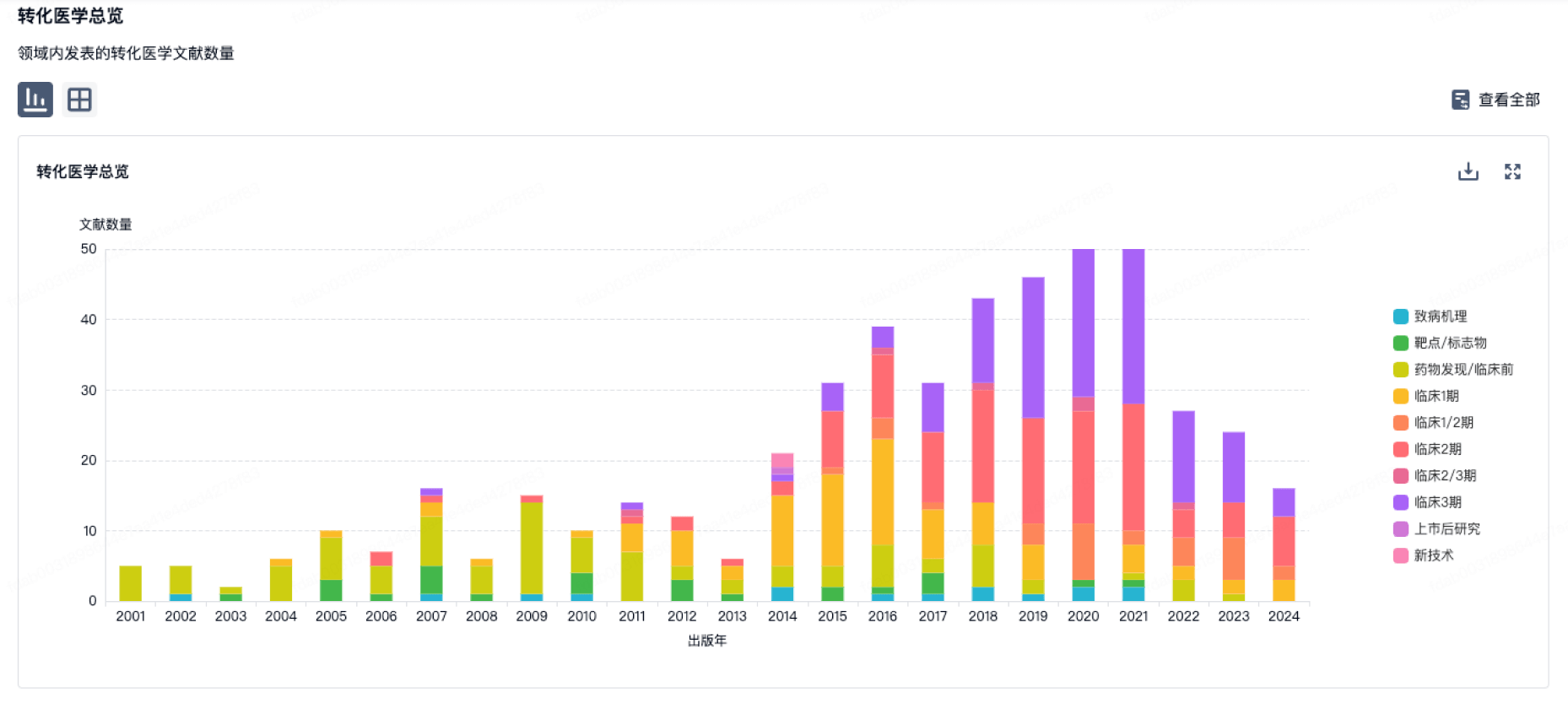
转化医学
使用我们的转化医学数据加速您的研究。
登录
或
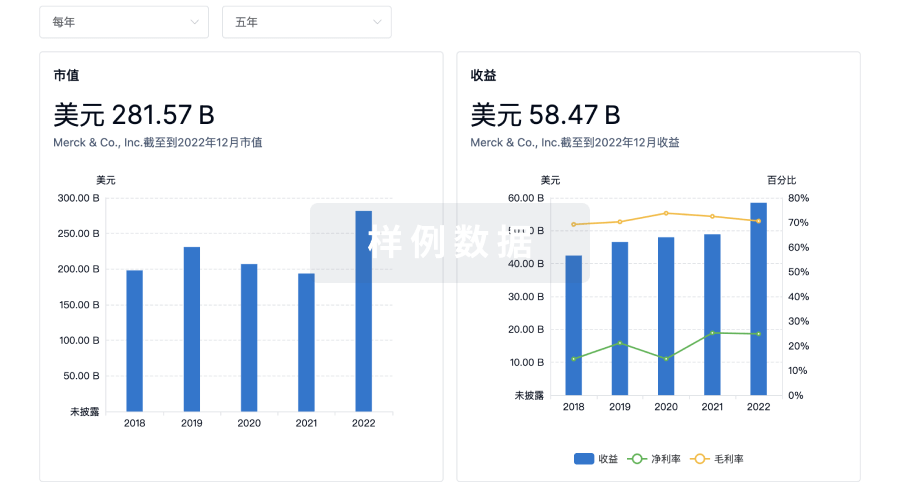
营收
使用 Synapse 探索超过 36 万个组织的财务状况。
登录
或
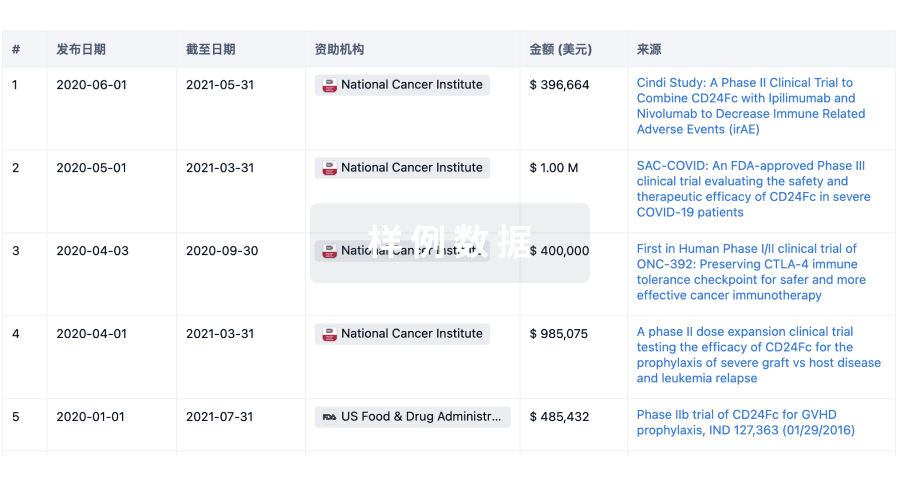
科研基金(NIH)
访问超过 200 万项资助和基金信息,以提升您的研究之旅。
登录
或
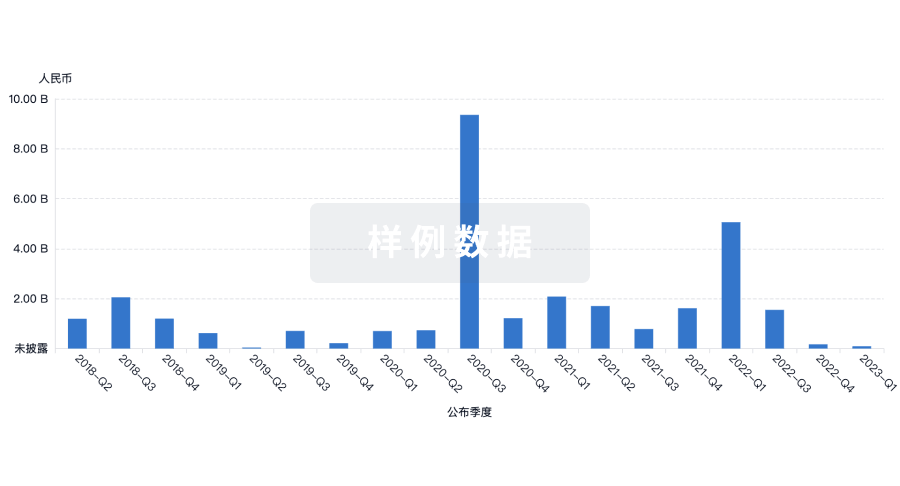
投资
深入了解从初创企业到成熟企业的最新公司投资动态。
登录
或
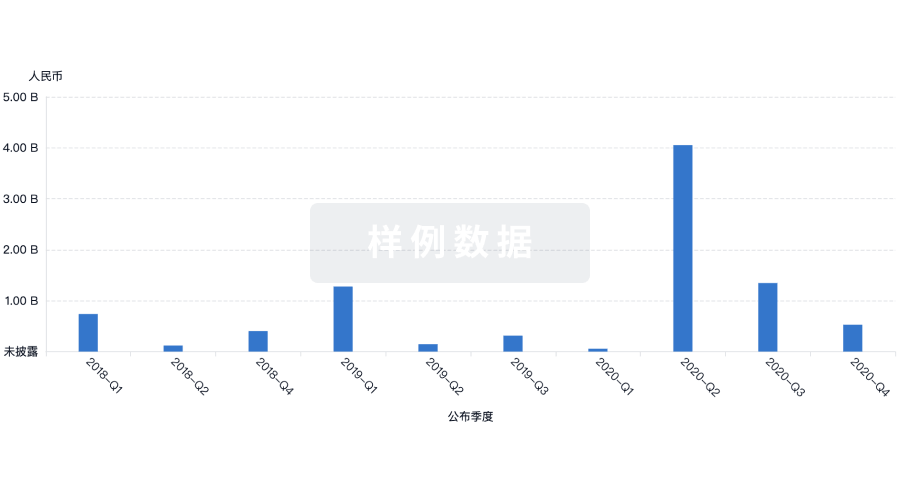
融资
发掘融资趋势以验证和推进您的投资机会。
登录
或
提出任何生物医药研究问题
让每一步生物医药决策都精准制胜
基于十亿级生物数据与全球情报的精准 AI,赋能早期药物发现
立即开始免费试用!
智慧芽新药情报库是智慧芽专为生命科学人士构建的基于AI的创新药情报平台,助您全方位提升您的研发与决策效率。
立即接入生物医药数据包
智慧芽新药库数据也通过智慧芽开放平台,以MCP或API服务形式对外开放。立即使用我们的MCP服务定制您的LLM智能体。
生物序列数据库
生物药研发创新
免费使用
化学结构数据库
小分子化药研发创新
免费使用