预约演示
更新于:2026-09-27
Photocure ASA
更新于:2026-09-27
概览
标签
肿瘤
泌尿生殖系统疾病
小分子化药
疾病领域得分
一眼洞穿机构专注的疾病领域
技术平台
公司药物应用最多的技术
靶点
公司最常开发的靶点

暂无数据
关联
靶点 |
作用机制 |
在研机构 |
原研机构 |
在研适应症 |
非在研适应症 |
最高研发阶段 |
首次获批国家/地区 |
首次获批日期 |

NCT07144319
Exploration of Novel AI-enabled Blue Light Enhanced Cystoscopy
NCT06525571
Outcomes of High-risk Non-muscle Invasive Bladder Cancer Treated With Blue Light Resection

NCT06548438
The Impact of PDD During TURB for NMIBC: a Prospective Randomized Controlled Trial
100 项与 Photocure ASA 相关的临床结果
登录后查看更多信息
登录后查看更多信息
2026-12-31JOURNAL OF MEDICAL ECONOMICS
Addressing the challenges of health economic modelling in the context of suboptimal evidence base – case study based on a comparison between photodynamic diagnosis and narrow band imaging in non-muscle invasive bladder cancer
Article
作者: Lapon, Jane ; Belsey, Jonathan ; Chrosny, Wojciech
INTRODUCTION:
Standard economic models, which have been developed to reflect typical data availability for pharmaceutical products, often struggle with non-pharmaceutical interventions like diagnostics and medical devices, where clinical trial data is more likely to be short-term or non-comparative. This paper explores methodological challenges in evaluating Photodynamic Diagnosis (PDD) via blue light cystoscopy (BLC) versus Narrow Band Imaging (NBI) for non-muscle invasive bladder cancer (NMIBC).
METHODS:
A semi-Markov state-transition cost-utility model was developed for a health technology appraisal (HTA) by the Danish Treatment Council. The basis of the model was a differential effect of the two technologies on the risk of early local cancer recurrence. Due to a lack of direct comparative trials, an indirect hazard-function-based approach was used. Using TreeAge Pro software, baseline hazard curves were derived from ten-year survival data for conventional white light cystoscopy. Hazard ratios (HRs) from meta-analyses were then applied to these curves to derive simulated time-to-event curves for BLC and NBI.
RESULTS:
The base-case analysis yielded an incremental cost-effectiveness ratio (ICER) of DKK 70,707/QALY for BLC-TURBT versus NBI-TURBT. Sensitivity analyses confirmed results remained robust and well below the DKK 500,000/QALY willingness-to-pay threshold. The model was most sensitive to HRs for time to first recurrence. Scenario analyses, including traditional parametric extrapolation, yielded consistent ICERs between DKK 36,775 and DKK 215,965/QALY.
DISCUSSION:
The hazard-based workflow effectively integrated survival data from disparate sources, using a software-based method was quicker, simpler and more intuitive to use than conventional statistical methods. The approach used is equally applicable to a partitioned survival structure. The alignment between hazard-based and traditional parametric methods suggests this is a valid, efficient alternative for developing models in the face of evidence gaps.
CONCLUSIONS:
A hazard-function approach provides a transparent, practical solution for building robust economic models when clinical data is limited or incompatible with standard approaches.
2025-12-31JOURNAL OF MEDICAL ECONOMICS
Hexaminolevulinate-enhanced photodynamic diagnosis in the management of non-muscle-invasive bladder cancer (NMIBC): the influence of differing European health care payment systems on the potential financial impact of adoption
Article
作者: Belsey, Jonathan ; Lapon, Jane
INTRODUCTION:
The management of NMIBC is based on primary resection, followed by a surveillance programme stratified according to the risk status of the tumour. The completeness of the primary resection will determine the likelihood of early recurrence and requirement for re-resection. The use of photodynamic diagnosis (PDD) has been shown to extend the median time to first recurrence compared to white-light cystoscopy alone (WLC). However, PDD requires the use of a fluorescent imaging agent, which incurs an additional cost. This analysis explores the impact of the health care payment system on the budgetary impact of PDD adoption by a hospital.
METHODS:
A previously published budget impact model was adapted to allow for the exploration of costs across four different payment environments: Denmark, France, Italy and Finland. Using the same set of clinical assumptions around disease risk profiles, recurrence rates and usage of PDD, coupled with country-specific costs, the net budget impact per patient with NMIBC was estimated for each country over a 3-year time horizon. The analysis was carried out from the perspective of a hospital with a protocol-driven strategy for PDD adoption.
RESULTS:
In Denmark, with a differential tariff system between PDD and WLC, the additional cost of the technology was fully offset by the tariff, with a net surplus of €170 per patient. In France and Italy, with a flat-rate tariff, there was a net cost of €108 and €120 per patient respectively. In Finland, with a block contract system, the net cost per patient was €206.
CONCLUSIONS:
Despite a consistent clinical benefit associated with PDD, differences in healthcare payment systems across Europe impact on its net financial impact. The use of flexible budgetary impact models may allow tailored implementation plans to be developed, allowing local needs to be balanced with cost consequences., thereby allowing for targeted adoption.
2023-12-01Clinical genitourinary cancer
The Impact of Blue Light Cystoscopy Use Among Nonmuscle Invasive Bladder Cancer Patients in an Equal Access Setting: Implications on Recurrence and Time to Recurrence
Article
作者: Sanjay Das ; Lin Gu ; Joshua Parrish ; Amanda M. De Hoedt ; William Aronson ; Claire Trustram Eve ; Stephen J. Freedland ; Chad McKee ; Stephen B. Williams
INTRODUCTION:
Prior studies suggest that white light cystoscopy (WLC) alone can fail to detect cases of non-muscle invasive bladder cancer (NMIBC) vs. blue light cystoscopy (BLC). We describe bladder cancer outcomes and the impact of BLC among NMIBC patients in an equal access setting.
MATERIALS AND METHODS:
We assessed 378 NMIBC patients within the Veterans Affairs system that had a CPT code for BLC from December 1, 2014 to December 31, 2020. We determined recurrence rates and time to recurrence prior to BLC (ie, after previous WLC if available) and following BLC. We used the Kaplan-Meier method to estimate event-free survival and Cox regression to determine association between BLC and recurrence, progression, and overall survival; and further, whether these outcomes differed by race.
RESULTS:
Of 378 patients with complete data, 43 (11%) were Black and 300 (79%) White. Median follow-up was 40.7 months from bladder cancer diagnosis. Median time to first recurrence following BLC was longer vs. WLC alone (40 [33-NE] vs. 26 [17-39] months). Recurrence risk was significantly lower following BLC (Hazard Ratio [HR] 0.70; 95% Confidence Interval [CI], 0.54-0.90). There was no significant difference in recurrence (HR 0.69; 95% CI, 0.39-1.20), progression (HR 1.13; 95% CI, 0.32-3.96), and overall survival (HR 0.74; 95% CI, 0.31-1.77) following BLC by Black vs. White race.
CONCLUSION:
In this study from an equal access setting in the VA, we observed significantly decreased recurrence risk and prolonged time interval to recurrence following BLC vs. WLC alone. There was no difference in bladder cancer outcomes by race.
2026-09-18
·今日头条
100 项与 Photocure ASA 相关的药物交易
登录后查看更多信息
100 项与 Photocure ASA 相关的转化医学
登录后查看更多信息
组织架构
使用我们的机构树数据加速您的研究。
登录
或
管线布局
2026年09月29日管线快照
管线布局中药物为当前组织机构及其子机构作为药物机构进行统计,早期临床1期并入临床1期,临床1/2期并入临床2期,临床2/3期并入临床3期
批准上市
1
2
其他
登录后查看更多信息
当前项目
登录后查看更多信息
药物交易
使用我们的药物交易数据加速您的研究。
登录
或
转化医学
使用我们的转化医学数据加速您的研究。
登录
或
营收
使用 Synapse 探索超过 36 万个组织的财务状况。
登录
或
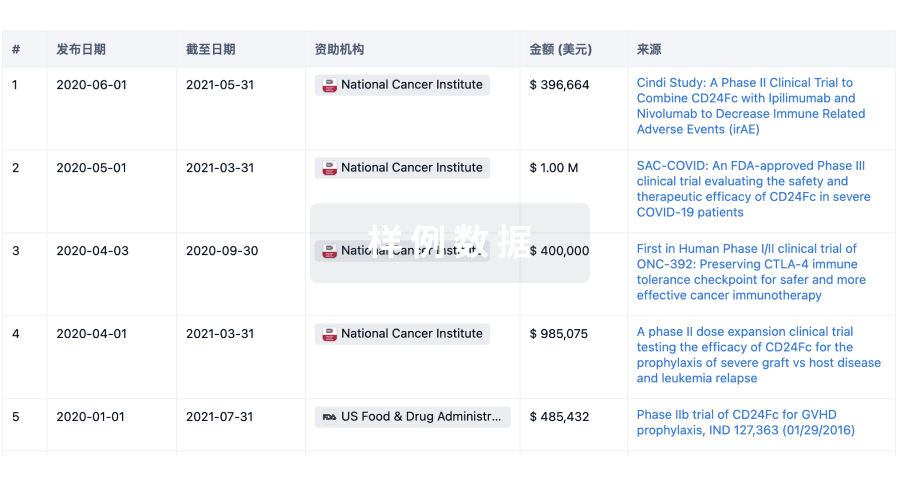
科研基金(NIH)
访问超过 200 万项资助和基金信息,以提升您的研究之旅。
登录
或
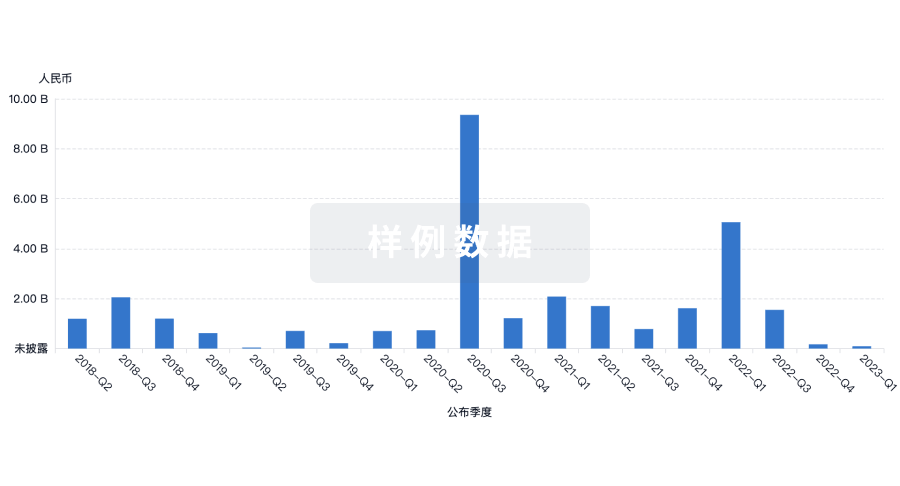
投资
深入了解从初创企业到成熟企业的最新公司投资动态。
登录
或
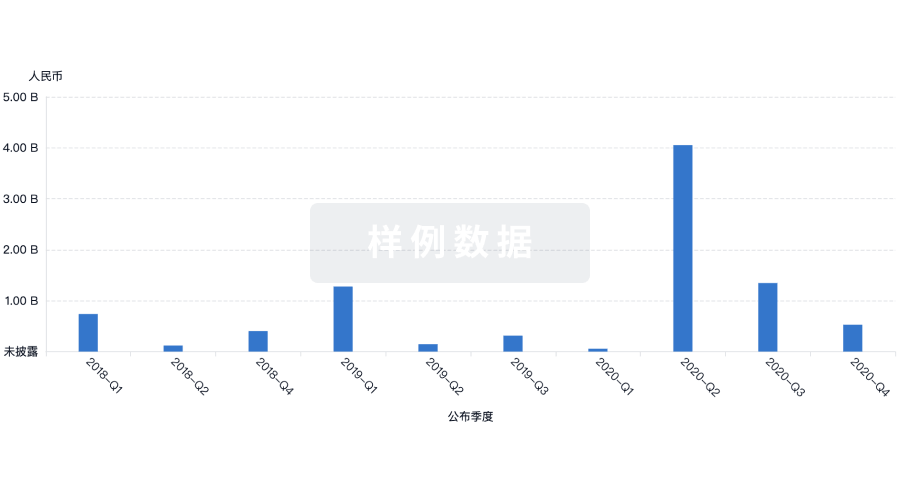
融资
发掘融资趋势以验证和推进您的投资机会。
登录
或
提出任何生物医药研究问题
让每一步生物医药决策都精准制胜
基于十亿级生物数据与全球情报的精准 AI,赋能早期药物发现
立即开始免费试用!
智慧芽新药情报库是智慧芽专为生命科学人士构建的基于AI的创新药情报平台,助您全方位提升您的研发与决策效率。
立即接入生物医药数据包
智慧芽新药库数据也通过智慧芽开放平台,以MCP或API服务形式对外开放。立即使用我们的MCP服务定制您的LLM智能体。
生物序列数据库
生物药研发创新
免费使用
化学结构数据库
小分子化药研发创新
免费使用