预约演示
更新于:2026-08-18

Instituto Ramón y Cajal de Investigación Sanitaria
更新于:2026-08-18
概览
标签
神经系统疾病
心血管疾病
其他疾病
小分子化药
疾病领域得分
一眼洞穿机构专注的疾病领域

技术平台
公司药物应用最多的技术
靶点
公司最常开发的靶点
关联
靶点 |
作用机制 |
在研机构 |
原研机构 |
在研适应症 |
非在研适应症 |
最高研发阶段 |
首次获批国家/地区 |
首次获批日期 |

靶点 |
作用机制 |
在研机构 |
原研机构 |
在研适应症 |
非在研适应症 |
最高研发阶段 |
首次获批国家/地区 |
首次获批日期 |
靶点 |
作用机制 |
在研机构 |
原研机构 |
在研适应症 |
非在研适应症 |
最高研发阶段 |
首次获批国家/地区 |
首次获批日期 |
NCT07265388
Validation and Extension of the SUCCESS Score for Fuchs Dystrophy After Cataract Surgery
ISRCTN11587056
Surgery first and Invisalign. A comparative assessment of periodontal health and quality of life in postsurgical orthodontic treatment with Invisalign or traditional fixed appliances: a randomized controlled trial
100 项与 Instituto Ramón y Cajal de Investigación Sanitaria 相关的临床结果
登录后查看更多信息
登录后查看更多信息
2026-08-01MATURITAS
Diagnosis and management of androgen excess presenting after menopause
Review
作者: Ortiz-Flores, Andrés E ; Luque-Ramírez, Manuel ; Escobar-Morreale, Héctor F
Postmenopausal hyperandrogenism is a rare yet clinically relevant condition. It can result from a wide variety of sources and etiologies, from benign functional disorders to life-threatening androgen-secreting tumors. Polycystic ovary syndrome is the most frequent cause of hyperandrogenism in postmenopausal patients. Ovarian or adrenal tumors are rare but must be promptly recognized because any delay in diagnosis is associated with a significant risk of mortality. Sudden onset and rapid progression of symptoms or virilizing features are clinical red flags that must lead to the use of imaging to rule out malignancy. Hormonal assessment using accurate assays, in combination with targeted imaging, dynamic testing in selected cases, and a structured diagnostic algorithm will help to establish the etiology of androgen excess in less severe cases. Surgery is the cornerstone of treatment in most cases of severe hyperandrogenism. Gonadotropin-releasing hormone analogs or low-dose glucocorticoids may be helpful for the control of symptoms in gonadal or adrenal functional hyperandrogenism, respectively. Antiandrogens are also helpful in patients with mild functional hyperandrogenism who are concerned about dermocosmetic symptoms. In cases of endocrinopathies or iatrogenic causes, treatment of the underlying cause and avoidance of the drug responsible are needed. This review summarizes the varied etiology of postmenopausal androgen excess, and emphasizes the importance of an accurate diagnostic workup and tailored management.
2026-07-01ENDOSCOPY
Sustainability in endoscopic medical congresses and courses: Position Statement from the European Society of Gastrointestinal Endoscopy and the European Society of Gastroenterology and Endoscopy Nurses and Associates
Article
作者: Pohl, Heiko ; Pellisé, Maria ; Siau, Keith ; Albéniz, Eduardo ; Römmele, Christoph ; O'Morain, Neil Robert ; Henniger, Dorothea ; Rodriguez de Santiago, Enrique ; Lorenzo-Zúñiga, Vicente ; Gralnek, Ian M ; Barbieri, Bridget ; Sidhu, Reena ; Cunha Neves, João A ; Donnelly, Leigh ; Aabakken, Lars ; Klose, Michelle Angelika ; Pioche, Mathieu ; Bretthauer, Michael ; Bhat, Purnima ; Khalaf, Kareem ; Meining, Alexander ; Arvanitakis, Marianna ; Hassan, Cesare ; Tsalouka, Anastasia ; Topa, Matilde ; Elli, Luca ; Facciorusso, Antonio ; Baddeley, Robin ; Vienne, Ariane
Abstract:
Medical conferences and educational courses in gastrointestinal (GI) endoscopy are essential for training, quality improvement, and scientific exchange, but they are also associated with a substantial environmental footprint, largely driven by travel-related greenhouse gas emissions and resource consumption. While sustainability in endoscopic practice has gained increasing attention, the environmental impact of endoscopy congresses and courses has remained insufficiently addressed. This document outlines the official position of the European Society of Gastrointestinal Endoscopy (ESGE) and the European Society of Gastroenterology and Endoscopy Nurses and Associates (ESGENA). An international multidisciplinary panel of experts conducted a systematic literature review, expert narrative appraisal where evidence was limited, and an iterative Delphi consensus process. The resulting recommendations address key domains of conference organization, including event conception, scientific program design, transportation and participation models, faculty selection, venue and accommodation, catering, waste reduction, training formats, and collaboration with industry partners. Emphasis is placed on promoting virtual and hybrid conference formats, low-emission travel options, sustainable venues and catering, and the systematic measurement and transparent reporting of environmental impact. This ESGE–ESGENA Position Statement provides practical, consensus-based, evidence-informed guidance to support GI endoscopy societies, conference organizers, industry partners, and participants in reducing the environmental impact of endoscopy-related educational activities while preserving their scientific and educational quality.
2026-05-19ACCOUNTS OF CHEMICAL RESEARCH
Sensing with (One or Many) Upconverting Nanoparticles
Article
作者: Ortgies, Dirk H. ; Haro-González, Patricia ; Ximendes, Erving ; Martín Rodríguez, Emma ; Jaque, Daniel ; Benayas, Antonio ; Maturi, Fernando E.
ConspectusLanthanide-doped upconverting nanoparticles (UCNPs) convert near-infrared (NIR) light into visible emission through multiphoton absorption processes. This property has made them useful tools for sensing and single-particle studies in biological environments. Their characteristic narrow emission lines, resistance to photobleaching, and the thermal coupling between the excited states of trivalent erbium (Er3+) have positioned UCNPs as a practical platform for intracellular thermometry despite their moderate sensitivity. Their response can be measured with standard microscopes using inexpensive NIR excitation sources, enabling experiments that are not easily achieved with other types of nanoscale thermometers. However, using UCNPs inside living cells also reveals important limitations because the intracellular medium is chemically complex and may alter the emission properties that form the basis of the thermal readout. Variations in local pH, ion concentration, viscosity, or molecular crowding can shift energy levels or modify nonradiative relaxation pathways. As a result, establishing the reliability of UCNP thermometry inside cells requires dedicated studies on particle stability, surface chemistry, and the influence of the cytoplasmic environment. Understanding these effects is essential for determining whether ratiometric UCNP thermometry can serve as a quantitative intracellular tool rather than only a qualitative indicator of heating. UCNPs have also enabled new single-particle experiments through optical trapping. A tightly focused NIR beam can immobilize an individual nanoparticle while simultaneously exciting its upconversion emission, allowing continuous monitoring of spectral changes, rotational dynamics, and local mechanical properties. These studies provide access to information that is hidden in ensemble measurements, such as particle-particle radiative interactions or the coupling between particle rotation/movement and local viscosity. Yet optical trapping also brings its own challenges: the forces acting on sub-100 nm UCNPs are modest, and trapping stability is strongly affected by laser-induced heating. Increasing dopant concentration improves confinement but raises thermal load, leading to a trade-off that must be carefully balanced. Approaches based on plasmonic enhancement are not suitable due to their additional heating, motivating interest in alternative photonic structures such as dielectric metasurfaces that could strengthen confinement while keeping temperatures low. Together, intracellular thermometry and single-particle trapping illustrate both the strengths and the current limitations of UCNPs. Their optical properties make them accessible probes for measuring local temperature and mechanical responses, but their performance heavily depends on the surrounding environment. In this Account, we summarize our efforts to understand UCNP behavior under realistic biological and trapping conditions. We discuss the stability of the thermometric response inside cells, the confinement-heating balance in optical traps, and the opportunities offered by single-particle measurements for studying light-matter interactions at the nanoscale. These considerations outline a path toward more reliable sensing and manipulation strategies based on UCNPs.
2025-09-26

100 项与 Instituto Ramón y Cajal de Investigación Sanitaria 相关的药物交易
登录后查看更多信息
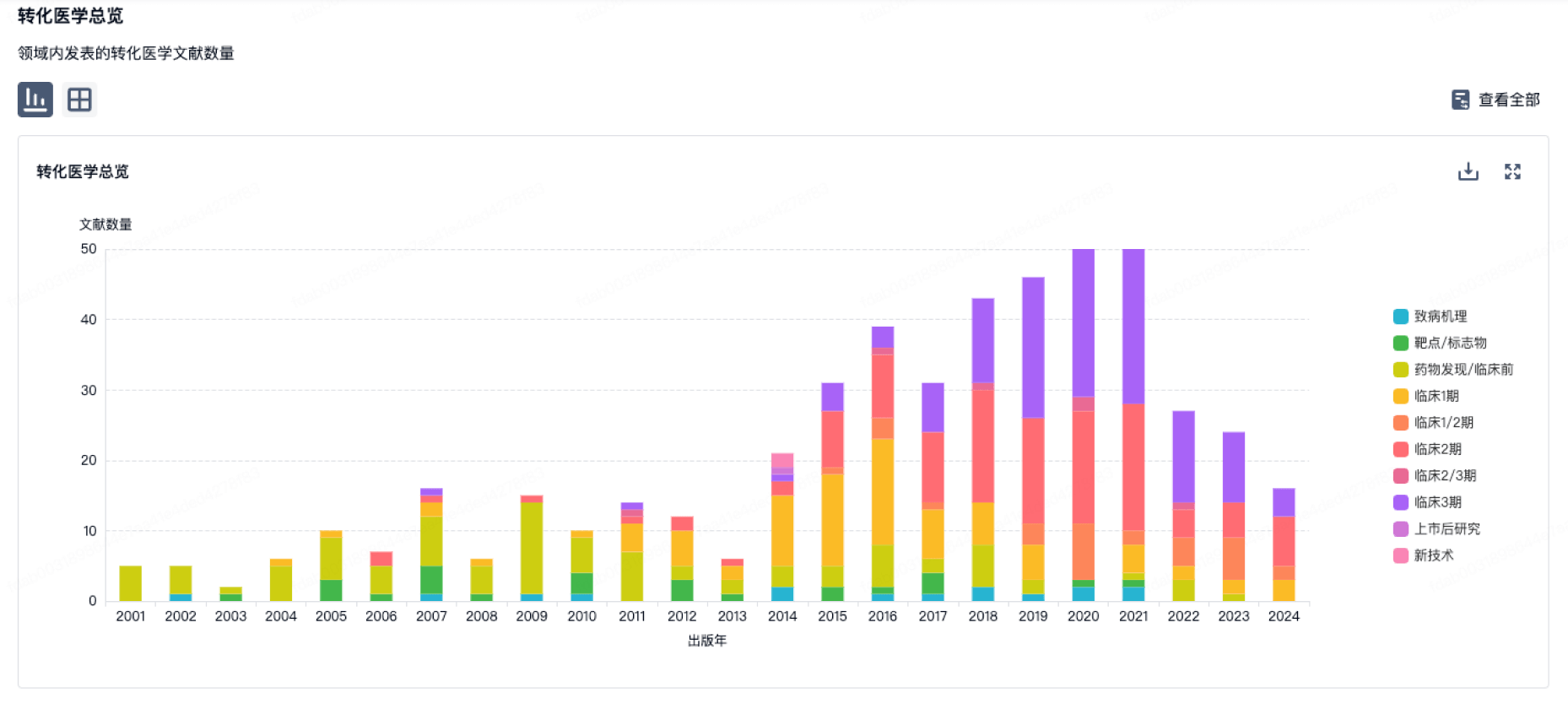
100 项与 Instituto Ramón y Cajal de Investigación Sanitaria 相关的转化医学
登录后查看更多信息
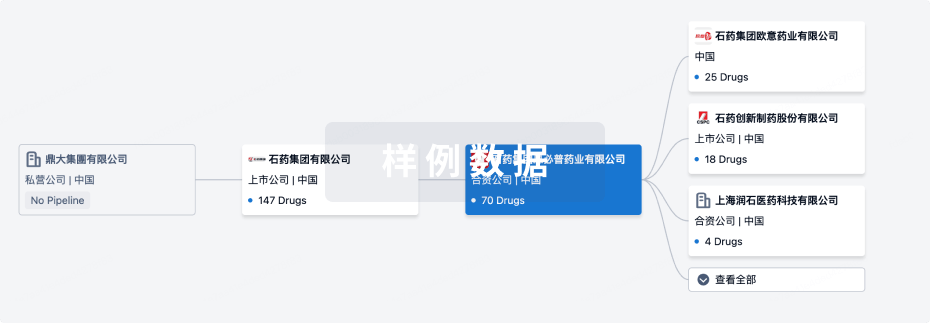
组织架构
使用我们的机构树数据加速您的研究。
登录
或
管线布局
2026年10月10日管线快照
管线布局中药物为当前组织机构及其子机构作为药物机构进行统计,早期临床1期并入临床1期,临床1/2期并入临床2期,临床2/3期并入临床3期
临床前
4
1
其他
登录后查看更多信息
当前项目
登录后查看更多信息
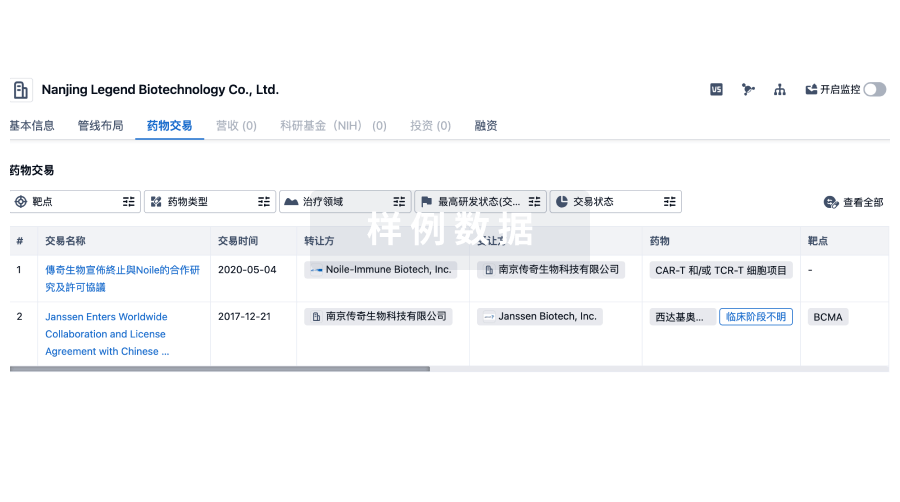
药物交易
使用我们的药物交易数据加速您的研究。
登录
或
转化医学
使用我们的转化医学数据加速您的研究。
登录
或
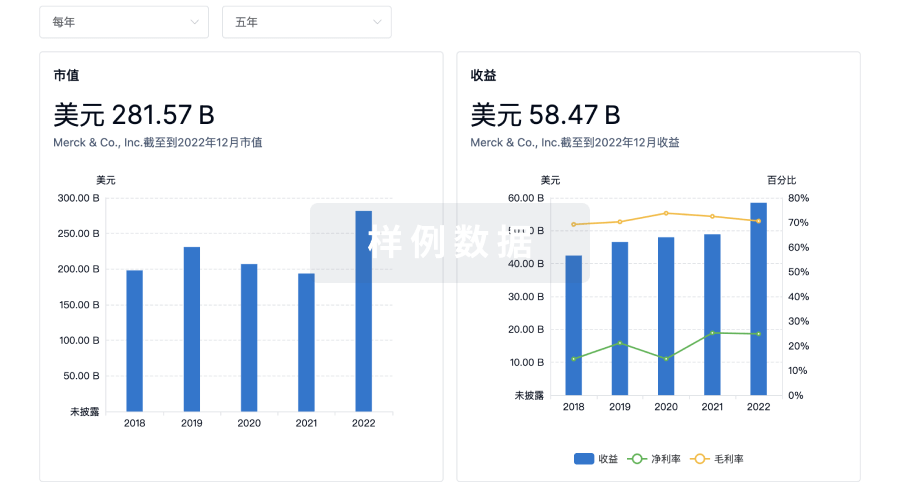
营收
使用 Synapse 探索超过 36 万个组织的财务状况。
登录
或
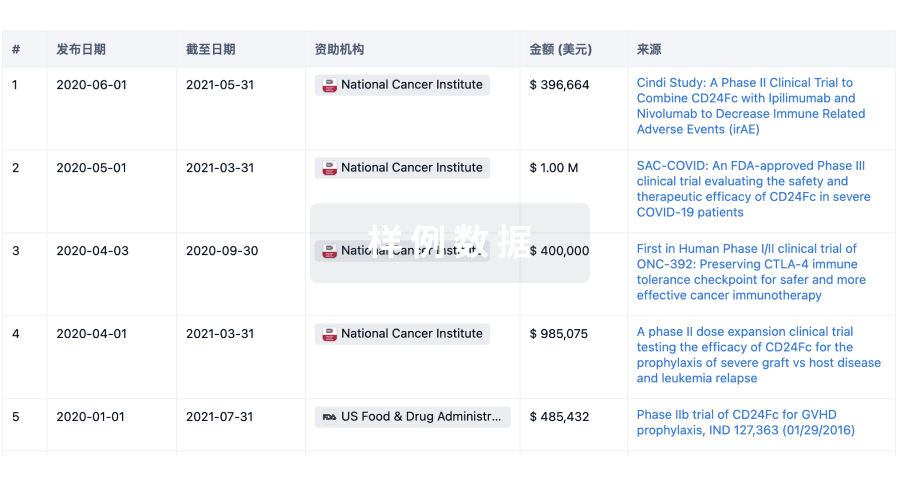
科研基金(NIH)
访问超过 200 万项资助和基金信息,以提升您的研究之旅。
登录
或
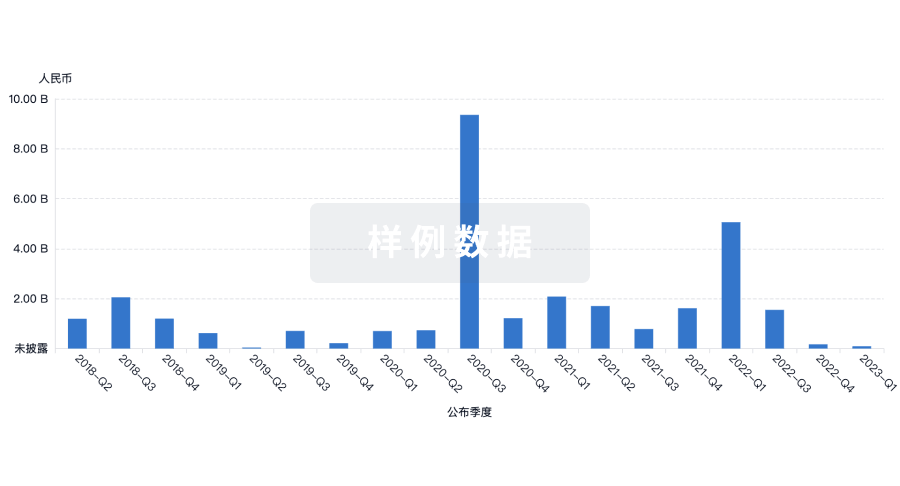
投资
深入了解从初创企业到成熟企业的最新公司投资动态。
登录
或
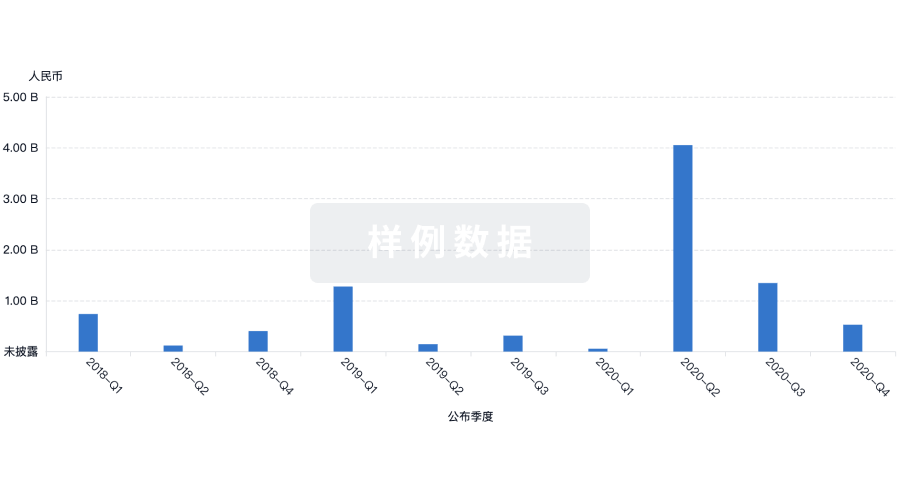
融资
发掘融资趋势以验证和推进您的投资机会。
登录
或
提出任何生物医药研究问题
让每一步生物医药决策都精准制胜
基于十亿级生物数据与全球情报的精准 AI,赋能早期药物发现
立即开始免费试用!
智慧芽新药情报库是智慧芽专为生命科学人士构建的基于AI的创新药情报平台,助您全方位提升您的研发与决策效率。
立即接入生物医药数据包
智慧芽新药库数据也通过智慧芽开放平台,以MCP或API服务形式对外开放。立即使用我们的MCP服务定制您的LLM智能体。
生物序列数据库
生物药研发创新
免费使用
化学结构数据库
小分子化药研发创新
免费使用