预约演示
更新于:2026-10-09

Bloomage Biotechnology Corp. Ltd.
更新于:2026-10-09
概览
标签
皮肤和肌肉骨骼疾病
其他疾病
小分子化药
疾病领域得分
一眼洞穿机构专注的疾病领域

暂无数据
技术平台
公司药物应用最多的技术
靶点
公司最常开发的靶点
关联
CN119285809
专利挖掘靶点 |
作用机制 |
在研机构 |
原研机构 |
在研适应症 |
非在研适应症 |
最高研发阶段 |
首次获批国家/地区 |
首次获批日期 |

WO2025002051
专利挖掘靶点 |
作用机制 |
在研机构 |
原研机构 |
在研适应症 |
非在研适应症 |
最高研发阶段 |
首次获批国家/地区 |
首次获批日期 |
NCT07729657
Verification Study of the Effects of Consumption of the Test Food on the Musculoskeletal System: a Randomized, Placebo-controlled, Double-blind, Parallel-group Comparison Study
ChiCTR2500108127
A human trial on the effects of Kinetic Pills Pro dietary supplement on multidimensional health indicators in healthy populations
ChiCTR2400082084
Prospective, multicenter, randomized, "no treatment" parallel controlled clinical trial to evaluate the safety and effectiveness of modified sodium hyaluronate gel for injection in the correction of infraorbital depression
100 项与 华熙生物科技股份有限公司 相关的临床结果
登录后查看更多信息
登录后查看更多信息
2026-08-16Cureus Journal of Medical Science
The Coupled Physico-Biochemical Mechanisms of Skin Aging: From Dermal Fluid Dynamics and Mechanotransduction to Nutrient-Sensing Dysfunction
Review
作者: Zhang, Zerong ; Liao, Yong
Traditional theories of early skin aging have established a robust foundation by elucidating the accumulation of molecular damage, such as inflammation, oxidative stress, epigenetic drift, and telomere shortening, and related extracellular matrix (ECM) changes. While these biochemical perspectives remain central to our understanding, increasing attention has been paid to the degeneration of the physical microenvironment of the dermal ECM and the concomitant dysfunction of core cellular functions during aging. This article aims to propose and substantiate an integrative framework for the early mechanisms of skin aging. Aging is not initiated by isolated molecular events but rather represents a tissue-level structural and functional degenerative process involving three coupled and progressively amplified dimensions: dermal fluid dynamics decay (characterized by decreased interstitial fluid pressure and impaired interstitial flow), mechanical unloading of fibroblasts (resulting from ECM fragmentation leading to diminished mechanical tension), and cellular nutrient-sensing dysfunction (involving dysregulation of the mechanistic target of rapamycin/AMP-activated protein kinase/sirtuin 1 pathways). Signaling axes, such as integrin-YAP/TAZ, constitute a core bridge linking these physical microenvironmental changes to intracellular biochemical responses. Based on this coupling framework, a progressively reinforced positive feedback loop model is further constructed, and its clinical implications for developing multitargeted, tissue-level skin aging intervention strategies are elaborated.
2026-07-21ANALYTICAL CHEMISTRY
Direct Characterization of Leucine and Isoleucine Residues in Peptides Using High-Resolution Tandem Mass Spectrometry
Article
作者: Li, Jinying ; Dong, Yanmei ; Li, Dagang ; Tan, Haocun ; Li, Ming ; Wang, Ruiyan ; Wang, Guanfeng ; Zhang, Dongxiang ; Cheng, Yuya ; Zhang, Tianji ; Wu, Peize
Leucine (Leu) and isoleucine (Ile), collectively termed Xle, can exert distinct biofunctional properties when present in the same position in a peptide sequence. Therefore, their accurate identification and assignment are critically important, especially to ensure the safety and efficiency of the peptide drugs. However, their identical molecular masses make it challenging to distinguish them by using mass spectrometry. Here, a high-resolution tandem mass spectrometric strategy based on a combination of high-energy collision dissociation (HCD) and collision-induced dissociation (CID) was developed to enable the direct and reliable assignment of Xle residues in peptides. Immonium ions (m/z 86.1) derived from Xle residues were first obtained using HCD, and then their fragmentation behavior was investigated in the m/z range 40-90 upon CID, in which two diagnostic product ions m/z 44.0 and m/z 69.0 were identified. Furthermore, their relative intensity (I44/I69) was newly found to be able to provide a robust basis for distinguishing Leu and Ile using an Orbitrap Eclipse Tribrid mass spectrometer. This strategy was successfully applied for the characterization of single and multiple Xle residues in various peptides, including peptides with different structures (linear and cyclic) and lengths (short and long). It can be readily applied to rapid de novo sequencing of peptides for drug research and development (R&D) and accurate identification of Leu/Ile isomeric impurities for drug quality control (QC).
2026-06-01MINI-REVIEWS IN MEDICINAL CHEMISTRY
The Tripartite Regulatory Framework of the Skin Extracellular Microenvironment and Related Anti-aging Strategies
Review
作者: Zhao, Liangsen ; Liao, Yong
This review proposes a tripartite regulatory framework for the Skin Extracellular Microenvironment
(SEM), which the authors conceptualize as three cross-talked functional domains: hydration,
nutritional, and signaling microenvironments. It systematically elaborates on the core functional
architectures of each component—for instance, Hyaluronic Acid (HA) as the foundational
element of the hydration microenvironment, collagen-based transport pathways in the nutritional
microenvironment, and multi-axis signal networks (inflammatory, biochemical, mechanical) in the
signaling microenvironment. Based on this, age-related dynamic alterations within each domain
were further delineated: the hydration microenvironment undergoes progressive HA degradation
and reduced biosynthesis, leading to decreased skin water retention, increased transepidermal water
loss, and clinical manifestations like dryness and fine lines; the nutritional microenvironment exhibits
microvascular degeneration, disrupted nutrient transport, and advanced glycation end-product
accumulation, impairing extracellular matrix metabolic homeostasis; the signaling microenvironment
suffers from chronic inflammation, TGF- /Smad pathway imbalance, and mechanical signaling
dysfunction, triggering a cascade of "inflammatory activation uncontrolled degradation
mechanical disruption." Cross-regulatory interactions among the three microenvironments (e.g.,
hydration-signaling coupling via TGF- /HAS2) are summarized to highlight their integrated regulatory
nature. Additionally, targeted anti-aging strategies are discussed: exogenous HA supplementation
and endogenous activation for the hydration microenvironment, metabolic substrate supply
(e.g., proline, trace elements) for the nutritional microenvironment, and multi-pathway modulation
(e.g., anti-inflammatory agents, platelet-rich plasma, collagen stimulants) for the signaling microenvironment,
with particular attention to the synergistic effects observed in combination approaches
such as mesotherapy-based cocktails and exosome therapy. Overall, this framework integrates previously
fragmented SEM research and provides a coherent theoretical basis for evidence-based clinical
anti-aging strategies and future precision interventions targeting skin aging.
2026-10-07
·萝卜投研
AHA会议疫苗临床3期信使RNA临床结果
2026-10-07
100 项与 华熙生物科技股份有限公司 相关的药物交易
登录后查看更多信息
100 项与 华熙生物科技股份有限公司 相关的转化医学
登录后查看更多信息
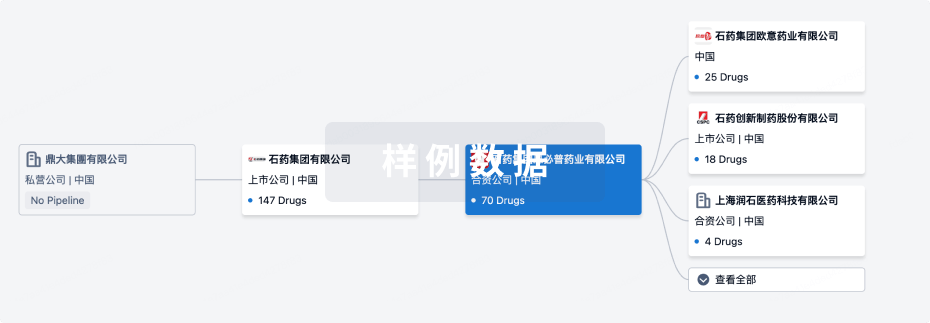
组织架构
使用我们的机构树数据加速您的研究。
登录
或
管线布局
2026年10月27日管线快照
管线布局中药物为当前组织机构及其子机构作为药物机构进行统计,早期临床1期并入临床1期,临床1/2期并入临床2期,临床2/3期并入临床3期
药物发现
2
登录后查看更多信息
当前项目
登录后查看更多信息
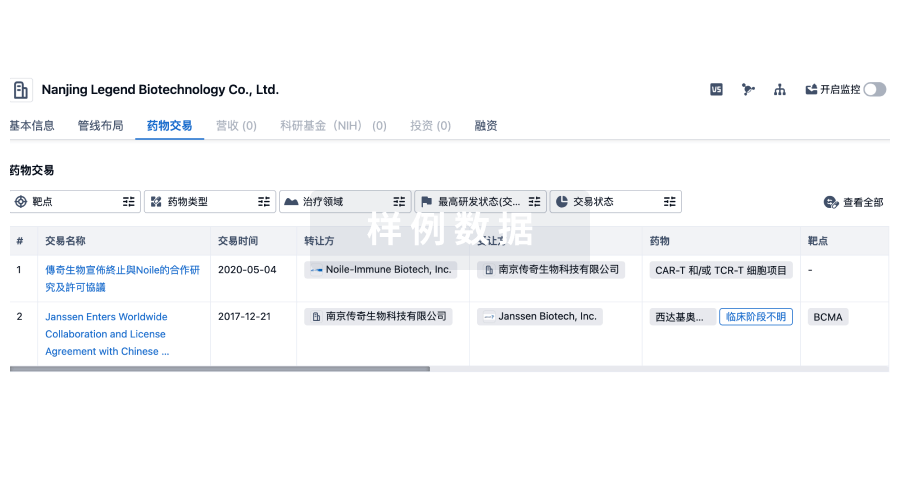
药物交易
使用我们的药物交易数据加速您的研究。
登录
或
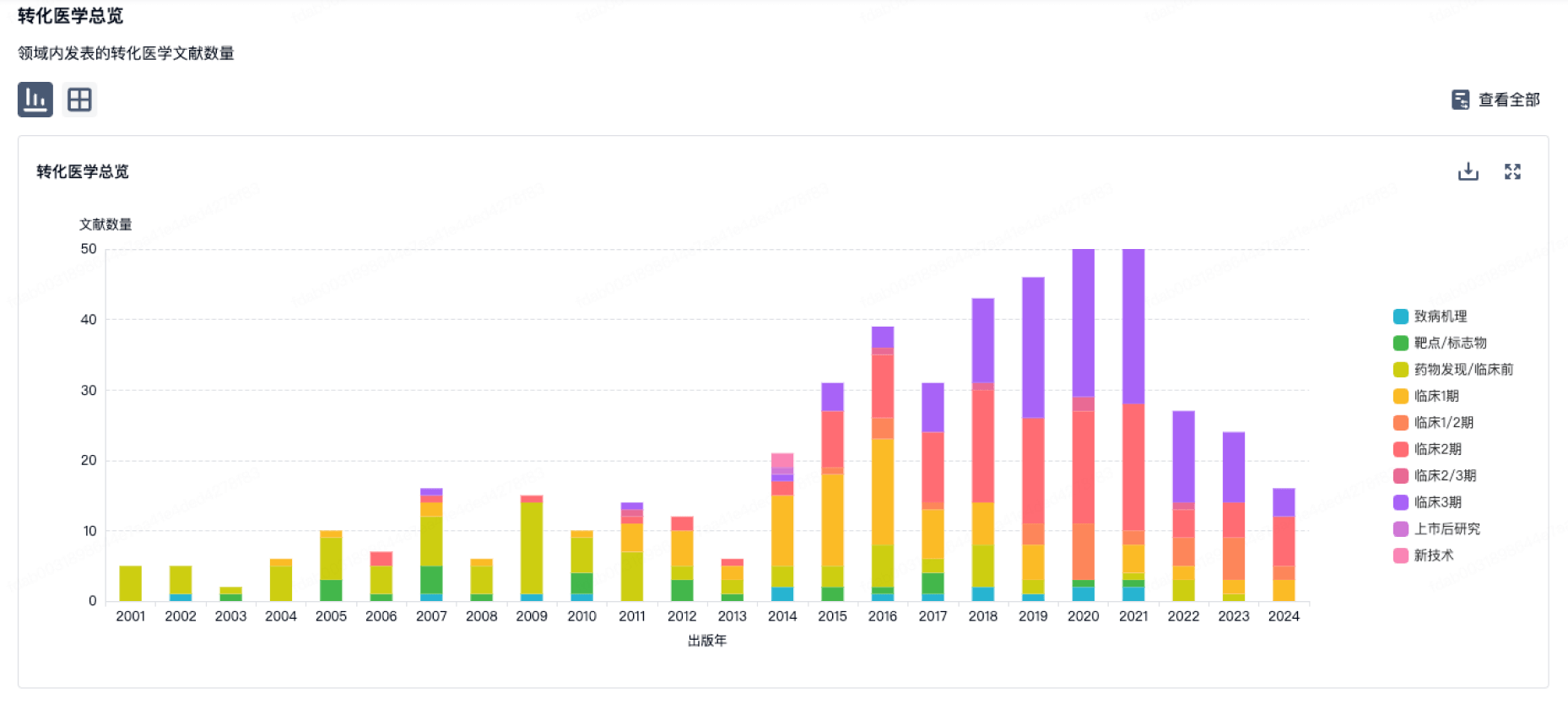
转化医学
使用我们的转化医学数据加速您的研究。
登录
或
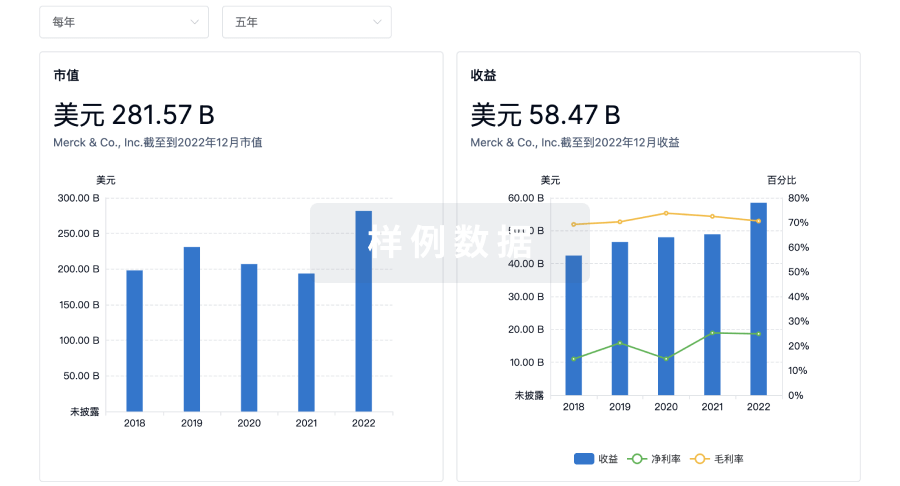
营收
使用 Synapse 探索超过 36 万个组织的财务状况。
登录
或
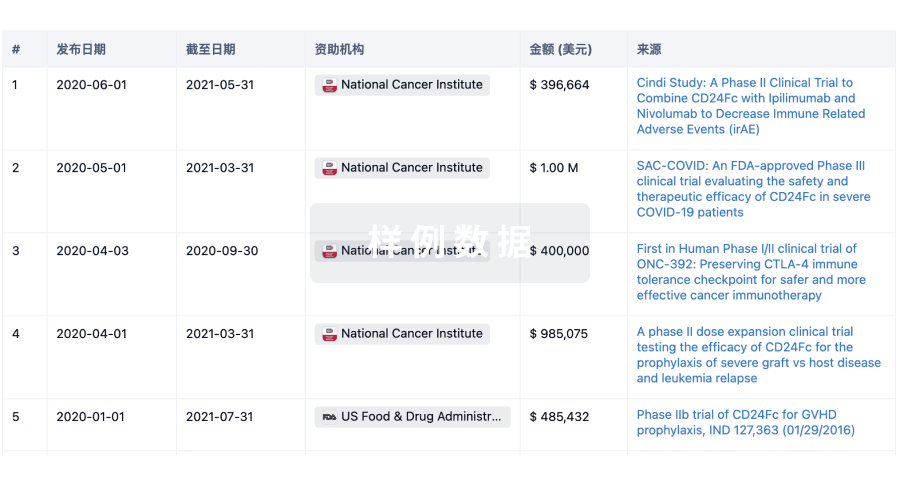
科研基金(NIH)
访问超过 200 万项资助和基金信息,以提升您的研究之旅。
登录
或
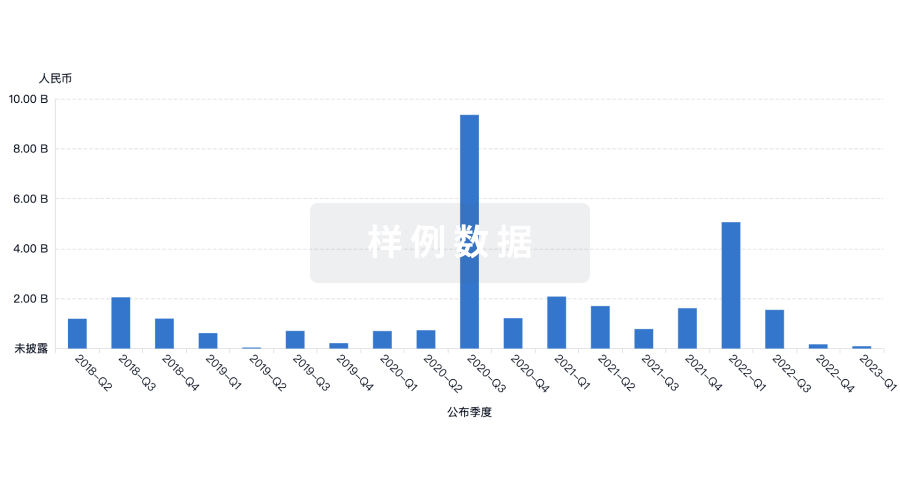
投资
深入了解从初创企业到成熟企业的最新公司投资动态。
登录
或
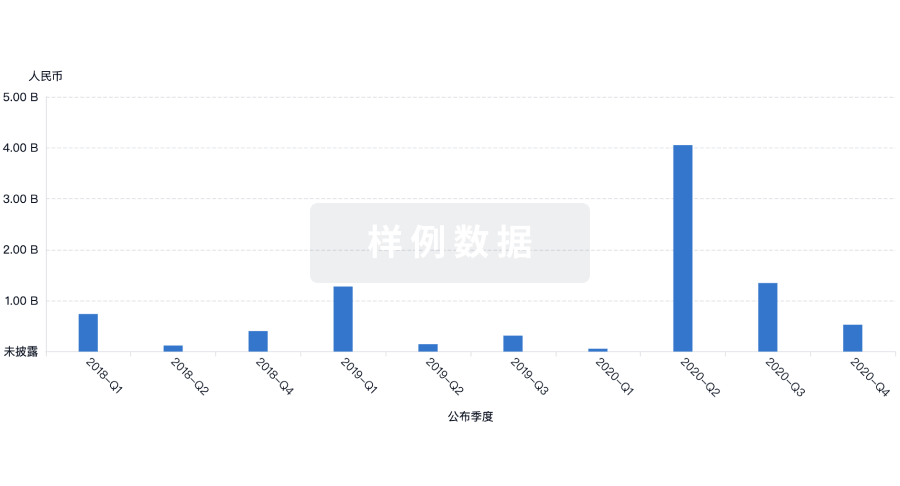
融资
发掘融资趋势以验证和推进您的投资机会。
登录
或
提出任何生物医药研究问题
让每一步生物医药决策都精准制胜
基于十亿级生物数据与全球情报的精准 AI,赋能早期药物发现
立即开始免费试用!
智慧芽新药情报库是智慧芽专为生命科学人士构建的基于AI的创新药情报平台,助您全方位提升您的研发与决策效率。
立即接入生物医药数据包
智慧芽新药库数据也通过智慧芽开放平台,以MCP或API服务形式对外开放。立即使用我们的MCP服务定制您的LLM智能体。
生物序列数据库
生物药研发创新
免费使用
化学结构数据库
小分子化药研发创新
免费使用