预约演示
更新于:2026-06-15

Changzhi Medical College
更新于:2026-06-15
概览
标签
心血管疾病
其他疾病
小分子化药
疾病领域得分
一眼洞穿机构专注的疾病领域

暂无数据
技术平台
公司药物应用最多的技术
靶点
公司最常开发的靶点
暂无数据
关联
CN121135697
专利挖掘靶点 |
作用机制 |
在研机构 |
原研机构 |
在研适应症 |
非在研适应症 |
最高研发阶段 |
首次获批国家/地区 |
首次获批日期 |
CN121085879
专利挖掘靶点 |
作用机制 |
在研机构 |
原研机构 |
在研适应症 |
非在研适应症 |
最高研发阶段 |
首次获批国家/地区 |
首次获批日期 |
ChiCTR2600123660
Efficacy of combined ultrasound-guided C2 dorsal root ganglion pulsed radiofrequency and stellate ganglion block in patients with cervicogenic headache
NCT07333053
FOLFOX-Based Transarterial Infusion Chemotherapy for Unresectable Colorectal Cancer: An Open-Label, Multicenter, Randomized, Controlled, Phase Ⅱ Trial

ChiCTR2500114770
Efficacy of Ultrasound-Guided C2 Nerve Root Pulsed Radiofrequency Combined with Extracorporeal Shock-Wave Therapy for Cervicogenic Headache: A Randomized Controlled Trial
100 项与 长治医学院 相关的临床结果
登录后查看更多信息
登录后查看更多信息
2026-12-31Human Vaccines & Immunotherapeutics
HPV vaccine awareness and uptake among women attending cervical screening in health-resource-limited areas of China: A multicenter cross-sectional study
Article
作者: Hu, Shangyin ; Shi, Jingyi ; Wang, Junling ; Feng, Ruimei ; Duan, Rufei ; Jia, Xinhua ; Zhang, Tai ; Yang, Chunxia ; Zhang, Hongyun ; Qiao, Youlin ; Li, Zhifang ; Zhao, Yuqian ; Da, Xi’ao
Evidence shows HPV vaccination reduces infection, precancer and cervical cancer, yet coverage in health-resource-limited of China remains uncertain. We assessed awareness, uptake and correlates among women attending cervical screening, and examined associations with screening outcomes. We conducted a cross-sectional study in eight county sites in 2023-2024 among women aged 35-64 y. A standardized questionnaire captured sociodemographic factors, awareness and vaccination. Cervical samples were tested for hrHPV. Outcomes were awareness, vaccination, hrHPV, HPV16/18 and CIN2+. Associations were estimated using modified Poisson models with site fixed effects and HC3 robust errors. Adjusted prevalence ratios (aPRs) and covariate-standardized marginal estimates were reported. We included 93,027 unique participants. Awareness was 45.15% and vaccination 6.73%. hrHPV prevalence was 11.38% and CIN2+ detection was 0.70%. In 2024 versus 2023, awareness was lower (40.66% vs 51.34%) while vaccination was higher (7.61% vs 5.53%; aPR 1.25, 95% CI 1.18-1.32). Awareness and uptake declined with age; coverage was 23.23% at ages 35-39 and 0.29% at ages 60-64. Urban residence and higher education were associated with uptake (urban aPR 1.19, 95% CI 1.11-1.27; bachelor's or higher aPR 1.73, 95% CI 1.58-1.90). The age-by-year interaction was significant, with standardized gains concentrated at ages 35-49. Vaccination was associated with lower HPV16/18 infection (aPR 0.66, 95% CI 0.52-0.85) but not with overall hrHPV or CIN2+. HPV vaccine awareness and uptake were low among women aged 35-64 y in health-resource-limited areas, with strong age, educational and urban-rural gradients and marked site heterogeneity. Uptake increased in 2024, mainly at ages 35-49, and vaccination was associated with a lower prevalence of HPV16/18 infection.
2026-12-31Human Vaccines & Immunotherapeutics
Development and validation of a predictive model for high-risk immune-related adverse events in gastric cancer patients treated with ICIs
Article
作者: Du, Yunyi ; Zhao, Jun ; Wu, Junbo ; Hu, Wenqing ; Liu, Min ; Ma, Li ; Li, Yong'ai
Immune checkpoint inhibitors (ICIs) may cause immune-related adverse events (irAEs), ranging from mild to life-threatening. High-risk irAEs can lead to treatment discontinuation and higher mortality, though ICI-treated patients' death rate is under 5%. Currently, no reliable biomarkers predict irAEs' occurrence or severity. This study investigates the link between accessible biomarkers and high-risk irAEs in gastric cancer patients on ICIs, as well as to develop and assess a predictive model for such events. Data were collected from patients with gastric cancer who received ICIs therapy between May 2020 and March 2025. The incidence and risk factors associated with irAEs were analyzed using the chi-square test or the Mann-Whitney U test. Univariate and multivariate logistic regression analyses were conducted to develop a predictive model. This model was validated through 10-fold cross-validation and assessed using the area under the receiver operating characteristic curve (AUC), sensitivity, specificity, positive predictive value (PPV), and negative predictive value (NPV), calibration curves, and decision curve analysis. A total of 184 gastric cancer patients receiving ICIs therapy were enrolled in this study. The incidence of irAEs of any grade was 21.2%, while the incidence of grade ≥3 irAEs was 12.5%. Multivariate logistic regression analysis identified NLR-1 (p < .001), NLR2-1 (p < .001), PLR-1 (p = .001), tumor thickness (p = .018), CV (p = .001), and intratumoral necrosis (p = .028) as independent predictors of grade ≥3 irAEs. The AUC of the developed model was 0.878, with a sensitivity of 78.26%, specificity of 80.12%, PPV of approximately 80.95%, and NPV of approximately 75.52%. The corrected C-index, derived from bootstrap resampling, was 0.849, and both calibration curves and decision curve analysis confirmed good calibration and clinical utility. These predictors may aid risk stratification and optimized patient management.
2026-04-01FREE RADICAL BIOLOGY AND MEDICINE
HO-1/Nrf2 activation orchestrates protection in sepsis-induced lung injury by suppressing CCR2hi monocyte recruitment and MAPK-driven inflammation
Article
作者: Guan, Xin ; An, Huirong ; Zhang, Junlong ; Yu, Jianbo ; Liu, Shasha ; Zhang, Yuan ; Zhang, Li ; Guo, Yan ; Du, Shihan ; Shi, Jia ; Yang, Jing
Sepsis-induced acute lung injury (ALI) remains a devastatingly lethal clinical syndrome driven by aberrant inflammatory dysregulation, wherein monocytes play critical roles in disease pathogenesis. This study elucidates the mechanistic basis by which the HO-1 inducer Hemin alleviates ALI by activating the HO-1/Nrf2 pathway to target pro-inflammatory monocytes. RNA-seq analysis revealed that the most prominently dysregulated genes in LPS-stimulated human THP-1 monocytes (relative to untreated controls) were predominantly enriched in pathways governing inflammatory responses and oxidative stress. In vitro experiments revealed that Hemin suppressed the p38-MAPK/mTOR pathways in human monocytes, inhibiting inflammatory activation, differentiation, and LPS-induced cell death while preserving phagocytosis. The murine ALI model was established in WT, CCR2-/-, and Nrf2-/- mice via tail vein injection of LPS, with assessments conducted 12 h later. In LPS-challenged mice, Hemin pretreatment selectively inhibited the recruitment of CCR2hi monocytes (but not CCR2lo monocytes or neutrophils) into the lungs, thereby attenuating histopathological injury, reducing TNF-α and IL-6 levels, and diminishing monocyte-derived macrophages and their M1/M2 polarization. CCR2 deficiency not only abrogated the therapeutic efficacy of Hemin in ALI, evidenced by the failure to prevent the LPS-induced increase in the proportion of monocyte-derived macrophages and the elevation of macrophage polarization, but also paradoxically elevated pulmonary TNF-α concentrations. Furthermore, experiments using Nrf2-/- mice revealed that the protective benefits of Hemin are strictly Nrf2-dependent. Nrf2 deficiency prevented Hemin from restoring the redox balance (GSH/GSSG ratio) and abolished its systemic and pulmonary anti-inflammatory effects, along with its suppression of CCR2hi subsets and inhibition of macrophages polarization. Collectively, our findings establish that activation of the HO-1/Nrf2 pathway mitigates ALI by selectively targeting CCR2hi pro-inflammatory monocytes, positioning Hemin as a promising therapeutic candidate for ALI and identifying the proportion of CCR2hi monocyte and Nrf2-mediated redox markers as potential biomarkers to guide precision medicine strategies for ALI management.
100 项与 长治医学院 相关的药物交易
登录后查看更多信息
100 项与 长治医学院 相关的转化医学
登录后查看更多信息
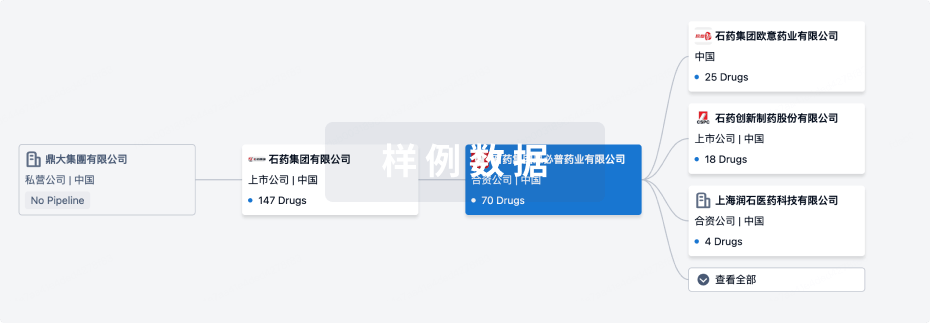
组织架构
使用我们的机构树数据加速您的研究。
登录
或
管线布局
2026年06月24日管线快照
管线布局中药物为当前组织机构及其子机构作为药物机构进行统计,早期临床1期并入临床1期,临床1/2期并入临床2期,临床2/3期并入临床3期
药物发现
2
登录后查看更多信息
当前项目
登录后查看更多信息
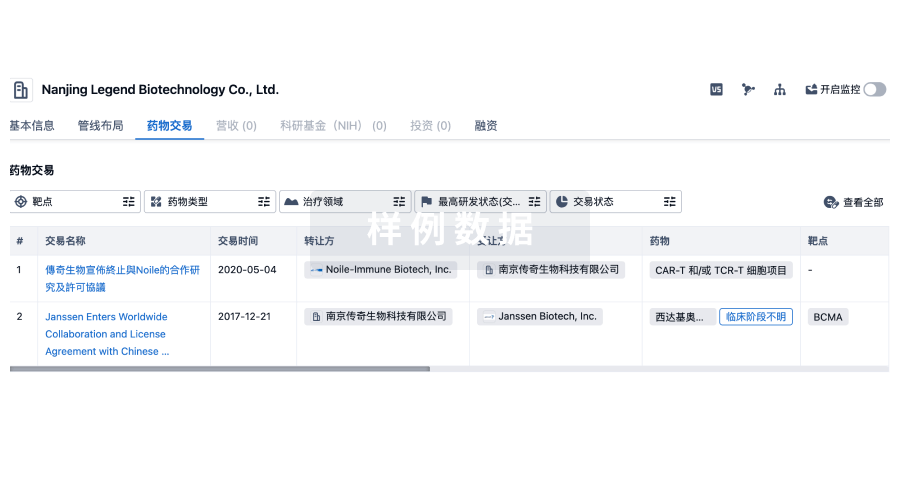
药物交易
使用我们的药物交易数据加速您的研究。
登录
或
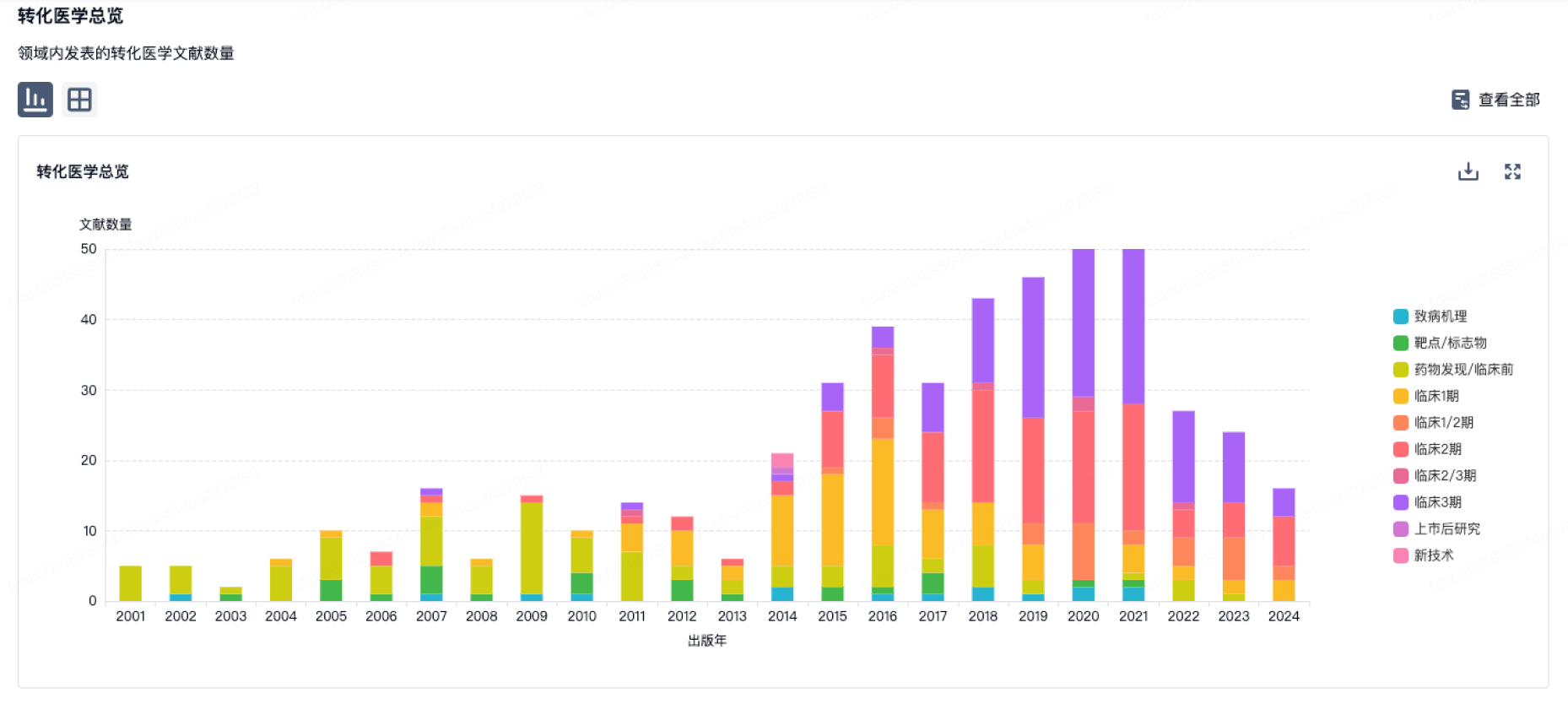
转化医学
使用我们的转化医学数据加速您的研究。
登录
或
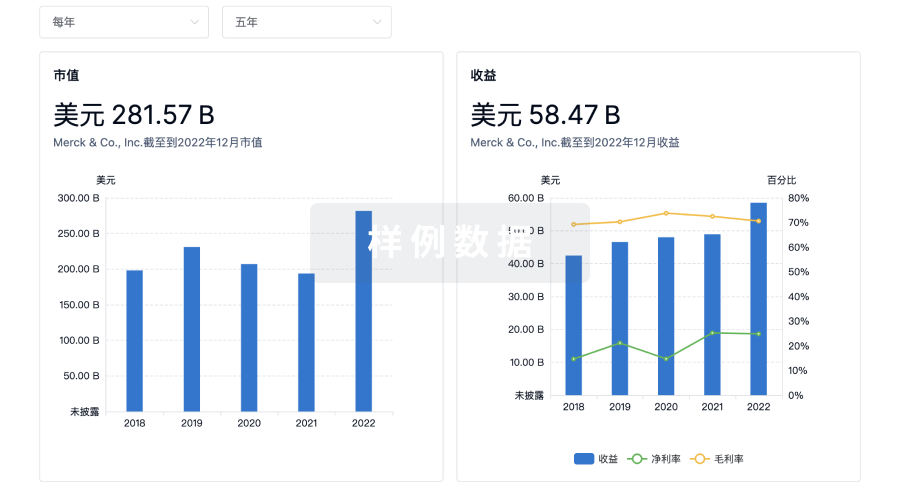
营收
使用 Synapse 探索超过 36 万个组织的财务状况。
登录
或
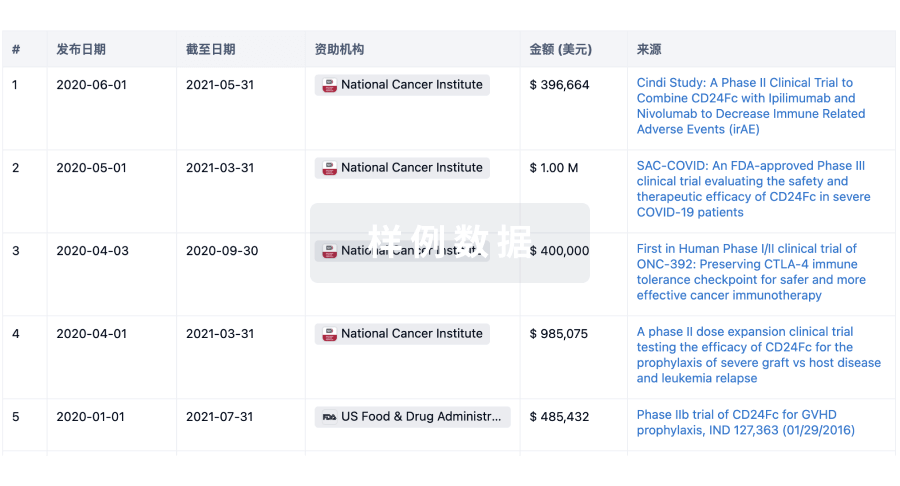
科研基金(NIH)
访问超过 200 万项资助和基金信息,以提升您的研究之旅。
登录
或
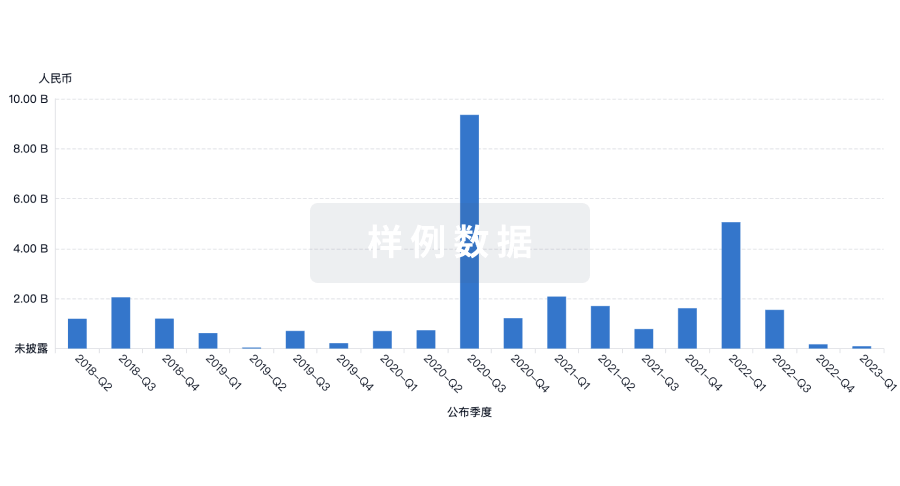
投资
深入了解从初创企业到成熟企业的最新公司投资动态。
登录
或
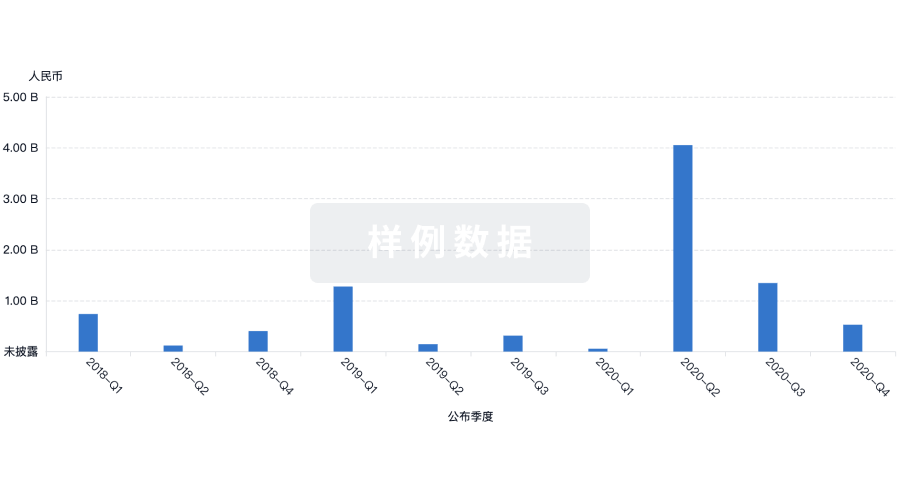
融资
发掘融资趋势以验证和推进您的投资机会。
登录
或
生物医药百科问答
全新生物医药AI Agent 覆盖科研全链路,让突破性发现快人一步
立即开始免费试用!
智慧芽新药情报库是智慧芽专为生命科学人士构建的基于AI的创新药情报平台,助您全方位提升您的研发与决策效率。
立即开始数据试用!
智慧芽新药库数据也通过智慧芽数据服务平台,以API或者数据包形式对外开放,助您更加充分利用智慧芽新药情报信息。
生物序列数据库
生物药研发创新
免费使用
化学结构数据库
小分子化药研发创新
免费使用