预约演示
更新于:2026-06-01

Université Toulouse III - Paul Sabatier
更新于:2026-06-01
概览
标签
肿瘤
血液及淋巴系统疾病
免疫系统疾病
小分子化药
放射与诊断药物
腺相关病毒基因治疗
疾病领域得分
一眼洞穿机构专注的疾病领域

技术平台
公司药物应用最多的技术
靶点
公司最常开发的靶点
关联
WO2025242860
专利挖掘靶点 |
作用机制 |
在研机构 |
原研机构 |
在研适应症 |
非在研适应症 |
最高研发阶段 |
首次获批国家/地区 |
首次获批日期 |

WO2024146880
专利挖掘靶点 |
作用机制 |
在研机构 |
原研机构 |
在研适应症 |
非在研适应症 |
最高研发阶段 |
首次获批国家/地区 |
首次获批日期 |

WO2024175604
专利挖掘靶点 |
作用机制 |
在研机构 |
原研机构 |
在研适应症 |
非在研适应症 |
最高研发阶段 |
首次获批国家/地区 |
首次获批日期 |
100 项与 Université Toulouse III - Paul Sabatier 相关的临床结果
登录后查看更多信息
登录后查看更多信息
2026-08-01JHLT open
Smoking after lung transplantation: Incidence and risk factors in the French multicenter prospective tabatransplant cohort study
Article
作者: Couraud, Sebastien ; Merveilleux, Claire ; Kessler, Romain ; Bunel, Vincent ; Tissot, Adrien ; Beaumont, Laurence ; Murris, Marlène ; Saint Raymond, Christel ; Demant, Xavier ; Boussaud, Véronique ; Pradère, Pauline ; Feuillet, Séverine ; Le Pavec, Jérôme ; Reynaud-Gaubert, Martine
Background:
Smoking is a major contributor to respiratory diseases requiring lung transplantation (LTx). Data on smoking after LTx are scarce. Understanding the incidence and determinants of smoking after LTx is crucial for optimizing long-term outcomes.
Methods:
For this prospective observational cohort study done from March 2023 to August 2024 in 11 French transplantation (Tx) centers, LTx and heart-lung transplant (HLTx) recipients completed an anonymous self-administered questionnaire during their routine follow-up. Pre- and post-Tx smoking and sociodemographic characteristics were collected and analyzed centrally.
Results:
Of 946 recipients with complete data on smoking, 524 (55%) reported having smoked before Tx. Among them, approximately 5% smoked after LTx. Smoking after Tx was significantly associated with several demographic and contextual factors, including female sex, younger age, living alone, having cystic fibrosis, prior use of hand-rolled cigarettes, and regular exposure to smokers among family and friends. By multivariate analysis, younger age, living alone, and smoking among family and friends were associated with post-Tx smoking. Due to the anonymous completion of the self-administered questionnaires, associations between post-Tx smoking and clinical outcomes could not be assessed.
Conclusions:
This study provides novel multicenter data about the incidence and determinants of smoking after LTx or HLTx. A small but meaningful proportion of recipients smoked after Tx. We identified several social and demographic risk factors. Our findings highlight the need for targeted smoking-relapse prevention-and-support programs in lung and heart-lung recipients. Further research is warranted to evaluate the impact of smoking after Tx on graft and patient outcomes.
2026-05-07Nature
Local agricultural transition, crisis and migration in the Southern Andes
Article
作者: Sealy, Judith ; Orbegozo, Miren Iraeta ; Tessone, Augusto ; Tressières, Gaétan ; Becerra-Valdivia, Lorena ; Luisi, Pierre ; Quintana, María Fernanda ; Carbajo, Julia Merler ; Luyt, Julie ; Lucero, Gustavo ; Suby, Jorge ; Novellino, Paula ; García, Angelina ; le Roux, Petrus ; Menéndez, Lumila ; de Porras, María Eugenia ; Roux, Maguelonne ; Gray, Kerryn ; Mallea, Claudia ; Nelson, Elizabeth A ; Le Corre, Maël ; Herrera, Claudia ; Morano, Candela Acosta ; Patin, Etienne ; Durán, Víctor ; Barberena, Ramiro ; López, María Laura ; Schroeder, Hannes ; Santana-Sagredo, Francisca ; Lopopolo, Maria ; Troncoso, Andrés ; Cardillo, Marcelo ; Coz, Graciela ; Candito, Matías ; Guevara, Daniela ; Quintana-Murci, Lluis ; Da Peña, Gabriela ; Rascovan, Nicolás ; Orlando, Ludovic
The transition to agriculture was a transformative process in human history with wide-ranging demographic and social consequences1. Across South America, agriculture was adopted at different times and through diverse pathways, resulting in a mosaic of regionally distinct farming histories2,3. The Uspallata Valley, at the southern frontier of Andean farming, offers a unique opportunity to examine a case of late adoption of agriculture. Here we show that agriculture in the Uspallata Valley was adopted by local hunter-gatherers, as evidenced by genetic continuity between pre-farming and farming populations inferred from 46 newly sequenced ancient human genomes. These groups carried a distinct genetic component in Indigenous American diversity, indicating a unique population history in the region. Palaeodietary isotopes (δ13C/δ15N) reveal fluctuating maize intake consistent with flexible farming. Strontium isotopes (87Sr/86Sr) indicate the arrival of migrants from nearby regions between around 810-700 cal years BP, shortly before the Inka expansion. Genomic and isotopic analyses show that these migrants belonged to the same regional metapopulation as local groups, relied heavily on maize, probably moved in matrilineally organized family groups, exhibited stress markers (including malnutrition and diseases, such as tuberculosis, as confirmed by pathogen genomics) and experienced a long-term demographic decline. Our results suggest that these groups used social organization and migration as resilience strategies in the face of a multidimensional crisis.
2026-05-01METABOLISM-CLINICAL AND EXPERIMENTAL
Corrigendum to “Current and investigational medications for the treatment of sarcopenia” [Metabolism 2023;149:155597]
作者: Dray, C ; Rolland, Y ; Barreto, P S ; Vellas, B
100 项与 Université Toulouse III - Paul Sabatier 相关的药物交易
登录后查看更多信息
100 项与 Université Toulouse III - Paul Sabatier 相关的转化医学
登录后查看更多信息
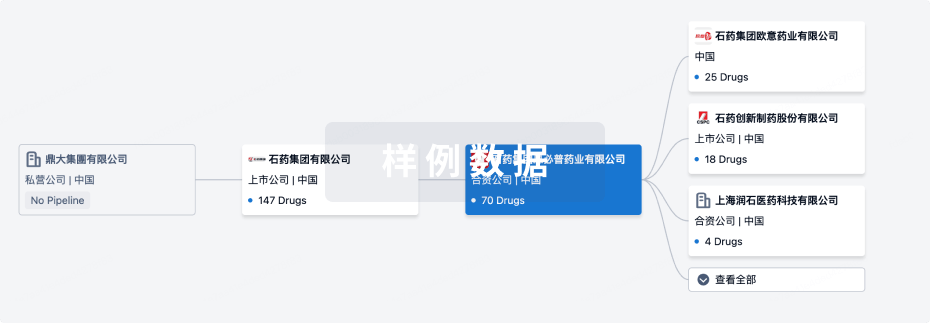
组织架构
使用我们的机构树数据加速您的研究。
登录
或
管线布局
2026年10月12日管线快照
管线布局中药物为当前组织机构及其子机构作为药物机构进行统计,早期临床1期并入临床1期,临床1/2期并入临床2期,临床2/3期并入临床3期
药物发现
4
1
其他
登录后查看更多信息
当前项目
登录后查看更多信息
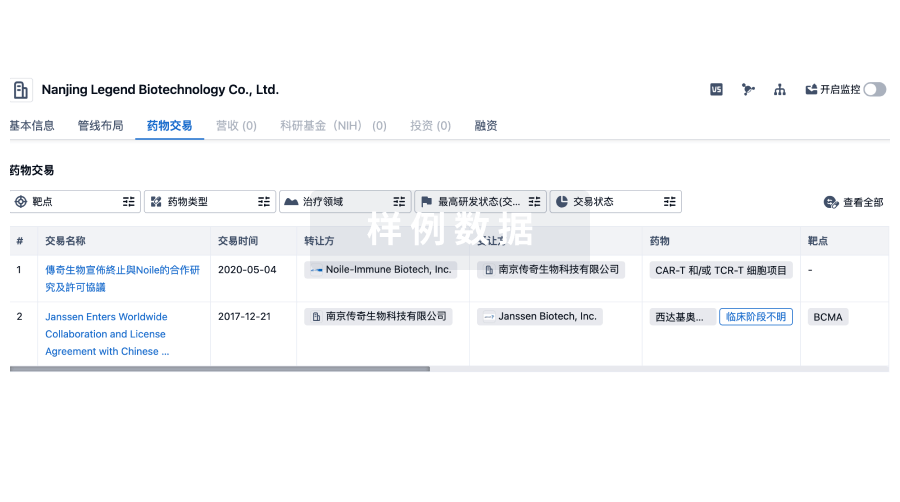
药物交易
使用我们的药物交易数据加速您的研究。
登录
或
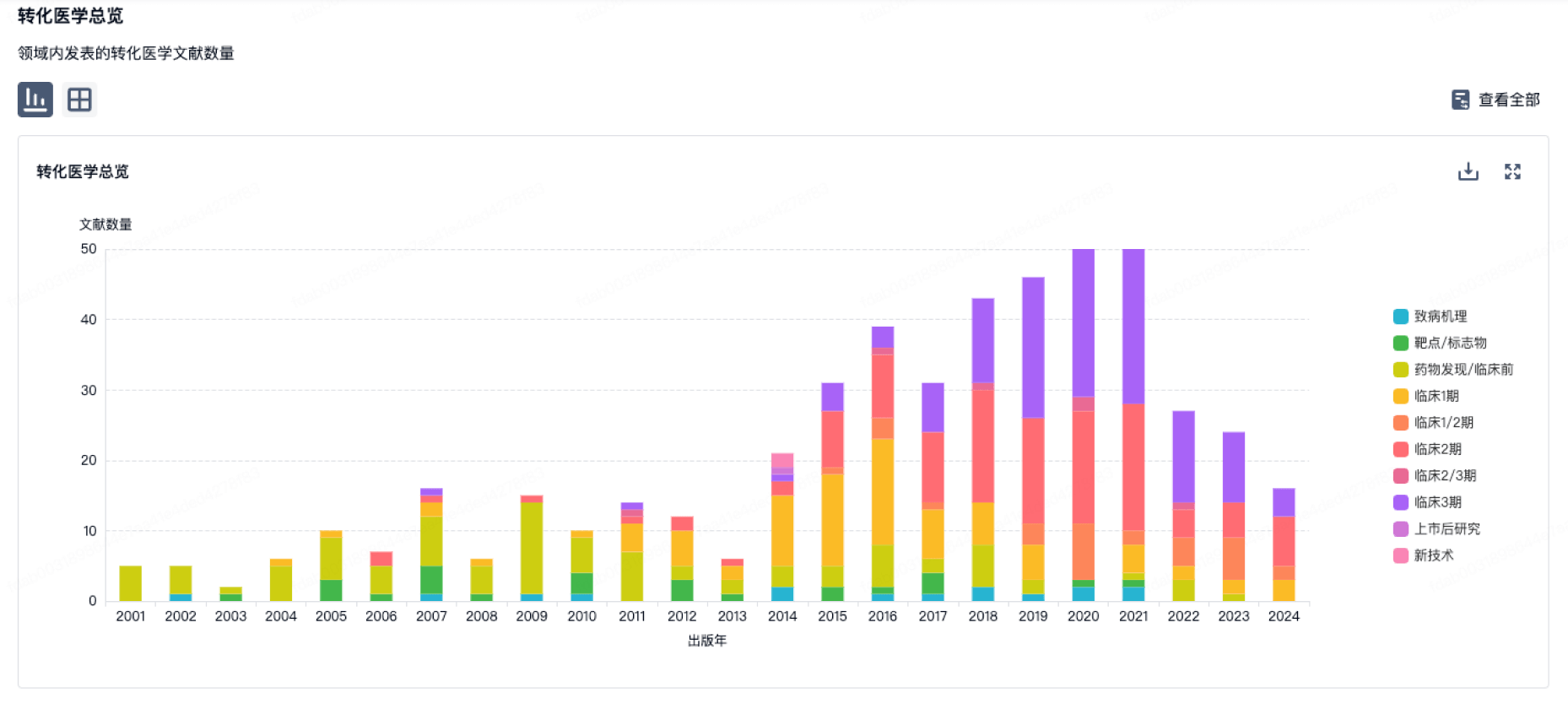
转化医学
使用我们的转化医学数据加速您的研究。
登录
或
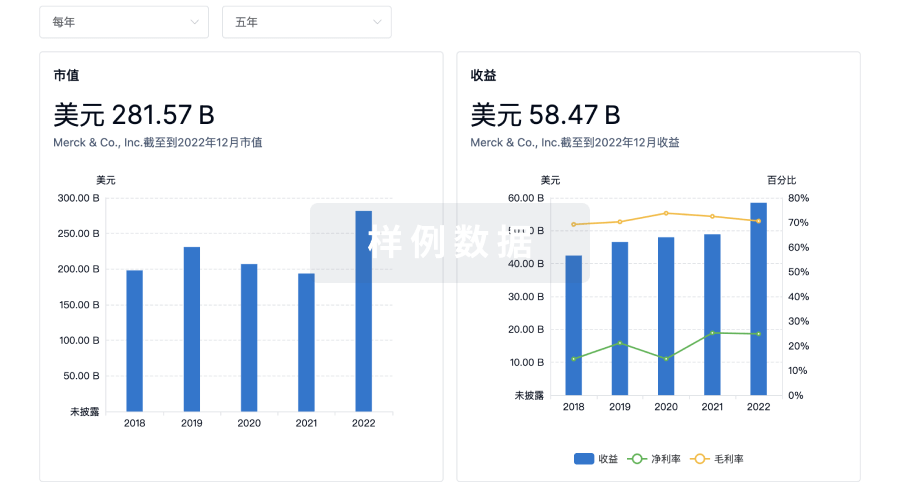
营收
使用 Synapse 探索超过 36 万个组织的财务状况。
登录
或
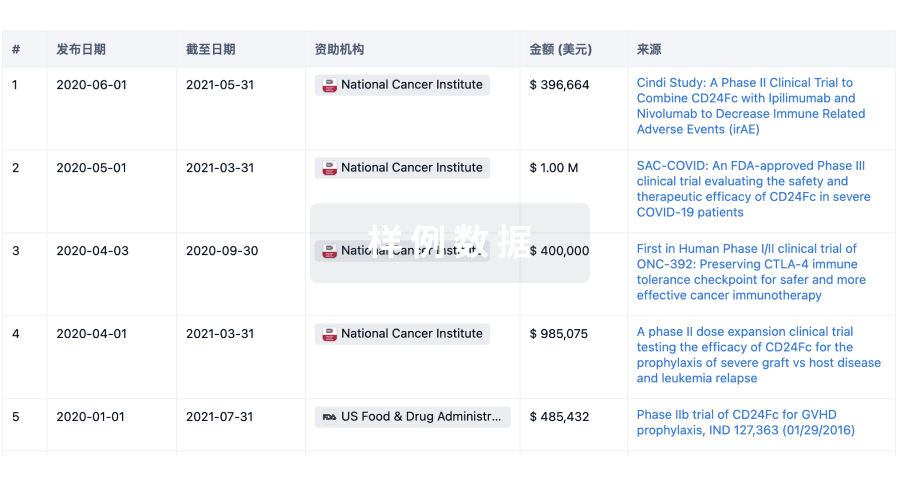
科研基金(NIH)
访问超过 200 万项资助和基金信息,以提升您的研究之旅。
登录
或
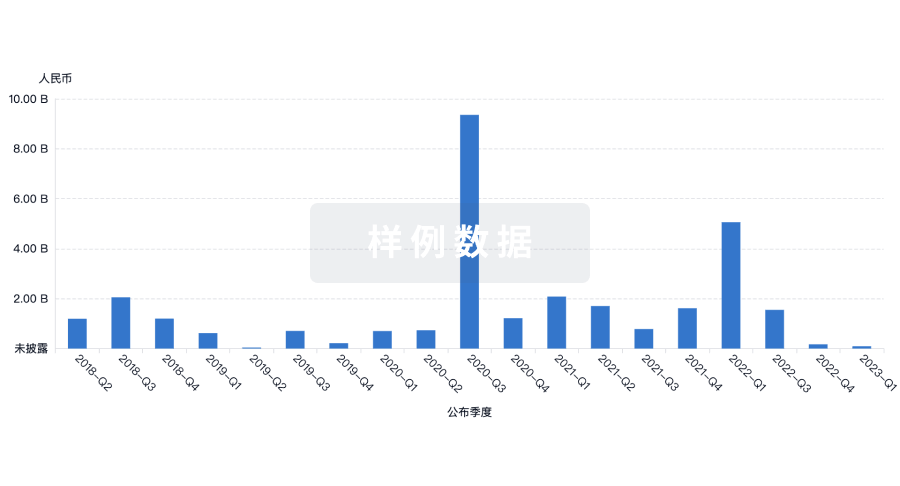
投资
深入了解从初创企业到成熟企业的最新公司投资动态。
登录
或
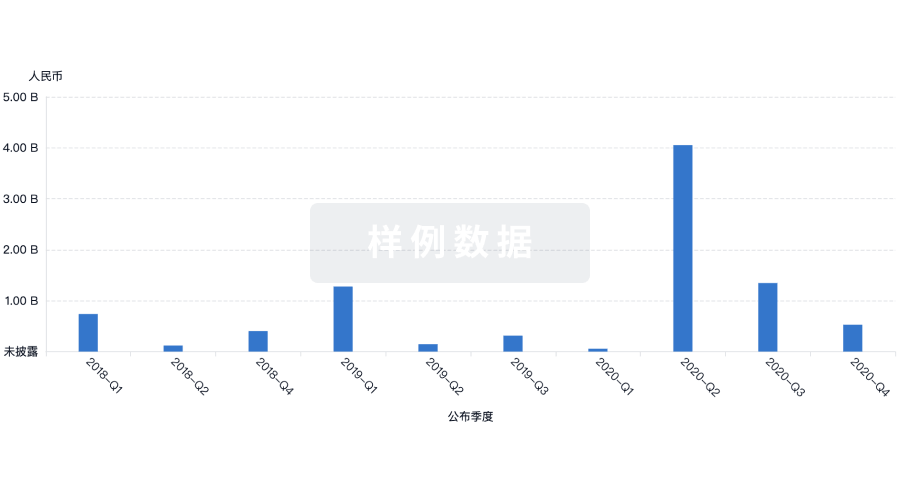
融资
发掘融资趋势以验证和推进您的投资机会。
登录
或
提出任何生物医药研究问题
让每一步生物医药决策都精准制胜
基于十亿级生物数据与全球情报的精准 AI,赋能早期药物发现
立即开始免费试用!
智慧芽新药情报库是智慧芽专为生命科学人士构建的基于AI的创新药情报平台,助您全方位提升您的研发与决策效率。
立即接入生物医药数据包
智慧芽新药库数据也通过智慧芽开放平台,以MCP或API服务形式对外开放。立即使用我们的MCP服务定制您的LLM智能体。
生物序列数据库
生物药研发创新
免费使用
化学结构数据库
小分子化药研发创新
免费使用