预约演示
更新于:2025-12-30

Tibet University
更新于:2025-12-30
概览
标签
肿瘤
小分子化药
疾病领域得分
一眼洞穿机构专注的疾病领域
技术平台
公司药物应用最多的技术
靶点
公司最常开发的靶点

暂无数据
关联
CN120398917
专利挖掘靶点 |
作用机制 |
在研机构 |
原研机构 |
在研适应症 |
非在研适应症 |
最高研发阶段 |
首次获批国家/地区 |
首次获批日期 |
ChiCTR2500110191
Research on the Health Protective Effects of High-Altitude Oxygen Therapy
NCT02021435
Using Salt Substitute to Reduce Population Blood Pressure in Tibet: Tibet Salt Reduction Study

100 项与 西藏大学 相关的临床结果
登录后查看更多信息
登录后查看更多信息
2025-12-31CANCER BIOLOGY & THERAPY
Unraveling the dual role of METTL3-mediated m
6
A RNA modification in bladder cancer: mechanisms, therapeutic vulnerabilities, and clinical implications
Review
作者: Chun, Hua ; Baima, Kangzhuo
Bladder cancer (BC) remains challenging due to its recurrence and metastasis, with METTL3-mediated m6 A RNA modification emerging as a key oncogenic driver. This review synthesizes METTL3's roles in BC progression, including tumor initiation, metastasis, stemness, and therapy resistance. We detail its regulation of critical pathways (e.g. HIF1A/IGF2BP3/BIRC5, AFF4/NF-κB/c-MYC) and dual functions in RNA stability and epigenetic crosstalk with DNA methylation. METTL3 promotes chemoresistance (e.g. circ0008399/WTAP/TNFAIP3) and immune evasion (PD-L1 stabilization), while its overexpression correlates with poor prognosis and cisplatin resistance. By integrating METTL3's interactions with m6 A readers (YTHDF1/2, IGF2BP3) and erasers (ALKBH5), we propose targeting METTL3 as a strategy to enhance chemotherapy and immunotherapy efficacy. This work underscores METTL3's potential as a diagnostic biomarker and therapeutic target, advancing precision oncology in BC.
2025-12-01BIORESOURCE TECHNOLOGY
The prediction and optimization of biomass compatibility ratios by machine learning for enhancing methane production in anaerobic co-digestion
Article
作者: Yan, Beibei ; Li, Zaixin ; Ge, Yadong ; Yuan, Zhuang ; Chen, Guanyi ; Wang, Zhi ; Zhou, Shengquan ; Tao, Junyu
This study presents the development of an ACoD model using machine learning techniques to predict the optimal input parameters for maximizing methane production. The results indicated that the machine learning model achieved a high predictive accuracy, with maximum average R2 and RMSE values of 0.951 and 0.57, respectively. The key factors influencing methane production were carbon content, reaction time, and feedstock ratio, which contributed over 90% to the output variability. Optimization objectives based on cumulative and daily methane production yielded optimal feedstock ratios of 2:5 and 1:9, respectively. Experimental validation of these predictions demonstrated strong alignment with the model. These findings provide valuable insights into constructing efficient ACoD models and optimizing feedstock ratios, offering a foundation for improving methane production efficiency in practical applications.
2025-12-01PLANT PHYSIOLOGY AND BIOCHEMISTRY
Photoadaptive resource allocation strategies: How CAM plant Ottelia alismoides optimizes carbon-nitrogen metabolism under monochromatic red/blue light
Article
作者: Wang, Shanwei ; Huang, Wenmin ; Wang, Liyuan ; Xu, Huan ; Li, Wei ; Xie, Jingjing ; Jia, Jiajia
Crassulacean acid metabolism (CAM) in aquatic plants exhibits unique photoadaptive strategies to cope with the spectrally dynamic underwater environment. This study investigated how monochromatic red (R) and blue (B) light regulate CAM-related carbon-nitrogen (C-N) coupling in the facultative CAM plant Ottelia alismoides, which possesses three carbon-concentrating mechanisms. Our analyses revealed that both monochromatic red (665 nm) and blue (440 nm) light sustained robust circadian rhythmicity in organic acid flux and carbohydrate turnover, but exhibited divergent regulatory patterns. Under blue light, nocturnal acidity accumulation surged by 101 %, accompanied by a 94 % increase in daytime decarboxylation efficiency, despite paradoxical reductions in PEPC (Phosphoenolpyruvate carboxylase) and Rubisco (ribulose-1,5-bisphosphate carboxylase/oxygenase) activities (21 % and 10 % decreases, respectively). In contrast, red light upregulated PEPC and Rubisco activities but reduced malate accumulation, reflecting a carbon-channeling homeostasis strategy that prioritizes photosynthetic continuity. Additionally, red light reinforced respiratory-carbon coupling through nocturnal TCA cycle intensification. Spectrum-dependent nitrogen partitioning was also prominent, with blue light increasing GS (glutamine synthetase) activity during the day (13 % increase) and NADP-GDH (NADP-glutamate dehydrogenase) activity at night (43 % increase), along with a 75 % increase in free amino acid (FAA) biosynthesis. Our findings provide the first evidence of wavelength-partitioned resource allocation in the aquatic CAM plant O. alismoides, which utilizes decoupled wavelength responses. This novel adaptation likely enhances metabolic flexibility in water columns with varying spectral compositions. Future research should focus on characterizing the photoreceptor networks and downstream signaling cascades that govern this specialized photoregulation.
100 项与 西藏大学 相关的药物交易
登录后查看更多信息
100 项与 西藏大学 相关的转化医学
登录后查看更多信息
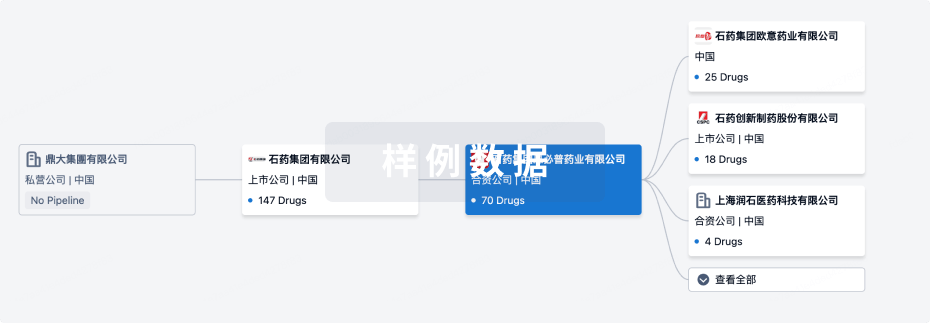
组织架构
使用我们的机构树数据加速您的研究。
登录
或
管线布局
2026年02月09日管线快照
管线布局中药物为当前组织机构及其子机构作为药物机构进行统计,早期临床1期并入临床1期,临床1/2期并入临床2期,临床2/3期并入临床3期
药物发现
1
登录后查看更多信息
当前项目
登录后查看更多信息
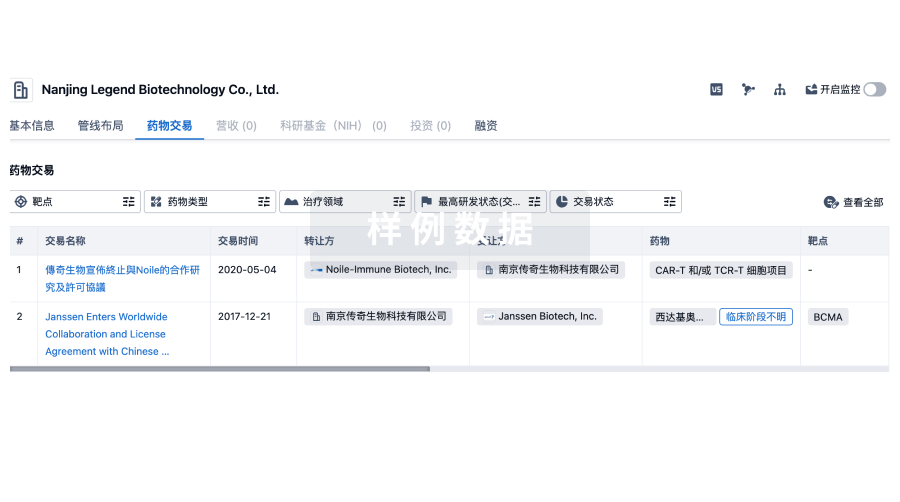
药物交易
使用我们的药物交易数据加速您的研究。
登录
或
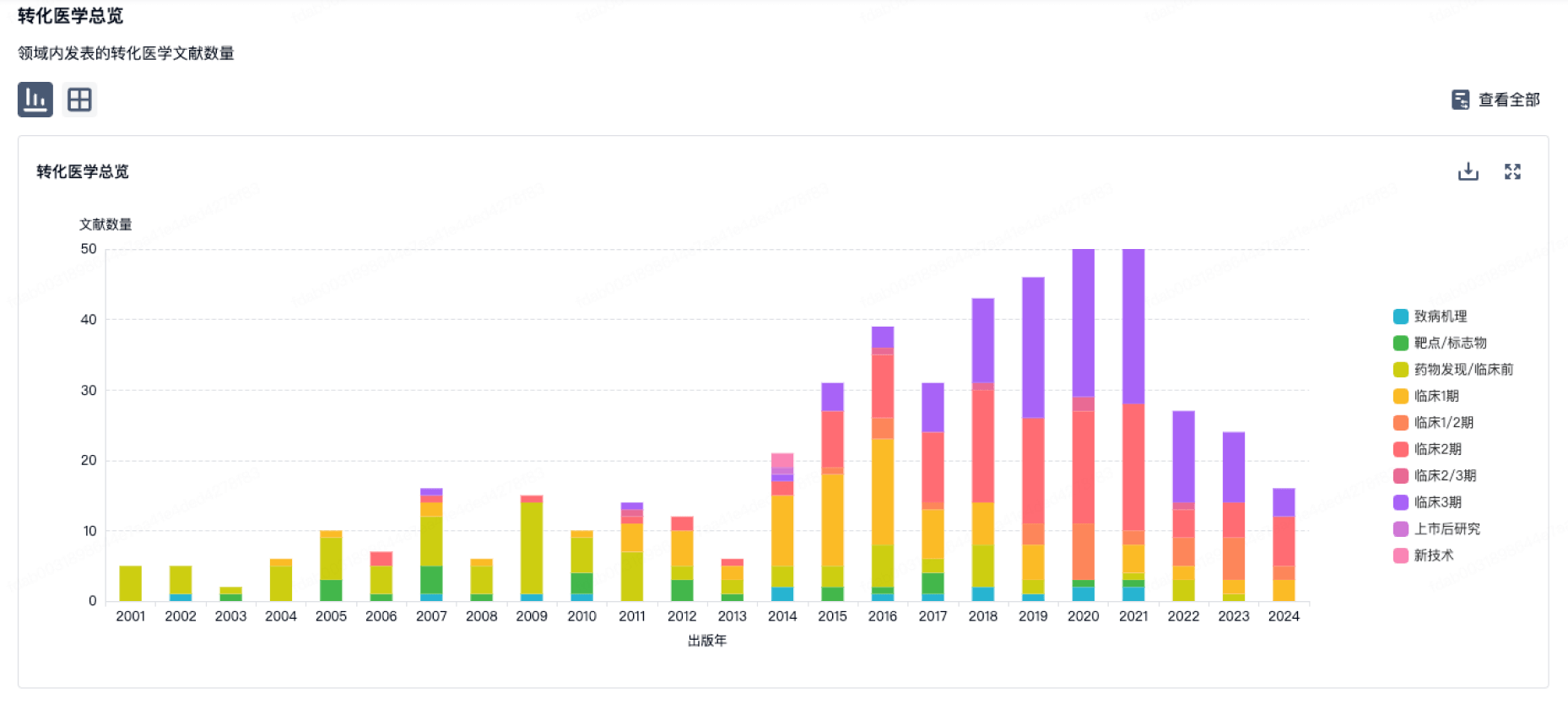
转化医学
使用我们的转化医学数据加速您的研究。
登录
或
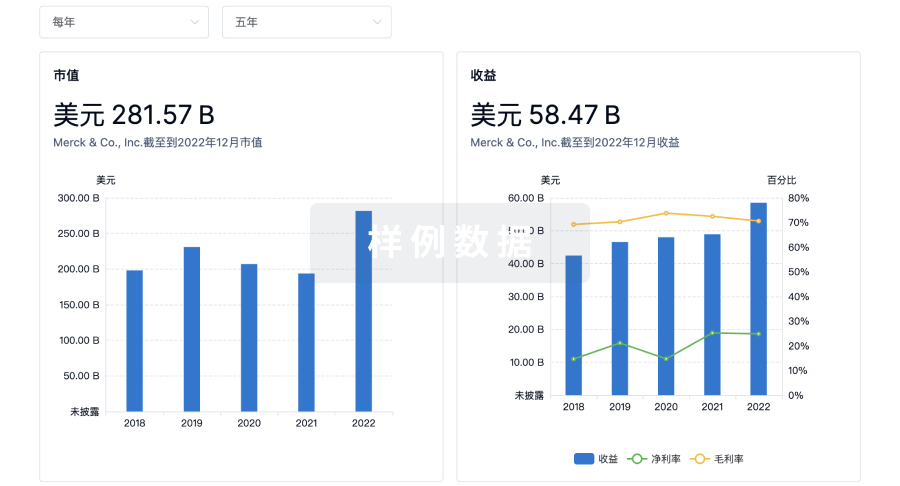
营收
使用 Synapse 探索超过 36 万个组织的财务状况。
登录
或
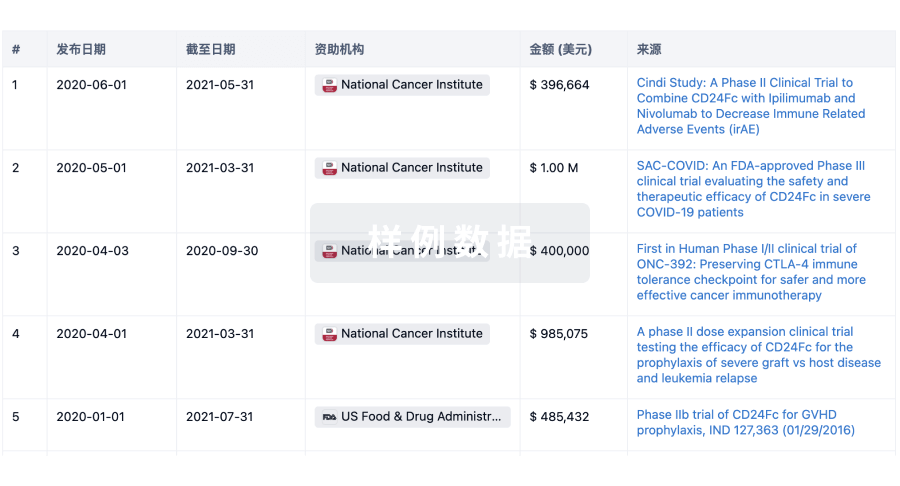
科研基金(NIH)
访问超过 200 万项资助和基金信息,以提升您的研究之旅。
登录
或
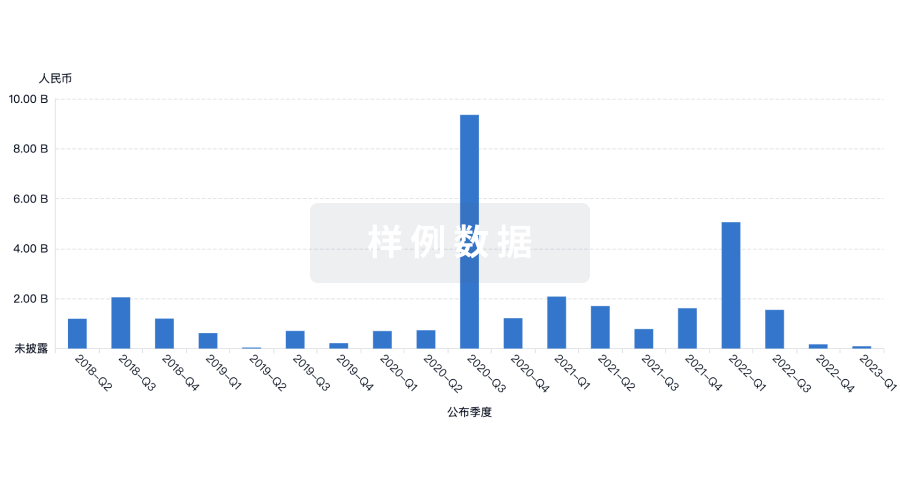
投资
深入了解从初创企业到成熟企业的最新公司投资动态。
登录
或
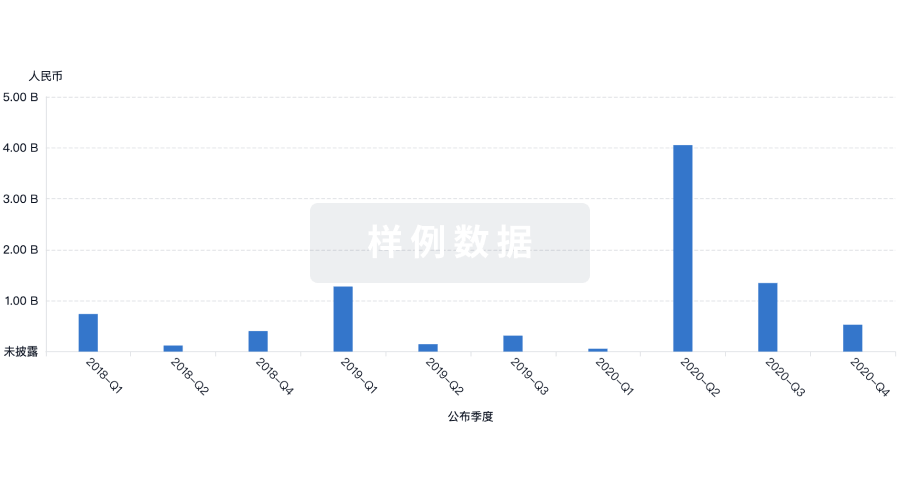
融资
发掘融资趋势以验证和推进您的投资机会。
登录
或
生物医药百科问答
全新生物医药AI Agent 覆盖科研全链路,让突破性发现快人一步
立即开始免费试用!
智慧芽新药情报库是智慧芽专为生命科学人士构建的基于AI的创新药情报平台,助您全方位提升您的研发与决策效率。
立即开始数据试用!
智慧芽新药库数据也通过智慧芽数据服务平台,以API或者数据包形式对外开放,助您更加充分利用智慧芽新药情报信息。
生物序列数据库
生物药研发创新
免费使用
化学结构数据库
小分子化药研发创新
免费使用