预约演示
更新于:2026-09-15

Jiangsu Normal University
更新于:2026-09-15
概览
标签
肿瘤
皮肤和肌肉骨骼疾病
内分泌与代谢疾病
小分子化药
合成多肽
疾病领域得分
一眼洞穿机构专注的疾病领域

技术平台
公司药物应用最多的技术
靶点
公司最常开发的靶点
关联
靶点 |
作用机制 |
在研机构 |
原研机构 |
在研适应症 |
非在研适应症 |
最高研发阶段 |
首次获批国家/地区 |
首次获批日期 |
靶点 |
作用机制 |
在研机构 |
原研机构 |
在研适应症 |
非在研适应症 |
最高研发阶段 |
首次获批国家/地区 |
首次获批日期 |
靶点 |
作用机制 |
在研机构 |
原研机构 |
在研适应症 |
非在研适应症 |
最高研发阶段 |
首次获批国家/地区 |
首次获批日期 |
ChiCTR2500108977
The therapeutic effect of virtual reality combined with non-stable plane strength training on the group with chronic ankle instability
ChiCTR2500114344
The Role of AI in Narrative Research
ChiCTR2600126997
Effect of functional strength training on fall risk factors in elderly
100 项与 江苏师范大学 相关的临床结果
登录后查看更多信息
登录后查看更多信息
2026-08-01BIOPROCESS AND BIOSYSTEMS ENGINEERING
Elicitors derived from endophytic fungus Acremonium sp. enhance triterpenoid and polysaccharide production in the submerged cultivation of the medicinal mushroom Inonotus obliquus
Article
作者: Shi, Yaqi ; Yang, Ming ; Zhou, Jiangsheng ; Sun, Yong ; Jiang, Jihong
Triterpenoids and polysaccharides produced by Inonotus obliquus exhibit antitumor, antioxidant and hypoglycemic activities. Increasing the yields of triterpenoids and polysaccharides could effectively enhance the medicinal value of I. obliquus. In this study, the feasibility of improving the production of triterpenoids and polysaccharides by adding elicitors including cell wall debris (CW) and culture filtrate (CF) derived from endophytic fungus Acremonium sp. in the submerged cultivation of I. obliquus was investigated. The optimal concentrations and times for the addition of CW and CF were determined to be 60 µg/mL on day 3 and 10% v/v on day 1, respectively. The maximum total triterpenoid production of CW and CF groups increased by 19.38% and 49.81%, respectively, compared to the control. The maximum intracellular polysaccharide (IPS) production obtained with the CW and CF were 3.97 ± 0.24 and 4.95 ± 0.40 g/L, representing significant increases of 17.70% and 46.85% compared to the control. Additionally, the production of extracellular polysaccharides (EPS) was enhanced by 27.23% and 45.35% with the CW and CF, respectively, in comparison to the control. Furthermore, the transcription levels of the key genes involved in the biosynthesis of triterpenoids and polysaccharides were significantly upregulated in response to the elicitors. This study provides a novel approach for enhancing the bioactive metabolites production of medicinal basidiomycota by the elicitors derived from endophytes.
2026-08-01JOURNAL OF SCIENCE AND MEDICINE IN SPORT
The effect of adherence to functional stability training on lower-limb injury prevention: A meta-analysis based on intervention type and training dose
Review
作者: Zhang, Yu ; Hu, Zhongxu ; Gu, Jinfa ; Zhang, Ruohan ; Chen, Shiwei
OBJECTIVES:
To quantify the effect of functional stability training on lower-limb injury risk in athletes and assess whether programme composition, programme type, weekly frequency, and adherence modify effectiveness.
DESIGN:
Systematic review and meta-analysis of randomised and cluster-randomised controlled trials.
METHODS:
Following Preferred Reporting Items for Systematic Reviews and Meta-Analyses and registration in the International Prospective Register of Systematic Reviews (CRD420251166935), we searched PubMed, Web of Science, Scopus, the Cochrane Library, and Embase to June 2025. Eligible trials compared functional stability training with control conditions in athletes. Risk of bias was assessed with the Cochrane Risk of Bias 2.0 tool and certainty with the Grading of Recommendations Assessment, Development and Evaluation approach. Random-effects models pooled risk ratios with 95% confidence intervals. Prespecified subgroup analyses and meta-regression examined effect modification.
RESULTS:
Thirty-seven trials (36,385 participants) were included. Functional stability training reduced lower-limb injury risk (risk ratio 0.70, 95% confidence interval 0.63 to 0.78; p < 0.001; I2 = 73%; 95% prediction interval 0.42 to 1.18). Each 10% increase in adherence was associated with a 10% reduction in injury risk. Multicomponent programmes were more effective than single-component programmes (risk ratio 0.67 versus 0.85; p = 0.03), and programmes delivered at least twice weekly were more effective than once weekly. FIFA 11+ and non-FIFA 11+ programmes did not differ. After trim-and-fill adjustment, the pooled effect remained significant. Certainty of evidence was low.
CONCLUSIONS:
Functional stability training reduces lower-limb injury risk in athletes, with greater benefit as adherence improves. Multicomponent programmes delivered at least twice weekly appear most effective.
2026-08-01ACTA PSYCHOLOGICA
The core symptoms of elementary school students' fear of negative evaluation and its network relationship with self-confidence and family atmosphere
Article
作者: Yu, Zhanyu ; Yan, Jiaqi ; Liu, Menglu
As a potential threat to elementary students' psychological well-being, fear of negative evaluation (FNE) is common in academic life and may adversely affect cognitive, emotional, and behavioral development. In this study, network analysis was used to identify the core symptoms of FNE in 734 elementary school students and to examine the associations between FNE and self-confidence and family atmosphere. The results indicated that (1) the core FNE symptoms were: "I am afraid of not being recognized by others," "I am afraid that others will find fault with me," "When I talk to others, I worry about how they will see me," and "I often worry about what kind of impression I give to others"; (2) the network relationships among FNE, self-confidence, and family atmosphere showed satisfactory stability; and (3) positive psychological capital (C2), self-doubt (C4), self-concern bias (C10), positive childhood experiences (SOFA1), and family violence (SOFA10) served as important bridge nodes within the integrated network. Overall, this study clarifies the network pattern of associations among self-confidence, family atmosphere, and FNE, deepening our understanding of social-evaluative psychological processes in this population and informing coordinated intervention strategies across families, schools, and communities.
2026-07-23
2026-07-18
·今日头条
100 项与 江苏师范大学 相关的药物交易
登录后查看更多信息
100 项与 江苏师范大学 相关的转化医学
登录后查看更多信息
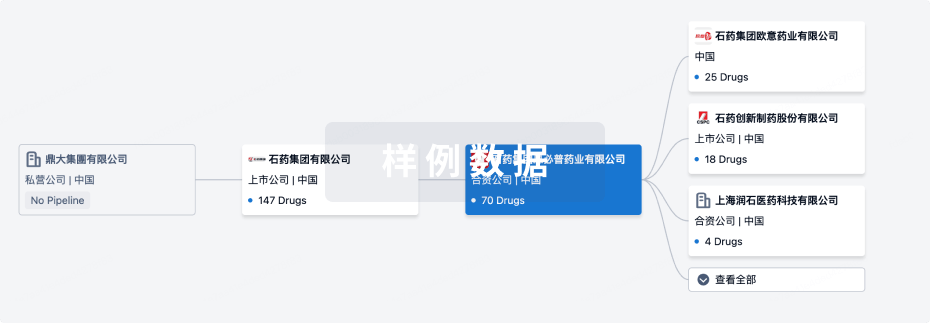
组织架构
使用我们的机构树数据加速您的研究。
登录
或
管线布局
2026年10月10日管线快照
管线布局中药物为当前组织机构及其子机构作为药物机构进行统计,早期临床1期并入临床1期,临床1/2期并入临床2期,临床2/3期并入临床3期
药物发现
4
8
临床前
其他
2
登录后查看更多信息
当前项目
登录后查看更多信息
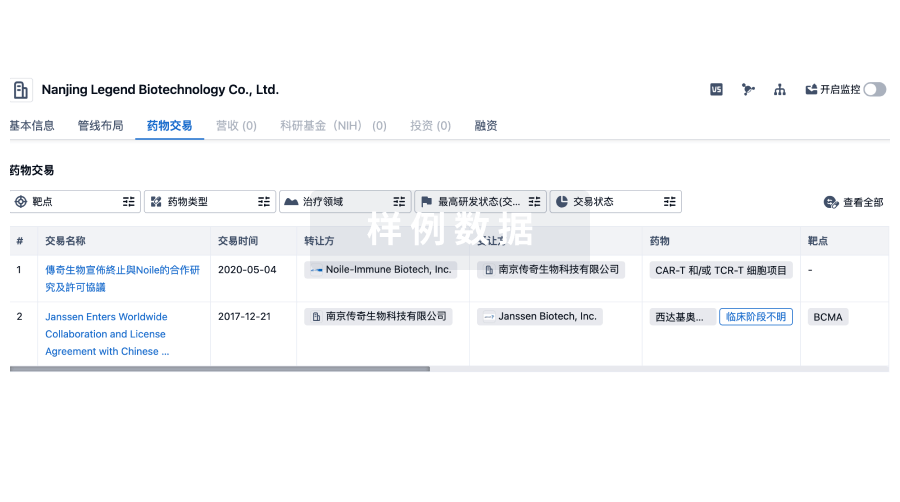
药物交易
使用我们的药物交易数据加速您的研究。
登录
或
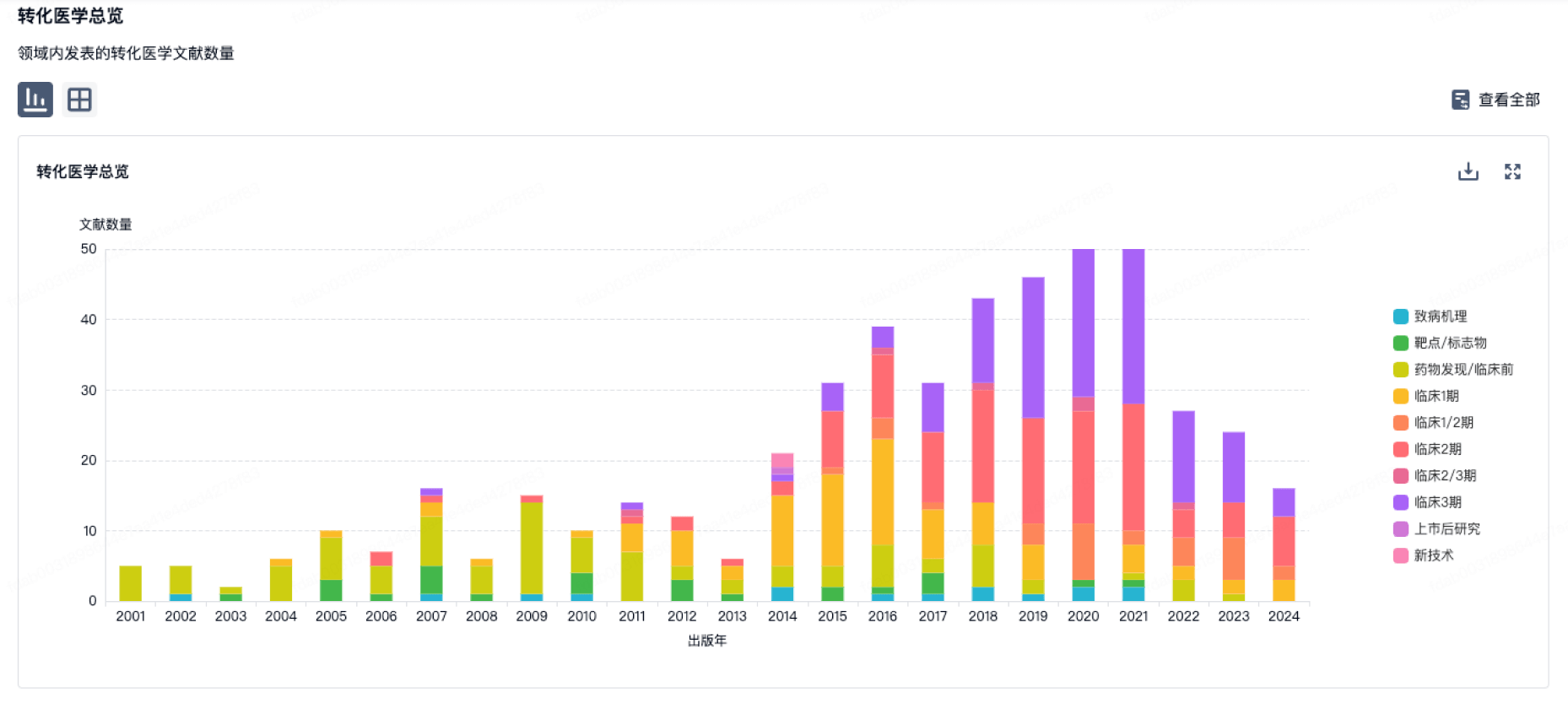
转化医学
使用我们的转化医学数据加速您的研究。
登录
或
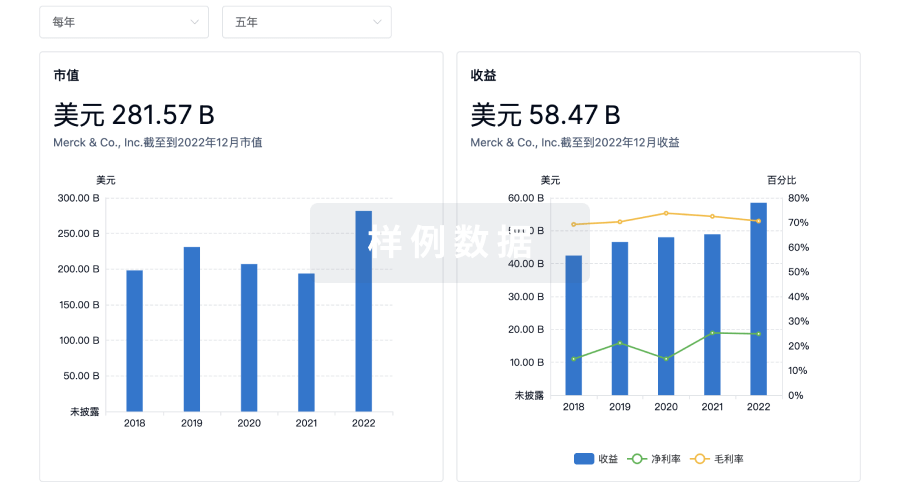
营收
使用 Synapse 探索超过 36 万个组织的财务状况。
登录
或
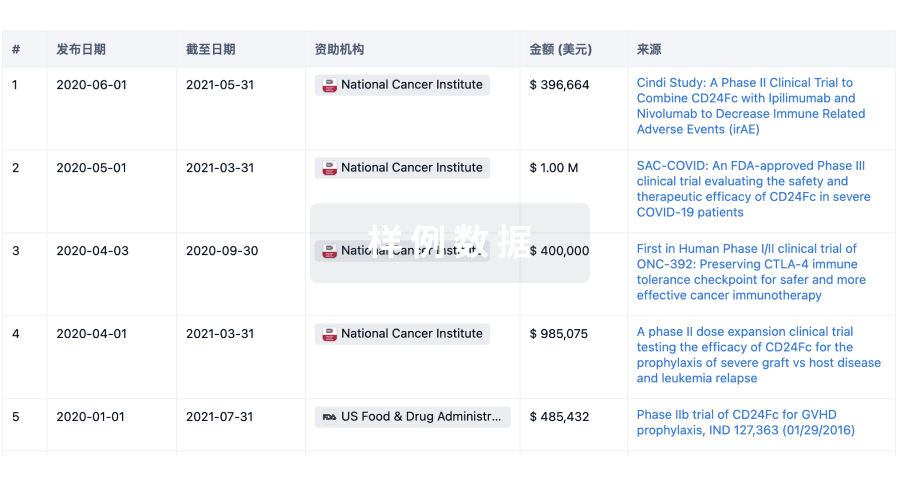
科研基金(NIH)
访问超过 200 万项资助和基金信息,以提升您的研究之旅。
登录
或
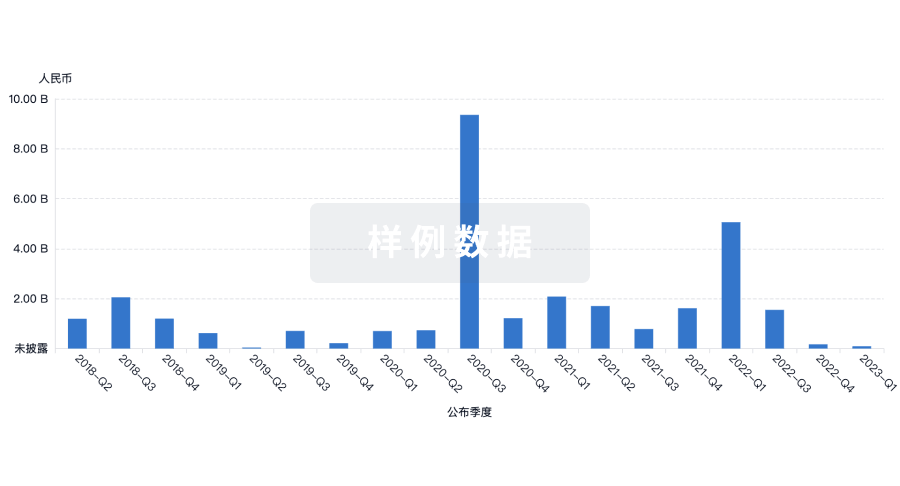
投资
深入了解从初创企业到成熟企业的最新公司投资动态。
登录
或
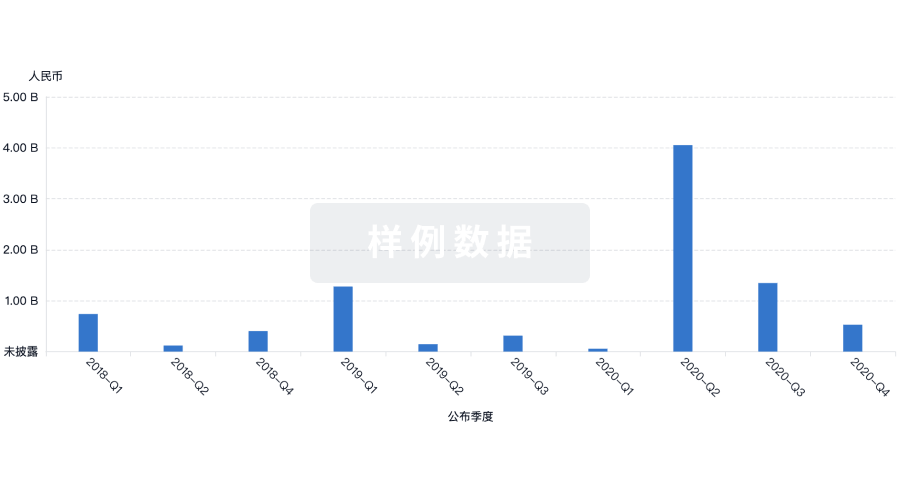
融资
发掘融资趋势以验证和推进您的投资机会。
登录
或
提出任何生物医药研究问题
让每一步生物医药决策都精准制胜
基于十亿级生物数据与全球情报的精准 AI,赋能早期药物发现
立即开始免费试用!
智慧芽新药情报库是智慧芽专为生命科学人士构建的基于AI的创新药情报平台,助您全方位提升您的研发与决策效率。
立即接入生物医药数据包
智慧芽新药库数据也通过智慧芽开放平台,以MCP或API服务形式对外开放。立即使用我们的MCP服务定制您的LLM智能体。
生物序列数据库
生物药研发创新
免费使用
化学结构数据库
小分子化药研发创新
免费使用