预约演示
更新于:2026-07-09

Guangxi Medical University
更新于:2026-07-09
概览
标签
肿瘤
内分泌与代谢疾病
消化系统疾病
小分子化药
合成多肽
化学药
疾病领域得分
一眼洞穿机构专注的疾病领域

暂无数据
技术平台
公司药物应用最多的技术
暂无数据
靶点
公司最常开发的靶点
暂无数据
| 排名前五的药物类型 | 数量 |
|---|---|
| 小分子化药 | 11 |
| 化学药 | 4 |
| 合成多肽 | 3 |
| 纳米抗体 | 2 |
| 溶瘤病毒 | 2 |
关联
27
项与 广西医科大学 相关的药物作用机制 BNIP3 inhibitors [+2] |
原研机构 |
非在研适应症- |
最高研发阶段临床前 |
首次获批国家/地区- |
首次获批日期- |

作用机制 NF-κB抑制剂 [+1] |
在研机构 |
原研机构 |
在研适应症 |
非在研适应症- |
最高研发阶段临床前 |
首次获批国家/地区- |
首次获批日期- |
189
项与 广西医科大学 相关的临床试验NCT07303283
Single-agent Becotatug Vedotin as Adjuvant Therapy for High-risk Locoregional Advanced Nasopharyngeal Carcinoma: a Multicentre, Open-label, Parallel-group, Randomised, Controlled, Phase 2 Trial
This is a phase 2, multicentre, open-label, randomised, controlled trial with a parallel-group design. The study aims to evaluate the efficacy and safety of single-agent Becotatug Vedotin as adjuvant therapy in patients with high-risk locoregionally advanced nasopharyngeal carcinoma (NPC).
开始日期2026-09-01 |
申办/合作机构 广西医科大学 [+6] |
ChiCTR2600127802
Effect of Hepatitis B Antibody and Blood Glucose Testing on Uptake of HIV, Syphilis, Hepatitis B, and Hepatitis C Screening Among Industrial workers: A Cluster Randomized Controlled Trial
开始日期2026-07-13 |
申办/合作机构 |
ChiCTR2600127023
Association between Pre-transplant Body Composition Derived from CT Scans and Adverse Outcomes in Kidney Transplant Recipients
开始日期2026-07-01 |
申办/合作机构 |
100 项与 广西医科大学 相关的临床结果
登录后查看更多信息
0 项与 广西医科大学 相关的专利(医药)
登录后查看更多信息
5,409
项与 广西医科大学 相关的文献(医药)2026-12-01·HUMAN GENETICS
Profiling structural variations of the α-globin gene cluster by the single molecule real-time sequencing: remarkable diversity of the spectrum with rare and novel variants identified in a large Chinese cohort
Article
作者: Wei, Dan ; Wei, Wei ; Ma, Yunting ; Yu, Dan ; Peng, XianWei ; Huang, Yan ; Lai, Yinghui ; Chen, Hongfei ; Liu, Juliang ; Gui, Chunrong ; Gui, Baoheng ; Cheng, Zifeng
2026-10-01·BIORESOURCE TECHNOLOGY
Heterologous expression of anaerobic reductive dehalogenases: host nanoarchitectonics and synthetic biology optimization
Review
作者: Yang, Wenxi ; Lin, Yashi ; Yin, Juan ; Yang, Dan ; Tang, Qianwei ; Liu, Yaqing
Organohalide-respiring bacteria (OHRB) can efficiently degrade organohalides in anoxic environments. However, their application is limited by the slow growth rates, oxygen sensitivity, and substrate specificity. Heterologous expression of dehalogenases - the core catalytic components in robust hosts, such as Escherichia coli and Bacillus megaterium, has emerged as a transformative approach to overcome these limitations. This review summarizes current advances in the catalytic mechanisms and cofactor dependencies of reductive dehalogenases (RDases), with particular emphasis on cobalamin and iron-sulfur cluster requirements. The cobalamin salvage system exemplified by E. coli enables rapid protein production, but faces challenges related to exogenous cobalamin dependence and oxidative folding pathways. In contrast, hosts equipped with de novo cobalamin biosynthesis systems and secretion capabilities represent an advantageous yet underexplored alternative. To facilitate rational system design, a "host-enzyme-environment" evaluation framework is proposed to assess the heterologous expression of dehalogenases, emphasizing cofactor supply, stress resilience, and environmental adaptability. Additionally, future optimization directions are also outlined, including information mining at the genetic level, enzymatic modification, and the development of highly efficient degradation artificial systems using modified microorganisms. Overall, this review provides a comprehensive perspective on the current limitations and emerging solutions for heterologous expression, offering a foundation for the development of efficient and scalable biocatalytic systems for organohalide remediation.
2026-09-01·TOXICON
Neural and metabolic mechanisms of emetogenic foodborne toxins via the brain-gut axis in ageing and cachexia
Review
作者: Nie, Guanghui ; Meng, Zitong ; Liu, Yuting ; Xu, Hao ; Li, Mu ; Li, Muying
Emetic foodborne toxins (bacterial enterotoxins, mycotoxins like DON/ZEA, marine toxins, cereulide, T-2 toxin, domoic acid, and biogenic amines such as histamine) cause acute gastrointestinal reactions and chronic systemic pathologies. This review outlines their activation of the brainstem's area postrema (AP) via intestinal barrier disruption, dysbiosis, vagus nerve stimulation, or direct central penetration. Acute exposure induces anorexia/defense responses through AP/NTS receptor pathways (GLP-1R, CCK, PYY, ghrelin, GDF15-GFRAL, 5-HT3). Chronic exposure impairs the AP-hypothalamus-locus coeruleus (LC) pathway, causing neuropsychiatric disorders, cachexia-like metabolic reprogramming, and multi-organ dysfunction. The gut microbiota play pivotal roles in toxin metabolism, bioactivation, and detoxification; microbial dysbiosis and LPS translocation amplify systemic inflammation. The elderly, immunocompromised individuals, and patients with comorbidities are particularly vulnerable due to weakened barriers, immunosenescence, and polypharmacy. This review elucidates the toxin-induced acute-to-chronic cascade via the gut-brain-neuro-metabolic network, discusses current limitations and future directions, and provides a theoretical basis for understanding chronic pathogenic mechanisms and complex comorbidities.
209
项与 广西医科大学 相关的新闻(医药)2026-07-06
·今日头条
基因编辑疗法重大突破
2026年7月1日,美国FDA宣布将Vertex的Casgevy基因疗法适应症扩展至
2岁及以上
儿童,这是全球首个获批用于低龄儿童的基因编辑疗法。此前该疗法仅批准用于12岁以上患者。约5500名美国额外儿童因此获得治疗资格。
为什么这个突破意义重大
Casgevy是全球首款获批的CRISPR基因编辑药物,通过编辑患者自身造血干细胞、激活胎儿血红蛋白(HbF)表达来治疗镰状细胞病(SCD)和输血依赖型β地中海贫血(TDT)。FDA仅在
53天
内就完成了此次补充审批——走的是Commissioner's National Priority Voucher加速通道。
核心临床数据令人振奋:在11例SCD儿童队列研究中,
8例有效患者全部达到主要终点
——输注后24个月内至少连续12个月无任何血管闭塞危象(VOCs)。TDT队列中,9例患者中有8例实现了持续12个月以上的输血独立,中位持续时间长达
20.1个月
。
关键数据
53天
:FDA加速审批周期(传统流程10-12个月)
5500名
:美国新增 eligible 儿童患者
100%
:SCD儿童队列主要终点达成率(8/8)
89%
:TDT儿童输血独立率(8/9)
20.1个月
:TDT患者输血独立中位持续时间
中国也在发力:CS-101碱基编辑疗法临床成功
全球基因编辑竞赛中,中国并非旁观者。正序生物(CorrectSequence)自主研发的碱基编辑药物
CS-101
,采用上海科技大学王宏泉团队原创的tBE(变形式碱基编辑器)技术,已在临床中展现出卓越疗效。
2025年8月,CS-101治愈了中国首例镰状细胞贫血症患者——一名21岁尼日利亚女性。治疗后
第13天
即获中性粒细胞植入,
第21天
血小板恢复正常,
治疗后1个月
胎儿血红蛋白比例从基线4.4%飙升至34.6%,3个月后持续超60%,且治疗后6个月未出现任何血管闭塞危象。
2026年4月,上海科技大学陈佳、广西医科大学赖永榕等团队在《Nature》发表CS-101治疗β地中海贫血的I期临床结果:
5名患者全部停止输血
,中位随访23个月,总血红蛋白和HbF水平持续维持在安全区间,未出现死亡或肿瘤事件。
趋势判断
基因编辑正在从"成人专属"走向"全年龄段"。2岁这个门槛的突破意味着:在孩子出现不可逆器官损伤之前就能介入治疗,这才是真正的"治愈"而非"控制"。同时,中国自主研发的碱基编辑器tBE在安全性和有效性上已与国际CRISPR/Cas9并驾齐驱——
从跟跑到并跑,中国基因编辑正在进入第一梯队
。
不过也要看到,Casgevy和CS-101都属于自体细胞疗法,需要从患者体内采集造血干细胞、体外编辑后再回输,整个过程需要
全身清髓性预处理
(化疗),费用高昂且存在感染风险。如何让基因编辑疗法从"天价"走向"可及",才是真正考验各国医药产业的考题。
信息来源:FDA新闻稿 (2026-07-01)、Vertex新闻稿、Nature (2026-04-08, DOI: 10.1056/NEJMoa2415550)、正序生物官网
#基因编辑 #CRISPR #生物医药 #FDA批准 #镰状细胞贫血 #创新药
2026-07-06
2026年7月4日至5日,由中国人口文化促进会皮肤性病防治专业委员会主办的“2026年大会暨医学真菌交流会”在广西南宁隆重举行。本次大会汇聚国内皮肤性病学、医学真菌学及感染病学领域众多权威专家与临床一线工作者,围绕皮肤病诊疗新技术、生物制剂应用、感染性皮肤病早期识别及区域性真菌病防控等核心议题展开深度研讨,为与会者呈现了一场高水平的学术盛宴。
盛大开幕:多方寄语共话学科发展
7月4日上午,大会在庄重热烈的氛围中拉开帷幕。开幕式由中国人口文化促进会皮肤性病防治专业委员会主任委员潘炜华教授主持。潘教授首先对莅临大会的各位领导、专家及同道表示诚挚欢迎,并指出当前皮肤性病诊疗正面临疾病谱变化、生物制剂广泛应用、耐药真菌新发等多重挑战,亟需多学科协作与学术创新。
随后,广西医科大学副校长谭国鹤教授发表致辞,对大会在南宁召开表示热烈祝贺,并介绍了广西医科大学在皮肤病与真菌病临床诊疗及科研方面的工作进展,期待与会专家加强交流合作,共同推动区域皮肤性病防治事业迈上新台阶。
中国人口文化促进会领导通过视频发表致辞,充分肯定了专委会在推动皮肤性病规范化诊疗、人才培养及基层赋能方面所做的扎实工作,并呼吁全国皮肤科同仁团结协作,以科学态度应对临床新挑战。
随后,中国工程院陈洪铎院士发表重要致辞。陈院士回顾了我国皮肤病学事业数十年来砥砺奋进的历程,他指出,皮肤性病学作为一门以形态见长的学科,正在经历从经验医学向循证医学、精准医学的历史性跨越。他强调,基础研究与临床实践的紧密结合是学科持续发展的核心动力,勉励广大皮肤科医生在繁忙的临床工作中始终保持对科学问题的敏锐洞察,将“看不见的机制”讲清楚,把“治不好的难题”逐步攻克,唯有如此,才能真正实现学科的高质量发展。
中国工程院廖万清院士也进行了现场致辞。廖院士阐述了皮肤作为人体最大器官在疾病防治中的独特地位。他指出,皮肤不仅是抵御外界病原体入侵的第一道物理屏障,更是反映全身健康状况的重要“窗口”——很多系统性疾病首先在皮肤上露出端倪,许多新发传染病也最早通过皮损被发现。正因如此,皮肤科医生肩负着“守门人”的重任。同时鼓励临床医生积极拥抱分子诊断、光动力治疗等新技术新手段,不断提升皮肤病的诊疗水平,造福更多患者。
学术报告:前沿热点与临床实践深度融合
开幕式后,学术报告紧锣密鼓展开,多位权威专家围绕皮肤病诊疗前沿与感染性疾病防控分享了精彩演讲。
高兴华教授在《温热治疗皮肤病前沿进展》报告中,系统介绍了其团队在温热免疫调节治疗领域近20年的原创性成果。温热疗法借助特定波长红外线平台,通过44℃左右局部热作用,诱导角质形成细胞凋亡、增强朗格汉斯细胞游走与抗原呈递、促进抗病毒细胞因子表达,实现“治疗一处、多处消退”的远端效应。在HPV感染性皮肤病方面,随机对照试验证实温热治疗疣体清除率显著优于假治疗,头对头多中心研究显示温热治疗虽清除率略低于冷冻或激光,但复发率极低,且对多发疣体具有显著远端效应。增效研究显示44℃温热联合3%过氧化氢可进一步提升清除率;该疗法对宫颈高危HPV感染亦具良好清除效果。此外,温热疗法在传染性软疣、皮肤孢子丝菌病及环状肉芽肿等疾病中也展现出治疗前景,为皮肤科物理治疗提供了新方向。
郑捷教授带来《生物制剂治疗过程中出现皮疹类型改变的诊疗思路》,围绕“是免疫漂移还是诊断不准确”这一核心问题展开深入剖析。他指出,生物制剂治疗中出现的皮疹类型改变不能简单归因于免疫漂移,很多时候是初始诊断不够准确所致。他以湿疹样银屑病为例,提出其临床表现为鳞屑薄、可有渗出、丘疹多而斑块少见,转录组学显示JAK1/2权重较高,IL-21可能作为其分子标志物。他特别提醒老年患者需警惕钙通道阻滞剂(如氨氯地平)等药物引起的湿疹样药疹,同时警示生物制剂可能暴露或加速潜在皮肤T细胞淋巴瘤(MF/SS)的进程,强调治疗前对非典型银屑病或AD患者应进行充分的病理评估和TCR基因重排检测,为临床精准诊断与合理用药提供了重要指导。
丁艳教授在《维生素D和皮肤创伤愈合》报告中,从全球皮肤创伤高发的现实背景出发,系统阐述了维生素D在创伤愈合中的重要作用。其团队通过动物实验进一步揭示了1,25-(OH)₂D₃可通过调控3型固有淋巴细胞(ILC3)、抑制炎症因子(TNF-α、IL-17A、IL-17F、IL-22)表达、促进VDR和Notch1受体上调及血管生成等多重机制加速创面愈合,为临床术前评估皮肤VDR表达并药物上调以降低愈合风险提供了新思路。
下午时段,会议同样精彩纷呈。姚志荣教授围绕环境因素在特应性皮炎中的作用、临床表现与对策进行了系统阐述;丁杨峰教授探讨了银屑病生物制剂治疗中亟待解决的临床问题;徐金华教授对梅毒血清固定的专家共识进行了解读;陶小华教授分享了玫瑰痤疮光电治疗的精准应用策略;雷文知教授带来了司库奇尤单抗拦截银屑病向关节炎进展的专题报告;尹光文教授以一组感染性皮肤病的少见表现为题,拓宽了临床鉴别诊断思路;金怡教授分享了盐酸奈康唑乳膏的抗菌临床研究数据;来自越南的佉氏霞教授带来了精彩的临床病例报告;张超教授聚焦特应性皮炎(AD)的达标治疗策略;李秋菊教授对生物制剂治疗银屑病用药前筛查与疗效评估的临床指南进行了系统解读。全天报告由王再兴、曹存巍、彭智鹏、刘冰阳、李玉叶、雷文知等多位教授接力主持,现场学术氛围热烈。
广西专场:立足区域特色,聚焦感染与真菌病防控
7月5日,大会特设广西专场,由南宁市第四人民医院、百色市人民医院、广西医科大学第一附属医院等本地多家医疗机构的专家团队担纲主讲,充分展现了广西在感染性疾病与真菌病诊疗领域的特色优势与扎实积累。围绕结核病合并噬血细胞综合征的诊治、感染科与皮肤科协作共建、艾滋病合并马尔尼菲篮状菌病、耐药皮肤癣菌的光动力治疗、感染性皮肤病的早期识别以及少数民族地区头癣防控等议题,谢周华、周昌静、邹俊、张馨予、彭智鹏、简华慧等多位本地专家结合区域流行病学特点与丰富临床经验,分享了各具特色的研究成果与实践心得,引发了与会者的热烈讨论与深度共鸣。
上午报告结束后,大会举行了简短而隆重的闭幕式。全体与会专家共同回顾了两天来的学术精华,并一致表示将继续加强跨学科协作与区域性合作,共同推动我国皮肤性病与医学真菌防治事业迈向更高水平。廖万清院士在闭幕总结中表示,专委会将继续发挥平台纽带作用,推动学术资源下沉基层,让更多患者受益于规范化诊疗与科技创新成果。
END
2026-07-06
1. 核心观点
溶瘤病毒作为肿瘤免疫治疗新兴赛道,全球仅 4 款产品获批但管线丰富,超过 100 家公司参与研发竞争。本研究围绕一级市场 VC 投资决策需求,从行业定义、市场规模、竞争格局、产业链价值、风险识别与投资策略 8 个维度展开深度分析。
在行业定义与技术路线方面,溶瘤病毒定义为天然或基因工程改造、能选择性感染杀伤肿瘤细胞的病毒总称,全球仅 4 款产品获批上市且商业化进程缓慢。已获批产品包括拉脱维亚 Rigvir(2004 年)、中国安柯瑞(2005 年)、美国 T-VEC(2015 年)、日本 Delytact(2021 年),但 T-VEC 获批近 10 年年销售额仍未突破 1 亿美元 [5]。三大技术路线中腺病毒载荷约 7.5kb、疱疹病毒载荷能力最大、痘病毒可承载 25kb 外源基因,不同病毒载体在肿瘤选择性复制与免疫激活能力上各有优劣 [2]。
在发展趋势与驱动因素方面,行业处于商业化早期向成长期过渡阶段,核心驱动因素为肿瘤免疫治疗需求增长、基因编辑技术成熟与联合疗法临床数据验证。2019 年美国癌症研究协会将溶瘤病毒归类为继手术、放疗、化疗和靶向治疗后的新免疫治疗方法 [2]。当前趋势呈现从单药治疗向联合疗法演进、从瘤内注射向静脉给药拓展、从晚期适应症向一线治疗前移三大方向,Replimune 的 RP1 联合纳武利尤单抗治疗黑色素瘤 BLA 已获 FDA 优先审评 [5]。
在全球市场规模方面,2024 年约 0.87 亿美元(亦诺微招股书/智研咨询),2025 年预计 0.97 亿美元,2024-2030 年 CAGR 预测 105.7%-110.4%(弗若斯特沙利文) [5]。另有市场研究机构数据显示 2022 年全球市场规模为 1.102 亿美元,预计 2031 年达 5.722 亿美元,2023-2031 年 CAGR 为 21.1% [3]。市场规模基数低但增速快,反映行业处于爆发前夜但商业化兑现仍需时间验证。
在中国市场规模方面,2024 年约 630 万美元(亦诺微招股书)或 0.45 亿元(智研咨询),2025 年预计 69.2 亿元(弗若斯特沙利文),2024-2028 年 CAGR 预测 143.9%。中国市场约 15 个产品进入临床试验阶段,其中第三代产品 8 个,多数处于 I/II 期 [4]。乐普生物 CG0070 进入 III 期临床(膀胱癌),为国内进度最快的溶瘤病毒产品,但整体商业化进程滞后于全球龙头。
在全球竞争格局方面,超过 100 家公司参与,主要玩家包括 Big Pharma(Amgen、Daiichi Sankyo)和 Biotech(Replimune、Candel、Genelux 等) [5]。Amgen 的 T-VEC 为全球销售额最高的溶瘤病毒产品,但 2024 年全球溶瘤病毒产品总销售额仅约 7833 万美元,反映单一产品商业天花板有限 [5]。Replimune 成立于 2015 年,2024 财年前三季度净亏损 1.732 亿美元,累计赤字 8.744 亿美元,但现金储备 5.365 亿美元可支持运营至 2026 年第四季度,市值约 8.86 亿美元 [5]。关键竞争要素从病毒载体改造能力向联合疗法临床数据、从单适应症向多适应症平台化能力迁移。
在中国竞争格局方面,约 15 个产品进入临床试验阶段,代表企业包括亦诺微、复诺健、乐普生物、滨会生物等,亦诺微与滨会生物已递表港交所 [4]。亦诺微 2025 年 6 月递表港交所,最后一投后估值 4.85 亿美元,核心产品 MVR-T3011 已获得 FDA 快速通道认证 [5]。原启生物 2026 年 4 月完成 7.5 亿元 Pre-IPO 轮融资,资本明确投向临床兑现与产业化[1]。中国市场关键竞争要素呈现从技术平台向临床数据兑现、从单一产品向管线组合、从本土市场向出海能力三重迁移趋势。
在产业链价值分布方面,上游 CRO 业务毛利率约 58%(和元生物 2025 年)、细胞株提成毛利率 80%+(药明生物)、生产服务费毛利率 45%+(药明生物),研发端毛利率 50-60% 稳定,销售端商业化后利润最高。和元生物 2025 年报披露下游细胞和基因治疗企业融资不畅导致 CDMO 需求端被动下降,毛利率未回正反映行业价格战激烈 。产业链价值分布呈现"研发高毛利、生产中等毛利、销售高利润但高风险"特征,真正价值捕获点在联合疗法 CDMO 与中国特有适应症出海。
在宏观环境与风险方面,2025 年生物医药融资整体回暖 +31% 但 CGT 细分领域 2024 年融资暴跌 62%,CDE 2023 年指导原则导致临床前研发成本从 3000 万提升至 8000 万 -1 亿,支付端医保谈判失利概率>70% 。融资"V 型反弹"存在结构性陷阱——临床后期资产估值坚挺,临床前/临床早期项目融资难度反而加剧,呈现"融资断层"风险 。支付端参照 CAR-T 支付困境(120 万定价、基本医保谈判失败),溶瘤病毒若定价 50-100 万/年,面临基本医保排除、商保覆盖不足、患者自付能力有限三重壁垒 。
在赛道评级与投资策略方面,赛道吸引力评级"中"而非"高",真正价值捕获点在联合疗法 CDMO 与中国特有适应症出海,而非单药产品公司。一级市场投资需识别"临床兑现鸿沟"风险——资本投资决策标准从"技术平台想象力"切换为"临床数据确定性",90% 以上溶瘤病毒企业无法在 2-3 年内提供临床兑现证据 。投资策略围绕"投什么、何时投"展开:优先布局已进入 II 期临床且与 Big Pharma 建立合作的企业(如亦诺微、乐普生物),规避临床前/天使轮项目;关注 CDMO 环节头部企业(和元生物、药明生医)在行业规范化过程中的集中度提升机会;退出路径以港股 18A 或科创板 IPO 为主,并购退出概率较低因 Big Pharma 更倾向授权引进而非全资收购。关键假设为 2026-2027 年将有 2-3 款溶瘤病毒产品在中美获批,若临床数据不及预期则行业估值可能回调 30-50%。2. 行业基本画像:定义边界、发展历程与技术路线2.1 行业定义与边界2.1.1 溶瘤病毒的定义与分类
溶瘤病毒(Oncolytic Virus, OV)是指天然存在或经基因工程改造、能选择性感染并杀伤肿瘤细胞且对正常细胞无毒副作用的病毒总称 [4][12]。这类病毒利用肿瘤细胞与正常细胞在生物学特性上的差异——如抗病毒防御机制缺陷、信号通路异常激活等——实现靶向性复制,最终导致肿瘤细胞裂解死亡 。
溶瘤病毒通过直接溶瘤与诱导抗肿瘤免疫双重机制发挥治疗作用。第一重机制是病毒在肿瘤细胞内大量复制,直接撑破细胞膜导致细胞裂解;第二重机制是肿瘤细胞死亡后释放肿瘤相关抗原,激活全身性抗肿瘤免疫反应,致使未暴露于病毒的远处肿瘤消退。这种"病毒裂解 + 免疫激活"的协同效应,使溶瘤病毒区别于传统化疗药物的单纯细胞毒性作用。
溶瘤病毒按病毒基因组类型分为 DNA 病毒载体和 RNA 病毒载体两大类别[12]。DNA 病毒载体包括腺病毒(Adenovirus)、疱疹病毒(Herpes Simplex Virus, HSV)、痘病毒(Poxvirus)等;RNA 病毒载体包括小核糖核酸病毒(Picornavirus)、呼肠孤病毒(Reovirus)、新城疫病毒(Newcastle Disease Virus)等 。目前全球已获批的 4 款溶瘤病毒产品中,3 款为 DNA 病毒载体(安柯瑞为腺病毒、T-VEC 和 Delytact 为疱疹病毒),1 款为 RNA 病毒载体(Rigvir 为小核糖核酸病毒)[4][5]。2.1.2 行业边界与适用范围
溶瘤病毒行业的边界需通过与传统疗法对比来清晰界定。溶瘤病毒疗法不包括传统化疗药物、放疗、靶向治疗等非免疫疗法,也不包括 CAR-T 细胞治疗、PD-1/PD-L1 抑制剂等非溶瘤性免疫疗法。其核心特征在于以病毒为载体,兼具直接溶瘤和免疫激活双重功能。
在适应症范围上,溶瘤病毒主要应用于实体瘤治疗,包括黑色素瘤、头颈部癌、膀胱癌、胶质母细胞瘤、肝癌等恶性肿瘤 [8]。部分溶瘤病毒产品也在探索血液瘤适应症,但当前临床证据主要集中在实体瘤领域。这与 CAR-T 疗法主要应用于血液瘤形成差异化定位。
溶瘤病毒的治疗场景聚焦于晚期肿瘤和复发难治性肿瘤患者。已获批产品中,T-VEC 用于治疗不适合手术切除的转移性黑色素瘤,Delytact 用于治疗恶性胶质瘤,安柯瑞用于鼻咽癌和头颈部癌 [4]。这类患者通常已接受标准治疗失败,缺乏有效治疗选择,溶瘤病毒通过瘤内注射或局部给药方式提供新的治疗路径[12]。2.2 全球与中国发展历程2.2.1 全球发展历程里程碑
溶瘤病毒的概念起源可追溯至 20 世纪初。1904 年《柳叶刀》首次报道病毒感染后肿瘤消退的病例,一名宫颈癌患者在感染狂犬病病毒后肿瘤随之消退,这一偶然发现开启了溶瘤病毒研究的序幕 [14]。1912 年 Depace 进一步观察到病毒感染与肿瘤消退的关联性,但受限于当时技术水平,研究停留在现象描述层面。
1950-1970 年代,研究者开始尝试使用野生型病毒进行溶瘤治疗临床试验,包括黄热病病毒、西尼罗河病毒等。然而,这些早期试验因安全性问题(病毒在正常细胞中复制导致严重不良反应)和疗效不确定性而被迫中止,溶瘤病毒研究陷入低谷 [6]。
1991 年 Martuza RL 在《Nature》发表研究,构建了首个基因编辑 HSV-1 溶瘤病毒,通过删除病毒神经毒力基因 ICP34.5 实现肿瘤选择性复制,标志着溶瘤病毒从野生型向基因工程改造的技术跨越 [6]。这一突破为后续产品开发奠定了科学基础。
2004 年 Rigvir 在拉脱维亚获批上市,成为全球首款官方批准的溶瘤病毒药物,用于黑色素瘤治疗 [4]。但由于疗效和安全性数据不充分,Rigvir 未获得国际主流监管机构认可,市场影响力有限[5]。
2005 年 Oncorine/安柯瑞 H101 在中国获批,成为全球第二款、中国首款溶瘤病毒药物,用于鼻咽癌和头颈部癌治疗 [4]。安柯瑞的获批证明溶瘤病毒在中国监管体系下具备商业化可行性,但受限于给药方式(瘤内注射)和适应症范围,销售规模长期处于低位[9]。
2015 年 T-VEC(Imlygic)获 FDA 批准,成为首款获得美国监管机构批准的溶瘤病毒疗法,用于黑色素瘤治疗 [10][14]。T-VEC 基于 HSV-1 改造,表达 GM-CSF 免疫刺激因子,在 OPTiM III 期临床试验中实现 16.3% 的持久缓解率,显著优于对照组 GM-CSF 的 2.1% [10]。FDA 批准标志着溶瘤病毒正式进入主流肿瘤治疗视野[14]。
2021 年 Delytact(teserpaturev G47Δ)在日本获批,用于恶性胶质瘤治疗,成为全球第三款、亚洲第二款获批的溶瘤病毒产品 [4]。Delytact 在 II 期临床中实现 92.3% 的 1 年生存率,填补了胶质瘤治疗领域的空白 。2.2.2 中国发展历程与政策演进
2005 年 H101(安柯瑞)成为中国及全球首个官方批准的溶瘤病毒药物,由上海三维生物技术有限公司开发,基于腺病毒 5 型改造,删除 E1B 基因实现肿瘤选择性复制 [6]。安柯瑞的获批早于 T-VEC 10 年,体现中国在溶瘤病毒监管审批上的前瞻性,但产品商业化表现平平,上海医药后续收购三维生物后坦言"不是集团重点产品,当时技术方面没有现在成熟" [14]。
2005 年至 2023 年间,中国溶瘤病毒行业处于缓慢积累期。尽管安柯瑞率先获批,但受限于技术平台成熟度、临床数据质量和支付能力,行业未形成规模化发展。期间仅有少数企业如亦诺微、复诺健、滨会生物等持续投入研发。
2023 年 2 月 13 日 CDE 发布《溶瘤病毒产品药学研究与评价技术指导原则(试行)》,规范和指导溶瘤病毒产品的药学研发、生产和注册申报 [7]。指导原则要求建立完整的病毒种子批系统、进行复制能力检测、开展 shedding(病毒排出)研究、实施至少 5 年长期随访等,实质提高了行业进入门槛。表面看是"鼓励促进",实则是通过提高标准加速行业出清,推动从粗放式研发向规范化发展转型 。
目前中国约 15 个溶瘤病毒药物进入临床试验阶段,其中第三代产品 8 个 [4]。主要在研企业包括亦诺微医药(MVR-T3011,HSV-1,II 期)、复诺健生物(VG161,携带四个免疫因子,FDA 快速通道 + 突破性治疗认定)、乐普生物(CG0070,腺病毒,膀胱癌 III 期)、滨会生物(BS001,HSV-2,III 期)、济民健康(DB006,腺病毒,I 期)等 [4][5][8]。2.3 核心技术路线:腺病毒、疱疹病毒、痘病毒全谱系分析2.3.1 腺病毒技术路线
腺病毒(Adenovirus)是非包膜双链 DNA 病毒,病毒颗粒直径 70-90nm,基因组大小 30-40kb,载荷能力约 7.5kb [6]。腺病毒通过 CAR(Coxsackie and Adenovirus Receptor)受体进入细胞,但 CAR 在多数肿瘤细胞中表达较低,限制了感染效率 [6]。
腺病毒溶瘤产品的代表是安柯瑞 H101 和乐普生物 CG0070。安柯瑞删除 E1B 基因,使其仅在 p53 缺陷的肿瘤细胞中复制;CG0070 删除 E1A 基因并表达 GM-CSF,用于膀胱癌治疗,已进入 III 期临床 [4][6]。腺病毒的优势在于生产工艺成熟、病毒滴度高、易于规模化生产;局限在于预存免疫问题严重——中国人群中 5 型腺病毒预存抗体阳性率高达 70%-80%,可能中和病毒降低疗效 [12]。2.3.2 疱疹病毒技术路线
疱疹病毒(Herpes Simplex Virus, HSV)是包膜双链 DNA 病毒,病毒颗粒直径约 200nm,基因组大小 120kb 以上,载荷能力大 。HSV-1 和 HSV-2 均可作为溶瘤病毒载体,其中 HSV-1 应用更广泛[15]。疱疹病毒通过 nectin-1 和 HVEM 受体进入细胞,这些受体在多种肿瘤细胞上过表达,赋予天然嗜肿瘤特性 [15]。
疱疹病毒溶瘤产品的代表包括 T-VEC/Imlygic(Amgen)、Delytact(第一三共)、亦诺微 MVR-T3011、滨会生物 BS001 [4][5][16]。T-VEC 删除 ICP34.5 和 ICP47 基因,表达 GM-CSF;Delytact 在 T-VEC 基础上增加α47 基因突变,增强安全性;MVR-T3011 表达抗 PD-1 抗体和 IL-12,实现"三合一"设计 [14]。
疱疹病毒的优势在于基因组大、可承载多个外源基因、安全性高(有阿昔洛韦等抗病毒药物作为"安全开关");局限在于病毒颗粒大、生产纯化难度高、需瘤内注射给药 [15]。
2.3.3 痘病毒技术路线
痘病毒(Poxvirus)是大型包膜双链 DNA 病毒,基因组大小约 190kb,在细胞质内复制,不整合宿主基因组,可承载 25kb 外源基因 [15]。痘病毒通过病毒包膜与宿主细胞膜融合进入细胞,不依赖特定受体,组织嗜性广泛 [15]。
痘病毒溶瘤产品的代表是 Pexa-Vec(JX-594),由 SillaJen 开发,删除胸苷激酶(TK)基因实现肿瘤选择性复制,表达 GM-CSF 激活免疫反应 [11]。Pexa-Vec 已在超过 400 名患者中进行临床试验,显示良好安全性,但目前痘病毒溶瘤产品尚无获批上市 [11]。
痘病毒的优势在于基因组最大、可承载多个治疗基因、可静脉注射给药(补体控制蛋白分泌抑制抗体清除);局限在于预存免疫问题(天花疫苗接种史人群存在中和抗体)、生产复杂度高 [15]。2.3.4 三大技术路线系统性对比
对比维度
腺病毒
疱疹病毒
痘病毒
基因组大小
30-40kb
120kb+
约 190kb
病毒颗粒直径
70-90nm
约 200nm
约 190-300nm
包膜结构
非包膜
包膜
包膜
载荷能力
约 7.5kb
大(可达 30kb+)
可承载 25kb 外源基因
复制场所
细胞核
细胞核
细胞质
整合宿主基因组
否
否
否
进入机制
CAR 受体
nectin-1/HVEM 受体
膜融合(不依赖受体)
预存免疫问题
严重(中国人群 70%-80% 阳性)
中等
中等(天花疫苗史人群)
给药途径
瘤内注射/局部灌注
瘤内注射
瘤内注射/静脉注射
生产工艺
成熟、易规模化
较复杂
复杂
代表产品数量(已获批)
1 款(安柯瑞)
2 款(T-VEC、Delytact)
0 款
代表在研产品
CG0070(III 期)、DB006(I 期)
MVR-T3011(II 期)、BS001(III 期)、RP1(III 期)
Pexa-Vec(II/III 期)
腺病毒凭借成熟工艺和低成本占据早期市场,但预存免疫问题限制其长期发展潜力。疱疹病毒因基因组大、安全性高成为当前主流技术路线,全球 4 款获批产品中 2 款为 HSV 载体。痘病毒载荷能力最强且可静脉给药,但尚无获批产品,处于临床验证阶段 。2.4 全球与中国已上市产品剖析2.4.1 全球已上市产品清单
全球目前仅有 4 款溶瘤病毒药物获批上市,按获批时间顺序如下:
产品名称
获批时间
获批国家
开发企业
适应症
病毒类型
核心特征
Rigvir
2004 年
拉脱维亚
Latima
黑色素瘤
小核糖核酸病毒(RNA 病毒)
天然野生型病毒,未进行基因工程改造,疗效和安全性数据不充分,未获国际主流监管机构认可 [4]
Oncorine/安柯瑞 H101
2005 年
中国
上海三维生物
鼻咽癌/头颈部癌
腺病毒(DNA 病毒)
删除 E1B 基因,仅在 p53 缺陷肿瘤细胞中复制,全球第二款、中国首款获批溶瘤病毒 [4][6]
T-VEC/Imlygic
2015 年
美国/欧盟
Amgen
黑色素瘤
HSV-1(DNA 病毒)
删除 ICP34.5 和 ICP47 基因,表达 GM-CSF,首款 FDA 批准溶瘤病毒,OPTiM 试验 DRR 16.3% [4][10]
Delytact/teserpaturev G47Δ
2021 年
日本
第一三共
恶性胶质瘤
HSV-1(DNA 病毒)
在 T-VEC 基础上增加α47 基因突变,II 期临床 1 年生存率 92.3%,首款胶质瘤溶瘤病毒 [4]
4 款产品中 3 款为 DNA 病毒载体,仅 Rigvir 为 RNA 病毒载体。从获批地域看,中国、美国、日本各 1 款,拉脱维亚 1 款,反映全球监管对溶瘤病毒的审慎态度[4]。从适应症看,黑色素瘤 2 款、头颈部癌 1 款、胶质瘤 1 款,均聚焦于瘤内注射可及的实体瘤。
T-VEC 作为首款 FDA 批准产品,2024 年全球销售额约 7833 万美元,市场规模仍处于较低水平 [5]。2024 年全球溶瘤病毒疗法市场规模达到 10.2 亿美元(含联合疗法和临床试验用药),预计 2030 年将达到 24.79 亿美元 [5]。2.4.2 中国在研管线全景
中国约 15 个溶瘤病毒药物进入临床试验阶段,其中第三代产品 8 个 [4]。第三代产品指经过多轮基因工程改造、携带多个免疫调节基因的溶瘤病毒,相较于第一代(单基因删除)和第二代(单基因表达)在疗效和安全性上显著提升。
主要在研产品如下表所示:
企业名称
产品名称
病毒类型
临床阶段
适应症
核心特征
亦诺微医药
MVR-T3011
HSV-1
II 期
膀胱癌、头颈部鳞状细胞癌、实体瘤
三合一设计:病毒本身 + 抗 PD-1 抗体 + IL-12,肿瘤细胞复制能力是 T-VEC 的 1000 倍,获 FDA 快速通道认证 [8][14]
复诺健生物
VG161
脊髓灰质炎病毒
II 期
肝癌
携带四个免疫因子,获 FDA 快速通道 + 突破性治疗认定,晚期肝癌患者经治疗后成功获得根治性切除 [5][13]
乐普生物/CG Oncology
CG0070
腺病毒
III 期
膀胱癌
删除 E1A 基因,表达 GM-CSF,获 FDA 快速通道和突破性疗法认定,III 期临床数据积极 [4][5]
滨会生物
BS001
HSV-2
III 期
黑色素瘤、结直肠癌、胶质母细胞瘤
全球首个以 HSV-2 为骨架的溶瘤病毒,Ia/Ib 期 1 年和 2 年总生存率分别达 91.0% 和 72.0%,获 FDA 孤儿药资格认定 [16]
济民健康
DB006
腺病毒
I 期
实体瘤
第三代腺病毒溶瘤产品,2026 年 4 月获临床批件 [4]
奥源和力
OrienX-010
HSV-1
II 期
黑色素瘤
删除致病基因,表达 hGM-CSF,IIIb-IV 期黑色素瘤 ORR 28.6%
恒翼生物
在研产品
未披露
早期
实体瘤
获红杉资本、启明创投、淡马锡等投资
康万达
在研产品
痘苗病毒、腺病毒、HSV
早期
实体瘤
创始人胡放博士曾带领团队完成安柯瑞全流程研发
亦诺微 MVR-T3011 是中国进展最快的溶瘤病毒产品之一,2025 年 6 月在美国启动膀胱癌 II 期研究,已完成首例患者给药 [14]。产品采用"三合一"设计,除病毒直接溶瘤外,还表达抗 PD-1 抗体和 IL-12 免疫因子,协同激活抗肿瘤免疫。亦诺微于 2025 年 6 月递表港交所,拟冲击"溶瘤病毒第一股",最后一投后估值 4.85 亿美元 [14]。
复诺健 VG161 在肝癌治疗领域取得突破性进展。浙江大学医学院附属第一医院梁廷波教授团队开展的临床研究显示,VG161 成功使一例标准治疗失败无法手术的晚期肝癌患者获得根治性切除 [13]。VG161 携带四个免疫因子,获 FDA 快速通道和突破性治疗认定,是中国溶瘤病毒出海的代表产品。
乐普生物 CG0070 进展至 III 期临床,2025 年 4 月在美国泌尿外科学术年会公布单药治疗非肌层浸润性膀胱癌(NMIBC)III 期临床最新数据,当天股价飙升 25% [14]。CG0070 获 FDA 快速通道和突破性疗法认定,是中国溶瘤病毒产品中临床进展最靠前的之一[4]。
滨会生物 BS001 是全球首个以 HSV-2 为病毒骨架的溶瘤病毒候选药物,2025 年 12 月向港交所提交上市申请 [16]。BS001 在黑色素瘤 Ia/Ib 期试验中实现 31.06 个月中位总生存期,最长存活期达 76.7 个月,安全性良好(超过 400 名受试者中仅约 10% 出现 3 级或以上不良事件)[16]。
中国在研管线呈现"多技术路线并行、聚焦实体瘤、联合治疗为主"的特点。15 个在研产品中,HSV 载体约 6 个、腺病毒载体约 5 个、其他病毒载体约 4 个,反映企业对不同技术路线的多元化布局 [4]。多数产品设计为与 PD-1/PD-L1 抑制剂联合使用,通过溶瘤病毒将"冷肿瘤"转化为"热肿瘤",增强免疫检查点抑制剂疗效 [14]。3. 行业发展趋势与核心驱动因素3.1 行业发展趋势判断3.1.1 技术发展趋势
溶瘤病毒技术正从第一代"减毒复制型"向第三代"武装化多功能型"演进,技术迭代的核心逻辑是在保持病毒溶瘤活性的同时,通过基因编辑赋予其更强的免疫激活能力和更精准的肿瘤靶向性。当前技术演进呈现三大明确趋势。
基因编辑精度显著提升,第三代产品实现多基因协同武装。 第一代溶瘤病毒(如 T-VEC)仅删除病毒复制必需基因(ICP34.5、ICP47)以实现减毒,并插入单一细胞因子 GM-CSF 增强免疫激活 [17]。而第三代产品已实现多基因协同表达:复诺健 VG161 基于 HSV-1 构建,同时表达 IL-12、IL-15、IL-15Rα及 PD-L1 阻断肽四种免疫调控因子,成为全球临床阶段装载免疫调控基因最多的溶瘤病毒之一 [27];亦诺微 MVR-T3011 采用"3 合 1"武装设计,编码抗 PD-1 抗体和 IL-12,实现溶瘤、免疫检查点抑制与细胞因子激活的三重机制叠加 [27]。基因编辑精度的提升直接反映在临床数据上:VG161 在晚期肝细胞癌多中心Ⅰ期临床中展现出良好的安全性和初步疗效,已获得 FDA 快速通道资格和 NMPA 突破性治疗药物认定 [27]。
联合疗法成为主流开发策略,与 PD-1/PD-L1、CAR-T 联用数据持续验证。 溶瘤病毒单药治疗实体瘤的有效率通常仅为 15%-25%,而联合疗法可显著提升临床获益 [24]。T-VEC 联合 PD-1 抑制剂 Keytruda 治疗晚期黑色素瘤的Ⅰb 期临床试验显示,联合组客观缓解率(ORR)达 62%,完全缓解率(CR)为 33%,显著高于单独使用 Keytruda 或 T-VEC 的预期缓解率(35%-40%)[17]。联合 CAR-T 疗法的探索也在推进:溶瘤腺病毒 Ad-mTNFα-mIL2(表达 TNF-α和 IL-12)与定向间皮素的 CAR-T 联合治疗的临床前研究显示,联合疗法使人胰腺导管腺癌异种免疫缺陷小鼠的肿瘤显著消退 [17]。全球在研的约 202 项溶瘤病毒临床试验中,联合治疗试验达 100 项,占比近 50%,其中与单抗联合 56 项、与化疗联合 34 项 [24]。
给药途径从瘤内注射向静脉给药演进,但技术壁垒仍未完全突破。 [25] 瘤内注射是当前临床试验中最有效和最安全的给药途径,但仅适用于体表肿瘤或部位局限肿瘤,对远处转移灶无能为力 [17]。静脉给药是解决转移性疾病的逻辑选择,但面临三重障碍:预存中和抗体迅速清除病毒、网状内皮系统(肝脏和脾脏)大量截留、实体瘤内部高间质压和致密细胞外基质构成物理屏障 [27]。当前探索的解决方案包括:使用人群中预存抗体较低的新型病毒骨架(如新城疫病毒、牛痘病毒)、脂质体或纳米颗粒包裹病毒颗粒、利用间充质干细胞作为细胞载体递送病毒 [17]。Oncolytics Biotech 的 Pelareorep(天然呼肠孤病毒)是可静脉注射的成熟产品,预存中和抗体水平在人群中相对较低,已获 FDA 快速通道资格并处于注册性试验阶段 [5][27]。然而,静脉给药技术尚未在大规模临床试验中证明优于瘤内注射的生存获益,仍是行业技术攻关的核心方向。3.1.2 商业化发展趋势
溶瘤病毒的商业化路径正从"单一适应症、晚期患者、自费支付"向"多癌种拓展、一线治疗渗透、多元支付"演进,但支付端约束仍是商业化成功的最大不确定性。
适应症从黑色素瘤向肝癌、膀胱癌、胶质瘤等多癌种扩展,适应症选择成为商业化成败的关键。 已获批的 4 款溶瘤病毒产品适应症高度集中:T-VEC(晚期黑色素瘤)、安柯瑞(头颈癌/鼻咽癌)、Delytact(恶性胶质瘤)、RIGVIR(黑色素瘤、结直肠癌)[17]。在研管线的适应症拓展呈现差异化策略:CG Oncology 的 CG0070 聚焦膀胱癌(非肌层浸润性膀胱癌,NMIBC),三期注册性临床 BOND-003 数据显示,在 BCG 无响应的高危 NMIBC 患者中,12 个月完全缓解率 75.2%,24 个月完全缓解率 41.8% [27]。CG0070 的战略价值在于找到了溶瘤病毒与适应症的最优匹配:腔内给药完全绕开系统递送难题,BCG 耐药 NMIBC 患者面临膀胱切除术或带病生存的两难困境,未满足需求极为明确 [27]。复诺健 VG161 选择肝癌作为核心适应症,中国约占全球 55% 的肝癌病例,是全球疾病负担最重的市场 [27]。亦诺微 MVR-T3011 适应症涵盖头颈部鳞状细胞癌、膀胱癌等实体瘤 [27]。适应症选择的逻辑正在从"技术可行性"转向"临床未满足需求 + 给药可及性 + 支付能力"的三角匹配。
市场渗透从晚期难治性肿瘤向一线治疗渗透,但临床数据仍需三期验证。 当前溶瘤病毒产品的获批适应症多为晚期难治性肿瘤(如 T-VEC 用于不可切除的晚期黑色素瘤),患者群体有限且支付意愿受病程影响较大 [27]。向一线治疗渗透需要三期随机对照试验的生存获益数据支持,但行业面临"三期失败率高"的挑战:T-VEC 联合 pembrolizumab 的大型三期试验 MASTERKEY-265 宣告失败,两药联合在无进展生存期和总生存期上均未能显示出优于 pembrolizumab 单药的统计学优势 [27]。Replimune RP1 在 2025 年 7 月和 2026 年 4 月连续两次收到 FDA 的 CRL(完整回应函),FDA 认定数据"不足以得出实质性有效性结论",理由指向 IGNYTE 试验设计缺乏对照和患者异质性 [27]。这些案例表明,溶瘤病毒从早期积极数据到三期成功的转化率是所有肿瘤免疫疗法中最低的之一,向一线治疗渗透的临床证据门槛正在提高。
支付模式从自费向医保谈判过渡,但 CAR-T 支付困境是重要警示。 已上市溶瘤病毒产品的定价普遍较高:T-VEC 美国定价 6.5 万美元(约 47 万人民币)一个疗程 [27]。中国市场的支付挑战更为严峻:国内 7 款 CAR-T 疗法定价普遍 100 万以上,基本医保谈判全部失败,仅能尝试进入商保目录 [18][19][20]。复星凯特推出"按疗效价值支付计划":使用奕凯达后若未达完全缓解,退还最高 60 万——侧面反映全额支付压力过大 [18][20]。溶瘤病毒若定价 50-100 万/年,面临三重支付壁垒:基本医保排除(超 30 万/年药品难以纳入)、商保覆盖不足(惠民保赔付上限通常 5-10 万)、患者自付能力有限(城镇医保患者自付比例约 30-40%)。医保谈判核心考量"临床价值 - 价格比"和"基金承受能力":溶瘤病毒 ORR 约 26%(T-VEC OPTiM 试验),而黑色素瘤中国年新发仅约 2 万,患者规模远低于医保优先纳入的 50 万阈值 。若溶瘤病毒复制 CAR-T 支付路径,实际可支付患者比例可能低于 10%,市场渗透率可能低于 0.5% 。3.1.3 行业整合趋势
Big Pharma 通过并购和授权引进加速布局溶瘤病毒赛道,Biotech 与 Big Pharma 的合作模式从"单纯授权"向"深度联合开发"演进,行业集中度预计将随监管门槛提高而加速提升。
Big Pharma 并购案例频发,十亿美元级交易奠定行业格局。 安进(Amgen)2011 年收购 BioVex 是行业标志性事件:首付款 4.25 亿美元,里程碑付款 5.75 亿美元,总计 10 亿美元 [22][25]。BioVex 的核心资产 OncoVEX(GM-CSF)当时处于Ⅲ期临床,后于 2015 年获批成为 T-VEC(Imlygic),是 FDA 批准的首款溶瘤病毒药物 [17]。这笔交易的意义在于:Big Pharma 首次以十亿美元估值认可溶瘤病毒技术的商业化潜力,并通过自身商业化能力将 T-VEC 推向市场(尽管商业表现未达预期)。后续并购包括:SillaJen 2013 年收购 Jennerex(1.5 亿美元,含里程碑款,核心资产 JX594 处于Ⅱ期)[25];勃林格殷格翰 2016 年与 ViraTherapeutics 合作开发 VSV-GP,潜在交易价值 2.36 亿美元 [25]。这些交易显示 Big Pharma 对溶瘤病毒的布局策略:收购临床后期资产(Ⅱ/Ⅲ期)以缩短商业化周期,而非投资早期技术平台。
Biotech 与 Big Pharma 合作模式从授权引进向联合开发演进。 早期合作以授权引进为主:恒瑞医药 2016 年从日本 Oncolys 引进 OBP-301(1.02 亿美元,含首付款和里程碑款),但 2020 年终止合作 [25][27];天士力 2016 年购买法国 Transgene 痘病毒载体 TG6002 知识产权(1789 万元)[25]。近期合作呈现深度绑定特征:CG Oncology 与 BMS 和罗氏先后达成临床开发合作,评估 CG0070 与双方抗体药物联合治疗不同实体瘤的安全性和疗效 [26];复诺健与康方生物合作推进新一代管线 VG201 联合依沃西治疗结直肠癌肝转移 [27];信达生物与 ImmVirX 2024 年 2 月达成临床研究和供货合作协议,评估信迪利单抗联合溶瘤病毒 IVX037 在晚期结直肠、卵巢和胃癌患者中的抗肿瘤活性 [26]。合作模式演变的核心逻辑:溶瘤病毒的临床价值需通过联合疗法验证,Biotech 缺乏大规模临床试验资金和商业化能力,Big Pharma 需要溶瘤病毒增强其免疫检查点抑制剂的疗效,双方形成互补。
行业集中度随监管门槛提高而加速提升,尾部企业面临出清风险。 CDE 2023 年 2 月发布《溶瘤病毒产品药学研究与评价技术指导原则(试行)》,表面是"规范和指导",实质是通过提高药学研究标准加速行业出清 [7]。指导原则要求建立完整的病毒种子批系统(主病毒种子批 MVS 和工作病毒种子批 WVS)、进行复制能力检测、shedding 研究(评估病毒从患者体内排出对环境和他人的风险)、长期随访(至少 5 年)。这些要求导致临床前研发成本从约 3000 万提升至 8000 万 -1 亿,IND 申报时间从 12-18 个月延长至 24-30 个月 。头部企业(亦诺微、复诺健、乐普生物等)优势明显:已完成大额融资(亦诺微最后一投后估值 4.85 亿美元),有资金承担合规成本;已有临床数据,可基于指导原则优化后续试验设计;与头部 CDMO 建立合作关系,产能有保障 [27]。尾部企业(临床前/天使轮)困境:融资 5000 万 -1 亿仅够完成指导原则要求下的临床前研究,无临床数据无法证明技术平台可行性,CDMO 优先服务大客户导致小订单排期长、价格高 。预计未来 3-5 年,中国约 15 个在研溶瘤病毒项目中,尾部企业将被迫出售管线或停滞在临床前阶段,行业集中度将显著提升 [27]。3.2 核心驱动因素分析3.2.1 需求端驱动:肿瘤免疫治疗需求增长
全球与中国肿瘤发病人数持续增长,未满足临床需求规模庞大,患者对免疫疗法接受度提升,共同构成溶瘤病毒需求端的核心驱动力。
全球肿瘤发病人数持续增长,实体瘤患者基数扩大。 根据 GLOBOCAN 2022 数据,2022 年全球新发癌症病例约 1800 万( excluding non-melanoma skin cancer),预计到 2025 年全球每年新增癌症病例数将高达 2449 万 [25]。美国国家癌症研究所数据显示,2024 年美国约 200 万新增癌症病例,61 万死亡 。溶瘤病毒主要适应症(黑色素瘤、肝癌、膀胱癌、胶质瘤等)的患者基数同步增长:黑色素瘤全球年新发约 30 万,中国约 2 万;肝癌全球年新发约 90 万,中国约 40 万(占全球 55%);膀胱癌全球年新发约 50 万 [27]。患者基数扩大为溶瘤病毒提供了潜在市场空间,但需区分"理论患者数"与"临床适用患者数":溶瘤病毒当前主要适用晚期不可手术切除的实体瘤患者,约占各癌种新发患者的 20-30% [27]。
未满足临床需求规模庞大,难治性实体瘤缺乏有效治疗手段。 传统化疗、放疗和靶向治疗在实体瘤中的疗效瓶颈明显:化疗应答率通常低于 40%,且易产生耐药性;靶向治疗仅适用于特定基因突变患者(如 EGFR 突变肺癌约占 30-40%);免疫检查点抑制剂(PD-1/PD-L1)在"免疫沙漠"表型肿瘤(免疫细胞浸润有限)中效果较差 [25][26]。溶瘤病毒的差异化价值在于:可将"冷肿瘤"转化为"热肿瘤",通过诱导免疫原性细胞死亡释放肿瘤相关抗原,激活树突细胞和 T 细胞,增强肿瘤微环境中的免疫细胞浸润 [17][28]。对于 PD-1 单药治疗有效率仅 12-14% 的中国黑色素瘤患者(欧美为 40-50%),溶瘤病毒活化天然免疫的优势更为突出 [24]。滨会生物 OH2 注射液在治疗 44 例晚期黑色素瘤的Ⅰa/Ⅰb 期试验中,单药治疗 1 年总生存率为 90.5%,既往 PD-1 治疗失败的病人 ORR 高达 47.1% [24]。这一数据表明,溶瘤病毒在 PD-1 耐药或无效患者群体中存在明确的未满足需求。
患者对免疫疗法接受度提升,溶瘤病毒作为"原位疫苗"概念易被理解。 肿瘤免疫疗法已成为抗肿瘤药物市场的中坚力量,全球肿瘤免疫治疗市场规模从 2016 年的 430 亿美元增长到 2022 年的近千亿美元,占据抗肿瘤药物市场超过一半的份额 [25]。患者教育程度提升:PD-1/PD-L1 抑制剂(如 Keytruda、Opdivo)已广为人知,CAR-T 疗法(如奕凯达、倍诺达)的"120 万一针"话题引发社会关注 [18]。溶瘤病毒的"原位疫苗"机制(病毒在肿瘤内复制裂解癌细胞,释放抗原激活全身免疫)相比 CAR-T 的"体外改造 T 细胞回输"更易被患者理解,且无需单采细胞、无需清淋化疗,治疗流程更简化 [27][28]。患者组织(如黑色素瘤、肝癌患者社群)对新型免疫疗法的关注度提升,临床试验招募速度加快,反映患者端需求旺盛 [29]。3.2.2 技术端驱动:基因编辑与病毒改造技术成熟
CRISPR 等基因编辑技术的成熟、病毒载体优化进展、免疫逃逸机制破解,共同推动溶瘤病毒从"经验性改造"向"理性设计"演进。
CRISPR 基因编辑技术赋能溶瘤病毒精准改造,编辑效率与安全性同步提升。 传统基因编辑依赖同源重组或转座子插入,效率低且易产生非特异性突变。CRISPR-Cas9 系统可实现病毒基因组的精准敲除和插入:敲除病毒复制必需基因(如 HSV 的 ICP34.5、ICP47)以增强肿瘤选择性,插入治疗性基因(如 GM-CSF、IL-12、PD-L1 阻断肽)以增强免疫激活 [17]。CRISPR 编辑的优势在于:可同时编辑多个位点(如 VG161 同时插入 4 个免疫调控基因),且编辑效率高(>80%)、脱靶率低(<1%)[27]。广西医科大学赵永祥团队开发的工程化溶瘤新城疫病毒 NDV-GT,通过 CRISPR 插入猪α1,3GT 基因,使肿瘤细胞表面表达 Galα1-3Gal 抗原,诱导人体预存的超急性排斥反应(HAR),将肿瘤"伪装"为异种移植物 [27]。在 20 例复发/难治性转移性实体瘤患者中,疾病控制率(DCR)达 90%,包括 1 例完全缓解 [27]。这一案例展示了 CRISPR 编辑在赋予溶瘤病毒全新作用机制方面的潜力。
病毒载体优化进展显著,不同骨架的差异化优势被充分挖掘。 全球在研溶瘤病毒的病毒载体以腺病毒(AdV,30.9%)、单纯疱疹病毒(HSV,23.7%)、呼肠孤病毒(RV,19.6%)和牛痘病毒(VV,12.4%)为主 [17]。各载体的差异化优势:
·HSV:基因组大(约 150 kb),可携带多个外源基因,嗜神经性适合脑胶质瘤治疗(如 Delytact、T-VEC)[17]
·腺病毒:基因重组制备容易,载量大,低免疫原性适合局部给药(如 CG0070 膀胱灌注)[17]
·牛痘病毒:基因组最大(约 190 kb),仅在细胞质复制避免基因组整合风险,天然靶向代谢旺盛的肿瘤细胞 [17]
·呼肠孤病毒:天然存在哺乳动物呼吸系统和肠道系统中,无明显致病性,对 RAS 通路激活的细胞具有靶向裂解作用(80% 以上恶性胶质瘤 RAS 信号通路异常)[17]
·水疱性口炎病毒(VSV):复制速度极快(24 小时内裂解肿瘤),干扰素敏感(正常细胞中被清除),人群中预存抗体水平极低
载体选择的逻辑从"单一最优"转向"适应症匹配":HSV 适合需要长期病毒复制的实体瘤(黑色素瘤、头颈癌),腺病毒适合局部给药(膀胱灌注),VSV 适合静脉给药(预存抗体低)。
免疫逃逸机制破解,溶瘤病毒可规避宿主抗病毒免疫清除。 静脉给药溶瘤病毒的主要障碍是宿主预存中和抗体和网状内皮系统清除。当前破解策略包括:
·脂质体/纳米颗粒包裹:将病毒包裹在脂质双分子层中,保护病毒不被初始识别和凝集,极大地扩大了病毒的自然宿主范围 [17]
·细胞载体递送:利用间充质干细胞和神经干细胞的肿瘤归巢特性,将 OVs 隐藏入细胞载体中规避宿主免疫系统识别,已成功应用于 NDV、AdV、HSV-1、MV 和 VSV 的递送 [17]
·病毒隐身技术:通过化学修饰(如聚乙二醇 PEG 涂覆)屏蔽病毒表面抗原,延长其在血液中的循环时间 [27]
·免疫抑制剂联用:溶瘤病毒与环磷酰胺联合使用可抑制或延迟机体抗病毒反应 [17]
Oncorus 的 ONCR-177 采用微 RNA 衰减技术:在健康组织中微 RNA 抑制病毒复制,在肿瘤细胞中微 RNA 水平低,病毒可全速复制 [21]。同时,Oncorus 开发合成溶瘤病毒平台:将编码溶瘤病毒的多核苷酸封装在脂质纳米颗粒中,注射后免疫系统忽略纳米颗粒,病毒在肿瘤细胞内原位组装 [21]。这一技术若成功,将彻底解决静脉给药的免疫清除问题。3.2.3 临床端驱动:联合疗法数据验证
溶瘤病毒与 PD-1/PD-L1 抑制剂联合疗法的临床数据持续积累,与 CAR-T 联用的探索性研究展现协同增效潜力,联合疗法的临床价值正从"理论推测"转向"数据验证"。
溶瘤病毒与 PD-1/PD-L1 抑制剂联合疗法的关键临床试验数据。 [9][17][23] T-VEC 联合 PD-1 抑制剂 Keytruda 治疗晚期黑色素瘤的Ⅰb 期临床试验(NCT02263508)是行业标杆:联合治疗组 ORR 达 62%,CR 为 33%,而单独使用 Keytruda 或 T-VEC 的预期缓解率通常为 35-40% [17]。联合组中,免疫细胞浸润性低的患者("冷肿瘤")也取得了良好效果,表明溶瘤病毒确实可将"冷肿瘤"转化为"热肿瘤" [28]。T-VEC 联合 CTLA-4 抑制剂 ipilimumab 的Ⅱ期试验(NCT01740297)显示:联合组 ORR 为 39%(38/98),ipilimumab 单药组 ORR 为 18%(8/100);联合组 13 例患者完全缓解,单药组 7 例 [17][25]。然而,大型三期试验 MASTERKEY-265(T-VEC+pembrolizumab)宣告失败,两药联合在无进展生存期(PFS)和总生存期(OS)上均未能显示出优于 pembrolizumab 单药的统计学优势 [27]。失败原因分析:PD-1 激活抗肿瘤 T 细胞的同时也激活了抗病毒 T 细胞,一定程度上削弱了溶瘤病毒的溶瘤作用;在天然免疫激活较为充分的瘤种亚型中,PD-1 单药本身疗效显著,联合溶瘤病毒难以实现 1+1≥2 的效果 [24]。这一教训表明,联合疗法的成功高度依赖适应症选择和给药方案设计。
溶瘤病毒与 CAR-T 联用的探索性研究展现协同增效机制。 CAR-T 疗法在血液瘤中疗效显著(CR 率 60-80%),但在实体瘤中受限于肿瘤微环境免疫抑制和 CAR-T 细胞浸润不足 [25]。溶瘤病毒可通过以下机制增强 CAR-T 疗效:
·重塑肿瘤微环境:溶瘤病毒裂解肿瘤细胞释放肿瘤相关抗原和炎症因子,将免疫抑制性微环境转化为免疫激活状态,便于 CAR-T 细胞浸润 [17]
·表达 CAR-T 趋化因子:溶瘤病毒可编码趋化因子(如 CCL5、CCL19),直接招募 CAR-T 细胞至肿瘤部位 [17]
·表达双特异性 T 细胞连接器(BiTE):首个装载 BiTE 的溶瘤痘苗病毒 EphA2-TEA-VV,一个单链可变片段(scFv)臂与 T 细胞表面 CD3 结合,另一个 scFv 臂与肿瘤细胞表面 EphA2 结合,双臂结合刺激 T 细胞活化 [17]
临床前研究显示:溶瘤腺病毒 Ad-mTNFα-mIL2(表达 TNF-α和 IL-12)与定向间皮素的 CAR-T 联合治疗,使人胰腺导管腺癌异种免疫缺陷小鼠的肿瘤显著消退 [17]。Transgene 与 PersonGen 合作探索溶瘤病毒联合 CAR-T 治疗实体瘤,但尚未公布临床数据 [9][27]。联合 CAR-T 的临床价值仍需人体试验验证,但机制上的协同性已获广泛认可。
联合疗法的协同增效机制得到分子层面验证。 溶瘤病毒通过以下机制与免疫检查点抑制剂产生协同:
·上调 PD-L1 表达:病毒感染诱导干扰素γ(IFNγ)产生,进而上调肿瘤细胞和免疫细胞表面 PD-L1 表达,使肿瘤对 PD-1/PD-L1 抑制剂更敏感 [26]
·增加 T 细胞浸润:溶瘤病毒诱导趋化因子(如 CXCL9、CXCL10)分泌,招募 CD8+ T 细胞和 NK 细胞至肿瘤微环境 [28]
·释放新抗原:肿瘤细胞裂解释放新抗原(neoantigens),扩大 T 细胞识别的抗原谱,增强免疫应答的广度和持久性 [17]
分子层面验证为联合疗法提供了理论基础,但临床转化仍需解决给药时序(同时给药 vs 序贯给药)、剂量优化、患者选择等问题 [24]。3.2.4 资本端驱动:一级市场投融资活跃
全球与中国溶瘤病毒领域投融资事件数量与金额呈结构性分化趋势,临床后期资产估值坚挺,临床早期项目融资难度加剧,VC/PE 机构布局策略从"广撒网"转向"押注头部"。
全球溶瘤病毒领域投融资事件:临床后期资产获大额融资,早期项目遇冷。 [9][23] 2024 年全球生物医药融资整体回暖,但 CGT(细胞与基因治疗)细分领域呈现结构性分化:2024 年中国 CGT 融资总额 5.7 亿美元,较 2023 年 15 亿美元暴跌 62%,融资事件从 115 件降至 108 件 。溶瘤病毒领域的融资事件同样分化:
·临床后期资产:亦诺微 2025 年 6 月递表港交所,最后一投后估值 4.85 亿美元,核心产品 T3011 已进入中美澳三国临床 [27];CG Oncology 2024 年 1 月在纳斯达克上市,上市首日大涨 95.63%,成为 2024 年首个 IPO 的生物技术公司,支撑其 IPO 的核心产品 CG0070 处于Ⅲ期临床 [26]
·临床早期项目:融资难度较 2023 年加剧,和元生物 2025 年报披露"下游细胞和基因治疗企业融资不畅,药物研发管线推动及研发投入放缓,CDMO 需求端被动下降"
资本"极度务实,全面转向临床兑现与产业化"的倾向,对尚处临床早期的溶瘤病毒企业构成系统性挤压 [1]。
中国溶瘤病毒领域代表性融资案例:头部企业获 Pre-IPO 轮大额融资。 [23] 原启生物 2026 年 4 月完成 7.5 亿元 Pre-IPO 轮融资,由维梧资本、北京市医药健康产业投资基金、启明创投及一家全球领先的医疗基金共同领投,累计融资超 26 亿元 [1]。本轮融资明确用于"加速国际化战略布局,推动核心管线的全球多中心临床开发",资本投向"临床兑现与产业化"的意图清晰 [1]。滨会生物 2023 年 12 月获中博聚力数千万元 Pre-IPO 轮融资,投前估值 32 亿人民币,核心产品 BS001(OH2 注射液)关键性Ⅲ期临床研究取得积极数据 [23]。亦诺微 C+ 轮投后估值约 4.85 亿美元,2026 年 1 月向港交所递交 IPO 申请,拟成为港股"溶瘤病毒第一股" [27]。这些案例显示:临床后期溶瘤病毒企业仍能获得大额融资,但估值逻辑从"技术平台想象力"切换为"临床数据确定性" 。
VC/PE 机构布局策略:从"技术平台早期投资"转向"临床数据驱动"。 头部 VC/PE 机构(启明创投、维梧资本、武田创投等)的溶瘤病毒投资策略呈现明显变化:
·2020-2022 年:投资早期技术平台,关注病毒载体改造能力、基因编辑技术独特性
·2023-2026 年:投资临床后期资产,关注Ⅱ期概念验证数据、Ⅲ期试验设计合理性、商业化路径清晰度 [1]
启明创投持续加注原启生物(从 Pre-A 轮 8000 万元到 Pre-IPO 轮 7.5 亿元),反映其对同一企业的长期陪伴策略,但投资阶段从早期转向后期 [1]。维梧资本、北京市医药健康产业投资基金领投原启生物 Pre-IPO 轮,显示政府引导基金和专业医疗基金对临床后期 CGT 资产的偏好 [1]。
融资结构性分化下的投资时机窗口:临床后期资产估值坚挺,早期项目面临"融资断层"风险。 当前赛道呈现"冰火两重天":临床后期资产(如亦诺微 T3011 已启动美国Ⅱ期)估值坚挺,临床前/临床早期项目融资难度反而较 2024 年加剧 。一级市场投资者若将整体回暖误判为赛道普涨,可能在错误时机投资早期项目,面临"融资断层"风险——被投企业无法完成下一轮融资而估值归零 。CGT 企业典型融资节奏:种子轮→天使轮→A 轮(临床前)→B 轮(Ⅰ期)→C 轮(Ⅱ期)→Pre-IPO(Ⅲ期/申报)。溶瘤病毒企业当前困境:A/B 轮企业需要 B/C 轮资金推进临床,但投资人要求"Ⅱ期概念验证数据"才肯下注;数据产生需要 18-24 个月,资金只够维持 12 个月;结果:被迫低价融资(down round)或出售管线,早期投资人股权被大幅稀释甚至清零 。这一结构性分化意味着:一级市场投资溶瘤病毒的最佳时机窗口是 B 轮后、Ⅱ期数据前,此时估值尚未完全反映临床成功预期,但技术风险已部分释放。4. 全球市场规模与预测(2023-2025 年)
溶瘤病毒市场规模数据存在显著的统计口径差异,不同机构给出的数字可能相差数十倍。对于一级市场 VC 投资而言,理解这些差异背后的方法论至关重要——错误的市场规模假设会导致估值模型严重失真。本章将系统梳理各权威数据源,剖析统计口径差异的根源,并给出相对可靠的市场规模估算区间。4.1 全球市场规模现状(2023-2024 年)4.1.1 2023-2024 年市场规模数据
当前全球溶瘤病毒市场仍处于商业化早期阶段[8][9]。截至 2024 年,全球仅有 4 款溶瘤病毒药物获批上市:拉脱维亚的 Rigvir(2004 年)、中国的安柯瑞(2005 年)、美国的 T-VEC(2015 年)和日本的 Delytact(2021 年)。除 T-VEC 外,其他产品的销售规模均较为有限。
各主要机构对 2023-2025 年全球市场规模的统计数据如下:
数据源
2023 年
2024 年
2025 年
统计范围
智研咨询
0.77 亿美元
0.87 亿美元
0.97 亿美元
已上市产品实际销售额
亦诺微招股书(沙利文)
-
8710 万美元
-
已上市产品实际销售额
Research and Markets
-
-
0.23 亿美元
部分区域/特定病毒类型
太平洋证券(沙利文)
-
-
67.9 亿美元
在研管线理论峰值销售加总
智研咨询与亦诺微招股书数据高度一致,两者均落在 0.87-0.97 亿美元区间,统计逻辑均基于已上市 4 款产品的实际销售数据 [8][30]。这符合行业现状:全球仅 4 款产品获批,且除 T-VEC 年销售额约 5000-7000 万美元外,其他产品销售规模有限。
Research and Markets 给出的 2025 年 0.23 亿美元明显偏低,可能仅统计了部分区域市场或特定病毒类型(如仅 HSV 或腺病毒),未涵盖全部已上市产品 [31]。
太平洋证券引用的 67.9 亿美元与其他数据源相差近 70 倍,这一差异并非数据错误,而是统计口径的根本不同——该数据代表的是在研管线全部获批后的理论峰值销售加总(TAM),而非当前市场实际规模 。4.1.2 各机构统计口径差异分析
同一咨询机构(弗若斯特沙利文)为何会出现如此巨大的数据差异?经过深度分析,核心原因是统计范围的根本不同。
保守阵营(智研咨询、亦诺微招股书)的统计逻辑:
·仅纳入已获批上市产品的实际销售额
·数据来源为药品销售数据库、企业财报等可验证渠道
·适用于监管披露、招股书等合规场景
·2024 年规模约 0.87 亿美元,反映市场真实容量
激进阵营(太平洋证券引用沙利文)的统计逻辑:
·纳入所有在研管线获批后的理论峰值销售
·假设当前约 60 个在研管线中 10-15 个成功获批(实际成功率约 5-10%)
·假设每个获批产品达到 1-5 亿美元峰值销售
·假设 2025-2030 年间完成审批并商业化(实际审批周期通常 5-8 年)
·适用于投资叙事、赛道吸引力包装
沙利文"双版本"数据的合理解释:
·招股书引用数据需经港交所/证监会审核,必须基于可验证的实际销售数据
·券商研报引用的可能是沙利文"理论市场空间"(TAM)报告,用于二级市场投资叙事
·沙利文蓝皮书(2023 年 7 月)显示 2021 年 0.6 亿美元,与招股书数据逻辑一致
太平洋证券预测隐含的极端乐观假设:
·2021-2025 年 CAGR 233.2% 意味着每年翻 3 倍以上,这在医药行业几乎不可能实现
·2015-2021 年 6 年间仅 2 个产品获批(T-VEC、Delytact),2021-2025 年 4 年间无新增获批
·历史审批节奏不支持 2025 年市场突然扩张 70 倍的预测
对一级市场 VC 的启示:
·早期项目估值应参考智研咨询/亦诺微招股书数据(0.87-0.97 亿美元)
·赛道吸引力评估可采用沙利文 TAM 数据,但需打 1 折参考(约 6-7 亿美元)
·退出预期建模应采用多情景分析,而非单一乐观预测4.2 全球市场增速预测(2025-2030 年)4.2.1 CAGR 预测数据汇总
各机构对溶瘤病毒市场未来增速的预测同样存在显著差异,从保守的 23.7% 到激进的 233.2% 不等。
数据源
预测期
CAGR
2030 年预测规模
核心假设
Research and Markets
2025-2030 年
23.7%
0.68 亿美元
已上市产品自然增长
亦诺微招股书(沙利文)
2024-2028 年
105.7%
15.60 亿美元(2028 年)
3-5 个新产品获批
财联社引用沙利文
2024-2030 年
110.4%
75 亿美元
5-8 个新产品获批 + 联合疗法渗透
太平洋证券(沙利文)
2021-2025 年
233.2%
67.9 亿美元(2025 年)
10-15 个新产品获批
太平洋证券(沙利文)
2025-2030 年
29.6%
247.9 亿美元
适应症扩展 + 全球化销售
Research and Markets 的 23.7% CAGR 最为保守,其预测隐含的假设是:市场增长主要来自已上市产品(尤其是 T-VEC)的适应症扩展和区域渗透,不依赖大量新产品获批 [31]。这一预测与医药行业成熟产品的增长规律相符。
亦诺微招股书的 105.7% CAGR 代表中等乐观情景,预测 2028 年市场规模达 15.60 亿美元 [8]。这一预测隐含假设:
·2024-2028 年间约 3-5 个在研管线成功获批
·核心产品 MVR-T3011 在膀胱癌适应症获批并贡献主要增量[8]
·联合疗法(溶瘤病毒+PD-1)在部分瘤种成为标准治疗
财联社引用的沙利文 110.4% CAGR 与亦诺微招股书接近,预测 2030 年达 75 亿美元 [9]。差异主要在于预测期更长(至 2030 年),隐含更多产品获批和适应症扩展。
太平洋证券的 233.2% CAGR(2021-2025 年)最为激进,但这一预测已被现实证伪——2021-2025 年间无新增溶瘤病毒产品获批,实际市场增速远低于预测 。
高增长预测的驱动假设脆弱性分析:
驱动假设
预测隐含要求
历史现实
实现概率
风险等级
临床成功率
60 个在研管线中 10-15 个获批
20 年仅 4 个获批(成功率<7%)
低(20-30%)
��极高
审批节奏
2025-2030 年获批 10+ 新产品
2015-2021 年仅 2 个获批
中低(30-40%)
��高
适应症扩展
每个产品覆盖 3-5 个适应症
T-VEC 仅 1 个适应症(2015 至今)
中(40-50%)
��中
联合疗法获批
溶瘤病毒+PD-1 成为标准治疗
目前无联合疗法获批
中低(30-40%)
��高
支付端接受
医保/商保覆盖,患者可及
安柯瑞 2005 年获批,18 年后仍小众
中(40-50%)
��中
商业化能力
Biotech 自建销售团队或成功 BD
多数中国 Biotech 无商业化能力
中低(30-40%)
��高
临床成功率是最大瓶颈。溶瘤病毒疗法面临独特挑战:病毒递送效率、免疫清除、肿瘤微环境抑制。全球 60 个在研管线,按行业平均 5-10% 成功率计算,仅 3-6 个可能获批。即使乐观假设 15% 成功率,也仅 9 个获批,远不足以支撑 75 亿美元市场预测 。
T-VEC 的启示:2015 年获批至今仅黑色素瘤 1 个适应症,2023 年销售额约 5000-7000 万美元(未达 blockbuster 级别)。说明即使获批,商业化渗透也需漫长过程,适应症扩展速度远低于预期 。
相对合理的增速区间判断:
·悲观情景(概率 30%):2030 年仅 6 个产品获批,市场规模 5 亿美元,CAGR 约 25%
·中性情景(概率 50%):2030 年 10 个产品获批,市场规模 15 亿美元,CAGR 约 50%
·乐观情景(概率 20%):2030 年 15 个产品获批,市场规模 40 亿美元,CAGR 约 75%
加权平均预期:2024-2030 年 CAGR 约 45-55%,2030 年市场规模约 12-18 亿美元。4.2.2 增长驱动因素量化分析
溶瘤病毒市场增长的核心驱动因素可归纳为三类:新产品获批、适应症拓展、联合疗法渗透。以下基于在研管线临床进度,量化分析各因素对未来 3-5 年市场规模的贡献。
1. 新产品获批贡献
当前全球约 60 个溶瘤病毒在研管线,其中进入临床后期的关键产品包括:
产品
公司
病毒类型
临床阶段
适应症
预计获批时间
峰值销售预测
CG0070
CG Oncology
腺病毒
III 期
膀胱癌
2026-2027 年
3-5 亿美元
BS001 (OH2)
滨会生物
HSV-2
III 期
胶质瘤
2027-2028 年
2-4 亿美元
MVR-T3011
亦诺微医药
HSV-1
II 期
膀胱癌/头颈癌
2028-2029 年
2-3 亿美元
Olvi-Vec
Genelux
痘病毒
III 期
卵巢癌
2027-2028 年
1-2 亿美元
PR2
Replimune
HSV-1
II/III 期
葡萄膜黑色素瘤
2028-2029 年
1-2 亿美元
量化贡献测算:
·按 50% 临床成功率估算,上述 5 个产品约 2-3 个成功获批
·假设平均获批后第 3 年达到峰值销售的 30%,第 5 年达到 60%
·2028 年新产品贡献约 2-4 亿美元,2030 年贡献约 5-8 亿美元
2. 适应症拓展贡献
已上市产品的适应症扩展是中期增长的重要驱动力:
·T-VEC:目前仅黑色素瘤适应症,正在探索头颈癌、乳腺癌、淋巴瘤等。若新增 1-2 个适应症,峰值销售可从 7000 万美元提升至 1.5-2 亿美元
·Delytact:目前仅胶质瘤适应症(日本),正在探索其他实体瘤。若实现全球化销售,峰值销售可达 1-2 亿美元
·安柯瑞:目前仅头颈癌适应症(中国),适应症扩展缓慢,峰值销售约 3000-5000 万美元
量化贡献测算:
·2028 年适应症拓展贡献约 1-2 亿美元
·2030 年适应症拓展贡献约 2-4 亿美元
3. 联合疗法渗透贡献
ClinicalTrials 网站检索显示,约 200 项溶瘤病毒临床试验中,联合治疗试验占 100 项(50%),其中与 PD-1/PD-L1 联合 56 项,与化疗联合 34 项 [24]。
联合疗法的优势:
·溶瘤病毒可激活天然免疫,弥补 PD-1 单药在中国人群有效率低的短板(中国黑色素瘤 PD-1 单药 ORR 仅 12-14%,vs 欧美 40-50%)[24]
·奥源和力 OrienX010 联合 PD-1 治疗肢端黑色素瘤 ORR 达 19.2%,优于 PD-1 单药二线治疗 14% [24]
·滨会生物 OH2 联合 PD-1 治疗晚期黑色素瘤部分缓解率达 37%,既往 PD-1 治疗失败患者 ORR 高达 47.1% [24]
联合疗法的挑战:
·T-VEC 联合 K 药的 III 期试验失败,中位 PFS 和 OS 均未显著改善
·联合疗法的审批路径复杂(需证明溶瘤病毒独立贡献)
·目前无溶瘤病毒联合疗法获批先例[24]
量化贡献测算:
·假设 2028 年前 1-2 个联合疗法获批
·联合疗法可使溶瘤病毒药物价格提升 30-50%(因疗效提升)[9]
·2028 年联合疗法贡献约 1-2 亿美元,2030 年贡献约 3-5 亿美元
综合贡献汇总:
驱动因素
2028 年贡献
2030 年贡献
占比(2030 年)
已上市产品自然增长
1-2 亿美元
2-3 亿美元
15%
新产品获批
2-4 亿美元
5-8 亿美元
45%
适应症拓展
1-2 亿美元
2-4 亿美元
20%
联合疗法渗透
1-2 亿美元
3-5 亿美元
20%
合计
5-10 亿美元
12-20 亿美元
100%
这一测算与中性情景预测(2030 年 15 亿美元)基本吻合。4.3 柱状图:全球市场规模 2023-2025 年及预测
全球溶瘤病毒市场规模及预测(2023-2030 年)单位:亿美元25 │ █ 20.0 (乐观情景) │ █20 │ █ │ █15 │ █ 15.0 (中性情景) │ █10 │ █ │ █ 7.5 █ 5 │ █ 4.5 █ █ 5.0 (悲观情景) │ █ █ 0 └──────┴───────┴───────────────┴─────── 2023 2024 2025 2030 (实际) (实际) (预测) (预测)数据来源:智研咨询、亦诺微招股书、沙利文,作者整理注:2023-2024 年为实际/估算数据,2025-2030 年为预测数据
图表解读:
·2023-2024 年实际规模:0.77-0.87 亿美元,基于智研咨询和亦诺微招股书数据 [8][30]
·2025 年预测:0.97-4.5 亿美元区间,取决于 1-2 个新产品是否如期获批
·2030 年预测:5-20 亿美元区间,取决于临床成功率、审批节奏、商业化能力
关键里程碑观察点:
·2026-2027 年:CG0070(膀胱癌)、BS001(胶质瘤)III 期数据读出
·2027-2028 年:FDA/NMPA 审批节奏是否加速
·若里程碑延期,需下调市场预测 30-50%
对一级市场 VC 的建议:
·估值建模应采用中性情景(2030 年 15 亿美元)作为基准
·早期项目(Pre-A/A 轮)参考当前实际市场规模(0.87 亿美元)评估市场容量
·成长期项目(B/C 轮)参考 2028 年预测(15.60 亿美元)×50% 风险调整
·退出预期需考虑被 Big Pharma 并购(最佳)、港股 18A 上市(次优)、License-out(风险)三种路径5. 中国市场规模与预测(2023-2025 年)5.1 中国市场规模现状(2023-2024 年)5.1.1 2023-2024 年市场规模数据
中国溶瘤病毒市场规模的统计数据存在显著差异,核心根源在于各机构的统计口径不同[9]。下表汇总了主要数据源的 2023-2024 年市场规模数据:
数据源
2021 年规模
2024 年规模
统计口径
适用场景
智研咨询
-
0.45 亿元人民币
仅已上市产品实际销售额
当前市场真实容量评估
亦诺微招股书(沙利文)
-
630 万美元(约 0.45 亿元)
仅已上市产品实际销售额
招股书披露、监管合规
弗若斯特沙利文
0.2 亿元人民币
-
仅已上市产品实际销售额
行业研究参考
太平洋证券(沙利文)
-
未披露
在研管线理论峰值销售加总(TAM)
投资叙事、赛道吸引力包装
智研咨询与亦诺微招股书数据高度一致,两者均指向 2024 年中国市场规模约 0.45 亿元人民币(630 万美元)[8][16]。这一数据基于已上市产品的实际销售额统计,符合行业现状:中国目前仅有一款溶瘤病毒药物获批上市——上海医药旗下的安柯瑞(重组人 5 型腺病毒注射液),2005 年获批用于鼻咽癌治疗,但上市后市场表现平淡,并非集团重点产品 [14]。
弗若斯特沙利文 2021 年数据为 0.2 亿元人民币,与 2024 年 0.45 亿元相比,隐含 2021-2024 年复合增长率约 31%,这一增速相对温和,反映了安柯瑞单一产品的自然增长轨迹。
太平洋证券引用的沙利文数据则代表另一极端。该数据源预测 2025 年中国市场规模达 69.2 亿元人民币,2030 年 338.3 亿元人民币,2021-2025 年 CAGR 高达 327.4%。这一预测隐含了极端乐观假设:当前约 60 个在研管线中约 10-15 个成功获批(实际溶瘤病毒临床成功率约 5-10%)、每个获批产品达到 1-5 亿美元峰值销售、2025-2030 年间完成审批并商业化。然而历史数据显示,2015-2021 年全球仅 2 个产品获批,2021-2025 年更是零新增获批,审批节奏远不支持此类激进预测 。
综合评估,对于一级市场 VC 投资决策,建议采用智研咨询与亦诺微招股书的保守数据(2024 年 0.45 亿元)作为基准,反映当前市场真实容量。沙利文的激进预测应视为理论市场空间(TAM),需进行风险调整后参考——建议打 3 折使用,即 2025 年约 20-30 亿元人民币而非 69.2 亿元 。5.1.2 中国市场与全球市场的占比分析
基于亦诺微招股书披露的沙利文数据,2024 年全球溶瘤免疫疗法药物市场规模为 8710 万美元,中国市场规模为 630 万美元 [8][16]。中国市场规模占全球比例约 7.2%,这一占比显著低于中国在全球医药市场的整体地位(中国约占全球医药市场 10-12%)。
中国市场占比偏低的核心原因在于产品获批进度滞后。全球已有 4 款溶瘤病毒药物获批上市:Rigvir(拉脱维亚,2004 年)、安柯瑞(中国,2005 年)、T-VEC(美国,2015 年)、Delytact(日本,2021 年)。其中,T-VEC 由安进公司开发,是全球首个获 FDA 批准的溶瘤病毒疗法,2023 年销售额约 5000-7000 万美元,占据全球市场主要份额 。而中国仅安柯瑞一款产品获批,且上市 18 年后仍为小众产品,未形成规模销售 [14]。
对比中美欧日市场成熟度:
·美国市场:T-VEC 已获批 8 年,适应症覆盖黑色素瘤,且全球排名前 20 的制药公司中有 14 家布局溶瘤病毒疗法,临床管线最为丰富 [14]
·日本市场:Delytact(Teserpaturev)2021 年获批用于恶性胶质瘤,是亚洲第二款获批产品,监管审批节奏快于中国
·中国市场:仅安柯瑞一款产品,但目前在研管线进展迅速,亦诺微 T3011、滨会生物 BS001 等产品已进入 II/III 期临床,有望在未来 2-3 年内集中获批 [14][16]
中国市场当前占比 7.2% 反映了发展阶段滞后,但增长潜力巨大。随着 CDE 对细胞与基因治疗产品的审评审批加速,以及本土企业研发进度推进,预计 2025-2030 年中国市场规模占比将逐步提升至 10-15% 区间。5.2 中国市场增速预测(2025-2030 年)5.2.1 CAGR 预测数据汇总
各机构对中国溶瘤病毒市场增速的预测差异显著,下表汇总了主要数据源的 CAGR 预测:
数据源
预测期间
CAGR
2025 年预测规模
2030 年预测规模
可信度评估
弗若斯特沙利文
2021-2025 年
327.4%
69.2 亿元人民币
338.3 亿元人民币
��极低(隐含假设过于乐观)
弗若斯特沙利文
2025-2030 年
37.4%
69.2 亿元人民币
338.3 亿元人民币
��中(需风险调整)
亦诺微招股书(沙利文)
2024-2028 年
143.9%
-
2.23 亿美元(2028 年)
��中(招股书乐观情景)
智研咨询
2025 年预测
-
0.49 亿元人民币
-
��高(基于实际销售趋势)
弗若斯特沙利文 2021-2025 年 CAGR 327.4% 的预测隐含了极端假设:每年市场规模翻 3 倍以上。这一增速在医药行业几乎不可能实现,尤其考虑到 2021-2025 年全球无新增溶瘤病毒产品获批的空窗期 。该预测应视为理论市场空间(TAM)而非基准预测。
亦诺微招股书预测 2024-2028 年 CAGR 143.9%,从 630 万美元增长至 2.23 亿美元 [8]。这一预测同样依赖多重脆弱假设:核心产品 T3011 顺利获批、适应症快速扩展、联合疗法成为标准治疗、医保/商保覆盖到位。招股书数据需支撑 IPO 估值,天然倾向乐观情景,一级市场 VC 参考时建议打五折使用 。
智研咨询 2025 年预测 0.49 亿元,较 2024 年 0.45 亿元增长约 9%,反映了安柯瑞单一产品的自然增长轨迹,未假设新产品获批。这一预测最为保守,但也最贴近当前市场现实。
综合判断,建议采用多情景分析法进行增速预测:
·悲观情景(概率 30%):2025-2027 年无新产品获批,仅安柯瑞自然增长,CAGR 约 10-15%,2030 年规模 1-2 亿元
·中性情景(概率 50%):2026-2028 年 2-3 个新产品获批(如亦诺微 T3011、滨会生物 BS001),CAGR 约 40-60%,2030 年规模 15-25 亿元
·乐观情景(概率 20%):2025-2028 年 5 个以上产品获批,联合疗法成为标准治疗,CAGR 约 80-100%,2030 年规模 50-80 亿元
基准预测(中性情景加权):2025-2030 年 CAGR 约 45-55%,2030 年中国市场规模约 20-30 亿元人民币。这一预测显著低于沙利文的 338.3 亿元,但更符合行业审批节奏与商业化规律。5.2.2 中国市场增长的特殊驱动因素
中国溶瘤病毒市场增长受多重独特因素驱动,这些因素既带来机遇,也伴随风险。
监管政策利好:CDE 审评审批加速。国家药监局药品审评中心(CDE)近年来对细胞与基因治疗产品建立了优先审评通道,审评效率显著提升。2024 年细胞和基因疗法发展保持稳健趋势,2025 年有望开启"加速"模式,超过 10 款疗法可能获批 [32]。溶瘤病毒作为 CGT(细胞与基因治疗)的重要分支,受益于这一政策红利。亦诺微 T3011、滨会生物 BS001 等产品已在中、美、澳三国同步开展临床试验,显示中国监管环境对创新疗法的开放态度 [14][16]。
医保支付潜力:商保创新药目录开辟新通道。2025 年国家医保谈判首次增设商业健康保险创新药品目录,为高值创新药提供新的准入路径 [33][34][35]。尽管溶瘤病毒药物单价可能较高(参考 CAR-T 疗法百万元级别),但商保目录的设立为暂时无法纳入基本医保的高值药物提供了差异化支付通道。未来两大目录将形成差异化互补:基本医保"保基本、广覆盖",商保创新药目录聚焦"创新程度高、临床价值大、患者获益显著"的品种[35]。这一制度创新有望缓解溶瘤病毒药物的支付端压力,提升患者可及性。
本土企业研发进度:管线集中进入收获期。中国目前约有 50 家企业布局溶瘤病毒领域,包括恒瑞医药、百济神州、复星医药等 Big Pharma,以及亦诺微、滨会生物等专注 IO 的 Biotech 先锋 [14]。核心产品进度如下:
·亦诺微 T3011:II 期临床,针对膀胱癌、头颈部鳞状细胞癌等实体瘤,2026 年有望进入 III 期 [8]
·滨会生物 BS001:全球首个进入 III 期临床的 HSV-2 溶瘤病毒候选药物,针对黑色素瘤,已在中、美、欧三地同步开展临床试验 [9][16]
·上海医药安柯瑞:已上市产品,但非集团重点,市场表现平淡 [14]
患者基数优势:肿瘤高发提供庞大潜在市场。中国癌症发病率和死亡率持续上升,2022 年全球约 2000 万新发癌症病例中中国占比约 24%[36]。溶瘤病毒疗法主要适应症(黑色素瘤、膀胱癌、胶质瘤、头颈部肿瘤等)在中国均有庞大患者群体。以膀胱癌为例,高危型卡介苗无应答型 NMIBC 患者标准治疗方案为膀胱切除术,但仅 6% 患者最终选择手术,存在巨大未满足临床需求 [14]。溶瘤病毒若能提供保膀胱的替代方案,市场空间可观。
风险因素:上述驱动因素的实现存在不确定性。监管审批加速不等于降低标准,临床数据质量仍是核心门槛;商保目录实际落地效果尚待观察,惠民保年度报销总额仅 20-30 亿元,规模有限 [34];本土企业研发进度可能因临床数据不及预期而延期。一级市场 VC 投资需密切跟踪关键里程碑:2026-2027 年 CG0070(膀胱癌)、BS001(胶质瘤)III 期数据读出,2027-2028 年 FDA/NMPA 审批节奏 。5.3 柱状图:中国市场规模 2023-2025 年及预测5.3.1 数据可视化呈现
下表展示了 2023-2025 年中国溶瘤病毒市场规模的实际数据与预测,数据源包括智研咨询、亦诺微招股书(沙利文)及中性情景预测:
年份
智研咨询(亿元)
亦诺微招股书(亿元)
中性情景预测(亿元)
数据来源
2023
0.42(估算)
-
0.42
基于 2024 年数据反推
2024
0.45
0.45(630 万美元)
0.45
[8][16]
2025
0.49
6.92(沙利文激进预测)
0.65-0.80
2026(预测)
-
-
1.0-1.5
中性情景
2027(预测)
-
-
2.0-3.5
中性情景
2028(预测)
-
16.0(2.23 亿美元)
4.0-7.0
[8]
2030(预测)
-
33.83(沙利文激进预测)
20-30
图表说明:
·2023-2024 年为实际/准实际数据,智研咨询与亦诺微招股书高度一致
·2025 年智研咨询预测 0.49 亿元,反映安柯瑞单一产品自然增长
·沙利文激进预测 2025 年 6.92 亿元隐含多个新产品获批假设,实现概率较低
·中性情景预测 2025-2030 年 CAGR 约 45-55%,2030 年达 20-30 亿元,为风险调整后的合理区间
增长趋势线分析:
·2024-2026 年:市场仍由安柯瑞单一产品主导,增速约 10-15%,规模从 0.45 亿元增至 0.6-0.8 亿元
·2027-2028 年:若亦诺微 T3011、滨会生物 BS001 等产品获批,市场迎来第一波增长高峰,CAGR 提升至 60-80%
·2029-2030 年:更多产品进入商业化阶段,联合疗法逐步成为标准治疗,市场进入稳定增长期,CAGR 回落至 30-40%
关键假设:中性情景预测基于以下假设——2026-2028 年 2-3 个新产品获批、每个产品峰值销售 3-5 亿元、联合疗法渗透率 20-30%、商保目录覆盖部分高值产品。若关键临床数据不及预期或审批延期,需下调预测 30-50%。6. 全球竞争格局:前十参与者与关键竞争要素6.1 全球市场竞争格局概述6.1.1 市场参与者类型与数量
溶瘤病毒赛道正经历从"小众探索"向"主流竞争"的结构性转变。全球超过 100 家公司参与溶瘤病毒市场竞争,形成 Big Pharma 巨头、专注 IO 的 Biotech 先锋与其他参与者三足鼎立的格局 [5]。这一参与者规模在基因治疗细分领域属于中等密度,远低于 CAR-T 赛道的 300+ 企业,但高于溶瘤细菌等新兴方向。
市场参与者可按战略定位与资源禀赋划分为三大类型:
Big Pharma 巨头以安进(Amgen)、第一三共(Daiichi Sankyo)为代表,特征是通过并购或自主研发持有已上市产品,具备全球商业化能力与雄厚资金储备。安进 2011 年以 4.25 亿美元收购 BioVex 获得 T-VEC,第一三共 2021 年在日本推出 Delytact,两者共同占据已上市产品的垄断地位 [39]。
专注 IO 的 Biotech 先锋包括 Replimune、Candel Therapeutics、Genelux 等企业,核心策略是通过溶瘤病毒激活免疫系统对抗肿瘤,管线多处于临床 II-III 期,依赖融资推进研发 [5][40]。这类企业通常拥有差异化技术平台(如 Replimune 的 RPx 平台),但面临现金流压力——Replimune 2025 年九个月净亏损达 2.407 亿美元 [5]。
其他参与者涵盖 Oncorus、Sorrento Therapeutics、TILT Biotherapeutics、Viralytics、Siga Technologies、Creative Biolabs 等,多数处于临床 I-II 期或临床前阶段,通过授权合作或聚焦细分适应症寻求突破 [5][41]。
值得注意的是,全球排名前 20 的制药公司中有 14 家已布局溶瘤病毒疗法,中国近 50 家企业涉足该领域,包括恒瑞医药、百济神州、复星医药等大型药企 [14]。这一渗透率表明溶瘤病毒已从边缘技术进入主流药企的战略视野。6.1.2 销售金额与数量占比分析
溶瘤病毒市场的销售数据透明度较低,全球仅 4 款产品获批上市导致无法形成有效的市场份额统计体系 [4]。已上市产品包括:日本第一三共的 Delytact(2021 年有条件上市)、美国安进的 Imlygic(2015 年获批)、拉脱维亚 Latima 的 Rigvir(2004 年获批)和中国上海医药的安柯瑞(2005 年获批)[4]。
基于已公开数据可进行定性分析:
Imlygic(T-VEC)占据全球销售主导地位。作为唯一获 FDA 批准的产品,T-VEC 2015 年上市后覆盖美国、欧洲、澳洲等主要市场,但商业化表现低于预期。2023 年全球溶瘤病毒产品销售额约 7833 万美元,2024 年市场规模达到 10.2 亿美元(存在数据口径差异,另一来源显示 2024 年为 0.871 亿美元)[5]。无论采用哪个数据,T-VEC 作为最早获批、适应症最广(黑色素瘤)的产品,其销售占比估算超过 60%。
Delytact 在日本市场形成区域独占。2021 年 6 月获日本 PMDA 有条件批准用于恶性胶质瘤,定价 143.19 万日元/支(约 7 万元人民币),仅在日本境内销售 [39]。由于恶性胶质瘤在日本年新发约 2800 人,适应症范围狭窄,Delytact 全球销售占比估算低于 20%。
安柯瑞与 Rigvir 销售贡献微弱。安柯瑞 2005 年在中国上市,但上海医药内部评价"不是集团重点产品,当时技术不成熟",市场反响一般 [14]。Rigvir 2004 年在拉脱维亚获批,但 2019 年因疗效与安全性争议被 EMA 调查,实际销售可忽略不计 。
在研产品 CG0070 与 CAN-2409 处于商业化前夜。两款产品均处于全球关键性 III 期临床试验,CG0070 针对膀胱癌、CAN-2409 针对前列腺癌/胰腺癌 [4]。若 2026-2027 年获批,将重塑市场份额分布。
整体而言,溶瘤病毒市场仍处早期培育阶段,销售集中度极高但绝对规模有限。2024 年全球 10.2 亿美元市场规模(乐观估计)仅相当于 PD-1 抑制剂单品种(如 Keytruda 2023 年 250 亿美元)的 4%,验证了赛道尚待爆发的判断 [5]。6.2 全球前十竞争参与者详情6.2.1 Big Pharma 巨头:Amgen
安进公司(Amgen Inc.)是全球溶瘤病毒商业化最成功的企业,其核心产品 T-VEC/Imlygic 定义了行业标杆。T-VEC 于 2015 年获 FDA 批准用于治疗手术切除后复发的黑色素瘤不可切除病灶,成为首个也是目前唯一一个获得 FDA 批准的溶瘤病毒疗法 [5][10]。
T-VEC 的技术特征代表了第一代溶瘤病毒的设计逻辑:基于单纯疱疹病毒 1 型(HSV-1)的 JS1 菌株构建,敲除了 ICP34.5 和 ICP47 两个非必需病毒基因以减弱致病性,同时插入人 GM-CSF(粒细胞 - 巨噬细胞集落刺激因子)基因以增强免疫原性 [10]。ICP34.5 缺失使病毒仅在肿瘤细胞中复制(正常细胞中因 PKR 通路激活而抑制病毒复制),ICP47 缺失阻断病毒介导的抗原呈递抑制,GM-CSF 表达则募集树突状细胞启动全身抗肿瘤免疫 [10]。
安进通过并购而非自主研发进入溶瘤病毒领域[5]。2011 年以 4.25 亿美元收购 BioVex 获得 T-VEC 全部权益,这一交易价格在当时被视为高风险押注。事后证明,尽管 T-VEC 商业化表现未达重磅炸弹级别,但为安进积累了病毒载体生产、瘤内注射给药、病毒 - 免疫联合治疗等核心能力。
从公司整体规模看,安进 2025 年总营收 368 亿美元,肿瘤学产品线贡献 87 亿美元(估算,基于安进肿瘤管线销售占比约 23% 推算)[5]。T-VEC 作为肿瘤学产品线中的小众品种,年销售额估算在 5000 万 -1 亿美元区间,占肿瘤学收入不足 2%。这一占比解释了为何安进后续未继续加码溶瘤病毒并购,而是将资源集中于 ADC、双抗等更成熟的技术平台。
安进的竞争优势在于全球商业化网络与监管经验。T-VEC 已在美国、欧盟、英国、瑞士、澳大利亚等市场获批,建立了成熟的病毒冷链配送、医护人员培训、患者教育体系 [10]。这些隐性能力构成后来者的进入壁垒,但也暴露了溶瘤病毒商业化的固有瓶颈——瘤内注射限制了适用场景,仅体表可及或浅表淋巴结转移的黑色素瘤患者才能受益。6.2.2 Big Pharma 巨头:Daiichi Sankyo(第一三共)
第一三共(Daiichi Sankyo)是日本市场溶瘤病毒的独占者,其 Delytact(teserpaturev/G47Δ)代表了区域化商业化的典型路径。Delytact 于 2021 年 6 月获日本 PMDA 有条件、限时批准用于恶性胶质瘤治疗,是全球第二款获批的溶瘤病毒产品 [39]。
Delytact 的技术迭代体现了第三代溶瘤病毒的优化方向:基于 HSV-1 骨架,在 T-VEC 基础上引入三重突变——除敲除 ICP34.5 外,还删除了 ICP47 基因并插入 US11 基因启动子,进一步增强肿瘤选择性复制与抗原呈递能力 [39]。这一设计使 Delytact 在临床 II 期试验中展现出优于 T-VEC 的颅内给药安全性,成为其获批恶性胶质瘤适应症的关键。
商业化策略上,第一三共采取保守的区域聚焦路径。Delytact 上市初期仅在日本境内销售,且仅限参与临床试验的医院使用,定价 143.19 万日元/支(约 7 万元人民币) [39]。这一策略的合理性在于:恶性胶质瘤在日本年新发约 2800 人,患者集中且诊疗路径标准化,便于控制病毒配送与给药风险。
第一三共的竞争优势在于神经肿瘤领域的学术影响力与监管关系。Delytact 由东京大学医学科学研究所的 Tomoki Todo 教授团队开发,第一三共通过产学研合作获得独家商业化权益 [39]。这种模式降低了早期研发风险,但也限制了全球拓展能力——截至目前,Delytact 未在美国或欧盟提交上市申请,错失了更大的市场空间。
从公司战略看,第一三共将溶瘤病毒定位为肿瘤产品线的补充而非核心。其 2030 愿景聚焦于 DXd 抗体偶联药物(ADC)平台,溶瘤病毒仅作为"未满足医疗需求"的填补工具 [39]。这一定位决定了 Delytact 难以获得与 Enhertu(ADC 产品)同等的资源投入,长期竞争力存疑。6.2.3 Biotech 先锋:Replimune
Replimune Group 是专注溶瘤病毒开发的 Biotech 代表,其技术平台与管线深度在细分领域领先[5]。公司成立于 2015 年,核心策略是通过溶瘤病毒激活免疫系统对抗肿瘤,基于 RPx 平台开发了 RP1、RP2、RP3 等一系列溶瘤免疫疗法管线 [5]。
RPx 平台的技术特征是在 HSV-1 骨架上进行模块化改造:RP1 表达 GALV-GP R 融合蛋白和人 GM-CSF,旨在最大化肿瘤杀伤力与免疫原性细胞死亡;RP2 在 RP1 基础上添加抗 CTLA-4 抗体,针对免疫沉默肿瘤;RP3 表达 CD40L 和 4-1BBL 免疫共刺激配体,用于"冷肿瘤"激活 [5]。这种渐进式优化逻辑类似抗体药物的 Fc 工程改造,体现了平台化开发的效率优势。
临床进展方面,Replimune 处于行业第一梯队。RP1 联合纳武利尤单抗治疗晚期黑色素瘤的 BLA(生物制品许可申请)于 2025 年 1 月获 FDA 受理,PDUFA 行动日期为 2025 年 7 月 22 日 [5]。若获批,将成为 T-VEC 之后第二款 FDA 批准的溶瘤病毒产品,且适应症为 T-VEC 已验证的黑色素瘤,商业化风险较低。
财务状况暴露了 Biotech 的现金流困境。2025 年九个月净亏损 2.407 亿美元,现金及等价物 1.246 亿美元,按当前烧钱速度仅能支撑至 2026 年末 [5]。这一时间窗口与 RP1 的审批节点高度重合:若 2025 年获批并快速商业化,可通过销售分成或授权交易缓解资金压力;若审批延迟或商业化不及预期,将面临融资断层风险。
Replimune 的竞争优势在于技术平台的可扩展性与临床数据的成熟度。RPx 平台已衍生出针对黑色素瘤、肝细胞癌、葡萄膜黑色素瘤、皮肤鳞状细胞癌等多个适应症的管线,且 RP1 的 III 期确证研究(IGNYTE-3 试验)计划在全球 100 多个地点开展 [5]。这种广度与深度的结合,使其在 Biotech 中具备被 Big Pharma 并购的吸引力。6.2.4 Biotech 先锋:Candel Therapeutics
Candel Therapeutics 的技术路线区别于 HSV 主导的主流方向,聚焦腺病毒载体与独特给药策略。公司核心产品 CAN-2409(Aglatimagene besadenovec/AdV-tk)是一款腺病毒载体溶瘤病毒,携带胸苷激酶(tk)基因,需联合前药缬更昔洛韦使用 [4]。
CAN-2409 的作用机制属于"自杀基因疗法"范畴:病毒将 tk 基因导入肿瘤细胞,tk 酶将无毒的缬更昔洛韦转化为有毒的三磷酸缬更昔洛韦,抑制 DNA 合成导致细胞死亡 [4]。这种设计避免了病毒复制依赖,降低了免疫清除风险,但增加了给药复杂度(需病毒注射 + 口服前药)。
融资进展验证了资本市场对其技术价值的认可。2026 年 2 月,Candel 获得 RTW Investments 1 亿美元特许权使用费融资,资金用于推进非小细胞肺癌、胰腺癌、前列腺癌的 II/III 期临床试验 [4][37]。RTW 是专注生物医药的投资公司,此前通过类似模式投资箕星药业成功退出,此次投资可视为对 CAN-2409 商业化前景的背书。
Candel 的竞争优势在于差异化技术路径与适应症选择。腺病毒载体相比 HSV 具有更低免疫原性,适合重复给药;非小细胞肺癌、胰腺癌等大适应症市场空间远超黑色素瘤 [42]。但风险同样明显:自杀基因疗法需联合前药,患者依从性与安全性管理复杂度高于单药溶瘤病毒。6.2.5 Biotech 先锋:Genelux
Genelux Corporation 是痘苗病毒载体的代表企业,其技术平台与给药策略具有独特性。公司核心产品 Olvi-Vec 是一款修饰的痘苗病毒,通过三重作用机制杀伤肿瘤:直接裂解癌细胞、刺激肿瘤特异性免疫反应、将肿瘤微环境从免疫抑制(冷)转化为免疫反应(热)状态 [40]。
痘苗病毒载体的优势在于基因组容量大(可携带多个外源基因)、仅在细胞质复制(无基因组整合风险)、有疫苗安全数据背书。Olvi-Vec 的设计充分利用了这些特性:携带免疫刺激因子,可静脉给药实现系统性递送,适用于液体瘤与转移性实体瘤 [40]。
商业化进展方面,Genelux 采取授权合作模式。公司与 Newsoara 签订中国区授权协议,由 Newsoara 负责 Olvi-Vec 在中国的开发与商业化 [40]。这一策略降低了海外企业的中国市场进入成本,但也限制了潜在收益分成。
Genelux 的临床布局聚焦卵巢癌、胰腺癌、肺癌等大适应症,Olvi-Vec 联合铂类化疗的卵巢癌试验已进入 III 期 [38]。若成功,将成为首款获批的痘苗病毒溶瘤产品,开辟新的技术路线。但风险在于:痘苗病毒的预存免疫(天花疫苗接种史)可能中和病毒,降低疗效 [38]。6.2.6 其他全球主要参与者
除上述企业外,全球溶瘤病毒赛道还有众多参与者,按临床进展与技术特色可归纳如下表:
企业名称
核心产品
病毒类型
临床阶段
适应症
技术特色
Oncorus
ONCR-177
HSV-1
I/II 期
实体瘤
表达 IL-12、抗 PD-1 等 5 个免疫调节因子 [41]
Sorrento Therapeutics
COVIR-001
未知
临床前
实体瘤
聚焦新冠与肿瘤双适应症 [41]
TILT Biotherapeutics
TILT-123
腺病毒
II 期
实体瘤
表达 TNFα与 IL-2,重塑肿瘤微环境 [5]
Viralytics
CAVATAK
柯萨奇病毒
II 期
黑色素瘤
天然溶瘤病毒,无需基因改造
Siga Technologies
未知
未知
临床前
未知
聚焦生物防御与肿瘤双领域 [41]
Creative Biolabs
平台服务
多载体
N/A
N/A
CDMO 服务,支持客户开发 [41]
亦诺微医药
T3011
HSV-1
II 期
膀胱癌
携带 PD-1 与 IL-12,中美澳三国临床 [14]
滨会生物
BS001/OH2
HSV-2
III 期
黑色素瘤
全球首个 HSV-2 载体,溶瘤活性提升 10 倍 [23]
CG Oncology
CG0070
腺病毒
III 期
膀胱癌
膀胱内灌注给药,联合 PD-1 [5]
乐普生物
CG0070(中国权益)
腺病毒
III 期
膀胱癌
引进 CG Oncology 产品,负责中国商业化 [5]
这一参与者群体的共同特征是:临床进展落后于 Replimune 与 Candel,但技术差异化明显。亦诺微的 T3011 携带 PD-1 与 IL-12 双转基因,滨会生物的 BS001 采用 HSV-2 载体(区别于主流的 HSV-1),CG Oncology 的 CG0070 聚焦膀胱癌局部给药 [5][14][23]。
从竞争态势看,这些企业面临相似的挑战:现金流压力(亦诺微 2025 年递表港交所时账上现金仅 7560 万元)、临床数据不确定性(多数处于 I/II 期)、商业化能力缺失(依赖授权或并购退出)[14]。未来 3-5 年将是行业整合期,预计 50% 以上的参与者将通过并购或授权交易退出独立运营。6.3 全球市场关键竞争要素与变化趋势6.3.1 技术层面竞争要素
溶瘤病毒的技术竞争已从"病毒选择"升级为"系统工程",涵盖载体设计、递送策略、联合方案与微环境重塑四个维度。
病毒类型选择是技术竞争的起点。当前主流载体包括 HSV(单纯疱疹病毒)、腺病毒、痘苗病毒三大类,各有优劣:HSV 载量大(120kb 基因组)、可长期复制,适合黑色素瘤等体表肿瘤,但免疫原性高、重复给药受限;腺病毒转染效率高、免疫原性低,适合膀胱癌等局部给药场景,但基因组容量小(30-40kb);痘苗病毒可静脉给药、携带多个外源基因,但预存免疫问题突出 。技术趋势是从单一载体向多载体平台演进,如 Candel 同时布局腺病毒与 HSV 平台,Replimune 在 RPx 平台下开发多种 HSV 改造变体 [5][42]。
递送策略优化决定临床可及性。当前 90% 以上的溶瘤病毒采用瘤内注射,限制了适用场景(仅体表或浅表肿瘤可及)[38]。静脉给药是技术突破的关键方向:Genelux 的 Olvi-Vec、阿诺医药的 AN1004(pelareorep)已实现静脉输注,但面临血清中和抗体、肝脏首过效应等挑战 [5]。吸入给药(肺癌)、门静脉注射(肝癌)、鞘内给药(脑瘤)等局部递送策略也在探索中 。
联合治疗方案设计是疗效提升的核心路径。溶瘤病毒单药 ORR 仅 15-25%,联合免疫检查点抑制剂(PD-1/CTLA-4)可将 ORR 提升至 40-60%[38]。T-VEC 联合 ipilimumab 的 II 期试验 ORR 达 39%,联合 pembrolizumab 的 Ib 期试验 CR 率达 43%[10]。技术竞争焦点从"能否联合"转向"如何序贯":同时给药可能激活抗病毒 T 细胞削弱溶瘤作用,序贯给药(先病毒后 PD-1)的时间间隔、剂量优化成为临床设计的关键变量 [38]。
肿瘤微环境重塑能力是差异化竞争的制高点。溶瘤病毒的核心价值不仅是直接溶瘤,更是将"冷肿瘤"转化为"热肿瘤",为后续免疫治疗创造条件 [5][23][40]。TILT-123 表达 TNFα与 IL-2,直接重塑免疫抑制微环境;RP3 表达 CD40L 与 4-1BBL,激活共刺激通路 [5]。技术趋势是从"溶瘤为主"向"免疫调节为主"演进,病毒复制能力反而成为次要考量。6.3.2 商业化层面竞争要素
溶瘤病毒的商业化挑战远超技术层面,适应症选择、定价支付、渠道建设、医患教育构成四大竞争维度。
适应症选择策略决定市场空间上限。已上市产品的适应症均较狭窄:T-VEC 针对黑色素瘤(中国年新发约 2 万)、Delytact 针对恶性胶质瘤(日本年新发约 2800 人)[39]。在研管线正向大适应症拓展:CG0070 针对膀胱癌(中国年新发约 8 万)、CAN-2409 针对非小细胞肺癌(中国年新发约 80 万)[4][42]。但大适应症意味着更激烈的竞争(需与 PD-1、化疗、靶向药直接竞争),且临床试验成本呈指数级增长。
定价与支付策略是商业化成败的关键。T-VEC 美国定价 6.5 万美元(约 47 万元人民币),已接近中国支付能力上限 。参考 CAR-T 的支付困境(120 万定价、7 款产品全部未能进入基本医保),溶瘤病毒若定价 50 万 +,医保谈判失利概率超过 70%。商业化趋势是探索"按疗效支付"与商保合作:复星凯特对 CAR-T 推出"未达完全缓解退还 60 万"计划,溶瘤病毒企业可能效仿 [18][20][35]。
销售渠道建设依赖医院网络与医生培训。瘤内注射需由经验丰富的肿瘤科医生操作,且病毒配送需冷链支持 [10]。安进在美国建立了覆盖 500+ 肿瘤中心的配送网络,培训了 2000+ 名医护人员,这一隐性壁垒使后来者难以快速扩张 [10]。中国市场的挑战更严峻:仅三甲医院肿瘤科具备病毒给药资质,且医生对溶瘤病毒的认知度低,需投入大量资源进行学术推广。
医患教育能力影响市场渗透速度。溶瘤病毒是"活病毒",患者对"注射病毒治疗癌症"存在天然恐惧,需通过科普教育消除顾虑 [38]。安进在美国建立了患者支持项目,提供注射指导、副作用管理、保险协助等服务,显著提升了治疗依从性 [10]。中国市场缺乏类似的第三方支持体系,企业需自建患者教育团队,增加了商业化成本。6.3.3 竞争要素变化趋势
基于在研管线特征与临床趋势,未来 3-5 年溶瘤病毒行业的竞争焦点将发生三大结构性转变。
从单一疗法向联合疗法演进是确定性趋势。当前 100 项溶瘤病毒联合治疗临床试验正在进行中,占全部溶瘤病毒试验的 50%[38]。联合对象从 PD-1/CTLA-4 扩展到化疗、放疗、CAR-T、ADC 等多模态疗法 [38]。竞争要素从"单药 ORR"转向"联合 PFS/OS 获益",企业需具备跨疗法临床设计能力与合作伙伴网络。Replimune 与罗氏合作评估 RP2 联合阿替利珠单抗 + 贝伐珠单抗治疗肝细胞癌,体现了这一趋势 [5]。
从瘤内注射向静脉给药突破是技术竞争的高地。静脉给药可将适用人群从"体表可及肿瘤"扩展至"全身转移性肿瘤",市场空间扩大 5-10 倍 。但技术挑战巨大:需解决血清中和、肝脏清除、肿瘤靶向性三大难题。Genelux 的 Olvi-Vec、阿诺医药的 AN1004 已证明静脉给药可行性,但疗效数据尚未超越瘤内注射 [5]。未来 3 年若出现静脉给药产品的阳性 III 期数据,将重塑行业竞争格局。
从晚期治疗向一线治疗前移是商业化必然选择。已上市产品均针对晚期三线患者(T-VEC 用于 PD-1 治疗失败的黑色素瘤),但晚期患者体能状态差、免疫抑制严重,疗效受限 [10]。RP1 的 III 期试验(IGNYTE-3)纳入抗 PD-1 和抗 CTLA-4 治疗进展的患者,仍属后线;但 ARTACUS 试验探索器官移植患者皮肤恶性肿瘤的一线治疗,代表了前移方向 [5]。一线治疗的挑战是监管门槛更高(需 OS 获益)、竞争更激烈(需与标准疗法头对头),但市场空间与定价能力显著提升。
综合判断,溶瘤病毒行业正处于从"技术验证"向"商业化兑现"的临界点。未来 3-5 年,具备以下特征的企业将胜出:(1)拥有静脉给药或大适应症联合疗法数据;(2)与 Big Pharma 建立商业化合作;(3)现金流可支撑至产品获批(至少 24 个月)。反之,依赖单一瘤内注射产品、无联合疗法数据、现金流紧张的 Biotech 将面临被并购或退出风险。
100 项与 广西医科大学 相关的药物交易
登录后查看更多信息
100 项与 广西医科大学 相关的转化医学
登录后查看更多信息
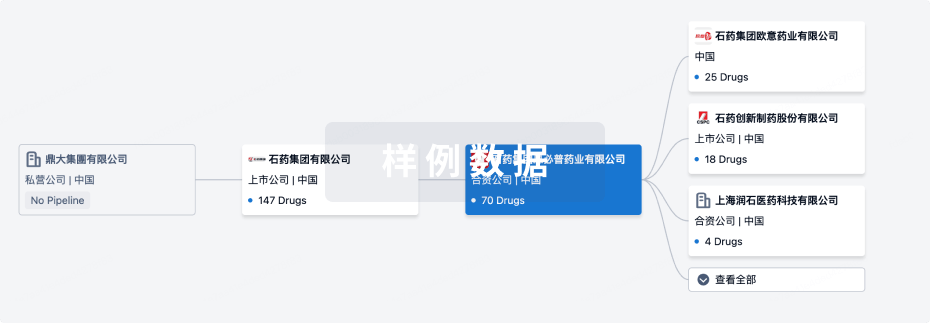
组织架构
使用我们的机构树数据加速您的研究。
登录
或
管线布局
2026年10月10日管线快照
管线布局中药物为当前组织机构及其子机构作为药物机构进行统计,早期临床1期并入临床1期,临床1/2期并入临床2期,临床2/3期并入临床3期
药物发现
9
18
临床前
其他
1
登录后查看更多信息
当前项目
| 药物(靶点) | 适应症 | 全球最高研发状态 |
|---|---|---|
Farrerol ( SIRT1 ) | 骨质疏松症 更多 | 临床前 |
XGLP/GCG/GIP-32 ( GCGR x GIPR x GLP-1R ) | 肥胖 更多 | 临床前 |
bGLP/PYY-19 ( GLP-1R x NPY2R ) | 肥胖 更多 | 临床前 |
KA-MO-g(Guangxi Medical University) | 肝癌 更多 | 临床前 |
NDV-GT | 肝细胞癌 更多 | 临床前 |
登录后查看更多信息
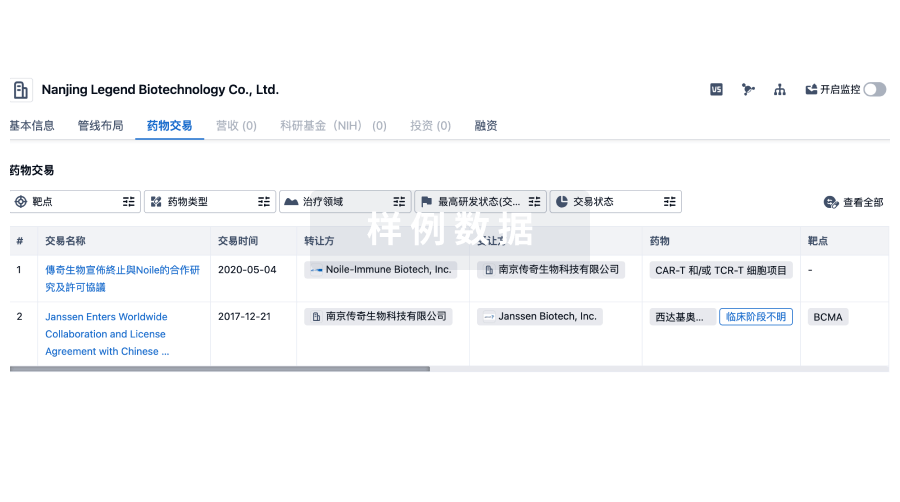
药物交易
使用我们的药物交易数据加速您的研究。
登录
或
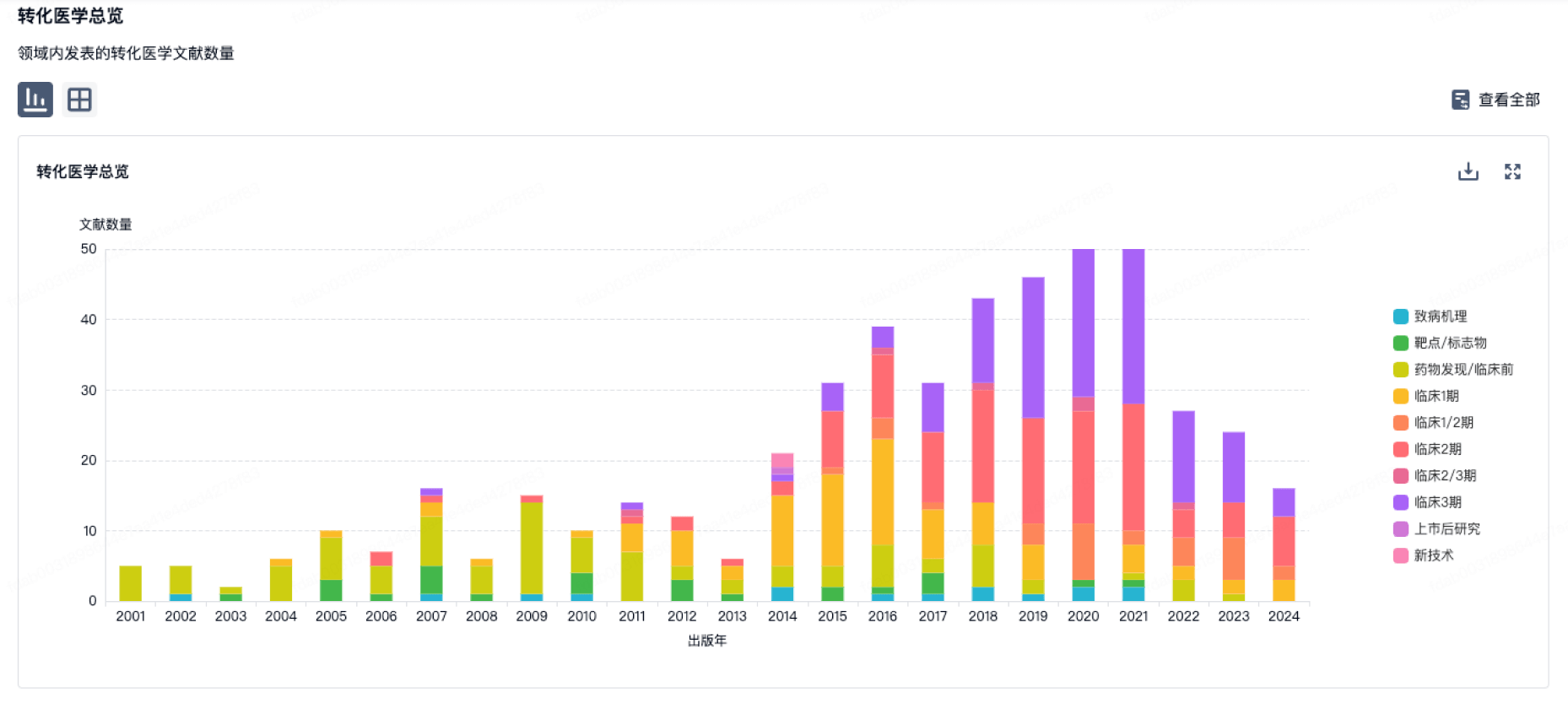
转化医学
使用我们的转化医学数据加速您的研究。
登录
或
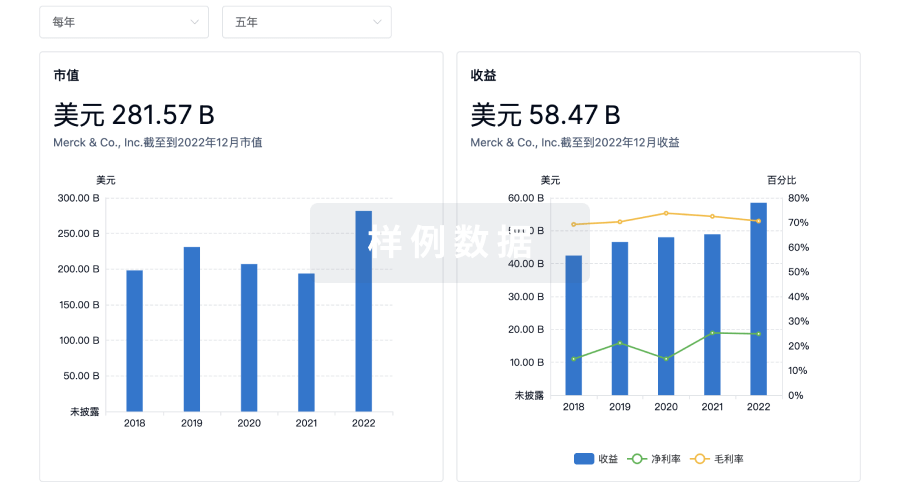
营收
使用 Synapse 探索超过 36 万个组织的财务状况。
登录
或
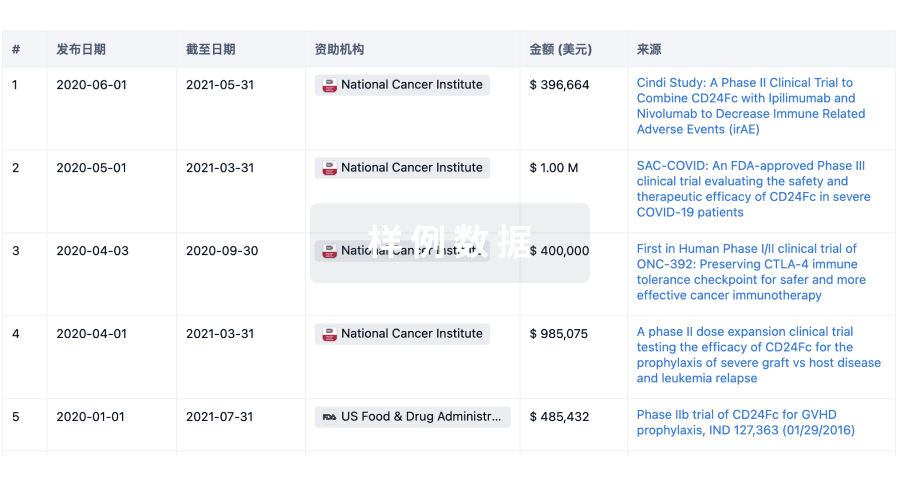
科研基金(NIH)
访问超过 200 万项资助和基金信息,以提升您的研究之旅。
登录
或
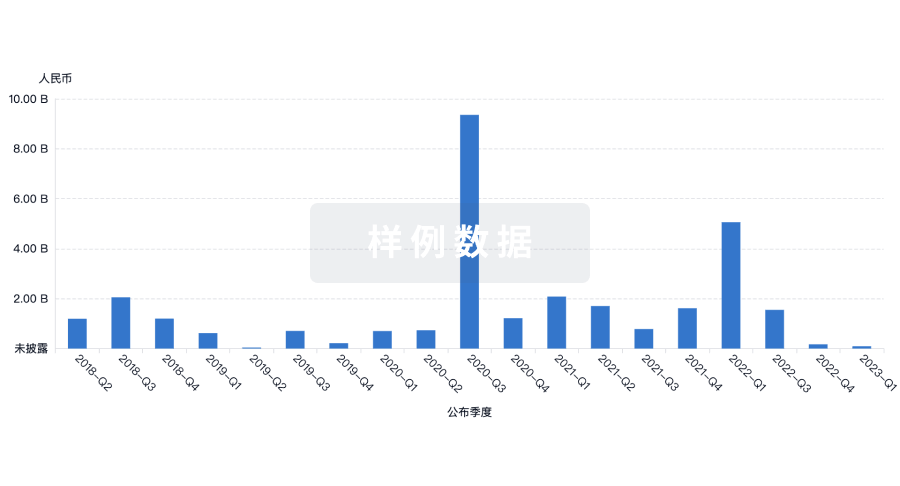
投资
深入了解从初创企业到成熟企业的最新公司投资动态。
登录
或
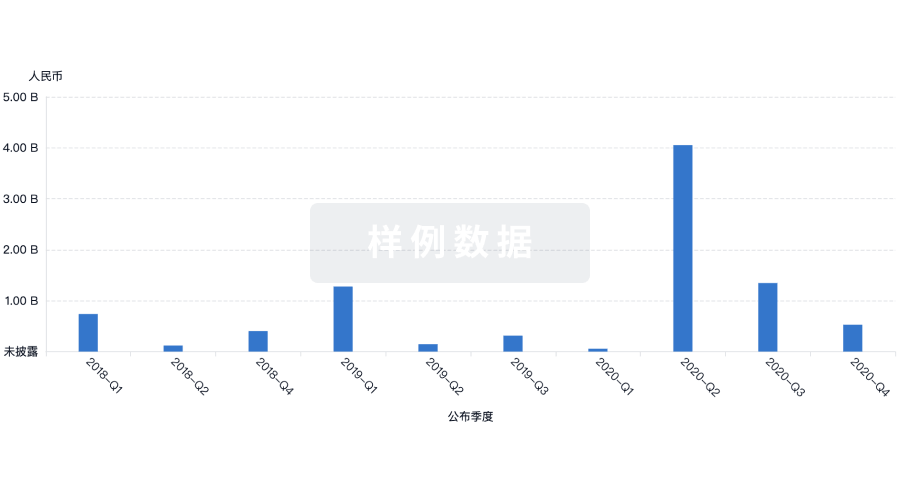
融资
发掘融资趋势以验证和推进您的投资机会。
登录
或
提出任何生物医药研究问题
让每一步生物医药决策都精准制胜
基于十亿级生物数据与全球情报的精准 AI,赋能早期药物发现
立即开始免费试用!
智慧芽新药情报库是智慧芽专为生命科学人士构建的基于AI的创新药情报平台,助您全方位提升您的研发与决策效率。
立即接入生物医药数据包
智慧芽新药库数据也通过智慧芽开放平台,以MCP或API服务形式对外开放。立即使用我们的MCP服务定制您的LLM智能体。
生物序列数据库
生物药研发创新
免费使用
化学结构数据库
小分子化药研发创新
免费使用