预约演示
更新于:2026-06-02

Technische Universität Wien
更新于:2026-06-02
概览
标签
感染
小分子化药
疾病领域得分
一眼洞穿机构专注的疾病领域
技术平台
公司药物应用最多的技术
靶点
公司最常开发的靶点

暂无数据
关联
WO2025260115
专利挖掘靶点 |
作用机制 |
在研机构 |
原研机构 |
在研适应症 |
非在研适应症 |
最高研发阶段 |
首次获批国家/地区 |
首次获批日期 |
100 项与 Technische Universität Wien 相关的临床结果
登录后查看更多信息
登录后查看更多信息
2026-04-20OPTICS EXPRESS
Trajectory control of a gimbaled prism for hemispherical pointing in CubeSat optical communications
Article
作者: Rodeck, Lukas Rupert ; Zeihsel, Hannes ; Rüddenklau, René
Free-space optical communications on CubeSats require precise pointing mechanisms to maintain stable links. State-of-the-art CubeSat-sized laser communication terminals rely on satellite body pointing, which imposes constraints on system flexibility. This paper presents the proposed control strategy of a gimbaled-prism-based coarse pointing assembly for hemispherical pointing in CubeSat optical communications. The gimbal design employs a compact mechanical structure with direct-drive actuation for azimuth and elevation control. A hierarchical control strategy is implemented, combining a cascaded servo control loop with an s-curve profiler for ephemeris-based pointing and a second-order trajectory controller for fine pointing assembly offloading. Therefore, the dynamics of the low-level controller can be decoupled from the trajectory control design. The performed experimental validation includes hardware characterization, system response identification, and closed-loop performance analysis, demonstrating the capability to achieve accurate and stable pointing of the developed coarse pointing assembly. Results confirm that the proposed approach meets stringent dynamics and stability requirements while maintaining a pointing accuracy suitable for CubeSat optical communication applications.
2026-04-01REPORTS ON PROGRESS IN PHYSICS
Attosecond quantum optical interferometry
Article
作者: Rivera-Dean, Javier ; Petrovic, Lidija ; Lewenstein, Maciej ; Stammer, Philipp
Abstract:
In this work, we explore the scheme of attosecond quantum interferometry (AQI), the quantum optical version of classical attosecond interferometry, which allows to measure quantum optical properties on the attosecond time-scale. We develop how the scheme of AQI can be used for engineering the phase-space and photon statistics properties of the emitted harmonics, using the relative phase of a two-color driving field as a control, and further enables to manipulate the field correlations as well as their entanglement characteristics. In addition, this scheme allows us to learn properties of the phase-space distribution of the harmonic quantum state, by means of measuring an attosecond quantum tomography trace. This serves as a new type of protocol for
in situ
attosecond measurements of quantum optical observables. With this, we achieve to further connect all-optical attosecond measurement schemes with quantum optics, allowing for a rich manifold of observations.
2026-03-19Nature
Adventitious carbon breaks symmetry in oxide contact electrification
Article
作者: Pichler, Christian M ; Blanco, Adriana ; Hahn, Michael ; Waitukaitis, Scott R ; Grosjean, Galien ; Balazs, Daniel M ; Gracia, Francisco ; Mujica, Nicolás ; Link, Mason M ; Fahrnberger, Florian ; Pertl, Felix ; Sauer, Markus ; Schrader, Devin L ; Ostermann, Markus ; Kim, Seong H
Abstract:
Insulating oxides are among the most abundant solid materials in the universe
1–3
. Of the many ways in which they influence natural phenomena, perhaps the most consequential is their capacity to transfer electrical charge during contact
4–10
—which occurs even between samples of the same oxide—yet the symmetry-breaking parameter that causes this remains unidentified
11,12
. Here we show that adventitious carbonaceous molecules adsorbed from the environment are the symmetry-breaking factor in same-material oxide contact electrification (CE). We use acoustic levitation to measure charge exchange between a sphere and a plate composed of identical amorphous silicon dioxide (SiO
2
). Although charging polarity is random for co-prepared samples, we control it with baking or plasma treatment. Observing the charge-exchange relaxation afterwards, we see dynamics over a timescale of hours and connect this directly to the presence of adventitious carbon with time-of-flight mass spectrometry, low-energy ion scattering and infrared spectroscopy. Going further, we confirm that adventitious carbon can even determine charge exchange among different oxides. Our results identify the symmetry-breaking parameter that causes insulating oxides to exchange charge in settings ranging from desert sands
4
to volcanic plumes
5,6
, while simultaneously highlighting an overlooked factor in CE more broadly.
100 项与 Technische Universität Wien 相关的药物交易
登录后查看更多信息
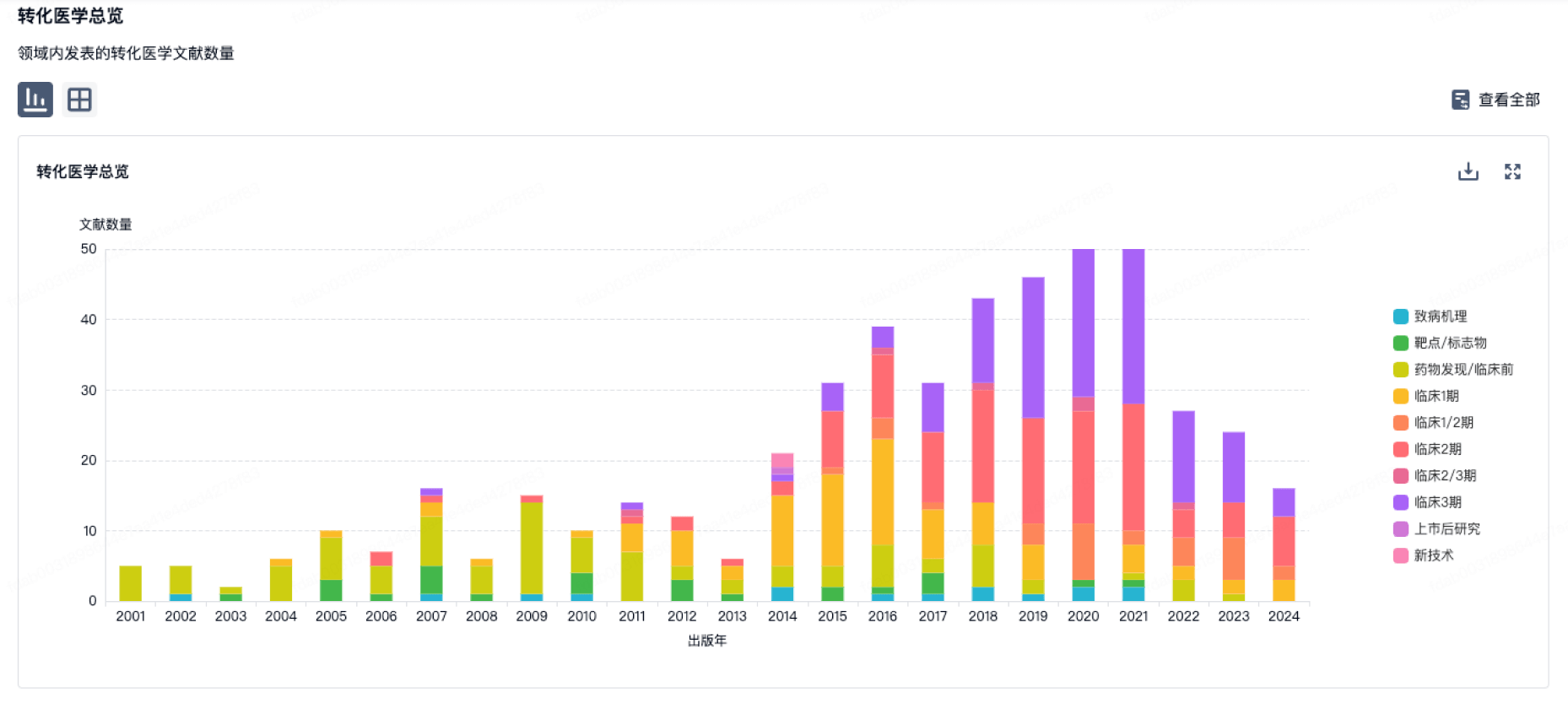
100 项与 Technische Universität Wien 相关的转化医学
登录后查看更多信息
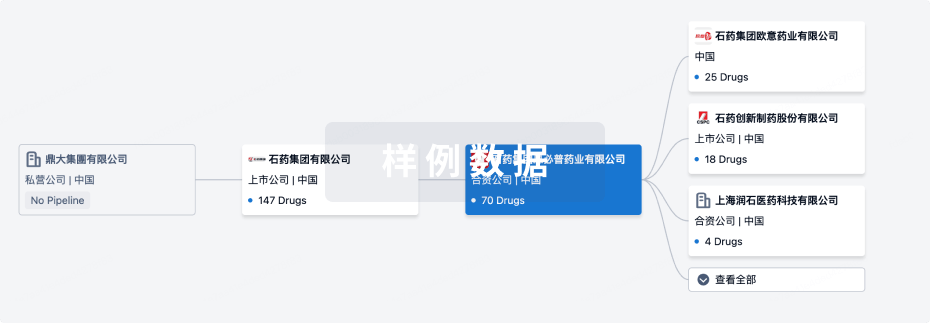
组织架构
使用我们的机构树数据加速您的研究。
登录
或
管线布局
2026年10月17日管线快照
管线布局中药物为当前组织机构及其子机构作为药物机构进行统计,早期临床1期并入临床1期,临床1/2期并入临床2期,临床2/3期并入临床3期
药物发现
1
1
其他
登录后查看更多信息
当前项目
登录后查看更多信息
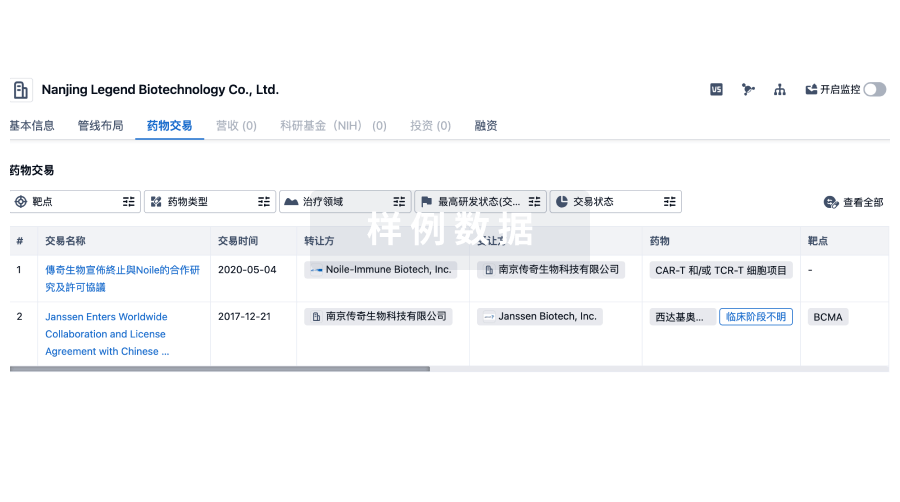
药物交易
使用我们的药物交易数据加速您的研究。
登录
或
转化医学
使用我们的转化医学数据加速您的研究。
登录
或
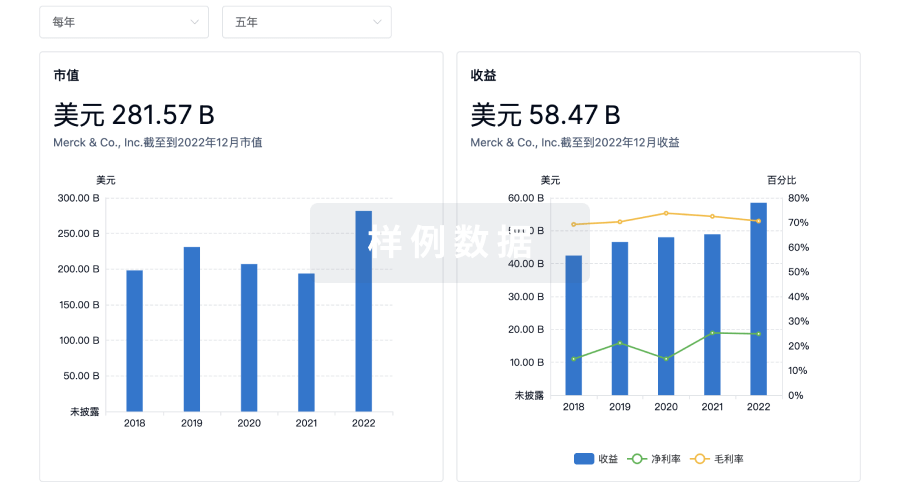
营收
使用 Synapse 探索超过 36 万个组织的财务状况。
登录
或
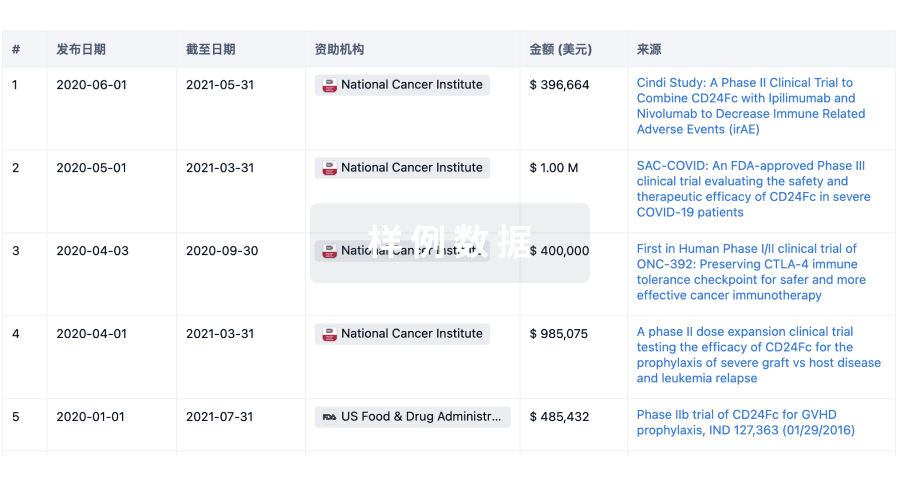
科研基金(NIH)
访问超过 200 万项资助和基金信息,以提升您的研究之旅。
登录
或
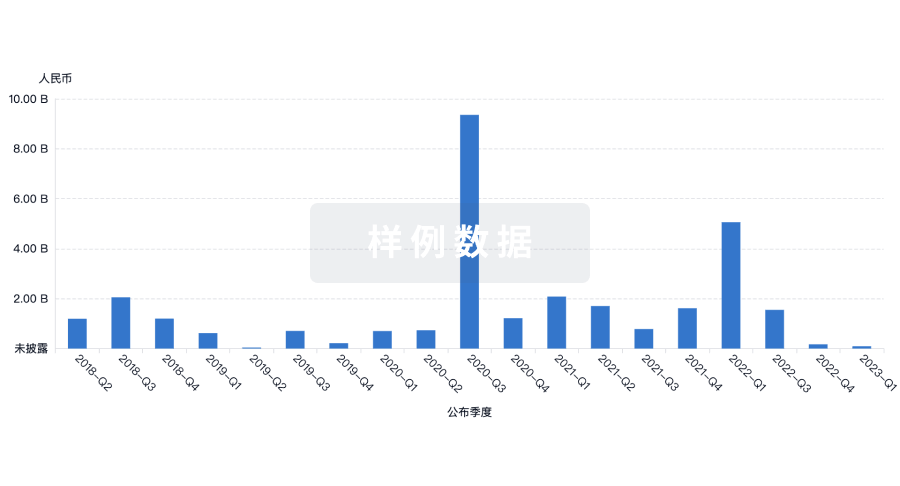
投资
深入了解从初创企业到成熟企业的最新公司投资动态。
登录
或
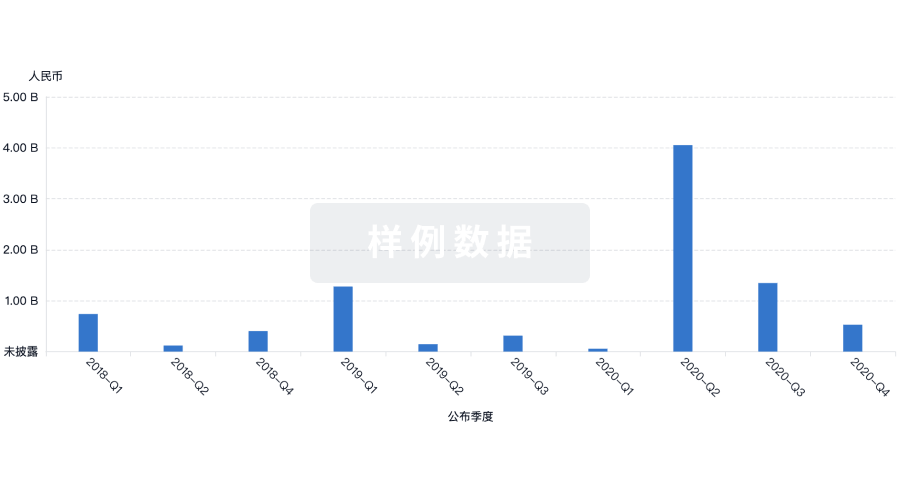
融资
发掘融资趋势以验证和推进您的投资机会。
登录
或
提出任何生物医药研究问题
让每一步生物医药决策都精准制胜
基于十亿级生物数据与全球情报的精准 AI,赋能早期药物发现
立即开始免费试用!
智慧芽新药情报库是智慧芽专为生命科学人士构建的基于AI的创新药情报平台,助您全方位提升您的研发与决策效率。
立即接入生物医药数据包
智慧芽新药库数据也通过智慧芽开放平台,以MCP或API服务形式对外开放。立即使用我们的MCP服务定制您的LLM智能体。
生物序列数据库
生物药研发创新
免费使用
化学结构数据库
小分子化药研发创新
免费使用