预约演示
更新于:2025-12-12

Fujian Agriculture & Forestry University
更新于:2025-12-12
概览
标签
其他疾病
呼吸系统疾病
感染
小分子化药
重组多肽
疾病领域得分
一眼洞穿机构专注的疾病领域

技术平台
公司药物应用最多的技术
靶点
公司最常开发的靶点
关联
靶点 |
作用机制 |
在研机构 |
原研机构 |
在研适应症 |
非在研适应症 |
最高研发阶段 |
首次获批国家/地区 |
首次获批日期 |
CN116854800
专利挖掘靶点 |
作用机制 |
在研机构 |
原研机构 |
在研适应症 |
非在研适应症 |
最高研发阶段 |
首次获批国家/地区 |
首次获批日期 |
100 项与 福建农林大学 相关的临床结果
登录后查看更多信息
登录后查看更多信息
2026-03-01SPECTROCHIMICA ACTA PART A-MOLECULAR AND BIOMOLECULAR SPECTROSCOPY
A multicolor colorimetric aptasensor for visual detection of quinclorac based on G-quadruplex DNAzyme-mediated gold nanobipyramid growth
Article
作者: Luo, Guizhen ; Fang, Ling ; He, Xue ; Chen, Fengping ; Wang, Zemiao ; Hu, Yang ; Wang, Zongwen ; Liu, Jiayi
The development of gold nanobipyramid (AuNBP)-based multicolor colorimetric aptasensors offers significant advantages for enabling sensitive, accurate, and visual on-site detection. However, existing AuNBP growth-based strategies suffer from the inherent limitations of enzymes and the instability of AuNBPs that restrict their application in aptasensor construction. In this study, a multicolor colorimetric aptasensor based on a novel G-quadruplex (G4) DNAzyme-mediated AuNBP growth strategy was developed for the detection of quinclorac (QNC), a prevalent acid herbicide. First, complexes of magnetic bead (MB)-QNC aptamer (Qapt)-G4 DNA were formed through an MB-assisted competitive aptamer-binding system. In this system, the amount of MB-aptamer-G4 DNA complexes formed was directly proportional to the QNC concentration. These complexes subsequently facilitated the G4 DNAzyme-catalyzed oxidation of hydroquinone (HQ). The remaining HQ was then utilized to grow AuNBPs, leading to distinct multicolor variations. Under optimal conditions, the aptasensor exhibited nine discernible color changes corresponding to different QNC concentrations with a visual limit of detection (LOD) of 0.5 μM and an instrumental LOD of 113 nM. Moreover, the aptasensor demonstrated excellent specificity and color stability. It was successfully used to determine QNC in river water, soil, and rice samples with recovery rates of 95.20 %-100.69 % and relative standard deviations (n = 5) < 3 %. These results indicate that it is a reliable and promising method for the rapid screening of QNC residues in environmental and food samples. Furthermore, this work provides a valuable reference strategy for transforming G4 DNAzyme-based colorimetric aptasensors into multicolor analytical platforms.
2026-02-01JOURNAL OF VIROLOGICAL METHODS
Development of a duplex LNA-TaqMan real-time quantitative PCR for differential detection of virulent and attenuated strains of Muscovy duck-origin goose parvovirus
Article
作者: Chen, Xiuqin ; Chen, Shilong ; Lin, Su ; Huang, Meiqing ; Xiao, Shifeng ; Chen, Shaoying ; Wang, Shao ; Jiang, Dangdang ; Cheng, Xiaoxia ; Zhu, Xiaoli ; Lin, Xiaofei
To establish a real-time quantitative PCR method for detecting and differentiating virulent and attenuated strains of Muscovy duck-origin goose parvovirus (MDGPV), a pair of common primers and two specific locked nucleic acid (LNA)-TaqMan probes targeting the conserved VP1 gene region were designed and synthesized based on MDGPV genome sequences from GenBank. By labeling the probes with distinct fluorophores and optimizing the reaction conditions, the optimal primer-probe combination was identified, and an LNA-TaqMan based quantitative PCR differentiation method was developed. The results demonstrated that this assay could specifically detect both virulent and attenuated MDGPV strains without cross-reactivity with other waterfowl viruses. The method exhibited high sensitivity, with a detection limit of 6.1 × 100 copies/μL for both the virulent and attenuated strains. The method showed good reproducibility, with a coefficient of variation of less than 3 %. The detection results for the clinical samples were consistent with the sequencing analysis. These findings indicate that the established duplex LNA-TaqMan real-time quantitative PCR method is suitable for the differential detection of MDGPV virulent and attenuated strains in clinical samples, providing an effective technical tool for the control and eradication of MDGPV.
2026-02-01COLLOIDS AND SURFACES B-BIOINTERFACES
Corrigendum to “A CuS-loaded copper-ferrocene framework with synergistic chemodynamic and photothermal antimicrobial therapy for accelerated infected wound healing” [Colloids Surf. B Biointerfaces 258 (2026) 115239]
作者: Lin, Zu-Jin ; Zhou, Zijie ; Hui, Yi-Fei ; Lin, Yi-Han ; Tang, Fa-Qiang ; Jiang, Jilin ; Hu, Duan-Ping ; Yan, Lai-Peng ; Li, Lin-Yi
2025-12-11
·本草全球
2025-12-07
100 项与 福建农林大学 相关的药物交易
登录后查看更多信息
100 项与 福建农林大学 相关的转化医学
登录后查看更多信息
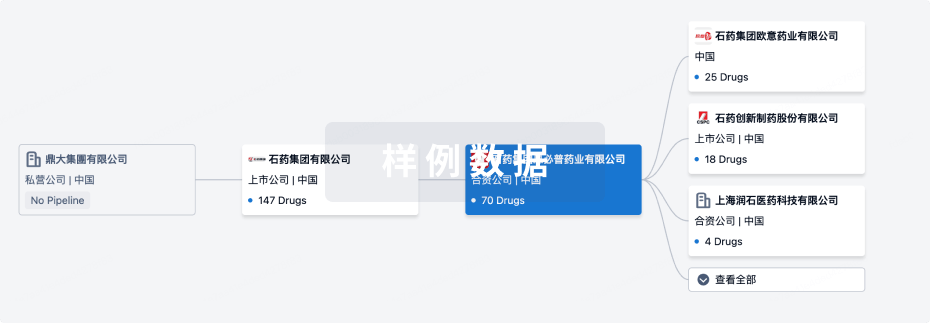
组织架构
使用我们的机构树数据加速您的研究。
登录
或
管线布局
2026年02月08日管线快照
管线布局中药物为当前组织机构及其子机构作为药物机构进行统计,早期临床1期并入临床1期,临床1/2期并入临床2期,临床2/3期并入临床3期
药物发现
1
1
临床前
登录后查看更多信息
当前项目
登录后查看更多信息
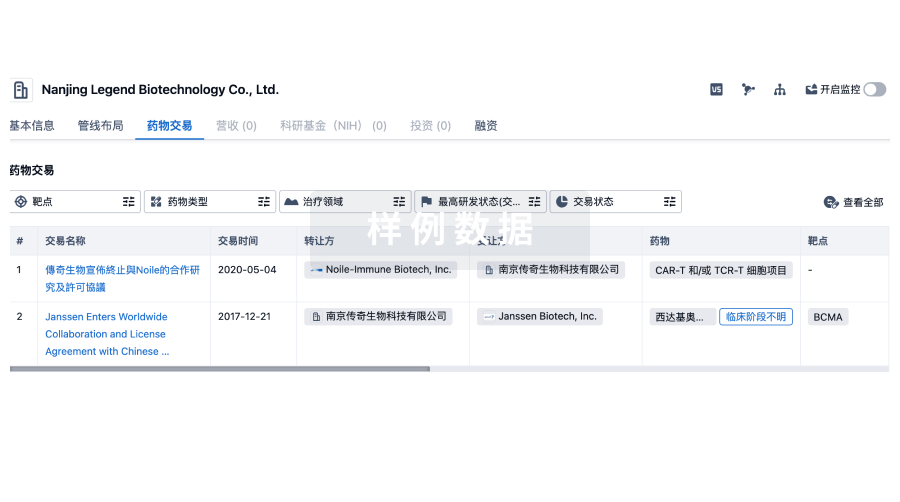
药物交易
使用我们的药物交易数据加速您的研究。
登录
或
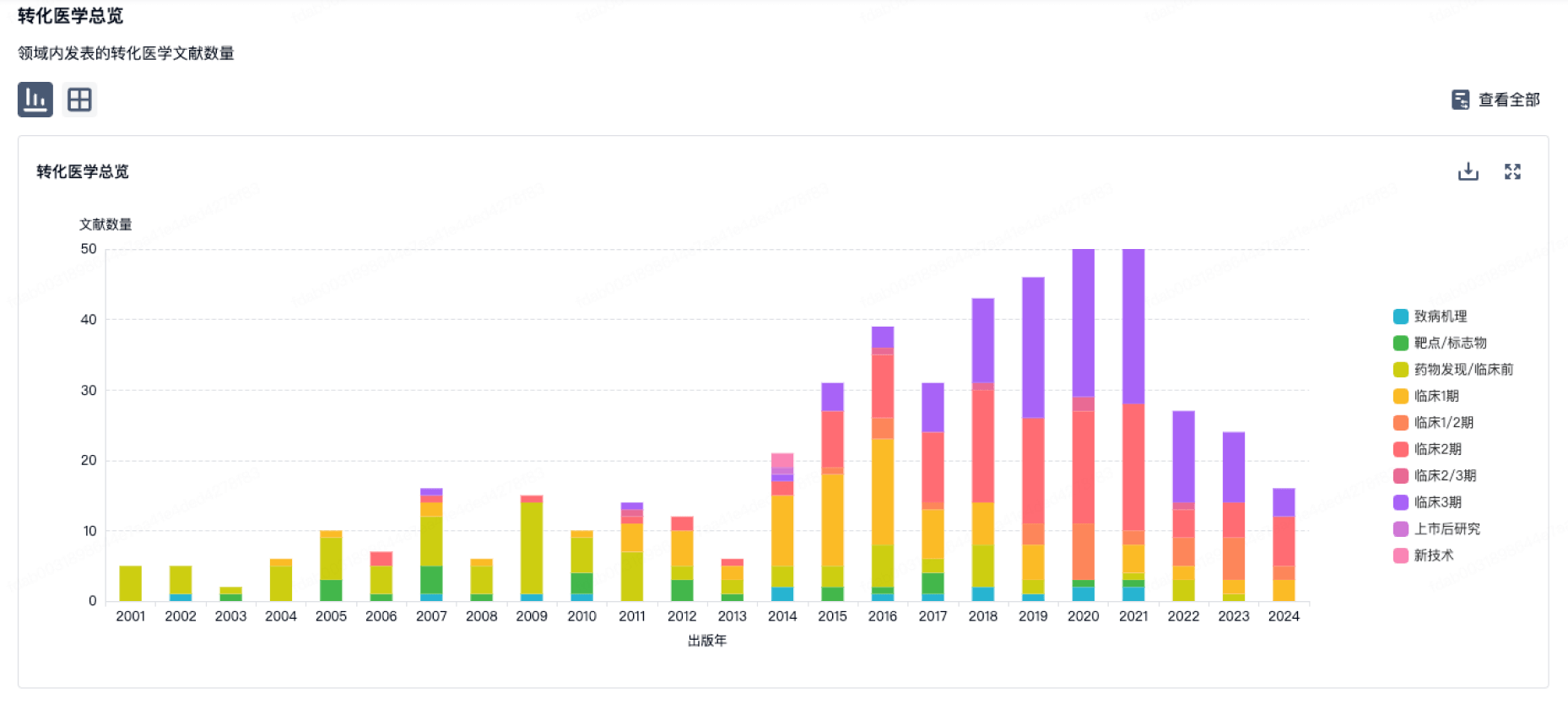
转化医学
使用我们的转化医学数据加速您的研究。
登录
或
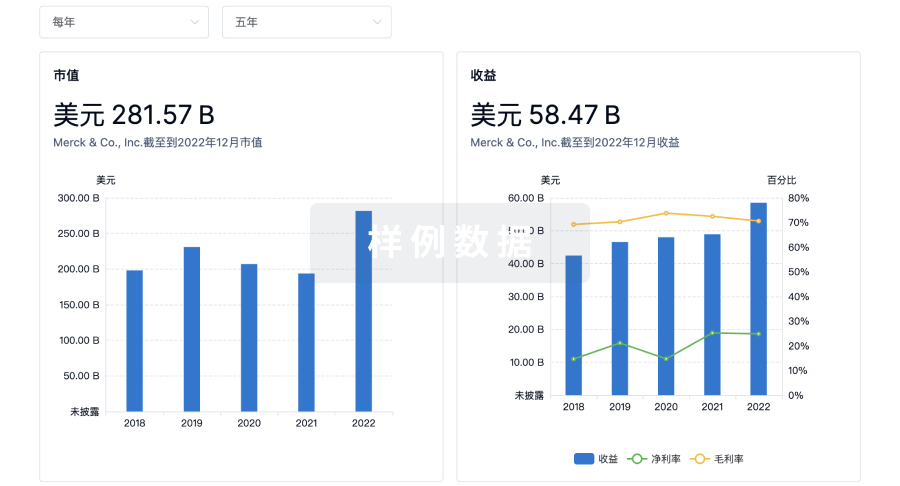
营收
使用 Synapse 探索超过 36 万个组织的财务状况。
登录
或
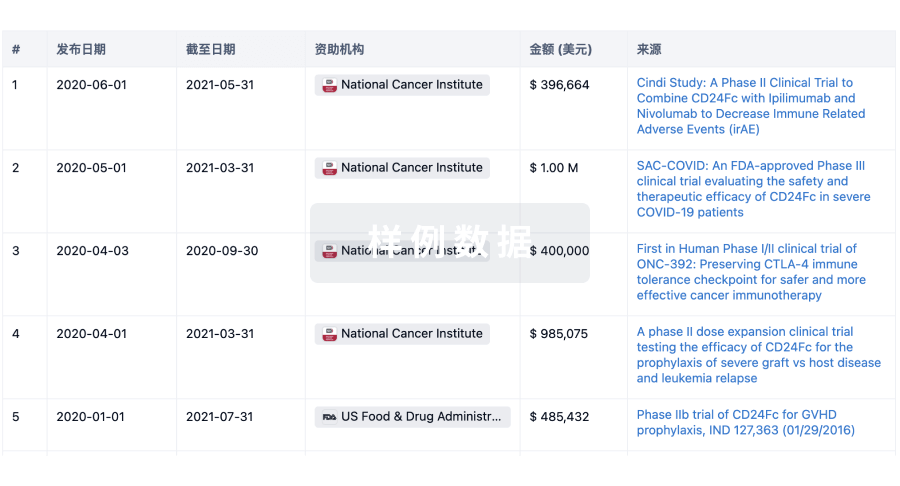
科研基金(NIH)
访问超过 200 万项资助和基金信息,以提升您的研究之旅。
登录
或
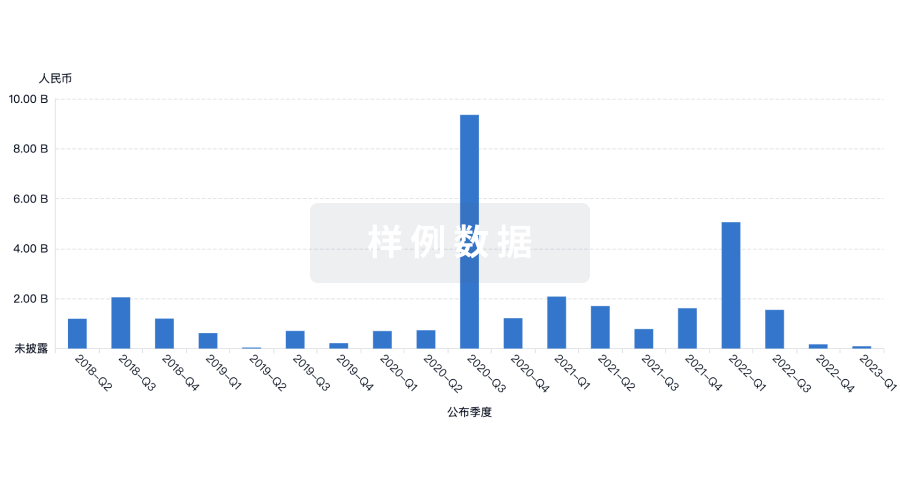
投资
深入了解从初创企业到成熟企业的最新公司投资动态。
登录
或
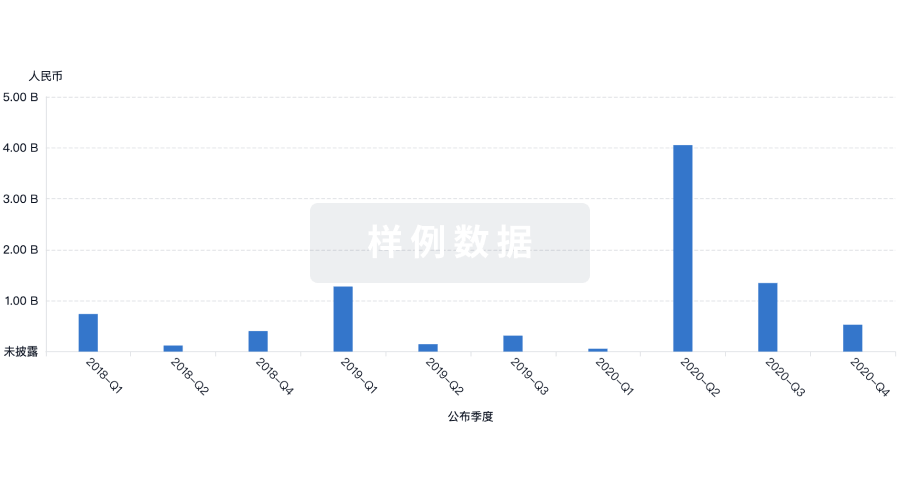
融资
发掘融资趋势以验证和推进您的投资机会。
登录
或
生物医药百科问答
全新生物医药AI Agent 覆盖科研全链路,让突破性发现快人一步
立即开始免费试用!
智慧芽新药情报库是智慧芽专为生命科学人士构建的基于AI的创新药情报平台,助您全方位提升您的研发与决策效率。
立即开始数据试用!
智慧芽新药库数据也通过智慧芽数据服务平台,以API或者数据包形式对外开放,助您更加充分利用智慧芽新药情报信息。
生物序列数据库
生物药研发创新
免费使用
化学结构数据库
小分子化药研发创新
免费使用