预约演示
更新于:2025-10-05
Medacta USA, Inc.
更新于:2025-10-05
概览
关联
NCT05652270
Maximizing Patient Goal Attainment, Motivations and Expectations (mGAME) in Elective Musculoskeletal Care

NCT05721859
Medacta M-Vizion™ Macroscopic Radiographic Study, Multi-center, Post-Market Outcomes Study
NCT04300439
Medico-economic Interest of Single-use Ancillary Efficiency® in Fitting a GMK® Total Knee Arthroplasty (TKA)

100 项与 Medacta USA, Inc. 相关的临床结果
登录后查看更多信息
登录后查看更多信息
2019-09-01The Journal of arthroplasty2区 · 医学
Logistical and Economic Advantages of Sterile-Packed, Single-Use Instruments for Total Knee Arthroplasty
2区 · 医学
Article
作者: Goldberg, Tyler D ; Ahuja, Mukesh ; Maltry, John A ; Inzana, Jason A
BACKGROUND:
Total knee arthroplasty (TKA) is well established as a clinically successful and cost-effective procedure. The transition of the US healthcare system from a fee-for-service model to a value-based care model requires careful examination of patient care to ensure both quality and efficiency. Sterile-packed, single-use instruments have been introduced as a tool to help streamline the operating room (OR) logistics while reducing sterilization requirements. The aim of this study was to examine the potential logistic and economic benefits of single-use instruments compared to traditional, reusable instruments for TKA.
METHODS:
Four variables related to TKA costs and logistics were modeled in this study: OR turnover time tray sterilization, tray management time, and 90-day infection rates. Model input data for traditional instruments and single-use instruments were based on peer-reviewed literature. A total of 200 sites and 500 cases per site were simulated using the Monte-Carlo-Technique.
RESULTS:
The median total cost savings with single-use instruments was $994 per case. The largest driver for cost savings was tray sterilization. Sites with higher staff wages and sterilization costs had a larger probability of realizing greater cost savings with adoption of single-use instruments. In cases using single-use instruments, up to 51% of operating days could have accommodated an additional procedure due to the time savings in OR turnover.
CONCLUSION:
This cost modeling study observed significant potential for logistical and economic improvements in TKA with single-use vs reusable instruments. Although few studies have been conducted to measure the impact of single-use instruments in practice, the results of these simulations motivate further investigation.
100 项与 Medacta USA, Inc. 相关的药物交易
登录后查看更多信息
100 项与 Medacta USA, Inc. 相关的转化医学
登录后查看更多信息
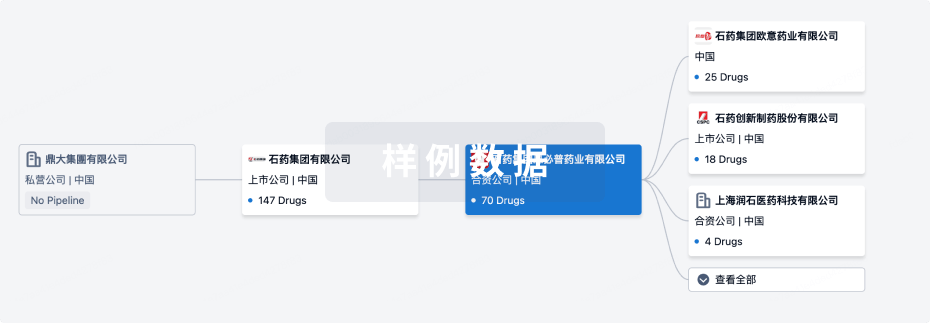
组织架构
使用我们的机构树数据加速您的研究。
登录
或
管线布局
2026年02月08日管线快照
无数据报导
登录后保持更新
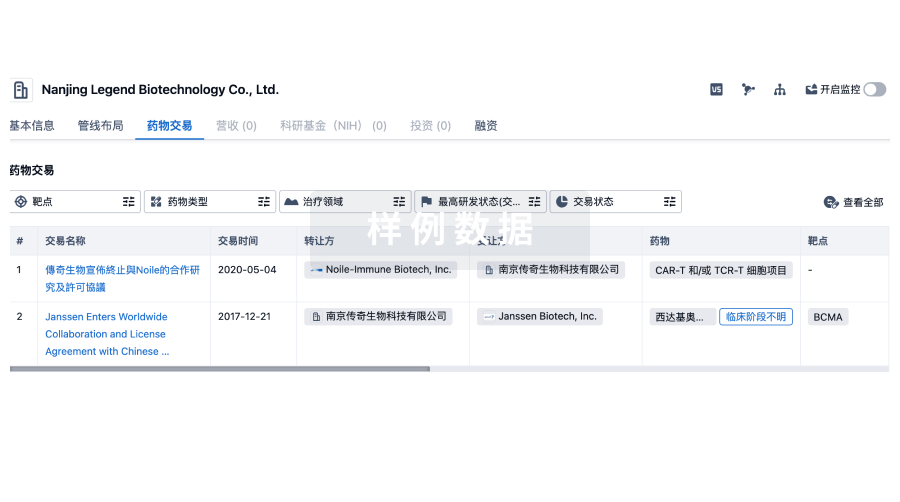
药物交易
使用我们的药物交易数据加速您的研究。
登录
或
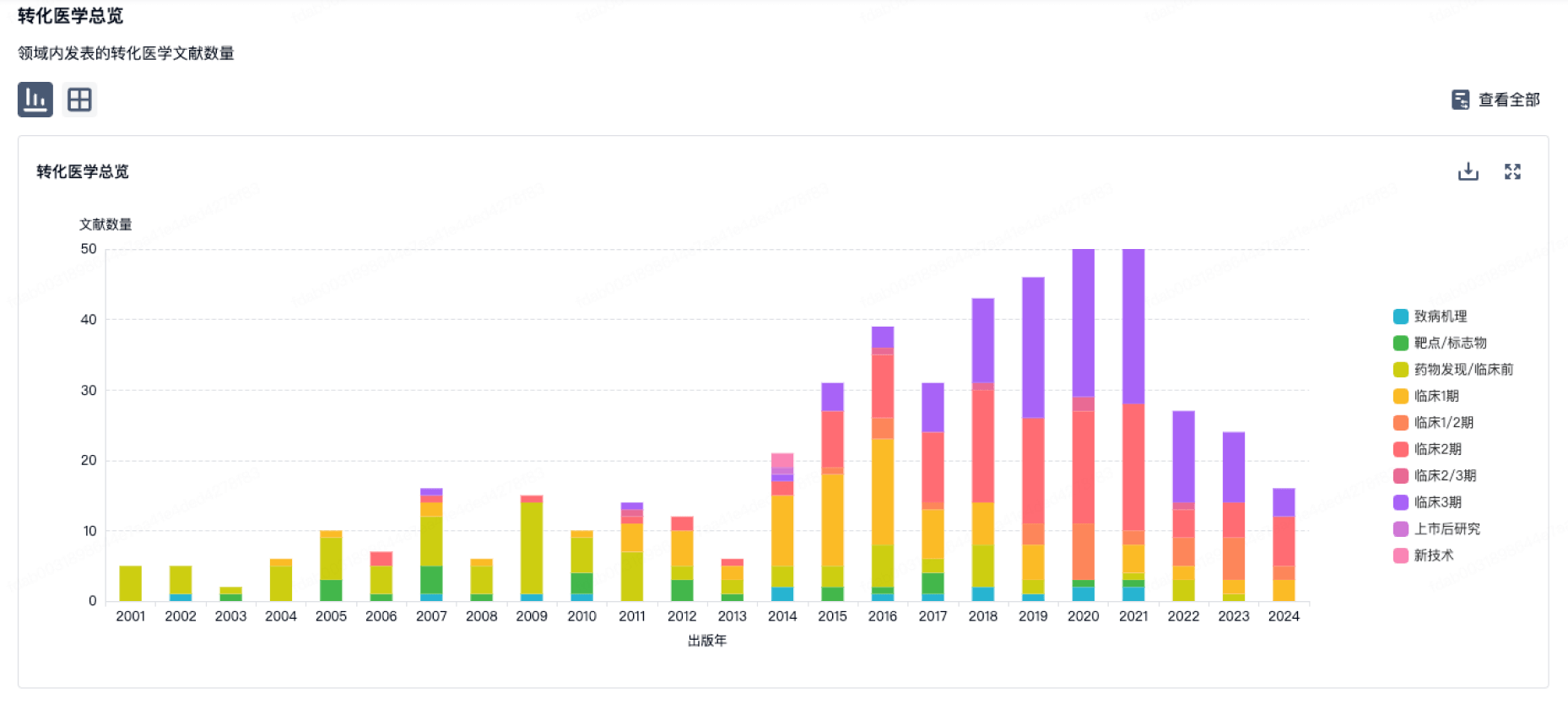
转化医学
使用我们的转化医学数据加速您的研究。
登录
或
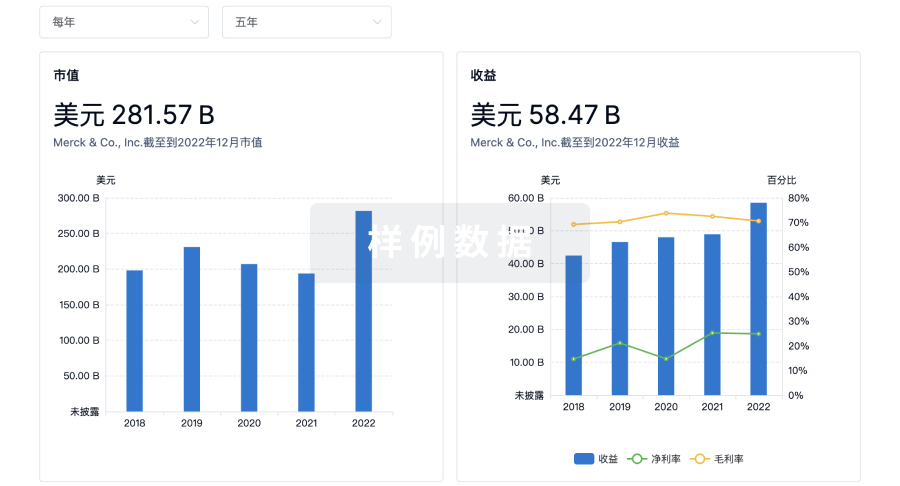
营收
使用 Synapse 探索超过 36 万个组织的财务状况。
登录
或
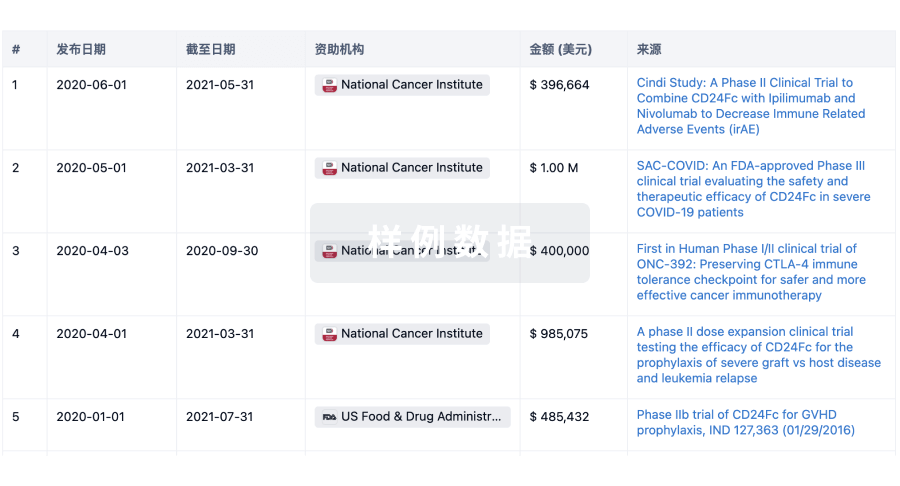
科研基金(NIH)
访问超过 200 万项资助和基金信息,以提升您的研究之旅。
登录
或
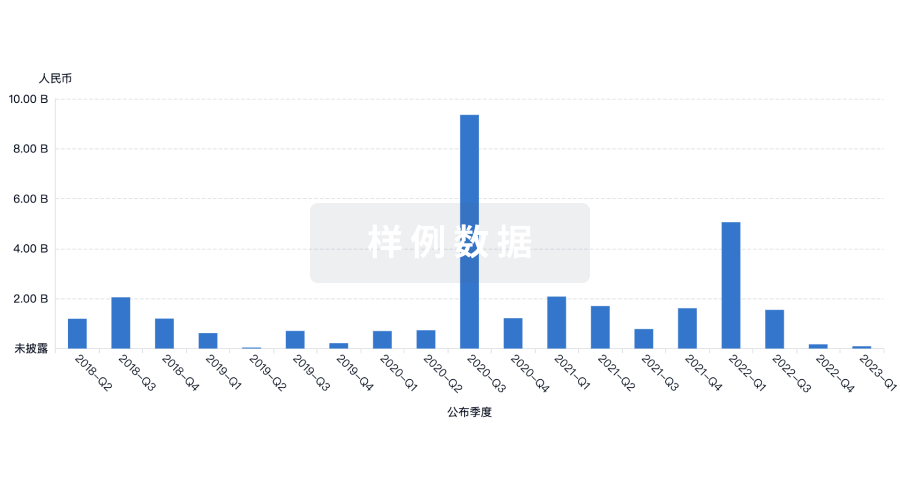
投资
深入了解从初创企业到成熟企业的最新公司投资动态。
登录
或
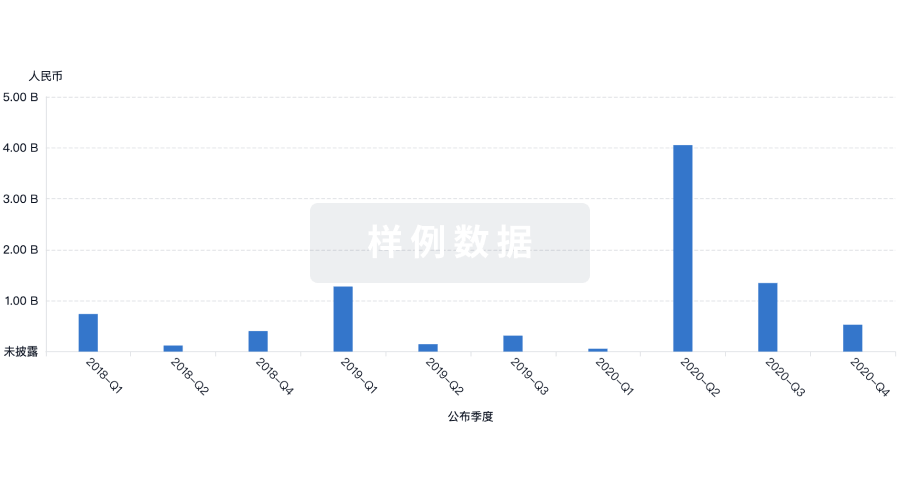
融资
发掘融资趋势以验证和推进您的投资机会。
登录
或
生物医药百科问答
全新生物医药AI Agent 覆盖科研全链路,让突破性发现快人一步
立即开始免费试用!
智慧芽新药情报库是智慧芽专为生命科学人士构建的基于AI的创新药情报平台,助您全方位提升您的研发与决策效率。
立即开始数据试用!
智慧芽新药库数据也通过智慧芽数据服务平台,以API或者数据包形式对外开放,助您更加充分利用智慧芽新药情报信息。
生物序列数据库
生物药研发创新
免费使用
化学结构数据库
小分子化药研发创新
免费使用