预约演示
更新于:2026-05-16
ABT-737
更新于:2026-05-16
概要
基本信息
药物类型 小分子化药 |
别名 A-371191、A-385358、ABT737 |
作用方式 抑制剂 |
作用机制 Bcl-2抑制剂(细胞凋亡调控因子Bcl-2抑制剂)、Bcl-xl抑制剂(Bcl-X蛋白抑制剂) |
在研适应症 |
非在研适应症 |
原研机构 |
在研机构 |
非在研机构 |
权益机构- |
最高研发阶段临床前 |
首次获批日期- |
最高研发阶段(中国)- |
特殊审评- |

登录后查看时间轴
结构/序列
分子式C42H45ClN6O5S2 |
InChIKeyHPLNQCPCUACXLM-PGUFJCEWSA-N |
CAS号852808-04-9 |
关联
100 项与 ABT-737 相关的临床结果
登录后查看更多信息
100 项与 ABT-737 相关的转化医学
登录后查看更多信息
100 项与 ABT-737 相关的专利(医药)
登录后查看更多信息
1,003
项与 ABT-737 相关的文献(医药)2026-12-01·MOLECULAR BIOLOGY REPORTS
BCL-2 family dysregulation in HTLV-1 and BLV pathogenesis and its implications for leukemogenesis and therapy
Review
作者: Acevedo-Jiménez, Gabriel Eduardo ; Farjami, Zahra ; Álvarez, Hugo Ramírez ; González-Fernández, Víctor David ; de María Avila-De la Vega, Lucero ; Murillo, Cecilia Rodríguez ; Akbarin, Mohammad Mehdi ; Martínez, Marcela Autran ; Santos, Harim Jahaziel Nava
Abstract:
The B-cell Lymphoma 2 (BCL-2) family of proteins plays a fundamental role in maintaining the balance between cell survival and apoptosis, processes that are frequently manipulated by oncogenic viruses. This review explores the contribution of BCL-2 family members to the pathogenesis of deltaretroviruses, with emphasis on Human T-cell Leukemia Virus type 1 (HTLV-1) and Bovine Leukemia Virus (BLV). Both viruses employ viral oncoproteins such as Tax and HBZ (HTLV-1) or their BLV homologs to upregulate anti-apoptotic proteins, including BCL-2, BCL-xL (B-cell Lymphoma-extra Large), MCL-1 (Myeloid Cell Leukemia 1), and Bfl-1, while suppressing pro-apoptotic counterparts such as BCL-2–Associated X Protein ( BAX ), BIM (BCL-2–Interacting Mediator of Cell Death), and BID (BH3-Interacting Domain Death Agonist). This dysregulation prolongs the survival of infected lymphocytes and promotes clonal expansion, genomic instability, and malignant transformation. Importantly, studies demonstrate that BLV and HTLV-1 infection induce resistance to programmed cell death in lymphoid and even non-lymphoid cells, highlighting apoptosis evasion as a central mechanism of viral persistence. Therapeutically, BCL-2 family inhibition has shown promise in sensitizing transformed cells to apoptosis. Small-molecule inhibitors such as ABT-737 and Navitoclax, kinase inhibitors targeting NF-κB (Nuclear Factor kappa-light-chain-enhancer of Activated B Cells) and JAK/STAT (Janus Kinase/Signal Transducer and Activator of Transcription) pathways, and natural compounds including fucoxanthin, peridinin, and thymoquinone have demonstrated the ability to overcome apoptosis resistance in preclinical models. Recent strategies combining MCL-1 inhibitors with antiretroviral therapy or immune checkpoint blockade further highlight the translational potential of targeting BCL-2 pathways. Collectively, the evidence positions the BCL-2 family as a critical determinant of deltaretroviral persistence and leukemogenesis, and as a promising therapeutic axis for the development of novel treatments for HTLV-1–Associated Myelopathy/Tropical Spastic Paraparesis (HAM/TSP) and BLV-associated leukosis.
2026-03-01·EUROPEAN JOURNAL OF PHARMACOLOGY
Ursolic acid attenuates bone loss by stabilizing osteoblast mitochondrial integrity and inhibiting downstream apoptosis via PI3K-AKT-Bcl2 signaling
Article
作者: Dong, Xiaokun ; Wang, Jili ; Cai, Qingzhi ; Zheng, Yongzhi ; Wan, Lei ; Yuan, Bingsen ; Wang, Shangzeng ; Chai, Shuang ; Li, Xiaoyu ; Li, Xun
BACKGROUND:
The PI3K/AKT signaling pathway is crucial in mitochondrial apoptosis and a core mechanism in the pathogenesis of osteoporosis (OP). Ursolic acid (UA) is a naturally occurring pentacyclic triterpenoid found in various herbal plants that exhibits antioxidant and anti-inflammatory activities and modulates osteoblast function. However, the effects of UA on osteoblast function in OP remain unclear. This study investigated whether UA alleviates mitochondrial damage, inhibits downstream apoptosis, and promotes osteoblast differentiation via the PI3K-AKT pathway.
METHODS:
Network pharmacology and molecular docking were used to predict the anti-OP mechanisms of UA. The regulatory effects of UA on the PI3K-AKT axis were evaluated in MC3T3-E1 cells, while its impact on mitochondrial function and osteoblast differentiation was assessed in the presence of LY294002 (PI3K inhibitor) or ABT-737 (Bcl2 inhibitor). The OP mouse model was established via ovariectomy (OVX). Mice received UA (10 or 20 mg/kg/day) or estradiol (0.104 mg/kg/day) as a positive control. Bone microstructure, apoptosis, mitochondrial integrity, and bone metabolism markers were examined.
RESULTS:
UA promoted osteoblast differentiation. Network pharmacology and docking identified the PI3K-AKT pathway as a key UA target, which was subsequently validated in vitro. UA mitigated LY294002- or ABT-737-induced mitochondrial damage, alleviated mitochondrial oxidative stress, stabilized mitochondrial membrane potential, and further enhanced osteoblast differentiation. Furthermore, UA attenuated OVX-induced bone loss by restoring PI3K-AKT activity, upregulating Bcl2, improving mitochondrial function, and inhibiting apoptosis.
CONCLUSION:
UA promotes osteoblast differentiation and mitigates mitochondrial dysfunction by activating PI3K-AKT-Bcl2 signaling. The findings provide evidence supporting UA as a potential therapeutic candidate for OP.
2026-02-01·ANTICANCER RESEARCH
Targeted Sensitization of Leukemic T-cells to Anticancer Drugs by SIRT1 Agonist SRT-1720
Article
作者: Ivanova, Donika ; Bakalova, Rumiana ; Getsov, Plamen ; Lazarova, Dessislava ; Nikolova, Biliana ; Hadjidekov, Vasil ; Zhelev, Zhivko
BACKGROUND/AIM:
Leukemia therapy targets multiple molecular pathways, including non-oncogenic but clinically relevant factors such as Silent Information Regulator 1 (SIRT1), which acts either as a tumor suppressor or tumor promoter depending on its downstream targets, cancer type, and disease stage. Although small-molecule SIRT1 activators such as SRT-1720 have shown anticancer potential, their molecular mechanisms in leukemia remain insufficiently understood. This study aimed to elucidate the effects of SRT-1720 on the redox state and viability of leukemic lymphocytes and normal lymphocytes, as well as its ability to sensitize leukemic cells to anticancer drugs.
MATERIALS AND METHODS:
The synergistic, additive or antagonistic antiproliferative effects of SRT-1720 and anticancer drugs were examined. The following parameters were analyzed: cell viability and proliferation - by trypan blue staining; apoptosis - by phosphatidylserine expression on the cell surface; and oxidative stress - by detecting intracellular levels of reactive oxygen species (ROS) and protein carbonyl products.
RESULTS:
SRT-1720 potentiated the effects of most anticancer drugs in leukemic lymphocytes. Synergism was found in combination with: barasertib, bortezomib, cisplatin, MG-132, bleomycin, ABT-737, lonafarnib, everolimus, and palbociclib. SRT-1720 increased the tolerance of normal lymphocytes to anticancer drugs, as demonstrated for everolimus, barasertib, and doxorubicin. The synergistic cytotoxicity of SRT-1720 in combination with everolimus and barasertib was accompanied by overproduction of ROS and increased induction of apoptosis in leukemic lymphocytes, but not in normal lymphocytes. SRT-1720 favorably affected the viability of normal lymphocytes, reducing oxidative stress and cytotoxicity induced by doxorubicin at the concentrations used in our study.
CONCLUSION:
SRT-1720 induces oxidative stress and apoptosis in leukemic lymphocytes through SIRT1-independent pathway(s). In contrast, it enhances antioxidant defense in normal lymphocytes through a SIRT1-dependent pathway. These findings highlight the potential of SRT-1720 as an adjuvant to chemotherapy in T-ALL, particularly in drug combinations demonstrating strong synergism, which may allow dose reduction and decreased toxicity.
21
项与 ABT-737 相关的新闻(医药)2026-05-02
·生物通
T细胞免疫衰老是指随着年龄增长,T淋巴细胞功能进行性下降的现象,其特征为表型标志物、线粒体功能障碍及衰老相关分泌表型(SASP),是整体免疫系统衰老的关键组成部分。本综述系统阐述了T细胞免疫衰老在银屑病、特应性皮炎(AD)、玫瑰痤疮及脂溢性皮炎等常见炎症性皮肤病发病机制中的关键作用。衰老的T细胞通过核因子κB(NF-κB)、Janus激酶-信号转导与转录激活因子(JAK-STAT)、p38丝裂原活化蛋白激酶(p38 MAPK)及磷脂酰肌醇3-激酶-蛋白激酶B-哺乳动物雷帕霉素靶蛋白(PI3K-Akt-mTOR)等细胞内失调的信号网络,驱动产生疾病特异性的SASP,从而塑造并维持慢性皮肤炎症微环境,促进疾病的慢性化与复发。此外,本综述总结了针对这些衰老相关通路及SASP组分的现有治疗策略,讨论了生物制剂与小分子抑制剂的应用,并提出了未来聚焦于直接靶向衰老T细胞或其上游调控枢纽的研究方向,旨在实现疾病的深度缓解并克服治疗抵抗。1. 引言
T细胞免疫衰老是指T淋巴细胞在细胞、分子和功能水平上随年龄增长而发生的一系列进行性退行性变化,导致免疫能力逐渐下降。这一过程构成了整体免疫衰老的关键部分,衰老的T细胞可作为免疫系统恶化的生物标志物。免疫衰老的T细胞表现出独特的表型特征,包括共刺激分子CD27和CD28的下调,以及CD57和KLRG-1的上调。此外,线粒体功能障碍、衰老相关分泌表型(SASP)和端粒缩短也是这些衰老细胞的显著标志。炎症性皮肤病是一类由免疫失调驱动的慢性非传染性疾病,以持续炎症和异常免疫反应导致的皮肤组织损伤为特征,并与多种合并症相关,严重影响患者生活质量并造成巨大的全球疾病负担。值得注意的是,免疫衰老的T细胞通过与角质形成细胞通过SASP和活性氧(ROS)相互作用,促进皮肤炎症微环境的建立和维持,从而在银屑病、特应性皮炎(AD)、玫瑰痤疮和脂溢性皮炎(SD)中发挥关键的致病作用。
2. 衰老T细胞的分子驱动因素与表型标志物
2.1 衰老T细胞的表型标志物
T细胞免疫衰老的标记物表达遵循从分子损伤到功能衰退的严格调控级联反应。端粒缩短、DNA损伤或氧化应激等内源性应激信号通常通过ATM/ATR通路激活转录因子p53,随后p53上调细胞周期蛋白依赖性激酶抑制剂p21CIP1,通过抑制Cyclin E/CDK2复合物阻碍Rb蛋白磷酸化,从而使细胞停滞在G1期。同时,衰老相关的表观遗传改变诱导p16INK4a的持续表达,通过抑制Cyclin D/CDK4/6复合物增强Rb-E2F通路介导的细胞周期阻滞。在表型上,免疫衰老主要表现为共刺激分子CD27和CD28的显著缺失,以及CD57和KLRG-1等明确衰老标志物的上调。虽然这些衰老T细胞常表现出与CD45RA+CCR7?终末分化效应记忆(TEMRA)亚群相似的特征,但必须将其与以高表达Tim-3和TIGIT等抑制性受体为特征的T细胞耗竭区分开来。最终,衰老T细胞通过强力释放SASP相关因子主动驱动组织病理,而非仅仅表现为效应功能受损。
2.2 SASP
进入不可逆的增殖性衰老后,T细胞演变为持续的炎症信号源,这一功能由SASP介导。SASP是一种复杂的分泌谱,由促炎细胞因子(如IL-1α/β, IL-4, IL-6, TNF-α, IFN-α)、趋化因子(如CCL20, CCL2, CCL5, CXCL10)、生长因子(如TGFβ, GDF15)、基质金属蛋白酶(MMPs)及其抑制剂(TIMPs)组成。该分泌谱的表达由核心信号网络精确协调:NF-κB作为中心转录枢纽;p38 MAPK通路通过增强SASP mRNA稳定性放大炎症输出;mTOR信号促进膜结合型IL-1α的翻译及IL-1α介导的NF-κB转录活性。重要的是,衰老相关的线粒体DNA(mtDNA)泄漏等积累的基因组损伤可被cGAS-STING通路感知,从而协同激活NF-κB形成正反馈回路,启动并维持SASP。
2.3 线粒体功能障碍
线粒体功能障碍是驱动T细胞免疫衰老的核心代谢枢纽,通过将细胞自主缺陷转化为全身衰老信号来放大炎症。功能失调的线粒体表现为氧化磷酸化(OXPHOS)受损和过量的ROS产生。受损的OXPHOS导致三羧酸循环中间产物减少,进而影响表观遗传修饰。同时,清除ROS可防止CD8+T细胞亚群的端粒缩短。此外,与年龄相关的线粒体自噬效率下降导致功能失调的线粒体积累,其泄漏的mtDNA和过量ROS通过激活cGAS-STING、NF-κB和NLRP3炎症小体通路,持续驱动SASP表达。
2.4 T细胞区室中的前衰老改变
免疫衰老是一个连续渐进的过程,在非衰老T细胞池中,慢性压力诱导了显著的表型与功能改变,表现为初始T细胞区室的进行性耗竭以及记忆亚群的代偿性扩增。这种结构性衰退削弱了皮肤免疫网络的整体适应性。同时,慢性炎症性皮肤病中的持续抗原刺激导致这些非衰老效应细胞的T细胞受体(TCR)库收缩,限制了其免疫可塑性并促进寡克隆群体的积累。此外,这些功能性群体持续暴露于完全衰老细胞产生的SASP中,诱导代谢重编程和前衰老的高反应性状态。因此,免疫衰老通过使这些功能性T细胞倾向于加速耗竭和过度炎症反应,损害了整个T细胞网络。
3. T细胞免疫衰老驱动炎症性皮肤病发病机制
3.1 银屑病中的T细胞免疫衰老
3.1.1 IL-23/JAK-STAT驱动的过度增殖
在银屑病皮损微环境中,IL-23结合衰老T细胞表面的IL-23Rα/IL-12Rβ1受体复合物,激活JAK2和TYK2激酶,进而特异性磷酸化STAT3。活化的STAT3同源二聚体入核,结合IL-17A和IL-22基因启动子区域驱动其高转录。IL-17A是后续炎症级联的最强诱导剂,而IL-22则通过JAK1/TYK2-STAT3轴直接刺激角质形成细胞过度增殖和异常分化,导致角化过度和角化不全,临床表现为典型的表皮增厚和鳞屑。
3.1.2 NF-κB/p38 MAPK协调的炎症浸润
同时,NF-κB通路作为炎症反应的经典中枢,被TNF-α和IL-1β等SASP组分持续激活,导致IκBα磷酸化降解,释放p50/RelA和p50/c-Rel二聚体入核。这些二聚体不仅上调TNF-α、IL-1β、IL-6等炎症介质,更关键的是特异性诱导关键趋化因子CCL20的表达。CCL20与其受体CCR6结合,精确招募更多致病性免疫细胞至真皮,形成密集的炎症浸润。这一过程与p38 MAPK通路深度协同,p38α激酶不仅通过磷酸化ATF2促进IL-8(CXCL8)等中性粒细胞趋化因子的表达,还可独立于IKKγ或IκBα降解直接磷酸化NF-κB的RelA亚基,增强其转录活性并形成正反馈。
3.1.3 PI3K/Akt/mTOR介导的代谢重编程
在银屑病的免疫衰老T细胞中,PI3K/Akt/mTOR通路的过度激活是获得和维持致病功能的核心代谢开关。该通路响应IL-1β、TNF-α、IL-17A和IL-22等SASP信号,激活的Akt通过抑制TSC1/TSC2复合物解除对mTORC1的抑制。活化的mTORC1随后磷酸化下游效应因子4E-BP1和S6K1,显著增强蛋白质翻译效率,强力合成驱动角质形成细胞异常增殖和炎症的SASP组分(如IL-17A和IFN-γ)。同时,持续的Akt激活通过抑制FOXO3a转录活性导致抗氧化能力下降,引起ROS积累并稳定激活p53,而mTORC1也直接促进p53翻译并干扰其泛素化降解,共同导致细胞周期抑制剂p21WAF1/Cip1的持续高表达。此外,mTORC2通过磷酸化Akt的Ser473位点完全激活Akt,不仅正向放大上述通路,还通过磷酸化抑制BAD等促凋亡蛋白,诱导FOXO蛋白磷酸化以防止自噬,从而加剧疾病慢性进展。
3.1.4 氧化应激驱动SIRT1/褪黑素功能障碍
在银屑病衰老T细胞中,过量ROS不仅作为第二信使直接激活p38 MAPK等应激通路,更严重损害了依赖NAD+的去乙酰化酶Sirtuin通路,导致SIRT1活性显著下降。SIRT1功能衰竭减弱了其去乙酰化抑制作用,导致NF-κB p65亚基和STAT3发生乙酰化。p65乙酰化增强了其转录活性,直接驱动TNF-α、IL-6和CCL20等因子的表达;而STAT3乙酰化则与IL-23R信号协同最大化IL-17A转录。同样,内源性褪黑素通路在衰老T细胞中受损,其通过MT1/MT2受体清除ROS和抑制NLRP3炎症小体激活的抗氧化保护功能减弱,导致caspase-1介导的IL-1β和IL-18成熟和释放增加,这与银屑病脓疱型等中性粒细胞微脓肿形成密切相关。
3.1.5 通过cGAS-STING感知胞质DNA
此外,衰老T细胞中由端粒功能障碍和氧化损伤引起的基因组不稳定和mtDNA泄漏可被胞质DNA传感器cGAS-STING通路识别。cGAS催化生成2′3′-cGAMP,激活内质网锚定蛋白STING,进而募集并磷酸化激酶TBK1,最终导致IRF3磷酸化、二聚化和核易位。IRF3与NF-κB协同驱动I型干扰素的大量产生。IFN-α以自分泌/旁分泌方式结合衰老T细胞表面的I型干扰素受体(IFNAR),激活JAK1/TYK2-STAT1/STAT2/STAT3通路,从而将衰老T细胞的内源性损伤信号整合进SASP网络,赋予银屑病自身炎症特征。
3.2 特应性皮炎(AD)中的T细胞免疫衰老
3.2.1 Th2/JAK-STAT驱动的屏障破坏与瘙痒
在AD的慢性炎症环境中,免疫衰老的T细胞通过建立异常的致病性跨细胞通讯参与疾病慢性化。具体而言,IL-4结合细胞表面的IL-4Rα/γc受体,激活JAK1和JAK3,进而特异性磷酸化STAT6。活化的STAT6二聚体入核,直接启动IL-4和IL-13基因的高转录,确立Th2型SASP谱。通过旁分泌串扰,这些高分泌的IL-4和IL-13细胞因子随后作用于相邻角质形成细胞表面的II型受体IL-4Rα/IL-13Rα1。在角质形成细胞内,通过JAK-STAT6通路,它们抑制兜甲蛋白(loricrin)、丝聚蛋白(filaggrin)和 involucrin等关键屏障蛋白的正向转录因子,同时上调特异性蛋白酶和去泛素化酶的表达,加速合成屏障蛋白前体的降解。这种由T细胞来源的SASP驱动的抑制合成与加速降解的双重机制促进了物理皮肤屏障的破坏,临床表现为明显的皮肤干燥、脱屑和经表皮水分丢失急剧增加。受损的角质形成细胞随后释放警报素胸腺基质淋巴细胞生成素(TSLP),反过来通过受体激活衰老T细胞内的JAK1/JAK2-STAT5轴,进一步巩固IL-4/IL-13的转录和分泌,形成免疫攻击、屏障破坏和警报放大的自我维持循环。值得注意的是,介导瘙痒的关键因子IL-31也通过JAK1/2-STAT1/3/5通路促进自身产生,形成自分泌环,这解释了衰老T细胞与AD慢性顽固性瘙痒症状的直接关联。
3.2.2 p38 MAPK/NF-κB助燃Th2环路和浸润
Th2极化程序和其屏障破坏效应通过p38 MAPK和NF-κB等通路进一步放大。由氧化应激等信号激活的p38α激酶不仅直接增强炎症基因转录,还直接刺激STAT6的转录激活以调节IL-4诱导的基因表达,从而加强Th2转录程序并建立连接细胞应激与特定炎症输出的正反馈回路。同时,NF-κB通路被TNF-α和TSLP持续激活,驱动TNF-α等一般炎症因子以及CCL17和CCL22等特异性趋化因子的产生。这些趋化因子负责将CCR4+Th2细胞和嗜酸性粒细胞招募至皮肤,导致AD病变中特征性的嗜酸性粒细胞浸润。
3.2.3 mTORC1/mTORC2瓦解屏障
衰老T细胞中异常激活的mTOR通路通过双重机制驱动AD皮肤屏障破坏和炎症慢性化。一方面,mTORC1复合物的过度激活不仅通过mTORC1/AKT1/组织蛋白酶H(CTSH)轴直接抑制丝聚蛋白的表达和加工,还作为自噬的关键负调控开关。这种对自噬流的抑制导致自噬受体p62积累,进而异常激活Nrf2和NF-κB等通路,加剧氧化应激和炎症,严重损害角质形成细胞的稳态和分化,瓦解物理皮肤屏障。另一方面,mTORC2复合物通过磷酸化Akt的Ser473位点巩固Th2极化并促进衰老T细胞存活,从而维持其持续的致病输出。因此,mTORC1和mTORC2协同作用破坏上皮屏障完整性并维持炎症细胞池,共同推动AD的慢性化。
3.2.4 SIRT1/褪黑素缺乏损害屏障和免疫
免疫衰老T细胞内氧化应激诱导的SIRT1活性下降严重损害皮肤屏障功能。在角质形成细胞中,SIRT1通过激活芳烃受体(AhR)通路直接上调丝聚蛋白表达。值得注意的是,在丝聚蛋白缺陷模型中也可观察到SIRT1表达降低,而抗氧化干预可同时恢复SIRT1和E-钙黏蛋白、occludin等屏障连接蛋白的水平,表明氧化应激-SIRT1耗竭-屏障破坏轴构成了驱动AD的恶性循环。免疫衰老T细胞中褪黑素通路的损伤直接削弱了其固有的抗氧化和抗炎功能,导致无法有效抑制Th2型细胞因子和IgE的过量产生。临床试验证实,补充褪黑素可改善AD患者的睡眠障碍并降低疾病严重程度。
3.3 玫瑰痤疮中的T细胞免疫衰老
玫瑰痤疮的特征是复发性潮红、持续性红斑、炎性丘疹/脓疱和毛细血管扩张,发病机制主要涉及神经血管调节障碍和异常先天免疫激活。在玫瑰痤疮的发病机制中,衰老T细胞内的NF-κB通路作为炎症反应的关键信号枢纽,被紫外线辐射、P物质和神经肽CGRP以及皮肤屏障受损后激活的TLR2/MyD88信号轴强烈触发。激活的NF-κB驱动这些衰老T细胞分泌强效SASP(IL-1β, IL-6, TNF-α, CXCL8),随后触发表皮角质形成细胞产生抗菌肽LL37。重要的是,LL37不仅形成促炎复合物直接导致血管损伤,还进一步激活MAPK通路,导致ERK1/2和p38激酶的磷酸化,从而与NF-κB建立正反馈回路以持续放大炎症信号。免疫衰老T细胞的JAK-STAT信号通路与TLR2信号存在串扰,TLR2激活进一步激活JAK-STAT通路,从而调节Th1和Th17细胞分化并刺激VEGF等促血管生成因子的产生,将免疫失调与血管病变联系起来。同时,该通路直接传导核心致痒因子IL-31的信号,介导瘙痒。在免疫衰老T细胞中,mTORC1与LL37形成正反馈回路,LL37通过结合TLR2激活mTORC1,而激活的mTORC1反过来促进LL37生成,导致大量LL37积累并持续刺激炎症反应,构成恶性循环。综上所述,免疫衰老T细胞内由NF-κB和p38 MAPK启动的核心炎症反应,连同mTORC1-LL37正反馈回路和JAK-STAT通路构成的网络,共同导致了玫瑰痤疮的慢性炎症和血管异常。
3.4 脂溢性皮炎(SD)中的T细胞免疫衰老
SD是一种由皮肤常驻马拉色菌(Malassezia)物种异常触发的以核心Th17/Th1型炎症反应为特征的慢性炎症性皮肤病。在SD中,免疫衰老的T细胞通过表皮区室的异常相互作用加剧疾病进展。最初,皮肤常驻角质形成细胞感知马拉色菌并主动分泌IL-23。同时,免疫衰老的T细胞内在地感知真菌代谢物。在这些衰老T细胞内,上游TLR2/MyD88信号轴触发IKK复合物激活,随后导致抑制蛋白IκBα降解并释放p65/p50二聚体进行核易位,NF-κB通路充当核心开关。在这种内部信号和角质形成细胞来源的IL-23驱动下,衰老T细胞通过JAK2/TYK2-STAT3轴强力产生IL-17A,以及包括IL-1β、TNF-α和CXCL8在内的强效SASP。这种T细胞来源的炎症谱随后反作用于表皮,IL-17A破坏角质形成细胞分化导致特征性的油腻鳞屑,而SASP促进临床炎性红斑和丘疹的形成。此外,p38 MAPK通路响应氧化应激并与NF-κB协同放大炎症信号,加强炎症的持续性。而且,SD中游离脂肪酸的增加也激活NF-κB并促进IL-1β的产生,产生脂质-炎症的恶性循环。
4. 针对炎症性皮肤病中T细胞免疫衰老的治疗策略
炎症性皮肤病由于其发病机制的复杂性和病程的慢性,仍然难以彻底治愈。免疫衰老T细胞及其分泌的SASP引起的皮肤微环境免疫失衡在炎症性皮肤病的发病机制中起着关键作用。目前,越来越多的针对免疫衰老T细胞的生物制剂正在参与临床试验并应用于临床实践。经典的靶向治疗包括针对BCL-2、NF-κB、MAPK和JAK-STAT信号通路以及IL-4、IL-17A和IL-23等SASP组分。截至2026年3月,已获美国食品药品监督管理局(FDA)批准或正在研究中的靶向药物包括:BCL-2抑制剂(如ABT-737凝胶)用于银屑病;PI3K-Akt-mTOR抑制剂(如雷帕霉素)用于银屑病、AD和玫瑰痤疮;NF-κB抑制剂(如孟鲁司特钠、丁酸钠)用于银屑病和AD;MAPK抑制剂(如低分子肝素、brianolide、Isosilybin A)用于银屑病、AD和玫瑰痤疮;Sirtuin激活剂(如烟酰胺单核苷酸、褪黑素)用于银屑病和AD;JAK抑制剂(如Abrocitinib、Upadacitinib、Baricitinib、Ruxolitinib、Tofacitinib、Brepocitinib、Delgocitinib、Deucravacitinib、Zasocitinib、GLPG3667、TLL-018)用于AD、SD和玫瑰痤疮;IL-4Rα拮抗剂(如Dupilumab、Stapokibart、Rademikibart)用于AD;IL-31拮抗剂(如Nemolizumab)用于AD;芳香烃受体(AhR)激动剂(如Tapinarof)用于AD和银屑病;IL-13拮抗剂(如Lebrikizumab、Tralokinumab、Cendakimab、Eblasakimab)用于AD;IL-36拮抗剂(如Spesolimab、Imsidolimab)用于AD和泛发性脓疱型银屑病;IL-23(p19)拮抗剂(如Risankizumab、Tildrakizumab、Guselkumab、Mirikizumab、QX004N、IBI112)用于银屑病;IL-23R拮抗剂(如Icotrokinra)用于银屑病;IL-17A/F拮抗剂(如Bimekizumab)用于银屑病;IL-17A拮抗剂(如Secukinumab、Vunakizumab、Ixekizumab、Izokibep、HB0017)用于银屑病;以及TNF-α拮抗剂(如Adalimumab)用于银屑病。这些策略旨在通过阻断上游细胞因子受体、抑制特定激酶、调节代谢以及直接中和SASP介质来减轻T细胞衰老及相关炎症。
2026-04-24
公司介绍
武汉研锦生物(YanGeneBio)是一家专注于药物靶点发现与小核酸药物(siRNA/ASO )设计、修饰、合成,以及类器官、细胞和动物模型上筛选功能活性小核酸的创新型CRO 技术服务公司,为新药研发、中药现代化及天然产物研究,小核酸药物开发转化提供从靶点发现到机制验证的一站式解决方案。
我们整合ABPP、TPP、Lip-MS等药物钓靶技术,交联质谱、Lip-MS+分子对接鉴定药靶互作位点技术,SPR/MST/BLI/ITC/DSF检测药靶亲和力平台,蛋白芯片、Olink 多因子等高通量筛选检测平台,小核酸药物设计、合成与类器官筛药等核心技术,为客户提供高精度的化合物靶点鉴定、结合位点分析、亲和力验证及功能验证服务。
研锦生物以 “精准药靶发现、加速小核酸药物转化” 为使命,凭借严格的实验设计、高质量的数据输出和快速的项目交付,助力全球科研与药企客户缩短研发周期、提升药物发现成功率。
摘要
从庞大化合物库中高效获取靶点特异性先导化合物是药物研发的核心瓶颈。表面等离子共振(SPR)技术凭借无标记、实时、高灵敏的优势,可通过 “清洁筛选 - 结合水平筛选 - 亲和力筛选” 三步法流程,完成从粗筛、精筛到亲和力表征的全链条检测。本文系统阐述 SPR 单浓度筛选的技术原理、标准化实验流程,结合中药提取物与虚拟筛选联用的典型案例,验证该策略在复杂体系高通量筛选中的高效性与准确性,同时总结核心技术优势与一站式服务能力,为创新药物研发提供可落地的技术方案。
一、技术原理
表面等离子共振(SPR)基于金属薄膜表面的等离子体光学效应,当偏振光入射至芯片表面时,会与金属层(通常为金膜)产生共振,形成消逝波。将靶蛋白(配体)固定于芯片表面,待测化合物(分析物)以流动相形式流经芯片,二者结合会改变芯片表面质量,导致共振角偏移,实时转化为响应值(RU,1 RU≈1 pg/mm²)。
该技术可同步监测分子结合 - 解离动态过程,无需标记样品,避免修饰对分子活性的干扰。单浓度筛选核心是通过简化进样模式,快速区分特异性结合与非特异性结合,为后续亲和力精准测定奠定基础;浓度梯度筛选则可拟合得到解离常数(KD)、结合速率常数(Ka)、解离速率常数(Kd)等关键动力学参数,实现对化合物结合能力的定量评价。
二、实验流程
(一)前期准备
1.芯片与缓冲液选择:优先选用 CM5 传感芯片,适配多数蛋白氨基偶联需求;运行缓冲液需根据靶蛋白稳定性优化,常用 HBS-EP+(10 mmol/L HEPES,150 mmol/L NaCl,3 mmol/L EDTA,0.05% v/v Tween 20),添加 0.005% Tween 20 可减少非特异性聚集干扰。
2.靶蛋白固载:采用氨基偶联法,步骤为:①EDC/NHS 混合液以 10 μL/min 流速激活芯片通道;②靶蛋白用 pH 4.0\5.5 醋酸钠缓冲液稀释至 50 μg/mL,以 5 μL/min 流速偶联至芯片表面;③1 mol/L 乙醇胺封闭未反应位点;④同步设置空白参比通道,消除体系噪音。本流程中靶蛋白偶联量控制在 8000\12000 RU,兼顾灵敏度与结合容量。
3.样品制备:化合物库稀释至目标浓度(单浓度筛选常用 1 mmol/L,虚拟筛选后续验证常用 100 nmol/L),用缓冲液稀释至均一体系,0.22 μm 滤膜除菌,避免颗粒干扰。
(二)三步法筛选流程
1. 清洁筛选(Clean Screen)
目的:快速剔除水溶性差、粘性强或易非特异性吸附的化合物,减少后续实验干扰。操作:单浓度进样,流速 30 μL/min,进样时间 30~60 s,无需解离、再生及溶剂校正步骤。记录进样阶段 RU 值,若 RU 值异常偏高或信号漂移显著,判定为 “粘性分子” 直接剔除;待筛选化合物库规模较小时,可省略此步骤以提升效率。
2. 结合水平筛选(Binding Level Screen)
目的:对通过清洁筛选的化合物进行初步排序,识别潜在阳性结合物。操作:单浓度进样(1 mmol/L),流速 30 μL/min,进样 60 s 达到结合平台期,记录平台期 RU 值;设置流速 30 μL/min,解离时间 60 s,观察信号回落情况。判定标准:结合响应值>20 RU,且三次重复实验相对标准偏差(RSD)<30%、P<0.05;同时设置阳性对照(已知结合化合物)与阴性对照(缓冲液),以阳性对照 RU 值为基准,设定合理 Cut-off 值,高于阈值的化合物判定为初步阳性。
3. 亲和力筛选(Affinity Screen)
目的:对初步阳性化合物进行定量检测,获取精准亲和力与动力学参数。操作:配制 5\7 个浓度梯度的待测化合物(如 0.01、0.03、0.1、0.3、1、3、10 μmol/L),流速 30 μL/min,每个浓度进样 60 s,解离 120\300 s,直至信号回归基线;用 10 mmol/L Glycine-HCl(pH 2.0~2.5)再生芯片,重复使用。数据分析:采用 1:1 结合模型对传感曲线进行拟合,计算 KD 值、Ka、Kd 参数,依据 KD 值对化合物再次排序,KD 值越小表明结合亲和力越强。
(三)结果与数据分析
1.数据质控:剔除参比通道校正后信号漂移>5 RU 的实验数据,确保结果可靠性。
2.核心指标分析:结合水平筛选重点统计阳性化合物占比、RU 值分布;亲和力筛选核心分析 KD 值分布、浓度依赖结合曲线拟合度(R²>0.95 为合格),对比待测化合物与阳性对照的亲和力差异。
3.机制验证:对高亲和力化合物,可通过竞争实验验证结合特异性,或结合分子对接预测结合位点,进一步解析互作机制。
三、核心优势
1.高效高通量:单浓度筛选模式可在短时间内完成数百至数千个化合物的快速粗筛,较传统筛选方法效率提升 5~10 倍;384 孔板格式适配自动化操作,进一步提升筛选通量。
2.无标记与高灵敏:无需对化合物进行荧光、放射性标记,避免标记物对分子活性与结合行为的干扰,检测限可达 nmol/L 级,适配低浓度化合物筛选。
3.多维度信息获取:同步提供结合强度、动力学特征、结合特异性等多维度数据,不仅能筛选先导化合物,还可支撑作用机制研究。
4.适配复杂体系:可直接用于中药提取物、天然产物库等复杂混合物的活性成分筛选,无需复杂前处理,保留体系真实性。
5.操作便捷与安全:无需特殊试剂防护,实验流程标准化,易实现标准化与规模化推广,适配药物研发全流程需求。
四、应用案例
案例一:SPR 筛选靶向 P53 的中药活性成分(天然产物体系)
研究背景
P53 是关键肿瘤抑制因子,其活性调控是抗癌药物研发的重要方向。从人参皂苷等复杂天然产物中筛选 P53 结合活性成分,面临成分复杂、活性组分难分离的痛点。
实验设计
1.前期准备:将 P53 蛋白偶联至 CM5 芯片,偶联量 9210 RU;缓冲液选用 HBS-EP+,流速 30 μL/min。
2.三步法筛选:①清洁筛选:对 21 个初步分离的人参皂苷组分单浓度进样,剔除 2 个粘性组分;②结合水平筛选:1 mmol/L 单浓度进样,记录平台期 RU 值,设定 Cut-off=20 RU,筛选出 15 个 RU>20 RU 的阳性组分(RSD<25%,P<0.05);③亲和力筛选:对 15 个阳性组分配制 0.1~10 μmol/L 浓度梯度进样,拟合得到 KD 值。
结果与分析
1.结合水平筛选:15 个阳性组分 RU 值分布在 22~85 RU,显著高于阴性对照(RU<5 RU)。
2.亲和力筛选:5 个组分与 P53 的 KD 值<1 μmol/L,其中(S)-PPT 的 KD 值为 0.32 μmol/L,强于已知 P53 稳定剂 PhiKan083(KD=1.8 μmol/L)。
3.机制验证:分子对接预测(S)-PPT 结合于 P53 的 DNA 结合域关键氨基酸位点,SPR 竞争实验证实其可显著增强 P53 与 DNA 的结合亲和力,验证了活性成分的作用机制。
案例二:虚拟筛选与 SPR 联用筛选靶向 SOAT1 的肝癌治疗化合物(小分子库体系)
研究背景
SOAT1 是肝癌治疗的重要靶点,调控胆固醇代谢。虚拟筛选可快速缩小化合物范围,但需实验验证结合真实性,二者联用可提升筛选效率。
实验设计
1.前期准备:将 SOAT1 蛋白偶联至 CM5 芯片,偶联量 8750 RU;33 个虚拟筛选得分较高的化合物稀释至 100 nmol/L。
2.三步法筛选:①省略清洁筛选(化合物库规模小);②结合水平筛选:100 nmol/L 单浓度进样,记录平台期 RU 值,设定 Cut-off=10 RU,筛选出 10 个阳性化合物;③亲和力筛选:对 10 个阳性化合物配制 0.01~10 μmol/L 浓度梯度进样,拟合 KD 值。
结果与分析
1.结合水平筛选:10 个阳性化合物 RU 值分布在 12~38 RU,显著高于阴性对照(RU<3 RU)。
2.亲和力筛选:3 个核心化合物 KD 值分别为 Nilotinib(2.02×10⁻⁷ M)、ABT-737(7.19×10⁻⁷ M)、Evacetrapib(3.91×10⁻⁶ M),其中 Nilotinib 亲和力最强。
3.功能验证:体外细胞实验显示,Nilotinib 可显著抑制 SOAT1 活性,降低肝癌细胞胆固醇含量,增殖抑制率达 68%,证实其体内外抗肿瘤活性。
五、总结与展望
SPR 单浓度筛选结合三步法流程,凭借高效、灵敏、适配复杂体系的优势,已成为药物研发中先导化合物筛选的核心技术手段,在天然产物、小分子库、虚拟筛选验证等场景展现出卓越应用价值。未来,结合自动化高通量设备、多组学分析及 AI 辅助数据解读,SPR 技术将进一步提升筛选效率与精准度,为创新药物研发提供更强大的技术支撑,加速从靶点发现到先导化合物确认的全流程进程。
参考文献
[1] Wang Z, Wu W, Guan X, et al. 20 (S)-Protopanaxatriol promotes the binding of P53 and DNA to regulate the antitumor network via multiomic analysis. Acta Pharm Sin B, 2020, 10 (6):1020-1035.[2] Wang Z, Wang M, Zhang M, et al. High-affinity SOAT1 ligands remodeled cholesterol metabolism program to inhibit tumor growth. BMC Med, 2022, 20:292.[3] Liu W, Xie HB, Wang SY, et al. 利用 SPR 技术高通量筛选蛋白互作活性小分子. Bio-protocol, 2025, 10 (10):e1011020.
联系我们
技术交流 | 业务咨询
邮件:15337192895@163.com
电话 | 微信:15337192895 (张老师)
Yangenebio对于中药及小分子药物研究,建立了一套完整的技术服务体系:
武汉研锦生物科技有限公司(YanGeneBio)提供产品:
1,天然产物、中药、代谢物等化合物靶点发现及SPR亲和力验证解决方案:
1)中药/复方的有效成分高精度鉴定,网络药理学分析及SPR验证互作;
2)化合物钓靶(标记法):ABPP钓靶(特异性强,重复性高,细胞水平钓靶);
3)化合物钓靶(非标记法):Lip-MS/CETSA(细胞、组织裂解液水平钓靶);4)生物素标记法Spider药物钓靶(细胞、组织裂解液水平钓靶)
5)SPR/MST/BLI/ITC/DSF等策略检测分子间亲和力;
6)药﹣靶结合位点分析(Lip-MS+分子对接鉴定纯蛋白与化合物互作位点);
7)蛋白-蛋白结合位点分析(交联质谱+分子对接鉴定2个纯蛋白间互作位点);
8)ABPP-WB/CETSA-WB 在细胞水平鉴定药物与靶点蛋白互作分析;
9)提供真核蛋白表达纯化服务、原核蛋白表达纯化服务;
10)提供定制化基因敲除细胞模型验证药物活性;
11)基于分子对接等策略提供化合物高通量虚拟筛选技术服务;
12)提供蛋白芯片筛选服务、抗体芯片筛选服务:磷酸化抗体芯片,炎症因子蛋白芯片等检测服务;
13)提供Olink多因子蛋白组学检测服务。
14)ASO等核酸修饰合成,siRNA核酸合成,类器官筛药服务。
2,提供重组活性细胞因子产品:应用类器官培养、完全培养基添加剂、干细胞培养、细胞治疗等领域。
3,提供分子互作仪、细胞电转仪、蛋白纯化仪、核酸合成仪及纯化仪等设备。
一致性评价siRNA
2026-04-17
导读
基于视网膜母细胞瘤(Rb)由增殖锥前体细胞驱动且存在肿瘤异质性的研究背景,本研究以患者来源的 RB1⁻/⁻视网膜类器官模拟锥前体亚型 Rb,先对 37 种候选药物进行细胞毒性初筛得到 11 种有效药物,再经二次筛选取 6 种对 RB1⁻/⁻类器官有选择性毒性的药物,通过免疫染色、流式细胞术验证发现 ABT-737 和 luminespib 能剂量依赖性清除增殖锥前体细胞并诱导凋亡且无坏死,单细胞 RNA 测序确认二者靶向该肿瘤起始细胞,结合 RPE 单层模型进行眼药代动力学分析,发现二者跨外血视网膜屏障通透性有限但 ABT-737 被类器官摄取效率更高,最终证实 ABT-737 和 luminespib 是该亚型 Rb 的潜在治疗药物,同时证明视网膜类器官与 RPE 整合模型可用于临床前药物筛选,也指出需在更多 Rb 亚型中验证二者疗效。
注:该文章发表于《Molecular Therapy Oncology》,该期刊最新影响因子为5.3,位于JCR医学研究与实验及肿瘤学双一区。
Part 01
研究背景
视网膜母细胞瘤(Rb)是罕见的儿童视网膜恶性肿瘤,主要由 RB1 抑癌基因双等位基因失活或 MYCN 扩增引发,发病率约 1/15000 活产儿,全球每年约 8600-9000 名儿童患病,单侧病例多为体细胞突变,双侧病例多与种系突变相关,5 岁以下儿童为高发人群。高收入国家生存率较高,但治疗易导致视力损伤等后遗症,中低收入国家因诊断延迟等问题转移率高,预后极差。当前治疗手段包括局部疗法、化疗、眼球摘除等,虽向保眼保视力的保守治疗转变,但现有化疗药物缺乏视网膜靶向性,易引发眼毒性和全身副作用。此外,Rb 肿瘤异质性显著,近期单细胞转录组研究发现增殖锥前体细胞(尤其是 G2/M 期)是主要驱动群体,且 RB1 失活需伴随其他基因异常才会进展为恶性肿瘤,基于此,亟需开发靶向肿瘤起始细胞、能穿透眼屏障且低毒的新型治疗药物。
Part 02
研究方法
类器官构建:通过 CRISPR 编辑构建患者来源的 RB1⁻/⁻和 RB1⁺/⁺诱导多能干细胞,经定向分化获得成熟视网膜类器官,作为锥前体亚型 Rb 模型和正常对照;
药物筛选:对 37 种候选药物进行 72h 处理,以拓扑替康为阳性对照,通过细胞毒性检测完成初筛和二次筛选,筛选出对 RB1⁻/⁻类器官有选择性毒性的药物;
药效验证:利用 Ki-67/RXRγ 免疫染色检测增殖锥前体细胞,caspase-3 染色、Annexin V/7-AAD 流式细胞术检测细胞凋亡与坏死,通过梯度浓度处理分析药物剂量效应;
靶向性验证:对药物处理后的类器官进行单细胞 RNA 测序,分析细胞亚群变化确认药物靶向性;
药代动力学分析:以 iPSC 来源的 RPE 单层模型检测药物跨外血视网膜屏障通透性,通过 LC-MS/MS 定量分析药物在类器官中的胞内和胞外浓度,评估摄取效率。
Part 03
研究结果
初筛从 37 种药物中得到 11 种对 RB1⁻/⁻类器官有显著细胞毒性的药物,二次筛选确定 6 种具有选择性毒性的药物,其中 ABT-737 和 luminespib 在最低剂量(2.5μM)下仍有效;二者能显著减少 RB1⁻/⁻类器官中 Ki-67⁺/RXRγ⁺增殖锥前体细胞,使其水平接近正常对照,同时显著诱导锥前体细胞凋亡,无坏死细胞出现,且 luminespib 有效浓度范围更广、靶向性更强,ABT-737 或对其他视网膜细胞有细胞毒性;单细胞 RNA 测序证实二者可特异性耗竭 Rb 样增殖锥前体细胞群;眼药代动力学显示,二者跨 RPE 屏障通透性有限,luminespib 因分子量更低有中度转运能力,而 ABT-737 被视网膜类器官的摄取效率显著高于 luminespib 和临床药拓扑替康。
Figure 1:该图围绕 RB1⁻/⁻和 RB1⁺/⁺视网膜类器官的药物细胞毒性筛选展开,清晰呈现了整个筛选流程与结果:首先展示了通过 CRISPR 基因编辑构建等基因的 RB1⁺/⁺和 RB1⁻/⁻诱导多能干细胞,再定向分化为视网膜类器官用于药物筛选的整体实验设计;初筛结果显示 37 种候选药物中 11 种对 RB1⁻/⁻类器官存在显著细胞毒性;二次筛选用不同浓度药物处理两种基因型类器官后,筛选出 6 种对 RB1⁻/⁻类器官具有选择性细胞毒性的药物,其中 ABT-737 和 luminespib 在最低测试浓度 2.5μM 下仍能发挥显著作用,为后续深入研究奠定了药物筛选基础。
Figure 2:该图旨在验证候选药物对 RB1⁻/⁻类器官中增殖锥前体细胞的抑制作用及凋亡诱导效果,通过免疫荧光染色与定量分析得出关键结论:利用 Ki-67(增殖标志物)和 RXRγ(锥细胞标志物)双标,发现仅 ABT-737、luminespib 和阳性对照拓扑替康能将 RB1⁻/⁻类器官中增殖锥前体细胞比例降至与 RB1⁺/⁺正常类器官相当的水平,其余药物虽有抑制但无法完全清除;同时通过 caspase-3(凋亡标志物)和 RXRγ 双标,证实这三种药物能显著诱导 RB1⁻/⁻类器官中锥前体细胞凋亡,而其他候选药物的凋亡诱导效果与溶媒对照组相比无统计学意义,明确了 ABT-737 和 luminespib 在靶向清除增殖锥前体细胞上的优势。
Figure 3:该图借助 Annexin V/7-AAD 流式细胞术,进一步验证了候选药物对 RB1⁻/⁻类器官的细胞凋亡诱导特性,排除了非特异性坏死的可能:密度散点图直观展示了 ABT-737、luminespib 和拓扑替康处理后,类器官中活细胞比例显著降低,早期和晚期凋亡细胞比例大幅上升,且未检测到 Annexin V⁻/7-AAD⁺的坏死细胞群;定量分析则证实,在所有候选药物和阳性对照中,仅 ABT-737、luminespib 和拓扑替康能显著提升总凋亡细胞比例,说明二者对 RB1⁻/⁻类器官的细胞毒性是通过特异性诱导凋亡实现,而非非特异性的细胞坏死,进一步验证了二者作为治疗药物的安全性潜力。
Figure 4:该图通过梯度浓度药物处理实验,分析了 ABT-737 和 luminespib 对 RB1⁻/⁻类器官中增殖锥前体细胞抑制作用的剂量依赖性差异:免疫荧光染色直观显示了不同浓度两种药物处理后,RXRγ⁺Ki-67⁺增殖锥前体细胞的数量变化;定量分析明确了 ABT-737 仅在最高测试浓度 7.5μM 时,能显著减少增殖锥前体细胞数量,而 luminespib 在 2.5-7.5μM 的较宽浓度范围内,均能显著降低该细胞群比例,清晰揭示了两种候选药物在有效作用浓度范围上的差异,luminespib 展现出更宽的有效剂量窗口,具有更优的临床应用潜力。
Figure 5:该图结合凋亡标志物 caspase-3 与锥细胞标志物 RXRγ,深入分析了 ABT-737 和 luminespib 诱导锥前体细胞凋亡的剂量依赖性,同时对比了二者的靶向特异性:免疫荧光染色显示了不同浓度两种药物处理后,凋亡锥前体细胞的分布与数量变化;定量分析发现 ABT-737 在 7.5、5、2.5μM 浓度下均能显著诱导锥前体细胞凋亡,但结合 Figure 4 可知其仅在 7.5μM 时抑制细胞增殖,提示其可能对非增殖的视网膜细胞也存在细胞毒性;而 luminespib 在 2.5-7.5μM 的有效增殖抑制浓度范围内,呈现出剂量依赖性的凋亡诱导效果,说明其能更精准地靶向杀伤增殖锥前体细胞,靶向特异性更优。
Figure 6:该图利用单细胞 RNA 测序(scRNA-seq)技术,从转录组水平验证了 ABT-737 和 luminespib 对 RB1⁻/⁻类器官中肿瘤源性增殖锥前体细胞的靶向耗竭作用:通过 UMAP 聚类分析将类器官中的细胞分为 15 个转录组学不同的细胞簇,其中簇 4 因高表达锥前体标志物(ARR3、RXRG)和增殖相关基因(MKI67 等),被定义为 Rb 样增殖锥前体细胞簇;对比溶媒对照组,ABT-737 和 luminespib 处理后,簇 4 的细胞占比显著降低,直接从单细胞层面证实了两种药物能特异性靶向并耗竭驱动视网膜母细胞瘤的增殖锥前体细胞群,为二者的靶向性提供了转录组学证据。
Figure 7:该图以 iPSC 来源的 RPE 单层模型为外血视网膜屏障体外模型,通过药物通量实验分析了 ABT-737 和 luminespib 的跨屏障通透性差异:实验设计示意图展示了将两种药物分别加入 RPE 单层的顶侧和基底侧,检测不同时间点两侧的药物浓度以评估定向通透性;定量分析结果显示,ABT-737 在顶侧和基底侧给药后,均几乎无法穿透 RPE 单层,在对侧腔室中检测到的药物浓度极低;而 luminespib 虽整体通透性也较低,但在 360 分钟的最终检测时间点,顶侧和基底侧给药后对侧腔室的药物浓度均有明显升高,呈现出中度的跨 RPE 屏障转运能力,这一差异大概率源于 luminespib 分子量显著低于 ABT-737。
Figure 8:该图通过 LC-MS/MS 定量分析,检测了 ABT-737、luminespib 和阳性对照拓扑替康在 RB1⁻/⁻视网膜类器官培养液和类器官胞内的药物浓度,评估了三种药物被类器官的摄取效率:结果显示,ABT-737 从培养液进入类器官的吸收比例约为 41%,远高于 luminespib 的 9.8%,而临床常用药拓扑替康的吸收比例仅为 6.48%;尽管两种候选药物跨 RPE 屏障的通透性有限,但 ABT-737 能被视网膜类器官高效摄取,luminespib 的摄取效率也显著高于拓扑替康,说明二者在直接作用于视网膜组织时,能更有效地进入靶细胞发挥作用,为后续优化药物递送方式、提升其眼内生物利用度提供了实验依据。
Part 04
总结
本研究证实 ABT-737 和 luminespib 是锥前体亚型视网膜母细胞瘤的潜在治疗候选药物,二者能特异性靶向并清除驱动肿瘤的增殖锥前体细胞,通过诱导凋亡发挥抗肿瘤作用,且无坏死诱导的非特异性毒性。同时,视网膜类器官与 RPE 单层整合模型可有效用于 Rb 临床前药物的细胞毒性筛选和眼药代动力学评价,为靶向药物研发提供了高效的体外模型。但二者跨血视网膜屏障通透性有限,且研究仅针对锥前体亚型 Rb,需在更多分子亚型中验证疗效,未来还需优化药物递送方式并开展体内验证。
局限性:仅用单株患者 iPSC 构建类器官,未覆盖 Rb 全部分子亚型和遗传异质性;类器官模型缺乏血管化,无法完全模拟肿瘤微环境。展望:在多样本来源的不同 Rb 亚型中验证候选药物疗效;开发血管化类器官、类器官芯片模型优化药物评价;探索药物联合疗法和眼内递送策略,推进临床前和早期临床试验。
文献来源:Kelk J, Rozanska A, Sotiriadou E, Astley D, Hussain R, Unsworth A, Gangar A, Robinson A, Queen R, Coxhead J, Steel DH, Armstrong L, Parulekar M, Hardcastle I, Veal GJ, Lako M. Retinal organoid screening reveals ABT-737 and luminespib as potential agents against a cone- precursor-derived subtype of retinoblastoma. Mol Ther Oncol. 2026 Feb 19;34(1):201160. doi: 10.1016/j.omton.2026.201160. PMID: 41809370; PMCID: PMC12969023.
#视网膜母细胞瘤#视网膜类器官#ABT737#luminespib#锥前体细胞#RB1基因#药物筛选#血视网膜屏障
本文中使用的图片来源于Pubmed,因客观原因未能与权利人取得联系。本平台出于学术交流目的引用,无意侵犯原作者权益。如权利人认为不妥,请及时联系公众号后台,我们将立即删除或协商解决。
医学国自然,省自然,博士课题设计,医学实验外包,医学SCI,实验方案设计,免费的线上博导一对一沟通,确认实力后再谈合作,科研合作可以加微信:SCI971SCI
国家杰青一对一答疑视频
博士课题设计专家答疑,如何从亚专业中选取更适合的方向
医学国自然面上项目专家答疑实况,解决申请过程中的任何问题
医学省自然申请答疑,立项的关键条件是哪一些?从哪些方向可以杀出重围
国家科技重大专项,专家一对一指导方案设计实录
临床型博士如何准备国青标书?没有预实验怎么办?专家一对一解答规划
科研信息合集
高分文献解析
国自然立项
展博课题申报
医学硕博论文解析
呼吸领域科研分享
心内科科研分享
脑及神经领域科研分享
内分泌代谢科研分享
中医药科研研究
100 项与 ABT-737 相关的药物交易
登录后查看更多信息
外链
| KEGG | Wiki | ATC | Drug Bank |
|---|---|---|---|
| - | ABT-737 | - | - |
研发状态
10 条进展最快的记录, 后查看更多信息
登录
| 适应症 | 最高研发状态 | 国家/地区 | 公司 | 日期 |
|---|---|---|---|---|
| 卵巢癌 | 临床2期 | - | - | |
| 急性白血病 | 临床前 | 美国 | 2017-12-07 |
登录后查看更多信息
临床结果
临床结果
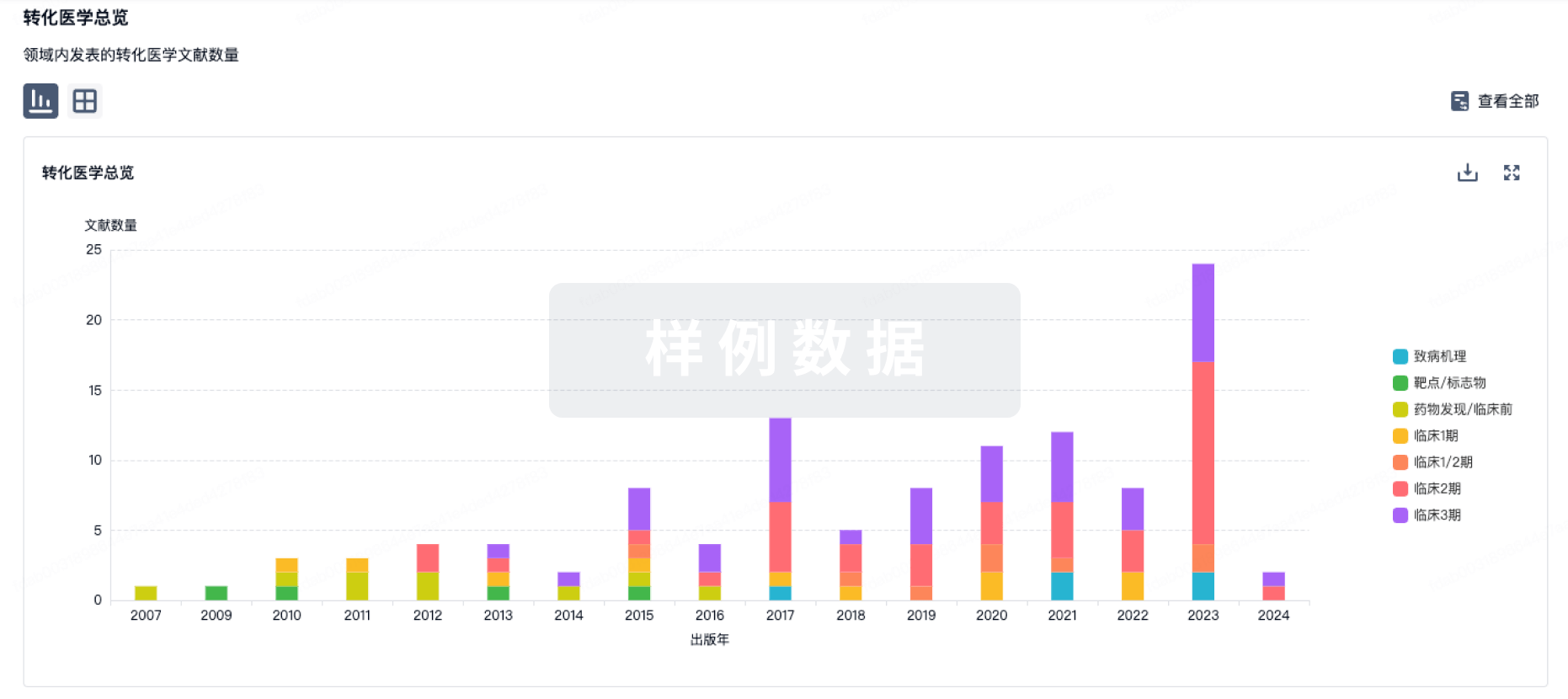
转化医学
使用我们的转化医学数据加速您的研究。
登录
或
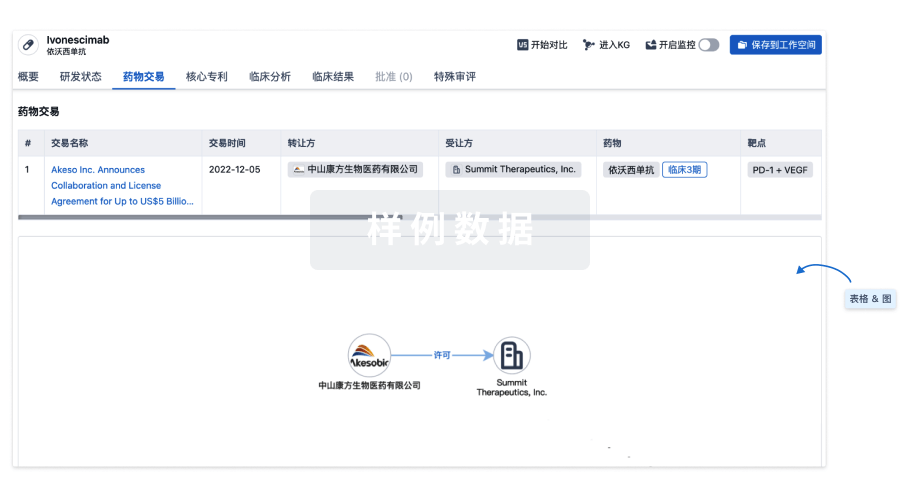
药物交易
使用我们的药物交易数据加速您的研究。
登录
或
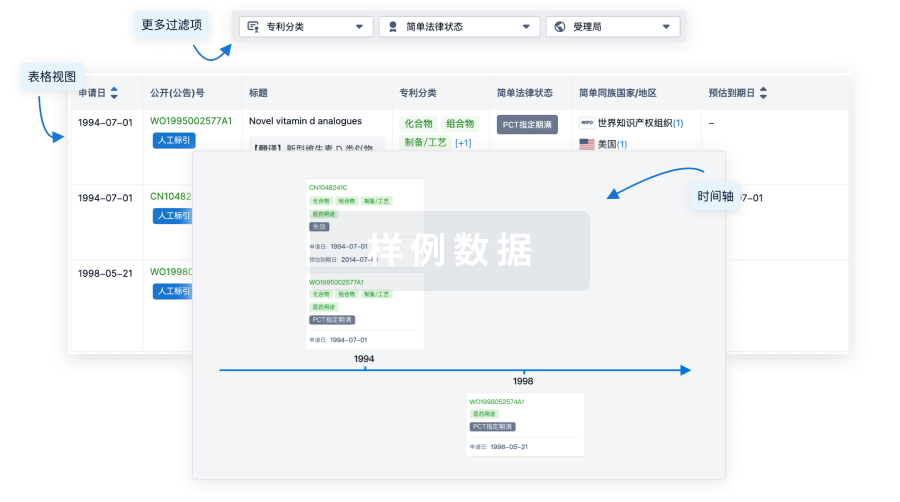
核心专利
使用我们的核心专利数据促进您的研究。
登录
或
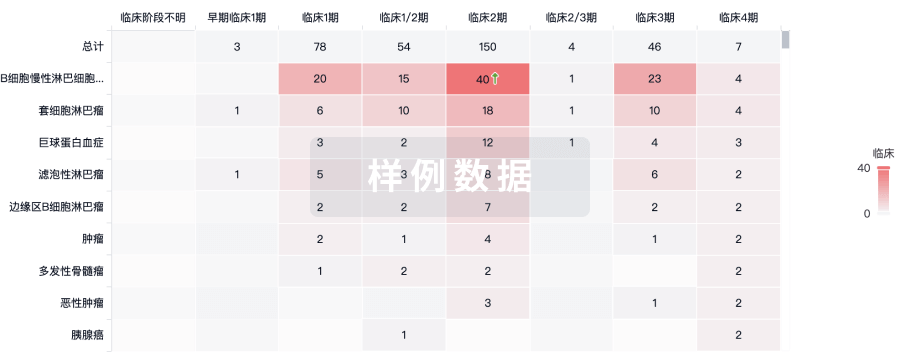
临床分析
紧跟全球注册中心的最新临床试验。
登录
或
批准
利用最新的监管批准信息加速您的研究。
登录
或
特殊审评
只需点击几下即可了解关键药物信息。
登录
或
提出任何生物医药研究问题
让每一步生物医药决策都精准制胜
基于十亿级生物数据与全球情报的精准 AI,赋能早期药物发现
立即开始免费试用!
智慧芽新药情报库是智慧芽专为生命科学人士构建的基于AI的创新药情报平台,助您全方位提升您的研发与决策效率。
立即接入生物医药数据包
智慧芽新药库数据也通过智慧芽开放平台,以MCP或API服务形式对外开放。立即使用我们的MCP服务定制您的LLM智能体。
生物序列数据库
生物药研发创新
免费使用
化学结构数据库
小分子化药研发创新
免费使用