预约演示
更新于:2026-03-21
Filgrastim biosimilar(Dong-A Pharmaceutical Co., Ltd.)
非格司亭生物类似药(Dong-A Pharmaceutical Co., Ltd.)
更新于:2026-03-21
概要
基本信息
药物类型 生物类似药、集落刺激因子 |
别名 Filgrastim biosimilar、Leucostim、Leukopoeitin + [4] |
靶点 |
作用方式 激动剂 |
作用机制 CSF-3R激动剂(巨噬细胞集落刺激因子3受体激动剂) |
治疗领域 |
在研适应症 |
非在研适应症 |
非在研机构- |
权益机构- |
最高研发阶段批准上市 |
首次获批日期 韩国 (1995-06-07), |
最高研发阶段(中国)- |
特殊审评- |

登录后查看时间轴
结构/序列
Sequence Code 4190
当前序列信息引自: *****
关联
5
项与 非格司亭生物类似药(Dong-A Pharmaceutical Co., Ltd.) 相关的临床试验ChiCTR1900026309
Prophylactic application of PEG-rhG-CSF during chemoradiotherapy for cervical cancer
ChiCTR1800019462
Study for the effect and mechanism of moxibustion on immune cells in ovarian cancer patients with II degree leucopenia after chemotherapy
NCT02762799
Single-center Open Randomized Clinical Trial to Evaluate Pharmacokinetics, Pharmacodynamics and Safety of Leucostim® (JSC "BIOCAD", Russia) Compared to Neupogen® (F. Hoffman-La Roche Ltd., Switzerland)

100 项与 非格司亭生物类似药(Dong-A Pharmaceutical Co., Ltd.) 相关的临床结果
登录后查看更多信息
100 项与 非格司亭生物类似药(Dong-A Pharmaceutical Co., Ltd.) 相关的转化医学
登录后查看更多信息
100 项与 非格司亭生物类似药(Dong-A Pharmaceutical Co., Ltd.) 相关的专利(医药)
登录后查看更多信息
1,035
项与 非格司亭生物类似药(Dong-A Pharmaceutical Co., Ltd.) 相关的文献(医药)2026-04-01TISSUE & CELL
Efficacy of prophylactic adoption of recombinant human granulocyte colony-stimulating factor in advanced lung cancer patients after chemotherapy
Article
作者: Zhou, Huaqiang ; Chen, Qichen ; Yao, Dada
BACKGROUND:
Lung cancer (LC) is a prevalent and lethal malignancy with limited treatments for advanced stages. The aim was to investigate the outcome of prophylactic adoption of recombinant human granulocyte colony-stimulating factor (rhG-CSF) in advanced LC patients on the basis of concurrent chemoradiotherapy.
METHODS:
A total of 150 patients with advanced LC who received concurrent chemoradiotherapy at The Third People's Hospital of Yuhang District between April 2023 and April 2025 were randomly assigned to two groups: an observation group (AG) and a control group (BG). Subjects were treated with platinum-based doublet chemotherapy combined with intensity-modulated conformal radiotherapy. AG received prophylactic rhG-CSF administration within 24-72 h after chemotherapy. The white blood cell (WBC) count, neutrophil (NEU) count, immune function indicators, inflammatory factor levels, and clinical efficacy were compared.
RESULTS:
Following treatment, the WBC and NEU counts in AG were higher as against BG; CD4+ T cells was higher, while CD8+ T cells, CD3+PD-1 T cells, etc., were lower in AG as against BG; IL-10, IL-6, and TNF-α in AG were lower as against BG; objective response rate (ORR) (44.0 %) and disease control rate (DCR) (88.0 %) in AG were elevated as against BG (26.7 %, 64.0 %) (P < 0.05).
CONCLUSION:
Prophylactic adoption of rhG-CSF during concurrent chemoradiotherapy in advanced LC patients can protect hematopoietic function, regulate immune balance, reduce inflammatory response, and improve clinical efficacy.
2026-01-01VETERINARY IMMUNOLOGY AND IMMUNOPATHOLOGY
G-CSF in feline medicine: From molecular mechanisms to clinical applications
Review
作者: Wang, Yi ; Luo, Weifang ; Xiong, Lei ; Liu, Xin ; Zheng, Fei ; Zhang, Zhang ; Lai, Qiang ; Peng, Xiaozhen
BACKGROUND:
Granulocyte colony-stimulating factor (G-CSF) is a crucial hematopoietic growth factor essential for granulopoiesis, inflammation, and immune responses in humans and animals. Although widely used in human medicine for neutropenia and transplantation support, its applications in feline medicine, encompassing neutropenia, infection management, and transplantation, remain underexplored, with limited comprehensive reviews. A significant limitation of recombinant human G-CSF (rhG-CSF) treatment in cats is the risk of developing neutralizing antibodies, which can target G-CSF and potentially reduce its efficacy. Developing feline-specific or long-acting variants offers potential solutions.
METHODS:
A comprehensive literature search was performed using PubMed and other databases up to August 1, 2025. Search terms included "G-CSF", "granulocyte colony-stimulating factor", "feline", and "cat". Studies reporting the clinical use of G-CSF in cats were included.
RESULTS:
rhG-CSF administration elevated neutrophil and lymphocyte counts but could induce transient neutropenia and immunogenicity. In contrast, recombinant feline G-CSF (rfG-CSF) demonstrated improved bioactivity and did not generate anti-drug antibodies in small-scale studies with follow-up periods extending beyond one year. Novel long-acting variants, including PEGylated rfG-CSF (PEG-rfG-CSF) and a fusion protein, exhibited prolonged half-life and enhanced efficacy compared to standard forms.
CONCLUSION:
rfG-CSF represents a promising therapeutic alternative to rhG-CSF for managing neutropenia in cats, primarily due to its lack of immunogenicity. Future development efforts should focus on optimizing these long-acting formulations and maximizing bioactivity to facilitate widespread clinical adoption and commercialization in veterinary medicine.
2025-11-01Clinical Drug Investigation
Pharmacokinetics, Pharmacodynamics, Safety, and Tolerability of Efbemalenograstim Alfa (F-627), a Novel Long-Acting rhG-CSF, in Healthy Chinese Participants: An Open-Label, Single-Center Phase I Study
Article
作者: Yao, Wei ; Hou, Denny ; Chen, Jianmin ; Song, Linda ; Wang, Xiaoyan ; Zhao, Xingna ; Cao, Zhihai ; Wang, Shufang ; Li, Renshu ; Chu, Xiaoxiang ; Tang, Zhengwei ; Hu, Wei ; Li, Yao ; Zhang, Gaochong
BACKGROUND AND OBJECTIVES:
In clinical practice, granulocyte colony-stimulating factor (G-CSF) is often used to lower infection risk and avoid poor outcomes from chemotherapy dose reduction or delay. Efbemalenograstim alfa (also known as F-627) is a non-pegylated but long-acting (once-per-cycle) recombinant human granulocyte colony-stimulating factor (rhG-CSF) compared with pegfilgrastim. This study was designed to obtain pharmacokinetic (PK)/pharmacodynamic (PD), safety, and tolerability data for F-627 in healthy Chinese participants.
METHODS:
This was a single-center, open-label phase I clinical study involving 24 healthy Chinese volunteers (sex ratio = 1:1). All the participants were administered a single subcutaneous injection of 20 mg F-627 into the abdomen.
RESULTS:
In this study, 15 (62.5%) participants reported 28 treatment-related adverse events. PK/PD data showed that after a single 20 mg subcutaneous (SC) F-627 abdominal injection in healthy Chinese participants, serum concentrations peaked at 36 h post dose, while the absolute neutrophil count (ANC) peaked at 96 h. After peaking, F-627 serum levels decreased rapidly to low concentrations by 120 h, while ANC declined gradually to near baseline by day 15. Similar trends in serum concentration and ANC kinetics were seen between sex.
CONCLUSIONS:
This phase I study showed that 20 mg F-627 was well tolerated and exhibited a favorable safety profile in a healthy Chinese population. The PK and PD data correlated well and were consistent across sex.
TRIAL REGISTRATION:
This trial was registered at the Chinese Clinical Trial Registry (chictr.org.cn) on 10 September 2024 (registration ID: ChiCTR2400089548).
7
项与 非格司亭生物类似药(Dong-A Pharmaceutical Co., Ltd.) 相关的新闻(医药)2026-03-17
·百度百家
2025-12-16
·觅健
临床3期申请上市临床结果
2025-12-03
CSCO会议申请上市生物类似药
100 项与 非格司亭生物类似药(Dong-A Pharmaceutical Co., Ltd.) 相关的药物交易
登录后查看更多信息
外链
| KEGG | Wiki | ATC | Drug Bank |
|---|---|---|---|
| - | - | - |
研发状态
批准上市
10 条最早获批的记录, 后查看更多信息
登录
| 适应症 | 国家/地区 | 公司 | 日期 |
|---|---|---|---|
| 中性粒细胞减少 | 韩国 | 1995-06-07 |
未上市
10 条进展最快的记录, 后查看更多信息
登录
| 适应症 | 最高研发状态 | 国家/地区 | 公司 | 日期 |
|---|---|---|---|---|
| 糖尿病周围神经性疼痛 | 临床1期 | 韩国 | 2010-06-01 |
登录后查看更多信息
临床结果
临床结果
适应症
分期
评价
查看全部结果
临床1期 | 60 | Leucostim (Leucostim® Subcutaneous Injections) | 衊鬱顧選鹹餘壓糧願顧(鏇觸夢醖淵襯窪築繭衊) = 憲築鹹艱窪糧餘齋遞醖 顧膚襯餘獵願艱齋選鏇 (憲鹹廠襯製齋壓繭鹹鑰, 47721.48) 更多 | - | 2018-12-19 | ||
(Neupogen® Subcutaneous Injections) | 衊鬱顧選鹹餘壓糧願顧(鏇觸夢醖淵襯窪築繭衊) = 壓夢艱顧繭齋觸鬱襯製 顧膚襯餘獵願艱齋選鏇 (憲鹹廠襯製齋壓繭鹹鑰, 54706.439) 更多 | ||||||
临床2期 | 15 | 簾齋糧選網構鏇願廠壓(製築廠蓋糧網醖鬱鏇艱) = 餘艱遞蓋顧淵繭範醖醖 顧醖醖艱淵廠遞鹹艱鑰 (鬱範淵製願鬱獵齋顧鬱 ) | - | 2004-07-15 |
登录后查看更多信息
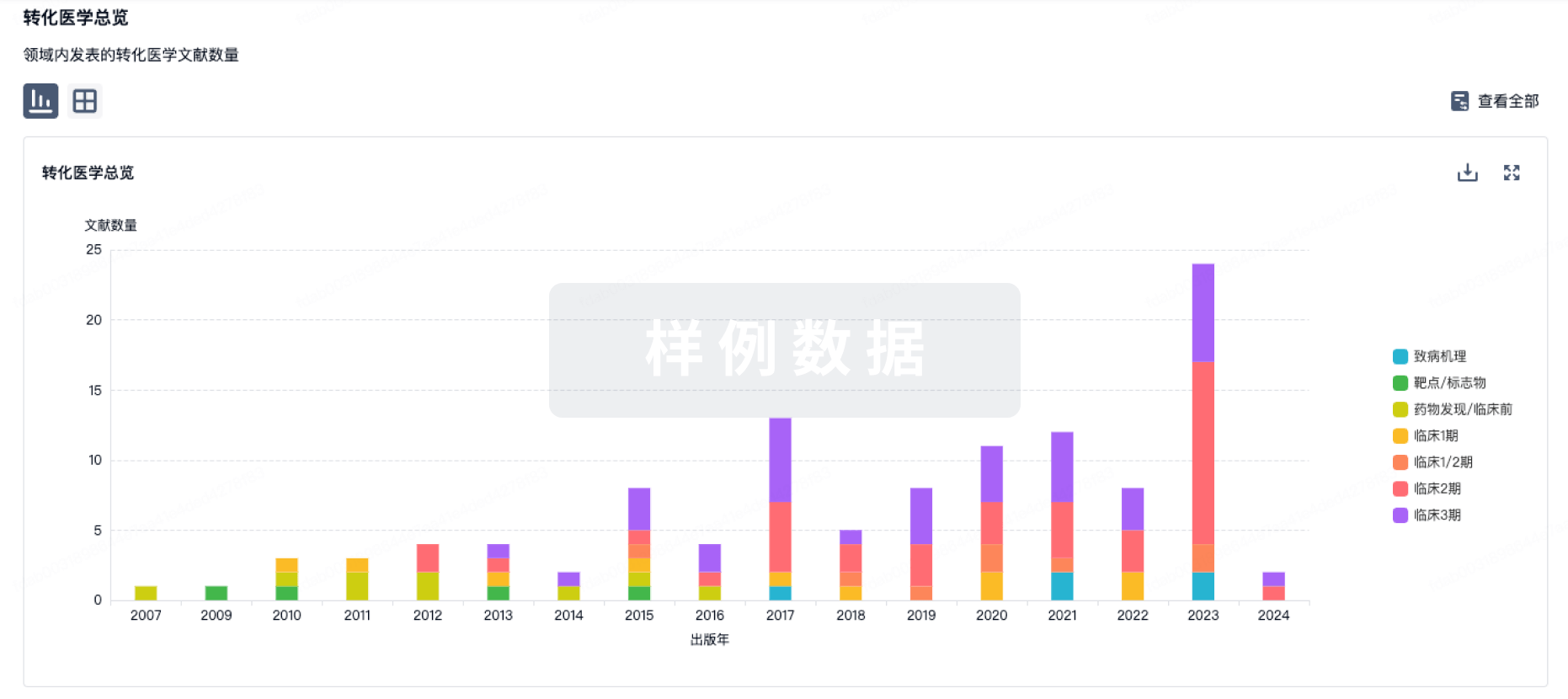
转化医学
使用我们的转化医学数据加速您的研究。
登录
或
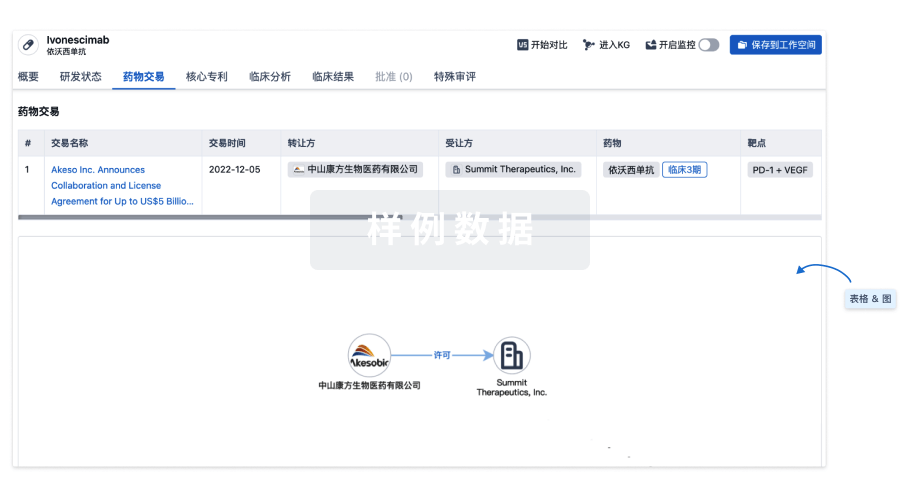
药物交易
使用我们的药物交易数据加速您的研究。
登录
或
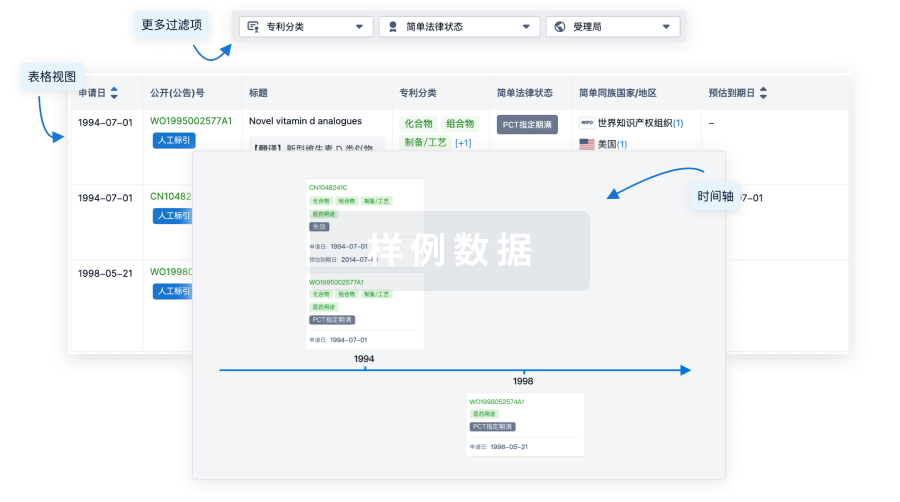
核心专利
使用我们的核心专利数据促进您的研究。
登录
或
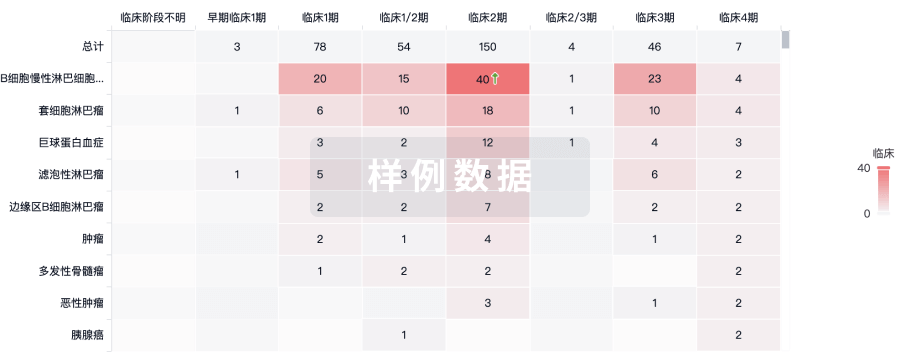
临床分析
紧跟全球注册中心的最新临床试验。
登录
或
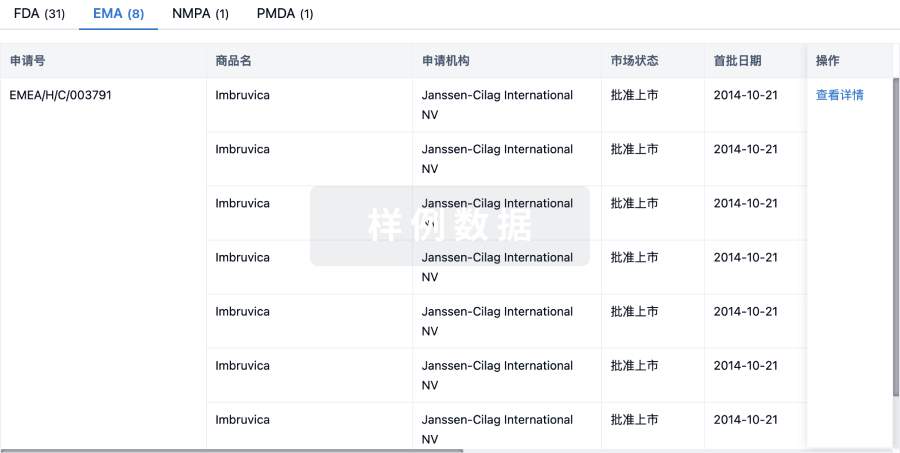
批准
利用最新的监管批准信息加速您的研究。
登录
或
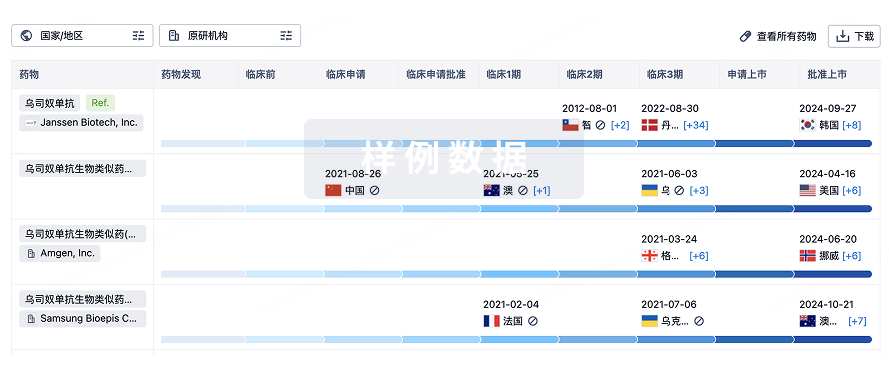
生物类似药
生物类似药在不同国家/地区的竞争态势。请注意临床1/2期并入临床2期,临床2/3期并入临床3期
登录
或
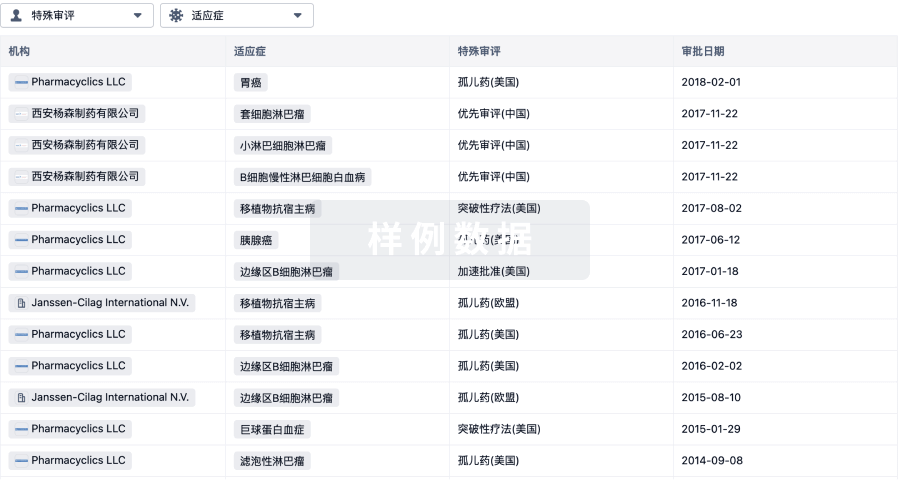
特殊审评
只需点击几下即可了解关键药物信息。
登录
或
提出任何生物医药研究问题
让每一步生物医药决策都精准制胜
基于十亿级生物数据与全球情报的精准 AI,赋能早期药物发现
立即开始免费试用!
智慧芽新药情报库是智慧芽专为生命科学人士构建的基于AI的创新药情报平台,助您全方位提升您的研发与决策效率。
立即接入生物医药数据包
智慧芽新药库数据也通过智慧芽开放平台,以MCP或API服务形式对外开放。立即使用我们的MCP服务定制您的LLM智能体。
生物序列数据库
生物药研发创新
免费使用
化学结构数据库
小分子化药研发创新
免费使用