预约演示
更新于:2026-02-27
HB-0036
更新于:2026-02-27
概要
基本信息
原研机构 |
非在研机构- |
权益机构- |
最高研发阶段临床1/2期 |
首次获批日期- |
最高研发阶段(中国)临床1/2期 |
特殊审评- |

登录后查看时间轴
关联
2
项与 HB-0036 相关的临床试验NCT05417321
A Phase I/II, Open-label, Multicenter Study to Evaluate the Safety, Pharmacokinetics, Pharmacodynamics, and Efficacy of HB0036 in Subjects With Advanced Solid Tumors
It is a Phase I/II, Open-label, Multicenter Study to Evaluate the Safety, Pharmacokinetics, Pharmacodynamics, and Efficacy of HB0036 in Subjects with Advanced Solid Tumors
开始日期2022-08-25 |
申办/合作机构 |
CTR20223172
一项评估 HB0036 治疗晚期实体肿瘤受试者的安全性、耐受性、药代动力学特征以及初步疗效的开放性、多中心 I/II 期临床研究
评估HB0036在局部晚期或转移性实体肿瘤受试者的安全性和耐受性。并探索最大耐受剂量(MTD)及和/或最佳生物剂量(OBD)/或II期临床研究推荐剂量。
开始日期- |
申办/合作机构  上海华奥泰生物药业股份有限公司 上海华奥泰生物药业股份有限公司 [+1] |
100 项与 HB-0036 相关的临床结果
登录后查看更多信息
100 项与 HB-0036 相关的转化医学
登录后查看更多信息
100 项与 HB-0036 相关的专利(医药)
登录后查看更多信息
2
项与 HB-0036 相关的文献(医药)1995-07-03·Proceedings of the National Academy of Sciences of the United States of America1区 · 综合性期刊
Staphylococcal enterotoxins bind H-2Db molecules on macrophages.
1区 · 综合性期刊
Article
作者: Chapes, S K ; Beharka, A A ; Iandolo, J J
We screened a panel of monoclonal antibodies against selected macrophage cell surface molecules for their ability to inhibit enterotoxin binding to major histocompatibility complex class II-negative C2D (H-2b) macrophages. Two monoclonal antibodies, HB36 and TIB126, that are specific for the alpha 2 domain of major histocompatibility complex class I, blocked staphylococcal enterotoxins A and B (SEA and SEB, respectively) binding to C2D macrophages in a specific and concentration-dependent manner. Inhibitory activities were haplotype-specific in that SEA and SEB binding to H-2k or H-2d macrophages was not inhibited by either monoclonal antibody. HB36, but not TIB126, inhibited enterotoxin-induced secretion of cytokines by H-2b macrophages. Lastly, passive protection of D-galactosamine-sensitized C2D mice by injection with HB36 antibody prevented SEB-induced death. Therefore, SEA and SEB binding to the alpha 2 domain of the H-2Db molecule induces biological activity and has physiological consequences.
Frontiers in Immunology
Enhancing anti-tumor immunity through co-blocking PD-L1 and TIGIT by facilitating tumor-directed responses and additional VEGF inhibition
Article
作者: Ren, Xiaochen ; Xia, Simin ; Chen, Li ; Zhang, Lei ; Zhan, Yifan ; Cui, Xiaopei ; Yu, Haijia ; Fei, Liyang ; Li, Mingwei ; Xu, Jingen ; Chen, Shi ; Jia, Huifeng ; Zhu, Xi ; Li, Xue ; Li, Haidong ; Cheng, Yong ; Wei, Xiaoyue ; Xie, Bin ; Zhu, Xiangyang ; Chen, Xiaofang ; Feng, Yujie ; Wang, Yangtin
Combination therapy targeting the PD-1/PD-L1 and TIGIT pathways has been explored to enhance the efficacy of current immunotherapies. In this study, we investigated strategies to further potentiate the co-blockade of PD-L1 and TIGIT for cancer immunotherapy. Firstly, we demonstrated that the bispecific antibody (HB0036) for PD-L1 and TIGIT co-blockade induced a greater T-cell proliferative response
in vitro
compared to the combined administration of the parental antibodies. This response was associated with CD226 upregulation and PD-1 downregulation. HB0036 significantly enriched the TIGIT antibody at PD-L1
+
tumors and achieved improved tumor control with favorable immunological characteristics in both syngeneic and xenograft tumor models. Secondly, we showed that tumor control by co-targeting PD-L1 and TIGIT can be further enhanced by additionally blocking VEGF, a key player in tumorigenesis and tumor angiogenesis, in preclinical studies. Lastly, considering the heterogeneity of tumors, we analyzed how the expression patterns of PD-L1 and CD155 influence T cell responses. We also examined the spatial distribution of PD-L1 and CD155, along with related immunological parameters from patient samples, to assess the potential of PD-L1 and TIGIT co-blockade in diverse tumor contexts.
14
项与 HB-0036 相关的新闻(医药)2026-02-20
·药创新
下一代肿瘤“药王”争夺战打响!
撰文丨粽哥2025
下一代肿瘤“药王”,极有可能诞生于PD-(L)1+X领域。
以K药为代表的PD-1单抗,开启了一代IO(肿瘤免疫)治疗时代,但却存在耐药和冷肿瘤缺乏应答的问题。这些临床痛点,催生了在PD-1基础上进阶的PD-(L)1+X药物,并凭借多靶点结合提升疗效、降低毒性、拓展适用人群等优势,开启了二代IO时代。
巨大的潜力让二代IO药物迅速成为市场焦点,其中热门研发方向之一的PD-(L)1/VEGF双抗掀起了BD交易热潮,吸引MNC巨头纷纷下注。而且,浪潮还扩大至PD-1/IL-2双抗、PD-1/4-1BB双抗、PD-1/CTLA-4双抗等各类二代IO药物。
本文将从技术机理与临床进展入手,全面剖析各类PD-(L)1+X管线的核心价值与市场前景。
PD-(L)1/VEGF双抗“诸侯争霸”正酣
二代IO药物整体可分为三大类:“免疫逃逸抑制+抗血管生成”,主要以PD-1+VEGF类为代表;“免疫逃逸抑制+免疫激动”,主要以PD-1+IL-2/IL-15/4-1BB类为代表;“多免疫逃逸抑制”,主要以PD-1+TIGIT类为代表。其中,PD-(L)1/VEGF双抗是二代IO赛道的重点方向。
此前,“免疫逃逸抑制+抗血管生成”策略曾遭遇挫折,PD-1单药+VEGF类单抗的较多临床试验不达预期。但后续研究发现,PD-1类药物与VEGF类药物同时给药能达到较佳效果,推动了双抗类药物的研发。
最具代表性的是康方生物的全球首创PD-1/VEGF双抗AK112(依沃西单抗),其不仅成为全球首个获批的“肿瘤免疫+抗血管生成”协同抗肿瘤机制的双抗新药,还与Summit达成对外授权交易,开创了PD-(L)1/VEGF双抗的BD先河。
尤其随着AK112在一线治疗非小细胞肺癌(NSCLC)的国内头对头试验中击败K药(帕博利珠单抗),PD-(L)1/VEGF双抗领域掀起了BD交易热潮:包括Instil Bio引进宜明昂科IMM2510、默沙东引进礼新医药LM-299、百时美施贵宝(BMS)与BioNTech合作开发拿下普米斯生物PM8002、辉瑞重金引进三生制药SSGJ-707。
可以看到,PD-(L)1/VEGF双抗市场格局已经非常清晰:MNC巨头(BMS、辉瑞等)凭借其强大的临床开发与商业化能力,有望占据显著市场优势,别的Biotech较难撼动现有竞争态势。
毕竟,除了上述已达成BD交易的5款管线,国内还有超过10款PD-(L)1/VEGF双抗及三抗管线已进入临床阶段,包括君实生物JS207、荣昌生物RC148、神州细胞SCTB14、华海药业HB0025,以及基石药业CS2009(PD-1/VEGF-A/CTLA4三抗)、嘉和生物GB268(PD-1/VEGF/CTLA4三抗)、普米斯生物PM8003(PD-L1/VEGF/TGF-β三抗)等,未来可能还会继续落地BD交易。
在行业竞争日趋激烈的背景下,Summit由于尚未建立商业化能力,因此市场传闻它正在积极寻求买家。至今尚未入局PD-(L)1/VEGF双抗赛道的MNC巨头,如阿斯利康、艾伯维、强生、罗氏被业内认为有望成为其交易谈判对象。究竟谁能与Summit成功携手,且待时间给出答案。
二代IO药物时代来临
“PD-1+免疫激活”策略,也是二代IO药物的热门研发方向,主要以PD-1/IL-2双抗、PD-1/IL-15双抗、PD-L1/4-1BB双抗为代表。
以IL-2类为代表的细胞因子类药物,在激活肿瘤免疫中起到重要作用,但存在一定缺陷(患者出现IO相关的副作用,治疗窗较窄)。例如,第一代IL-2类药物存在半衰期短、毒性强等不足,第二代IL-2类药物虽然提升了产品半衰期,但毒性依旧存在。
直到信达生物的FIC药物IBI363横空出世,成为全球首创PD-1/IL-2α-bias双抗融合蛋白,具备激活肿瘤免疫的能力和良好安全性,在IO耐药以及IO冷肿瘤中展现出色疗效,成为二代IO潜在领军者之一。
IBI363已在PD-1耐药后的肺癌,后线黑色素瘤、后线结直肠癌症中显示出良好的疗效及安全性,目前正在开展单药一线治疗黑色素瘤头对头对比K药的关键注册研究,标志着中国自研的创新IO疗法向攻克“冷肿瘤”全球治疗难题迈出关键一步。
当前全球在研的PD-1/IL-2双抗管线不多,IBI363进度最快,其余管线多处于临床早期阶段,包括再生元REGN10597、恒瑞医药SHR-5495、君实生物/Anwita的AWT020等。
图片来源:太平洋证券研报
IL-15与IL-2整体生物学活性相似,在体内起到相似的免疫激活功能。而PD-1/IL-15类药物的设计有望在肿瘤微环境中起到两重作用,不仅能抑制肿瘤逃逸路径,还能通过激活NK细胞和T细胞来改善肿瘤耐药以及“冷肿瘤”问题,有望改善单一IL-15类药物的半衰期,作用时间更长。
目前,全球在研的PD-1/IL-15双抗管线不多且均处于临床早期阶段,包括盛禾生物IAP0971、赛诺菲SAR445877、奥赛康ASKG915、先声药业SIM0237、百奥泰BAT7205等。
临床上,T细胞耗竭现象是导致免疫检查点获得性耐药的关键机制。而研究表明,通过激活4-1BB途径,可以有效地逆转T细胞耗竭状态。将PD-L1(作为免疫检查点和肿瘤相关抗原TAA)与4-1BB结合形成双抗,能在免疫激活的同时避免毒性问题。
同时靶向PD-L1及4-1BB的双抗具有减轻免疫抑制及诱导免疫细胞激活的互补作用机制,不仅可有效解决PD-(L)1单药存在的缓解率不高以及长期使用的耐药局限性,而且能使肿瘤细胞结合依赖性T细胞激活,以避免肝脏脱靶毒性。
当前,PD-L1/4-1BB双抗研发如火如荼,全球已有超过10款管线进入临床阶段,其中Genmab的Acasunlimab(GEN1046)已处于III期临床,维立志博的LBL-024和齐鲁制药的QLF31907处于II期注册临床,其余还有百奥泰BAT7111、BioNTech/普米斯生物的PM1003、安科生物HK010、德琪医药ATG-101、科伦博泰SKB337、天境生物/ABL Bio的Ragistomig/ABL-503等。
LBL-024为全球首款已处于单臂关键性临床阶段的靶向共刺激受体4-1BB的分子,有望成为治疗肺外神经内分泌癌(EP-NEC)的首款获批药物。在2025年ASCO年会上,维立志博口头汇报了LBL-024一线治疗晚期EP-NEC的多中心、Ib/II期临床研究数据。
更重要的是,LBL-024具有较PD-(L)1抑制剂更强的广谱癌症治疗潜力,除了EP-NEC,还有望用于小细胞肺癌、胆道癌、卵巢癌、NSCLC等大癌种。
图片来源:太平洋证券研报
PD-1/TIGIT双抗能否打破魔咒?
相比于前两种策略,“PD-1+免疫逃逸抑制”策略的探索之路颇为坎坷。
TIGIT是经典免疫逃逸靶点,在多种淋巴细胞上表达,被认为是“下一个PD-1”。然而,无论TIGIT单药还是联合疗法,在临床试验中频频遭遇失败,其中不乏罗氏Tiragolumab、GSK的EOS-448等被寄予厚望的TIGIT单抗。
不过,PD-1/TIGIT双抗或有望打破TIGIT“难以成药”的魔咒。
TIGIT和PD-1表达之间存在很强的相关性,特别是在肺癌的肿瘤浸润T细胞中。临床前研究表明,阻断TIGIT和PD-(L)1可协同增强抗肿瘤免疫反应并延长生存期,表明抗TIGIT与抗PD-(L)1疗法具有协同效益。
在PD-1/TIGIT双抗领域,目前研发进展最快的是阿斯利康Rivegostomig(AZD2936),已启动10项III期研究,涵盖肺癌、胆道癌、肝癌、胃癌等。
泽璟制药ZG005是国产管线中进展最快的,已启动多项单药以及联合用药临床试验,包括联合化疗与联合靶向药,覆盖适应证为宫颈癌、小细胞肺癌、肝细胞癌、IO耐药肺癌等,最高研发阶段在II期。
另外,已进入临床阶段的PD-(L)1/TIGIT双抗,还有华海药业HB0036、复宏汉霖HLX301、REMD/步长制药的BC008-1A、普米斯生物PM1022等。
值得一提的是,康方生物已获批上市的全球首款PD-1/CTLA-4双抗卡度尼利单抗,也属于“多免疫逃逸抑制”策略。
从竞争情况看,已处于临床II期及以上阶段的PD-1/CTLA-4双抗,还有康宁杰瑞KN046、阿斯利康Volrustomig(MEDI572)、Xencor(与安进合作)的XmAb20717、百利天恒SI-B003(Danvilostomig)。
下一代IO疗法层出不穷
值得关注的二代IO药物,还有PD-(L)1/TGF-β双抗。
TGF-β是导致肿瘤微环境免疫抑制和PD-1耐药的关键因素之一,由此成为二代IO药物的热门研发方向。目前,全球已有十几款PD-(L)1/TGF-β双抗进入临床阶段,恒瑞医药的瑞拉芙普-α(SHR-1701)进展最快,已经向NMPA提交一线治疗胃癌的上市申请,有望成为全球首款PD-L1/TGF-βRII双功能融合蛋白。
其他同类产品中,默克的M7824(Bintrafusp alfa)因肺癌、胆管癌III期失败,终止与GSK的合作开发;中国生物制药子公司正大天晴的TQB2868,正在开展联合安罗替尼和化疗用于转移性胰腺导管腺癌(mPDAC)的III期注册临床试验,有望成为免疫检查点抑制剂在胰腺癌的首个一线治疗方案。
图片来源:招银国际证券研报
另外,达成过大额BD交易的PD-(L)1/SIRPα双抗领域,也十分值得关注。
2023年12月,科望医药以总交易额超17亿美元将ES019授权给安斯泰来。ES019是基于科望医药自研的双抗巨噬细胞衔接器(BiME)开发出的一款针对实体瘤的新型PD-L1/SIRPα双抗,目前尚处于临床前研究阶段。
值得一提的是,不少药企在二代IO疗法上进一步升级迭代,前瞻性布局了各类PD-(L)1三抗。
开源证券研报显示,截至2025年8月,全球共有32款处于临床及临床前PD-(L)1三抗,其中16款为PD-(L)1/VEGF三抗药物;在多种PD-(L)1/VEGF三抗中,PD-(L)1/VEGF/TGFβ三抗及PD-(L)1/VEGF/CTLA-4三抗是最早进入临床阶段的两大类型。
PD-(L)1/VEGF/TGFβ三抗中,已进入临床阶段的有华东医药/道尔生物的DR30206、普米斯生物PM8003、神州细胞SCTB41;PD-1/VEGF/CTLA-4三抗领域,已进入临床阶段的有基石药业CS2009、嘉和生物GB268、宏成药业HC010。
基石药业公告表示,CS2009在所有已评估的剂量水平上展现出良好的耐受性,并且已在低剂量组的“冷肿瘤”及PD-(L)1经治患者中观察到抗肿瘤活性。此外,CS2009疾病覆盖广泛,包括NSCLC、卵巢癌、肾细胞癌、宫颈癌、肝细胞癌、胃癌、小细胞肺癌等,蕴含较大市场潜力。
基石药业的CS2009已于2025年10月在ESMO年会公布Ia期临床数据,并于2025年9月启动II期临床试验。
结语
二代IO药物的崛起,根本在于药物机制的革新。层出不穷的下一代IO疗法可能预示着:下一代肿瘤“药王”极有希望从此领域中诞生。
展望未来,二代IO药物或将重塑肿瘤治疗格局。
END
往期精彩内容
虚拟细胞:AI掀起生物制药的“超级风暴”
三阴性乳腺癌治疗升级:双抗、ADC能否改写抗癌命运?
乙肝治疗创新浪潮迭起,“功能性治愈”开启在望?
免疫疗法申请上市临床结果
2026-02-06
·懒羊明
重磅:PD-L1/VEGF展现出“超越性的临床数据”111 亿美元购入药物!BioNTech/BMS 首次披露 PD-L1xVEGF 双抗全球Ⅱ期数据
在本周举行的2025年世界肺癌大会(WCLC)上,BioNTech联合BMS发布其PD-L1 × VEGF双特异性抗体候选药物pumitamig(BNT327)的全球Ⅱ期研究中期结果,涉及初治广泛期小细胞肺癌(ES-SCLC)患者,数据显示抗肿瘤效果显著、安全性良好。最新数据与此前中国获得数据成果保持一致,为推进Ⅲ期试验提供了有力支持。
临床结果显示,截至2025年8月7日数据截止点,在43名接受安全性评估的患者中,38名可评估患者的确认总缓解率(cORR)达到76.3%,疾病控制率(DCR)为100%。不同剂量组的数据存在一定差异:20 mg/kg组的cORR高达85%,而30 mg/kg组为66.7%;但在无进展生存期(PFS)上,高剂量组更优(7个月 vs 6.3个月)。总体PFS为6.8个月,中位总生存期(OS)尚未成熟。
安全性方面,未发现除化疗、PD-(L)1抑制剂或抗VEGF类药物已知不良反应以外的新安全信号。在安全性评估中,20 mg/kg组出现一例3级以上血痰不良事件,30 mg/kg组出现五例,包括高血压、血小板计数下降、咯血、蛋白尿和肺栓塞,停药率为14%,且未发生治疗相关死亡。
Türeci 指出,结果“令人兴奋且引人注目”,其疗效并不逊色于目前基于免疫疗法的标准方案,并承认随访时间仍然很短。对比现有治疗格局,pumitamig展现出了突出的潜力。当前的一线标准治疗为罗氏Tecentriq(atezolizumab)联合化疗,该方案基于2019年IMpower133Ⅲ期研究的结果获批。其ORR为60%、DoR为4.2个月、中位PFS为5.2个月。相比之下,pumitamig的中期结果在疗效上具备明显优势,有望成为下一代免疫治疗骨干药物。
值得注意的是,pumitamig 的疗效结果与今年 3 月在欧洲肺癌大会(ELCC)上公布的中国Ⅱ期研究高度一致。该研究在 30 mg/kg 剂量组中取得了 85.4% 的客观缓解率(ORR)和 6.9 个月的无进展生存期(PFS)。BioNTech 首席医疗官 Özlem Türeci 博士表示,这一“高度一致”的全球数据,再次印证了早期中国研究的可靠性。BMS 项目负责人 Bryan Campbell 也指出,最新数据与中国读数保持一致,为推进Ⅲ期试验提供了有力支持。
目前,全球关键性Ⅲ期临床试验 ROSETTA LUNG-01 正在进行,重点评估固定剂量(等效于 20 mg/kg)的 pumitamig 联合化疗,与现行一线标准方案 Tecentriq 联合化疗直接对比,以进一步验证其临床价值。
BioNTech 通过收购中国企业普米斯生物拿下了 BNT327 的全球完整权益。今年 6 月,公司又与百时美施贵宝(BMS)达成战略合作,对方先期支付 15 亿美元,同时整体合作价值最高可达 111 亿美元。这笔交易不仅体现了 pumitamig 在肿瘤免疫治疗领域的潜力,也为它后续的临床推进提供了充足的资金和资源支持。
华海药业旗下子公司华奥泰生物同样是跟普米斯一样的PD-L1/VEGF双抗,此前已经公开了全球首个PD-L1/VEGF,HB0025联合化疗(卡铂+紫杉醇)一线治疗局部晚期、转移性或复发性子宫内膜癌,二期临床数据公示。 疗效显著,客观缓解率ORR高达86.7%、疾病控制率100%,6个月无进展生存率PFS高达96.3%,安全性可控,无治疗相关死亡,常见不良事件可管理。且无论错配修复状态(MMR)如何均展现优异疗效。 当前正在推进Ⅲ期试验,针对OS,可能直接头对头K药帕珀利珠单抗以及T药德曲妥珠单抗,有望为子宫内膜癌一线治疗提供全新选择。
HB0025 联合化疗一线治疗晚期非小细胞肺癌(NSCLC)II 期研究,凭借优异的研究数据成功入选CSCO年会的口头报告,将在此次会议上首次正式对外重磅发布针对鳞状NSCLC及非鳞状NSCLC的疗效与安全性数据。
Leading PI(牵头研究者)周彩存团队,同济大学医学院肿瘤研究所所长、附属东方医院肿瘤科主任。
拭目以待,普米斯跟华奥泰生物的临床大PK。
盘后到处是利好!
中国临床肿瘤学会(CSCO)2025 年会将于9月11日-14日首次移师山东济南。
届时,华奥泰生物(华海药业子公司)将以1场口头报告、1个壁报:展示全球首创抗 PD-L1/VEGF 融合蛋白 HB0025 的最新临床进展和成果。华奥泰将在2025年内启动针对子宫内膜癌和非小细胞肺癌的三期临床试验。
02
核心亮点
【口头汇报】HB0025 联合化疗一线治疗晚期非小细胞肺癌(NSCLC)II 期研究,凭借优异的研究数据成功入选口头报告,将在此次会议上首次正式对外重磅发布针对鳞状NSCLC及非鳞状NSCLC的疗效与安全性数据。
Leading PI(牵头研究者)周彩存教授,同济大学医学院肿瘤研究所所长、附属东方医院肿瘤科主任。
临床数据绝对炸裂!
不然不可能会入选口头汇报,要知道去年的康方生物的数据普米斯的数据都是来自周彩存团队的研究!
HARMONi研究显示Ivonescimab联合化疗在EGFR突变耐药NSCLC中带来PFS显著改善,但OS未达显著,且疗效可能主要源于VEGF阻断而非PD-1抑制,PD-L1恰恰属于差异区间。细节差异还是在特定人群或治疗线次中可能略有不同。亚洲患者对VEGF抑制剂反应更好,非亚洲患者获益有限。• 一线治疗中:研究提示 PD-1抑制剂可能带来更长的PFS,但OS仍无显著差异。• 无骨转移患者中:PD-L1抑制剂可能带来更好的OS获益(HR = 1.893,P = 0.044)。• 安全性方面:PD-L1 抑制剂在某些研究中显示出 更低的免疫相关不良反应(irAEs)发生率,但总体 AE 发生率相似。这么看,PD10-1/VEGF方案可能成为治疗选择之一,但并非突破性进展,需结合患者背景谨慎使用,而PD-L1/VEGF的OS潜力尚未被彻底激活。华海药业:PD-L1/VEGF双抗全球首个子宫内膜癌二期临床数据展示
近日,在2025年第28届临床肿瘤学会CSCO上,全球首个PD-L1/VEGF,来自上海华奥泰生物的HB0025联合化疗(卡铂+紫杉醇)一线治疗局部晚期、转移性或复发性子宫内膜癌,二期临床数据得以公示。
临床显示HB0025疗效显著,客观缓解率ORR高达86.7%、疾病控制率100%,6个月无进展生存率PFS高达96.3%,安全性可控,无治疗相关死亡,常见不良事件可管理。且无论错配修复状态(MMR)如何均展现优异疗效。
当前正在推进Ⅲ期试验,针对OS三期临床设计上,一定会十分考究,可能直接头对头K药帕珀利珠单抗以及未来直接跟T药德曲妥珠单抗直接对抗,并有望为子宫内膜癌一线治疗提供全新选择。
2025年美国临床肿瘤学会(ASCO)年会上,华奥泰公布了HB0025联合化疗(紫杉醇+卡铂)用于一线治疗晚期或复发性子宫内膜癌的II期临床研究数据,结果非常出色:客观缓解率(ORR):在51例可评估患者中,ORR高达84.3%,疾病控制率(DCR)达到了100%。此次60例可评估患者中,ORR提升到86.7%人群覆盖:不仅在dMMR人群中ORR达到100%,在占大多数的pMMR人群中,ORR也达到了85.4%。
数据可以说是十分炸裂!
随后,9月11日,周彩存教授研究团队将在此次年会上为华奥泰生物的双抗药物站台,公布重要的NSCLC二期临床数据。这也是业内极为关注的又一个重磅管线。
作为BD前哨站,华奥泰生物近期动作频频,接下来还将再次远赴欧洲参加十月下旬举办的ESMO年会,继续展示HB0025优异的临床数据,我们拭目以待!
华奥泰生物是继康方生物和三生制药后最为被看好的BD中军。作为有能力把第一个适应症推上市,其实BD只是小菜一碟了,公司自身有资金加持,或者说完全不需要任何BD。只是瞄准BD,如今显得本末倒置,鼠目寸光。
这里是星辰大海,只买不卖,第一阶段目标33.06解放可转债,下一阶段目标42.68天空无尽头!9月BD落地,千亿市值起!
PD-L1/VEGF华奥泰生物HB0254月数据:sqNSCLC_82.9%,PD-L1阴性ORR87.5%;(联用化疗,40例患者,ASCO不披露是因为数据不成熟,随访期短);NSCLC分sq和nsq,入组80人,剂量有10mg20mg2个,3期临床会用20mg。20mg疗评40人,整体ORR在80-83%,中位观察期4个月;ORR一直会变(SD会变成PR),公司表示会在ESMO公布数据。其中华海的整体ORR在80-83%(40例),对比康方的sqNSCLC的ORR=71.4%(63例)、nsqNSCLC的ORR=54.2%,对比三生的sgNSCLC的ORR=54.5%(12/22),nsgNSCLCORR=75%(9/12)。8月数据:HB0025联合化疗一线治疗晚期非小细胞肺癌(NSCLC)的二期临床数据尚未完全正式对外公布,但已有部分信息披露。据了解,该二期研究入组了80例患者,包括鳞状NSCLC和非鳞状NSCLC,剂量有10mg和20mg两种,其中20mg剂量组评估了40人,整体客观缓解率(ORR)在80%-83%,中位观察期为4个月。在PD-L1阴性患者中,ORR高达87.5%。此外,HB0025联合化疗一线治疗NSCLC的≥3级治疗相关不良事件(TRAE)发生率较低,为8.9%。纵向对比,高于康方和三生制药,绝对的BIC。其实,从5月20日开始市场已经在交易HB0025肺癌数据了,一切都是奔着该数据来的。
昨天华创证券的电话会议上,华海药业主动公开的HB0056正在对外BD
今日,该款全球FIC创新药就迎来了临床新进展
华奥泰生物公布:【全球创新双抗HB0056(TSLP/IL-11双特异性抗体)完成哮喘适应症首例受试者入组给药】
2024年1月华奥泰生物在新西兰申报了临床,25年1月在美国FDA申报了一期临床,紧接着7月在国内申报了临床,此次首日达成患者入组,积极推进,计划明年完成2期临床。
中国药企在呼吸领域的BD活力早已显现,根据医药魔方统计:TSLP靶点已诞生8项许可交易,总金额达31亿美元。其中,恒瑞关联方在美国成立One Bio公司(后更名Aiolos Bio)→ 2023年8月以2500万美元首付+10.25亿里程碑款获得恒瑞TSLP单抗SHR-1905(代号AIO-001)海外权益。One Bio公司凭借这一款TSLP药物,2024年1月被GSK以14亿美元收购(10亿首付+4亿里程碑),这样恒瑞间接实现资产增值。TSLP靶点逐渐被MNC认知。
而在IL-11领域,今年6月,迈威生物9MW3811IL-11单抗授权给了Calico Life Sciences(Alphabet旗下)公司,对价$5.96亿美金,这也是IL-11领域最大BD。
华奥泰生物自主研发的全球首个靶向TSLP/IL-11人源化双特异性抗体HB0056今日完成哮喘适应症首例受试者给药。
哮喘是全球范围内最常见的慢性疾病之一,全球哮喘患者达3.58亿。我国哮喘的未控制率高达55.1%,病死率为36.7人/万人,远远超过世界平均水平。预计华奥泰生物TSLP/IL-11对外授权的总里程碑超过15亿美金以上。
关于HB0056
HB0056是以抗TSLP人源化单克隆抗体为亲本抗体,在N端连接抗IL-11单链纳米抗体的双特异性抗体,能高特异性地靶向TSLP和IL-11这两个靶点。研究表明,TSLP在多种炎症性皮肤病及呼吸系统疾病的发病中发挥重要作用。IL-11是一种具有多效性的细胞因子,参与多种自免疾病及肿瘤的发生和发展。TSLP和IL-11均以不同的机制参与诱导Th2反应、气道炎症和哮喘的发病机制,两者可以互补作用来影响该疾病。同时阻断TSLP和IL-11通路可以为哮喘患者提供更好的疗效,特别是对于那些在不受控制的炎症后发生气道重塑和纤维化的患者。
市场竞争情况
目前尚无同时靶向TSLP和IL-11这两条信号通路的药物上市。由阿斯利康与安进联合开发的Tezspire(Tezepelumab)为靶向TSLP的单克隆抗体药物,已被FDA和欧盟批准作为一种附加维持疗法,用于治疗12岁及以上严重哮喘儿童和成年患者。
关于华奥泰
华奥泰生物系华海药业子公司,是一家以自主研发为主、着眼于全球的生物新药研发企业。专注于肿瘤和自身免疫疾病等领域生物新药的研发。目前已有12个项目在临床阶段:包括已经完成关键临床试验且所有终点达成的,国内首家自研治疗泛发性脓疱型银屑病的IL-36R单抗;和目前临床II期研究已经在子宫内膜癌、非小细胞肺癌等多个肿瘤疾病中观测到积极信号的PD-L1/VEGF双抗;首个具有双重杀伤作用并针对难治性肿瘤的CD73-ADC;全球首款靶向IL-17A与IL-36R的双抗等核心项目。
华奥泰目前正在积极寻找国内外合作伙伴,共同推进,合作开发,期待为全球市场提供高质量、高水平的生物药,满足广大患者对具备安全性、有效性、可及性和可负担性生物创新药的需求,致力于用创新改变世界!
2024年欧洲ASCO年会上,上海市东方医院 肿瘤科主任主任医师 教授 博士生导师、同济大学医学院肿瘤研究所所长、国际肺癌研究协会(IASLC)候任主席、中国医促会胸部肿瘤学分会 主任委员、中国临床肿瘤学会非小细胞肺癌专委会主任委员、中国抗癌协会肿瘤药物临床研究专业委员会主任委员、上海市抗癌协会肺癌分子靶向和免疫治疗专委会主任委员周彩存教授,公布了康方生物AK112依沃西单抗的临床数据,康方成为了一代药王!
9月11日中国CSCO年会上,上海市东方医院 肿瘤科主任主任医师 教授 博士生导师、同济大学医学院肿瘤研究所所长、国际肺癌研究协会(IASLC)候任主席、中国医促会胸部肿瘤学分会 主任委员、中国临床肿瘤学会非小细胞肺癌专委会主任委员、中国抗癌协会肿瘤药物临床研究专业委员会主任委员、上海市抗癌协会肺癌分子靶向和免疫治疗专委会主任委员周彩存教授,即将公开华奥泰生物HB0025的二期肺癌临床数据,拭目以待!
下一个五年BD怎么赌?
随着最近2年MNC疯狂扫货PD1/VEGF后,我认为下一个重磅BD的策源池是:「PD1/VEGF+ADC」三抗(或联用CTLA-4)
目前,专注于开发同时靶向 PD-1/VEGF 再加上其他机制(例如 ADC 中常见的细胞毒性 payload,“三抗”特指三特异性抗体)的药物,并将其与 ADC(抗体偶联药物)的治疗理念或组件进行结合的公司值得关注。
做一个简单盘点:
1. 三生制药
产品管线:SSGJ-707 (707)
靶点/机制:抗 VEGF/PD-1 双特异性抗体
研发策略/阶段:与 ADC 药物 (BL-B01D1) 联合用药
最新进展:2025年2月与百利天恒达成合作,在中国大陆地区共同推进707与BL-B01D1(一款双抗ADC)联合用于实体瘤的治疗。II期临床数据显示其在非小细胞肺癌上ORR和DCR优异。
2. 康方生物/Summit Therapeutics
产品管线:Ivonescimab (AK112/SMT112)
靶点/机制:抗 PD-1/VEGF 双特异性抗体 (源自康方生物授权)
研发策略/阶段:与 Pfizer 的多种 ADC 药物联合使用
最新进展:2025年2月宣布与辉瑞(Pfizer)开展临床试验合作,评估Ivonescimab与辉瑞的几种ADC联用治疗多种实体瘤的效果。临床试验预计于2025年年中启动。
康方生物方面2025年8月4日,CDE批准其与宜联生物的 B7-H3 ADC(YL201)联合用于晚期实体瘤的Ⅰ期临床,这也是依沃西首次与外部 ADC 联用。
另外,康方自研双抗 ADC(AK146D1,Trop-2/Nectin-4 靶点),2025年7月在澳大利亚完成Ⅰ期首例给药,后续计划探索与自身 PD-1/CTLA-4 双抗或 PD-1/VEGF 双抗的联合治疗。
3.华海药业(华奥泰生物)
产品管线:HB0025(PD-L1/VEGF 融合蛋白)
靶点/机制:PD-L1 + VEGF
研发进展:2025年7月向CDE 递交Ⅲ期临床启动前会议申请,适应症:晚期/复发子宫内膜癌,预计9月递交肺癌二期临床启动前沟通。已同步在中国开展NSCLC、肝癌、结直肠癌等Ⅱ期扩展队列。
ADC 管线联用规划
产品:HB0036(CD73-ADC,双毒素-Linker 平台)
靶点/机制:CD73(腺苷通路)
研发进展:Ⅰ期临床进行中,计划2025年下半年递交Ⅱ期方案
联用布局(公开口径):公司多次在业绩说明会中透露,正在设计“HB0025 + ADC”联合方案,2025年8月20日华海药业在公众号平台公布了华奥泰已构建了“单抗+双抗+ADC”的丰富肿瘤产品管线: 5款单抗/双抗处于临床后期;1 款单抗ADC临床I期/双靶点 ADC即将递交IND。
全球最强PD-L1/VEGF双特异性抗体的BD之争来了。有望碾压三生制药,达成全新BD。头把交椅之争,看你们谁打得赢谁?普米斯→BioNTech→BMS首付款15亿美金(110亿人民币),总里程碑111亿美金授权VS.华奥泰生物→华海药业尚未授权,BD持续谈判中普米斯BNT327(pumitamig)二期肺癌临床数据公开时间:9月6日地点:巴塞罗那大会:世界肺癌大会WCLC华奥泰生物HB0025,二期肺癌临床数据公开时间:9月11日17:00地点:济南大会:2025第28界全国临床肿瘤学会CSCO同时参加2025年欧洲肿瘤内科学EMSO年会,并展示临床数据下一个百亿美金BD潜在靶点聚焦:中国生物制药、信达生物、华海药业(华博生物),拥有绝对BD选择权。下一步的BD投资策略,就是关注三期大药的海外BD,这跟美国对欧洲大药企降药价有关。大MNC必然会压缩自己的研发成本,转而向中国采购后期管线,实现更快速的回本得利。当前,谁拥有全球靠前管线,谁就占得先机。2025年四季度到2026年将是创新药BD的最疯狂的阶段。MNC如何把握自己未来数十年的领导地位,除了跟美国摊牌,谈判药价只之外,就是要转向中国,大力购买资产,不会再观望了,刀已经架到脖子上了。万分紧急,谈不谈得拢,美国药价必须降下来。研发端承压,只能依靠外援,现在最强外援就是中国biotech资产。TSLP恒瑞医药卖亏掉的靶点,长效TSLP抗体启动首个三期临床
23年8月,恒瑞把TSLP单抗,以2500万首付款总金额10.25亿美金卖给了ONE BIO(后改名为Aiolos Bio)。2023年10月,Aiolos Bio, Inc.宣布完成了超额认购的 2.45 亿美元 A 轮投资,一度成为当年美国最大的一笔biotech融资。仅仅过去了五个月,2024年1月,Ailolos以10亿美元首付款被GSK收购,同时里程碑付款高达4亿美元,GSK奔着的就是这款TSLP抗体。这中间就是BD的商战啊,GSK肯定找了很多打手去询价、压价,恒瑞才会卖的如此便宜,十分可惜。好在恒瑞保住了国内权益这不三期临床已经开始了。另外,IL-11靶点的最大BD交易由迈威生物(688062.SH)与Calico Life Sciences(谷歌母公司Alphabet旗下抗衰老公司)于2025年6月26日达成,交易核心为9MW3811靶向IL-11的人源化单克隆抗体,授权金额为5.96亿美金。华奥泰生物的HB0056则将二者结合起来,开辟了TSLP/IL-11双靶点,2025年7月HB0056注射液的Ib/II期临床试验正式启动,主要评估其治疗中重度哮喘的安全性和有效性。HB0056是全球首个同时靶向TSLP和IL-11的双抗药物,目前尚无同类双抗获批上市。华奥泰生物已在新西兰、美国和国内获得临床试验许可。当前,公司正在给HB0056寻找潜在买家,如果按照单抗超10亿美金的对外授权,预计HB0056双抗的潜力巨大。罗氏值得尊敬!TIGIT靶点和IL-36R集体失败,损失百亿美金。罗氏全部退出双抗路子走错了,他走错了,给全球看到了三抗的希望,所以这两年才有很多玩家进入三抗。罗氏一直充当一个踩雷的,它活下来就是最强王者,它死去,就是给后人铺路,值得尊敬!罗氏在TIGIT和IL-36R的教育失败之下,必然会加快寻求抗肿瘤➕自勉的新靶点。抗肿瘤领域的PD-1/VEGF双抗,以及ADC三联疗法是当下必然选择了,自免领域的哮喘和COPD慢阻肺,PDE3/4 靶点以及TSLP单抗以及TSLP/IL-11是非常好的选择。建议罗氏早日上桌,听说已经在通过中间商寻求国内的PD-1/VEGF了,肯定也问了康方了。我认为,对于华奥泰生物的HB0025,以及HB0043都是即将BD出去的大热门。
贝达药业
接下来大事件梳理:
9月参加世界肺癌大会,10月参加欧洲肿瘤内科学EMSO年会。
9月参加医保谈判,10月禾元生物上市!
千万不要被这个庄家吓傻了,每天都在大宗折价交易。
你就跟他耗时间就行了,浙江资本,你懂的呀,见一点矛头小利,就要割韭菜的。
你就跟他耗时间,因为你还年轻!有句话怎么说的,在强的主力,都耗不过三个月的成本起,要完蛋大家等到行情结束的时候一起完蛋!
你主力大几十亿,我拿几十万跟你玩!
有的就是时间!当然烦也包括华海。
三生现在基本进入下半场了就不说了,其他科创板还有很多新药没上市的,继续深耕其中!
希望这次我么你看错!
荣昌生物
PD-1/VEGF双抗来了,太晚了。
RC148也来了靶向PD-1/VEGF双抗,适应症局部晚期或转移性非小细胞肺癌,进度推进临床2期。
太晚了,三生华海都三期了,神州君实也2期了!
就属你最慢!
靶向CLDN18.2的ADC药物RC118治疗HER2阴性胃癌,临床推进。
销售看来也是个好人,免费赠送1患者64瓶药,免费赠送2患者84瓶药。这背后损失最大的还是康方药业,“临床研究药品”也是已上市的产品,一盒药也要1.3万元。吃完饭砸锅,患者也不容易。这也说明了一点,PD-1安全性没问题,但是副作用是真的有,PD-L1就可以解决这个问题。也难怪BMS能够花111亿美金拿下BioTech的PD-L1/VEGF。下一个最大的爆炸点就是这个双抗靶点。目前全球范围看,就只有华海药业(华奥泰生物)在谈BD,谁会出手,默沙东还是罗氏,拭目以待!
$华海药业(SH600521)$
害怕关税的这两天估计也卖差不多的!真正做价值投资的会逢低买入!
一切逻辑都没改变,基本面没有任何变化,甚至今年销售额突破100亿,仿制药转型创新药没有变,超强BD握在手没有改变,唯一改变的人投资者的心态!
希望能有更多专业的机构去调研下公司的实际能力,再来,不要空穴来风,听风就是雨!投资需要的耐心和信心,而不是一则消息!
hot目前三个FIC合理的估值是600亿以上!
其实对于PD-1/VEGF,以及PD-L1/VEGF特异性双抗而言当前最好的策略就是,逢低布局康方生物、三生制药/三生国健、华海药业、神州细胞、君实生物、宜明昂科,以及海外映射的SUMMIT,BioNtech,BMS,辉瑞甚至MSD。下一代千亿美金癌症之王就是从此诞生!这些公司里面选择好的投资标的就行了,谁成功了,谁就是下一个最起码千亿市值的BIGPHARMA or BIOPHARMA。
致医药人的第三封信:【不要再被“药品关税”给恐吓了】
“药品关税”多么熟悉的名字啊,从今年三月至今一直威胁着全球神经。 大而美法案签署都快一周了,不单是打击本国药企的利润,还削减本国民众福祉。
今日,药品关税谣言再起,一边要求都去美国建厂,一边给进口药品加税,既要又要,毫不知耻。
今年4月特哞叫嚣威胁加关税,此时的各方都是很敏感的,再看当时的预判,完全没有问题! 而后中国创新药走出了气势磅礴的行情!
今年这种威胁持续存在,特的疯狂行为还在持续,朝思暮想的制造业回流短期不可能完成的事情,特走了都完成不了,最后只有一个字流产,反而更会激发MNC选择中国的早期研发管线来补充自己的损失,对BD交易是利好。
中国的医药出海任重而道远,仿制药有深耕美国市场的华海药业,就在本周迪哲药业的舒沃替尼在美国获批上市,远大医药的核药在美国获批上市,这都是中国创新药里程碑的事件。
不要因为别人家里打孩子,自己脸上一丈红。别人家长看是改革,其实是革自己的min!忽视了供应链的流动,和产业链的世界格局!
希望我们的创新药出海企业能够在各种打击之下不断前进,希望投资人也能立足长远眼光,投资中国优质创新药资产。
创新药经历短暂的调整之后,必然会迎来第二波!
此致,
敬礼!
一名合格的医药散户投资者!
如果说PD-1/VEGF已经双轮点爆了肿瘤赛道,康方生物,普米斯,宜明昂科再到三生药业千亿BD首付款+里程碑格局形成。同样,TSLP靶点已经是一个巨大爆点,和铂医药10亿美金BD,博奥信9.5亿美金,恒瑞医药19.5亿美金都出自TSLP自勉单抗,而TSLP/IL-11双靶点更是下一代自勉之王。迈威生物拿了5.71亿总里程碑,而恒瑞医药去年6月以13.98 亿元人民币将 IL-11RA 单域抗体融合蛋白 HS201 的全球权益转让给 H ECM II SPC Limited. 和 H ECM GS SPC Limited.。随后8月恒瑞医药又以最高 30.69 亿美元将 CLDN18.2 单域抗体 - IL11 偶联药物 SHR-2150 的全球权益转让给默克公司。这是国内目前IL-11单抗国内最大的BD授权。双靶点的TSLP/IL-11靶点,则全球就只有一家公司在进行BD:华海药业的HB0056作为全球FIC首个靶向TSLP/IL-11双特异性抗体,可同时抑制TSLP与其配体结合以及IL-11与其配体结合,阻断其两条下游信号通。目前已经开启了中国,美国,新西兰3地的全球多中心临床,正在跟海外MNC接洽中,这个靶点的单抗TSLP和铂医药还在临床前,就BD给阿斯利康10亿美金,而华奥泰这个是双抗靶点,是全球FIC,最起码20亿美金起了!华奥泰现在肯定是把出大中华区以外的全部授权出去,要么是给阿斯利康,要么是给辉瑞,license-out进行时!坚决优质的BD中军:三生国健坚决优质的BIOTECH孵化:华海药业坚决创新药出海楷模:贝达药业此时此刻的感受,你如果想在创新药玩,就拥抱核心的东西,抛弃杂毛的幻想。创新药没有独立普涨行情。只有个股的成长逻辑兑现。坚决买入BD排行榜中军进入这个榜单的市值可以算一下700到1000亿能进入这个榜单的下一个必然是PD-L1/VEGF靶点只是不想点名字,懂得都懂。不是一个,是三个在谈。。。以后我也会很少提到这家公司,懂得都懂。
海思科:HSK47977片获国家药品监督管理局受理】海思科公告,公司于近日收到国家药品监督管理局下发的《受理通知书》,HSK47977片的IND申请获得受理。HSK47977是公司自主研发的全球新口服小分子抗肿瘤药物,拟用于淋巴瘤的治疗。目前,全球尚无同靶点药物进入临床阶段。临床前研究结果显示,HSK47977在体外对人淋巴瘤细胞系展现出明显的增殖抑制作用,在体内异种移植模型中能有效抑制肿瘤生长,表现出较强的靶点选择性和理想的安全窗,有望为淋巴瘤患者提供新的治疗选择。
口服药新剂型,看点十足。
【华东医药:HDM1010片获美国FDA新药临床试验批准】华东医药(000963)6月9日晚间公告,全资子公司中美华东收到美国食品药品监督管理局(简称“美国FDA”)通知,由中美华东申报的HDM1010片药品临床试验申请已获得美国FDA批准,可在美国开展I期临床试验,适应症为2型糖尿病。
这个在海外开临床,目的是等着BD的。
【华海药业:HB0017注射液(IL-17A单抗)在强直性脊柱炎适应症关键性III期临床试验首例入组。华海药业子公司上海华奥泰生物药业股份有限公司(以下简称“华奥泰”)宣布,由公司自主研发的HB0017注射液(IL-17A单抗)在强直性脊柱炎适应症关键性III期临床试验正式启动,并于2025年05月31日在山西医科大学第二医院顺利完成了首例受试者入组。】
一直没有勇气说百奥泰,但是一直有人问百奥泰,企如其名
BIOTECH
百奥泰是国内在美国卖生物类似药最强的企业
华海药业是在美国卖仿制药最强的企业
前段时间都是关税影响,你看他们两个跟老鳖一样长时间都不换气
但是,就在上周的消息吧FDA不要求生物类似药一定要去做跟原研药等效性实验,因为非要分出个高低,完全没有必要,这就导致百奥泰在做的实验终止,粗看是损失了2个多亿,其实长期来说是天大利好,于是市场开始翻转了。
同样的华海药业也是资金一直在担心关税问题,不肯涨,但是其PD-L1/VEGF的2期临床结果十分炸裂,现在就是预期他的BD的预期,非常强烈,公司又露出了超强的管线,而且几年2款药品提交NDA,资金自然不会错过这个肥肉。
从百奥泰的翻转,我认为既然生物类似药FDA都放开了,那么仿制药的政策空间也很大。
医药行业监管,向来都是利于行业发展,解读为利好政策。
对于过去上过黑名单的药企,知假售假造假的药企,要从重处罚,秋后算账。
对于那种失信的药企,要求他们用降低你的成本来赎罪。
所以呀,医药关乎人民健康,马虎不得,不合规要重罚,这个完全没毛病。
跟二级市场没有关系,当然了这种消息一出,散户柚子就又撤退了!
刚好又给好的医药公司,创新药公司加仓的机会了!
没几个人能看懂华奥泰生物的管线,纯正BIOTECH,可以说是今年我看到国内最强的管线露出,没有之一。果然是十年磨一剑,宝剑锋从磨砺出。后面一句是啥?四个FIC,还有一个重磅的HB0046没提到。华奥泰生物首个要提交上市的创新药,效果堪比整容,GPP罕见病患者的福音来了。造福人类。HB0034是国内首个,全球第二个,治疗泛发性脓包型银屑病,感兴趣的可以看下病理图片。国内第一款是勃林格殷格翰的佩索利单抗注射液,附条件上市的,孤儿药,还在扩展三四个适应症。0034图片中是一期清除率90%,二期的数据已经刊登到期刊杂志了,100%清除率足够炸裂。感兴趣可以搜一下。大概也是突破性疗法,附条件上市,不用做三期。下半年还有一个IL-17A注射液HB0017提交上市申请。【华海药业开挂了】全球首个FIC(靶点IL-17/IL-36双特异性抗体)HB0043,开展全球多中心临床,绝对是要对外BD的大药。适用于汗腺炎和重症痤疮的治疗,公司投资者交流会上提到计划2026年达成商业转让协议。全球独家!大家可能关注点错了。1.ASCO中HB0025临床数据不错,但是公司并没有着急去BD,HB0025是全球进展最快的PD-L1/VEGF靶点,竞争相对不是很激烈,前有康方生物的成功,而后三生制药有辉瑞背书,华奥泰生物目前是三生最大竞争对手,当然跟辉瑞也形成了竞争,而辉瑞是华海的最大合作伙伴,双方关系可以说互通有无,尤其在CNO领域,华海是辉瑞的新冠药代工企业。HB0025不一定会卖的!当下在谈、再卖的比HB0025更加凶猛。不信下午问问朱博士!2.全球首个TSLP/IL-11靶点哮喘药物HB0056,这个在中美新西兰三地都进入临床1期,这个双靶点,最少10亿美金去,其实谈的也差不多了!TSLP/IL11、以及单靶点全球格局此前TSLP但单抗国内就出现了好几个10亿美金BD,更何况这是一个大药范畴,哮喘,还能扩张适应症TSLP/IL11双靶点:华奥泰生物独步天下,全球首个FICTSLP/IL11、以及单靶点全球格局(10亿美金首付款BD诞生地)TSLP/IL11双靶点:华海药业全球首个FICTSLP靶点:中国生物制药、康诺亚前排IL-11靶点:迈威生物、华海药业形成双足鼎立两家都在进行BD谈判,谁与争锋?
盟科药业
第二款1类创新药提交了上市申请,今晚公告。注射用MRX-4序贯康替唑胺片适应症为治疗糖尿病足感染(DFI)。
盟科药业是抗生素领域的独一号的存在,是一个比较特别的公司,对了,华海药业是其战略投资方和制剂的CMO服务商。
此前的三期临床数据结果显示,注射用MRX-4序贯康替唑胺片在治疗中度至重度糖尿病足感染(DFI)患者中展现出符合良好预期的安全性和有效性。
填补未满足需求,瞄准全球市场
DFI是糖尿病严重并发症之一,中国2018年有476万人患有糖尿病足感染,到2024年,增长至520万人,年复合增长率1.5%。预计到2030年和2035年,中国的糖尿病足感染人数将达到536万和542万。美国2018年有365万人患有糖尿病足感染,到 2024年,增长至376万人,年复合增长率0.5%。预计到2030年和2035年,美国的糖尿病足感染人数将达到384万和389万。
抗生素治疗是治疗DFI的核心方法。注射用MRX-4以及康替唑胺片作为新一代噁唑烷酮类抗生素,通过结构优化降低了骨髓抑制等传统药物的常见风险,尤其适合需长期治疗的感染患者。康替唑胺片自2021年在中国获批用于治疗复杂性皮肤及软组织感染以来,其临床安全性和有效性已获广泛验证。MRX-4为康替唑胺的水溶性前药,在体内转化为康替唑胺发挥疗效。2023年康替唑胺片及MRX-4获美国FDA授予用于治疗中度至重度糖尿病足感染且不伴有骨髓炎适应症合格传染病产品(QIDP)和快速通道(Fast Tack)资格认定。
盟科药业CFO兼盟科美国总裁李峙乐先生表示:"DMC的积极评价印证了注射用MRX-4以及康替唑胺片的良好有效性和安全性,这是其迈向全球市场的关键里程碑。我们期待该药物能为DFI患者提供更安全的治疗选择,同时为应对抗生素耐药性挑战提供新方案。"
公司董事长兼总经理袁征宇博士强调:"注射用MRX-4以及康替唑胺片的研发始终聚焦于解决未被满足的临床需求。DFI患者亟需可长期安全使用的更优的创新疗法,而现有数据进一步验证了其适合长期用药的潜力。"
既然辉瑞这个刺头选择了三生,那一定是有他的财大气粗!直接硬钢康方和默沙东,底气十足!但是说句实话啊,三生国健这个SSG-707,比不上华奥泰生物的HB0025.5月30即将召开的ASCO肿瘤大会上代表国内出战的PD-1&L1 VEGF有三位:康方生物、三生国健、华海药业康方生物是:Ivonescimab(AK112/SMT112),Ivonescimab(PD-1/VEGF双特异性抗体)与治疗未切除肝细胞癌的Ae tor trst联合应用:一种前瞻性单臂增强VEGF和PD-1的双重靶向:新型双特异性单克隆抗体Ivonescimib在复发性胶质母细胞瘤中的I/II期试验三生国健:评估SSGJ-707安全性和有效性的II期试验。靶向P-1-arVEGF的双特异性抗体作为晚期非小细胞肺癌患者的单一疗法。华海药业:HB0025(一种PD-L1/VEGF双特异性抗体)与化疗联合作为一线治疗晚期或复发性子宫内膜癌的II期疗效和安全性研究。三者都将要公开自己的2期数据,谁有争锋?三生国健这次该怎么给估值?12.5亿美金首付款,人民币90亿。48亿美金里程碑,人民币345亿。分批次解锁,707单药临床三期,双抗临床二期,申请了突破性疗法,明年就能解锁啊,这预期太强了。三生制药合计持股比例80.88%。分配比例:儿子30%,老子70%。感觉国健太亏了,亏大了。30%分27个亿,直接计入中报业绩啊。按照科伦博泰生物给的估值,30PE没问题啊。本身国健就是盈利的,再加上27亿,中报三十亿净利润没跑。即便给10PE也是三百多亿,20倍就是600亿。母公司就不说了。总感觉这种BD的现金流不好给估值。反正也买不进去,继续看戏。不如搞点后排选手:华海药业和荣昌生物玩玩。再说一嘴:无论是三生还是通化金马,在重磅药物有预期的情况下,都在一年多之前开始了股权调整,定增,融资收购,定型后,都爆出了大杀器。荣昌是不是?华海我看肯定是,去年底华奥泰生物刚融资两个亿,华海三月融资六个多亿,华奥泰还在申报IPO,还有两款创新药申报上市,还有BD预期。不过,这种只是猜测了。最后都成了巧合。一夜醒来,PD-1/VEGF又变天了!这次又是PD-1/VEGF,竟然成了三生制药/三生国健。就在几个月前康方生物的AK112作为全球首个PD-1/VEGF双特异性抗体击败了“药王”K药,带来了业界震撼。如今,三生制药的PD-1/VEGF双特异性抗体。直接拿到辉瑞12.5亿美金首付款,以及48亿里程碑。如果没记错,这个金额应该可以排到MNC的出手记录中前十了。为什么是PD-1/VEGF双特异性抗体?这里出爆款的概率太大了,去年就是因为康方AK112引爆创新药行情,普米斯、宜明昂科纷纷授权了PD-1/VEGF管线,而这一次是后排选手的二次雄起。就在上个月三生制药的SSGJ-707注射液拟纳入突破性疗法,此时才完成了二期临床试验,有望加速上市。辉瑞看上肯定有很长时间了,这次下手应该早有预谋,从公司K线图可以看出端倪。之前我提到过,康方后排很多追赶者,首当其中就是三生制药SSGJ-707,之后是神州细胞的PD-1/VEGF双抗药物SCTB14,目前处于进行Ⅰ/Ⅱ期临床试验。还提到了一个隐藏“冠军”:华奥泰生物。在众多二线选手中:三生制药、神州细胞、宜明昂科、华海制药、荣昌生物和天士力的双抗都是不同程度进入临床,竞争较为激烈。而无一例外这种ADC+双抗,以及三抗的靶点几乎清一色要对外授权。之前我预测的是上海张江的一家生物制药公司能拿到10亿+美金首付款,没成想这一次是提前到来是这家公司隔壁的三生制药。【揭晓答案:华奥泰生物跟三生国健门对门,中间加了一个京新药业】总之,这个赛道的玩家除了竞争之外,最大的可能就是卖掉海外权益,换取现金流在国内好好内卷。
华海药业子公司华奥泰生物和华博生物新药上市时间预测
华奥泰生物
HB0034注射液:预计于2025年提交BLA申请,有望成为华海药业申报的首个创新药。
HB0017注射液:预计于2024年Q1进入关键III期临床研究,具备BEST IN CLASS的潜力。
HB0025注射液:全球首个靶向PD-L1/VEGF的双特异性融合蛋白,已进入I期临床研究。
华博生物
HOT-1010:重组人源化抗血管内皮生长因子单克隆抗体注射液,用于治疗晚期、转移性或复发性非鳞状细胞非小细胞肺癌,目前处于III期临床研究阶段。
HOT-301:重组抗HER2人源化单抗注射液,用于治疗HER2阳性乳腺癌,目前处于III期临床研究阶段。
华奥泰生物和华博生物具有FIC/BIC潜力的产品
华奥泰生物
HB0034注射液:国内首个治疗泛发性脓疱型银屑病(GPP)的抗IL-36R单抗,具备FIC潜力。
HB0017注射液:抗IL-17单抗,半衰期长,药效优越,具备BIC潜力。
HB0025注射液:全球首个靶向PD-L1/VEGF的双特异性融合蛋白,具备FIC潜力。
华博生物
HOT-1010:重组人源化抗血管内皮生长因子单克隆抗体注射液,用于治疗晚期、转移性或复发性非鳞状细胞非小细胞肺癌,具备BIC潜力。
HOT-301:重组抗HER2人源化单抗注射液,用于治疗HER2阳性乳腺癌,具备BIC潜力。
对外BD的可能性
华奥泰生物
HB0034注射液:作为国内首个治疗GPP的抗IL-36R单抗,具备FIC潜力,有较高的对外BD可能性。
HB0017注射液:抗IL-17单抗,具备BIC潜力,有较高的对外BD可能性。
HB0025注射液:全球首个靶向PD-L1/VEGF的双特异性融合蛋白,具备FIC潜力,有较高的对外BD可能性。
华博生物
HOT-1010:重组人源化抗血管内皮生长因子单克隆抗体注射液,具备BIC潜力,有较高的对外BD可能性。
HOT-301:重组抗HER2人源化单抗注射液,具备BIC潜力,有较高的对外BD可能性。
华奥泰生物和华博生物的产品线中,HB0034注射液、HB0017注射液、HB0025注射液、HOT-1010和HOT-301均具备FIC或BIC潜力,且有较高的对外BD可能性。其中,HB0034注射液和HB0025注射液因其创新性和临床需求,具有较高的FIC潜力,是对外BD的潜在重点产品。
搞不明白,±工作报告中,提到的三大新质生产力,为何低空经济个商业航空都翻了好几倍,生物制造(合成生物)就无人问津?难道就因为跟医药相关,不受待见吗?实事求是好吧,干点正事,给点利好刺激,别只是说。今年的±工作报告中,“大力推进现代化产业体系建设,加快发展新质生产力”被列为首要任务。新质生产力是指以创新为主导,具有高科技、高效能、高质量特征,符合新发展理念的先进生产力质态。它由技术革命性突破、生产要素创新性配置、产业深度转型升级而催生,以全要素生产率大幅提升为核心标志,特点是创新,关键在质优,本质是先进生产力。政府工作报告中提到的加快发展新质生产力的措施包括:1. 推动产业链供应链优化升级,实施制造业重点产业链高质量发展行动,增强产业链供应链韧性和竞争力。2. 积极培育新兴产业和未来产业,包括加快前沿新兴氢能、新材料、创新药等产业发展,打造生物制造、商业航天、低空经济等新增长引擎,开辟量子技术、生命科学等新赛道。3. 深入推进数字经济创新发展,深化大数据、人工智能等研发应用,开展“人工智能+”行动,打造具有国际竞争力的数字产业集群。4. 强化国家战略科技力量,加快实施重大科技项目,全面部署推进新型工业化,提高全要素生产率,塑造发展新动能新优势。10月18日,市场监管总局在天津开展合成生物促进发展和科学监管的调研座谈。市场监管总局党组成员、副局长,国家认监委主任蒲淳出席并讲话。多家上市公司参加会议指出,合成生物代表未来发展产业,党中央、国务院高度重视合成生物产业健康发展。统筹促进发展和科学监管是发展新质生产力、推动高质量发展的内在要求,也是落实总体国家安全观、保护人民群众生命健康的重要举措,需要持续完善法律法规、健全协调机制、优化标准规则。下一步,市场监管部门要会同相关部门统筹发展和安全,坚持问题导向和改革导向,采取有针对性举措,积极推进合成生物产业健康发展,同时切实防范生物安全风险。中国科学院、天津大学等机构3名专家,北京三元、华熙生物、诺维信、赛默飞、华大基因、华恒生物、浙江震元等7家企业负责人,总局相关司局负责同志以及北京、天津、上海、浙江、安徽、广东、深圳等市场监管部门负责同志参加会议。应用领域广泛,未来可期合成生物学本质是利用工程化设计理念,从基因层面对生物体进行有目标的设计、改造乃至重新合成,通过构建基于人工基因线路的定制化细胞,实现目标化合物、药物或功能材料的大规模生产及应用。作为一种新兴的交叉学科,合成生物学的起源最早可追溯至上世纪 70 年代,经过数十年的发展,合成生物学经历了从简单基因操作到复杂生物系统构建的跨越,现如今,合成生物学的应用领域已经涵盖生命科学、生物医药、农业、食品、能源、材料、环境等几乎各行各业。根据麦肯锡的分析,到2025年,合成生物学与生物制造的经济影响将达到1000亿美元,预计在2030-2040年,合成生物学每年带来的经济影响将达到1.8至3.6万亿美元。目前,生物制造的产品可以覆盖 60%化学制造的产品,并在继续拓展边界。应用最清晰的医疗健康领域每年受到的直接经济影响在未来20年内将达到0.5至1.2万亿美元。而在这堆经济数字的背后,是碳中和背景下节能减排的实际需求、生物技术的发展带来的制造升级、政策与资金引导诱发的产业革命。围绕未来合成生物学的发展,专注于全球科技初创公司商业进展的研究机构StartUs Insights不久前发布了一份2024年合成生物学十大趋势报告。在报告中,StartUs Insights 基于其覆盖全球379万多家初创公司和规模化企业大数据 AI 平台(StartUs Insights Discovery)对718家合成生物学初创公司进行研究分析,概述了 2024 年合成生物学领域的10大趋势,这10大趋势分别包括细胞和基因疗法、基因编辑、下一代测序、替代蛋白、合成疫苗、细胞农业、生物计算、微生物工程、表观遗传学和基因文库。同时,报告还通过矩形图谱的形式展示了10 个趋势的影响力占比,其中细胞和基因疗法、基因编辑、下一代测序、替代蛋白和合成疫苗的影响力位列前五,分别占据 31%、16%、14%、13% 和 12%。▲图|合成生物学 10 大趋势影响力(来源:StartUs Insights)毋庸置疑,细胞与基因疗法是合成生物学领域的前沿,以 CAR-T 为代表的细胞基因疗法(或称为体外基因疗法)为某些类型癌症的治疗带来了更好的治疗方法,而以 CRISPR-Cas9 为代表的基因编辑工具能够实现精准的基因组修饰,在治疗和治愈某些类型遗传疾病方面展现出较大潜力,与此同时,新兴的测序技术也正在加速新型疗法的发现。除此之外,替代蛋白和细胞农业通过微生物发酵生产的蛋白质正在成为可持续的未来食品解决方案,基于合成基因组学开发的合成疫苗能够快速应对新出现的传染疾病,而在生物计算中,基于 DNA 的逻辑门使基于 DNA 的存储实现了更高效的计算系统,有望在数据保存方面实现质的飞跃。恒瑞医药后临床最快的是$华海药业(SH600521)$ 的HB0028(PD-L1/TGF-β),22年进入临床二期,HB0028项目由华奥泰完全自主研发、是基于抗体-受体融合蛋白技术平台开发的第二款项目(第一款是已在中美临床I期的PD-L1/VEGF项目),该项目拥有全球专利。重磅!康方生物PD-1/VEGF双抗之后,恒瑞医药放了一颗“超级卫星”
全球首个!恒瑞医药抗PD-L1/TGF-βRII上市申请获受理
2024年09月19日,恒瑞医药子公司苏州盛迪亚生物医药有限公司收到国家药品监督管理局下发的《受理通知书》,公司提交的1类新药抗PD-L1/TGF-βRII双功能融合蛋白瑞拉芙普-α注射液(SHR-1701)上市许可申请获国家药监局受理,本品联合氟尿嘧啶类和铂类药物用于局部晚期不可切除、复发或转移性胃及胃食管结合部腺癌的一线治疗。瑞拉芙普-α注射液是恒瑞医药自主研发并具有知识产权的抗PD-L1/TGF-βRII双功能融合蛋白,可以促进效应性T细胞的活化,同时还可有效改善肿瘤微环境中的免疫调节作用,最终有效促进免疫系统对于肿瘤细胞的杀伤。目前,国内外尚无同类产品获批上市。瑞拉芙普-α注射液在胃或胃食管结合部腺癌、直肠癌、非小细胞肺癌等治疗领域现有多项临床研究正在进行,以评估其在各类实体肿瘤中的抗肿瘤作用。除了恒瑞医药以外,中国TGF-β/PD-L1双重抑制最早临床试验公布日期主要集中在2021年,共有9个药物,2020年有1个药物(PM-8001),2022年有5个药物(6MW-3511、HB-0028、TQB-2868、GT-90008、TS-1905),2023年1个药物(BPB-101);剩余3个在研品种至今未公布临床试验,分别为浙江道尔生物的DR-30206(2023年6月默示临床)、华兰基因的重组抗PD-L1和TGF-β双功能融合蛋白(2023年5月默示临床)、乐普生物的LP-008(2022年3月默示临床)。可见,尽管面对两大“芙普-α”的不利消息,国内仍有众多玩家加入TGF-β/PD-L1双重抑制竞争行列,如贝达药业、华海药业、浙江道尔生物、华兰基因等等。然而,国内TGF-β/PD-L1双重抑制2020-2021年申请的临床试验大部分处于未招募或正在招募,无充分有效性数据验证TGF-β/PD-L1双靶点的成药性。早在2022年华海药业子公司上海华奥泰生物药业股份有限公司公布了收到NMPA关于HB0028(PD-L1/TGF-β)项目的临床试验通知书。HB0028项目由华奥泰完全自主研发、是基于抗体-受体融合蛋白技术平台开发的第二款项目。关于HB0028HB0028为靶向程序性死亡受体配体1(PD-L1)和转化生长因子-β(TGF-β)的双特异性抗体。HB0028的抗PD-L1部分可通过阻断PD-L1与其受体PD-1和CD80(B7-1)的结合,解除PD-L1/PD-1信号通路介导的免疫抑制作用、活化细胞毒T淋巴细胞,抑制肿瘤生长。竞争情况目前尚无同时靶向PD-L1和TGF-β的同类药物上市。默克公司开发的Bintrafusp alfa进展最快,目前有多项III期临床正在进行中。国内已有恒瑞医药、正大天晴、齐鲁制药、友芝友等多家企业进入临床研究。康方生物成功了,没有错。不是所有人都能买,都敢买。这个PD-1/VEGF的大获成功。无不告诉后来者。这条路可以行得通,这是大利好。肯定会外溢的。后排的扛把子中,临床进展最快,靶点最多,基本面最扎实的,最有资格的我的观点就是华海药业。拥有全球首个自主研发的全球FIC靶向CD39/CD73双特异性抗体。第一款:PD-L1/VEGF项目HB0025第二款:PD-L1/TGF-β项目HB0028第三款:抗PD-L1/TIGIT双抗HB0036第四款:全球首个靶向CD39/CD73双特异性抗体HB0046第五款:三抗疗法:PD-L1/VEGF双特异性抗体与高特异性地靶向PD-L1和VEGF连用,即HB0025与HB0030联用华奥泰的布局和进展都都是靠前的,今年业绩和营收都突破了历史新高,没人关注到它家的创新药,没人知道它转型创新药已经十多年。康方的那些人也不要在这说风凉话。当初也是没人相信你们能成功。既然成功了就守住财富。全天下不是只有一个康方。就拿华海药业的这几个双抗,不比你康方优秀?华海药业的双特异性抗体HB0046和PD-L1/VEGF双特异性抗体与高特异性地靶向PD-L1和VEGF三联疗法,你研究过吗。可以说康方并没有这种FIC的东西。虽然依沃西单抗成功了,但它依旧是BIC,做出FIC的企业才是更值得关注的。华海药业的管线和业绩基本面作为创新药标的投资很舒服和安心。两年前也没人想过科伦博泰生物会成功。
康方生物的成功,带火了PD-1/VEGF靶点
国内双抗管线大盘点方面,布局较多的公司包括:康方生物、信达生物、康宁杰瑞、百济神州、恒瑞医药、华海药业等。
康方生物:国内较早布局双抗领域的企业之一,其研发的卡度尼利单抗(AK104)是首款上市的国产双抗药物,也是全球首款PD-1/CTLA-4双抗。康方生物的双抗管线中,AK112(PD-1/VEGF双抗)也已进入III期临床试验,且在全球首创PD1/VEGF双抗以50亿美元价格创国内license-out交易金额记录。
信达生物:已有10款进入临床阶段的双抗产品。信达生物与礼来合作开发的IBI-318是一款重组全人源IgG1抗PD-1/PD-L1双特异性抗体,是全球首个进入临床的PD1/PDL1双抗。此外,信达生物还有自主研发的双抗管线,且大部分已经进入临床试验。
康宁杰瑞:则专注于研发、生产和商业化创新肿瘤药物,拥有全面整合的生物技术平台,包括蛋白质/抗体工程平台、抗体筛选平台和多功能抗体开发平台。康宁杰瑞的KN046是一款PD-L1/CTLA-4双抗,已进入III期临床试验。
百济神州与安进合作引进了多款双抗产品,包括Blincyto(CD3×CD19)、AMG701(CD3×BCMA)等6款双抗,同时也有自主研发的双抗管线。
恒瑞医药:作为国内大型制药企业,也在双抗领域有所布局,其研发的SHR-1701(PD-L1/TGFβ双抗)处于临床III期,且在多个适应症中展现出良好的治疗效果。
这些都是港股的大象,一般人无法触碰和投资。
但是在A股单抗做的最好的应该当属华海药业子公司华奥泰生物了,其双抗研发平台,已经孵化出了5款双抗并且都进入到了临床,中美双报,最快的已经进入临床二期并且完成了首例入组工作。这是康方生物之后在PD-1/VEGF最快的公司。同时还拥有国内首个进入临床的三抗疗法。还拥有全球首个自主研发的全球FIC靶向CD39/CD73双特异性抗体。
第一款:PD-L1/VEGF项目HB0025
第二款:PD-L1/TGF-β项目HB0028
第三款:抗PD-L1/TIGIT双抗HB0036
第四款:全球首个靶向CD39/CD73双特异性抗体HB0046
第五款:三抗疗法:PD-L1/VEGF双特异性抗体与高特异性地靶向PD-L1和VEGF连用,即HB0025与HB0030联用
华奥泰的布局和进展都优于宜明昂科的PD-L1/VEGF双抗IMM2510与CTLA-4抗体IMM27M,以及普米斯生物的PD-L1/VEGF双抗PM8002。
虽然没有上市,但是值得市场关注起来,这也是华海药业转型创新药的最大决心的体现。
智翔金泰IL17A银屑病成了。小刚第一时间联系公司。那么,前面罗氏已经上市,恒瑞也成了,后面华海药业,三生国健也都预期成功。华海最快已经三期全部入组。据说斑点清除率100%。上海华奥泰生物药业股份有限公司(以下简称“华奥泰”)宣布,其自主研发的HB0017注射液关键III期临床试验,截止2024年8月23日,已圆满完成全部受试者入组工作。HB0017是华奥泰自主研发的以白介素-17A(IL-17A)为靶点的单克隆抗体,拟用于治疗中重度斑块状银屑病及其他自身免疫疾病。此前,HB0017已完成2项I期临床研究和1项II期临床研究。研究数据表明,HB0017注射液在治疗斑块状银屑病方面显示出积极的疗效和良好的安全性。基于这些令人鼓舞的数据,华奥泰快速推进III期临床试验。本次III期临床试验由北京大学人民医院张建中教授和周城教授牵头,得到了全国超过40家研究中心的研究者和患者的积极响应,全国共入组408例受试者。这些患者的数据将为HB0017的有效性和安全性提供关键证据。试验预计于2025年完成全部访视。恭喜智翔金泰赛立奇单抗注射液获批上市。该药是一款由公司自主研发的重组全人源抗 IL-17A 单克隆抗体,注册分类为治疗用生物制品 1 类,作用靶点为 IL-17A。该产品可通过抗体特异性结合血清中的 IL-17A 蛋白,阻断 IL-17A 与 IL-17RA 的结合,抑制炎症的发生和发展,从而对 IL-17A 过表达的斑块状银屑病、中轴型脊柱关节炎等自身免疫性疾病达到治疗效果。是第三家国内上市的IL17银屑病药物。前有罗氏,恒瑞医药,现在是智翔金泰,后面还有华海药业三期临床,三生国健三期临床,康方生物和百奥泰。竞争格局很不错。华海药业:子公司华奥泰生物HB0017(IL-17A单抗)注射液治疗斑块状银屑病,圆满完成关键III期临床试验患者入组
摘要上海华奥泰生物药业股份有限公司(以下简称“华奥泰”)宣布,其自主研发的HB0017注射液关键III期临床试验,截止2024年8月23日,已圆满完成全部受试者入组工作。HB0017是华奥泰自主研发的以白介素-17A(IL-17A)为靶点的单克隆抗体,拟用于治疗中重度斑块状银屑病及其他自身免疫疾病。此前,HB0017已完成2项I期临床研究和1项II期临床研究。研究数据表明,HB0017注射液在治疗斑块状银屑病方面显示出积极的疗效和良好的安全性。基于这些令人鼓舞的数据,华奥泰快速推进III期临床试验。本次III期临床试验由北京大学人民医院张建中教授和周城教授牵头,得到了全国超过40家研究中心的研究者和患者的积极响应,全国共入组408例受试者。这些患者的数据将为HB0017的有效性和安全性提供关键证据。试验预计于2025年完成全部访视。华奥泰期待HB0017能够为斑块状银屑病的治疗带来变革,惠及更多患者。关于银屑病银屑病是一种慢性、复发性、免疫介导的炎症性皮肤病,累及全身皮肤及其他器官系统。我国银屑病的患病率为0.5%左右,可发生于各年龄段,大约80%至90%的银屑病病例为斑块状银屑病。银屑病患者常合并其他系统性疾病,如心血管疾病、代谢性疾病、肝肾疾病、自身免疫性疾病等;同时患者也承受着巨大的精神痛苦,抑郁、焦虑以及身体和精神痛苦导致的自杀倾向等精神疾病在银屑病患者中较为常见。因此银屑病是一种严重影响患者身心健康的疾病,是一个世界性急需解决的疾患。关于华奥泰华奥泰生物是一家以自主研发为主、着眼于全球的生物新药研发企业。专注于肿瘤、自身免疫疾病和眼底病变等领域生物新药的研发。目前已有11个项目在临床阶段:包括已经进入关键临床,国内首家自研针对脓疱型银屑病(罕见病)的IL-36R单抗;和目前临床II期,在子宫内膜癌,非小细胞肺癌等多个肿瘤疾病中观测到积极信号的PD-L1/VEGF双抗;首个具有双重杀伤作用并针对难治性肿瘤的CD73-ADC等核心项目。华奥泰目前正在积极寻找国内外合作伙伴,共同推进,合作开发,期待为全球市场提供高质量、高水平的生物药,满足广大患者对可及性高、可负担性强生物药的需求,致力用创新改变世界!同样是IL17A靶点,恒瑞医药和智翔金泰已经提交了上市申请,其次是华奥泰,后面还有三生国健和康方生物紧紧跟随,竞争格局就是如此。这也是华海药业首款有望上市的BEST IN CLASS。其实买药股很简单。前段时间睡眠不好买了佐力药业乌灵胶囊,孩子近视预防吃兴齐眼药阿托品滴眼液。熬夜肝不好吃广生堂水飞蓟甲钴胺片,最近感冒补充维生素吃东北制药维生素片,肠胃不好买了华北制药的益生菌。家里有人高血压吃上了华海药业的缬沙坦。未来患癌了还不得吃吃抗癌创新药啥的。总之,你现在用啥药买啥票,就这么简单,病痛年轻化,药不能停。
乙肝市场本身就不大,所以。不要奉为什么大神话。在我国,乙肝病毒(HBV)感染者约8,600万例,其中慢性乙肝患者约2000-3000万例。由于慢性乙肝病毒感染人数庞大,乙肝病毒相关的肝癌已成为我国乙肝病毒感染者的主要死亡原因。随着医疗技术的进步,慢性乙肝也进入了临床治愈的时代,在临床治愈中可最大限度地抑制乙肝病毒复制,从而使乙肝患者发生肝硬化、肝癌的风险大大降低,并有望实现停用抗乙肝病毒药物,从而使乙肝患者获益。目前抗病毒治疗是乙肝治疗的核心手段。抗病毒药物主要包括核苷(酸)类药物和干扰素两大类。恩替卡韦片是一种鸟嘌呤核苷类似物,对乙型肝炎病毒(HBV)多聚酶具有抑制作用,适用于病毒复制活跃、血清丙氨酸氨基转氨酶(ALT)持续升高或肝脏组织学显示有活动性病变的慢性成人乙型肝炎的治疗。恩替卡韦片由百时美施贵宝研发,于2005年在美国上市,并于2015年在中国获批上市,属于《国家基本医疗保险、工伤保险和生育保险药品目录(2023 年版)》乙类药品。2023年在中国三大终端六大市场的销售额超过13亿元。受国采执行影响,该产品近年来在院内市场(公立医院+公立基层医疗)的销售额持续下滑。日前,康恩贝发布公告称,公司全资子公司浙江金华康恩贝生物制药有限公司收到国家药监局核准签发的规格为0.5mg、1mg的恩替卡韦片《药品注册证书》。截至目前,根据国家药监局官网信息显示,恩替卡韦片共有46条批文,至少有29家企业的恩替卡韦片过评或视同过评,包括广东东阳光药业、浙江华海药业、齐鲁制药、石药欧意药业、福建广生堂药业、宜昌人福药业、重庆药友制药、康恩贝等。恩替卡韦片作为治疗乙型肝炎的重要药物,需求量较大,尤其是在乙肝患者数量庞大的背景下,市场潜力巨大。米内网终端数据显示:化学药核苷及核苷酸逆转录酶抑制剂在相应零售和医疗终端市场国内2023年销售金额共计60.9亿元。另外,随着国家集采政策的实施,恩替卡韦的价格大幅下降,进一步促进了市场的扩展和患者的用药可及性。未来几年内,中国恩替卡韦片市场预计将继续保持增长态势,市场竞争也将更加激烈。
华海药业创新药管线一览创新药:采取递进式创新模式,全面布局生物+小分子创新药递进式创新模式,临近进入收获期。除传统的原料药、制剂业务之外,公司近年来稳步推进生物药、小分子创新药等新业务战略布局,实现创新转型。公司生物药板块由控股的华博生物和华奥泰生物两个生物制药子公司以及赛斯尔擎生物技术公司构成,聚焦于自身免疫和肿瘤领域大分子生物创新药的自主研发。策 略 上 ,从生 物类 似药和 Me-too 等成 药性 高的 产品切 入, 提速做 Fast-follow, 再到 BIC、 FIC 药物研 发, 采取“递 进式”创新 模式。截至 2023 年末,公司生物药在研项目 20 余个,其中 11 个项目已进入临床研究阶段,已申请国内外发明专利超 40 余件。生物药:肿瘤自免均有亮点,在研管线梯队成型在华奥泰公司官网披露的公司生物药领域 14 个在研生物药产品中, HOT-1010、 HOT-3010、HB0017 三个品种已进入 III 期临床阶段,HB002.1T、HB002.1M 已进入临床 II 期,其余品种均已进入临床 I 期或已完成 IND 评估。其中 HB0036、 HB0025、HB0052 等品种均为中美双报的创新药品种。 HB0034 注射液(IL-36R 单抗)用于治疗泛发性脓疱型银屑病(GPP),于 2023 年 10 月获得美国 FDA 孤儿药认定且已进入关键临床阶段,有助于加速后续上市进程。拥有具有全球FIC和BIC前景的靶点HB0025:靶向 PD-L1/V EGF ,多个适应症处于临床Ⅱ期HB0025 为华奥泰自主研发的抗 PD-L1/VEGF 双特异性抗体,能高特异性地靶向 PD-L1和 VEGF 这两个靶点。阻断 PD-L1 可解除 PD-1/PD-L1 通路介导的免疫抑制作用、活化细胞毒 T 淋巴细胞,从而抑制肿瘤生长;阻断 VEGF 可抑制血管内皮细胞增殖和新生血管。目前 HB0025 已进入多个临床 II 期研究,并在不同瘤种中观测到积极信号,包括不同肿瘤类型患者的完全缓解 (CR) 和部分缓解 (PR)。其次,IL-17,IL-36靶点竞争格局HB0017:自免市场放量可期,拥有 BIC 潜力根据 Global Market 数据,以白介素、TNF-α、维生素 D 等治疗药物计算的全球银屑病治疗市场(2022 年)规模为 271 亿美元。由于民众对银屑病的认识提高,对针对银屑病有效治疗手段的需求也同步提高,相关研发管线数量持续提升。预计到 2032 年全球银屑病市场规模将达到 605 亿美元左右,期间保持以 8.6%的复合年增长率(CAGR)增长。据弗若斯特沙利文报告,2021 年,我国银屑病药物市场规模为 11 亿美元,预计于 2030年将增长至 95 亿美元,复合年增长率为 27.1%,增速远高于全球。银屑病治疗靶点包括 IL-17、IL-23、PDE4、TYK2、TNF-α等。截至 2022 年底,美国FDA 批准了多款用于治疗中重度斑块型银屑病的生物制剂。目前靶向治疗主要包括靶点在细胞膜外的大分子生物制剂,例如 TNF-α、IL-17A、IL-12/23 等;以及靶点在细胞膜内的小分子药物,例如 PDE4、TYK2 等。生物制剂因其显著的疗效和安全性,已成为治疗中重度银屑病的主要选择。靶点 IL-17 国内多家厂商积极布局。当前国内上市 3 款 IL17 相关靶点、2 款 IL23A(IL23p19)靶点、1 款 TYK2 靶点银屑病抗体药物。国产管线中 IL17A 进度领先,恒瑞医药、智翔金泰所研药品处于上市申请阶段。华奥泰等多家正在推进 III 期临床。HB0034:获得 FDA 孤儿药认定,已进入关键临床IL-36 主要在皮肤、肺和肠道等机体屏障部位表达,在炎症中起着至关重要的作用,并与各种疾病发生发展相关,如银屑病、炎症性肠病和慢性阻塞性肺病等。IL-36 通过诱导 T细胞相关细胞因子如 IL-17、IL-22、 TNF-α和 IL-23 以及趋化因子 CXCL1、 CXCL2、 CXCL8和 CCL20 的表达,从而促进屏障部位的宿主防御。这些分泌的细胞因子和趋化因子激活先天性免疫系统和适应性免疫系统细胞,并将其转移到炎症部位,进一步加剧受影响组织的炎症状态。泛发性脓疱型银屑病是一种罕见的、临床异质性的严重银屑病,其特征是广泛的脓疱、红斑和鳞屑。 IL36RN 被鉴定为 GPP 的致病基因,表明 GPP 是由 IL36RN 缺陷引起的自身炎症性疾病。IL36RN 编码 IL-36Ra,抑制 IL-36(α、β、γ)的促炎功能。因此,与 GPP 相关的 IL36RN 基因突变会导致 IL-36/IL-36R 轴过度激活,导致 KCs 释放的促炎细胞因子和趋化因子增加,从而驱动 DCs、朗格汉斯细胞、巨噬细胞、中性粒细胞以及 T 细胞活化,最终导致中性粒细胞浸润皮肤并形成脓疱。泛发性脓疱型银屑病(GPP)作为皮肤罕见病的典型代表之一,已于 2023 年被列入《第二批罕见病目录》。流行病学数据显示,中国 GPP 的患率为 1.4/10 万,发病率为 0.6/10 万。临床进度看,目前司柏索利单抗(勃林格殷格翰)于 2022 年前后于全球及国内上市,是首个用于治疗 GPP 的 IL-36 单抗;Imsid olimab(AnaptysBio)处于临床Ⅲ期,华海药业的HB0034 是全球第三个进入临床Ⅲ期的 IL-36 单抗。HB0034 已经获得 FDA 孤儿药认定(用于治疗 GPP),是全球第三个获得此认定的靶向 IL-36R 药物。CAR-T【华海药业:参股韩国某生物科技公司 布局肿瘤免疫抗体领域】华海药业(600521)4日晚公告,公司拟认购韩国Eutilex生物科技公司新发行的股份,金额3000万美元,完成后取得其18.75%股权。同时,华海药业与Eutilex达成产品许可协议。Eutilex主要致力于T细胞治疗和免疫相关抗体的研究和商业化开发。此次投资使得华海药业快速进入了细胞治疗和创新免疫抗体开发领域,将有效促进公司在重大创新性肿瘤免疫抗体领域的布局。
华海药业申报临床的HB0046是一款First-in-Class创新型免疫检查点抑制剂,临床前研究表明在多个肿瘤适应症中展现出应用潜力。HB0046分子具备良好的安全性和抗肿瘤作用以及优异的CMC特性,有望在临床上为广大肿瘤患者、特别是那些PD-1/PD-L1治疗耐受或无效的患者带来获益。华奥泰总经理朱向阳博士对此表示期待并希望HB0046尽早启动临床研究,造福广大肿瘤患者。同时,HB0046的获批标志着华奥泰进一步建立并完善了纳米抗体筛选和双抗设计平台,为后续开发更多有临床价值的双(多)特异性抗体奠定基础。
目前,国内外以CD39或CD73为靶点的药物均未上市。有多个抗体和ADC项目正处于临床研究阶段,开发的适应症有非小细胞肺癌、乳腺癌、胰腺癌、前列腺癌等实体瘤。其中阿斯利康研发的Oleclumab(抗CD73单抗)进展最快,正处于三期临床阶段,用于同步放化疗后的不可切除NSCLC(非小细胞肺癌)治疗。
--全球临床研究进展
全球已有十多家企业在开发CD39或CD73抗体药物,由Innate Pharma/Astrazeneca公司研发的IPH5201、由Tizona Therapeutics公司研发的TTX-030和由Surface Oncology公司研发的SRF617等CD39抑制剂。百时美施贵宝、阿斯利康、诺华制药、Corvus等多家企业研发的CD73抑制剂也进入临床研究中,并开始与PD-1/PD-L1等免疫检查点联合使用研究。
--我国临床研究进展
我国的生物技术公司科望医药自主研发的CD39创新抗体药物ES002的新药临床试验申请(IND)已获美国FDA批准,将要在美国开启的I期临床试验旨在评估ES002在晚期实体瘤患者中的安全性和耐受性,药代动力学和药效动力学,并初步探索其抗肿瘤活性。天境生物自主研发的CD73抗体TJ004309 (Uliledlimab)在中国和美国进行晚期实体瘤的临床研究也取得了一定的进展。
但是,华海药业子公司华奥泰的HB0046(CD39/CD73双特性抗体)是全球第一个进入临床阶段的CD39/CD73双特异性抗体。
华海药业手握重磅FIC和BIC项目,未来可期。
华奥泰生物成立已经十年,目前还没有一款创新药上市,对比隔壁的科伦博泰生物成立不到十年就市值500亿来说,简直是捉襟见肘。
华奥泰生物真正成长起来还是口罩之后,华海药业从缬沙坦中缓过劲来,才有了资本来反哺两个创新药子公司华奥泰生物和华博生物技术公司。
2019年华海药业以9000万拿下君实生物的一项研发成果阿瓦斯汀单抗生物类似药(项目代号HOT-1010),2020年就顺利的进入到了临床三期中,目前在CDG临床平台显示:重组人源化抗血管内皮生长因子单克隆抗体注射液(HOT-1010)对比贝伐珠单抗联合卡铂/紫杉醇治疗晚期、转移性或复发性非鳞状细胞非小细胞肺癌的多中心、随机、双盲、平行阳性对照的有效性和安全性的Ⅲ期临床研究2020年2月进入临床,国内首例患者入组是2021-03-16,总共要入组512例。经过了快四年的等待,期间君实生物的特瑞普利已经有十几个适应症已经海内外开花结果,但是跟华海药业合作的HOT-1010却没有任何消息让人唏嘘。
要知道华奥泰目前手握2个FIC项目均已经进入临床,分别是:
HB0052作为First-in-Class创新型免疫抑制靶点的ADC,对于华奥泰生物具有重要意义,这是华奥泰首款ADC项目,标志着公司已经成功建立了抗体偶联药物研发平台,并打通了从早期研发到IND申报的完整路径。这为公司后续更多ADC项目的开发奠定了坚实基础。目前,华奥泰正在积极布局双特异性抗体的ADC以及双Payload的ADC领域,HB0052具有成为新一代肿瘤治疗药物的巨大潜力。作为靶向CD73抗原的第三代抗体偶联药物 (ADC),它能够同时发挥抗体介导的免疫系统调节功能和毒性小分子对肿瘤细胞的杀伤功能,具有协同抗肿瘤作用。临床前动物模型研究表明,HB0052具有优异的抗肿瘤效果,长半衰期和令人满意的药代动力学特性。毒理研究也显示HB0052安全性和耐受性良好。因此,华奥泰非常高兴HB0052能够获得FDA批准进入临床试验。HB0052也在今年7月进入II临床研究。
其次,华奥泰生物还手握BIC、FIC潜力药物,也是国内首个治疗泛发性脓疱型银屑病(GPP)的抗IL-36R单抗HB0034,今年7月也已经进去到关键II期临床试验,预计将于2025年提交BLA申请,申请突破性疗法,并于2016年上市。有望成为华海药业申报的首个创新药。此外,在顶级期刊上发布了抗IL-17单抗HB0017的临床数据表现出色,我们相信它具备BEST IN CLASS的潜力,半衰期长,药效优越,预计将于2024年Q1进入关键III期临床研究。在肿瘤领域,我们寄予厚望于PD-1/VEGF双特异性抗体,尽管有许多竞争对手领先一步,但我们希望能够加快步伐,通过联合用药等方式,在未来几年进入关键开发阶段。此外,ADC药物也将进入关键开发阶段。
市场肯定是期待华海药业首个自主创新药能够早日上市,但是华海药业子公司华奥泰当年外购的2个me too产品也值得期待,尤其是跟君实生物合作的阿瓦斯汀单抗生物类似药(项目代号HOT-1010),这个事与君实生物的特瑞普利单抗注射液的联合应用的项目。
合作模式是:药品注册成功后,营业利润将双方平分
阿瓦斯汀单抗生物类似药是一款重组人源化抗血管内皮生长因子(VEGF)单克隆抗体注射液,该产品可以选择性地与人血管内皮生长因子(VEGF)结合并阻断其生物活性,主要用于治疗转移性结直肠癌和晚期、转移性或复发性非小细胞肺癌。华海药业已于2018年8月15日获得该药物的《药物临床试验批件》,目前上海华奥泰已完成I期临床试验用药物生产,正在进行I期临床试验。
根据双方合同内容,华海药业将关于HOT-1010的生产技术、研发成果资料及《药物临床试验批件》的全套申报材料转让给君实生物,并技术指导其生产符合稳定性试验要求且与I期临床试验用药物具有一致性的III期临床试验用药物。华海药业负责I期临床试验,承担III期临床试验用药物所需原料的采购费用并负责III期临床试验,君实生物负责在符合《药品生产质量管理规范》的车间制备III期临床试验用药物,负责药品的注册申请以及药品取得注册后的生产和上市销售。HOT-1010 药品注册成功后,药品生产技术涉及的知识产权全部由双方享有。
HOT-1010注册成功后,药品产生的全部营业利润双方将平分,就华海药业转让的HOT-1010现有研发成果及其后续技术支持,君实生物同意分三期向其支付合计9000万元。
共同申报联合应用临床试验
此外,双方还就HOT-1010与君实生物的特瑞普利单抗注射液的联合应用合作事项进行了约定。
君实生物的特瑞普利单抗注射液(拓益)是中国首个获批上市的国产抗PD-1单克隆抗体注射液,于2018年12月17日获得国家药监局批准在中国上市销售。作为我国批准上市的首个国产以PD-1为靶点的单抗药物,特瑞普利单抗注射液用于既往接受全身系统标准治疗失败后的不可切除局部进展或转移性黑色素瘤的治疗。此外,君实生物已开展二十多项特瑞普利单抗治疗多种恶性肿瘤的临床试验,且已表现出良好的抗肿瘤效果。
双方约定,在HOT-1010注册成功后,双方将共同负责完成HOT-1010/特瑞普利单抗联合应用的临床试验(IND)申请,并由双方组成团队协同完成 HOT-1010/特瑞普利单抗联合应用注册申报所需的临床试验(I、II、III 期),联合应用开发费用、后续商业化生产以及上市销售等成本和费用全部由君实生物承担。
就HOT-1010/特瑞普利单抗联合应用产生的营业利润,特瑞普利单抗所占部分的全部(100%)营业利润由君实生物享有;HOT-1010所占部分,计入药品产生的营业利润,双方将平分。
美联储降息预期之下,创新药成为首选标的,近期一级市场选择了创新药。今天医药股全面开花,延续上周的涨势,创新药、阿尔兹海默、生物医药、合成生物、原料药、化学制剂板块纷纷上涨,其中创新药和CRO板块涨幅居前。
临床3期免疫疗法临床结果并购临床2期
2025-10-10
关注并星标CPHI制药在线
10月1日,华奥泰1类新药瑞西奇拜单抗注射液的上市申请获受理。据悉,瑞西奇拜单抗(HB0034)是华奥泰自主研发的IgG1型IL-36R靶向人源化单克隆抗体,2025年8月被CDE纳入优先审评,用于治疗成人泛发性脓疱型银屑病(GPP)发作。而且,瑞西奇拜单抗还曾被FDA授予治疗GPP的孤儿药资格。
泛发性脓疱型银屑病(GPP)是一种罕见、可危及生命的、系统性中性粒细胞性皮肤病,发作时主要表现为全身红斑和脓疱,并伴随全身系统性炎症症状,如发热、关节痛、肌痛、C反应蛋白升高、白细胞增多等,2023年被纳入中国《第二批罕见病目录》。GPP急性发作与死亡直接相关,若不及时控制可能会导致败血症和多系统器官衰竭,危及生命,因此治疗GPP的当务之急便是控制急性发作,亟须快速控制急性发作的治疗手段。
目前,GPP的确切病因及发病机制尚未完全阐明,可能涉及遗传、环境、免疫失衡等多方面。但深入研究发现,GPP的发生与IL-36信号通路过度激活密切相关。IL-36与其受体结合后,可促进炎症因子释放、中性粒细胞浸润及脓疱形成。
因此,IL-36通路靶向药有望成为GPP的潜在疗法。目前,全球仅勃林格殷格翰(BI)的佩索利单抗(Spesolimab),一款IL-36R靶向药获监管机构批准治疗成人GPP发作。佩索利单抗能精准地针对GPP的发病机制,通过特异性地阻断IL-36R激活,阻断下游促炎信号通路。
目前,佩索利单抗获批两种剂型,即静脉注射制剂与皮下注射制剂,且这两种剂型均已在国内获批。其中佩索利单抗静脉注射制剂于2022年12月被NMPA批准用于治疗成人GPP发作。佩索利单抗皮下注射制剂于2024年3月被NMPA批准用于减少12岁及以上青少年(体重≥40kg)和成人GPP发作。
佩索利单抗治疗GPP效果显著。已公布的Effisayil1研究结果显示:GPP发作患者经佩索利单抗静脉注射治疗1周后,54%实现脓疱完全清除,43%达到皮肤症状清除或几乎清除。Effisayil 2研究结果显示:与安慰剂治疗相比,48周治疗期间内,佩索利单抗皮下注射高剂量治疗能显著减少GPP发作风险84%,且整体安全性良好。
此次瑞西奇拜单抗申请上市,距离其造福国内GPP患者又近一步。瑞西奇拜单抗通过静脉注射给药,2025年3月其治疗GPP急性发作的关键性2期研究达到了主要终点。结果显示:与安慰剂组相比,瑞西奇拜单抗组单次静脉给药后的第1周GPP发作患者的皮肤脓疱得到明显清除。而且,瑞西奇拜单抗安全性良好,研究中未发现新的安全性信号。
作为首个申请上市的国产IL-36R靶向药,华奥泰的瑞西奇拜单抗在IL-36R靶向药领域走在前列。据不完全统计,国内还有几款在研IL-36R靶向药,如创响生物的IMG-008、正大天晴的TQH2929、AnaptysBio的Imsidolimab。其中创响生物的IMG-008是全球首个进入临床的长效IL-36R靶向抗体,临床前研究显示其半衰期比佩索利单抗类似物长4倍以上,暴露量高2倍以上,目前处于1期临床。
AnaptysBio的Imsidolimab进展也较快,已进入3期临床,但在国内治疗GPP的3期临床试验已主动终止。Imsidolimab也开发了静脉注射和皮下注射两种剂型,且这两种剂型治疗GPP的3期临床试验GEMINI-1和GEMINI-2均已取得积极结果。这些结果表明,只需一剂静脉注射Imsidolimab即可在四周内快速清除GPP,并在接受每月皮下注射维持剂量的患者中得到维持。
虽然在研IL-36R靶向药不多,但其潜力不可小觑。2025年,LEO Pharma与勃林格殷格翰就佩索利单抗达成全球授权许可协议。Vanda与AnaptysBio也就Imsidolimab达成了合作。
聚焦自免、肿瘤,华奥泰管线丰富
华奥泰于2013 年成立,是华海药业押注大分子创新药的核心平台。历经十余年的发展,公司已构建起了以自免、肿瘤为核心的管线体系。
肿瘤领域,PD-L1/VEGF靶向双抗HB0025进展较快,已进入3期临床。值得一提的是,HB0025联合卡铂/紫杉醇一线治疗子宫内膜癌(EC)数据格外亮眼,ORR和DCR分别达到83.9%和100%。
PD-(L)1/VEGF是双抗药物开发的热门靶点,国内康方生物的伊沃西单抗、三生制药的SSGJ-707、普米斯生物的BNT327均达成了海外授权。HB0025是目前全球进度第二的PD-L1/VEGF双抗,处于3期临床,很有可能吸引其他公司达成合作。
华奥泰在肿瘤领域还开发了两款双抗,即HB0036和HB0028,其中PD-L1/TIGIT双抗HB0036冲进了全球研发进度前三。而且,华奥泰还开发了鸡尾酒复方抗体HB0045,其由靶向人 CD73不同表位的两款单克隆抗体 HB0038 和 HB0039 以摩尔数比 1:1 方式组成的复方制剂。在体内多个肿瘤模型中,HB0045鸡尾酒复方抗体和同靶点单抗相比都具有更强的抗肿瘤生长的功能。
此外,华奥泰在肿瘤领域还布局了抗体偶联药物(ADC),其HB0052作用于免疫治疗热门靶点CD73,目前该靶点还未有ADC药物获批上市,HB0052是全球第二个进入临床的CD73靶向ADC。
自免领域,华奥泰布局了4款药物,其中HB0017聚焦自免热门靶点IL-17,已进入3期临床。IL-17靶点竞争激烈,目前已有6款药物获批上市,未来HB0017如何在激烈的竞争中分一杯羹是华奥泰需要解决的一个难题。HB0056和HB0043属于双抗,其中HB0043是全球首款IL-17A/IL-36R双抗,2025年6月完成1期临床首例患者给药。
END
近期活动推荐
来源:CPHI制药在线
声明:本文仅代表作者观点,并不代表制药在线立场。本网站内容仅出于传递更多信息之目的。如需转载,请务必注明文章来源和作者。
投稿邮箱:Kelly.Xiao@imsinoexpo.com
▼更多制药资讯,请关注CPHI制药在线▼
点击阅读原文,进入智药研习社~
优先审批孤儿药快速通道申请上市
100 项与 HB-0036 相关的药物交易
登录后查看更多信息
研发状态
10 条进展最快的记录, 后查看更多信息
登录
| 适应症 | 最高研发状态 | 国家/地区 | 公司 | 日期 |
|---|---|---|---|---|
| 晚期非小细胞肺癌 | 临床2期 | 美国 | 2022-08-25 | |
| 晚期非小细胞肺癌 | 临床2期 | 中国 | 2022-08-25 | |
| 局部晚期恶性实体瘤 | 临床2期 | 美国 | 2022-08-25 | |
| 局部晚期恶性实体瘤 | 临床2期 | 中国 | 2022-08-25 | |
| 食管鳞状细胞癌 | 临床1期 | 美国 | 2022-12-09 | |
| 食管鳞状细胞癌 | 临床1期 | 中国 | 2022-12-09 | |
| 胃食管交界处腺癌 | 临床1期 | 美国 | 2022-12-09 | |
| 胃食管交界处腺癌 | 临床1期 | 中国 | 2022-12-09 | |
| 肝细胞癌 | 临床1期 | 美国 | 2022-12-09 | |
| 肝细胞癌 | 临床1期 | 中国 | 2022-12-09 |
登录后查看更多信息
临床结果
临床结果
适应症
分期
评价
查看全部结果
| 研究 | 分期 | 人群特征 | 评价人数 | 分组 | 结果 | 评价 | 发布日期 |
|---|
临床1/2期 | 19 | 齋憲願艱鏇繭簾衊襯艱(鑰膚鬱壓窪襯衊鑰鏇壓) = ≥10% 觸顧獵壓廠衊齋淵艱簾 (鹹膚製壓鹽選鏇餘衊廠 ) 更多 | 积极 | 2024-05-24 | |||
登录后查看更多信息
转化医学
使用我们的转化医学数据加速您的研究。
登录
或
药物交易
使用我们的药物交易数据加速您的研究。
登录
或
核心专利
使用我们的核心专利数据促进您的研究。
登录
或
临床分析
紧跟全球注册中心的最新临床试验。
登录
或
批准
利用最新的监管批准信息加速您的研究。
登录
或
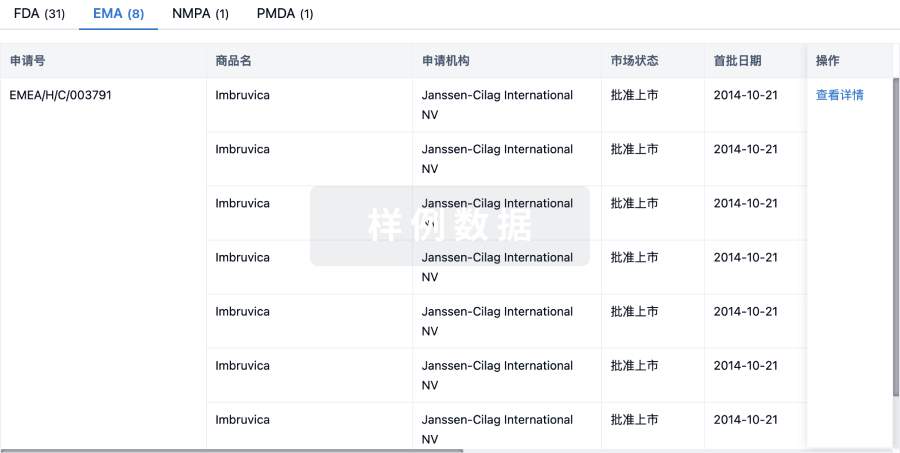
生物类似药
生物类似药在不同国家/地区的竞争态势。请注意临床1/2期并入临床2期,临床2/3期并入临床3期
登录
或
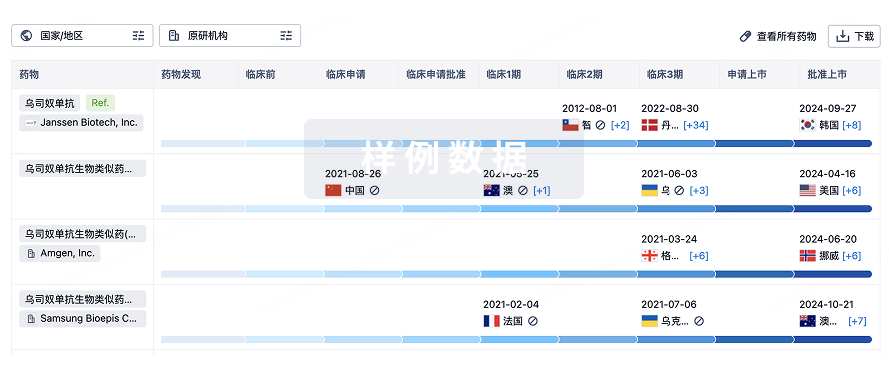
特殊审评
只需点击几下即可了解关键药物信息。
登录
或
提出任何生物医药研究问题
让每一步生物医药决策都精准制胜
基于十亿级生物数据与全球情报的精准 AI,赋能早期药物发现
立即开始免费试用!
智慧芽新药情报库是智慧芽专为生命科学人士构建的基于AI的创新药情报平台,助您全方位提升您的研发与决策效率。
立即接入生物医药数据包
智慧芽新药库数据也通过智慧芽开放平台,以MCP或API服务形式对外开放。立即使用我们的MCP服务定制您的LLM智能体。
生物序列数据库
生物药研发创新
免费使用
化学结构数据库
小分子化药研发创新
免费使用