预约演示
更新于:2026-11-14

Huabo Biopharm Co Ltd.
更新于:2026-11-14
概览
标签
肿瘤
免疫系统疾病
皮肤和肌肉骨骼疾病
双特异性抗体
单克隆抗体
ADC
疾病领域得分
一眼洞穿机构专注的疾病领域

技术平台
公司药物应用最多的技术
靶点
公司最常开发的靶点
关联
靶点 |
作用机制 |
在研机构 |
原研机构 |
在研适应症 |
非在研适应症 |
最高研发阶段 |
首次获批国家/地区 |
首次获批日期 |
靶点 |
作用机制 |
在研机构 |
原研机构 |
在研适应症 |
非在研适应症 |
最高研发阶段 |
首次获批国家/地区 |
首次获批日期 |

靶点 |
作用机制 |
在研机构 |
原研机构 |
在研适应症 |
非在研适应症 |
最高研发阶段 |
首次获批国家/地区 |
首次获批日期 |
CTR20263024
评价健康成人参与者中HB0043单次皮下给药的绝对生物利用度、安全性和耐受性的随机、开放I期临床研究
NCT07920861
A Study of HB0017 Injection to Investigate PK After Subcutaneous Administration at Different Injection Sites in Healthy Volunteers, and to Evaluate Its Safety, Tolerability, and Pharmacokinetics in Low-body-weight Healthy Subjects
CTR20260016
评估HB0025联合化疗对比帕博利珠单抗联合化疗一线治疗局部晚期或转移性鳞状非小细胞肺癌有效性的随机对照、双盲、多中心III期临床研究(DUALIGHT-02)
100 项与 华博生物医药技术(上海)有限公司 相关的临床结果
登录后查看更多信息
登录后查看更多信息
2020-11-01Asian journal of pharmaceutical sciences1区 · 医学
TCR-mimic antibody-drug conjugates targeting intracellular tumor-specific mutant antigen KRAS G12V mutation
1区 · 医学
ArticleOA
作者: Zhou, Zhan ; Chen, Shuqing ; Pan, Liqiang ; Shen, Ying ; Zhao, Wenbin ; Jin, Shijie ; Xu, Yingchun ; Wu, Yue ; Wei, Xiaoyue
Limited clinical application of antibody-drug conjugates (ADCs) targeting tumor associated antigens (TAAs) is usually caused by on-target off-tumor side effect. Tumor-specific mutant antigens (TSMAs) only expressed in tumor cells which are ideal targets for ADCs. In addition, intracellular somatic mutant proteins can be presented on the cell surface by human leukocyte antigen class I (HLA I)molecules forming tumor-specific peptide/HLA I complexes. KRAS G12V mutation frequently occurred in varied cancer and was verified as a promising target for cancer therapy. In this study, we generated two TCR-mimic antibody-drug conjugates (TCRm-ADCs), 2E8-MMAE and 2A5-MMAE, targeting KRAS G12V/HLA-A*0201 complex, which mediated specific antitumor activity in vitro and in vivo without obvious toxicity. Our findings are the first time validate the strategy of TCRm-ADCs targeting intracellular TSMAs, which improves the safety of antibody-based drugs and provides novel strategy for precision medicine in cancer therapy.
2015-12-01BMC cancer2区 · 医学
A novel engineered VEGF blocker with an excellent pharmacokinetic profile and robust anti-tumor activity
2区 · 医学
ArticleOA
作者: Jia, Huifeng ; Huang, Xin ; Xiong, Yao ; Huang, Yi ; Jiang, Sumei ; Zhang, Li ; Tian, Wenzhi ; Yu, Haijia ; Liu, Lily ; Tan, Hongzhi ; Chu, Charles C ; Li, Song ; Luo, Yan ; Zhang, Ruliang
BACKGROUND:
Relatively poor penetration and retention in tumor tissue has been documented for large molecule drugs including therapeutic antibodies and recombinant immunoglobulin constant region (Fc)-fusion proteins due to their large size, positive charge, and strong target binding affinity. Therefore, when designing a large molecular drug candidate, smaller size, neutral charge, and optimal affinity should be considered.
METHODS:
We engineered a recombinant protein by molecular engineering the second domain of VEGFR1 and a few flanking residues fused with the Fc fragment of human IgG1, which we named HB-002.1. This recombinant protein was extensively characterized both in vitro and in vivo for its target-binding and target-blocking activities, pharmacokinetic profile, angiogenesis inhibition activity, and anti-tumor therapeutic efficacy.
RESULTS:
HB-002.1 has a molecular weight of ~80 kDa, isoelectric point of ~6.7, and an optimal target binding affinity of <1 nM. The pharmacokinetic profile was excellent with a half-life of 5 days, maximal concentration of 20.27 μg/ml, and area under the curve of 81.46 μg·days/ml. When tested in a transgenic zebrafish embryonic angiogenesis model, dramatic inhibition in angiogenesis was exhibited by a markedly reduced number of subintestinal vessels. When tested for anti-tumor efficacy, HB-002.1 was confirmed in two xenograft tumor models (A549 and Colo-205) to have a robust tumor killing activity, showing a percentage of inhibition over 90% at the dose of 20 mg/kg. Most promisingly, HB-002.1 showed a superior therapeutic efficacy compared to bevacizumab in the A549 xenograft model (tumor inhibition: 84.7% for HB-002.1 versus 67.6% for bevacizumab, P<0.0001).
CONCLUSIONS:
HB-002.1 is a strong angiogenesis inhibitor that has the potential to be a novel promising drug for angiogenesis-related diseases such as tumor neoplasms and age-related macular degeneration.
BRITISH JOURNAL OF DERMATOLOGY
Efficacy and safety of recibokibart, an interleukin-36 receptor antibody, in generalized pustular psoriasis: a phase II randomized controlled trial
Article
作者: Wang, Yu ; Li, Shanshan ; Li, Yuzhen ; Jia, Huifeng ; Zhan, Yifan ; Jiang, Congjun ; Situ, Xiaolu ; Wu, Liming ; Ma, Chi ; Tu, Ying ; Yang, Baoqi ; Zhu, Xiangyang ; Ji, Mingkai ; Qian, Qiaoxia ; Zhang, Furen ; Zhou, Guodong ; Ma, Xiuqiang ; Cui, Xiaopei ; Xu, Bo ; Yang, Liuyi ; Wang, Xiaohua ; Zhou, Cheng ; Ji, Chao ; Man, Xiaoyong ; Li, Linfeng ; Feng, Yanyan ; Ding, Yangfeng ; Zhang, Jianzhong ; Lei, Tiechi ; Xiang, Niu ; Chen, Qian ; Shen, Zhu ; Li, Benke ; Zhang, Zhenying ; Wang, Jianbo
Abstract:
Background:
Generalized pustular psoriasis (GPP) is a rare, severe inflammatory skin disease characterized by acute flares. Recibokibart is a humanized IgG1 monoclonal antibody targeting the interleukin (IL)-36 receptor. In a phase Ib open-label study, a single intravenous dose of recibokibart was associated with an acceptable safety profile and rapid improvements in pustulation, overall skin disease severity and systemic inflammatory markers through 12 weeks.
Objectives:
To evaluate the efficacy and safety of recibokibart in patients with acute flares of GPP.
Methods:
In this multicentre, randomized, double-blind, placebo-controlled phase II trial conducted in China, patients with moderate-to-severe acute GPP were randomly assigned in a 2 : 1 ratio to receive a single intravenous dose of recibokibart (1050 mg) or placebo at day 1. Patients with persistent disease activity at day 8 were eligible to receive open-label recibokibart, and patients with recurrent flares after achieving a Generalized Pustular Psoriasis Physician Global Assessment (GPPGA) total score of 0 or 1 could receive an additional open-label dose. The primary efficacy endpoint was the proportion of patients who achieved a GPPGA pustulation subscore of 0 or 1 at week 1 (day 8).
Results:
A total of 33 patients were randomized (recibokibart, n = 22; placebo, n = 11). At week 1 (day 8), the primary endpoint of achieving a GPPGA pustulation subscore of 0 or 1 was met by 86% of patients in the recibokibart group vs. 9% in the placebo group (between-group difference 77.3%, 95% confidence interval 42.5–88.9; P < 0. 001). At week 1 (day 8), greater improvements were observed with recibokibart vs. placebo across key secondary endpoints, including achievement of a GPPGA total score of 0 or 1 (64% vs. 0%), complete pustule clearance (55% vs. 0%), and mean percentage change from baseline in GPPASI (−59.3% vs. 0%). By week 4, 73% of patients treated with recibokibart achieved ≥ 75% improvement from baseline in Generalized Pustular Psoriasis Area and Severity Index (GPPASI). Clinical improvements were observed as early as 24 h after treatment and were maintained through week 12, although assessments after day 8 included patients who received open-label treatment. The most frequently reported adverse events with recibokibart included hypoproteinaemia, hypertriglyceridaemia, hyperlipidaemia and pruritus.
Conclusions:
A single intravenous dose of recibokibart resulted in rapid improvement in pustular and overall skin disease severity in patients with acute GPP flares, with an acceptable safety profile.
100 项与 华博生物医药技术(上海)有限公司 相关的药物交易
登录后查看更多信息
100 项与 华博生物医药技术(上海)有限公司 相关的转化医学
登录后查看更多信息
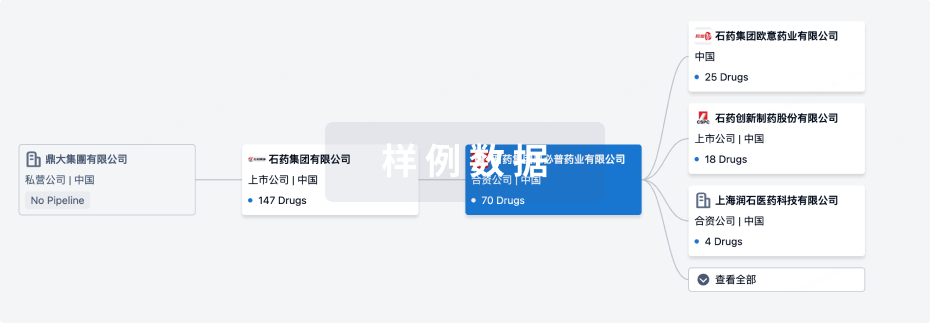
组织架构
使用我们的机构树数据加速您的研究。
登录
或
管线布局
2026年11月17日管线快照
管线布局中药物为当前组织机构及其子机构作为药物机构进行统计,早期临床1期并入临床1期,临床1/2期并入临床2期,临床2/3期并入临床3期
临床前
3
1
临床申请
临床申请批准
1
1
临床1期
临床2期
3
3
临床3期
其他
6
登录后查看更多信息
当前项目
登录后查看更多信息
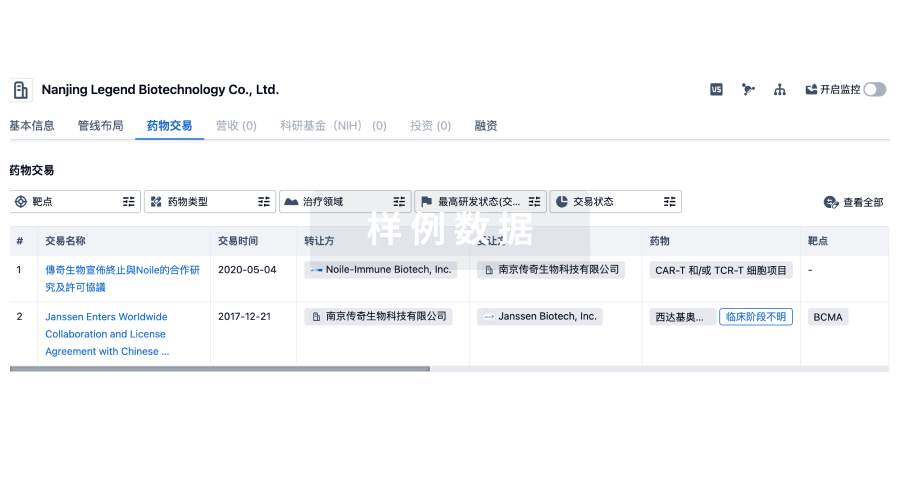
药物交易
使用我们的药物交易数据加速您的研究。
登录
或
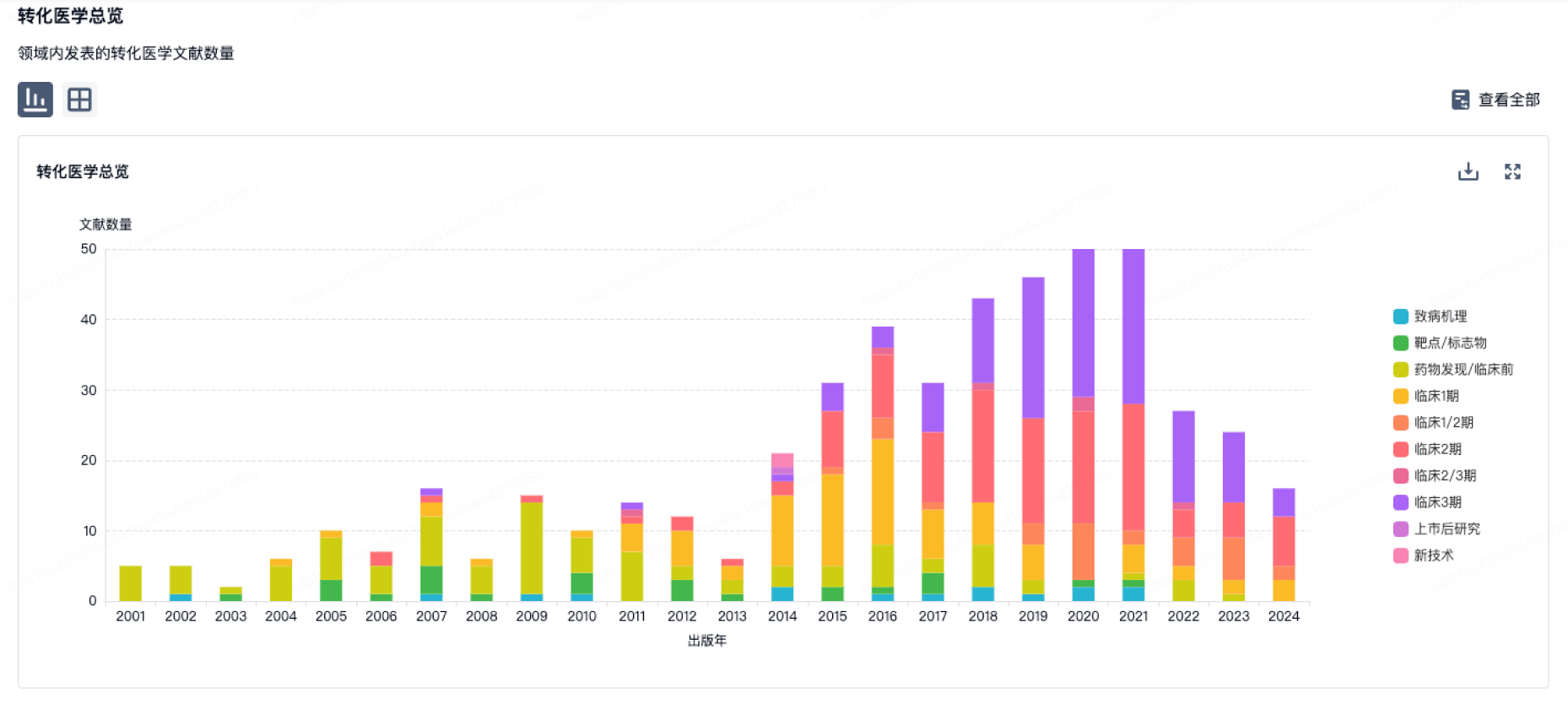
转化医学
使用我们的转化医学数据加速您的研究。
登录
或
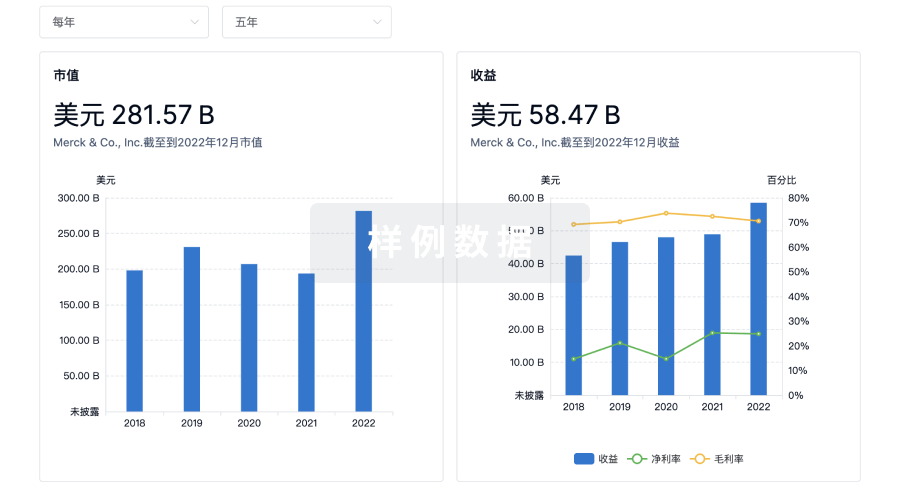
营收
使用 Synapse 探索超过 36 万个组织的财务状况。
登录
或
科研基金(NIH)
访问超过 200 万项资助和基金信息,以提升您的研究之旅。
登录
或
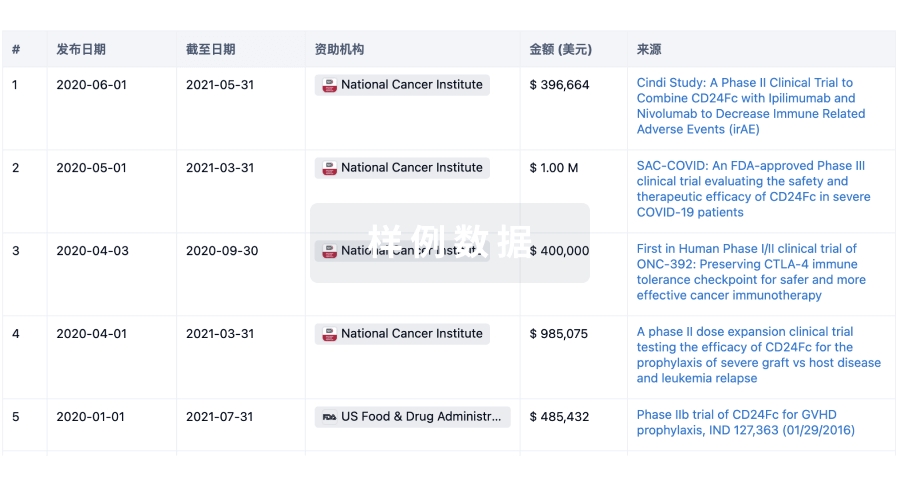
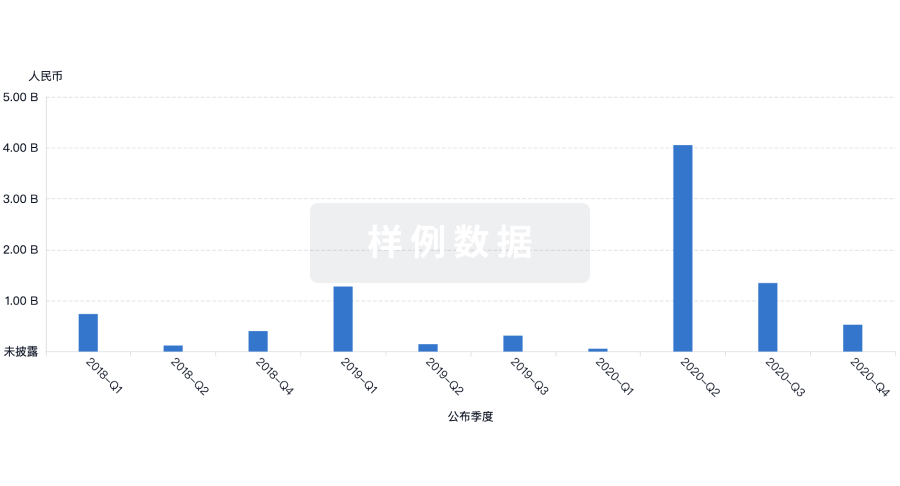
投资
深入了解从初创企业到成熟企业的最新公司投资动态。
登录
或
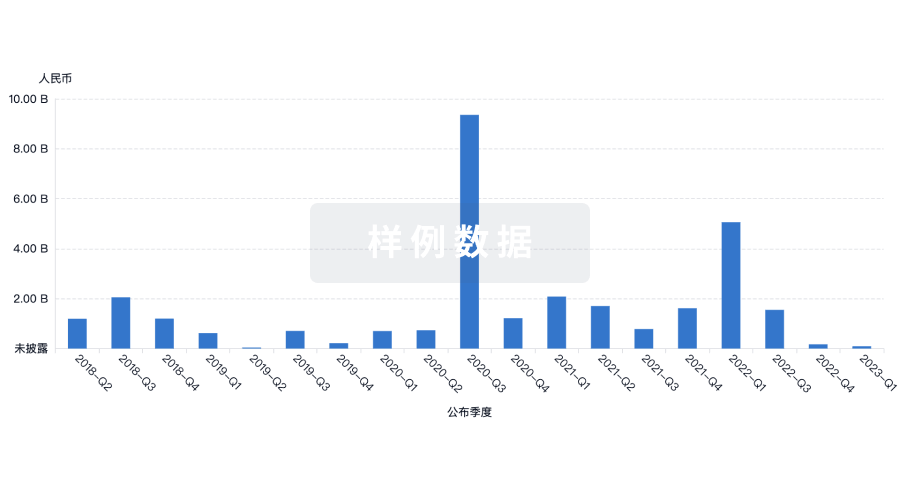
融资
发掘融资趋势以验证和推进您的投资机会。
登录
或
提出任何生物医药研究问题
让每一步生物医药决策都精准制胜
基于十亿级生物数据与全球情报的精准 AI,赋能早期药物发现
立即开始免费试用!
智慧芽新药情报库是智慧芽专为生命科学人士构建的基于AI的创新药情报平台,助您全方位提升您的研发与决策效率。
立即接入生物医药数据包
智慧芽新药库数据也通过智慧芽开放平台,以MCP或API服务形式对外开放。立即使用我们的MCP服务定制您的LLM智能体。
生物序列数据库
生物药研发创新
免费使用
化学结构数据库
小分子化药研发创新
免费使用