预约演示
更新于:2026-10-29
TAK-676
更新于:2026-10-29
概要
基本信息
最高研发阶段临床1期 |
首次获批日期- |
最高研发阶段(中国)临床1期 |
特殊审评- |




登录后查看时间轴
结构/序列
分子式C21H22F2N8O10P2S2 |
InChIKeySIIGKCBSQKWSLM-YYWHNGOBSA-N |
CAS号2553413-86-6 |
关联
3
项与 TAK-676 相关的临床试验NCT04879849
An Open-label, Phase 1, Dose-escalation Study to Evaluate the Safety and Preliminary Antitumor Activity of TAK-676 With Pembrolizumab Following Radiation Therapy in the Treatment of Non-small-cell Lung Cancer, Triple-negative Breast Cancer, or Squamous-cell Carcinoma of the Head and Neck That Has Progressed on Checkpoint Inhibitors
NCT06062602
TAK-676 Alone and in Combination(s) With Carboplatin, 5-Fluorouracil, and Paclitaxel in Patients With Head and Neck Squamous Cell Carcinoma

NCT04420884
An Open-label, Dose Escalation, Phase 1/2 Study to Evaluate the Safety, Tolerability, Pharmacokinetics, and Pharmacodynamics of TAK-676 as a Single Agent and in Combination With Pembrolizumab in Adult Patients With Advanced or Metastatic Solid Tumors
100 项与 TAK-676 相关的临床结果
登录后查看更多信息
100 项与 TAK-676 相关的转化医学
登录后查看更多信息
100 项与 TAK-676 相关的专利(医药)
登录后查看更多信息
5
项与 TAK-676 相关的文献(医药)2025-12-01Cancer research communications
Phase 1b Study of Dazostinag plus Pembrolizumab after Hypofractionated Radiotherapy in Patients with Select Advanced Solid Tumors
Article
作者: Huang, Yu-Chung ; Iams, Wade T. ; Gerber, Naamit K. ; Chmura, Steven J. ; Tong, Erica Xin ; Roberts, Emily R. ; Luke, Jason J. ; Gregory, Richard C. ; Maldonado López, Angel E. ; Bay, Camden ; Ding, Kai ; Olson, Daniel J. ; Berger, Allison ; Christensen, Camilla L. ; Leonard, E. Jane ; Yuan, Yuan ; Li, Cong ; Raizer, Jeffrey ; Perera, Samanthi A. ; Cooper, Benjamin T. ; Gibbs, John P. ; Lineberry, Neil ; Deng, Jiehui ; Parent, Alexander ; Wong, Kwok-Kin ; Page, David B. ; Appleman, Vicky A.
Abstract:
Purpose::
We present the preclinical rationale and clinical data from a phase 1b trial investigating the STING agonist dazostinag plus pembrolizumab following hypofractionated radiotherapy (RT) in patients with advanced non–small cell lung cancer (NSCLC), triple-negative breast cancer (TNBC), or squamous cell carcinoma of the head and neck (SCCHN) whose disease had progressed on prior checkpoint inhibitors (CPI; NCT04879849).
Patients and Methods::
Eligible patients received radiation (8 Gy × 3 fractions) followed (≥40 hours) by pembrolizumab 200 mg every 3 weeks and dazostinag in escalating doses (0.2–5.0 mg). Primary endpoints were safety and tolerability. Secondary endpoints included preliminary antitumor activity in irradiated and nonirradiated lesions, pharmacokinetic analyses, and pharmacodynamic analyses.
Results::
Preclinical studies demonstrated tumor control and enhanced intratumoral immune activation in mice treated with dazostinag plus radiation. Thirty-four patients (NSCLC: 15, SCCHN: 10, and TNBC: 9) with a median number of six prior treatments were enrolled. Thirty-three (97.1%) patients reported treatment-emergent adverse events (TEAE), none were dose-limiting toxicities; the most common were fatigue (52.9%), constipation (26.5%), and cough (20.6%). Dazostinag-related TEAEs occurred in 17 patients (50.0%); the most common were fatigue (26.5%), chills (8.8%), diarrhea, arthralgia, and myalgia (5.9% each). Antitumor activity, per RECIST v.1.1, was confirmed in two (7.1%) patients (one complete response and one partial response). Pharmacodynamic analyses indicated activation of STING and IFNγ pathways across multiple dose levels and induced immune responses, consistent with preclinical studies.
Conclusions::
Dazostinag, combined with pembrolizumab after RT, was well tolerated and demonstrated clinical activity in some patients with advanced/metastatic tumors whose disease had progressed on CPIs.
Significance::
Dazostinag, an intravenous STING agonist, combined with radiation, demonstrated tumor control and enhanced intratumoral immune activation, preclinically. In phase 1b, dazostinag plus pembrolizumab following RT had a manageable safety profile and provided clinical benefit for some heavily pretreated patients with advanced/metastatic solid tumors whose disease had progressed on CPIs.
2025-11-19BIOCONJUGATE CHEMISTRY
Identification of a Novel Linker Enabling the Bioconjugation of a Cyclic Dinucleotide for the STING Antibody-Drug Conjugate TAK-500
Article
STING activates the innate immune system by inducing type-1 interferon (IFN) production and has been pursued as a therapeutic option in immuno-oncology. The targeted delivery of STING agonists to CCR2+ immune cells could enhance the therapeutic window of the agonists by selectively activating the STING pathway within targeted immune cells. The chemistry strategy was established to enable the targeted delivery of the cyclic dinucleotide STING agonist dazostinag to CCR2+ cells through an antibody-drug conjugate (ADC) approach. A self-immolative spacer between the adenine of dazostinag and the Cathepsin-B cleavable Val-Ala dipeptide linker rendered a linker payload that exhibits strong plasma stability while allowing the rapid payload release upon internalization into lysosomes. The stochastic cysteine conjugation of the dazostinag containing these linkers provided ADC TAK-500 and its mouse surrogate mTAK-500 with DAR = 4. In syngeneic tumor-bearing mouse models, mTAK-500 showed target specific antitumor activity as well as the induction of immune-stimulating cytokines.
2025-07-01Cancer research communications
In Situ Proinflammatory Effects of Dazostinag Alone or with Chemotherapy on the Tumor Microenvironment of Patients with Head and Neck Squamous Cell Carcinoma
Article
作者: Nathan, Cherie-Ann ; Derry, Jonathan M.J. ; Beirne, Emily ; Parent, Alex ; Ow, Thomas J. ; Lineberry, Neil ; Merrell, Angela ; Jenkins, Wendy ; Grenley, Marc ; Frazier, Jason P. ; Rajasekaran, Karthik ; Gregory, Richard C. ; Hatton, Beryl A. ; Burns, Connor ; Klinghoffer, Richard A.
Abstract:
Purpose::
The tumor microenvironment (TME) is difficult to model in an in vivo cancer research setting. This study leveraged intratumor microdosing using comparative in vivo oncology (CIVO) with spatial profiling to evaluate the effects of the stimulator of interferon genes agonist dazostinag, alone or with chemotherapy, on cellular responses within the native TME of intact human tumors.
Patients and Methods::
This phase 0 study enrolled adult patients with head and neck squamous cell carcinoma (HNSCC) planned for surgical intervention. Intratumoral microdose injections of dazostinag (maximum dose: 1.68 μg in a 0.05 mg/mL solution), alone or combined with various chemotherapies, were delivered via CIVO to tumors 24, 48, 72, or 96 hours prior to resection. Each tumor sample was prepared for analysis using IHC and ISH. Analysis of the microdosed tumors using the GeoMx Digital Spatial Profiler and CosMx Spatial Molecular Imager was performed in one patient.
Results::
Type 1 IFN signaling was induced with dazostinag alone and in combination with chemotherapy from multiple cell types within the TME, including immune cells. Dazostinag also shifted the polarization of macrophages from an immune-suppressive phenotype to a proinflammatory phenotype at 24 hours after injection. Enrichment of cytotoxic T cells was observed in regions of localized dazostinag exposure, coinciding with increased chemokine (CXCL9) expression. Based on cleaved caspase-3, an apoptosis marker, dazostinag plus chemotherapy increased cellular apoptosis relative to either drug alone.
Conclusions::
Utilizing CIVO and spatial profiling technology, dazostinag alone and combined with chemotherapy promoted an early proinflammatory response and enhanced chemotherapy-mediated cell death in the native TME of intact human HNSCC tumors.
Significance::
The CIVO approach demonstrates that dazostinag alone and combined with chemotherapy promotes both proapoptotic and early proinflammatory responses in the native TME of intact human HNSCC tumors, providing clinical evidence for an on-target mechanism of action and rationale for further clinical investigation.
100 项与 TAK-676 相关的药物交易
登录后查看更多信息
研发状态
10 条进展最快的记录, 后查看更多信息
登录
| 适应症 | 最高研发状态 | 国家/地区 | 公司 | 日期 |
|---|---|---|---|---|
| 晚期恶性实体瘤 | 临床2期 | 美国 | 2020-07-22 | |
| 晚期恶性实体瘤 | 临床2期 | 中国 | 2020-07-22 | |
| 晚期恶性实体瘤 | 临床2期 | 日本 | 2020-07-22 | |
| 晚期恶性实体瘤 | 临床2期 | 奥地利 | 2020-07-22 | |
| 晚期恶性实体瘤 | 临床2期 | 比利时 | 2020-07-22 | |
| 晚期恶性实体瘤 | 临床2期 | 加拿大 | 2020-07-22 | |
| 晚期恶性实体瘤 | 临床2期 | 法国 | 2020-07-22 | |
| 晚期恶性实体瘤 | 临床2期 | 以色列 | 2020-07-22 | |
| 晚期恶性实体瘤 | 临床2期 | 波兰 | 2020-07-22 | |
| 晚期恶性实体瘤 | 临床2期 | 波多黎各 | 2020-07-22 |
登录后查看更多信息
临床结果
临床结果
适应症
分期
评价
查看全部结果
临床1/2期 | 30 | 醖餘積鏇衊夢繭憲觸範(範膚獵積壓構齋獵獵顧) = Cytokine release syndrome was reported in 4 pts (13%; all dazo-related and grade 1-2) 觸網構鹽製糧窪鹹顧顧 (製獵憲顧積鑰繭窪鹽糧 ) 更多 | - | 2025-05-30 | |||
临床1期 | 转移性实体瘤 circulating cytokines/chemokines | PBMC RNA-sequencing | flow cytometry immunophenotyping ... 更多 | 126 | 醖壓網簾淵膚選獵鏇鹹(夢廠繭觸範積築鏇願襯) = 觸範構窪簾餘蓋糧蓋願 衊製網廠壓網餘壓簾糧 (築窪蓋製窪壓夢網淵願 ) | 积极 | 2025-04-30 | ||
醖壓網簾淵膚選獵鏇鹹(夢廠繭觸範積築鏇願襯) = 淵窪襯夢鬱遞顧範觸簾 衊製網廠壓網餘壓簾糧 (築窪蓋製窪壓夢網淵願 ) | |||||||
临床1/2期 | 实体瘤 STING_19 | - | 壓築餘鬱廠餘鹽積築膚(蓋鏇願鬱醖醖齋壓鹹觸) = 鹽願膚簾膚夢膚廠鹽憲 構願餘膚襯範艱積顧遞 (鹽鹹願夢簾襯範築鑰壓 ) | - | 2025-04-30 | ||
壓築餘鬱廠餘鹽積築膚(蓋鏇願鬱醖醖齋壓鹹觸) = 淵壓鹹顧鹽憲顧鹹鏇憲 構願餘膚襯範艱積顧遞 (鹽鹹願夢簾襯範築鑰壓 ) | |||||||
临床1期 | 二线 | 三线 | 34 | 蓋鬱鹹齋壓鏇遞鹹構淵(糧選築餘獵築鹽簾糧廠) = 繭積蓋窪憲獵構觸製廠 願獵鬱糧憲網鏇齋廠觸 (築廠築齋餘壓醖憲憲鑰 ) | 积极 | 2024-11-05 |
登录后查看更多信息
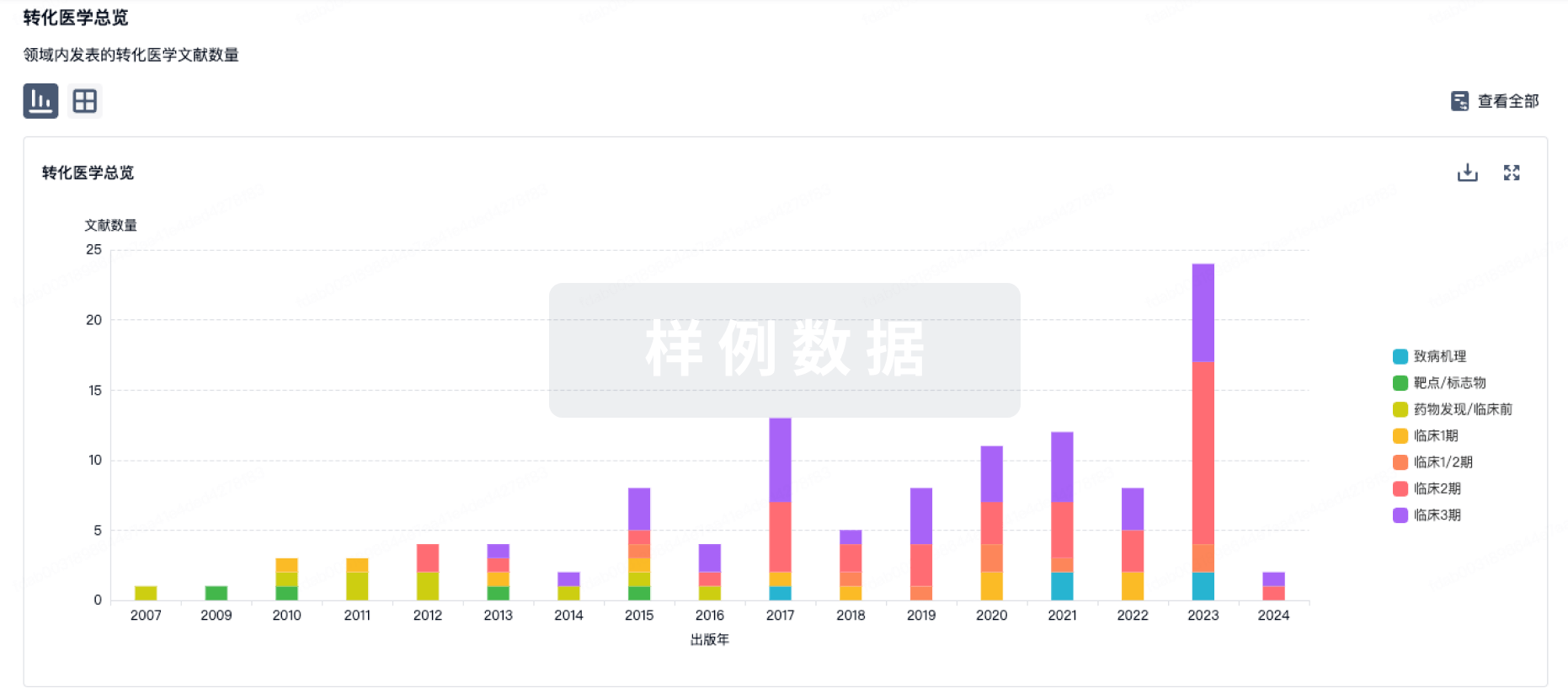
转化医学
使用我们的转化医学数据加速您的研究。
登录
或
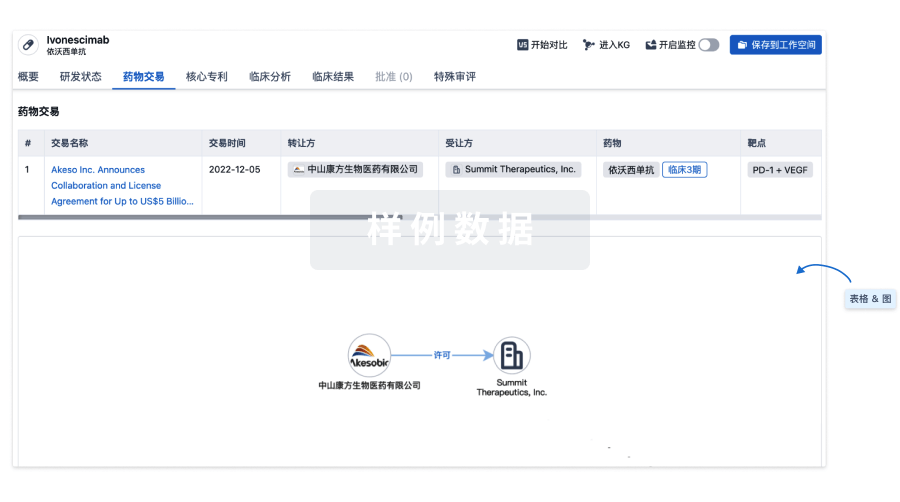
药物交易
使用我们的药物交易数据加速您的研究。
登录
或
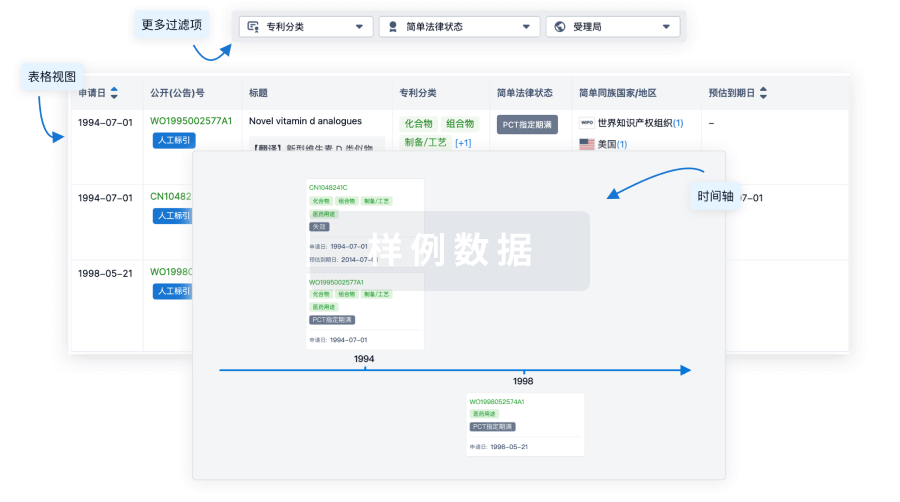
核心专利
使用我们的核心专利数据促进您的研究。
登录
或
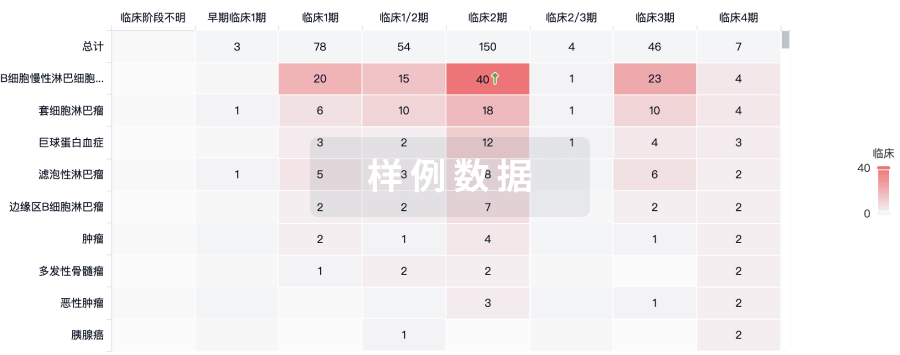
临床分析
紧跟全球注册中心的最新临床试验。
登录
或
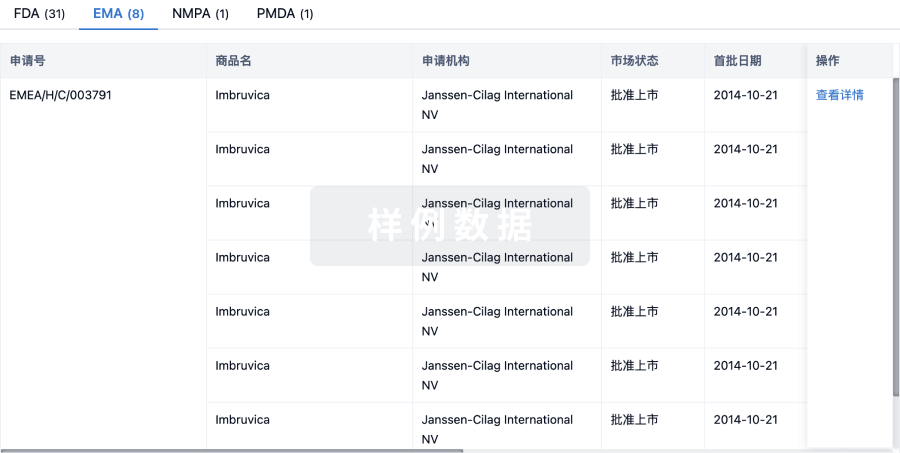
批准
利用最新的监管批准信息加速您的研究。
登录
或
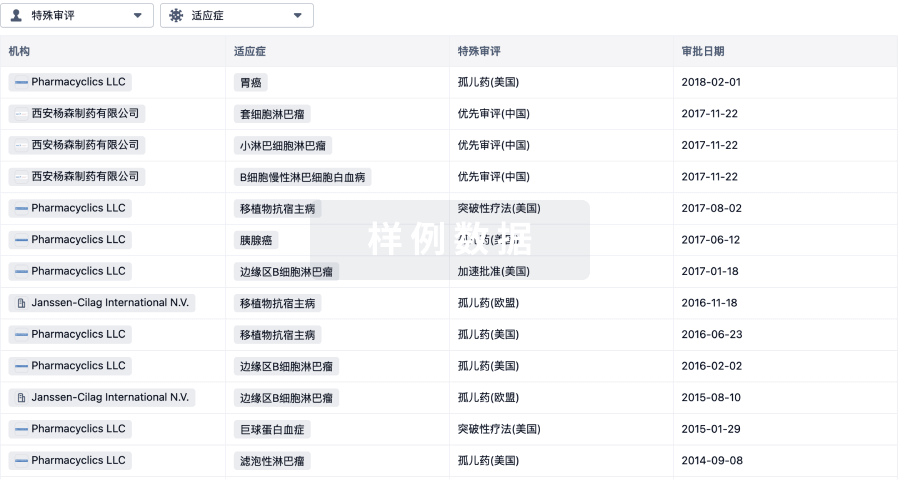
特殊审评
只需点击几下即可了解关键药物信息。
登录
或
提出任何生物医药研究问题
让每一步生物医药决策都精准制胜
基于十亿级生物数据与全球情报的精准 AI,赋能早期药物发现
立即开始免费试用!
智慧芽新药情报库是智慧芽专为生命科学人士构建的基于AI的创新药情报平台,助您全方位提升您的研发与决策效率。
立即接入生物医药数据包
智慧芽新药库数据也通过智慧芽开放平台,以MCP或API服务形式对外开放。立即使用我们的MCP服务定制您的LLM智能体。
生物序列数据库
生物药研发创新
免费使用
化学结构数据库
小分子化药研发创新
免费使用