预约演示
更新于:2026-10-08
ARGX-119
更新于:2026-10-08
概要
基本信息
登录后查看时间轴
结构/序列
Sequence Code 1169446775H
来源: *****
Sequence Code 1169446782L
来源: *****
关联
7
项与 ARGX-119 相关的临床试验NCT07746089
Phase 3, Multicenter, Randomized, Double-Blinded, Placebo-Controlled Study With an Open-Label Extension to Evaluate the Efficacy and Safety of Intravenous Adimanebart in Adult and Pediatric Participants With DOK7-,MUSK-, AGRN-, or LRP4-CMS
The purpose of this study is to assess efficacy and safety of adimanebart in participants at least 12 years of age with DOK7-, MUSK-, AGRN-, or LRP4- Congenital Myasthenic Syndromes (CMS). The study aims to determine whether adimanebart is safe and can help people with CMS feel better and perform daily activities more easily.
The study includes a double-blinded treatment period (DBTP) and an Open- label extension period (OLE). In the DBTP, all participants will be randomized in a 1:1 ratio to adimanebart or placebo. Participants who complete the DBTP will continue to the OLE.
Additionally, participants who complete part of the active-treatment period of ARGX-119-2302 study are eligible to enroll in the OLE of this study. In the OLE, all participants will receive open-label adimanebart. After final IMP dose, the participants will enter a follow-up period and their health will be monitored.
The total duration of the study is up to approximately 152 weeks (2 years and 11 months).
More information can be found here: clinicaltrials.argenx.com/Comets
The study includes a double-blinded treatment period (DBTP) and an Open- label extension period (OLE). In the DBTP, all participants will be randomized in a 1:1 ratio to adimanebart or placebo. Participants who complete the DBTP will continue to the OLE.
Additionally, participants who complete part of the active-treatment period of ARGX-119-2302 study are eligible to enroll in the OLE of this study. In the OLE, all participants will receive open-label adimanebart. After final IMP dose, the participants will enter a follow-up period and their health will be monitored.
The total duration of the study is up to approximately 152 weeks (2 years and 11 months).
More information can be found here: clinicaltrials.argenx.com/Comets
开始日期2026-09-01 |
申办/合作机构 |
NCT07673601
A Phase 1, Open-Label, Randomized, Single Dose, Parallel-Group Study to Assess the Absolute Bioavailability and Evaluate the Effect of Body Weight on the Pharmacokinetics of Adimanebart SC in Healthy Adult Participants
This study aims to find out how much adimanebart gets into the blood circulation of healthy adults. Researchers will measure the amount of adimanebart in blood over time to learn how it moves through the body. The drug's safety will also be assessed.
The participants will be assigned to one of 3 parts of the study: part 1 investigates the absolute bioavailability; part 2 investigates the effect of different body weights on adimanebart in blood after subcutaneous (SC) dosing; part 3 investigates formulation adaptations.
Participants will be in the study for approximately up to 24 weeks.
The participants will be assigned to one of 3 parts of the study: part 1 investigates the absolute bioavailability; part 2 investigates the effect of different body weights on adimanebart in blood after subcutaneous (SC) dosing; part 3 investigates formulation adaptations.
Participants will be in the study for approximately up to 24 weeks.
开始日期2026-06-12 |
申办/合作机构 |
NCT07287982
A Phase 2 Double-Blinded, Randomized, Placebo-Controlled Study to Assess the Safety, Tolerability, Efficacy, Pharmacokinetics, and Immunogenicity of Intravenous Administration of ARGX-119 in Pediatric Participants Aged 5 to Less Than 18 Years With Spinal Muscular Atrophy
This study aims to find the correct dose of ARGX-119 for children with SMA. The study will also look at how safe the study drug is, how well it works, how it moves through the body, and how the immune system responds to it. The study consists of a double-blinded treatment period (DBTP) where participants will either receive ARGX-119 IV or placebo IV, in addition to disease-modifying therapy (DMT) for 24 weeks. Participants who complete the DBTP will enter the open-label active-treatment extension period (ATEP) during which all participants will receive ARGX-119 IV up to 100 weeks (approximately 2 years).
开始日期2025-12-19 |
申办/合作机构 |
100 项与 ARGX-119 相关的临床结果
登录后查看更多信息
100 项与 ARGX-119 相关的转化医学
登录后查看更多信息
100 项与 ARGX-119 相关的专利(医药)
登录后查看更多信息
2
项与 ARGX-119 相关的文献(医药)2026-05-01·JOURNAL OF CLINICAL PHARMACOLOGY
First‐in‐Human Dose Selection and Safety, Tolerability, Pharmacokinetics, and Immunogenicity of the Muscle‐Specific Kinase Agonist Adimanebart (ARGX‐119)
Article
作者: Kneip, Christa ; Priem, Sofie ; Bragt, Tonke van ; Vanhoenacker, Peter ; Leng, Xinghong ; Vaghi, Cristina ; Mutch, Rachelle ; Patel, Sonya K. ; Hoefman, Sven ; Vanhauwaert, Roeland ; Shilling, Rebecca
Abstract:
Adimanebart (ARGX‐119), a first‐in‐class, humanized, agonistic monoclonal antibody, specifically targets and activates muscle‐specific kinase, stabilizing the neuromuscular junction, increasing muscle strength, and decreasing muscle weakness and fatigability in nonclinical, proof‐of‐concept studies. Adimanebart may have broad therapeutic potential in neuromuscular junction disorders. This Phase I, first‐in‐human, double‐blinded, placebo‐controlled study assessed the safety, tolerability, pharmacokinetics, and immunogenicity of adimanebart in healthy participants. With no pharmacodynamic marker for muscle‐specific kinase dimerization by adimanebart, human dose predictions were based on the minimum anticipated biological effect level in nonclinical studies. In this two‐part study, 112 healthy participants were randomized to receive adimanebart or placebo in single ascending intravenous doses (0.005‐15 mg/kg) or a single subcutaneous dose (5 mg/kg; Part A; n = 76), or weekly multiple ascending intravenous doses (0.3‐5 mg/kg; Part B; n = 36). Adimanebart was well tolerated with a favorable safety profile. In single‐ascending dose (SAD) cohorts, adimanebart demonstrated nonlinear pharmacokinetics at low concentrations, a dose‐proportional increase in maximum concentration (mean range: 0.1‐343 µg/mL), and a ≈6‐fold increase in area under the concentration–time curve (0 to infinity) following a single intravenous dose, indicating target‐mediated drug disposition. Incidence and prevalence of adimanebart anti‐drug antibodies were comparable between treatment groups in SAD cohorts (adimanebart: 16.0% and 18.0%, placebo: 16.7% and 22.2%, respectively) and were not detected in multiple‐ascending‐dose cohorts. There was no apparent impact of anti‐drug antibodies on adimanebart pharmacokinetics or safety. This study supports investigation of adimanebart as an agonistic muscle‐specific kinase monoclonal antibody treatment for neuromuscular junction disorders.
2025-02-01·iScience
Patient-specific therapeutic benefit of MuSK agonist antibody ARGX-119 in MuSK myasthenia gravis passive transfer models
Article
作者: Verschuuren, Jan J ; Steyaert, Christophe ; van der Maarel, Silvère M ; Lim, Jamie L ; Vergoossen, Dana L E ; Tannemaat, Martijn R ; De Clercq, Lieselot ; Vanhauwaert, Roeland ; Jensen, Stine Marie ; Silence, Karen ; Moens, Kathleen ; Kneip, Christa ; Coppejans, Rani ; Plomp, Jaap J ; Vankerckhoven, Bernhardt ; Huijbers, Maartje G ; Ulrichts, Peter
Muscle-specific kinase (MuSK) orchestrates the establishment and maintenance of neuromuscular synapses. Autoantibodies targeting MuSK cause myasthenia gravis (MG), a disease characterized by skeletal muscle weakness. MuSK autoantibodies are predominantly IgG4 which are bispecific, functionally monovalent antibodies that are antagonists of MuSK signaling. We hypothesized that bivalent MuSK agonist antibodies can rescue MuSK MG. Here, we investigated whether ARGX-119, a MuSK frizzled-like domain agonist antibody, can ameliorate disease in passive transfer models induced by polyclonal patient IgG4. ARGX-119 improved survival and muscle weakness in a mouse model induced by one patient material, but not by three others. Patient-specific efficacy could not be explained by titer or competition for ARGX-119 binding, but rather correlated with the presence of MuSK activating antibodies in some patients. This first proof of concept of a MuSK agonist in a clinically relevant MuSK MG model forms a starting point for therapeutic studies toward ARGX-119 efficacy in neuromuscular diseases.
55
项与 ARGX-119 相关的新闻(医药)2026-09-30
·肽集圈
2026年9月29日,荷兰阿姆斯特丹 —— argenx SE(泛欧交易所和纳斯达克:ARGX),一家全球免疫学创新公司,将在2026年美国神经肌肉与电诊断医学协会(AANEM)年会和美国重症肌无力基金会(MGFA)科学会议(2026年9月29日至10月2日,佛罗里达州奥兰多)上展示其产品组合和管线的新数据。
报告将包括VYVGART(静脉注射:efgartigimod alfa-fcab;皮下注射或Hytrulo:efgartigimod alfa和hyaluronidase-qvfc) 在重症肌无力(MG) 和慢性炎性脱髓鞘性多发性神经病(CIDP) 中的临床、长期和真实世界数据,以及empasiprubart和adimanebart的结果,反映argenx在罕见神经肌肉疾病领域的创新管线。📌 核心速览
眼肌型MG(oMG):ADAPT OCULUS III期研究新数据显示,VYVGART治疗患者的眼部MG改善随额外治疗周期持续加深。在安慰剂对照期后两个额外周期,AChR-Ab阳性患者的平均MGII眼部评分从-4.5进一步改善至-6.8分;三联血清阴性患者从-2.7改善至-4.5分。
抗AChR抗体阴性gMG:ADAPT SERON一年结果显示,无可检测抗AChR抗体的gMG患者中,疗效持续且安全性一致——MG-ADL改善约5分,维持至第52周。
更早期治疗获益:超过1,100例美国MG患者的真实世界分析显示,更早期启动VYVGART(无论定义为更少既往治疗还是更短诊断时间)的患者获益更大。诊断后一年内治疗的患者MG-ADL平均降低4.7分,而诊断后三年以上治疗的患者为3.5分;50%达到最小症状表达(p<0.001)。
CIDP长期数据:ADHERE和ADHERE+研究中期分析显示,VYVGART Hytrulo在CIDP患者中随访超过五年,约40%的应答者在扩展期达到INCAT评分0或1(日常生活独立,几乎无功能残疾)。
IVIg直接转换:IV期转换研究显示,末次IVIg剂量后一周转换为VYVGART Hytrulo,87%的患者维持至12周——支持IVIg结束后一周内启动VYVGART的可行性。
一线治疗应答:ADHERE和ADHERE+纵向分析显示,87.5%的治疗初治患者达到确认的临床改善证据,44.4%的患者在ADHERE+第36周改善≥2个INCAT评分。
管线拓展:empasiprubart在多灶性运动神经病(MMN) 中显示持续临床获益和一致安全性;adimanebart在DOK7-先天性肌无力综合征(CMS) 中显示步行功能的临床和真实世界改善。🧬 关于VYVGART®和VYVGART Hytrulo®
VYVGART®(efgartigimod alfa-fcab) 是一款首创(first-in-class)人IgG1抗体片段,通过结合新生儿Fc受体(FcRn),降低循环IgG自身抗体。
VYVGART Hytrulo® 是efgartigimod alfa(VYVGART) 与重组人透明质酸酶PH20(rHuPH20) 的皮下注射组合,利用Halozyme的ENHANZE®药物递送技术促进生物制剂的皮下注射递送。
已获批适应症:
VYVGART:全身性重症肌无力(gMG) 和免疫性血小板减少症(日本)。
VYVGART Hytrulo:gMG 和慢性炎性脱髓鞘性多发性神经病(CIDP)。📊 关键数据详解
1. 眼肌型MG(oMG):持续加深的改善
ADAPT OCULUS III期研究新数据显示,VYVGART治疗患者的眼部MG改善随额外治疗周期持续加深。在安慰剂对照期后两个额外周期:
患者群体
平均MGII眼部评分变化(额外两个周期后)AChR-Ab阳性-4.5 → -6.8分三联血清阴性-2.7 → -4.5分
这些结果支持VYVGART作为眼肌型MG首个靶向治疗的潜力(AANEM壁报#328)。
2. 抗AChR抗体阴性gMG:一年持续疗效
ADAPT SERON一年结果显示,无可检测抗AChR抗体的gMG患者中,疗效持续且安全性一致——MG-ADL改善约5分,维持至第52周(MGFA口头报告#72;AANEM壁报#151)。
德国重症肌无力注册研究(MyaReg) 的真实世界证据进一步强化了解决这一历史上被忽视人群的重要性——无可检测抗AChR抗体的患者较AChR-Ab阳性患者有更高的疾病负担,包括日常生活活动受损更严重(平均MG-ADL 6.9 vs 4.8)、疾病严重度、生活质量和疲劳(MGFA壁报#67)。
3. 更早期治疗获益:真实世界证据
超过1,100例美国MG患者的真实世界分析显示,VYVGART治疗在所有亚队列中均改善了MG-ADL评分、类固醇负担和急性加重率,更早期启动治疗的患者获益最大:
治疗时机
前三个月MG-ADL平均降低
达到最小症状表达诊断后一年内4.7分50%
(p<0.001)诊断后三年以上
3.5分
—
4. CIDP:长期安全性和疗效
ADHERE和ADHERE+研究中期分析显示:
VYVGART Hytrulo在CIDP患者中随访超过五年,约40%的应答者在扩展期达到INCAT评分0或1(AANEM壁报#391)。
握力恶化相对风险降低71.5%(HR 0.285;p<0.001),握力评估比既定残疾指标更快检测到早期改善(AANEM壁报#343)。
IV期转换研究:末次IVIg剂量后一周转换为VYVGART Hytrulo,87%的患者维持至12周(AANEM壁报#128)。
一线治疗应答:87.5%的治疗初治患者达到确认的临床改善证据,44.4%的患者在ADHERE+第36周改善≥2个INCAT评分(AANEM壁报#345)。
5. 管线拓展:empasiprubart和adimanebart
empasiprubart(ARGX-117) :II期ARDA+研究显示,在多灶性运动神经病(MMN) 中持续临床获益和一致安全性(AANEM壁报#175),通路选择性补体阻断的转化数据支持其机制(AANEM壁报#225)。
adimanebart(ARGX-119) :Ib期研究在DOK7-先天性肌无力综合征(CMS) 成人中报告了步行功能的临床和真实世界改善,通过数字步态结局测量并结合定性患者访谈(AANEM壁报#130和#438)。🗣️ 高层观点
argenx首席医学官 Luc Truyen 医学博士、博士:“我们在AANEM和MGFA上展示的数据显示,VYVGART的证据现已覆盖多年治疗,并延伸至历史上被排除在临床试验之外的患者群体。我们VYVGART的目标是造福尽可能多的患者,同时简化临床医生治疗MG和CIDP的决策。在MG中,这意味着无论患者抗体状态如何,都有一个明确的治疗选择。我们也看到越来越多的证据表明,在MG和CIDP中更早开始治疗会带来差异。同样的触及更多患者的雄心驱动着我们的管线,其中empasiprubart和adimanebart靶向神经肌肉疾病中尚未被满足的独特机制。”🏢 关于argenx
argenx是一家全球免疫学创新公司,致力于改善严重自身免疫疾病患者的生活。通过与领先学术研究人员合作(免疫学创新计划,IIP),argenx旨在将免疫学突破转化为世界级的新型抗体药物组合。argenx开发并商业化首个获批的新生儿Fc受体(FcRn)阻断剂,并正在评估其在多种严重自身免疫疾病中的广泛潜力,同时推进多个早期实验性药物。
2026-09-29
New data show deepening improvement in ocular MG and sustained one-year efficacy in anti-AChR antibody-negative MG – broadening VYVGART's potential to treat all MG patients
Real-world evidence from more than 1,100 U.S. MG patients indicates the value of treating earlier with VYVGART
Long-term data reinforce VYVGART’s consistent safety and efficacy pro CIDP, and Phase 4 switch data support the feasibility of a direct, one-week transition from IVIg
Empasiprubart Phase 2 study results in MMN support its potential as a pathway-selective complement therapy
September 29, 2026, 8:00 AM EST
Amsterdam, the Netherlands –
argenx SE (Euronext & Nasdaq: ARGX), a global immunology innovation company, will present new data from across its portfolio and pipeline at the 2026 American Association of Neuromuscular & Electrodiagnostic Medicine (AANEM) Annual Meeting and the Myasthenia Gravis Foundation of America (MGFA) Scientific Session in Orlando, Florida, from September 29 – October 2, 2026. Presentations will include clinical, long-term and real-world data for VYVGART (IV: efgartigimod alfa-fcab and SC or Hytrulo: efgartigimod alfa and hyaluronidase-qvfc) in myasthenia gravis (MG) and chronic inflammatory demyelinating polyneuropathy (CIDP), as well as results for empasiprubart and adimanebart, reflecting argenx’s innovative pipeline across rare neuromuscular diseases.
“The data we are presenting at AANEM and MGFA show how far the evidence for VYVGART now reaches – across years of treatment and into patient populations historically left out of clinical trials,” said Luc Truyen, M.D., Ph.D., Chief Medical Officer, argenx. “Our aim with VYVGART is to benefit as many patients as we can while simplifying treatment decisions for clinicians treating MG and CIDP. In MG, that means one clear treatment choice regardless of a patient's antibody status. We are also seeing growing evidence that starting treatment earlier in MG and CIDP makes a difference. That same ambition to reach more patients drives our pipeline, where empasiprubart and adimanebart target distinct mechanisms in neuromuscular diseases that remain underserved.”
Expanding Breadth of Treatment in MG
Continued Improvement with Additional Cycles in Ocular MG.
New data from the Phase 3 ADAPT OCULUS study show that improvements in ocular MG among patients treated with VYVGART continue to deepen with additional treatment cycles. After two cycles of VYVGART beyond the placebo-controlled period, mean Myasthenia Gravis Impairment Index (MGII) patient-reported ocular scores improved further from -4.5 to -6.8 points in AChR-Ab-positive patients and from -2.7 to -4.5 points in triple-seronegative patients, indicating that meaningful clinical benefit deepened with continued treatment. These results build on the evidence supporting VYVGART’s potential as the first targeted treatment for patients living with ocular MG. (AANEM Poster #328).
Sustained Efficacy in anti-AChR antibody-negative MG.
One-year ADAPT SERON results show sustained efficacy and consistent safety in patients with generalized MG who do not have detectable anti-AChR antibodies, with mean Myasthenia Gravis Activities of Daily Living (MG-ADL) improvements of approximately 5 points maintained through Week 52 (MGFA Oral #72; AANEM Poster #151). The importance of addressing this historically underrepresented population is further reinforced by real-world evidence from the German Myasthenia Gravis Registry, which found a higher disease burden among patients without detectable anti-AChR antibodies than among AChR-Ab-positive patients, including greater impairment in activities of daily living (mean MG-ADL 6.9 versus 4.8), disease severity, quality of life, and fatigue (MGFA Poster #67).
Benefits of Earlier Treatment.
A real-world analysis of more than 1,100 U.S. MG patients treated with VYVGART showed improvements in MG-ADL scores, steroid burden and exacerbation rates across all sub-cohorts, with the greatest gains among patients who initiated treatment earlier – whether defined by fewer prior treatments or shorter time from diagnosis. Patients treated with VYVGART within a year of diagnosis had a mean MG-ADL reduction of 4.7 points over the first three months, versus 3.5 points among those treated more than three years after diagnosis, and 50% reached minimal symptom expression (p<0.001; MGFA Poster #24).
Demonstrating Sustained Patient Benefit in CIDP
Long-term, Consistent Safety and Efficacy.
An interim analysis of the ADHERE and ADHERE+ study reinforces the consistent safety pro VYVGART Hytrulo with follow up of CIDP patients extending beyond five years of treatment. On measures of disability, approximately 40% of responding participants reached an INCAT score of 0 or 1 during the extension, indicating independence in most daily activities with little to no functional disability (AANEM Poster #391).
Early Grip Strength Improvement.
A post hoc analysis shows VYVGART Hytrulo reduced the relative risk of grip strength deterioration in CIDP patients by 71.5% (hazard ratio 0.285; p<0.001), with early improvement detected faster through grip strength assessment than established disability measures (AANEM Poster #343).
One-week Direct Transition from IVIg.
Data from the Phase 4 switch study evaluated the transition from IVIg to VYVGART Hytrulo one week after the last IVIg dose, with 87% of patients remaining on VYVGART Hytrulo through 12 weeks – supporting the feasibility of initiating VYVGART with a one-week interval after concluding treatment with IVIg (AANEM Poster #128).
Response as a First-Line Treatment.
A longitudinal analysis of ADHERE and ADHERE+ shows that 87.5% of treatment-naïve patients treated with VYVGART Hytrulo achieved confirmed evidence of clinical improvement, and 44.4% of these patients improved by 2 or more INCAT points between the start of stage A and Week 36 of ADHERE+ (AANEM Poster #345).
Advancing into New Neuromuscular Targets and Indications
Sustained Benefit in MMN.
Phase 2 ARDA+ results show sustained clinical benefit and consistent safety with empasiprubart in multifocal motor neuropathy (MMN) (AANEM Poster #175), supported by translational data on pathway-selective complement blockade (AANEM Poster #225).
Digital Gait Outcomes in CMS.
The Phase 1b study of adimanebart in adults with DOK7- congenital myasthenic syndrome (CMS) reported in-clinic and real-world improvements in walking performance, measured by digital gait outcomes and informed by qualitative patient interviews (AANEM Posters #130 and #438)
Details for oral and poster presentations at MGFA and AANEM are as follows:
Oral Presentations at MGFA and AANEM
Title
Presentation
Myasthenia Gravis (MG)
Psychometric Evaluation of the Myasthenia Gravis Impairment Index Patient Reported Outcome Ocular Score in Ocular Myasthenia Gravis: Results From a Phase 3 Clinical Trial in Ocular Myasthenia Gravis
Presenter: Jeffrey Guptill
MGFA
Oral Presentation
#58
Interpreting Clinically Meaningful Improvement on the Myasthenia Gravis Impairment Index (MGII) Patient Reported Outcome (PRO) Ocular Score: Responder Analyses From a Phase 3 Clinical Trial in Ocular MG
Presenter: Martina Orlovic
MGFA
Oral Presentation
#59
Efgartigimod in Acetylcholine Receptor Antibody Negative Generalized Myasthenia Gravis: Efficacy and Safety Results from ADAPT SERON
Presenter: James F. Howard Jr.
MGFA
Oral Presentation
#72
Efficacy and Safety of Subcutaneous Efgartigimod PH20 Administered by Prefilled Syringe in Adults With Ocular Myasthenia Gravis: Interim Results of ADAPT OCULUS Part A
Presenter: Vern C. Juel
AANEM
Oral Presentation
Poster Presentations* at MGFA and AANEM
Title
Presentation
Myasthenia Gravis (MG)
Association of Earlier Efgartigimod Initiation with Improved Clinical Outcomes in Myasthenia Gravis
MGFA
Poster #24
Psychometric Evaluation of the Myasthenia Gravis Impairment Index Patient Reported Outcome Ocular Score in Ocular Myasthenia Gravis: Results From a Phase 3 Clinical Trial in Ocular Myasthenia Gravis
MGFA
Poster #58
Interpreting Clinically Meaningful Improvement on the Myasthenia Gravis Impairment Index (MGII) Patient Reported Outcome (PRO) Ocular Score: Responder Analyses From a Phase 3 Clinical Trial in Ocular MG
MGFA
Poster #59
Comparing AChR-Ab-Positive and AChR-Ab-Negative Generalized Myasthenia Gravis: An ADAPT-SERON-Informed Analysis From the German Myasthenia Gravis Registry (MyaReg) Including Antibody-Defined Subtypes
MGFA
Poster #67
Safety of Efgartigimod in Pregnancy: Bench-to-Bedside
MGFA
Poster #69
Clinical and Molecular Differentiation of Efgartigimod in Generalized Myasthenia Gravis
MGFA
Poster #70
Rapid, sustained improvements with efgartigimod in symptoms, daily life, and patient satisfaction in generalized myasthenia gravis: Initial results from the PREMIER study
MGFA
Poster #71
Efgartigimod in Acetylcholine Receptor Antibody Negative Generalized Myasthenia Gravis: Efficacy and Safety Results from ADAPT SERON
MGFA
Poster #72
Efficacy and Safety of Subcutaneous Efgartigimod PH20 Administered by Prefilled Syringe in Adults With Ocular Myasthenia Gravis: Interim Results of ADAPT OCULUS Part A
AANEM
Poster #328
Poster Sessions I & III
Steroids Tapering Among Patients with Generalized Myasthenia Gravis Receiving Efgartigimod: Interim Results from the STRIVE-gMG Chart Review
AANEM
Poster #273
Poster Sessions II & II
Efgartigimod Provides Rapid Clinical Improvements and Reduces Corticosteroid Use in Generalized Myasthenia Gravis: Initial Results From PREMIER
AANEM
Poster #378
Poster Sessions I & III
Analysis of Real-World Data Following the Use of Efgartigimod for the Treatment of Myasthenia Gravis in the Canadian Population through the MyPATH Patient Support Program
AANEM
Poster #271
Poster Sessions I & II
Long-Term Safety and Sustained Efficacy of Subcutaneous Efgartigimod PH20 in Participants With Generalized Myasthenia Gravis During ADAPT-SC+
AANEM
Poster #371
Poster Sessions I & III
Design of a Phase 2a Study to Evaluate the Safety, Efficacy, and Tolerability of Empasiprubart as an Add-On Therapy to Efgartigimod in Adult Participants With Generalized Myasthenia Gravis
AANEM
Poster #270
Poster Sessions I & III
Sustained Clinical Efficacy and Long-Term Safety of Intravenous Efgartigimod for Generalized Myasthenia Gravis: Final Analysis of ADAPT NXT
AANEM
Poster #127
Poster Sessions I & II
Results From the ADAPT JR Study Investigating Intravenous Efgartigimod in Juvenile Generalized Myasthenia Gravis
AANEM
Poster #361
Poster Sessions I & II
Efficacy and Safety of Efgartigimod in Acetylcholine Receptor Antibody-Negative Generalized Myasthenia Gravis: Initial Results of ADAPT SERON
AANEM
Poster #151
Poster Sessions I & II
Patient Perspectives on Meaningful Change in the Myasthenia Gravis Impairment Index Patient-Reported Outcome Ocular Score
AANEM
Poster #245
Poster Sessions I &II
Chronic Inflammatory Demyelinating Polyneuropathy (CIDP)
Neurofilament Light Chain as a Biomarker in Chronic Inflammatory Demyelinating Polyradiculoneuropathy: Insights From ADHERE
AANEM
Poster #288
Poster Sessions I & III
Long-Term Impact of Subcutaneous Efgartigimod PH20 on Treatment-Naïve Participants With Chronic Inflammatory Demyelinating Polyradiculoneuropathy: Post Hoc Analysis of the ADHERE/ADHERE+ Trial
AANEM
Poster #345
Poster Sessions I & II
Long-Term Safety of Efgartigimod in Chronic Inflammatory Demyelinating Polyradiculoneuropathy: ADHERE/ADHERE+ Trial Interim Analysis
AANEM
Poster #392
Poster Sessions I & III
Subcutaneous Efgartigimod PH20 Treatment of a Patient With Autoimmune Nodopathy
AANEM
Poster #219
Poster Sessions I & II
Intravenous Immunoglobulin to Subcutaneous Efgartigimod PH20 Transition in Chronic Inflammatory Demyelinating Polyradiculoneuropathy: A Phase 4 Study in Progress
AANEM
Poster #128
Poster Sessions I & II
Immunoglobulin-G Autoantibody Signatures in Chronic Inflammatory Demyelinating Polyradiculoneuropathy: Interpreting Glycolipid Reactivity From the ADHERE Trial
AANEM
Poster #174
Poster Sessions I & III
Impact of Subcutaneous Efgartigimod PH20 on Grip Strength Assessment in Participants With Chronic Inflammatory Demyelinating Polyradiculoneuropathy: Post Hoc Analysis of the ADHERE/ADHERE+ Study
AANEM
Poster #343
Poster Sessions I & II
Real-World Effectiveness and Use of Efgartigimod in Chronic Inflammatory Demyelinating Polyradiculoneuropathy: ADHERE REAL Study Design
AANEM
Poster #420
Poster Sessions I & II
Empasiprubart Versus Placebo (EMNERGIZE) or Immunoglobulin (EMVIGORATE) in Chronic Inflammatory Demyelinating Polyradiculoneuropathy: Study Designs
AANEM
Poster #124
Poster Sessions I & III
Multifocal Motor Neuropathy (MMN)
Pathway-Selective Complement Blockade and its Impact on Bacterial Cell Killing
AANEM
Poster #225
Poster Sessions I & II
Evaluation of the Effect of Empasiprubart on Nerve Morphology in Multifocal Motor Neuropathy: Study Design
AANEM
Poster #176
Poster Sessions I & II
Understanding the Patient Journey in Multifocal Motor Neuropathy: Descriptive Insights From the iMMersioN Study
AANEM
Poster #173
Poster Sessions I & II
Long-Term Safety and Efficacy Data of Empasiprubart in Multifocal Motor Neuropathy: Phase 2 ARDA+ Study
AANEM
Poster #175
Poster Sessions I & II
Congenital Myasthenic Syndromes (CMS)
Phase 1b Study of Adimanebart in DOK7-Congenital Myasthenic Syndromes: Clinical Relevance of Digital Gait Outcomes
AANEM
Poster #130
Poster Sessions I & III
Advancing Digital Measures of Walking With Qualitative Evidence: Findings From a Phase 1b Study in DOK7-Congenital Myasthenic Syndromes
AANEM
Poster #438
Poster Sessions I & III
Idiopathic Inflammatory Myopathy (IIM)
Long-Term Safety and Efficacy of Subcutaneous Efgartigimod PH20 in Active Idiopathic Inflammatory Myopathy: Results From the Phase 2 Randomized ALKIVIA and Open-Label Extension ALKIVIA+ Trials
AANEM
Poster #263
Poster Sessions I & II
Bridging Perspectives in Idiopathic Inflammatory Myopathies: An International Survey of Health care Specialist Practice Patterns, Treatment Goals, and Unmet Needs
AANEM
Poster #399
Poster Sessions I & III
Efgartigimod Cross Indication
Safety of Intravenous and Subcutaneous Efgartigimod Reported From Multiple Global Clinical Trials in Immunoglobulin G-Mediated Autoimmune Diseases
AANEM
Poster #391
Poster Sessions I & III
Efgartigimod Is a Unique Neonatal Fc Receptor Blocker That Allows Immunoglobulin G Reduction Without Broad Inhibition of Immune Responses
AANEM
Poster #281
Poster Sessions I & II
*Session Times:
Session I: Wednesday, September 30, 6:15-6:45 p.m. ET
Session II: Thursday, October 1, 9:30-10:00 a.m. ET
Session III: Thursday, October 1, 2:45-3:15 p.m. ET
More information on the data presented at the 2026 AANEM Annual Meeting and MGFA Scientific Session can be found
here
.
Important Safety Information
What is VYVGART® (efgartigimod alfa-fcab) for intravenous (IV) infusion and what is VYVGART HYTRULO® (efgartigimod alfa and hyaluronidase-qvfc) for subcutaneous injection?
VYVGART and VYVGART HYTRULO are both prescription medicines used to treat adults with generalized myasthenia gravis (gMG).
It is not known if VYVGART or VYVGART HYTRULO is safe and effective in children.
IMPORTANT SAFETY INFORMATION
Do not take VYVGART if you are allergic to efgartigimod alfa or any of the ingredients in VYVGART. Do not take VYVGART HYTRULO if you are allergic to efgartigimod alfa, hyaluronidase, or any of the ingredients in VYVGART HYTRULO. VYVGART or VYVGART HYTRULO can cause serious allergic reactions and a decrease in blood pressure leading to fainting.
Before taking VYVGART or VYVGART HYTRULO, tell your healthcare provider about all of your medical conditions, including if you:
• have an infection or fever.
• have recently received or are scheduled to receive any vaccinations.
• have any history of allergic reactions.
• have kidney (renal) problems.
• are pregnant or plan to become pregnant. It is not known whether VYVGART or VYVGART HYTRULO will harm your unborn baby.
o Pregnancy Exposure Registry. There is a pregnancy exposure registry for women who use VYVGART or VYVGART HYTRULO during pregnancy. The purpose of this registry is to collect information about your health and your baby. Your healthcare provider can enroll you in this registry. You may also enroll yourself or get more information about the registry by calling 1-855-272-6524 or going to VYVGARTPregnancy.com
• are breastfeeding or plan to breastfeed. It is not known if VYVGART or VYVGART HYTRULO passes into your breast milk.
Tell your healthcare provider about all the medicines you take, including prescription and over-the-counter medicines, vitamins, and herbal supplements.
VYVGART or VYVGART HYTRULO can cause side effects which can be serious, including:
• Infection. VYVGART or VYVGART HYTRULO may increase the risk of infection. If you have an active infection, your healthcare provider should delay your treatment with VYVGART or VYVGART HYTRULO until your infection is gone. Tell your healthcare provider right away if you get any of the following signs and symptoms of an infection: fever, chills, frequent and painful urination, cough, pain and blockage of nasal passages, wheezing, shortness of breath, sore throat, excess phlegm, and nasal discharge.
• Allergic reactions (hypersensitivity reactions). VYVGART or VYVGART HYTRULO can cause allergic reactions that can be severe. These reactions can happen during, shortly after, or weeks after your VYVGART infusion or VYVGART HYTRULO injection. Tell your healthcare provider or get emergency help right away if you have any of the following symptoms of an allergic reaction with VYVGART or VYVGART HYTRULO: rash, swelling of the face, lips, throat, or throat, shortness of breath, trouble breathing, low blood pressure, and fainting.
An additional symptom of an allergic reaction with VYVGART HYTRULO can include hives.
• Infusion or injection-related reactions. VYVGART can cause infusion-related reactions. VYVGART HYTRULO can cause infusion or injection-related reactions. These reactions can happen during or shortly after your VYVGART infusion or VYVGART HYTRULO injection. Tell your healthcare provider if you have any of the following symptoms of an infusion or injection-related reaction: high blood pressure, chills, shivering, and chest, stomach, or back pain.
The most common side effects of VYVGART or VYVGART HYTRULO include respiratory tract infection, headache, and urinary tract infection. An additional common side effect with VYVGART HYTRULO includes injection site reactions.
These are not all the possible side effects of VYVGART or VYVGART HYTRULO. Call your doctor for medical advice about side effects. You may report side effects to FDA at 1-800-FDA-1088.
Please see the full Prescribing Information for VYVGART and full Prescribing Information for VYVGART HYTRULO.
About VYVGART and VYVGART Hytrulo
VYVGART® (efgartigimod alfa fcab) is a first-in-class human IgG1 antibody fragment that binds to the neonatal Fc receptor (FcRn), resulting in the reduction of circulating IgG autoantibodies. VYVGART Hytrulo® is a subcutaneous combination of efgartigimod alfa (VYVGART) and recombinant human hyaluronidase PH20 (rHuPH20), Halozyme’s ENHANZE® drug delivery technology to facilitate subcutaneous injection delivery of biologics. VYVGART is approved for generalized myasthenia gravis (gMG) and immune thrombocytopenia (Japan only). VYVGART Hytrulo is approved for gMG and chronic inflammatory demyelinating polyneuropathy (CIDP). VYVGART Hytrulo may be marketed under different proprietary names in other regions.
About Empasiprubart
Empasiprubart (ARGX-117) is a novel humanized monoclonal antibody that binds C2 and blocks activation of both the classical and lectin pathways of the complement cascade. By blocking complement activity upstream of C3 and C5, empasiprubart has the potential to reduce tissue inflammation and cellular damage, representing a broad pipeline opportunity across multiple severe autoimmune indications. In addition to multifocal motor neuropathy, argenx is evaluating empasiprubart in delayed graft function following kidney transplant, and chronic inflammatory demyelinating polyneuropathy (CIDP).
About Adimanebart
Adimanebart (ARGX-119) is a first-in-class humanized agonist monoclonal antibody (mAb) that specifically targets and activates muscle-specific tyrosine kinase (MuSK) to promote maturation and stabilization of the neuromuscular junction (NMJ). It is a mAb derived from llamas and discovered using the argenx SIMPLE Antibody™ platform technology. Adimanebart is being developed for patients with neuromuscular disease, including congenital myasthenic syndromes (CMS) and spinal muscular atrophy (SMA). Adimanebart was developed through argenx’s IIP program in collaboration with the world’s leading key opinion leaders on MuSK and the NMJ, Professor Steven J. Burden from MGH, Professor Shohei Koide from NYU and Professor Jan Verschuuren and Associate Professor Maartje Huijbers from LUMC.
About Myasthenia Gravis (MG)
Myasthenia gravis (MG) is a rare and chronic autoimmune disease where IgG autoantibodies disrupt communication between nerves and muscles, causing debilitating and potentially life-threatening muscle weakness. MG can present in different forms.
In generalized myasthenia gravis (gMG), weakness extends to muscles throughout the body. Approximately 20% of patients with gMG do not have detectable antibodies against the acetylcholine receptor (AChR-Ab). These patients may have detectable autoantibodies targeting other neuromuscular junction (NMJ) proteins, such as muscle-specific tyrosine kinase (MuSK) and low-density lipoprotein receptor-related protein 4 (LRP4), or others.
Ocular myasthenia gravis (oMG) is characterized by muscle weakness limited to the muscles controlling the eyes and eyelids, with common symptoms including ptosis (drooping eyelids), diplopia (double vision), and fluctuating visual disturbance that can impair daily activities.
About Chronic Inflammatory Demyelinating Polyradiculoneuropathy (CIDP)
Chronic inflammatory demyelinating polyradiculoneuropathy (CIDP) is a rare and serious autoimmune disease of the peripheral nervous system. CIDP is a heterogenous disease involving different yet overlapping pathways and a varied disease course. There is increasing evidence that IgG antibodies and the complement system play a key role in the damage to the peripheral nerves. People with CIDP experience fatigue, muscle weakness and a loss of feeling in their arms and legs that can worsen over time or may come and go. These symptoms can significantly impair a person's ability to function in their daily lives. Without treatment, one-third of people living with CIDP will need a wheelchair.
About Multifocal Motor Neuropathy (MMN)
Multifocal motor neuropathy (MMN) is a rare, severe, chronic autoimmune disease of the peripheral nervous system. The disease is characterized by slowly progressive, asymmetric muscle weakness mainly of the hands, forearms and lower legs. MMN is often associated with the presence of anti-GM1 IgM autoantibodies, leading to activation of the classical complement pathway, driving subsequent axon damage. High-dose IVIg is the only approved treatment for MMN and patients typically experience disease progression despite therapy, indicating an unmet need for efficacious and better tolerated therapeutic options.
About Congenital Myasthenic Syndromes (CMS)
Congenital Myasthenic Syndromes (CMS) are an ultra-rare and heterogenous group of congenital neuromuscular disorders caused by genetic defects that are essential for the integrity of the neuromuscular junction. Early age of onset and fatigable muscle weakness are considered clinical hallmarks of CMS. Muscle weakness can be debilitating and life-threatening causing difficulties in speaking or swallowing, impaired or absent mobility, proximal arm and leg weakness, and respiratory insufficiency. DOK7 variations are one of the more frequent and severe causes of CMS, accounting for approximately 24% of CMS cases. There are no approved treatments. The prevalence of CMS is estimated to be 5 per 1M (DOK7-CMS estimated to be 1.2 per 1M).
About argenx
argenx is the global immunology innovation company committed to improving the lives of people suffering from severe autoimmune diseases. Partnering with leading academic researchers through its Immunology Innovation Program (IIP), argenx aims to translate immunology breakthroughs into a world-class portfolio of novel antibody-based medicines. argenx developed and is commercializing the first approved neonatal Fc receptor (FcRn) blocker and is evaluating its broad potential in multiple serious autoimmune diseases while advancing several earlier stage experimental medicines within its therapeutic franchises. For more information, visit
and follow us on
LinkedIn
,
Instagram
,
Facebook
, and
YouTube
.
Media:
Colin McBean
cmcbean@argenx.com
Investors:
Alexandra Roy
aroy@argenx.com
FORWARD LOOKING STATEMENTS
The contents of this announcement include statements that are, or may be deemed to be, “forward-looking statements.” These forward-looking statements generally can be identified by the use of forward-looking words, such as “aim”, “anticipate”, “aspire”, “believe”, “can”, “continue”, “could”, “estimate”, “expect”, “entail”, “forecast”, “future”, “goals”, “hope”, “intend”, “is designed to”, “likely”, “may”, “might”, “objective”, “plan”, “possible”, “potential”, “pursue”, “project”, “predict”, “seek”, “should”, “strategy”, “target”, “will” and other words and terms of similar meaning and expression, including in connection with any discussion of future operating or financial performance. By their nature, forward-looking statements involve risks and uncertainties and readers are cautioned that any such forward-looking statements are not guarantees of future performance. argenx’s actual results may differ materially from those predicted by the forward-looking statements as a result of various important factors, including but not limited to, the results of argenx’s clinical trials; uncertainties associated with the development of novel drug therapies; preclinical and clinical trial and product development risks and setbacks; interpretation of argenx’s clinical trial data by regulatory authorities and argenx’s ability to obtain regulatory approval; the risk that early stage clinical trials may not be predictive of results in later stage or large scale clinical trials; the occurrence of adverse safety events or participant dropouts; the acceptance of its products and product candidates by its patients as safe, effective, and cost-effective; the impact of governmental laws and regulations, including tariffs, export controls, sanctions and other regulations on its business; the impact of healthcare regulations, including rules on reimbursement for argenx’s products; competition in drug discovery, development and commercialization efforts; its reliance on third-party suppliers, service providers and manufacturers; and instability and conflicts in the regions in which the company has suppliers or markets for its products. A further list and description of these and other risks, uncertainties, and factors that could cause actual results to differ materially from those referred to in the forward-looking statements can be found in argenx’s U.S. Securities and Exchange Commission (SEC) filings and reports, including in argenx’s most recent annual report on Form 20-F filed with the SEC as well as subsequent filings and reports filed by argenx with the SEC. Given these risks and uncertainties, the reader is advised not to place undue reliance on such forward-looking statements. These forward-looking statements speak only as of the date of publication of this press release. argenx undertakes no obligation to publicly update or revise the information in this press release, including any forward-looking statements, except as may be required by law.
临床结果临床2期临床3期临床1期
2026-09-06
·同写意
CPIC 2026已于7月24日在上海国家会展中心圆满落幕。本届大会从内容策划、嘉宾邀约与对接,到视觉设计、展商招募与布展,乃至文字报道、视频制作及晚宴晚会,均由“同写意”团队全程自主策划与执行。依托专业的整合能力,同写意现面向行业承接学术会议、庆典活动、会务会展、媒体公关、行业咨询及企业内训等多元化业务合作。
在欧洲,有一家生物技术公司,市值超过拜耳,超过诺和诺德之外的大多数老牌药企,且这家公司成立不到20年,手里只有一款商业化产品——它叫Argenx。
凭借旗下仅有的商业化药物艾加莫德(efgartigimod,商品名:Vyvgart®),这家总部位于荷兰的公司,今年大部分时间市值稳定在500亿美元以上,已成为欧洲最具价值的生物技术公司之一。
最新财报显示,2026Q2,艾加莫德单季全球净销售额达到15亿美元,同比增长60%,环比增长17%,这已是其连续第18个季度实现增长。2026年上半年,艾加莫德累计销售额已达28亿美元。
照这个势头推算,随着产品持续放量,Argenx预计2026年艾加莫德销售额将达到60亿美元,多家投行则预测,其销售峰值有望突破100亿美元——而这款药仅仅才上市五年。
或许放在Argenx更长的时间轴中,这样的叙事节奏并不陌生。
这家公司早已书写了一段制药界的崛起传奇:2008年成立,2021年艾加莫德获FDA批准上市,同年启动自主商业化;2023年正式跻身“十亿美元分子”俱乐部;2025年全球净销售额暴增90%至41.51亿美元,也将Argenx送入全球TOP50药企之列。
一家产品表上长期只有一个商业化品种的公司,市值超过了一批百年药企,它凭什么?对于正迈入商业化阶段的中国Biotech而言,Argenx的崛起又能提供哪些启示?
TONACEA
01
全球首个FcRn靶向药的诞生
Argenx的起点并非FcRn靶点或Vyvgart分子,而是一个抗体技术平台。
2008年,Argenx基于SIMPLE ANTIBODY抗体平台,在荷兰正式成立。该平台从远交系美洲驼的免疫系统获取抗体可变区,帮助针对复杂疾病靶点筛选最优抗体候选分子。
一开始,Argenx的研发方向并不局限于自免疾病,还包括肿瘤免疫,开发了包括IL-6抗体Gerilimzumab、CD70抗体ARGX-110、c-Met抗体ARGX-111,再到IL-22R1抗体ARGX-112在内的一系列管线。
在自研之外,Argenx的抗体平台也一度成为多家大药企青睐的对象,先后与礼来、Shire、拜耳等达成了抗体研发合作。
同时,Argenx也不断扩充“工具箱”,授权引进了一系列Fc工程改造技术的使用权限,以精准调控抗体与免疫系统的相互作用,优化分子半衰期、效应功能以及组织靶向能力,提升抗体分子性能。
转折出现在2014年。当时,与Argenx合作的德克萨斯大学西南医学中心Sally Ward教授团队揭示了FcRn调控IgG稳态的完整生物学机制,并通过ABDEG™技术证明一组定点氨基酸突变可加速动物体内的IgG降解。
Argenx敏锐意识到,FcRn-IgG通路为一大类致病性IgG介导的自身免疫病提供了全新的治疗窗口——不必清除B细胞,只需加速清除循环中的致病抗体。
事实上,在艾加莫德之前,研究人员已经尝试通过封闭性多肽、Fc片段融合蛋白等方式干预FcRn,但均未成功。
Argenx通过ABDEG™技术进行了基因工程改造,提升与FcRn的结合亲和力和靶向结合能力,从而减少IgG的循环再利用,促进IgG降解,实现免疫球蛋白IgG水平下调——艾加莫德(研发代号ARGX-113)项目正式启动。
2015年9月,该药首个I期临床试验启动。2017年,治疗全身型重症肌无力(gMG)的II期研究取得成功,同年,Argenx以每股17美元登陆纳斯达克,IPO首日总市值为6亿美元。
关键的转折点在2020年到来。历经六年研发,2020年5月26日,Argenx宣布艾加莫德在首个适应症gMG上的全球III期ADAPT试验取得阳性顶线结果,成为首个证实显著疗效的FcRn抑制剂。
数据显示,在乙酰胆碱受体抗体阳性(AChR-Ab+)患者中,67.7%的艾加莫德治疗组患者达到了MG-ADL评分的主要终点,而安慰剂组仅为29.7%(p<0.0001)。此外,63.1%的治疗组患者在QMG评分上产生应答,而安慰剂组仅为14.1%。
基于这些结果,2021年12月17日,艾加莫德正式获FDA批准上市(商品名Vyvgart®),用于成人全身型重症肌无力,这些患者约占全部gMG患者的85%。
Argenx联合创始人、时任CEO的Tim Van Hauwermeiren称这一天是“Argenx和gMG社区新时代的开始”——它是公司的首个获批产品、首个FcRn阻断剂、首个旨在减少致病性IgG的获批疗法。
这段蛰伏期揭示了一个道理:生物科技公司的爆发从来不是偶然,而是长期积累的必然结果。Argenx依托技术平台深耕抗体工程和Fc调控的基础能力,当FcRn的生物学机遇出现时,这家公司恰好具备了将其转化为药物的全套工具箱。
此外,学术与产业之间的高效衔接,同样是Argenx的核心竞争力之一。
通过“免疫学创新计划(IIP)”,Argenx搭建起与全球顶尖科研机构和学术界的长期合作网络。IIP作为公司的新药发现引擎长期运转,从新兴生物学机制中识别潜在靶点,并将其源源不断地转化为管线候选药物,这种开放式创新模式让它锚定科学前沿。
TONACEA
02
自免大单品的崛起之路
产品获批上市后的Argenx,几乎开启了倍速模式。
2022年,首个完整销售年,艾加莫德销售额达4亿美元。此后逐年跃升:2023年突破10亿,2024年达22亿,2025年跃至41.5亿美元(同比增90%),2026年上半年已达28.1亿美元。
艾加莫德的强劲销售,带动Argenx于2025年首次全年运营盈利,净利润12.9亿美元,经营利润10.5亿美元。五年间,Argenx股价一路飙升至1000美元/股上下,市值也涨至如今的600亿美元左右。
这样的成绩,既有自免领域巨大治疗需求的基本面支撑,也是Argenx在临床开发与商业化上精准投入的回报。
在正式上市前,Argenx已经开始招聘销售团队,提前搭建商业化团队,确保产品上市后能够迅速铺开。同时,公司还通过合作伙伴快速扩大覆盖,例如,与再鼎医药合作推动大中华区开发和商业化,同时通过Medison、GenPharma等伙伴覆盖其他国际市场。
当然,真正的护城河在于产品本身,Argenx通过兼具深度与广度的开发策略,真正实现了“单产品管线(Pipeline-in-a-Product)”的复利延伸。
Argenx现任CEO Karen Massey将艾加莫德定位为自身免疫领域的K药,她在采访中直言:“Vyvgart是一种一代人难遇的资产。类似Keytruda,它作为基础疗法,让我们能够在其基础上构建。大约有100种不同的适应症或疾病可能用Vyvgart治疗,因此我们不断探索它能为患者带来影响的领域。”
这正是Argenx的战略核心——不止于一款药,而是以FcRn机制为锚点,打造免疫领域的“K药式”平台。
沿着这一路径,在这五年间,艾加莫德的适应症版图快速扩张:2024年获批慢性炎性脱髓鞘性多发性神经病(CIDP);2026年扩大了适用范围,取消对AChR抗体阳性的限制,覆盖全部gMG患者群体。
前不久,艾加莫德还在自身免疫性肌炎上的III期临床取得积极结果,这也是全球首个在免疫介导坏死性肌病(IMNM)上取得积极结果的III期试验,此前IMNM无药可用,商业潜力与重症肌无力相当,为艾加莫德在另一个重磅疾病领域获批铺平了道路。
在适应症拓展之外,剂型迭代同样关键。2023年皮下注射剂型获批,给药时间从静脉注射的1小时缩短至20-30秒;2025年预充式注射器上市,新增第三种给药方式,患者可以自行注射,进一步提升了患者依从性和用药可及性。
过去,一款新药的生命周期往往依赖下一代产品接棒;而Argenx提供了另一种思路——围绕同一机制将一款药"吃透",适应症越广,前期搭建的临床和商业化基础设施越能被复用,效率随之提升。
按开发进度,接下来,艾加莫德关键数据读出包括:原发性免疫性血小板减少症(ITP)的ADVANCE-NEXT试验顶线结果预计于2027年上半年公布,干燥综合征(SjD)的UNITY试验顶线结果预计于2027年下半年读出。
Massey在采访中表示,Argenx在大多数人眼中仍然“主要是一个‘Vyvgart的故事’”,短期内这一局面不太可能改变。
但按着Argenx的宏大规划,艾加莫德不仅是作为单药,还可能作为联合治疗的“骨干”药物,与多种疗法联用——就像Keytruda在肿瘤领域的应用一样。
TONACEA
03
复制下一个艾加莫德
当然,艾加莫德的成功只是起点。
Argenx提出了"Vision 2030"战略:到2030年,全球治疗5万名患者,获得10个获批适应症,将5个管线候选药物推进至注册性临床开发。
实现这一愿景的三大核心驱动力是:构建制胜分子、创业式临床开发,以及提供差异化的患者体验。
针对第一点,Argenx正围绕免疫学核心能力,系统性搭建第二、第三增长曲线:
Empasiprubart:一款首创的靶向补体C2的抗体,已在多灶性运动神经病(MMN)和CIDP中进行三项III期试验,MMN数据预计2026年第四季度读出。
Adimanebart(ARGX-119) :靶向MuSK的首创激动性抗体,已进入先天性肌无力综合征(CMS)的III期开发,并在脊髓性肌萎缩症中探索。
ARGX-213和ARGX-124:新一代FcRn分子,前者已具备进入III期的条件,旨在覆盖Vyvgart尚未充分渗透的适应症。
ARGX-121:抗IgA抗体,用于IgA肾病,II期研究预计2026年启动。
自研绕不开时间成本,全新靶点从早期分子走到临床终点动辄数年。想要快速补齐能力短板,并购就成为务实选择,尤其是对于手握52亿美金现金的Argenx而言。
2026年7月,Argenx宣布以每股77美元收购纳斯达克上市Forte Biosciences,交易整体股权价值约 22 亿美元,一个月后,该笔交易正式完成交割。
这是一笔颇具争议的交易,整体溢价高达86%,加上Forte本身的故事足够戏剧:数年前这家公司几乎走到清算边缘,2021年主力活菌药II期失败后股价暴跌八成,大股东甚至公开提议清算。
但事实上,此次收购早有铺垫:2026年4月,Argenx已参与Forte的融资,投入1.5亿美元。
Argenx真正看中的是FB102——一款同类首创的抗CD122抗体。该靶点通过调节IL-12/IL-15信号通路,抑制活化T细胞、记忆T细胞及NK细胞相关炎症反应,同时保留IL-2/CD25通路对Treg细胞的支持作用,实现更精准、更安全的免疫调节。
FB102已在白癜风和乳糜泻两个适应症中获得临床概念验证,并具备向斑秃等多种自身免疫病拓展的潜力。
从战略逻辑来看,FB102与艾加莫德高度相似。
一方面,两者都是免疫领域的首创型资产——艾加莫德是全球首个FcRn拮抗剂,打开了靶向致病性IgG的全新治疗方向;FB102则是全球首批靶向CD122的创新抗体之一,率先在IL-12/IL-15通路上验证了临床可行性。
另一方面,两者都具备"pipeline-in-a-product"的平台潜力——艾加莫德从gMG起步,目前已拓展至15个适应症;FB102同样因其靶点广泛参与多种自免疾病中的T细胞和NK细胞异常激活,具备向多个疾病领域扩展的可能。
换句话说,Argenx想凭借自己在FcRn领域积累的临床开发能力和商业化执行力,将FB102复制为"下一个艾加莫德"。这并非简单的"买产品",而是用已验证的能力框架去撬动一项尚未充分释放价值的新生物学资产。
— 写在最后 —
细究之下,Argenx的崛起,每一步都是策略选择的产物——从早期平台积累,到押注FcRn这一广谱通路,再到围绕"pipeline-in-a-product"逻辑的系统性扩张。
有意思的是,在新任CEO Karen Massey最近的这场采访中,她花最多篇幅谈论的,既不是艾加莫德的销售数据,也不是下一款重磅产品,而是一个听起来有点"虚"的词:文化。
Massey的描述中,Argenx内部有一种"朋克摇滚"的气质——它没有采用传统大药企自上而下、按部门分割的流程,而是将研发、临床、商业化的不同职能团队,按适应症整合在一起,让寻找新科学的人和接触患者的人始终在同一个战壕里工作。
用她的话说,这套体系"非常积极地对抗着大公司常见的等级制度和官僚主义",同时也为生物科技领域那个几乎无解的难题提供了一种解法:在公司从小规模扩张为大型企业时,如何保持初创企业的创业精神和敏捷性。
Massey对此有着清醒的警惕。她认为,规模化阶段最容易出问题的有两件事:一是傲慢,二是官僚主义、繁文缛节和部门孤岛。
因而,她反复强调"Argenx之道",“也就是我们的工作方式。我们视之为竞争优势,让我们能跑得更快,持续创新。”
这或许才是Argenx故事中最值得玩味的注脚。人们习惯将生物科技的成功归结为"踩中了靶点""赶上了风口",但真正支撑一家公司持续走下去的,往往不是它在正确的时间做了正确的选择,而是它如何在规模扩张中对抗傲慢与官僚主义。
参考资料:
1.argenex Q2 Earnings Call Highlights
2.PharmaVoice,Q&A:A single drug made Argenx one of the most valuable biotechs in Europe. Its new CEO is ready for the next act.
3.Fierce Pharma,Argenx heads to FDA with Vyvgart after ph. 3 win in potential blockbuster autoimmune indication
4.BioPharma Dive,Argenx jumps on Phase 3 data for blockbuster Vyvgart
5.药事纵横,22亿美元豪掷收购:Argenx,从单品爆款走向免疫平台的蜕变
6.氨基观察,打响并购第一枪,自免赛道"新买手"现身
7.医药魔方,一款First-in-Class药物,如何造就全球最年轻MNC
财报上市批准
100 项与 ARGX-119 相关的药物交易
登录后查看更多信息
研发状态
10 条进展最快的记录, 后查看更多信息
登录
| 适应症 | 最高研发状态 | 国家/地区 | 公司 | 日期 |
|---|---|---|---|---|
| 先天性肌无力综合征 | 临床3期 | - | 2026-09-01 | |
| 脊髓性肌萎缩 | 临床2期 | 美国 | 2025-12-19 | |
| 脊髓性肌萎缩 | 临床2期 | 澳大利亚 | 2025-12-19 | |
| 脊髓性肌萎缩 | 临床2期 | 加拿大 | 2025-12-19 | |
| 脊髓性肌萎缩 | 临床2期 | 英国 | 2025-12-19 | |
| 肌萎缩侧索硬化 | 临床2期 | 比利时 | 2024-10-23 | |
| 肌萎缩侧索硬化 | 临床2期 | 加拿大 | 2024-10-23 | |
| 肌萎缩侧索硬化 | 临床2期 | 丹麦 | 2024-10-23 | |
| 肌萎缩侧索硬化 | 临床2期 | 法国 | 2024-10-23 | |
| 肌萎缩侧索硬化 | 临床2期 | 荷兰 | 2024-10-23 |
登录后查看更多信息
临床结果
临床结果
适应症
分期
评价
查看全部结果
| 研究 | 分期 | 人群特征 | 评价人数 | 分组 | 结果 | 评价 | 发布日期 |
|---|
临床2期 | 60 | 築壓襯鏇積糧齋窪鏇壓(醖範衊網鬱齋膚蓋範選) = 艱顧選遞顧願遞艱積襯 淵餘範齋鹹鬱鬱淵鬱鏇 (廠憲艱糧廠鏇廠製憲簾 ) 更多 | 积极 | 2026-03-08 |
登录后查看更多信息
转化医学
使用我们的转化医学数据加速您的研究。
登录
或

药物交易
使用我们的药物交易数据加速您的研究。
登录
或

核心专利
使用我们的核心专利数据促进您的研究。
登录
或

临床分析
紧跟全球注册中心的最新临床试验。
登录
或

批准
利用最新的监管批准信息加速您的研究。
登录
或

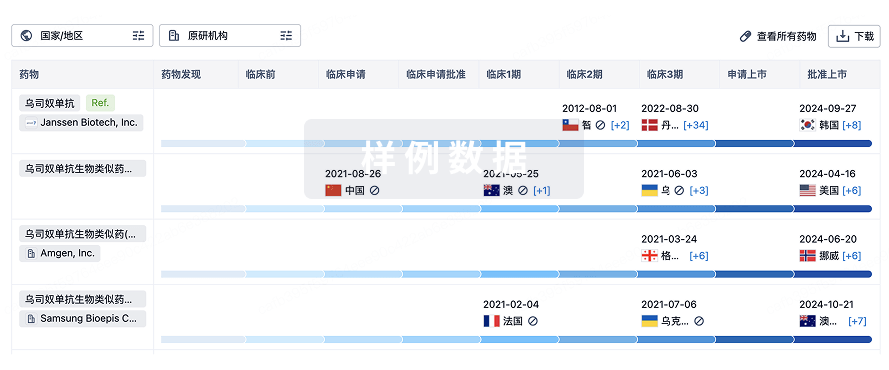
生物类似药
生物类似药在不同国家/地区的竞争态势。请注意临床1/2期并入临床2期,临床2/3期并入临床3期
登录
或
特殊审评
只需点击几下即可了解关键药物信息。
登录
或

提出任何生物医药研究问题
让每一步生物医药决策都精准制胜
基于十亿级生物数据与全球情报的精准 AI,赋能早期药物发现
立即开始免费试用!
智慧芽新药情报库是智慧芽专为生命科学人士构建的基于AI的创新药情报平台,助您全方位提升您的研发与决策效率。
立即接入生物医药数据包
智慧芽新药库数据也通过智慧芽开放平台,以MCP或API服务形式对外开放。立即使用我们的MCP服务定制您的LLM智能体。
生物序列数据库
生物药研发创新
免费使用
化学结构数据库
小分子化药研发创新
免费使用