预约演示
更新于:2026-10-26
Cefamandole Nafate
头孢孟多酯钠
更新于:2026-10-26
概要
基本信息
原研机构 |
在研机构 |
非在研机构 |
权益机构- |
最高研发阶段批准上市 |
首次获批日期 美国 (1978-09-27), |
最高研发阶段(中国)批准上市 |
特殊审评- |


登录后查看时间轴
结构/序列
分子式C19H18N6NaO6S2 |
InChIKeyFUWWBXJEMYXCMO-YCLOEFEOSA-N |
CAS号42540-40-9 |
关联
2
项与 头孢孟多酯钠 相关的临床试验NCT02775968
Population Pharmacokinetics of Cephalosporins and Macrolides in Children With Community Acquired Pneumonia

ChiCTR-TRC-13004924
Combined Clostridium Butyricum and Bifidobacterium Powders' protection for dysbacteriosis and intestinal mucosa damage by antibiotics therapy : a prospective randomized blank controlled trial

100 项与 头孢孟多酯钠 相关的临床结果
登录后查看更多信息
100 项与 头孢孟多酯钠 相关的转化医学
登录后查看更多信息
100 项与 头孢孟多酯钠 相关的专利(医药)
登录后查看更多信息
2,042
项与 头孢孟多酯钠 相关的文献(医药)2026-06-01TRANSFUSION MEDICINE
Drug‐induced immune haemolytic anaemia caused by cefamandole sodium: Complete serologic studies and clinical follow‐up
Article
作者: Wu, Yinglin ; Wu, Yuanjun ; Guo, Ganping ; Xu, Yuanyuan ; Xu, Weifan
Abstract:
Background and Objectives:
There is limited knowledge regarding cefamandole‐related drug‐induced immune haemolytic anaemia (DIIHA). We conducted a comprehensive serological and clinical follow‐up study of a case of cefamandole‐induced DIIHA to improve understanding of this condition.
Materials and Methods:
A patient with advanced hepatocellular carcinoma developed severe haemolytic anaemia along with significant worsening of hepatic and renal function after intravenous cefamandole was administered for a urinary tract infection. Serological testing included the direct antiglobulin tests (DATs), irregular red blood cell (RBC) antibody screening and detection of cefamandole‐dependent antibodies using two standard methods for drug‐dependent antibodies: ‘testing in the presence of soluble drug’ and ‘testing drug‐treated RBCs’, which were performed after cefamandole discontinuation. Clinical follow‐up was conducted for 41 days after drug cessation.
Results:
The results of DAT for anti‐IgG and anti‐C3d were strongly positive, while irregular RBC antibody screening was negative. Plasma samples collected at different points from 13 to 38 days after cefamandole discontinuation were incubated with cefamandole‐coated RBCs at 37°C, revealing both IgM and IgG cefamandole‐dependent antibodies, with a maximum titre of 16. Following treatment with blood transfusion, intravenous immunoglobulin (IVIG), and methylprednisolone, anaemia and organ dysfunction showed marked improvement. Therefore, the patient was diagnosed with cefamandole‐induced DIIHA.
Conclusions:
This study may be the second serological analysis and the first comprehensive clinical follow‐up of cefamandole‐induced DIIHA. It demonstrates that cefamandole‐dependent antibodies can activate complement, leading to severe haemolytic anaemia and hepatic and renal impairment. The ‘testing drug‐treated RBCs’ method is suitable for detecting cefamandole‐dependent antibodies.
2025-10-01SCIENCE PROGRESS
Compatibility and stability of seven selected cephalosporin antibiotics during extended infusion
Article
作者: Zhang, Liting ; Dong, Zhanjun ; Fan, Liju ; Wang, Yao ; An, Jing ; Guo, Xinjian
Objective:
To investigate the physical and chemical stability of cefminox sodium, cefuroxime sodium, cefoxitin sodium, ceftizoxime sodium, cefmetazole sodium, ceftazidime and cefamandole nafate when continuously infused with 0.9% sodium chloride (NS) and 5% glucose (GS).
Methods:
Seven cephalosporin antibiotics were reconstituted in 50 and 100 mL of NS and GS, and stored at room temperature. Samples were collected at 0, 2, 4, 8, and 24 hours to evaluate changes in appearance, pH, insoluble particle count, and drug content.
Results:
The admixture solutions of cefuroxime with both solvents turned yellow at 8 hours. The relative percentage content of the low-concentration group in NS dropped to 82.97% at 24 hours. When cefamandole nafate was admixed with NS, contents of both high and low concentrations dropped below 90% at 8 hours and below 60% at 24 hours. The pH change of the high-concentration group exceeded 1.0 pH unit at 24 hours. For cefoxitin sodium, the pH change of all concentration groups admixed with both solvents exceeded 1.0 pH unit at 24 hours. The high-concentration group in NS declined to 87.72%. The admixture solutions of cefminox with both solvents showed slight discoloration at 24 hours. When cefminox was admixed with GS, the contents of both concentration groups dropped below 90% at 2 hours. All other drug–solvent–concentration combinations had all indicators within the specified limits.
Conclusion:
When admixed with NS, cefmetazole, ceftazidime, and ceftizoxime are stable for 24 hours continuous infusion; cefoxitin and cefminox for up to 8 hours; and cefuroxime and cefamandole nafate for 4 hours. When admixed with GS, cefmetazole, ceftazidime, and ceftizoxime are stable for 24 hours; cefoxitin for up to 8 hours; cefuroxime for 4 hours; and cefminox has a stability period of less than 2 hours, so GS is not recommended as it is continuous infusion solvent.
2025-08-15JOURNAL OF THE SCIENCE OF FOOD AND AGRICULTURE
Article
作者: Yang, Hailong ; Xu, Zhexuan ; Liu, Hui ; Qu, Hang ; Chen, Yang
Abstract:
BACKGROUND:
Diabetes mellitus is a chronic metabolic disorder posing a significant public health challenge. Dendrobium officinale is a valuable edible‐medicinal homologous plant. Phenolic extracts from fermented D. officinale leaves (DOLP) demonstrate a hypoglycemic effect. However, the effects of DOLP on physiological metabolism and gut microbiota under diabetic conditions remain unknown.
RESULTS:
Untargeted metabolomics analysis revealed that DOLP reversed 98 significantly differential metabolites (SDMs) in diabetic mice. Indoxyl sulfate and palmitoyl sphingomyelin were identified as the primary candidate biomarkers associated with the hypoglycemic effect. KEGG pathway enrichment analysis underscored the significance of arginine and proline metabolism, ascorbate and aldarate metabolism, and fatty acid metabolism in the regulatory effects of DOLP. Furthermore, DOLP reversed the dysbiosis of the gut microbiota in diabetic mice, significantly influencing the relative abundance of the genera Intestinimonas, GCA_900066575, Muribaculum, and Enterorhabdus. These differential genera exhibited various correlations with SDMs, including l‐hydroxyarginine, γ‐guanidinobutyrate, l‐threonate, d‐galactarate, l‐ascorbic acid, palmitic acid, cis‐9‐palmitoleic acid, octadecanoic acid, and oleic acid.
CONCLUSION:
The protective effect of DOLP against diabetes mellitus is closely linked to its regulation of physiological metabolism and gut microbiota. DOLP may serve as a promising agent for the prevention and treatment of diabetes mellitus. © 2025 Society of Chemical Industry.
100 项与 头孢孟多酯钠 相关的药物交易
登录后查看更多信息
研发状态
10 条最早获批的记录, 后查看更多信息
登录
| 适应症 | 国家/地区 | 公司 | 日期 |
|---|---|---|---|
| 细菌感染 | 美国 | 1978-09-27 |
登录后查看更多信息
临床结果
临床结果
适应症
分期
评价
查看全部结果
登录后查看更多信息
转化医学
使用我们的转化医学数据加速您的研究。
登录
或
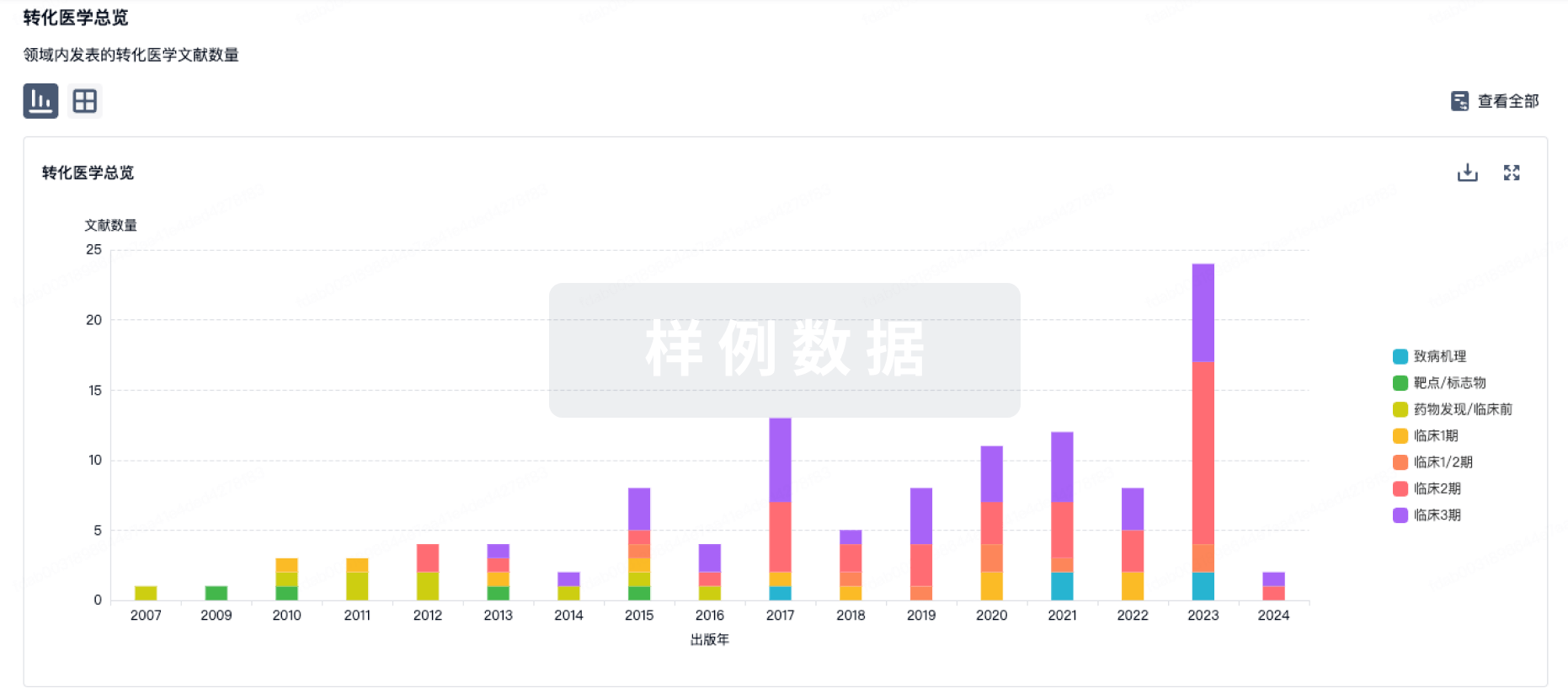
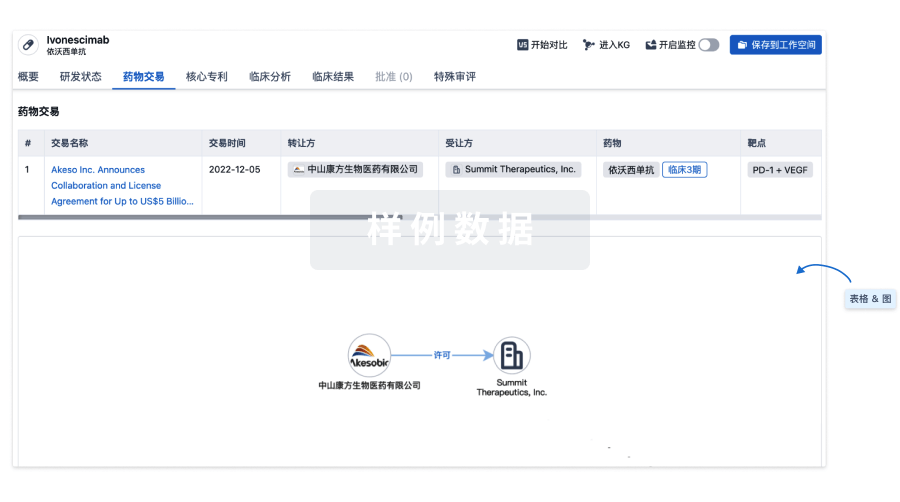
药物交易
使用我们的药物交易数据加速您的研究。
登录
或
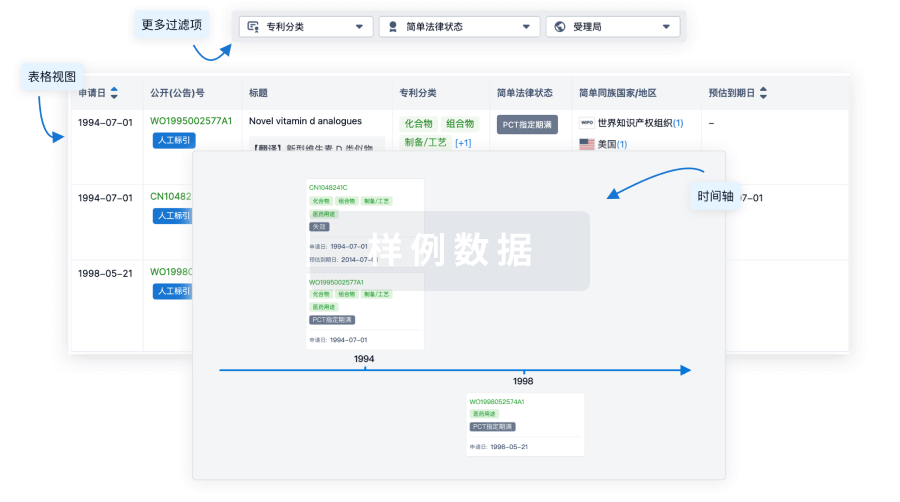
核心专利
使用我们的核心专利数据促进您的研究。
登录
或
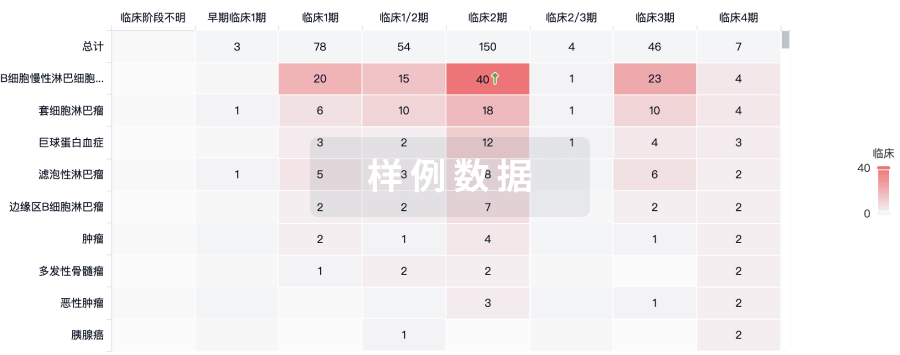
临床分析
紧跟全球注册中心的最新临床试验。
登录
或
批准
利用最新的监管批准信息加速您的研究。
登录
或
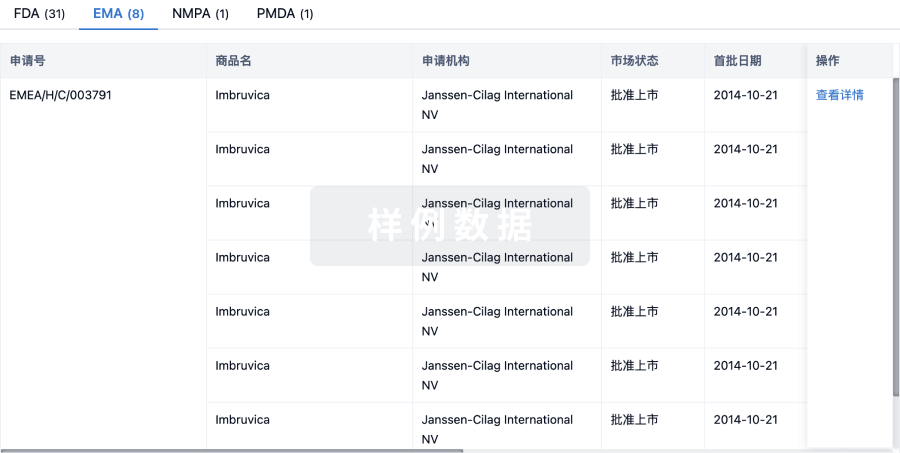
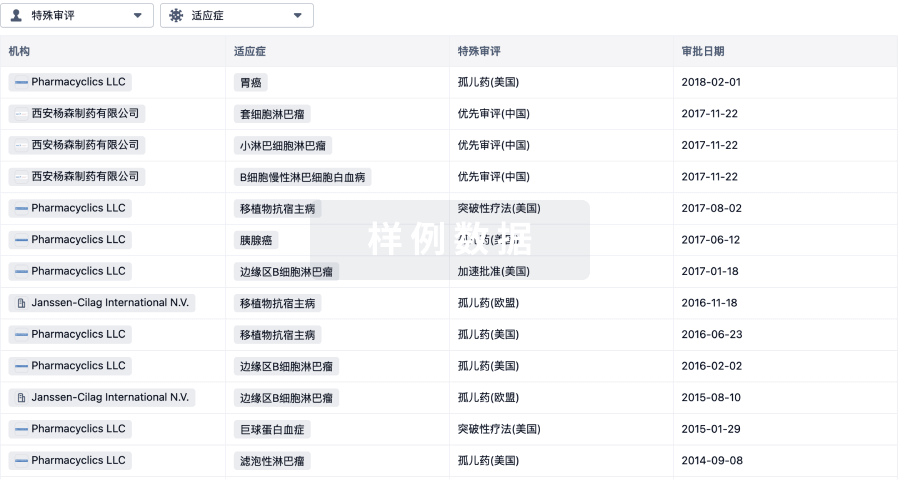
特殊审评
只需点击几下即可了解关键药物信息。
登录
或
提出任何生物医药研究问题
让每一步生物医药决策都精准制胜
基于十亿级生物数据与全球情报的精准 AI,赋能早期药物发现
立即开始免费试用!
智慧芽新药情报库是智慧芽专为生命科学人士构建的基于AI的创新药情报平台,助您全方位提升您的研发与决策效率。
立即接入生物医药数据包
智慧芽新药库数据也通过智慧芽开放平台,以MCP或API服务形式对外开放。立即使用我们的MCP服务定制您的LLM智能体。
生物序列数据库
生物药研发创新
免费使用
化学结构数据库
小分子化药研发创新
免费使用