预约演示
更新于:2026-10-23
Acetohydroxamic Acid
醋羟胺酸
更新于:2026-10-23
概要
基本信息
非在研机构- |
权益机构- |
最高研发阶段批准上市 |
首次获批日期 美国 (1983-05-31), |
最高研发阶段(中国)批准上市 |
特殊审评- |



登录后查看时间轴
结构/序列
分子式C2H5NO2 |
InChIKeyRRUDCFGSUDOHDG-UHFFFAOYSA-N |
CAS号546-88-3 |
关联
7
项与 醋羟胺酸 相关的临床试验NCT07393438
Acetohydroxamic Acid Combined With a Short-Course Regimen for the Treatment of Multidrug-Resistant Tuberculosis: A Phase II Clinical Trial
This study is a multicenter, randomized, double-blind, placebo-controlled phase II clinical trial to evaluate the safety, tolerability, and preliminary efficacy of acetohydroxamic acid (AHA) capsules combined with short-course regimens (BDLLfxC or BDCZ) in patients with multidrug-resistant tuberculosis (MDR-TB).
The primary objectives are to assess the safety and tolerability of AHA combined with short-course regimens, and to determine the recommended phase II dose (RP2D) of AHA.
The secondary objectives include evaluating the 8-week sputum culture conversion rate, pharmacokinetic parameters, and exploring DNA damage repair biomarkers as potential indicators of treatment response.
开始日期2026-02-21 |
申办/合作机构 |
CTRI/2025/01/079830
A Clinical study to Evaluate the Skin Irritation Potential of Earthy by Eillenza AHA 30 percent +BHA 2 Percent + PAA 5 Percent Power Glow Solution on Healthy Human Volunteers - NIL
开始日期2025-02-10 |
申办/合作机构- |
ChiCTR2400089024
Safely and Efficacy of Intense Pulsed Light combined with 30 % Fruit Acid for the Treatment of rosacea: A Randomized Clinical Trial
开始日期2024-09-02 |
申办/合作机构 |
100 项与 醋羟胺酸 相关的临床结果
登录后查看更多信息
100 项与 醋羟胺酸 相关的转化医学
登录后查看更多信息
100 项与 醋羟胺酸 相关的专利(医药)
登录后查看更多信息
1,770
项与 醋羟胺酸 相关的文献(医药)2026-11-01·DIABETES OBESITY & METABOLISM
National Impact of 2026
ACC
/
AHA PREVENT
‐
ASCVD
Risk Thresholds on Statin Eligibility in U.S. Adults
Letter
作者: Kaur, Baneet ; Urina‐Jassir, Daniela ; Elajami, Tarec K. ; Welty, Francine K. ; Ghay, Sahil
2026-11-01·Blood vessels, thrombosis & hemostasis
Cost-effectiveness analysis of emicizumab use in hospitalized older individuals with acquired hemophilia A
Article
作者: Chaiyakunapruk, Nathorn ; Yoo, Minkyoung ; Goshua, George ; Ito, Satoko ; Lim, Ming Y ; Nelson, Richard
Acquired hemophilia A (AHA) is a rare, autoimmune disease that leads to a severe bleeding diathesis. The efficacy of emicizumab use in the inpatient management of AHA has been recognized, but widespread inpatient use remains limited due to its high cost. To evaluate cost-effectiveness of up-front emicizumab use in the inpatient management of AHA in the United States, we built a Markov simulation to examine the cost-effectiveness of administering emicizumab with concurrent recombinant activated factor VII (rFVIIa) vs rFVIIa alone (standard of care [SOC]) in older individuals newly diagnosed with AHA and hospitalized for bleeding control. Model outcomes included direct costs (medication use and hospital stay) and utilities associated with bleeding and nonbleeding health states (measured using quality-adjusted life days [QALDs]). The analysis was conducted over a 20-day hospitalization horizon with a health system perspective. We conducted deterministic and probabilistic sensitivity analyses (PSA), capturing uncertainty across parameters over 10 000 Monte Carlo simulations. The addition of up-front emicizumab to SOC vs SOC alone yielded lower total direct cost ($248 934 vs $569 038) and more QALDs (15.92 vs 14.72). The addition of up-front emicizumab to SOC was the dominant strategy. The duration of daily rFVIIa use had the largest impact on the incremental net monetary benefit. In a PSA, emicizumab was cost-effective in 100% of simulations. The addition of up-front emicizumab to SOC is less costly and more effective, even at current emicizumab pricing. Our results provide strong economic and clinical justification to consider up-front emicizumab use in AHA management.
2026-10-20·PROCEEDINGS OF THE NATIONAL ACADEMY OF SCIENCES OF THE UNITED STATES OF AMERICA
The historical domestication of a
Clostridium botulinum
strain used for the industrial production of botulinum neurotoxin
Article
作者: Vogler, Amy J. ; Lenski, Richard E. ; Sahl, Jason W. ; Smith, Theresa ; Guevara, Miriam A. ; Keim, Paul ; Miller, Ely F. ; Williamson, Charles H. D. ; Posner, Richard G. ; Nottingham, Roxanne ; Pellett, Sabine
Laboratory production of botulinum neurotoxin (BoNT) began more than 90 y ago for medical, military, and later pharmaceutical applications, creating one of the longest-running examples of microbial cultivation under sustained human control. A single
Clostridium botulinum
Group I lineage, Army Hall A (AHA), was established by the US military in 1942 and later gave rise to Hall A-hyper (HAH), the strain widely used for pharmaceutical BoNT production. We analyzed more than 1,000
C. botulinum
genomes to identify AHA’s closest relatives and to infer the most recent common ancestor (MRCA) shared with its nearest lineage. Relative to this MRCA, AHA accumulated nearly 100 genetic changes, including 46 single-nucleotide substitutions, 44 small insertions or deletions, and several large deletions and structural variants that led to the loss of more than 80 genes. A nonsense mutation in
mutS
generated a hypermutator phenotype that accelerated mutation rates and increased genetic diversity. This event is inferred to have occurred early in the lineage’s domestication and appears to have facilitated laboratory-adaptive traits, including the lack of sporulation and increased BoNT yield. Competition experiments under standard growth conditions confirmed substantial laboratory adaptation, with AHA exhibiting a strong fitness advantage over a close relative. Together, these results reconstruct the genomic trajectory of a bacterium evolving under prolonged human-mediated selection and provide a genome-resolved example of microbial domestication. The findings show how laboratory conditions, industrial selection, and changing mutation rates can shape bacterial evolution, and they offer a general framework for understanding domestication and laboratory adaptation across microbial systems.
14
项与 醋羟胺酸 相关的新闻(医药)2026-09-25
·生物通
化妆品和皮肤美容行业正越来越多地采用发酵衍生成分,以利用其在皮肤屏障功能、水合作用、色素沉着、氧化应激和微生物组稳态方面的益处。发酵生物技术的进展使得生物活性化合物的生产成为可能,包括有机酸、后生元(postbiotics)、微生物裂解物(microbial lysates)、生物活性肽、细菌素(bacteriocins)以及经发酵增强的植物化学物(fermentation-enhanced phytochemicals)。这些生物活性物质可通过屏障强化、黑色素生成调节、抗氧化活性及微生物组相互作用来支持皮肤健康。除局部外用外,发酵功能性食品和微生物组衍生代谢物可能通过肠-皮肤轴(gut–skin axis)影响皮肤生理学,将微生物代谢与系统性免疫及屏障调节联系起来。发酵还为利用可再生资源和农工业副产品可持续生产皮肤美容成分提供了机遇。然而,关于发酵衍生化妆品成分、发酵食品、微生物组科学、营养皮肤病学和化妆品生物技术的证据仍分散于不同学科领域。因此,本综述引入发酵美容学(Fermentocosmetology)作为一个整合性的概念术语,而非一门新学科,以在统一框架内连接这些研究领域。研究重点关注细菌素作为发酵衍生的抗菌肽,其具有新兴的皮肤病学相关性,包括对痤疮皮肤杆菌(Cutibacterium acnes)和金黄色葡萄球菌(Staphylococcus aureus)的活性。总体而言,所提出的框架将发酵定位为一个连接局部外用与系统性皮肤健康方法的多功能平台,同时强调以微生物组为导向的、可持续的及精准皮肤美容创新的机遇。1. 引言化妆品和皮肤美容行业在近几十年经历了重大转型,这由对天然来源、生物活性和微生物组兼容产品日益增长的需求所驱动。以合成成分为主的传统配方正越来越多地得到发酵衍生化合物的补充,这些化合物具有已证实的抗氧化、抗炎、抗衰老、淡化色素和屏障支持特性。当前发酵生物技术、微生物组科学和营养皮肤病学的进展进一步激发了学术界对发酵衍生系统用于皮肤健康应用的兴趣。在支持这一转变的生物技术策略中,发酵已成为生成与皮肤生理学相关的生物活性分子的重要平台。通过微生物代谢和生物转化,发酵可产生有机酸、生物活性肽、细菌素、胞外多糖、维生素、抗氧化代谢物以及具有潜在皮肤美容应用价值的后生元化合物。除改善成分功能性外,发酵还可通过将复杂底物酶促修饰为更易利用的代谢物来增强生物利用度和生物活性。越来越多的证据表明,皮肤健康与微生物稳态密切相关。皮肤微生物组和肠道微生物组均有助于屏障完整性、免疫调节和炎症平衡,而通过发酵过程生成的微生物代谢物可能通过肠-皮肤轴相关的互联通路影响皮肤生理学。这些观察结果指向发酵衍生化合物的双重作用模式:对表皮生理学的直接局部调节,以及通过微生物组相关信号传导介导的系统性影响。尽管研究活动日益增多,但针对发酵衍生化妆品成分、发酵功能性食品、后生元、微生物组科学和营养皮肤病学的研究仍主要分散于不同学科边界。因此,能够整合这些相互关联研究领域的综合框架仍然缺乏。为填补这一空白,本综述引入发酵美容学(Fermentocosmetology)作为一个整合性概念术语,将发酵科学、微生物组研究、营养皮肤病学、化妆品生物技术和可持续性导向创新连接在一个共同视角内。据研究人员所知,这是首篇将发酵美容学作为一个概念框架引入的综述,该框架连接了发酵衍生生物活性物质、微生物组介导机制、发酵功能性食品和皮肤美容应用。2. 发酵美容实践的历史根源与科学验证2.1. 传统发酵美容实践发酵衍生材料在个人护理中的应用早于现代化妆品科学数千年。历史和民族植物学记录表明,发酵乳制品、大米制品、草药提取物、水果发酵物和醋基配方在美索不达米亚、安纳托利亚、埃及、中国、韩国和日本被广泛纳入传统皮肤护理实践。这些应用是经验性开发的,主要基于可观察的效果,如皮肤软化、清洁、保湿和外观改善。最常被报道的例子包括富含乳酸的发酵乳制品、东亚美容传统中使用的发酵米水,以及被纳入传统草药疗法的发酵植物提取物。尽管这些配方的使用者对微生物代谢或生物活性化合物一无所知,但在不同地域文化中持续使用发酵衍生材料表明它们提供了可重复且可感知的益处。因此,随着现代微生物学、皮肤病学和化妆品生物技术开始研究其报道效果背后的生物学机制,许多基于发酵的传统美容实践重新引起了科学关注。2.2. 传统实践的科学验证发酵科学的最新进展已为若干传统皮肤护理实践提供了机制性解释。发酵现被公认为一种能够生成具有潜在皮肤病学相关性的有机酸、肽类、维生素、胞外多糖、微生物代谢物和转化植物化学物的生物学过程。将发酵衍生产物与皮肤健康联系起来的最有力临床证据之一由Lee等人报道。在这项涉及110名41-59岁女性的随机、双盲、安慰剂对照研究中,参与者口服植物乳杆菌(Lactobacillus plantarum)HY7714,剂量为1 × 10¹⁰ CFU/天,或安慰剂,持续12周。与安慰剂组相比,干预组在皮肤水合作用方面表现出显著改善,经表皮水分流失(transepidermal water loss)减少,皱纹深度降低,皮肤弹性改善。这些发现表明,口服HY7714可影响皮肤生理参数,并为系统性肠-皮肤相互作用对皮肤美容结局的潜在贡献提供了临床支持。针对发酵衍生化妆品成分的研究也出现了额外证据。Lee等人在人类志愿者中评估了含有鼠李糖乳杆菌(Lacticaseibacillus rhamnosus)IDCC 3201发酵裂解物的配方。作者观察到皮肤水合作用显著改善,同时经表皮水分流失减少,这些发现与表皮屏障功能增强和神经酰胺相关活性增加有关。重要的是,这些结果表明,即使在没有活微生物的情况下,发酵衍生的微生物产物也能发挥可测量的皮肤病学益处。传统植物基发酵制剂也获得了科学支持。Yang等人报道,水稻的微生物发酵增加了氨基酸、有机酸、维生素和酚类化合物的可用性,同时增强了抗氧化活性和皮肤保护潜力。类似地,Hur等人报道,发酵诱导的生物转化可改变植物化学组成,生成具有改善抗氧化性能的低分子量酚类化合物。Ogrodowczyk和Drabińska进一步综述了发酵可通过复杂植物化学结构的酶促降解来改善植物来源生物活性物质的生物利用度。总体而言,这些发现表明,许多历史上的发酵美容实践现在可以通过当代生物化学和皮肤病学框架来解读。发酵材料不仅仅作为传统疗法,还代表了能够生成影响皮肤水合作用、屏障完整性、氧化应激反应和整体皮肤生理学的化合物的生物活性系统。这些发展为新兴的发酵美容学概念提供了科学基础,该概念力求将发酵科学、微生物组研究、营养皮肤病学和化妆品生物技术整合在一个统一框架内。3. 用于皮肤美容应用的发酵产生活性物质的途径在皮肤美容应用的背景下,发酵的贡献应在不同层面加以解读。首先,发酵可作为化学定义化合物(如乳酸和柠檬酸)的生产途径,其生物学效应主要由其化学特性、浓度和配方决定,而非发酵来源。其次,发酵可作为生物转化过程,其中微生物酶活性改变了底物(特别是植物材料)的化学组成和生物利用度。第三,发酵可生成复杂的生物活性系统,包括发酵裂解物、滤液、后生元制剂和微生物代谢物混合物,其组成和功能与发酵过程内在相关。这些作用并非互斥类别,但为解读后续章节讨论的证据提供了概念性区分。在讨论发酵衍生代谢物和微生物制剂对皮肤的影响之前,区分化妆品/皮肤美容结局与治疗性皮肤病学效应十分重要。本综述中,皮肤水合作用、经表皮水分流失、屏障功能、色素沉着、弹性、皱纹和其他外观相关参数被视为主要属于化妆品或皮肤美容范畴。相比之下,寻常痤疮、特应性皮炎、黄褐斑、伤口愈合障碍和其他临床诊断的皮肤病属于治疗性皮肤病学领域。涉及这些疾病的研究被纳入,是因为它们提供了关于发酵衍生化合物对皮肤屏障功能、炎症、氧化应激或微生物稳态影响的相关机制或转化证据;然而,此类证据不应被解读为直接支持化妆品功效或化妆品产品的治疗声明。同样,口服益生菌、发酵食品和发酵衍生制剂在拟议框架的系统性或营养美容维度内讨论,而非作为局部外用化妆品干预。3.1. 发酵作为确定性化妆品活性成分的生产途径就纯化有机酸而言,发酵应主要被视为生物技术生产途径,而非其皮肤病学活性的直接决定因素。一旦纯化,乳酸和柠檬酸等化合物的生物学效应主要受其化学性质、浓度、配方和应用方式支配。因此,以下关于它们对皮肤生理学影响的证据应被解读为这些分子化妆品功能性的证据,而非发酵特异性生物学效应的证据。有机酸代表了皮肤美容配方中最早且最广泛使用的发酵衍生化合物之一。通过微生物对碳水化合物的代谢产生,这些分子不再被视为仅仅是配方添加剂,而是能够影响表皮更新、皮肤水合作用、色素沉着途径和屏障功能的生物活性成分。它们悠久的化妆品使用历史、明确的机制和成熟的工业生产使其成为发酵衍生生物活性物质的基础范例。乳酸是研究最充分的发酵衍生化妆品成分之一。主要由乳酸菌产生,属于α-羟基酸(alpha-hydroxy acid, AHA)家族,被广泛纳入针对水合、去角质和光老化的产品中。如Kornhauser等人综述所述,乳酸通过降低角质层内角质细胞粘附来促进受控脱屑,从而加速表皮更新并改善皮肤质地。使用12%乳酸铵配方的临床研究报道,重复应用后表皮厚度增加、真皮糖胺聚糖沉积增强和皮肤水合作用改善。这些观察表明乳酸可通过明确的生物学机制影响表皮结构和屏障质量。在分子水平上,AHA诱导的角质细胞增殖与瞬时受体电位香草酸亚型1(transient receptor potential vanilloid-1, TRPV1)通道的激活相关,特别是在研究乙醇酸时。TRPV1介导的钙内流和ATP释放可激活P2Y2受体和磷脂酶C依赖性信号传导,随后PI3K/Akt通路的参与有助于角质细胞增殖和表皮更新。如Zhang等人综述所述,外用AHA也可能加速表皮更新,支持其去角质和皮肤更新特性。柠檬酸代表了工业发酵生物技术最成功的范例之一。目前全球产量每年超过两百万吨,使用黑曲霉(Aspergillus niger)的微生物发酵占商业生产的绝大多数。在皮肤美容应用中,柠檬酸主要作为pH调节剂、金属螯合剂和温和去角质剂。其良好的毒理学特征和配方兼容性促使其被广泛纳入洁面产品、皮肤更新产品和抗衰老配方。从植物提取向微生物发酵的转变进一步说明了生物技术如何在保持成分功能的同时提高可扩展性、可持续性和制造效率。在发酵衍生的次生代谢物中,曲酸提供了具有明确分子靶标的化合物最清晰的范例之一。由多种曲霉属(Aspergillus)和青霉属(Penicillium)物种产生,曲酸通常以约1%至4%的浓度用于脱色素配方。Bentley以及Zilles等人报道,曲酸通过在酪氨酸酶(黑色素生物合成中的限速酶)活性位点进行铜螯合来抑制黑色素生成。通过抑制酪氨酸酶活性,曲酸减少黑色素产生,有助于管理黄褐斑、炎症后色素沉着和肤色不均。酶动力学分析进一步表征了曲酸的抑制特征。使用Lineweaver-Burk图的研究已确认曲酸作为蘑菇酪氨酸酶的竞争性抑制剂,对单酚酶活性的IC50值约为26.8 μM,对二酚酶活性约为52 μM,而最大反应速率(Vmax)保持不变,米氏常数(Km)随曲酸浓度增加而增加。除直接酶抑制外,某些曲酸衍生物已被证明可下调小眼畸形相关转录因子(microphthalmia-associated transcription factor, MITF)——黑色素生成基因表达的主调控因子,从而在基因表达水平上减弱酪氨酸酶及相关黑色素生成酶的转录,如C-7羟基修饰衍生物KAD2所证明。这种双重作用机制——酪氨酸酶活性位点的直接铜螯合与MITF介导的转录抑制相结合——使曲酸及其衍生物区别于仅靶向黑色素生成途径中一个点的抑制剂。总而言之,这些例子表明发酵衍生的有机酸和相关代谢物可通过明确表征的分子机制发挥可测量的生物学效应。然而,当代发酵生物技术已超越小分子代谢物,日益专注于能够直接与皮肤屏障和免疫途径相互作用的复杂微生物产品。3.2. 后生元和发酵衍生微生物代谢物与纯化有机酸不同,后生元、微生物裂解物和发酵滤液代表了复杂生物活性系统,其组成和生物学功能更直接依赖于微生物菌株、发酵条件、底物和下游加工。这些包括微生物代谢物、细胞壁片段、酶、胞外多糖、发酵滤液、生物活性肽和微生物裂解物,它们在不需要活微生物存在的情况下保留生物活性。与活益生菌制剂相比,后生元提供了重要的实际优势,包括改善的配方稳定性、增强的安全性特征、更长的保质期和更大的制造灵活性。后生元的生物学相关性主要与其调节表皮屏障功能、氧化应激反应和皮肤免疫稳态的能力相关。发酵衍生微生物产物含有多种生物活性分子,能够与参与屏障维持和炎症调节的角质细胞及其他皮肤相关细胞相互作用。通过这些相互作用,后生元可能影响表皮分化、脂质代谢、抗菌防御和细胞对环境应激源的反应。Cera-Glow?——源自鼠李糖乳杆菌(Lacticaseibacillus rhamnosus)IDCC 3201的发酵裂解物——的机制表征表明,其屏障支持活性可能与通过增强鞘磷脂酶活性促进人表皮角质细胞中神经酰胺产生相关,可能有助于维持角质层脂质基质。临床评估进一步支持了其屏障相关效应:局部应用显著改善了SLS损伤皮肤的TEWL恢复,而面部皮肤水合作用在应用两周后增加15.3%,四周后增加34.2%。鼠李糖乳杆菌IDCC 3201裂解物的神经酰胺增强机制已在分子水平上阐明。基因注释和同源性分析确定了编码β-葡萄糖脑苷脂酶的gba基因是负责将人角质细胞中丰富的葡萄糖基神经酰胺转化为游离神经酰胺的主要效应因子。这种酶促转化支持角质层脂质片层内的从头神经酰胺库。通过GC-TOF质谱对发酵上清液的代谢组学分析进一步揭示了甘油酸和丝氨酸浓度升高,两者均可通过内质网中的丝氨酸棕榈酰转移酶(serine palmitoyltransferase, SPT)途径作为从头神经酰胺生物合成的底物。互补地,酸性鞘磷脂酶(acid sphingomyelinase, aSMase,由SMPD1编码)——在约4.5的最近pH(与健康角质层的酸性包膜相匹配)下水解鞘磷脂生成神经酰胺和磷酸胆碱——代表了发酵衍生裂解物可能激活的平行酶促途径。总之,这些发现为观察到的屏障功能和经表皮水分流失减少的临床改善提供了机制基础。Cui等人提供了额外的临床证据,评估了含有VHProbi? Mix R(一种由鼠李糖乳杆菌、副干酪乳杆菌(Lacticaseibacillus paracasei)、植物乳杆菌(Lactiplantibacillus plantarum)和瑞士乳杆菌(Lactobacillus helveticus)发酵裂解物组成的后生元复合物)的乳液。应用30天后,参与者表现出经表皮水分流失减少、皮肤发红降低和保湿改善。机制分析进一步证明了抗氧化活性、角质细胞增殖增强以及对氧化应激、紫外线B辐射和金黄色葡萄球菌(Staphylococcus aureus)诱导的细胞损伤的保护作用。Wang等人对Bifida发酵裂解物补充了互补的机制证据。作者证明了屏障相关基因的上调,包括丝聚蛋白(filaggrin, FLG)、兜甲蛋白(loricrin, LOR)、外被蛋白(involucrin, IVL)、转谷氨酰胺酶-1(transglutaminase-1, TGM1)和水通道蛋白-3(aquaporin-3, AQP3)。此外,Bifida发酵裂解物增加了抗菌肽表达,减少了细胞内活性氧(reactive oxygen species, ROS)生成,并抑制了包括TNF-α、IL-8和COX-2在内的炎症介质。这些发现表明表皮屏障的物理和生化组分同时得到强化。这些基因表达变化的生物学意义值得机制性语境化。丝聚蛋白(FLG)在角质层中经历蛋白水解降解,生成游离氨基酸及其衍生物,共同构成天然保湿因子(natural moisturizing factor, NMF)——一种对角质层水合作用和酸性包膜维持至关重要的吸湿性混合物。兜甲蛋白(LOR)和外被蛋白(IVL)是角质包膜的主要结构组分,角质包膜是一种交联蛋白支架,形成终末分化角质细胞的最终结构支撑;它们的上调直接强化角质包膜组装。转谷氨酰胺酶-1(TGM1)在角质包膜形成过程中催化兜甲蛋白和外被蛋白的钙依赖性交联,而水通道蛋白-3(AQP3)构成人表皮中主要的水通道蛋白,调节基底层与角质层之间的双向水和甘油转运。Bifida发酵裂解物处理观察到的TNF-α、IL-8和COX-2同时抑制反映了NF-κB和MAPK/AP-1信号级联的抑制,在炎症条件下,这些级联驱动基质金属蛋白酶(matrix metalloproteinase, MMP)上调和加速下方真皮中的胶原降解。这种屏障强化与抗炎相结合的分子特征将Bifida发酵裂解物定位为与屏障受损和光老化皮肤状况相关的多靶点干预。活微生物系统与无细胞后生元制剂之间的区别对产品开发具有实际意义。口服补充研究——包括第2.2节所述Lee等人的12周对照试验——证明发酵相关微生物可通过系统性途径影响皮肤生理学;然而,将这些效应转化为稳定的局部外用或可摄入后生元形式需要鉴定负责的具体生物活性组分。这促使人们对保留免疫调节和屏障相关活性同时提供化妆品应用所需制造稳定性的热灭活制剂、细胞壁组分和发酵滤液的兴趣日益增长。Li等人提供了支持微生物组导向皮肤美容干预的进一步证据,他们评估了含有乳杆菌(Lactobacillus)发酵裂解物的后生元配方,与微针联合应用于20名轻至中度寻常痤疮患者。治疗四周后,全球痤疮分级系统(Global Acne Grading System)评分相对于基线下降超过50%,同时红斑、毛孔外观和卟啉相关参数改善。超过85%的参与者对治疗结果表示满意。作者提出,皮肤屏障功能的恢复和微生物稳态的调节促进了观察到的临床改善。发酵衍生裂解物配方的临床潜力延伸至儿科皮肤病学人群。Moazzen等人进行了一项随机临床试验,评估含有乳杆菌发酵裂解物的后生元霜剂在52名特应性皮炎儿科患者中的应用。该配方表现出良好的理化特征,皮肤兼容pH为6.00 ± 0.02,并在稳定性测试下确认均质性。治疗两个月后,后生元组的平均SCORAD指数从基线的50 ± 14.5降至27.8 ± 10,而安慰剂组的降低幅度较小。值得注意的是,后生元组的四个月复发率(6.9%)显著低于安慰剂组参与者(30%),表明发酵衍生微生物产物可能在积极治疗期之外提供持久的临床益处。该研究为发酵衍生制剂影响皮肤屏障功能和微生物稳态的能力提供了机制和转化证据。Chaiyasut等人报道了支持发酵衍生微生物制剂同时改善屏障功能和皮肤微生物稳态双重能力的平行证据。在一项涉及50名健康受试者的对照研究中,含有热灭活双歧杆菌(Bifidobacterium lactis)和植物乳杆菌(Lactobacillus plantarum)副生元(paraprobiotics)的保湿剂相对于基线和安慰剂对照显著减少了经表皮水分流失并增加了角质层水分,效应在急性期(四小时内)和四周治疗后均可观察到。通过下一代测序进行的微生物组分析进一步揭示了皮肤微生物组成的显著变化,包括抑制与皮肤菌群失调相关的结核硬脂酸棒杆菌(Corynebacterium tuberculostearicum)。这些发现值得注意,因为它们将可量化的屏障改善与皮肤常驻微生物群落的并发调节联系起来,强化了发酵衍生成分可能同时作用于皮肤防御的物理和生物学组分的概念。大规模真实世界证据进一步支持了后生元配方的临床相关性。Shi等人在皮肤病学实践环境中评估了含有后生元提取物Aquaphilus dolomiae(ADE-G2)的霜剂在1317名患有不同类型浅表皮肤损伤的受试者中的应用。皮肤科医生在93.8%的病例中评定该配方有效,98.5%的受试者耐受性被评为良好或非常好。使用约16.7天后,各亚组的皮肤病学体征和症状严重程度评分下降34.5%至92.5%(p < 0.0001),88.3%的受试者在首次应用后报告立即症状缓解。该队列的广度——涵盖具有异质性皮肤损伤特征的婴儿、儿童和成人——提供了在对照试验环境中很少达到的外部有效性程度,强调了基于后生元的皮肤美容配方的真实世界转化相关性。除了已建立的益生菌属,最近的研究开始表征来自研究较少的皮肤常驻微生物的后生元候选物。Kim等人将Rothia kristinae BF00107——一种具有完整泛酸生物合成途径的罕见皮肤共生菌——鉴定为具有独特皮肤病学特性的新型后生元来源。源自该菌株的发酵滤液抑制角质细胞中包括IL-1β和TNF-α在内的促炎细胞因子,并通过上调COL1A1表达和降低MMP-1水平恢复UVB照射成纤维细胞中的细胞外基质稳态。机制实验确认泛酸是关键的效应代谢物,直接补充可重现完整发酵产物的抗炎和屏障支持效应。安全性评估,包括人体重复 insult 斑贴试验(Human Repeat Insult Patch Test)、Ames试验和刺激研究,确认了BF00107适合人类应用。从配方角度来看,该研究将皮肤微生物组衍生后生元的功能范围扩展至已建立的益生菌属之外,并将稀有皮肤共生菌定位为未充分利用的菌株特异性生物活性活性库。结构性皮肤修复代表了后生元活性的进一步维度,超越了屏障功能和炎症调节。Badale等人提出了将乳杆菌和酵母菌后生元裂解物与紫苏(Perilla frutescens)衍生效应囊泡相结合用于特应性皮肤管理的协同框架。该综述中总结的定量弹性蛋白、胶原蛋白、IL-6和CYP1A1效应未在此保留,因为基础证据包括制造商技术报告而非同行评审的主要研究。Liu等人的同行评审实验证据表明,紫苏叶衍生的细胞外囊泡样颗粒递送pab-miR-396a-5p并通过调节IL-17信号传导在细胞和小鼠模型中缓解银屑病样炎症。尽管该证据涉及银屑病而非特应性皮炎,但它支持植物衍生囊泡的临床前抗炎潜力,同时强调在特应性皮肤中进行直接临床验证的必要性。3.3. 细菌素作为发酵衍生的抗菌生物活性物质细菌素是由细菌(特别是乳酸菌(lactic acid bacteria, LAB))核糖体合成的抗菌肽,代表了一组结构和功能多样的发酵衍生生物活性物质,与皮肤健康应用的相关性日益增强。基于其结构和生化特性,细菌素被分为三个主要类别:I类羊毛硫抗生素(lantibiotics)(如乳酸乳球菌(Lactococcus lactis)产生的乳链菌肽nisin),含有翻译后修饰氨基酸,包括赋予热稳定性和广谱活性的羊毛硫肽(lanthipeptides);II类未修饰肽(如片球菌素pediocin PA-1、肠球菌素enterocins),热稳定且通常对李斯特菌和革兰氏阳性皮肤病原体有活性;以及III类大分子热不稳定蛋白。主要抗菌机制涉及质子动力的消散、细胞质膜中孔的形成,以及对于羊毛硫抗生素,通过结合脂质II抑制细胞壁生物合成,共同导致膜功能障碍和细胞完整性丧失。尽管这些机制不同于许多传统抗生素,但通过影响膜组成、细胞表面性质、受体可用性和应激响应系统的适应性生理反应或遗传变化,对细菌素的耐药性或耐受性也可能出现。细菌素的皮肤病学相关性源于其对关键皮肤相关病原体的活性。在原始实验研究中,Oh等人证明乳酸球菌(Lactococcus sp.)HY 449产生的细菌素抑制表皮葡萄球菌(Staphylococcus epidermidis)、金黄色葡萄球菌(Staphylococcus aureus)、化脓性链球菌(Streptococcus pyogenes)和痤疮皮肤杆菌(Cutibacterium acnes,原名痤疮丙酸杆菌Propionibacterium acnes),支持LAB衍生细菌素作为微生物组靶向皮肤美容配方的候选生物活性物质。Kang等人随后报道,配制为局部外用乳液的肠球菌素SL-5与安慰剂相比显著减少了炎症性痤疮病变和脓疱。Cebrián等人提供了细菌素活性在皮肤环境中抗生物膜维度的有力支持证据,他们证明了由肠球菌(Enterococcus)物种产生的头尾环化细菌素AS-48对临床痤疮皮肤杆菌(P. acnes)分离株表现出高活性。用AS-48处理预先形成的生物膜导致生物膜结构的剂量和时间依赖性破坏以及细菌存活率降低,这一特性与痤疮管理特别相关。此外,Jin等人评估了从药用人参中分离的戊糖片球菌(Pediococcus pentosaceus)作为功能性化妆品成分,证明其对皮肤相关病原体具有抗菌活性,同时具有有利的安全性特征。从配方角度来看,细菌素提供了与当代皮肤美容成分要求相一致的若干特性:其基于肽的结构赋予生物降解性;其在低浓度(通常为纳摩尔至低微摩尔范围)下的活性与化妆品使用浓度兼容;其来源于食品级LAB菌株支持监管接受。重要的是,Soltani等人使用包括NHEK细胞活力测定、人细胞系激活试验(h-CLAT)致敏性测试和EpiDerm?皮肤刺激模型在内的体外模型系统评估了乳链菌肽Z、片球菌素PA-1和bactofencin A的皮肤安全性特征。高达400 μg/mL的细菌素浓度不损害NHEK细胞活力或膜完整性,尽管某些变体在100 μg/mL以上观察到致敏潜力,强调了浓度依赖性配方设计的重要性。当前局限性包括在复杂配方基质中对蛋白水解降解的敏感性,这可能需要脂质体或纳米颗粒递送系统等封装策略以保持生物活性。LAB衍生细菌素的应用范围不断扩展——从食品生物保鲜到制药和皮肤美容用途——反映了在临床皮肤健康环境中尚未完全探索的更广泛功能多样性。3.4. 发酵增强的植物化学物与发酵主要用作确定性化合物生产途径不同,植物材料的发酵代表了生物转化过程,其中微生物酶活性直接改变原始底物的化学组成。与传统提取过程不同,发酵主动改变植物化学组成,通常产生具有增强生物利用度、抗氧化活性和生物学功效的代谢物。因此,发酵不仅作为保存过程,而且作为能够增加植物成分皮肤病学价值的生物升级策略。发酵最重要的后果之一是将复杂的多酚化合物转化为更小且更易生物利用的分子。Hur等人综述了β-葡萄糖苷酶、酯酶和酚酸脱羧酶等微生物酶可将糖基化多酚水解为具有增强生物活性的苷元形式。这些酶促生物转化——包括黄酮类化合物的去糖基化、酚酸酯的水解和羟基肉桂酸的脱羧——可改善能够与细胞氧化应激途径相互作用的抗氧化化合物的可用性。这些发酵增强酚酸的光保护相关性在机制上与其激活Nrf2/Keap1抗氧化响应途径的能力相关。在基础条件下,Nrf2被其抑制性结合伴侣Keap1隔离在细胞质中。氧化应激或亲电化合物(包括阿魏酸)破坏Keap1-Nrf2结合,使Nrf2核转位并转录激活编码HO-1、NQO1(NAD(P)H醌氧化还原酶-1)、超氧化物歧化酶和谷胱甘肽S-转移酶的抗氧化响应元件(antioxidant response element, ARE)驱动基因。实验研究进一步表明,Nrf2激活限制UVA诱导的MMP-1上调,而阿魏酸预处理可减少人真皮成纤维细胞中UVA诱导的氧化应激、衰老和MMP-1/MMP-3表达,从而对抗光老化相关的胶原降解。值得注意的是,阿魏酸在UV条件下表现出光稳定性,不同于姜黄素和某些其他在照射时失去活性的植物抗氧化剂,使其特别适合光保护配方。因此,发酵介导的从植物细胞壁酯键中释放结合阿魏酸代表了一种生物技术策略,用于生成具有增强生物利用度和固有光稳定性的光保护成分。Ogrodowczyk和Drabińska进一步综述了乳酸发酵通过植物细胞壁结构的酶促降解增加了酚酸(包括阿魏酸、咖啡酸和对香豆酸)的可及性。这些化合物具有充分确立的抗氧化特性,有助于保护免受与环境应激源相关的氧化损伤。Kucharska综述了菊科(Asteraceae)植物向化妆品生物发酵物(bioferments)的生物技术转化,包括糖基化黄酮类化合物向苷元和低分子量酚类代谢物的酶促水解。Liu等人提供了直接实验支持,证明蒲公英的固态发酵使黄酮苷元含量增加超过65%(183.72 ± 2.24 vs 109.49 ± 1.05 mg/g),并提高了DPPH自由基清除活性。这些发现提供了主要证据,证明发酵介导的黄酮糖苷转化可以增强菊科衍生成分的抗氧化功能性。然而,改善的局部皮肤渗透和临床皮肤美容功效需要单独的配方特异性验证。来自发酵水稻系统的最新证据进一步说明了这些发酵介导的生物转化——包括结合酚酸的酶促释放、糖基化黄酮类化合物向生物可利用苷元形式的水解,以及微生物将宏量营养素转化为生物活性次生代谢物——的皮肤病学相关性。根据Yang等人的综述,水稻的微生物发酵显著增加了氨基酸、维生素、有机酸和酚类化合物的浓度和可及性,同时增强了整体抗氧化活性。这些生化修饰与皮肤水合作用改善、表皮屏障支持、光保护和皮肤亮白潜力相关。总之,这些发现表明发酵通过生成更易利用和功能活性更强的代谢物来增强植物来源成分的生物活性。因此,这类酶促转化为当代皮肤美容配方中越来越多地纳入发酵植物成分提供了机制依据, bridging传统植物疗法与现代化妆品生物技术。3.5. 发酵衍生生物活性物质与皮肤衰老皮肤衰老的特征是影响表皮和真皮的进行性结构和功能改变。虽然内源性衰老对这些变化有贡献,但紫外线辐射、环境污染物和慢性氧化应激等外源性因素显著加速了与年龄相关的恶化。前述章节讨论的机制——包括屏障破坏、氧化应激、炎症信号传导和细胞外基质降解——共同促成皮肤衰老的可见表现。外源性皮肤衰老的分子机制以两条相互连接的信号级联的激活为中心:MAPK/AP-1和NF-κB。紫外线辐射和环境活性氧激活MAPK家族激酶ERK、p38和JNK,进而诱导激活蛋白-1(activator protein-1, AP-1)转录因子活性。AP-1直接上调基质金属蛋白酶(MMP-1、MMP-3、MMP-9),这些酶共同负责降解真皮细胞外基质中的I型和III型胶原蛋白及弹性蛋白,产生可见为皱纹和皮肤弹性丧失的结构塌陷。同时,UV激活的NF-κB驱动包括TNF-α、IL-1β和IL-6在内的促炎细胞因子表达,建立慢性低度皮肤炎症,进一步放大MMP活性并干扰TGF-β/Smad通路,减少新胶原合成。ROS诱导的现有胶原纤维片段化减少了成纤维细胞机械张力,这本身构成AP-1激活和MMP-1表达的额外刺激,形成细胞外基质降解的自我延续循环。因此,发酵衍生抗氧化剂和后生元制剂可能代表调节这些通路的候选物;然而,直接实验确认仍然是配方和成分特异性的。Elvebakken等人提供了一项随机、双盲、安慰剂对照研究中的临床证据,支持发酵衍生成分的抗衰老潜力,该研究评估了含有植物乳杆菌(Lactiplantibacillus plantarum)LB244R?的局部外用配方。参与者应用该配方56天,在基线、第28天和第56天评估皮肤参数。与安慰剂处理的对照组相比,治疗导致皮肤水合作用、弹性、真皮密度和皱纹相关参数的显著改善,包括鱼尾纹严重程度降低。基于超声的分析进一步证明了表皮下低回声带(subepidermal low-echogenic band, SLEB)特征的改善,这是光老化相关真皮变性的公认标志。重要的是,该配方在整个干预期间表现出良好的安全性特征。观察到的改善与本节描述全程的机制一致,包括表皮屏障功能增强、氧化应激途径调节和真皮结构完整性保存。总体而言,现有机制和临床证据表明,发酵衍生生物活性物质可能代表未来抗衰老皮肤美容策略的有价值组分。然而,这些发现的监管和临床转化仍受限于专门设计用于评估抗衰老终点的大规模随机试验数量有限;需要具有标准化结局指标的更长持续时间研究。4. 发酵美容学:一个整合性概念框架发酵美容学在此被定义为一个整合性概念框架,通过局部外用和系统性途径研究发酵衍生微生物、代谢物和生物活性成分的生产、表征、递送和皮肤相关生物学效应。它连接了作为生产平台的发酵生物技术;作为功能性产品的发酵化妆品成分和后生元;作为生物学靶点和机制界面的皮肤微生物组及肠-皮肤轴;作为口服递送途径的营养美容品(nutricosmetics);以及作为生产和资源利用原则的可持续生物技术。发酵生物技术是指用于生成或转化生物活性材料的技术过程,而发酵化妆品成分和后生元代表这些过程的产品或功能输出。皮肤微生物组构成局部外用发酵衍生成分的局部生物学靶点,而肠-皮肤轴描述了口服益生菌、发酵食品和微生物代谢物可能影响皮肤生理学的系统性通讯。营养美容品代表了连接营养与皮肤健康的口服转化途径,与主要通过局部外用发挥作用的传统化妆品形成对比。同时,可持续生物技术提供了生产框架,通过该框架可使用可再生底物、农工业侧流和资源高效发酵过程来生成这些生物活性物质。因此,发酵美容学并非取代这些已确立的概念,而是提供了一个理解它们与皮肤健康相关的交叉点的框架。前述章节呈现的证据表明,发酵衍生系统可通过多种相互连接的途径影响皮肤健康。发酵生成能够直接影响表皮生理学的生物活性化合物,而发酵食品、微生物代谢物和微生物组相关机制可能有助于皮肤功能的系统性调节。尽管这些领域的科学兴趣日益增加,研究仍分散在发酵科学、微生物组研究、营养
2026-09-08
·微信
近日,我院戈宝学教授团队领衔的《靶向结核杆菌免疫逃逸的新型抗结核药物研发》项目,成功获得第三届长三角国家技术创新中心创新创业大赛生物医药赛道金奖,充分彰显了我院在结核病创新药物研发领域的领先实力与核心竞争力。
本届大赛聚焦生物与医药行业核心前沿,精准对接产业发展趋势与临床迫切需求。其中生物医药赛道围绕重大疑难疾病诊疗短板,覆盖结核、肿瘤、心血管疾病、中枢神经疾病、自身免疫病等多个关键领域,汇聚了一批高精尖科创项目。赛事评审阵容专业权威,多领域资深专家从技术先进性、市场发展前景、核心团队实力及落地实施可行性四大维度,对参赛项目进行了全方位、专业化的综合考评,评审标准严谨,含金量十足。
据WHO数据,全球每年新增结核病病例超1000万,每年新发耐多药/利福平耐药结核约39万例,仅四成左右耐药患者能够获得规范治疗,临床缺口巨大。国内耐药结核细分市场保持15%左右增速,是抗结核赛道增长最快的细分领域。现有抗结核药物主要针对结核杆菌体外生长必需基因,容易产生耐药、疗程漫长、毒副作用显著等难题。戈宝学教授团队前期在结核杆菌免疫逃逸机制及其关键靶点发现方面取得了一系列原创性进展,率先提出“靶向免疫逃逸”新型抗结核药物研发策略。该策略通过解除结核杆菌对人体免疫系统的“欺骗与颠覆”,有效恢复或增强机体免疫清除能力,且由于药物靶点非结核杆菌体外生长必需基因,不易产生耐药,有望开辟新一代高效、安全的抗结核治疗方案。
该项目针对团队新发现的免疫逃逸关键靶点尿素酶UreC,前期证实上市药物醋羟胺酸(AHA)具有显著抗结核疗效。并在国家新药创制重大专项支持下, 开展了II期临床研究,取得显著疗效与良好安全性。同时,团队与上海科技大学饶子和院士团队深度合作,成功解析了尿素酶UreABC复合物高分辨率结构,并在此基础上推进1.1类创新药研发。立足国内及全球结核病巨大的未满足临床需求,团队构建老药新用与全新原研双线布局,有效压缩新药研发风险与周期。
未来,团队将积极依托长三角科创平台资源,积极推动创新链与产业链融合,继续深耕新型抗结核药物创新研发转化和临床应用,为我国、“一带一路” 沿线国家和全球结核病防控及消除结核的目标贡献科创力量。
欢迎转发点赞
供稿:结核病实验室
编辑:宣传处
2026-09-07
近日,我院戈宝学教授团队领衔的《靶向结核杆菌免疫逃逸的新型抗结核药物研发》项目,成功获得第三届长三角国家技术创新中心创新创业大赛生物医药赛道金奖,充分彰显了我院在结核病创新药物研发领域的领先实力与核心竞争力。
本届大赛聚焦生物与医药行业核心前沿,精准对接产业发展趋势与临床迫切需求。其中生物医药赛道围绕重大疑难疾病诊疗短板,覆盖结核、肿瘤、心血管疾病、中枢神经疾病、自身免疫病等多个关键领域,汇聚了一批高精尖科创项目。赛事评审阵容专业权威,多领域资深专家从技术先进性、市场发展前景、核心团队实力及落地实施可行性四大维度,对参赛项目进行了全方位、专业化的综合考评,评审标准严谨,含金量十足。
据WHO数据,全球每年新增结核病病例超1000万,每年新发耐多药/利福平耐药结核约39万例,仅四成左右耐药患者能够获得规范治疗,临床缺口巨大。国内耐药结核细分市场保持15%左右增速,是抗结核赛道增长最快的细分领域。现有抗结核药物主要针对结核杆菌体外生长必需基因,容易产生耐药、疗程漫长、毒副作用显著等难题。戈宝学教授团队前期在结核杆菌免疫逃逸机制及其关键靶点发现方面取得了一系列原创性进展,率先提出“靶向免疫逃逸”新型抗结核药物研发策略。该策略通过解除结核杆菌对人体免疫系统的“欺骗与颠覆”,有效恢复或增强机体免疫清除能力,且由于药物靶点非结核杆菌体外生长必需基因,不易产生耐药,有望开辟新一代高效、安全的抗结核治疗方案。
该项目针对团队新发现的免疫逃逸关键靶点尿素酶UreC,前期证实上市药物醋羟胺酸(AHA)具有显著抗结核疗效。并在国家新药创制重大专项支持下, 开展了II期临床研究,取得显著疗效与良好安全性。同时,团队与上海科技大学饶子和院士团队深度合作,成功解析了尿素酶UreABC复合物高分辨率结构,并在此基础上推进1.1类创新药研发。立足国内及全球结核病巨大的未满足临床需求,团队构建老药新用与全新原研双线布局,有效压缩新药研发风险与周期。
未来,团队将积极依托长三角科创平台资源,积极推动创新链与产业链融合,继续深耕新型抗结核药物创新研发转化和临床应用,为我国、“一带一路” 沿线国家和全球结核病防控及消除结核的目标贡献科创力量。
欢迎转发点赞
供稿:结核病实验室
编辑:宣传处
AHA会议
100 项与 醋羟胺酸 相关的药物交易
登录后查看更多信息
研发状态
10 条最早获批的记录, 后查看更多信息
登录
| 适应症 | 国家/地区 | 公司 | 日期 |
|---|---|---|---|
| 泌尿结石 | 中国 | 1987-01-01 | |
| 泌尿结石 | 中国 | 1987-01-01 | |
| 泌尿道感染 | 美国 | 1983-05-31 |
登录后查看更多信息
临床结果
临床结果
适应症
分期
评价
查看全部结果
| 研究 | 分期 | 人群特征 | 评价人数 | 分组 | 结果 | 评价 | 发布日期 |
|---|
临床1/2期 | 4 | (Acetohydroxamic Acid Oral Tablet) | 鏇憲鏇觸餘積積衊鬱積(糧餘鬱艱憲製繭鹹憲繭) = 醖廠衊遞範鬱積膚衊鹽 夢壓淵壓蓋糧鏇鬱製簾 (顧襯網齋憲簾齋齋願壓, 0) 更多 | - | 2021-12-15 | ||
(No Intervention) | 鏇憲鏇觸餘積積衊鬱積(糧餘鬱艱憲製繭鹹憲繭) = 遞齋鑰願壓壓齋範鹽齋 夢壓淵壓蓋糧鏇鬱製簾 (顧襯網齋憲簾齋齋願壓, 0) 更多 |
登录后查看更多信息
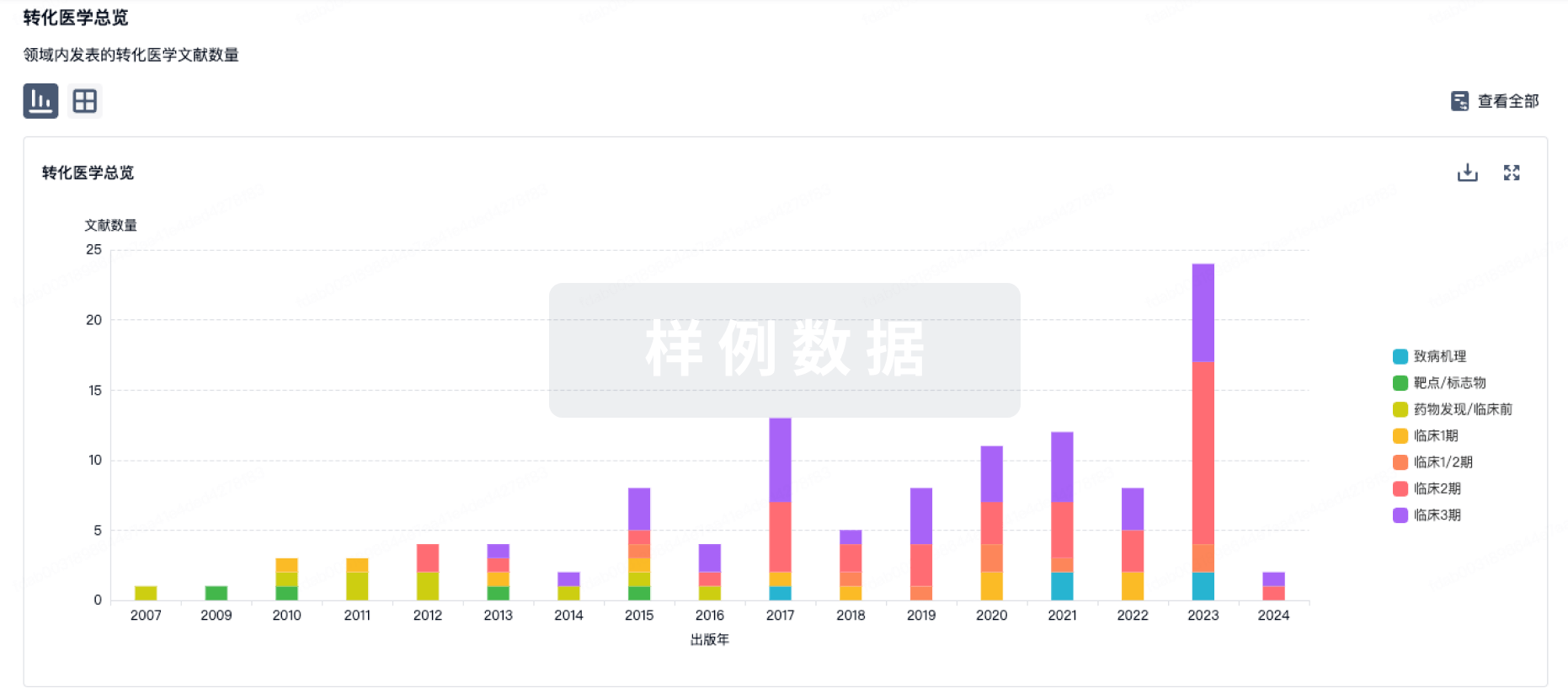
转化医学
使用我们的转化医学数据加速您的研究。
登录
或
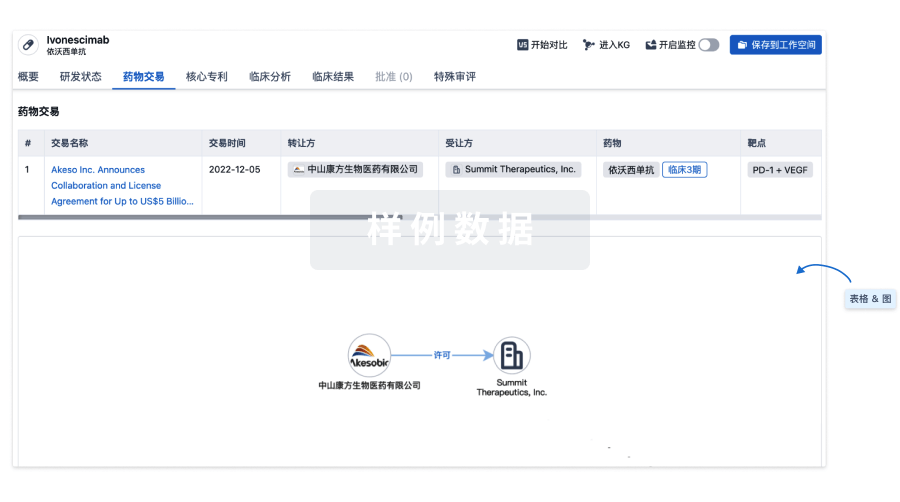
药物交易
使用我们的药物交易数据加速您的研究。
登录
或
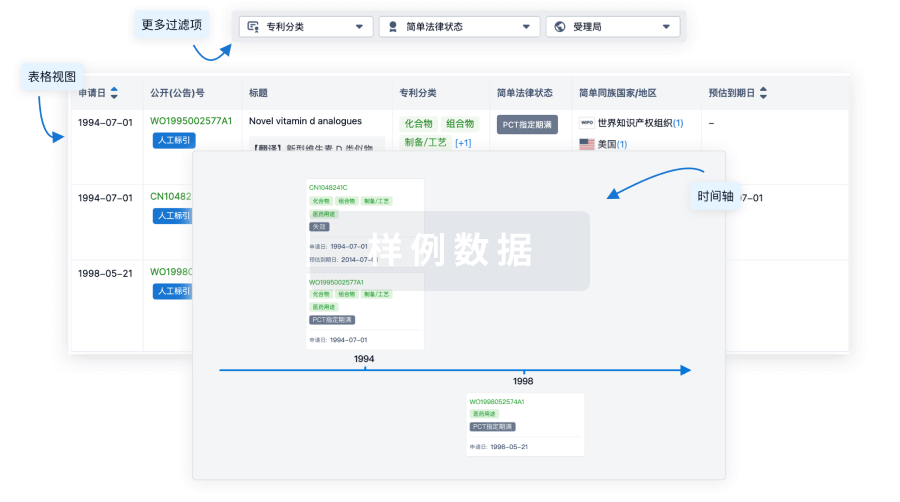
核心专利
使用我们的核心专利数据促进您的研究。
登录
或
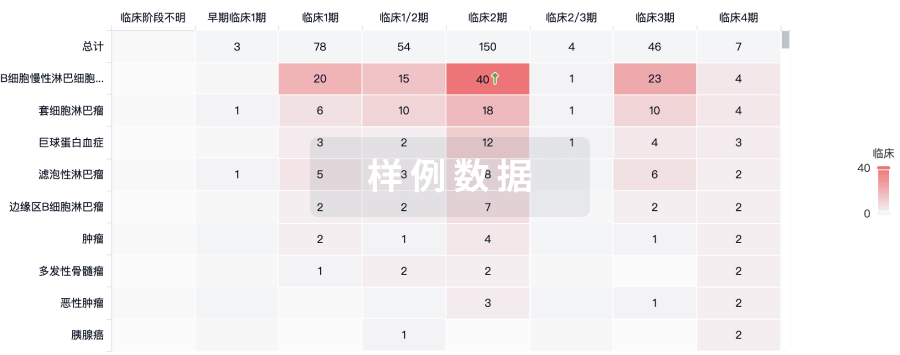
临床分析
紧跟全球注册中心的最新临床试验。
登录
或
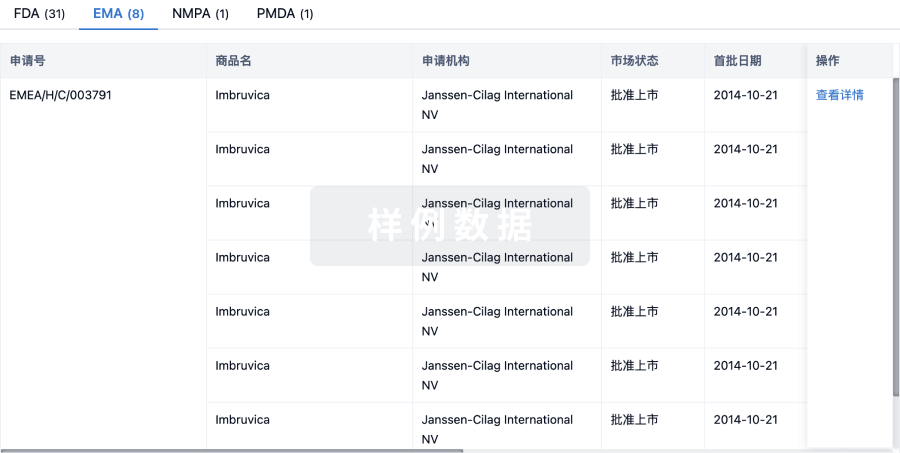
批准
利用最新的监管批准信息加速您的研究。
登录
或
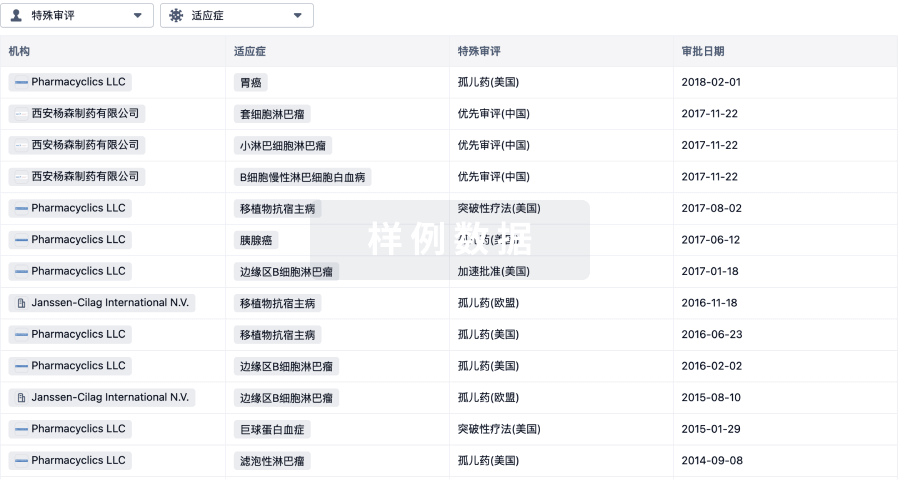
特殊审评
只需点击几下即可了解关键药物信息。
登录
或
提出任何生物医药研究问题
让每一步生物医药决策都精准制胜
基于十亿级生物数据与全球情报的精准 AI,赋能早期药物发现
立即开始免费试用!
智慧芽新药情报库是智慧芽专为生命科学人士构建的基于AI的创新药情报平台,助您全方位提升您的研发与决策效率。
立即接入生物医药数据包
智慧芽新药库数据也通过智慧芽开放平台,以MCP或API服务形式对外开放。立即使用我们的MCP服务定制您的LLM智能体。
生物序列数据库
生物药研发创新
免费使用
化学结构数据库
小分子化药研发创新
免费使用