预约演示
更新于:2026-03-21
Ancestim
安西司亭
更新于:2026-03-21
概要
基本信息
原研机构 |
在研机构 |
非在研机构- |
最高研发阶段批准上市 |
首次获批日期 澳大利亚 (1999-08-09), |
最高研发阶段(中国)- |
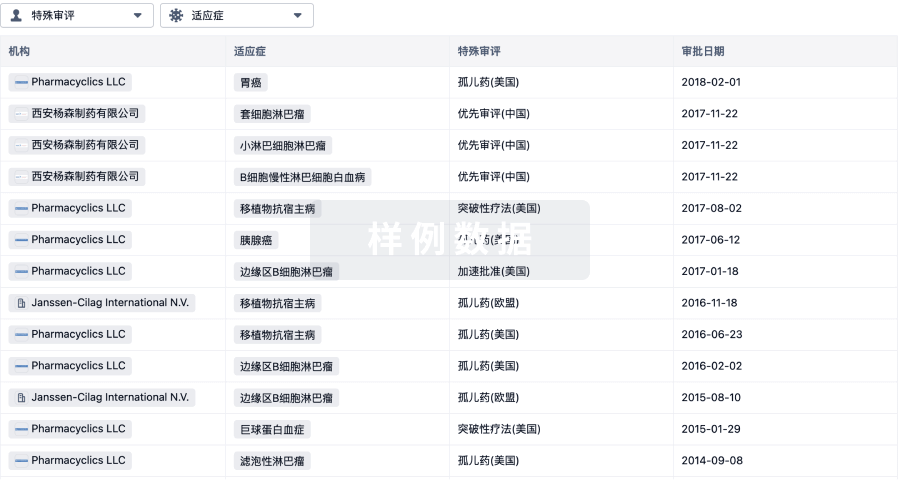
特殊审评孤儿药 (美国) |


登录后查看时间轴
结构/序列
Sequence Code 16915307
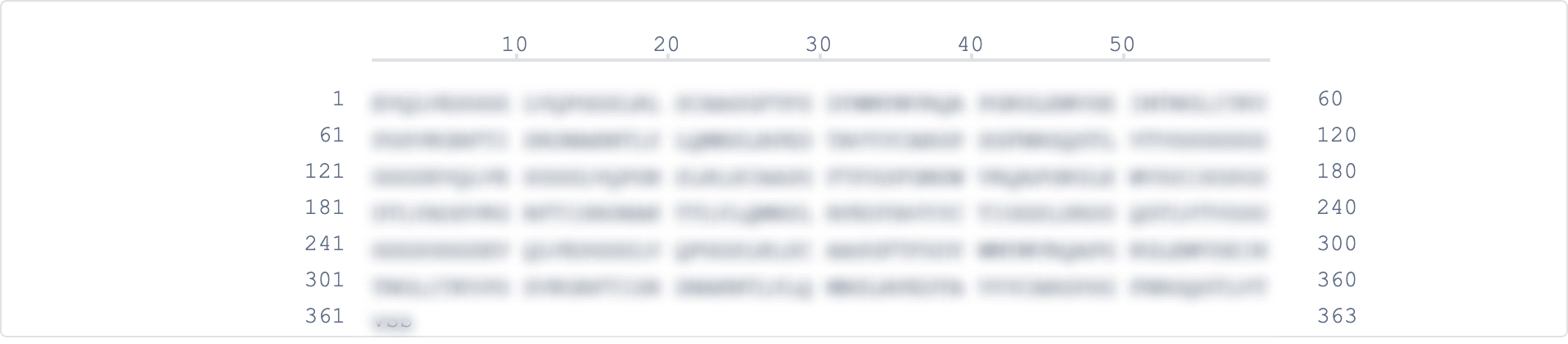
来源: *****
关联
3
项与 安西司亭 相关的临床试验NCT00434239
A Pilot Study of the Combination of Lenalidomide (Revlimid®) With Two Different Dose Levels of Short Term Administration of Recombinant Human Stem Cell Factor (rhSCF; Ancestim) for Myelodysplasia.
NCT00001750
Randomized Trial of Autologous Transplantation With Filgrastim Versus Stem Cell Factor/Filgrastim-Primed CD34-Enriched Peripheral Blood Cells for Multiple Myeloma
NCT00001398
A Phase I/II Trial of Recombinant Methionyl Human Stem Cell Factor (r-metHuSCF) in Patients Diagnosed With Acquired Aplastic Anemia
100 项与 安西司亭 相关的临床结果
登录后查看更多信息
100 项与 安西司亭 相关的转化医学
登录后查看更多信息
100 项与 安西司亭 相关的专利(医药)
登录后查看更多信息
857
项与 安西司亭 相关的文献(医药)2026-04-01JOURNAL OF DENTISTRY
Antibacterial and mineralising properties of silver complex fluoride on enamel caries: An in vitro study
Article
作者: Zhao, Irene S ; Lo, Edward Cm ; Xu, Grace Y ; Yin, Iris X ; Lung, Christie Yk ; Chu, Chun Hung
OBJECTIVE:
This study aimed to investigate the antibacterial and mineralising effects of silver complex fluoride (SCF) on enamel.
METHODS:
Sound human enamel blocks were prepared and subjected to Streptococcus mutans-induced demineralisation to create artificial caries. Blocks were treated with SCF, 38% silver diamine fluoride (SDF), or deionised water and underwent a 21-day pH-cycling. Biofilm morphology, viability, and quantification were analysed using scanning electron microscopy (SEM), confocal laser scanning microscopy (CLSM), and colony-forming unit (CFU) counting. Remineralisation effects were assessed by SEM, micro-computed tomography (micro-CT), Knoop microhardness, and X-ray diffraction (XRD).
RESULTS:
SEM images showed dense bacterial biofilm on water-treated enamel, but minimal growth on SCF- or SDF-treated surfaces. CLSM indicated higher dead/live cell ratios in SCF (0.75 ± 0.22) and SDF (0.83 ± 0.25) groups than water (0.43 ± 0.22; p < 0.001). Log CFU values for SCF, SDF, and water were 6.90 ± 0.09, 6.74 ± 0.23, and 7.78 ± 0.13, respectively (p < 0.001, SCF, SDF < Water). Lesion depths (μm) were 91 ± 36, 89 ± 24, and 186 ± 34 (p < 0.001; SCF, SDF < Water), while mineral loss (gHA pcm⁻³) was 0.43 ± 0.13, 0.40 ± 0.14, and 1.32 ± 0.21 (p < 0.001; SCF, SDF < Water) for SCF, SDF, and water, respectively. Knoop hardness was significantly higher in SCF (70 ± 2) and SDF (72 ± 7) than water (25 ± 6; p < 0.05). XRD confirmed well-crystallised hydroxyapatite in SCF- and SDF-treated enamel but not in water-treated samples.
CONCLUSION:
SCF demonstrates antibacterial and mineralising properties comparable to SDF.
CLINICAL SIGNIFICANCE:
Adoption of SCF may expand silver-based caries prevention by improving patient acceptance without compromising appearance.
2026-04-01JOURNAL OF DENTISTRY
Antibacterial and demineralisation-inhibiting properties of silver complex fluoride on dentine caries: an in vitro study
Article
作者: Zhao, Irene S ; Lo, Edward Cm ; Xu, Grace Y ; Yin, Iris X ; Lung, Christie Yk ; Chu, Chun Hung
OBJECTIVE:
The objective of this study was to investigate the antibacterial and demineralisation-inhibiting effects of a non-discolouring silver complex fluoride (SCF) on artificial dentine caries.
METHODS:
Dentine blocks with artificial carious lesions were treated with SCF, silver diamine fluoride (SDF, as positive control), and water (as negative control). Then the blocks underwent Streptococcus mutans biofilm and pH-cycling for 7 days. The morphology, viability and growth kinetics of the biofilm were evaluated by scanning electron microscopy (SEM), confocal laser scanning microscopy (CLSM) and colony-forming unit (CFU) counting, respectively. The dentine surface morphology, lesion depths and mineral loss, chemical structure and crystal characteristics were determined using SEM, micro-computed tomography, Fourier transform infrared (FTIR), and X-ray diffraction (XRD), respectively. One-way analysis of variance with the Bonferroni post hoc test was performed to assess and compare the data.
RESULTS:
SEM revealed confluent bacterial growth covering the surface of dentine treated with water but not SCF and SDF. CLSM showed that the dead-to-live ratios of biofilms treated with SCF, SDF, and water were 0.77 ± 0.16, 0.88 ± 0.40, and 0.44 ± 0.03, respectively (p < 0.001, SCF, SDF>Water). The Log CFU values of the biofilm treated with SCF, SDF and water were 6.7 ± 0.1, 6.6 ± 0.2 and 7.8 ± 0.1 (p < 0.001, SCF, SDF-3) of dentine treated with SCF, SDF and water were 0.24±0.05, 0.20±0.03 and 0.45±0.03 (p < 0.001, SCF, SDF
CONCLUSION:
This study demonstrated that SCF inhibited the growth of S. mutans biofilm and reduced the demineralisation of artificial dentine caries.
CLINICAL SIGNIFICANCE:
If SCF is successfully translated into clinical application, it may be a novel anti-caries agent for clinicians to arrest dentine caries.
2026-02-01Food Science & Nutrition
Optimization of Processing Parameters and Quality Evaluation of Breakfast Flakes Prepared From Sonicated Corn and Its By‐Products Supplemented With Quinoa Powder
Article
作者: Javed, Amna ; Niaz, Hina ; Niaz, Rida
ABSTRACT:
Corn cob (C) and silk (S), produced in substantial quantities as agro‐waste, are rich in bioactive compounds with disease‐preventive potential. Thermal processing often leads to nutrient degradation. Therefore, this study explored the effect of optimized sonication—a non‐thermal technique with the potential to enhance the bioactive profile and stability—on Grain: G0, G10, G20, G30, Cob: C0, C10, C20, C30; and Silk S0, S10, S20, and S30, from which the best was incorporated into flakes.
C1
(control) with 100% non‐treated corn grain flour (CGF), treatment (
T1
; 70:10,
T2
; 50:30,
T3
; 30:50,
T4
; 10 varied SCGF: SCF) and evaluated for moisture, bacterial, and fungal count in a storage period of 4 weeks. The significant result showed (G20 ≥ G0) for protein 15%, DPPH (340 ≥ 320) μg/g, TPC (1115 ≥ 1006) μg/g, and TFC increased 23 μg/g. In (C20), a significant difference was noted in fiber (34.6%–35.4%), TFC (1.05–1.85) μg/g, magnesium (1.88–1.98) μg/g, and vitamin A (188.7–193) μg/g. In S20, protein 2%, fiber 3%, DPPH 20 μg/g, TFC 190 μg/g, iron 6 μg/g, and vitamin A 1560 μg/g increased significantly. Storage of flakes exhibited lower moisture content (8%–10% reduction) and reduced microbial load, with bacterial and fungal counts remaining below detectable limits for 14 days, compared to control flakes which showed early microbial growth. Thus, the use of sonication and corn byproducts offers a cost‐effective, nutrient‐dense, diverse food product and ensures food security.
100 项与 安西司亭 相关的药物交易
登录后查看更多信息
研发状态
10 条最早获批的记录, 后查看更多信息
登录
| 适应症 | 国家/地区 | 公司 | 日期 |
|---|---|---|---|
| 造血干细胞移植 | 澳大利亚 | 1999-08-09 |
登录后查看更多信息
临床结果
临床结果
适应症
分期
评价
查看全部结果
登录后查看更多信息
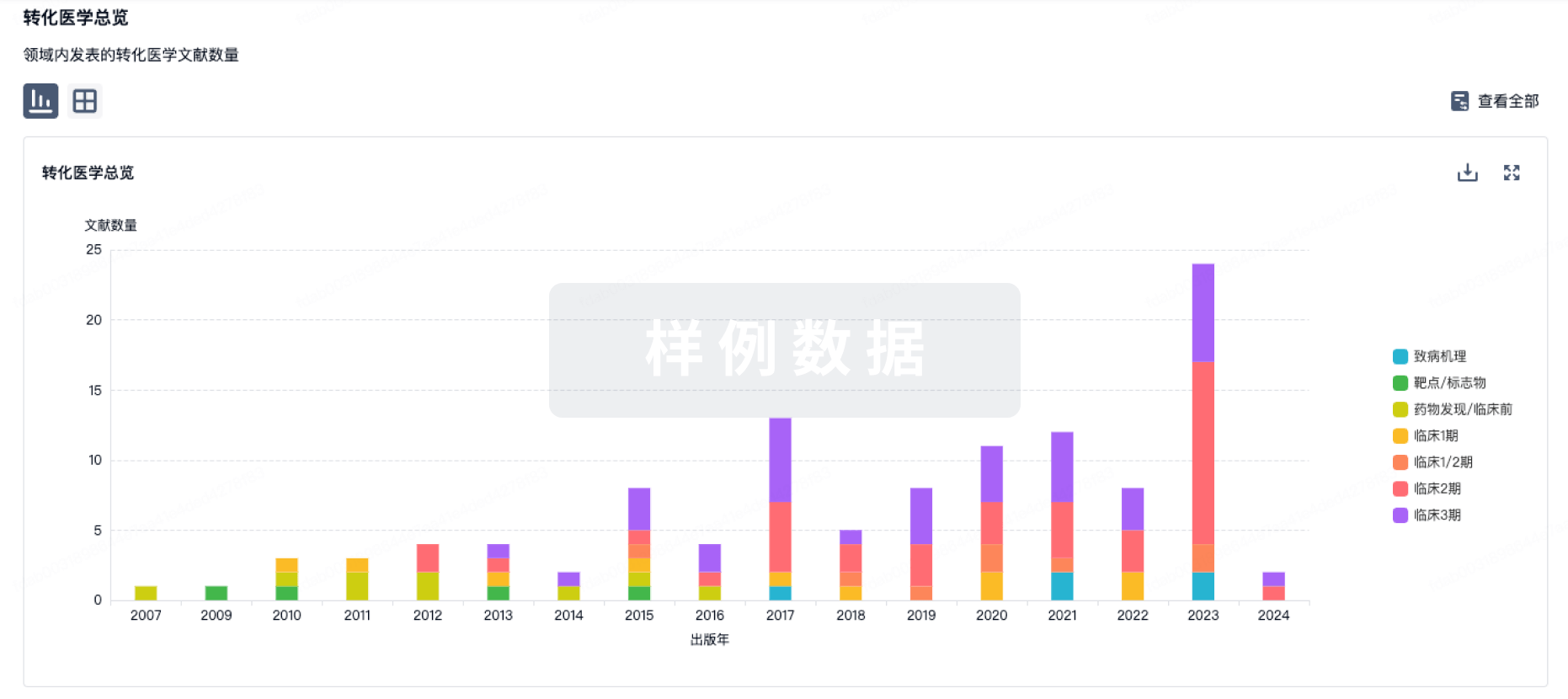
转化医学
使用我们的转化医学数据加速您的研究。
登录
或
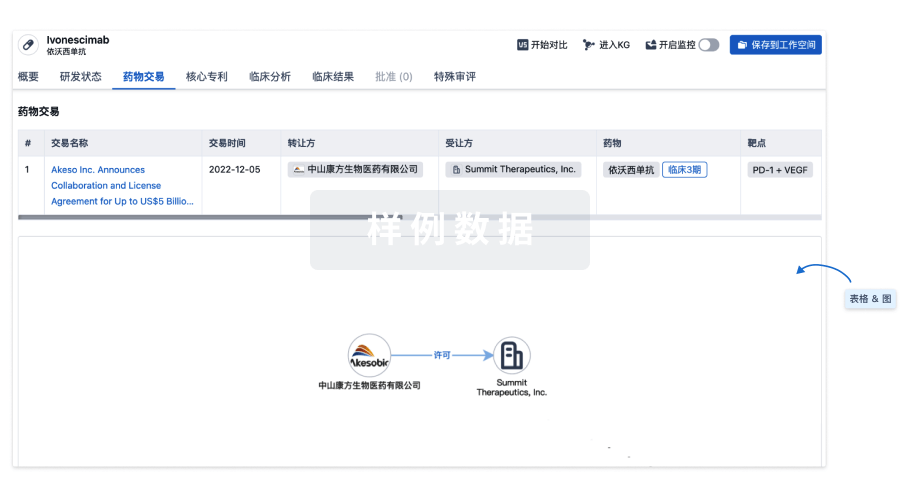
药物交易
使用我们的药物交易数据加速您的研究。
登录
或
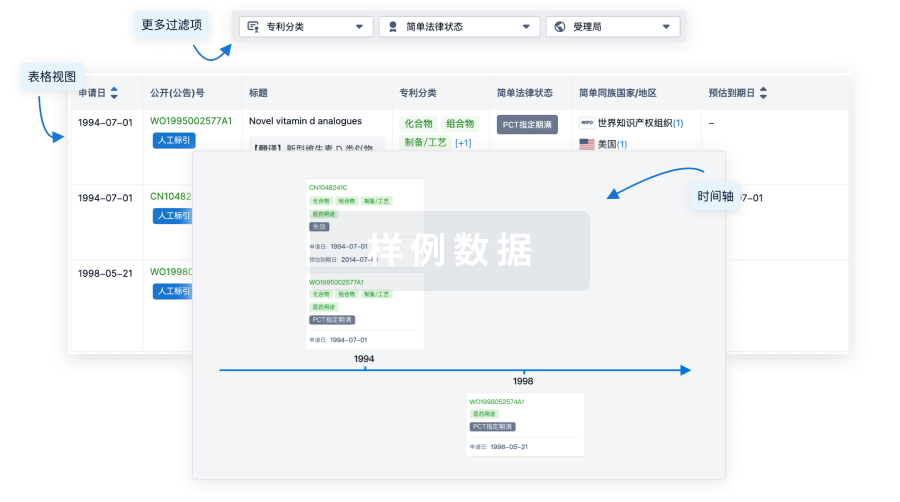
核心专利
使用我们的核心专利数据促进您的研究。
登录
或
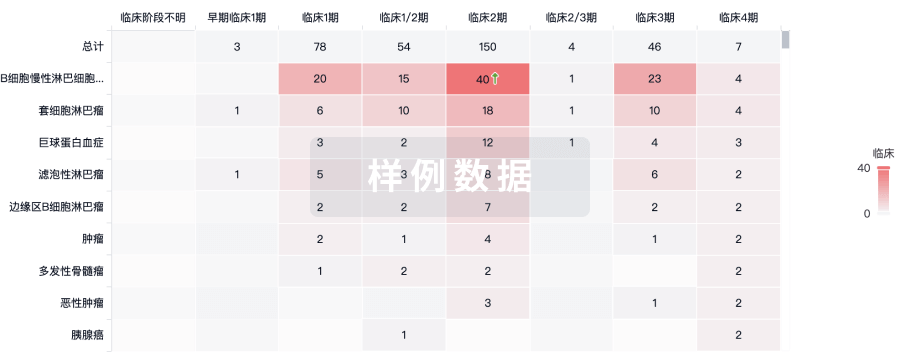
临床分析
紧跟全球注册中心的最新临床试验。
登录
或
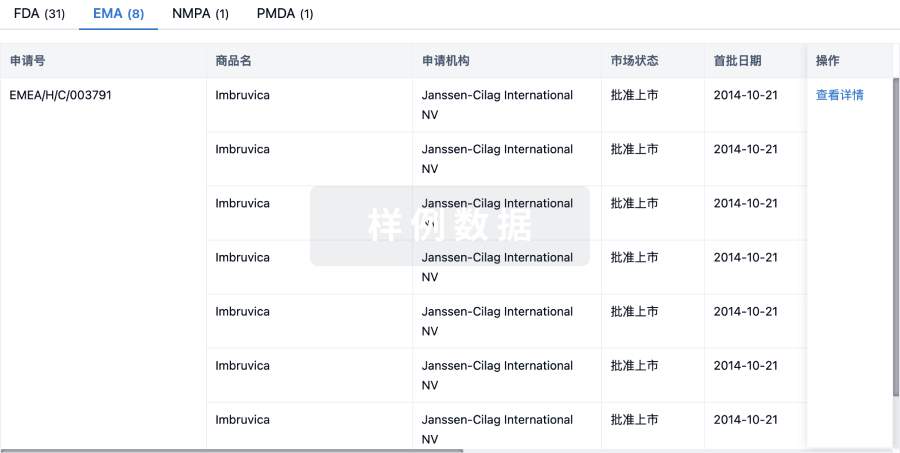
批准
利用最新的监管批准信息加速您的研究。
登录
或
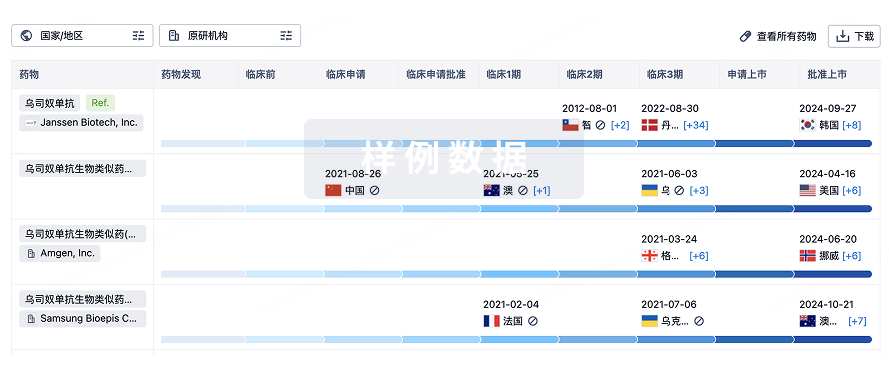
生物类似药
生物类似药在不同国家/地区的竞争态势。请注意临床1/2期并入临床2期,临床2/3期并入临床3期
登录
或
特殊审评
只需点击几下即可了解关键药物信息。
登录
或
提出任何生物医药研究问题
让每一步生物医药决策都精准制胜
基于十亿级生物数据与全球情报的精准 AI,赋能早期药物发现
立即开始免费试用!
智慧芽新药情报库是智慧芽专为生命科学人士构建的基于AI的创新药情报平台,助您全方位提升您的研发与决策效率。
立即接入生物医药数据包
智慧芽新药库数据也通过智慧芽开放平台,以MCP或API服务形式对外开放。立即使用我们的MCP服务定制您的LLM智能体。
生物序列数据库
生物药研发创新
免费使用
化学结构数据库
小分子化药研发创新
免费使用