预约演示
更新于:2026-08-19

Amgen, Inc.
更新于:2026-08-19
概览
标签
肿瘤
免疫系统疾病
心血管疾病
单克隆抗体
小分子化药
双特异性T细胞结合器
疾病领域得分
一眼洞穿机构专注的疾病领域

技术平台
公司药物应用最多的技术
靶点
公司最常开发的靶点
关联
靶点 |
作用机制 |
在研机构 |
原研机构 |
在研适应症 |
非在研适应症 |
最高研发阶段 |
首次获批国家/地区 |
首次获批日期 |
靶点 |
作用机制 |
在研机构 |
原研机构 |
在研适应症 |
非在研适应症 |
最高研发阶段 |
首次获批国家/地区 |
首次获批日期 |
靶点 |
作用机制 |
在研机构 |
原研机构 |
在研适应症 |
非在研适应症 |
最高研发阶段 |
首次获批国家/地区 |
首次获批日期 |
NCT07301424
Phase II Study of Subcutaneous Blinatumomab Plus Ponatinib for BCR-ABL Positive B-Cell Acute Lymphoblastic Leukemia

NCT07637513
Phase III Trial of Consolidation Tarlatamab + Durvalumab vs. Durvalumab Alone for Limited-Stage-Small Cell Lung Cancer (LS-SCLC)
NCT06081153
A Randomized, Placebo-Controlled Mechanistic Clinical Trial of PCSK9 Inhibition With Evolocumab in Patients Undergoing Open Abdominal Aortic Aneurysm Repair

100 项与 Amgen, Inc. 相关的临床结果
登录后查看更多信息
登录后查看更多信息
2026-09-01BIOCHEMICAL AND BIOPHYSICAL RESEARCH COMMUNICATIONS
Rapid screening approaches to identify and confirm lysosomotropic agents among ECCS class 2 basic drugs
Article
作者: Enogieru, Osatohanmwen J ; Rodgers, John ; Abbasi, Armina ; Wahlstrom, Jan ; Nguyen, Minhkhoi ; Bhamidipati, Ravi Kanth ; Humphreys, Sara ; Li, Cindy Yanfei ; Zou, Ling ; Bryniarski, Mark A ; Chien, Huan-Chieh ; Ko, Eunkyung Clare
Lysosomes are acidic organelles that function as the digestive system of the cell. Weak basic small molecule compounds can diffuse into lysosomes and become protonated and trapped in a phenomenon known as lysosomal sequestration or trapping. Lysosomal trapping can influence unbound drug concentrations at the site of action, and consequently, drug responses. Drug accumulation in lysosomes may also impair phospholipid metabolism, leading to a severe side effect called drug-induced phospholipidosis. Current methods used to evaluate lysosomotropism are either indirect (high-throughput, but low sensitivity) or direct (sensitive but time- and labor-intensive). Moreover, no validated in-silico lysosomotropism prediction tools are publicly available. In this study, we developed a rapid fluorescence-based platform to screen for lysosomotropism and quantify lysosomal trapping propensity (IC50) of compounds in a standardized way. We also apply this method to various compound libraries including BBB (Blood-Brain Barrier) and protein degrader/PROTAC (Proteolysis-Targeting Chimera) compounds. This platform confirmed basic ECCS (Extended Clearance Classification System) class 2 compounds as lysosomotropic, and other ECCS class compounds as non-lysosomotropic. Collectively, this study provides measurable and efficient tools (in-silico & in-vitro) to identify and measure lysosomotropism, which can be applied by preclinical programs to decipher causes of intracellular accumulation.
2026-08-01JOURNAL OF PHARMACEUTICAL SCIENCES
Derivation expansion of the general solubility equation (GSE)
Article
作者: Alvarez-Nunez, Fernando ; Yalkowsky, Samuel H ; Ong, Hwee Jing
The general solubility equation (GSE) is widely used in pharmaceutical and environmental sciences to estimate the aqueous solubility of molecules that are nonionizable over the pH range of 2-13 from their melting point and octanol-water partition coefficient. However, the empirical and thermodynamic basis underlying its deceptively simple form is rarely presented in a unified manner. This paper expands the derivation of the GSE by explicitly separating solubility into a crystal term and a mixing term and tracing how successive approximations lead to the final equation. Starting with the Clausius-Clapeyron expression for the crystal-liquid fugacity ratio and invoking the van't Hoff approximation together with Walden's rule for the entropy of melting, a simple expression is obtained for the ideal solubility of an organic crystal. The mixing contribution is then developed within Scatchard-Hildebrand regular solution theory using solubility parameters and cohesive energy densities, with octanol chosen as the reference solvent. Treating nonionizable solutes in octanol as regular solutions and redefining complete miscibility as a solute mole fraction of 0.5, rather than 1.0, lead to a limiting octanol solubility of 3.18 mol/L (log S = 0.5) and directly yields the revised GSE: [Formula: see text] This paper also compares the revised and original forms of the GSE, showing that replacing the implicit miscibility criterion of X = 1.0 and the log S intercept of 0.8 with X = 0.5 and an intercept of 0.5 is both thermodynamically more consistent and better aligned with Hildebrand's treatment of ideal solutions. Regression analyses of multiple large datasets (167-1450 compounds) demonstrate that the fitted coefficients for the melting point term and log Kow remain close to -0.01 and -1.0, respectively, while the intercept converges toward 0.5, thereby validating the revised GSE and delineating its domain of applicability.
2026-08-01SEMINARS IN ARTHRITIS AND RHEUMATISM
Development of a single‑item patient‑reported measure of treatment side‑effect burden in clinical trials of rheumatic and musculoskeletal diseases using stakeholder input and large language model refinement
Article
作者: Thomas, Megan ; Woodworth, Thasia G ; Strand, Vibeke ; Kruzikas, Denise ; Goel, Niti ; Voshaar, Marieke ; Balay-Dustrude, Erin ; Ioannidis, John P A ; Bartlett, Susan J ; Christensen, Robin ; Richards, Pam ; Hazlewood, Glen S ; Cowern, Mary ; Hoens, Alison M ; Simon, Lee ; Berthelsen, Dorthe B ; Boers, Maarten ; Djurtoft, Chris ; Jørgensen, Tanja Schjødt ; Dagsvik, Krista ; Choy, Ernest ; Haugegaard, Tobias ; Torralba, Karina ; Furst, Daniel E ; Bingham, Clifton O ; Horgan, Ben ; Böhm, Peter ; Tugwell, Peter ; Shea, Beverly J ; Wright, Grace ; Musaus, Joachim ; Kelly, Shannon E ; Flurey, Caroline ; Weinbrecht-Mischkewitz, Max ; Bouillot, Coralie
OBJECTIVES:
To build on existing evidence regarding single-item measurement instruments of patient-reported bother or trouble from medical side effects in individuals with rheumatic and musculoskeletal diseases (RMDs). Further, to collect input from the OMERACT community through a structured survey that rated and ranked available options and to seek agreement to advance one or more of these measures for use as exploratory outcomes in future clinical trials.
METHODS:
At OMERACT 2025 we presented and discussed survey results for domain match, feasibility and ranking of six candidate instruments of bother or trouble from side effects. Collaborator feedback - including comments from patients, clinicians, and researchers - was synthesized with a large-language-model (LLM) to identify key concerns and guide refinement of the instrument's relevance, clarity, and acceptability. The LLM-assisted synthesis of participant comments resulted in a new, single-item instrument designed to improve patient safety reporting from the patient's perspective.
RESULTS:
The merged and modified version of the instrument was presented at the OMERACT 2025 meeting, where 33 participants approved it as a reasonable approach to incorporate collaborator input. The proposed instrument is feasible (32 [97%]) and voting supported advancing its further assessment (30 [91%]) as an exploratory outcome measurement instrument in coming RMD trials.
CONCLUSION:
We developed a novel single-item instrument. This is the first known application of LLMs in refining a patient-reported outcome instrument for clinical trials. It is designed to capture the patient perspective on symptomatic treatment-related side effects in RMDs and is supported for exploratory use in trials.
100 项与 Amgen, Inc. 相关的药物交易
登录后查看更多信息
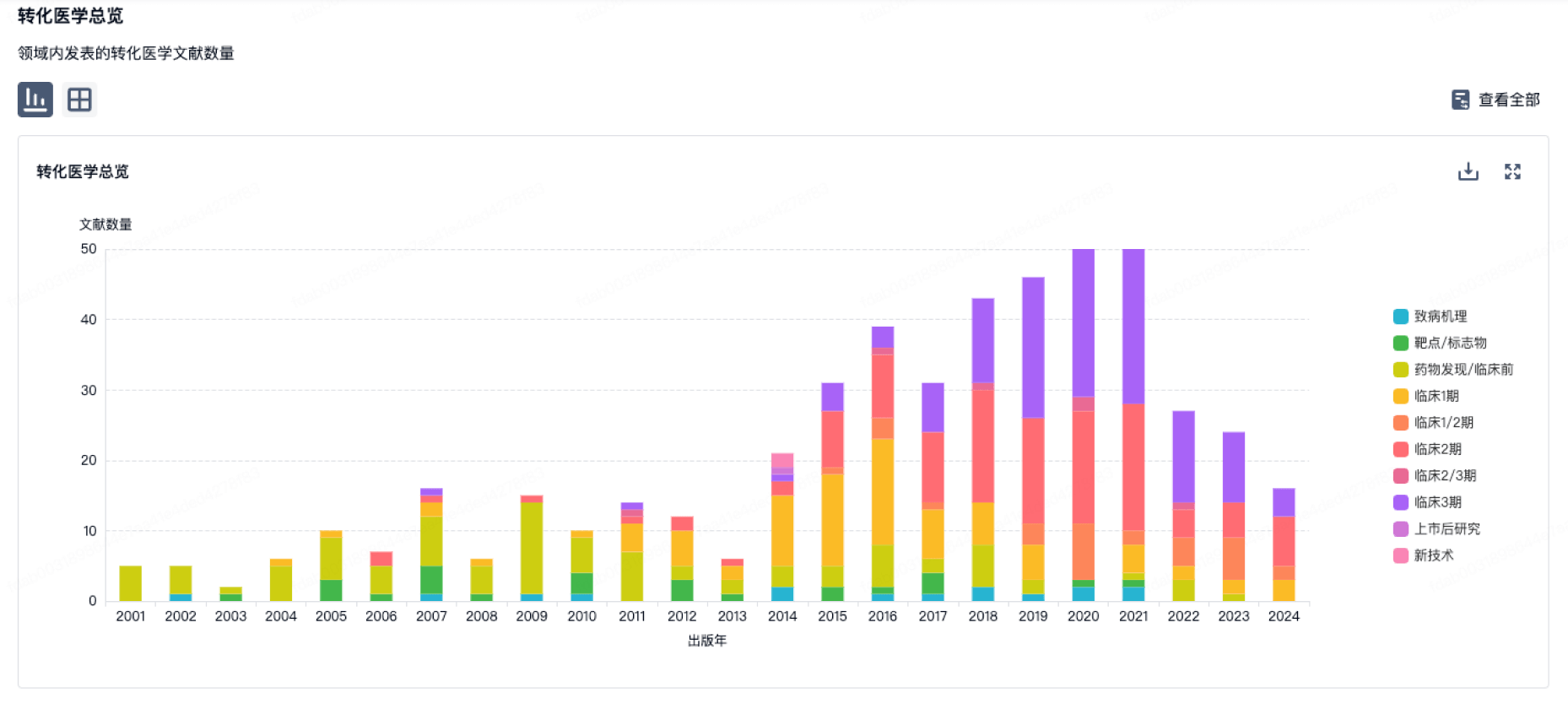
100 项与 Amgen, Inc. 相关的转化医学
登录后查看更多信息
组织架构
使用我们的机构树数据加速您的研究。
登录
或
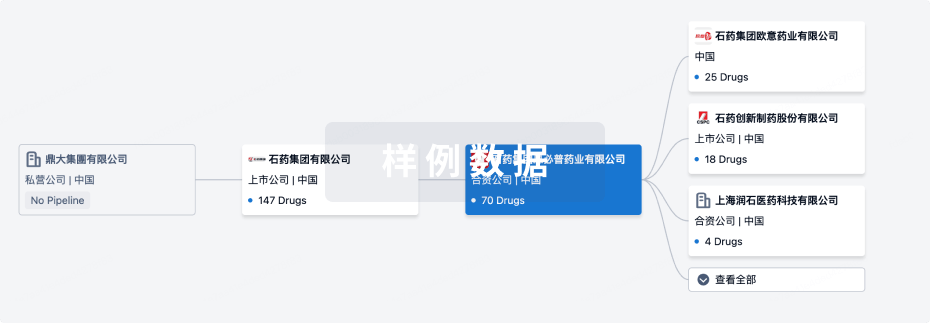
管线布局
2026年10月13日管线快照
管线布局中药物为当前组织机构及其子机构作为药物机构进行统计,早期临床1期并入临床1期,临床1/2期并入临床2期,临床2/3期并入临床3期
药物发现
19
68
临床前
临床申请
1
14
临床1期
临床2期
25
13
临床3期
申请上市
1
36
批准上市
其他
317
登录后查看更多信息
当前项目
登录后查看更多信息
药物交易
使用我们的药物交易数据加速您的研究。
登录
或
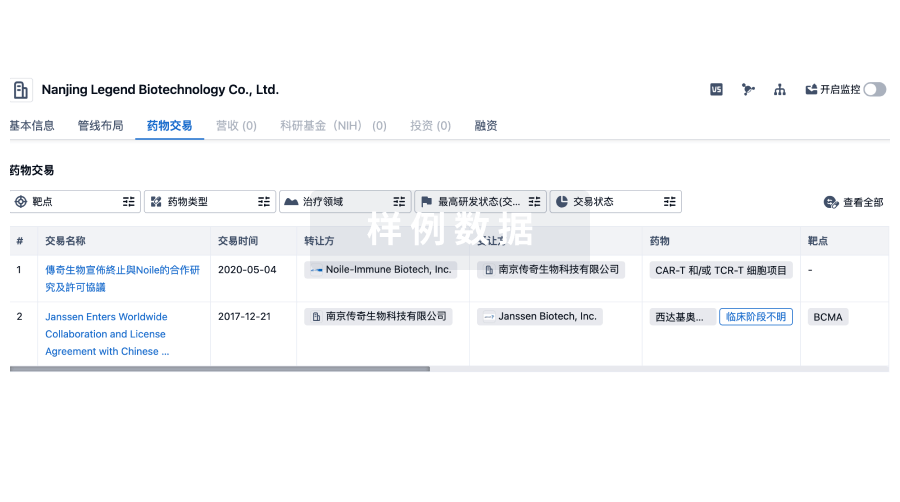
转化医学
使用我们的转化医学数据加速您的研究。
登录
或
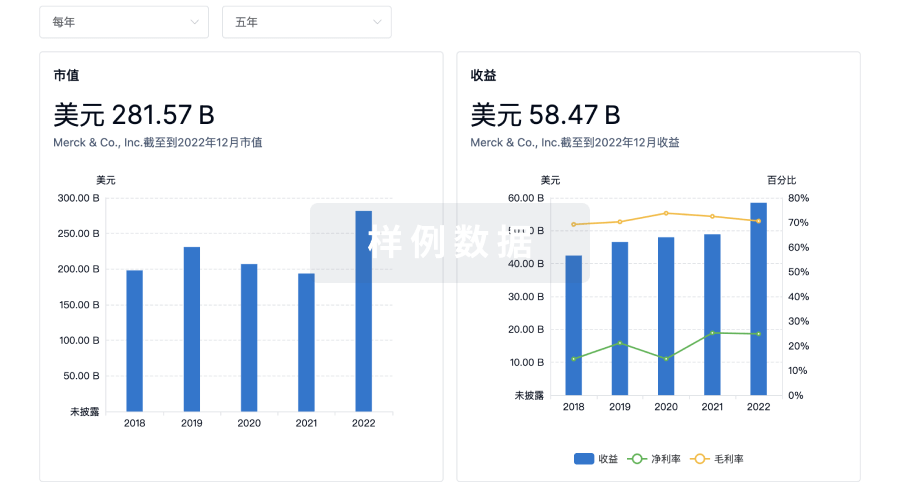
营收
使用 Synapse 探索超过 36 万个组织的财务状况。
登录
或
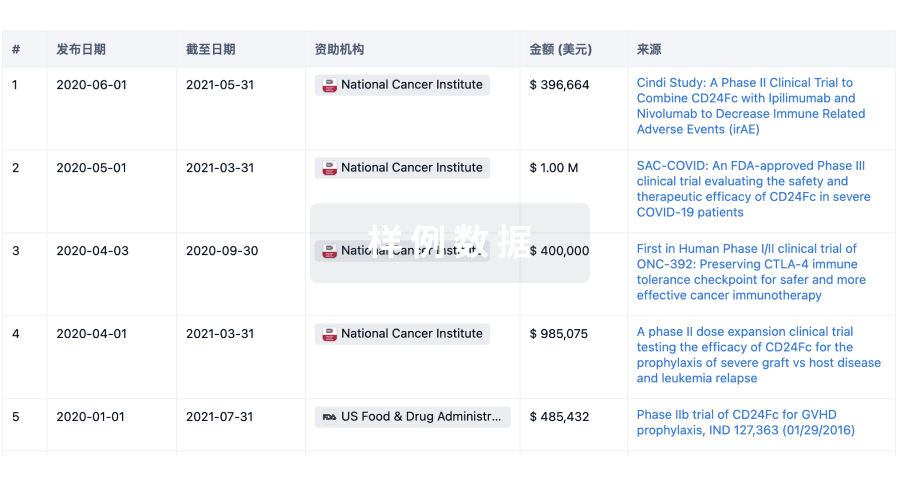
科研基金(NIH)
访问超过 200 万项资助和基金信息,以提升您的研究之旅。
登录
或
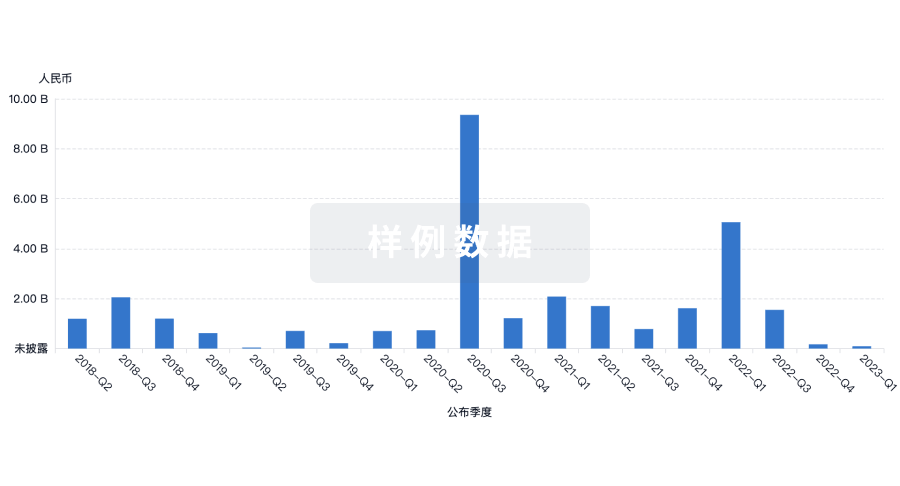
投资
深入了解从初创企业到成熟企业的最新公司投资动态。
登录
或
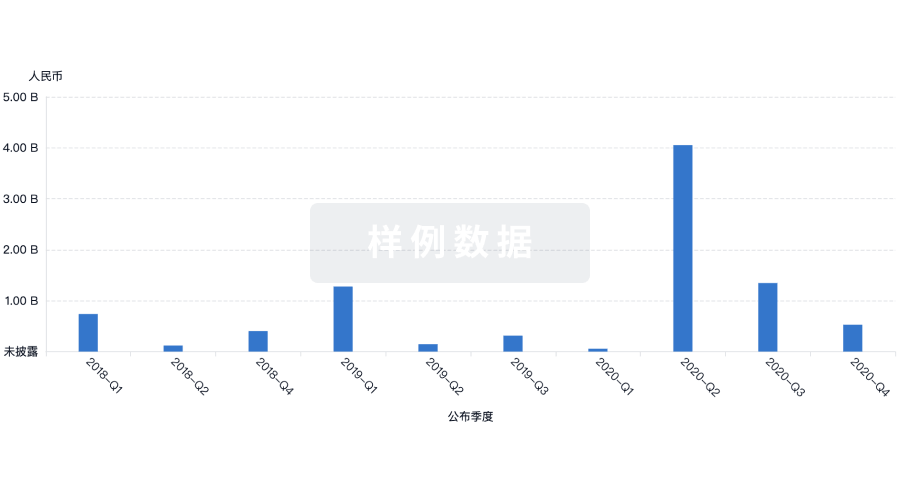
融资
发掘融资趋势以验证和推进您的投资机会。
登录
或
提出任何生物医药研究问题
让每一步生物医药决策都精准制胜
基于十亿级生物数据与全球情报的精准 AI,赋能早期药物发现
立即开始免费试用!
智慧芽新药情报库是智慧芽专为生命科学人士构建的基于AI的创新药情报平台,助您全方位提升您的研发与决策效率。
立即接入生物医药数据包
智慧芽新药库数据也通过智慧芽开放平台,以MCP或API服务形式对外开放。立即使用我们的MCP服务定制您的LLM智能体。
生物序列数据库
生物药研发创新
免费使用
化学结构数据库
小分子化药研发创新
免费使用