预约演示
更新于:2026-07-11
Sodium Salicylate
水杨酸钠
更新于:2026-07-11
概要
基本信息
结构/序列
分子式C7H6NaO3 |
InChIKeyREWPEPFZCALMJB-UHFFFAOYSA-N |
CAS号54-21-7 |
关联
58
项与 水杨酸钠 相关的临床试验ACTRN12625001366448
Comparison of glycolic acid and salicylic acid peels as a sole therapy in the treatment of acne
开始日期2025-12-30 |
申办/合作机构 KRL Hospital [+1] |
CTRI/2024/10/074852
A consumer study to check anti-acne activity of Asaya 2% Salicylic Acid and 5% Niacinamide Serum - NIL
开始日期2025-10-10 |
申办/合作机构- |
ChiCTR2500107895
Clinical Study on the Safety and Efficacy of Broda 30% Supramolecular Salicylic Acid Combined with Gold Microneedle Radiofrequency for the Treatment of Melasma
开始日期2025-05-01 |
申办/合作机构- |
100 项与 水杨酸钠 相关的临床结果
登录后查看更多信息
100 项与 水杨酸钠 相关的转化医学
登录后查看更多信息
100 项与 水杨酸钠 相关的专利(医药)
登录后查看更多信息
39,955
项与 水杨酸钠 相关的文献(医药)2026-08-01·NEUROSCIENCE
Gabaergic modulation alleviates auditory hypersensitivity and neuroinflammation in sodium salicylate-treated male mice
Article
作者: Sun, Jiaqiang ; Tang, Xiaomin ; Liang, Yue ; Zhao, Yi ; Pan, Chunchen ; Zhong, Haoyue
Auditory hypersensitivity, or hyperacusis, is characterized by increased sensitivity to sound and is often associated with tinnitus, yet its underlying mechanisms remain unclear. This study investigated the mechanisms of sodium salicylate-induced auditory hypersensitivity in mice, focusing on neuroinflammation, microglial activation, and neuronal excitability. Male C57BL/6 mice were used to establish the model, and auditory sensitivity was evaluated by behavioral testing. Inflammatory cytokines, excitatory receptor expression, and microglial activation in the auditory cortex were assessed using enzyme-linked immunosorbent assay, Western blotting, and immunofluorescence. Sodium salicylate treatment increased auditory sensitivity and was accompanied by elevated pro-inflammatory cytokines, enhanced microglial activation, and upregulation of excitatory receptor subunits. Pharmacological inhibition of microglial activation with minocycline attenuated these changes and improved auditory sensitivity. In addition, modulation of γ-aminobutyric acid (GABA)-mediated inhibitory signaling reduced inflammation, normalized excitatory receptor expression, and alleviated hypersensitivity. These findings suggest that sodium salicylate-induced auditory hypersensitivity involves an interaction between neuroinflammation and neuronal hyperexcitability, and that targeting microglial activation and restoring inhibitory neurotransmission may provide potential therapeutic strategies for hyperacusis and related auditory disorders.
2026-07-03·JOURNAL OF DISPERSION SCIENCE AND TECHNOLOGY
Enhanced stability, permeability, and bioavailability of hydrophobic compounds in cosmetics through a time-efficient and convenient prenanoemulsion technology
作者: Li, Shujing ; Meng, Hong ; Zhang, Ze ; Dong, Yinmao ; He, Yifan ; He, Huanfan ; Pei, Xiaojing
While some cosmetic hydrophobic compounds have superior physiol. activities, their formulation applications are limited due to low water solubility, stability, and bioavailability.This study employed pre-cationic nanoemulsion (PCNE) as a matrix to directly encapsulate fat-soluble raw materials through one-step high-pressure homogenization to simplify the nanoemulsion preparation process and reduce preparation time.The PCNE exhibited a spherical structure with small particle size (<100 nm) and high encapsulation efficiency (mostly > 90%), demonstrating excellent stability before and after encapsulating the raw materials.The antioxidant activity, in vitro release, and in vitro permeation of glabridin pre-cationic nanoemulsion (GLA-PCNE) were investigated.The exptl. results revealed that GLA-PCNE possessed significantly enhanced DPPH radical scavenging ability compared to the free compound while exhibiting improved skin permeation properties; furthermore, it demonstrated controlled release characteristics.Based on these findings, PCNE hold promise as potential nanocarriers for expedited and convenient delivery of hydrophobic ingredients in cosmetic applications.
2026-07-01·PLANT CELL AND ENVIRONMENT
Drought and Herbivory Drive Physiological and Phytohormonal Changes in Soybean (
Glycine max
Merril): Insights From a Meta‐Analysis
Article
作者: Gautam, Manish ; Kariyat, Rupesh
ABSTRACT:
With climate change, abiotic and biotic stresses such as drought and herbivory are predicted to further diminish agricultural productivity. Soybean (
Glycine max
[L.] Merrill), a crop of global economic importance, is vulnerable to both. However, the interactive effects of drought and herbivory on soybeans haven't been explored, especially through the lens of physiological and phytohormonal changes. To address this, we conducted a meta‐analysis from 114 published studies, further reduced to 31 after removing redundancy, with data on physiological (photosynthesis and stomatal conductance) and phytohormonal traits (jasmonic acid [JA] and salicylic acid [SA]) of soybeans under drought, herbivory, and their combination. With existing studies so far, we show that drought has negative impacts on soybean photosynthesis and stomatal conductance whereas herbivory has negative effects on photosynthesis but neutral effects on stomatal conductance. And the effects of drought and herbivory on phytohormones had opposite effects, with JA levels increasing. To our understanding, this is the first meta‐analysis assimilating studies to understand the combined impacts of drought and herbivory on soybean physiological and phytohormonal changes. We also put forward potential questions and avenues for further research in expanding our understanding about the regulatory pathways and consequences of other abiotic and biotic stressors in agroecosystems.
33
项与 水杨酸钠 相关的新闻(医药)2026-07-07
·药研学堂
主办单位
药成材信息技术(北京)有限公司
各有关单位
近年来,随着靶向蛋白降解(TPD)及难成药靶点(如PPI)研究的深入,大环肽(Macrocyclic Peptides)凭借其介于小分子与生物药之间的独特生态位,已成为创新药研发的热门领域。然而,“口服难吸收、体内易降解”的生物学屏障,长期制约着口服大环肽药物的临床转化与商业化进程。如何在分子设计阶段平衡活性与理化性质?如何借助新型递送技术突破胃肠道吸收瓶颈?如何应对口服多肽药物在CMC及法规注册中的特殊挑战?这些都是横亘在研发人员面前的现实难题。
为助力行业同仁攻克口服大环肽研发壁垒,本次培训特邀资深专家,系统构建从分子设计到制剂落地的全流程知识体系。课程将深度剖析环化策略、非天然氨基酸修饰及计算辅助设计在提升代谢稳定性中的作用;重点解读吸收促进剂、纳米载体及肠溶技术在口服递送中的实战应用;并结合环孢素A、口服司美格鲁肽等经典案例,复盘PK/PD特征与法规考量。旨在帮助学员掌握口服大环肽的核心研发逻辑,降低试错成本,加速管线推进。诚邀您的参与!
会议安排
培训形式:线上直播(含回放)
培训时间:2026年8月15日-16日
会议时间安排
上午09:00-12:00 下午13:30-16:30
会议内容
第一天:大环肽基础、口服成药性与化学稳定化(6H)
▎大环肽概述与口服研发痛点
1. 多肽药物发展格局
线性肽 vs 大环肽(环肽)vs 拟肽 / PDC(多肽偶联药物)
大环肽在难成药靶点(PPI等)中的独特价值
2. 大环肽结构特征与分类
分子量范围(500–2000 Da)与 beyond-Rule-of-Five(bRo5)性质
常见环化方式:
头尾酰胺环化
侧链–侧链环化
二硫键环化
烯烃复分解环化
大环肽的生态位:介于小分子与生物药之间
3. 口服给药的核心障碍
胃肠道酶解(胃蛋白酶、胰蛋白酶等)
低膜透过性(被动扩散差)
首过效应与胃酸不稳定性
4. 典型案例简介
环孢素A(CsA)
口服司美格鲁肽递送体系
Octreotide肠溶胶囊(Mycapssa®)
▎ 大环肽设计与代谢稳定性优化
1. 环化策略对口服稳定性的贡献
消除N/C端外切酶切位点
限制构象自由度,提高靶标亲和力
2. 提高蛋白酶抗性的化学修饰手段
非天然氨基酸:D-型氨基酸、β-氨基酸、N-烷基化
主链酰胺 N-甲基化(N-methylation)
侧链封端与拟肽键替换(ψ[CH₂NH]、E/Z-烯烃)
3. 计算辅助环肽设计
构象采样与分子动力学模拟
氢键模式预测与理性设计
4. 口服大环肽理化性质评估
log P / log D
极性表面积(PSA)
溶解度与 pKa 考量
5. 互动答疑(Q&A)
第二天:口服递送技术、制剂开发、PK/PD与法规(6H)
▎口服递送系统与吸收增强技术
1. GI生理屏障与吸收途径
跨细胞途径
旁细胞途径(paracellular)
载体介导转运(PEPT1等)
M细胞摄取
2. 常用口服递送增强策略
吸收促进剂:SNAC、水杨酸钠、胆盐衍生物(机制与局限性)
肠溶包衣与pH依赖释放(规避胃降解)
纳米/微粒载体:
PLGA纳米粒
脂质体
壳聚糖/海藻酸钠纳米粒
黏液穿透型载体
自乳化给药系统(SEDDS)与渗透泵片简介
3. 经典案例解析
环孢素A软胶囊处方解析(高生物利用度口服环肽先例)
4. 新技术前瞻
细胞穿透肽融合
外泌体递送
AI辅助口服肽设计
▎ PK/PD特征、质量研究与法规考量
1. 口服大环肽的药代动力学特殊性
吸收变异性与食物效应(Food Effect, FE)
非线性PK特征
组织分布特点
代谢产物鉴定:环肽开环、侧链氧化等
2. CMC关键质量属性(CQA)
纯度、环化率
有关物质:开环杂质、聚合体
手性与立体化学控制
3. 分析方法开发
RP-HPLC / MS 在环化率与杂质谱分析中的应用
肽图(Peptide Mapping)
4. 国内外监管考量
NMPA / FDA 口服多肽药物相关指导原则
BE试验设计难点:高变异、食物效应
5. 案例复盘
代表性成功与失败经验讨论
6. 综合答疑
主讲老师
徐博,化学物理博士,现任某Biotech董事、AIDD/CADD部门负责人,持有省自然科学高级技术职称,获评市区两级海外高层次人才。长期深耕生物计算、AI药物递送与智能药物设计领域,聚焦机器学习、生成式AI等前沿技术在药物研发的落地应用。曾于欧美多所顶尖院校及科研机构开展合作研究,具备国际化前沿研发视野。主导搭建一站式AI药物设计与递送研发平台,覆盖纳米递送系统(LNP、脂质体、聚合物纳米粒)、多剂型处方智能优化、AI-PK/PD建模等核心场景,为多条创新药研发管线推进至临床阶段提供关键生物计算与技术支撑。同时深耕前沿药物设计与结构优化方向,实现AI技术与创新药递送、靶向研发的深度融合。科研成果丰硕,多项研究成果发表于《Chem. Rev.》《J. Chem. Phys.》等国际知名权威期刊,多篇入选期刊亮点文章及封面论文,学术影响力突出。目前兼任多个国际期刊同行评审人,持续深耕AI+药物递送产业落地、技术创新与合规转化。协会特聘专家。
会议费用
会务费:4000元/单位-支持多个端口同时在线学习
(会务费包括:培训、研讨、 电子版资料、电子版培训证书、一年内不限次数高清视频回放等)课堂中设有问题解答环节,参会企业可选择投屏观看,将需要解答的问题发送至公屏,讲师会统一解答。参会老师可进入专属微信群,进行学术交流。
培训结束后,学员可登录协会系统官网查看或下载培训证书。
会议联系人
培训报名负责人:江涛
手机微信:15810223382
近期精品专修班汇总地点时间(点击下方↓链接阅读全文)
直播
7月18-19日
化学创新药注册申请(中美欧澳日)
直播
7月17-18日
药品技术转移全链条高效落地实施与实战
直播
7月25-26日
临床药理高级实战培训班:从机制到精准用药
直播
7月17-18日
《基于OECD-GLP 系列文件No.15》: 如何建立和管理符合GLP 原则的档案
直播
7月18-19日
以CGT为例的IIT操作流程和注册申报
直播
7月17-18日
药品试验数据保护与专利链接双轨实操
直播
7月11-12日
新法规下生物制品IND注册申报与CTD资料撰写
苏州+直播
7月23-25日
AI在药企GMP核心场景的实战落地应用专题研讨班
直播
7月25-26日
GLP机构负责人与专题负责人(SD)质量体系建设
直播
7月23-24日
分子胶药物研发从机制发现到IND申报全流程
直播
7月25-26日
ICH M4Q(R2) 新架构解析与全生命周期变更管理实战培训班
直播
7月25-26日
ICH E6(R3)/2026版中国GCP背景下的临床试验实施与质量管理【颁发证书网上可查】
直播
8月1-2日
从实验室走向规模化生产的细胞株开发策略专题
直播
8月1-2日
生物药BLA申报资料撰写实操及常见问题案例分析专题培训班
直播
8月1-2日
MAH制度下药物警戒质量管理规范实施专题培训班
直播
8月8-9日
ADC药物非临床评价与IND申报资料撰写技术培训班
直播
8月9-10日
AI结构生物学在药企研发中的应用
直播
8月15-16日
AOC药物研发从分子设计到工艺开发
直播
8月15-16日
生物药工艺的数字孪生架构与跨尺度虚拟放大
直播
8月22-23日
抗体偶联药物ADC的CMC全流程、质量控制与前沿趋势解析
直播
8月29-30日
抗体类药物申报中的质量分析及结构表征技术
200多期回放近两年线上课
可购买往期培训视频回播
联系方式
扫码添加微信
电话微信|江涛15810223382
咨询注明|公司+姓名+职位+电话
Science Technology
提供制药企业|相关单位|内训服务
诚邀赞助单位|协办单位及新产品|新设备展示单位
2026-06-14
·生物通
现代癌症治疗长期依赖铂基药物,但其严重毒副作用与耐药性问题促使研究人员探索更安全高效的替代方案。席夫碱(Schiff bases, SBs)因可与多种氧化态金属形成稳定配位结构,已成为一类多功能药效团。本综述系统梳理了2015年至今具有抗癌活性的席夫碱金属配合物的研究进展,涵盖其结构特征、抗癌活性及作用机制,重点解析了构效关系(Structure-Activity Relationships, SARs),并结合文献计量学方法识别该领域的核心研究趋势、科学影响力与现存知识缺口。研究表明,席夫碱金属配合物可通过多种机制发挥抗癌作用,包括活性氧(Reactive Oxygen Species, ROS)生成、内质网应激(Endoplasmic Reticulum Stress, ERS)、线粒体功能障碍、表皮生长因子受体(Epidermal Growth Factor Receptor, EGFR)抑制及凋亡诱导。与传统铂类药物相比,此类配合物表现出更优的稳定性与更强的抗癌效力。这些进展凸显了配位化学在塑造下一代癌症诊疗策略中的关键作用,尤其表明稀土基席夫碱配合物有望成为肿瘤治疗领域的新兴候选药物。1.引言
癌症作为长期威胁人类健康的重大疾病,如今已成为全球首要死因,肺癌与乳腺癌是最常见的恶性肿瘤类型。尽管医学不断进步,肿瘤细胞对现有治疗的耐药性仍是重大挑战。顺铂、卡铂、奥沙利铂等铂类化疗药物虽挽救了大量生命,但存在严重毒性、恶心呕吐等不良反应、体内稳定性差及耐药性导致的疗效下降等问题,因此开发具有更优治疗特性且毒性更低金属配合物作为抗癌药物的研究日益受到关注。在此背景下,稀土配位化学因稀土配合物结构多样性、高配位数及可调理化性质吸引了广泛研究兴趣。除医药应用外,稀土席夫碱配合物还被探索用于染料、颜料、缓蚀剂及均相催化等领域,其独特的配位行为也使其成为医药研究的重要候选体系。席夫碱由Hugo Schiff于1864年首次合成,由伯胺与醛或酮缩合形成,特征结构为亚胺键(-C=N-),氮原子上的孤对电子为其提供了有效的金属离子配位位点。这类分子结构简单且可修饰性强,百余年来一直是化学研究的核心方向之一,最初因其反应性与独特结构受关注,随后被发现可作为高效配体与金属离子形成稳定配合物,推动了无机化学早期发展,并逐步拓展至材料设计与药物化学领域。随着20世纪光谱学与结构表征技术的进步,席夫碱的化学与功能多样性不断被揭示,已被证实具有显著抗菌、抗真菌、抗癌、抗抑郁等多种生物活性。近年来,合成大环化学的发展进一步拓展了仿生大环亚胺配体及其金属配合物的设计空间,其中稀土基配合物可通过直接DNA结合、破坏线粒体钙转运、激活内质网应激通路等多种机制发挥细胞毒活性。典型例子包括钆(III)替萨菲林(MGd, Xcytrin),其通过抑制谷胱甘肽非依赖性硫辛酸还原途径与硫氧还蛋白还原酶,干扰DNA复制修复并增强氧化应激,有效抑制癌细胞增殖。在稀土元素中,镥-177(Lu-177)作为临床有价值的放射性同位素,通过发射β粒子实现肿瘤靶向放疗,与识别癌细胞膜过表达受体的抗体或肽偶联后,可精准递送辐射至恶性细胞,减少对周围健康组织的脱靶毒性。除治疗作用外,稀土配合物在诊断成像领域也备受关注,发光稀土基材料在生物传感器中的应用为生物医学成像提供了新可能。从光物理角度看,稀土配合物的发光源于特征性的f-f电子跃迁,这类跃迁本身属于拉波特禁阻,因此高度依赖配体环境以实现有效敏化,通常仅Eu(III)与Tb(III)等特定稀土离子的配合物可观察到发光行为,而席夫碱配体常作为天线基团提升发光效率。此外,Gd(III)仍是磁共振成像(Magnetic Resonance Imaging, MRI)造影剂的首选材料,稀土配合物也是高效的肿瘤诊断工具。Eu(III)、Lu(III)等稀土配合物还在光动力治疗、药物递送、放射治疗、生物成像与生物传感等领域展现出巨大潜力,凸显了其作为现代肿瘤学中兼具诊断与治疗功能的多功能化合物的独特价值。本综述首次系统汇总了2015年至今所有关于稀土席夫碱配合物作为抗癌剂的研究,聚焦配合物配位特征与生物活性的比较,重点开展以席夫碱配体为核心的构效关系分析,并结合文献计量学揭示该领域的研究趋势,明确其与既往综述的差异。
2.文献计量分析
为全面刻画席夫碱金属配合物的研究格局与全球发展态势,研究人员开展了文献计量分析,以识别发文趋势、核心研究领域与国际合作模式,为综述的定性讨论提供定量支撑。分析基于Scopus数据库检索策略,检索词组合覆盖“席夫碱”“抗癌活性”“过渡金属”“内过渡金属”“IC50”“化学”“细胞系”“凋亡”等,初步检索获得1636篇文献,经筛选去除综述、书籍章节等非原始研究后,最终纳入1482篇研究论文与会议论文。学科分布显示,化学领域贡献最大(40.1%),其次为生物化学(14.8%)、药理学(11.6%)与材料科学(11.5%),表明该类研究主要集中于化学与生物化学领域。发文量近年呈明显增长趋势,反映学界对该方向的关注度持续提升。国家层面,印度发文量最高,埃及、沙特阿拉伯、中国、土耳其紧随其后,体现出发达与发展中国家均积极参与相关研究。进一步通过VOSviewer软件对关键词共现网络进行分析,高频关键词包括“席夫碱”“IC50”“细胞培养”“凋亡”“分子对接”“癌细胞系”“构效关系”等,聚类结果显示红色簇聚焦抗癌活性核心研究,绿色簇涉及配体、晶体结构、DNA结合与密度泛函理论(Density Functional Theory, DFT)计算,蓝色簇关联抗感染、抗真菌与抗炎研究,紫色簇侧重配体结合与荧光光谱,黄色簇涉及药物释放与晶体学。整体来看,研究热点已从早期基础化合物开发转向抗癌活性深入探究。国家合作网络分析显示,印度节点最大,埃及、沙特阿拉伯、中国、土耳其为核心参与国,伊朗、伊拉克、美国等国间多边合作逐渐增多,巴基斯坦、马来西亚等国也积极参与,国际合作网络正持续扩大。
3.稀土席夫碱配合物的抗癌活性
稀土席夫碱配合物的抗癌活性受配体齿数显著影响,根据配位原子数目可分为双齿、三齿与多齿体系。
3.1 双齿席夫碱配体金属配合物
双齿配体凭借两个配位原子易与金属离子形成稳定螯合物。研究人员合成了四种新型三元稀土配合物(C1-C4),配体为异烟肼呋喃乙酰腙(FLSY, HL1),组成为[Ln(L1)(Lin)(NO3)]NO3・H2O,其中Ln3+为La3+(C1)、Ce3+(C2)、Nd3+(C3)、Er3+(C4),辅助配体Lin为水杨酸钠。MTT法测试显示,游离配体HL1对K562白血病细胞几乎无活性,而配合物C1-C4可有效抑制癌细胞增殖,其中Er3+配合物C4活性最强,归因于稀土离子与配体螯合形成的平面延伸结构增强了DNA相互作用,其作用机制为配合物进入细胞后与DNA结合并调控蛋白表达,阻断有丝分裂。另一项研究中,研究人员以杂芳基酮与2-氨基苯并噻唑按1:1摩尔比缩合得到双齿席夫碱配体HL2,并制备了单核镧配合物C5,配体通过亚胺氮与苯并噻唑硫原子配位,形成帽状八面体构型。体外实验表明,C5对PC-3前列腺癌细胞的IC50值为55.8 μM,显著低于游离配体HL2的102.1 μM,且可浓度依赖性升高细胞内ROS水平,最高可达对照组的206.12%,展现出优于传统铂类药物的选择性潜力。另有研究团队以甘氨酰甘氨酸与4-硝基苯甲醛缩合得到新型席夫碱配体H2L3,并合成了一系列稀土(III)配合物C6-C10(Ln=Eu3+、Gd3+、Nd3+、Sm3+、Tb3+)。生物活性测试显示,Eu3+(C6)与Nd3+(C8)配合物对人宫颈癌HeLa细胞与结肠癌HCT116细胞的细胞毒性显著高于其他配合物与游离配体,其活性差异与稀土离子半径及配位环境对电子分布的调控有关。此外,研究人员还开发了含蒽环的双齿席夫碱配体L4,并制备了Pr3+(C11)、Er3+(C12)、Yb3+(C13)配合物,其细胞毒性较游离配体显著提升,归因于螯合效应降低了配体极性,增加了脂溶性,从而促进细胞摄取。以对茴香胺修饰1-羟基-2-乙酰萘得到的席夫碱配体HL5,与Pr3+、Sm3+、Yb3+形成的配合物C14-C16对HeLa细胞具有强抑制作用,其中Sm3+配合物C15可激活caspase-3依赖的凋亡通路并引起PARP剪切,同时表现出良好的细胞定位能力。其他双齿体系还包括酰肼类席夫碱配体H2L6与H2L7,其与稀土离子形成乙酸桥连的双核配合物C17-C21,对子宫内膜癌细胞HEC-1A表现出显著增殖抑制活性;含苯并咪唑的席夫碱配体HL8与La3+、Ce3+形成的配合物C22-C23对多种肿瘤细胞系具有广谱细胞毒性;二苄叉苯二胺类配体HL9及其Gd3+、Tb3+、Eu3+配合物C24-C26对乳腺癌细胞系表现出优异选择性;含二茂铁吡唑结构的配体L10与La3+、Er3+、Yb3+形成的配合物C27-C29对MCF-7细胞活性显著优于游离配体;含硫氮供体的配体L11与Gd3+、Sm3+、Nd3+形成的十配位配合物C30-C32对不同肿瘤细胞表现出差异化抑制活性;以二苯甲酮与1,8-萘二胺为前体制备的混合配体体系L12与1,10-菲咯啉协同配位的La3+、Er3+、Yb3+配合物C33-C35则通过降低金属离子极性提升膜穿透能力,增强抗癌效能。
3.2 三齿席夫碱配体金属配合物
三齿配体拥有三个配位原子,可形成稳定配合物。研究人员合成了六核钕(III)配合物C36,配体为2,3-二羟基苯甲醛-4-氨基安替比林(H2L13),单晶衍射显示其通过μ3-O原子桥连形成三核单元,进一步组装为六核结构,每个Nd3+为九配位畸变构型。该配合物对人肝癌SMMC-7721细胞的IC50值显著低于临床药物吉西他滨与游离配体,其高活性源于亚胺键与酚羟基的协同配位、安替比林基团的脂溶性增强及芳香环的π-π堆积作用。以2-乙酰二茂铁与L-组氨酸缩合得到的席夫碱配体HL14,与La3+、Er3+、Yb3+形成八面体配合物C37-C39,其中Yb3+配合物C39对MCF-7细胞的活性最优,符合螯合理论中电荷离域提升脂溶性的规律。香草醛与2-氨基-3-甲基吡啶缩合得到的配体L15,与La3+、Ce3+、Pr3+、Nd3+、Sm3+、Gd3+形成的配合物C40-C45均表现出剂量依赖性的MCF-7细胞抑制活性,且显著优于游离配体。2-氨基苯并噻唑与氯代香豆素醛缩合得到的配体L16,与La3+、Ce3+、Nd3+、Dy3+形成的配合物C46-C49对MCF-7与HepG2细胞均有显著抑制,其中Ce3+配合物C47对HepG2细胞的活性最强。以5-溴水杨醛与2-氨基-3-羟基吡啶制备的配体H2L17,与Pr3+、Nd3+、Sm3+形成的配合物C50-C52对HepG2细胞的细胞毒性显著高于参考药物长春碱与游离配体。含硫氮供体的配体HL18与La3+形成的配合物C53,在体内外实验中均表现出对乳腺癌的强抑制作用,可下调STAT3与TNF-α炎症因子,上调caspase-3与caspase-9凋亡蛋白表达。
3.3 多齿席夫碱配体金属配合物
多齿配体凭借多个配位原子形成高稳定性螯合物。以N,N'-双(2-噻吩甲亚胺)-3,3'-二氨基联苯(L19)为配体合成的系列稀土配合物C54-C58,对HeLa与MCF-7细胞均表现出高于游离配体的细胞毒性,且不同稀土离子配合物对细胞系的敏感性存在差异。以噻吩-2,5-二基双(亚甲基次氮基)二苯酚(H2L20)为配体合成的La3+(C59)、Sm3+(C60)、Yb3+(C61)配合物,固体发光光谱显示Sm3+配合物具有特征性的4G5/2→6HJ发射峰,其对MCF-7与HCT116细胞的活性显著高于游离配体,且与5-氟尿嘧啶、顺铂等标准药物的活性相当。以二苯甲酰甲烷与邻氨基苯甲酸缩合得到的配体H2L21,其Pr3+配合物C63对MCF-7细胞的活性显著高于Gd3+配合物C62与游离配体。双(氨基三唑)席夫碱配体L22与La3+、Er3+形成的配合物C64-C65对MCF-7与HepG2细胞具有强细胞毒性,活性优于游离配体。以3-氨基-1,2,4-三唑与香草醛衍生的四齿配体H2L23,其Nd3+配合物C66对乳腺癌、前列腺癌与肺癌细胞系均表现出优异抑制活性,归因于配位后电子分布优化与膜穿透能力提升。
4.过渡金属与稀土席夫碱配合物抗癌活性的比较视角
过渡金属席夫碱配合物因d轨道参与成键,具有多样的氧化态与明确的配位几何(平面四方、四面体、三角双锥、八面体等),其抗癌活性常依赖于生理条件下的氧化还原循环,通过ROS生成、DNA损伤、酶抑制等多途径发挥作用,已在多种癌症细胞系中验证活性。相比之下,稀土离子4f轨道被外层电子屏蔽,以离子键为主,配位场效应弱,通常具有高配位数与柔性几何结构,抗癌活性不依赖氧化还原过程,而主要由配体设计、配位环境与超分子相互作用决定。尽管稀土配合物在生物评价上仍少于过渡金属体系,但其高热力学稳定性、可调配位环境与独特光物理性质,使其在诊疗一体化应用中具备独特优势,亟需更多系统性构效关系研究与生物筛选。
5.稀土席夫碱配合物细胞毒性的理化决定因素
配合物的细胞毒性由多重理化参数共同决定,包括金属离子类型、配体齿数、供体原子种类(N、O、S)、配位环境稳定性及与标准药物的活性对比。表2汇总了22类代表性配合物的细胞系IC50值与核心发现,显示螯合效应普遍提升脂溶性与膜通透性,进而增强生物活性;不同稀土离子因半径与电荷密度差异,对活性有显著影响;配体取代基的电子效应与空间位阻也直接调控配合物与生物靶标的相互作用强度。
6.局限性与挑战
当前稀土席夫碱配合物面临生物环境中稳定性与溶解度不足、肿瘤选择性有限、合成步骤复杂、作用机制不明确、药代动力学性质不佳(吸收差、清除快)、潜在耐药风险、缺乏临床验证及合成路线绿色化程度不足等问题,需通过跨学科研究逐一突破。
7.未来展望
未来研究应结合纳米技术与分子生物学手段,设计可识别肿瘤特异性标志物的配合物;完善计算机模拟预测与晶体结构解析,深化构效关系认知;系统阐明DNA/蛋白结合、凋亡通路与线粒体功能机制;开发绿色合成路线与生物相容性体系;拓展新型金属离子组合与配体骨架,推进体内实验与临床转化研究,加强化学、生物、肿瘤学与材料科学的跨学科协作,以解决耐药性问题并提升治疗效能。
8.结论
本综述系统汇总了稀土席夫碱配合物的抗癌研究进展,证实金属配位普遍提升游离配体的细胞毒性,活性差异主要受配体供体原子、齿数、取代基效应及稀土离子性质调控。螯合作用优化了配合物的稳定性与脂溶性,促进其与细胞靶标的有效相互作用。尽管仍存在稳定性、生物利用度与毒性控制等挑战,稀土席夫碱配合物已展现出作为多功能抗癌药物的巨大潜力,为金属药物研发提供了重要平台。
2026-06-03
·多肽定制
摘要
药物偶联物作为一种有前景的新型递送系统,旨在将高毒性有效载荷直接递送至靶向癌细胞,从而在最大化治疗效果的同时最小化毒性。其中,抗体-药物偶联物(ADCs)因其在癌症治疗中的巨大潜力而受到学术界和工业界的广泛关注。然而,与ADCs相比,肽-药物偶联物(PDCs)具有诸多优势,包括更易实现工业化合成、功能化方式多样、组织穿透性强以及清除迅速且免疫毒性低等。这些特点使PDCs成为未来癌症治疗中备受关注的候选药物。尽管潜力巨大,PDCs仍面临药代动力学性质差和生物活性低等挑战,阻碍了其临床开发进程。如何设计出满足临床需求的PDCs,是一个亟待解决的重大难题。本文首先从ADCs的成功经验出发,系统分析了PDCs设计中的关键考虑因素;随后总结了PDCs结构中各组分——即肽段、连接子和有效载荷——的基本功能。PDC中的肽类被分为三类:肿瘤靶向肽、细胞穿透肽和自组装肽。随后,我们分析了这些肽在药物递送方面的潜力,例如克服耐药性、控制药物释放以及在降低非特异性毒性的同时提高治疗效果。为了更好地理解PDC的成药潜力,我们探讨了PDC的药代动力学特性,并简要介绍了目前处于临床试验阶段的PDC。最后,我们讨论了成功开发肿瘤学PDC的未来展望。本综述旨在为今后临床应用中更有效地构建PDC提供有用的信息。
1 引言
化疗仍是多种恶性肿瘤的一线治疗手段。然而,其非特异性的毒性以及获得性耐药问题在临床应用中带来了重大挑战。为克服这些局限性,研究人员设计了药物偶联物,由靶向肿瘤的载体、连接子和细胞毒性有效载荷组成,旨在将有毒物质精准递送至肿瘤部位,从而提高治疗效果并降低副作用。作为最成功的药物偶联物类型,抗体药物偶联物(ADC)已被广泛应用于癌症治疗,展现出高疗效和良好的耐受性。自2000年首个ADC药物Mylotarg(吉妥珠单抗奥佐米星)被美国食品药品监督管理局(FDA)批准用于成人急性髓系白血病(AML)治疗以来,ADC在制药领域持续受到越来越多的关注。截至2024年10月,全球已有15种ADC药物获批用于血液系统恶性肿瘤和实体瘤。然而,高昂的成本、较低的细胞穿透能力、潜在的免疫毒性以及新出现的耐药性等问题,仍制约着ADC的发展。抗体偶联药物(ADC)的临床局限性促使人们探索多种新型药物形式,以提高疗效并降低毒性。纳米抗体是一种单域抗体,具有强抗原结合能力和良好的组织穿透性,可将治疗药物递送至靶组织,目前已在肿瘤诊断和治疗的不同阶段临床试验中得到评估。近年来,将纳米抗体与治疗药物、放射性核素和光学示踪剂等功能基团偶联,实现了对肿瘤的特异性靶向,增强了治疗效果,并减少了不良反应。因此,纳米抗体的出现可能成为一种克服ADC局限性的新药物形式。
与抗体药物偶联物(ADCs)类似,肽-药物偶联物(PDCs)是指通过特异性连接子将具有特定功能的肽与药物共价连接而成的化合物。PDCs可通过归巢肽到达靶标部位,并在靶细胞内通过连接子释放具有毒性的有效载荷。作为归巢肽,必须具备对肿瘤组织中过表达蛋白受体的特异性识别能力,并具有较强的结合亲和力。肽的二级结构在体内稳定性及靶向药物递送的亲和性方面起着关键作用。作为连接子,必须在血液循环中保持稳定,同时能在肿瘤微环境(如低pH、过表达酶等)条件下高效释放毒性药物,而正常细胞则不具备这些条件。此外,PDCs的偶联过程不应影响肽的结合亲和力以及有效载荷的毒性。深入理解PDCs的作用机制有助于研究人员设计出治疗效果更好且安全性更高的高效PDCs。目前认为,PDCs相比ADCs具有诸多优势:(1)可通过固相合成、液相合成或生物合成方法简便地制备;(2) 可通过多种化学修饰(如环化、N-甲基化、非天然氨基酸引入)实现便捷的功能化;(3) 组织穿透性强;(4) 免疫毒性低;(5) 通过改变小分子药物的细胞摄取机制,克服肿瘤细胞的耐药性。截至2020年,已有超过100种获批用于治疗或诊断的肽类药物,另有数百种肽类药物正在针对癌症、感染、糖尿病、疼痛治疗等疾病开展临床试验。随着肽类药物的成功应用,肽偶联药物(PDCs)在新药研发领域正受到越来越多的关注。然而,自1972年Freer等人首次报道以来,PDCs在临床应用方面进展缓慢,目前仅有少数放射性PDCs获批用于癌症的诊断和治疗,例如68Ga-DOTATOC、68Ga-DOTATATE和177Lu-DOTATATE。那么,PDCs在临床应用中可能面临哪些障碍与挑战?本文将首先借鉴抗体偶联药物(ADCs)的成功经验,总结PDC设计中的通用考虑因素,随后综述PDC结构中各组分的基本功能及其选择策略。下一部分将介绍PDC临床开发的现状。最后,将探讨并总结肿瘤学PDC成功开发的未来前景。本综述旨在为肽类药物偶联物的临床应用提供构建指导。
2 从ADC中借鉴PDC的总体考虑
随着ADC候选药物在临床应用中的快速发展,诸如非期望毒性及耐药性等主要挑战也引起了广泛关注。借鉴ADC构建过程中的经验,有助于规避其在应用中遇到的陷阱。在介绍PDC从ADC中获得的总体启示之前,我们首先比较了ADC与PDC的特性,以帮助更好地理解两者之间的差异,如表1所示。鉴于ADC存在诸多局限性,在接下来的部分中,我们将讨论传统ADC治疗中的一些问题,并重点阐述PDC如何克服这些挑战,相关结论见图1以及后续对PDC的介绍。
2.1 脱靶毒性
一项先前的研究显示,自2000年以来终止的79个ADC开发项目中,有32个因安全性问题而被中止。因此,有效管理毒性并提升安全性是成功开发ADC的关键因素。ADC的脱靶毒性可分为“靶向毒性”和“非靶向毒性”。靶向毒性是指ADC介导的靶向摄取影响了表达相同靶点的正常组织;而非靶向毒性则由药物在循环系统中的提前释放以及有效载荷的非特异性摄取所引起。解决“靶向毒性”问题的关键在于探索那些仅在肿瘤细胞中表达或主要在肿瘤细胞中表达、而在正常组织中极少或低表达的新靶点。针对选定靶点对靶向单元进行优化,对于成功构建药物偶联物也至关重要。肽类配体可来源于天然植物、动物、化学合成,或通过从头发现的方法获得。肽类筛选技术的快速发展加速了具有高受体亲和力的特异性肽配体的发现,包括噬菌体展示、一珠一化合物(OBOC)法、mRNA展示、分裂内肽环化连接肽与蛋白(SICLOPPS)等。与单克隆抗体相比,肽类分子量更低,有助于克服渗透性差以及在体内快速清除的缺点。为提高其生理稳定性和药代动力学特性,已广泛开发出多种肽类稳定策略,例如肽链 stapling 和非碱性氨基酸取代。
因此,凭借这一先进技术,药物靶点的快速识别将极大推动高效、低毒药物偶联物的研发及其临床转化。
2.2 有效载荷选择有限
除了靶向毒性外,旁观者效应还源于正常细胞中非靶向介导的细胞摄取和降解过程,导致细胞毒性载荷及其代谢产物的释放。这种脱靶毒性在与载荷相关的平台毒性中尤为明显:使用相同连接子-载荷组合的抗体偶联药物(ADC),无论其靶抗原如何,均表现出相似的安全性特征。近期研究显示,仅有1%至2%的ADC载荷能够到达细胞内靶点。因此,载荷必须具有足够高的活性,才能在低浓度下杀灭肿瘤细胞。然而,高活性的载荷可能引发严重副作用,尤其是在关键正常细胞上表达较高水平抗原的情况下。与ADC相比,蛋白偶联药物(PDC)拥有更丰富的载荷选择。除放射性核素和化疗药物外,还可设计毒性蛋白、细胞因子、PROTACs以及寡核苷酸,用于下一代治疗性PDC。
2.3 耐药性
药物耐药的机制较为复杂,涉及药物外排增强、异物代谢加快、信号通路代偿、靶点改变、细胞死亡抑制等。针对抗体偶联药物(ADC),克服耐药性的策略包括:(1)选择不易被外排的载荷,例如德曲妥珠单抗(trastuzumab deruxtecan),其采用新型DNA拓扑异构酶I抑制剂,可克服HER2阳性胃癌中因ATP结合盒(ABC)转运蛋白异常表达所致的T-DM1耐药;(2)通过修饰连接子提高亲水性,因为多药耐药蛋白1(MDR1)对疏水性化合物的转运效率高于亲水性化合物;(3)开发双特异性/双靶向ADC。这些策略也可用于肽偶联药物(PDC)的构建。此外,细胞穿透肽可改变化疗药物的细胞摄取机制,成为克服耐药性的另一种方法。同时,由于肽类易于修饰,可将两种不同药物与肽偶联,实现联合治疗并避免耐药性的产生。
总之,ADC的快速发展在广泛临床应用方面仍面临一些局限性或挑战。PDC的研究进展尚处于早期阶段,但因其在靶向药物递送方面具有独特优势,展现出良好的前景。更深入地理解ADC的设计以及PDC的组成成分,将有助于未来PDC的构建。
3 PDCs的关键组成部分
PDCs是一类新兴的前药,通过可裂解连接子将特定肽序列共价连接至药物而形成。肽类结构的多样性和易于构建的特点,使得PDCs能够引入多种功能,例如增强化疗药物对肿瘤的靶向性、克服多重耐药性、诱导自组装以实现药物递送等。除了肽序列的多样性外,连接子的结构在调控PDCs生物学作用方面也起着关键作用。例如,可裂解连接子可通过肿瘤特异性微环境(如pH值、三肽谷胱甘肽GSH或酶)触发,从而实现肿瘤靶向治疗;而非裂解连接子则可在血液循环中保持稳定,避免有效载荷在血液中释放,从而减少抗癌效果的降低。有效载荷的选择对于PDCs的构建和应用同样至关重要。本部分将系统介绍各组分的作用,并探讨如何通过不同策略改善这一新兴疗法目前存在的局限性。
3.1 PDC中的肽类
与抗体类似,肽由通过肽键连接的氨基酸组成。然而,肽的分子量较低,通常不具备抗体中存在的复杂三级结构。由于肽在生物系统中广泛存在,并参与调控多种生理过程,因此为开发PDC提供了另一种途径。肽对PDC的疗效、药代动力学/药效学特征以及治疗指数具有显著影响,主要体现在其对肿瘤靶向性、体内稳定性及细胞穿透能力的作用上。与单克隆抗体不同,肽可作为肿瘤靶向的归巢肽,也可用作促进细胞穿透的增强剂,将小分子药物输送至细胞内。根据其细胞功能,PDC中的肽可分为肿瘤靶向肽、脑部穿透肽、细胞穿透肽和自组装肽(图2),本部分将对此进行讨论。
3.2 肿瘤靶向肽
肿瘤靶向肽已成为将治疗性和诊断性药物靶向递送至肿瘤组织的日益重要的工具。用于PDCs的理想肽应具有强的靶标结合亲和力、对肿瘤细胞的高度选择性以及良好的体内稳定性。本文重点探讨了多种可用于PDCs的潜在肿瘤靶向肽,并分析了它们在将化疗药物递送至肿瘤组织过程中的行为,从而有助于筛选出适合临床应用的合适归巢肽。为使内容全面,我们根据功能将靶点分类,包括靶向免疫检查点、靶向肿瘤血管、靶向激素相关受体、靶向肿瘤微环境、靶向血脑屏障(BBB)以及其他靶点(表2)。
3.3 抗血管生成靶点
3.3.1 整合素 αvβ3
20世纪80年代在纤连蛋白中发现的三肽序列精氨酸-甘氨酸-天冬氨酸(RGD)可特异性结合整合素αvβ3和αvβ5,常被用作靶向癌症治疗的肽类载体。环状RGD肽cyclo(RGDfK)具有良好的稳定性和靶向亲和力,因此在多种药物偶联中受到广泛关注。多种放射性核素标记的RGD偶联物已作为正电子发射断层扫描(PET)示踪剂进入临床研究,包括[18F]氟氯他滨、[18F]RGD-K5、68Ga-NOTA-蛙皮素(BBN)-RGD等。然而,尽管RGD基序具有诸多优势,但西仑吉肽于2014年停止开发,且[18F]氟氯他滨的三项II期临床试验也已被终止。2023年,将成纤维细胞活化蛋白(FAP)抑制剂(FAPIs)与RGD偶联形成的68Ga-FAPI-RGD已在FAP和整合素αvβ3阳性肿瘤患者中进行了评估。临床结果显示,该示踪剂在病灶检出率和肿瘤轮廓勾画方面优于18F-FDG PET/CT,尤其在淋巴结转移(99% vs. 91%)和骨转移(100% vs. 80%)的诊断中表现更优(NCT37142301)。研究还表明,RGD肽能够高效地将化疗药物递送至肿瘤组织,显著增强药物在肿瘤部位的富集和抗癌效果,包括阿霉素(DOX)、喜树碱、紫杉醇(PTX)和铂类(Pt)。尽管RGD基序具有诸多优势,但细胞生物学研究表明,RGD与RGD阳性细胞结合会诱导细胞变形,从而促进这些细胞的黏附、铺展和迁移。因此,当RGD作为整合素特异性结合配体使用时,必须充分考虑其可能诱发肿瘤细胞扩散的风险。
3.3.2 哺乳动物氨基肽酶N(APN)(又称CD13)
Asn-Gly-Arg(NGR)基序可通过与肿瘤新生血管上表达的氨基肽酶N(CD13)相互作用,实现对血管系统的靶向归巢。已有多种基于NGR的偶联物被报道用于癌症治疗或成像,例如99mTc标记的NGR-氯氨布西尔偶联物、99mTc-HYNIC-CLB-c(NGR)、环状NGR肽-柔红霉素偶联物以及RGD-NGR-NSAID(非甾体抗炎药)偶联物。大多数NGR-药物偶联物对CD13阳性癌细胞的选择性较为有限。目前,仅有两种与归巢肽偶联的融合蛋白进入临床试验:NGR-人肿瘤坏死因子(hTNF)和截短组织因子(tTF)-NGR。NGR-hTNF已获得欧盟和美国针对恶性胸膜间皮瘤及肝细胞癌的“孤儿药”资格,目前正在开展针对实体瘤或淋巴瘤患者的I期临床试验。而tTF-NGR通过将组织因子靶向至肿瘤血管,可诱导肿瘤梗死,并据报道能抑制小鼠体内实体瘤的生长。目前,tTF-NGR也正在针对实体瘤或淋巴瘤患者进行I期临床试验。
3.3.3 CD133
CD133是一种在多种实体瘤中高表达的跨膜糖蛋白,不仅是目前最显著的癌症干细胞(CSC)标志物,还在体内参与新生血管形成。Sun等人利用噬菌体展示技术发现了一种靶向CD133的线性肽LS-7(LQNAPRS),该肽具有良好的靶向亲和力和选择性。基于此项研究,Tao等人设计了一种新型肽偶联药物(PDC),通过琥珀酰基连接子将喜树碱(CPT)与肽LS-7偶联。该PDC克服了CPT溶解度差、全身毒性高的局限性,在体内表现出更优的生物分布、良好的治疗活性以及更佳的安全性。这一发现为将有毒性的CPT靶向递送至肿瘤组织以治疗癌干细胞样细胞提供了新策略。
3.3.4 VEGFR
血管内皮生长因子(VEGF)是一种特征明确的促血管生成因子,通过与受体VEGFR结合,在肿瘤相关血管生成、肿瘤复发和转移中发挥重要作用。Wang等人通过计算设计发现了一种靶向VEGFR3的肽CP7(CIQPFYP),该肽表现出较高的VEGFR3靶向亲和力和肿瘤归巢效率。随后,他们将这种归巢肽与PEG-b-PLL聚合物偶联,以增强阿霉素(DOX)在肿瘤部位的富集及其化疗效果。由于线性肽配体易被降解,Ying等人通过计算机辅助肽设计及头尾环化技术发现了一种环状A7R肽(cA7R)。该环状肽配体可提高载有阿霉素(DOX)的脂质体向肿瘤组织的递送效率。除了偶联纳米颗粒外,我们还通过将VEGFR靶向肽VEGF125−136(QKRKRKKSRYKS)与溶瘤肽偶联,开发出一种VEGFR靶向的PDC。该PDC在肝细胞癌治疗的TACE模型中,既能抑制肿瘤血管生成,又能抑制肿瘤增殖。
3.3.5 前列腺特异性膜抗原(PSMA)
前列腺特异性膜抗原(PSMA)是一种在前列腺癌细胞及肿瘤血管内皮中高表达的蛋白酶,而在正常组织中的表达则显著较低。PSMA可加工其特异性肽类底物(Asp-γ-Glu-γ-Glu-γ-GluGluOH),将其转化为一种能够穿透细胞膜、具有细胞毒性的类似物,并在前列腺癌细胞周围富集于胞外环境。G202由靶向PSMA的肽类底物与细胞毒性物质噻吩并二萜(thapsigargin)组成,理论上可通过PSMA的胞外酶活性被高效且特异地裂解,从而将细胞毒性成分精准递送至肿瘤部位。目前,G202已进入多项II期临床试验,包括前列腺癌、肾细胞癌、肝细胞癌和胶质母细胞瘤等适应症,但相关临床结果尚未公布。
3.4 免疫检查点靶点
3.4.1 PD-L1
通过针对程序性细胞死亡蛋白1(PD-1)、程序性死亡配体1(PD-L1)或细胞毒性T淋巴细胞相关蛋白4(CTLA-4)的单克隆抗体,免疫检查点阻断(ICB)已在多种癌症类型中实现了显著的临床进展。PD-L1在癌细胞中过度表达,在抑制T细胞活化方面发挥着重要作用。鉴于PD-L1在肿瘤进展中的潜在作用,许多PD-1/PD-L1肽类拮抗剂已被迅速开发,并作为靶向药物递送的“弹头”加以应用。针对PD-L1的肽偶联药物(PDCs)也被设计并用于癌症免疫治疗。例如,Kim等人开发了一种肽-寡核苷酸共轭物(Pep-21),该物质由结合PD-L1的肽段(NYSKPTDRQYHF)通过点击化学与抗miR-21抑制剂共价连接而成,可优先被癌细胞和肿瘤相关巨噬细胞(TAMs)内吞。该共轭物表现出抑制肿瘤细胞迁移、延缓肿瘤进展的作用。此外,用于构建PDC的较短PD-L1肽段(CVRARTR)也显示出显著的抗癌效果。该共轭物由抗PD-L1肽、特异性被组织蛋白酶B切割的肽段(FRRG)和阿霉素(DOX)组成,可通过分子间相互作用自组装成纳米颗粒。该药物递送系统可实现抗PD-L1肽和DOX的靶向肿瘤递送,并有效抑制肿瘤进展,且副作用极小。Zeng等人设计了一种新型PD-L1降解剂,通过二硫键连接将PMT降解剂与抗PD-L1肽偶联,该共轭物通过外部PD-L1阻断和内部PD-L1降解实现了协同免疫治疗效果。
3.4.2 CD47
CD47在多种癌症类型中过度表达,通过CD47-SIRPα轴发出“不要吞噬我”等信号,从而诱导免疫逃逸。因此,CD47已成为癌症免疫治疗中的一个有吸引力的靶点。近年来,已开发出针对CD47的肽类分子以抑制CD47-SIRPα轴,例如RS17(RRYKQDGGWSHWSPWSS)。在PDC设计方面,Pan等人将CD47阻断肽VK17与促凋亡肽VK30偶联,构建了一种CD47靶向PDC。该PDC可诱导肺癌细胞凋亡和巨噬细胞吞噬,并抑制小鼠体内肺癌细胞的生长。此外,还发现了一种靶向CD47的肽(CkRFYVVMWKk,其中k为赖氨酸的D型类似物),可高效递送吉西他滨至高表达CD47的膀胱癌(BC)细胞,并实现高度肿瘤富集。因此,利用肽或PDC抑制CD47-SIRPα相互作用,是癌症免疫治疗的一种潜在策略。
3.5 激素相关靶点
3.5.1 SST2受体
基于肽类激素的靶向治疗已得到广泛研究。作为生长抑素受体的一种亚型,SST2受体在多种肿瘤细胞及原发性肿瘤组织中高表达,已成为生长抑素受体介导的抗癌治疗中的理想靶点。奥曲肽是一种对SST2受体具有高亲和力的生长抑素类似物。基于奥曲肽的递送策略已在临床前或临床环境中被提出并用于肿瘤靶向治疗或诊断。奥曲肽衍生的放射性偶联物已应用于临床,用于检测小的神经内分泌肿瘤病灶,例如具有高肾清除率且肠道蓄积较少的111In-DTPA-奥曲肽、用于神经内分泌肿瘤诊断的99mTc-HYNIC/EDDA-3Tyr-奥曲肽,以及用于胃肠胰神经内分泌肿瘤的68Ga-DOTATOC和68Ga-DOTATATE等。同时,还设计了奥曲肽与小分子药物的偶联物,如阿霉素、紫杉醇和喜树碱等。
3.5.2 促性腺激素释放激素受体
促性腺激素释放激素受体(GnRH受体),又称黄体生成素释放激素(LH-RH)受体,在多种内分泌肿瘤中表达,包括乳腺癌、卵巢癌、子宫内膜癌和前列腺癌。佐他瑞林多柔比星(AN-152,AEZS-108,Zoptrex™)是一种肽-药物偶联物,由GnRH类似物([D-Lys(6)]-GnRH)与多柔比星组成。该偶联物在GnRH受体阳性的癌细胞系以及多个异种移植小鼠肿瘤模型中,抑制细胞增殖的效果优于单独使用多柔比星。此外,这种肽-药物偶联物已成功进入多项临床试验,我们将在下文进行讨论。除了化疗药物外,抗血管生成化合物(舒尼替尼)也可与靶向肽[D-Lys(6)]-GnRH偶联,形成SAN1GSC,在去势抵抗性前列腺癌动物模型中,其抑瘤效果显著优于等摩尔剂量的单用舒尼替尼,表现出明显的肿瘤生长延迟作用。
3.6 肿瘤微环境靶点
3.6.1 基质金属蛋白酶(MT1-MMP)
膜型-1基质金属蛋白酶(MT1-MMP)的过度表达与乳腺癌、肺癌、卵巢癌和结肠癌等多种恶性肿瘤密切相关。BT1718是一种新型双环肽-药物偶联物,可靶向MT1-MMP并释放其毒性载荷DM1。该双环肽通过噬菌体展示技术筛选获得,被鉴定为具有肿瘤靶向性的肽段。此外,该双环肽还具备其他固有特性,有助于降低药物毒性,例如短的系统半衰期、快速穿透肿瘤组织、低全身暴露以及经肾脏快速清除。
3.7 血脑屏障靶点
3.7.1 低密度脂蛋白受体相关蛋白1(LRP1)
据报道,LRP1在血脑屏障(BBB)上表达,并负责多种配体穿越血脑屏障的运输。ANG1005是靶向LRP1的最具代表性的肽偶联药物(PDC),临床试验显示其可将紫杉醇递送至血脑屏障内,用于治疗转移性乳腺癌,在所有接受治疗的患者中均表现出显著的中枢神经系统和全身治疗效果。为治疗原发性和继发性脑癌,两种名为ANG1007和ANG1009的PDC被开发出来,它们由三个阿霉素分子与Angiopep-2偶联组成,其穿越血脑屏障的速率常数显著高于未偶联的阿霉素,显示出在脑癌治疗中的巨大潜力。
3.8 其他靶点
3.8.1 肝细胞受体A2(EphA2)
促红细胞生成素产生型肝细胞受体A2(EphA2)是酪氨酸激酶受体家族的一员,可调控细胞间的相互作用,如分化、黏附、迁移和凋亡。EphA2在多种实体瘤中过度表达,并与癌症患者的不良预后相关。BT5528是一种双环肽药物偶联物,由作为高效EphA2配体的双环肽与毒性成分奥沙利铂E组成。BT5528可在肿瘤组织中富集,而血浆浓度极低,从而提高了对肿瘤细胞的选择性杀伤效果,同时降低全身毒性。YSA(YSAYPDSVPMMS)是另一种通过噬菌体展示技术鉴定出的靶向EphA2的肽,能有效将抗癌药物递送至肿瘤部位。例如,YSA-紫杉醇偶联物可在体内靶向EphA2高表达的前列腺癌细胞,在前列腺癌异种移植模型中比单独使用紫杉醇更有效地抑制肿瘤生长。
除了上述介绍的靶点外,还有多种其他肽类受体被研究作为抗癌药物递送的潜在靶点。这些靶点包括表皮生长因子受体(EGFR)、人Y1受体(hY1R)等,它们在特定肿瘤细胞表面过度表达,详细信息总结于表2中。
3.8.2 细胞穿透肽(CPP)
细胞膜构成了一道屏障,限制了大分子、蛋白质、核酸和药物的运输,阻碍其进入细胞。因此,开发能够穿越癌细胞膜的药物对于实现细胞内破坏至关重要。CPP由5至30个氨基酸残基组成,富含精氨酸和赖氨酸,在生理环境中带有正电荷并具有两亲性。这些特性使CPP能有效将原本无法穿过细胞膜的化合物或药物递送入细胞。目前公认的CPP穿透细胞膜的机制可分为两类:内吞作用和直接跨膜转运,而具体的渗透机制可能受到肽类化学结构的影响。在PDCs中应用CPP可实现以下目的:(1)提高小分子药物的溶解性和毒性;(2)改变药物的细胞渗透机制以克服耐药性;(3)降低小分子药物的非特异性毒性。
3.9 增强抗癌效果
陈等人构建了三种PDC(NTD、d-NTD和q-NTD),其中TAT肽分别共价连接一个、两个或四个阿霉素分子。研究表明,q-NTD的抗癌效果最强,且药物释放效率最慢,表明细胞内累积效率和游离药物释放速率是预测PDC体外疗效的关键因素。此外,已设计出可通过静脉注射靶向淋巴转移的CPPs。例如,经CPP修饰的纳米颗粒在肺癌中实现了63.3%的淋巴转移抑制率,并使肿瘤生长速度降低1.4倍。
3.10 克服药物耐药性
精心设计的PDCs还能在很大程度上帮助克服肿瘤中多药耐药性(MDR)的出现。例如,一种常见的耐药机制是膜蛋白表达增加,这些蛋白介导药物外排,如P-糖蛋白(Pgp)。而富含胍基的PDCs可通过避免依赖被动扩散穿过细胞膜的方式进入细胞,从而绕过这些外排蛋白。例如,Wender等人将紫杉醇(PTX)与八精氨酸肽转运体偶联,显著提高了对单独使用PTX时产生耐药性的恶性细胞的活性。
3.11 降低非特异性毒性
我们设计了一种可激活的PDC,该PDC结合了细胞穿透肽和阿霉素(DOX-CR8G3PK6-DMA),旨在实现肿瘤靶向药物递送,并降低小分子药物的非特异性毒性。在肿瘤细胞外pH值为6.8的环境中,DMA发生水解,使R8的细胞穿透功能得以恢复,从而增强阿霉素的细胞摄取,同时降低全身毒性。除了减少化疗药物的非特异性毒性外,我们最近还设计了一种环状PDC,将其与泛组蛋白去乙酰化酶(HDAC)抑制剂SAHA偶联,如图3所示。该环状肽源自HDAC1特异性底物H3K56。这种PDC对HDAC1敏感的细胞系表现出选择性毒性,而对正常癌细胞则毒性较弱。此外,我们还开发了通过硫鎓键连接的溶瘤肽与SAHA偶联,展现出选择性的抗癌效果。尽管用于PDC的细胞穿透肽具有广泛的应用潜力,且这些偶联物有望成为癌症治疗中的重要工具,但其高度带电的特性限制了其广泛应用及临床转化。
3.12 自组装肽
亲水性肽与小分子疏水性药物结合后可表现出整体的两亲性,从而在水环境中具有自发聚集的趋势。这类自组装肽-药物复合物(PDCs)能够诱导形成水凝胶或超分子纳米结构,目前在药物递送领域正受到越来越多的关注。
3.13 控制药物释放
这些自组装材料的一个重要应用是实现药物的持续释放。Stupp 研究团队开发了一系列基于肽两亲分子(PA)的水凝胶,用于生物医学领域。例如,他们通过腙键将抗炎药物萘丁美酮与肽两亲分子连接,形成的共轭物可在肿瘤低pH环境中形成凝胶并释放萘丁美酮。这种自组装的PDCs可用于由肿瘤微环境激活的靶向肿瘤药物释放。例如,Xu研究团队采用酶指导的自组装策略(EISA),利用磷酸化的萘-苯丙氨酸-苯丙氨酸-赖氨酸-酪氨酸前体与紫杉醇偶联,形成纳米纤维网络。当在肿瘤环境中过表达的碱性磷酸酶(ALP)作用下,磷酸基团被水解,从而自发形成透明水凝胶,并表现出与游离紫杉醇相当的抗癌活性。为进一步提高生物稳定性,Xu团队开发了基于D-氨基酸的水凝胶,可实现游离紫杉醇长达一个月的持续释放,显著抑制肿瘤生长。
3.14 提高药物负载量和疗效
精心设计的肽-药物偶联物(PDCs)还可形成纳米结构,实现靶向药物递送与释放。Cui 等人设计了一类新型 PDCs,通过可降解连接子将一种或多种抗癌药物共价偶联至合理设计的肽段上,从而形成纳米结构,具有高药物负载量和良好的稳定性。同时,带正电荷的肽-药物偶联物还能与带负电荷的核酸(如 DNA 或 siRNA)自组装。我们此前曾通过将阳离子穿透肽(CPP)与组蛋白去乙酰化酶抑制剂(HDACi)偶联,开发出靶向 HDAC 的 PDC,并利用其与抗癌 DNA 适配体 AS1411 的相互作用诱导其自组装。该纳米颗粒通过多条信号通路发挥协同抗肿瘤效应,且非特异性毒性较低(图 4)。
3.15 提高药物生物利用度
肽类聚合物是一类可生物降解的聚合物,易于合成,并广泛用于药物偶联递送。Chen 等人系统介绍了用于抗癌治疗的多肽-药物偶联物。例如,已开发出多肽-化疗药物偶联物,以提高药物的生物利用度、增强治疗效果并降低化疗药物的全身毒性。Kataoka 等人首次将阿霉素(DOX)通过酸敏感的腙键(Hyd)连接到聚乙二醇-嵌段-聚天冬氨酸(PEG-b-PAsp)的侧链上,该键可在内溶酶体中 pH 值为 5–6 的酸性环境下断裂,从而实现细胞内酸性环境触发的 DOX 释放,表现出肿瘤浸润渗透性和显著的抗癌活性,同时具有极低的毒性。
尽管自组装PDCs在靶向药物递送方面展现出良好的潜力,但在进入临床应用前仍面临诸多挑战,例如自组装过程中可能存在的结构不稳定性、药物释放行为的不可预测性,以及对正常细胞可能产生的非特异性毒性。解决这些问题的关键在于准确理解所观察到的结构是如何形成的。为研究其形成过程,Cai等人对一种棒状-线团型嵌段共聚物/刚性均聚物二元体系进行了布朗动力学(BD)模拟,从而有助于控制自组装的有序结构。为应对自组装体系药物释放行为的挑战,Buxton及其同事开发了一种新的模拟方法,用于模拟纳米颗粒的药物释放性能,并发现肿瘤附近药物释放速率有所增加。这些模拟研究从分子层面揭示了药物递送行为的机制,极大地促进了理想药物递送系统的设计。近年来,Matthew 等人研究了药物及其连接子在PDC自组装过程中的具体作用,为更精确地调控PDC纳米材料作为治疗性药物载体的设计提供了原理依据。总之,随着对自组装形成机制以及肽、连接子和药物分子在其中作用的深入理解,将有望获得适合临床应用的理想候选药物。
3.16 连接子
在肽-药物偶联物(PDC)中,连接子将肽与药物连接起来,在防止药物非靶向或外周释放以及提高PDC疗效方面起着关键作用。设计良好的连接子应在递送过程中降低药物活性,以减少脱靶毒性,并在到达靶细胞时完全释放出具有活性的药物。此外,肽与连接子之间的键合不应影响肽与其受体的亲和力。根据其在细胞摄取后或体内条件下的行为,这些连接子大致可分为四类:酶可裂解型、酸可裂解型、可还原二硫键型和不可裂解型(图5和表3)。Kaur等人对PDC设计中所用连接子的各个方面进行了详细综述(图6)。
3.17 酶可裂解连接子
酶可裂解连接子是抗体药物偶联物(ADC)和蛋白药物偶联物(PDC)的常用选择,因为它们可被肿瘤微环境或溶酶体中过表达的酶(如基质金属蛋白酶MMP、组织蛋白酶B等)特异性裂解。研究表明,某些酶在细胞外通常因环境pH值而处于非活性状态,这有利于其在血液循环中的稳定性。MMP2和MMP9作为MMP家族成员,在转移性肿瘤细胞中起关键作用,促进肿瘤发展和血管生成。You等人开发了一种独特的靶向人表皮生长因子受体2(HER2)的PDC,通过一种对MMP-2敏感的连接子(PVGLIG)将曲妥珠单抗衍生肽与阿霉素(DOX)偶联。该PDC不仅在体内表现出更强的抗癌效果,而且相比游离DOX具有更长的半衰期(17.6小时 vs 7.7小时)和更慢的清除速率。为进一步促进PDC中活性药物的释放,已采用特定的二肽或三肽序列。二肽(Val-Cit 或 VC)可被组织蛋白酶 B 特异性裂解,并用于连接 cRGD 和 DOX,与另一种含有二硫键连接子的 PDC 相比,在体内对过表达整合素 αvβ3 的 B16 细胞表现出更优的细胞摄取和细胞毒性。另一种三肽序列是 Ala-Ala-Asn(AAN),可被肿瘤细胞及微环境中高表达的酶 legumain 裂解。该三肽多用于前药设计而非 PDC,能显著降低此类前药的非特异性毒性。然而,这类短肽连接子的不稳定性可能导致药物在临床前体内研究中提前释放。
细胞内区室(如癌细胞的内体和溶酶体)中富含的其他酶包括酯酶和酰胺酶。Karampelas 等人设计了一种利用酯键和酰胺键连接吉西他滨与靶向促性腺激素释放激素受体(GnRH-R)的肽配体的前药缀合物(PDC)。正如预期,与吉西他滨相比,该PDC在GnRH-R阳性的前列腺癌异种移植动物模型中表现出显著的抗癌效果。然而,药代动力学研究显示,小鼠体内给药后检测到较高水平的游离吉西他滨,表明该缀合物在酯键位点被迅速裂解,导致药物从肽连接子部分释放出来。
氨基甲酸酯连接子是一种用于构建PDC的稳定连接子。Sayyad等人研究了在PDC设计中使用氨基甲酸酯连接子的效果,发现与酯键连接的PDC相比,氨基甲酸酯连接子在体内更稳定,药物释放更缓慢,从而对癌细胞的毒性更低。然而,目前尚不清楚哪种连接子化学结构能带来更好的肿瘤抑制效果。根据多项研究,体内连接子稳定性从高到低的顺序为:酰胺 > 氨基甲酸酯 > 酯 > 碳酸酯。
最近,Kim 等人通过将阿霉素与结合白蛋白的基团上的 KGDEVD 肽连接,构建了一种可被 caspase-3 酶切的白蛋白结合肽-药物偶联物。增加的白蛋白代谢可诱导癌细胞凋亡,而 caspase-3 的上调则能切割 DEVE 肽段,释放出 DOX,从而发挥强效的抗癌作用。这一发现为治疗泛 KRAS 突变型癌细胞提供了一种有前景的方法。随后,他们设计了另一种含有该 caspase-3 可裂解连接子的白蛋白结合肽-多西他赛偶联平台(MPD3)。该肽-药物偶联物在小鼠局部及肝转移性胰腺导管腺癌(PDAC)肿瘤模型中表现出良好的肿瘤蓄积能力以及显著的抗肿瘤活性。这些结果证实了 caspase-3 可裂解连接子在肽-药物偶联物构建中的有效性。
3.18 酸敏感连接子
酸不稳定键通常在血液循环中(pH 7.4)保持稳定,但在肿瘤微环境的酸性区域(pH 6.5–6.9)或细胞内的酸性区域(如内体 pH 5.5–6.2、溶酶体 pH 4.5–5.0)中可被裂解,常见的包括缩醛、亚胺、肼以及多种金属有机框架(MOFs)。其中,腙键是一种常用的酸敏感连接子,广泛用于实现药物的可控释放。该连接子已被成功应用于美国FDA批准的抗体偶联药物吉妥珠单抗奥佐米星(Mylotarg),并广泛用于蛋白-药物偶联物(PDCs)的研究中。大多数研究采用该连接子将阿霉素(DOX)与靶向肽偶联。例如,一种杂合的24个氨基酸组成的肽通过腙键与DOX连接,该杂合肽包含ERK肽抑制剂和一种靶向肿瘤细胞高表达的转铁蛋白受体(TfR)的配体肽。与游离DOX处理的小鼠相比,这种PDC在体内表现出更显著的抗癌效果,并在小鼠肿瘤组织中实现了更高的分布。然而,另一种含有靶向三阴性乳腺癌(TNBC)细胞肽段和通过腙键连接的阿霉素(DOX)的PDC,在培养基和人血清中不稳定,半衰期仅为6小时,但相较于正常细胞表现出对TNBC的选择性毒性。为了改善这些偶联物的体内应用,Yousef Pour等人利用阿霉素类似物阿糖胞苷和一种白蛋白结合肽合成了PDC(20或ABD-Dox)。该肽配体通过非共价键与白蛋白强烈相互作用,有助于肽段在肿瘤部位更易解离并释放药物。这种PDC在血浆中的消除时间更长,半衰期达29.4±0.8小时,而游离DOX的半衰期仅数分钟。同时,与游离DOX组相比,接受PDC治疗的小鼠肿瘤内DOX浓度高出约120倍。然而,考虑到体内稳定性及游离药物的提前释放问题,酸可裂解连接子的应用远不如酶可裂解连接子广泛。
琥珀酸(SA)是另一种可被pH裂解的连接基团,已成功用于构建PDC。该PDC通过琥珀酸酯键将亲水性细胞穿透肽(CPP = c[RGDKLAK])与紫杉醇偶联而制得。该PDC在水中表现出优异的溶解性、良好的药物释放性能,并在体内显示出显著的抑制肿瘤生长效果。本研究为胶质母细胞瘤的治疗提供了新途径。
3.19 可还原的二硫键连接子
肿瘤微环境中的谷胱甘肽(GSH)浓度比正常细胞高出四倍,这一特性有利于实现药物的有效控释。Liang 等人设计了一种在阿霉素(Dox)与环状 RGD 肽之间通过二硫键连接的 PDC,并研究了其药物释放特性。结果表明,PDC 中的阿霉素在 48 小时内缓慢释放,释放量达 39.2%,但在存在 DTT(50 mM)的情况下,释放速率显著加快,在 48 小时内几乎完全释放(约 100%),显示出在还原环境中具有选择性药物释放的特点。英国剑桥的 BicycleTx 公司筛选并证实,一种含有 EphA2 肽配体、二硫键连接子和细胞毒性药物美坦新(DM1)的双环 PDC 在体内具有强效抗癌作用,肾脏排泄迅速,且在肝脏中积累较少,展现出良好的临床癌症治疗潜力。然而,二硫键连接子有时可能影响游离药物的细胞毒性。Li 等人设计了一种还原响应型 PDC,其中将肽类 BP9a 类似物(CAHLHNRS)通过二硫键与阿霉素连接。该PDC对高表达转铁蛋白受体(TfR)的HepG2肝癌细胞表现出细胞选择性毒性,但其药效相比游离多柔比星较低。为提高药物疗效,可考虑与其他连接子联用,例如二硫键连接子与腙键的组合,这种策略已在两种获FDA批准的ADC中成功应用。
3.20 不可裂解连接子
不可裂解连接子不会通过外部刺激被激活,因此在循环中具有更高的稳定性,例如琥珀酰亚胺基硫醚、肟和三唑。PDCs的裂解始于最易水解的基团,通常为代谢中的肽段,从而产生不同形式的药物,包括游离药物、带有部分连接子的药物,或带有连接子及氨基酸的药物。Gabor Mezo等人设计并筛选了一种通过肟键连接的柔红霉素(Dau)-GnRH-III偶联物,并在靶向肽中引入了非天然和D型氨基酸。这些PDCs对GnRH受体表现出高结合亲和力,在90%人血清中至少24小时保持优异的稳定性。该肟连接子对化学或酶促降解高度稳定,偶联物在肿瘤细胞内于肽段处被裂解并释放药物。同时,该PDC对MCF-7和HT-29细胞具有良好的选择性肿瘤细胞穿透能力及显著的抗肿瘤效果。Randelovic 等人继续了这项研究,发现与游离药物相比,该偶联物在结直肠癌或乳腺癌小鼠模型中具有显著的肿瘤体积缩小和抑制转移的效果,且毒性副作用更小。然而,并非总能幸运地构建出稳定性好、细胞选择性强且高效力的PDCs。Feni 等人利用肟键将细胞毒性药物柔红霉素连接到细胞穿透肽上,并采用三唑和酰胺等其他化学方法在该PDC上引入RGD基团。该PDC对高表达整合素αvβ3的细胞(U87)无明显选择性,但毒性远低于游离柔红霉素。用于PDC设计的合适肽配体或化学修饰方式,极大地影响了其疗效和细胞选择性。
炔烃-叠氮反应形成的不可裂解三唑可增强PDC结构的稳定性,而连接区内的其他化学键可能有助于药物在细胞摄取后从PDC中释放。郑等人针对癌症光动力治疗(PDT)筛选并研究了多种PDC,发现酞菁与肽链之间的距离显著影响这些PDC的光毒性。他们发现其中一种偶联物对HT29细胞具有选择性毒性,而对MCF-7细胞则无明显作用。体内实验表明,该PDC可在肿瘤部位选择性富集,并使肿瘤生长减少约75%。该案例说明,连接子的稳定性和长度均可能影响药物的行为。
3.21 有效载荷
尽管毒素类药物具有强大的肿瘤杀伤能力,但通常难以满足临床需求,例如药代动力学性质较差以及靶组织选择性不足。将药物与肽类结合可实现特异性靶向治疗,从而提升多种性能,包括扩大治疗窗口和提高用药安全性。用于肽-药物偶联物(PDCs)的细胞毒性药物需满足若干条件,如作用机制明确、分子量小、细胞毒性高,并且在与肽类化学偶联后仍能保持抗肿瘤活性。将传统细胞毒性药物与肽类偶联的优势在于能够调控其化学特性,包括溶解度、选择性和半衰期,从而增强传统疗法的疗效。除化疗药物和放射性示踪剂外,还可设计其他类型的药物与肽类偶联以改善其治疗性能,例如小分子靶向药物、抗癌肽、蛋白类药物、核酸药物以及气体分子等。这些不同类型的载荷丰富了肽类治疗药物的应用,并推动了其临床转化的可能性。
化疗药物一直是癌症患者的一线治疗药物,例如阿霉素(DOX)、紫杉醇(PTX)、喜树碱(CPT)和顺铂(Pt),这些是临床上最常用的化疗药物。然而,这些药物通常存在溶解度差、体内循环半衰期短、易产生耐药性以及严重副作用等问题,显著降低了其治疗效果,并限制了其临床应用。聚合物药物载体(PDCs)在靶向治疗中具有巨大潜力,已成功将阿霉素、紫杉醇、喜树碱和顺铂等毒性药物与PDCs偶联,以提升其临床应用价值。
除了化疗药物外,放射性核素也可用作治疗或成像剂。目前,已有多种不同的放射性核素被用作PDCs中的有效载荷,用于癌症的诊断或治疗,包括镓-68(68Ga)、铜-64(64Cu)、氟-18(18F)、123I、99mTc等。例如,111In-DTPA-奥曲肽(Octreoscan)已被批准用于神经内分泌肿瘤的诊断,而177Lu-多塔特在延长癌症患者的无进展生存期方面表现出显著效果,具有更大的治疗潜力。
气体疗法,包括一氧化氮(NO)、硫化氢(H2S)、氧气(O2)、一氧化碳(CO)和二氧化硫(SO2),因其无耐药性、副作用小且无副产物而受到广泛关注,在癌症治疗中展现出巨大的应用潜力。然而,由于缺乏可控释放气体的生成装置,其进一步应用受到限制。多肽-气体偶联物可实现气体的可控释放,并克服多药耐药性(MDR)和肿瘤复发问题。
与化疗药物相比,小分子靶向抗癌药物在肿瘤选择性方面表现更优,但在临床应用中仍存在耐药性、副作用、疗效低等局限。肽类也可作为载体递送此类药物,从而实现高效抗癌且非特异性毒性较低的效果,例如我们课题组开发的肽-HDACi偶联物。未来,肽靶向药物偶联技术有望成为克服临床应用挑战的一种可行方案。
抗癌肽也可作为PDC构建的负载物,例如最常用的溶瘤肽或促凋亡肽KLA。与化疗药物类似,该肽可与肿瘤靶向肽配体偶联以降低非特异性毒性,或与细胞穿透肽偶联以增强其抗癌效果。我们此前开发了一种靶向VEGFR的肽偶联物(QR-KLU),在VX2兔肿瘤模型中通过TACE途径显示出优于传统药物DOX的良好体内抗肿瘤效果,并能有效抑制肿瘤组织中的血管生成,且安全性良好,如图5所示。这项工作拓展了PDC的应用范围,可能为临床HCC治疗提供一种结合TACE的替代方案。
蛋白质药物或核酸药物等生物大分子是治疗多种难治性疾病的新颖且具有前景的候选药物。这类药物面临的主要挑战是细胞穿透能力差以及靶向肿瘤的能力不足。例如,NGR-人肿瘤坏死因子(TNF)的设计旨在提高对肿瘤的靶向性并降低其非特异性毒性。由于可广泛作用于多种与癌症相关的基因,小干扰RNA(siRNA)被视为癌症治疗中极具潜力的工具。肽-RNA偶联物能够高效地将RNA药物递送至癌细胞,诱导细胞凋亡。然而,由于肽和RNA本身药理性质较差,此类偶联物尚不适合临床应用。目前,肽和RNA均被包裹进各种纳米颗粒中,用于实现靶向癌症治疗。
4 PDCs的药代动力学
若小分子符合Lipinski五规则(Ro5),则被认为具有“药物样”特征并具备口服生物利用度。该规则对分子量、氢键供体、氢键受体以及log P值设定了特定标准。尽管肽类化合物通常不符合这些标准,但大量已上市及处于临床阶段的肽类药物表明,Ro5并非药物开发的绝对障碍。了解肽类的ADME(吸收、分布、代谢、排泄)特性,对于设计用于癌症治疗的有效PDC至关重要。肽类在体内的行为显著影响PDC的药代动力学(PK),进而影响其治疗效果。然而,ADME过程的复杂性仍是持续研究的课题。本节将基于当前科学知识,简要概述肽类的给药方式、生物分布、代谢与清除过程,旨在为临床应用中更有效PDC药物的设计提供参考。
4.1 吸收
与ADC类似,PDC通常需要通过注射给药才能达到最佳的生物利用度和治疗效果。然而,注射可能引起疼痛,并可能导致过敏反应或严重副作用。口服给药是最方便且首选的药物递送途径。但肽类药物由于在肠道中易被酶降解且膜通透性有限,导致其肠道吸收能力较差,这为PDC的口服递送带来了重大挑战。
用于肽类药物口服给药的策略可为PDC的口服递送提供有价值的参考。表面活性剂、胆汁酸、脂肪酸、EDTA和水杨酸钠等吸收促进剂已被研究用于改善胰岛素等肽类药物的肠道吸收。肽类药物吸收不完全通常归因于膜通透性差以及在吸收部位发生代谢降解的共同作用。
肽类药物口服生物利用度的一个主要障碍是其在胃肠道中被消化酶大量水解。蛋白酶抑制剂(如抑肽酶、胰蛋白酶、杆菌肽、嘌呤霉素和贝斯塔汀)可减少吸收部位的肽降解,为改善肽类药物递送提供了一种潜在策略。化学修饰也可增强肽的口服吸收,包括脂肪酸偶联、聚乙二醇化、环化以及引入非天然氨基酸等方法。
细胞穿透肽(CPPs)可促进细胞摄取或膜转位,有望提高多肽的口服生物利用度。纳米颗粒和水凝胶等药物载体系统能够延长胃内滞留时间,并增加与肠上皮层的紧密接触,从而改善药物吸收和口服生物利用度。然而,尽管已有这些策略,将口服多肽药物递送应用于临床仍面临重大挑战。
4.2 生物分布
与肽类药物类似,PDCs的生物分布受分子量、电荷、蛋白质结合能力、结构以及是否依赖主动转运等因素的影响。与不同分子的偶联可改变PDCs的半衰期、选择性组织分布或两者兼有。能够增强口服吸收的化学修饰也可能影响其生物分布。
Parisa 等人研究了一种 ABD-Dox 偶联物的生物分布和肿瘤靶向性,其中 ABD 是一种白蛋白结合肽。该 PDC 在肿瘤中的累积量分别比游离多柔比星(Dox)和前药 AlDox 高约 4 倍和 2 倍。相反,在给药后 2 小时,ABD-Dox 在肝脏、脾脏、肾脏和肌肉中的浓度均低于游离 Dox 或 AlDox。这些结果表明,ABD-Dox 可能具有较低的心脏毒性、肝毒性和肾毒性,而这些正是游离 Dox 常见的副作用。然而,PDC 生物分布的机制较为复杂。提高肽类的酶解稳定性和化学稳定性,是增强靶向分布的一种有前景的策略。
4.3 代谢
PDCs由肽类和小分子组成,易被多种蛋白酶降解,包括外肽酶(如氨基肽酶、羧基肽酶和二肽酶)和内肽酶(如胃蛋白酶、胰蛋白酶、糜蛋白酶和弹性蛋白酶)。这些蛋白水解酶在血液和细胞中发挥着关键作用,通过激活或失活蛋白质来调控肽类信号传导。PDCs中小分子药物的代谢过程较为复杂,不同分子会经由多种酶(包括细胞色素P450家族)催化的不同代谢途径进行转化。尽管显著改变小分子的代谢稳定性具有挑战性,但稳定肽组分可大幅影响PDCs在体内的稳定性和疗效。
4.4 肾清除
尽管肽类药物通常比小分子更稳定,但仍可能受到快速的肾脏清除影响。肽类和肽偶联药物(PDCs)在体内的清除受多种因素影响,包括分子量、电荷、疏水性和对映异构纯度等。研究发现,带净负电荷的肽类通常比带净正电荷的肽具有更长的半衰期。肾小球膜的阴离子特性会限制带负电荷分子被滤入尿液,但负电荷也可能阻碍细胞摄取,从而影响肽的功能。另一种延长肽类半衰期的策略是将其与较大分子(>450 kDa)偶联,例如聚乙二醇化(PEGylation)。这可提高其脂溶性,并增强与血浆蛋白(如白蛋白)的结合,从而改善药代动力学和药效学特性。例如,对靶向RGD的HM-3肽进行PEG化处理后,在大鼠体内显著延长了其半衰期。当该肽与连接在N端的PEG连接子偶联后,在雄性大鼠实验中,新修饰的肽类半衰期相比未修饰的HM-3肽延长了5.86倍。成功延长肽类体内半衰期的实例包括胰岛素或GLP-1类似物的改造。2009年,利拉鲁肽(Liraglutide)作为一种接近人GLP-1的类似物,通过在其主肽骨架上连接一个带间隔臂的脂肪酸链,使其能够结合白蛋白。利拉鲁肽显著改善了GLP-1的性质,静脉注射后的半衰期延长至8–10小时,并实现了每日一次给药。
5 PDCs在临床应用中的最新进展
PDCs涵盖多种类型的肽偶联物,包括具有强靶向亲和力或细胞穿透能力的线性肽、通过噬菌体展示筛选出的具有更高稳定性和亲和力的环状或双环肽,以及具有良好递送特性的肽类树形大分子或自组装肽。这三类PDC均已进入临床试验阶段,显示出巨大的临床应用潜力(表4)。
5.1 临床试验中的放射性示踪肽类药物偶联物
多种放射性标记的肽类药物偶联物(PDC)已获批准用于疾病诊断或治疗。2013年,99mTc-EDDA/HYNIC-3Tyr-奥曲肽在波兰获批,用于治疗支气管和胸腺来源的神经内分泌肿瘤。2018年在美国获批的Lu-DOTATATE(Lutathera)是首个通过肌肉注射治疗生长抑素受体阳性胃肠胰神经内分泌肿瘤的肽类药物偶联物。68Ga-DOTATOC(2016–2019年间在欧盟和美国获批)以及68Ga-DOTATATE(2016年由FDA批准)均被批准用于神经内分泌肿瘤的诊断。例如,68Ga-DOTATOC可在30分钟内实现80%的肿瘤蓄积,针对中枢神经系统病灶时,其靶组织与非靶组织的比值可达100:1(相对于正常脑组织)。这些获批PDC中所用的肿瘤靶向肽为奥曲肽(序列:D-Phe-Cys-Phe-D-Trp-Lys-Thr-Cys-Thr(ol),即fCFwKTCT-ol;第2–7位含二硫键)及其衍生物,它们对SST2受体亚型具有良好的亲和力。目前还有许多其他放射性标记的肽-药物偶联物正在进行临床试验,但本文不再进一步讨论。
5.2 AEZS-108(佐托瑞林多柔比星)
AEZS-108(佐托瑞林多柔比星)是一种细胞毒性杂合分子,由多柔比星通过共价键连接至一种LHRH类似物构成。该设计可将多柔比星选择性地靶向表达LHRH受体的肿瘤细胞。AEZS-108已在一项II期临床试验中对接受紫杉醇类化疗后病情进展的转移性去势抵抗性前列腺癌男性患者进行了评估。此外,目前正针对铂类/紫杉醇类化疗耐药的子宫内膜癌女性患者开展III期临床试验。在转移性去势抵抗性前列腺癌男性的II期试验中,初步数据显示该药物在具有挑战性的患者群体中表现出疗效,并具备良好的安全性。然而,在一项针对晚期子宫内膜癌的大型III期试验中,尽管此前在去势抵抗性前列腺癌的II期研究中结果令人鼓舞,但AEZS-108未能相比标准多柔比星治疗显著改善中位总生存期或无进展生存期。
5.3 ANG1005(Angiopep-2)
ANG1005是一种新型的PDC,由三个紫杉醇分子通过共价键与Angiopep-2连接而成。该设计有助于药物经由LRP1转运系统穿越血脑屏障和血脑脊液屏障,并渗透至恶性细胞。一项首次在人体中开展的研究评估了ANG1005在晚期实体瘤患者中的安全性、耐受性、药代动力学及疗效。结果显示,其药代动力学呈剂量线性关系,平均终末相消除半衰期为3.6小时。重复给药后未观察到蓄积现象,也未检测到抗ANG1005抗体。主要的剂量限制性毒性为骨髓抑制。总体而言,ANG1005在经过多重治疗的晚期实体瘤患者中表现出良好的耐受性和令人鼓舞的活性,包括脑转移或既往接受过紫杉类药物治疗失败的患者。随后的一项开放标签II期研究(NCT02048059)针对复发性乳腺癌伴脑转移的成人患者,未能达到独立放射学机构(IRF)评估的颅内客观缓解率(iORR)这一主要终点。然而,所有患者均观察到显著的中枢神经系统(CNS)和全身治疗效果,包括症状改善以及相比历史对照组更长的总生存期,尤其是在伴有软脑膜癌病的亚组患者中(n = 28)。其他已注册的临床试验包括在美国开展的针对复发性高级别胶质瘤患者的ANG1005研究(NCT01967810),以及在美国开展的针对脑转移乳腺癌患者的ANG1005单药或联合曲妥珠单抗治疗研究(NCT01480583)。但目前在ClinicalTrials.gov上尚未公布相关结果。
5.4 CBX-12
CBX-12 是一种临床开发的pH敏感性肽-依托泊苷偶联物(肽序列:ADDQNPWRAYLDLLFPDTLLLDLLW),可利用肿瘤微环境的酸性特征选择性靶向癌细胞。体外实验中,血浆稳定性检测显示,在小鼠、大鼠、犬和人血浆样本中,连接子在24小时内保持高度稳定,且释放的活性部分极少。CBX-12 能有效将高剂量依托泊苷直接递送至肿瘤部位,在多种异种移植模型(包括 HCT116、MDA-MB-231、JIMT-1 和 MKN45)中表现出显著的抗肿瘤活性,同时对骨髓及胃肠道产生极低或无致命性毒性。
CBX-12的结构显示,其氨基酸序列与变体3完全相同。在小鼠、大鼠、犬和人类中进行的体外血浆稳定性测试表明,CBX-12具有优异的稳定性。8小时内未检测到毒素释放,24小时仅检测到极微量的毒素释放,证实了其在血液循环中的稳定性。此外,在异种移植动物模型中,CBX-12再次表现出良好的血液循环稳定性和对肿瘤细胞的选择性。
值得注意的是,与单用的Exatecan(DX-8951,Iritotecan)相比,肽偶联的CBX-12在多种肿瘤模型中表现出显著更强的抑瘤效果。使用未偶联Exatecan治疗时,实验动物持续出现明显的体重下降或波动;而CBX-12对体重影响极小,显示出其良好的耐受性优势。此外,未偶联的Exatecan导致动物多个器官受损,显微镜下可见明显的胃肠道(GI)毒性;相比之下,接受CBX-12治疗的动物未检测到任何胃肠道毒性。
一项针对晚期或转移性难治性实体瘤患者的首例人体、I/II期开放标签、多中心剂量递增研究(NCT04902872)目前正在招募受试者,以评估CBX-12的安全性、药代动力学及生物标志物特征。我们预计该临床试验将展现出良好的治疗效果。
5.5 TH1902
TH1902是一种多西他赛-肽偶联物,旨在选择性靶向高表达sortilin(SORT1)受体的癌细胞。SORT1又称神经紧张素受体3,属于VPS10P受体家族的膜结合受体,在多种配体(包括神经紧张素、粒蛋白前体和载脂蛋白E)的细胞内转运与分选过程中发挥重要作用。值得注意的是,SORT1在多种人类癌症中呈现上调表达,如乳腺癌、卵巢癌、胰腺癌、黑色素瘤和垂体腺瘤。尤其在三阴性乳腺癌(TNBC)中,SORT1的表达率高达59%,使其成为TNBC潜在的治疗靶点。体外实验表明,TH1902对源自TNBC的MDA-MB-231细胞具有显著的抗增殖和抗迁移活性,诱导的细胞凋亡速度更快、效果更强,优于游离的多西他赛。体内研究采用MDA-MB-231和HCC-70小鼠异种移植模型,结果显示,无论是腹腔注射还是静脉给药,TH1902均能比多西他赛更有效地促进肿瘤退缩,且未引起中性粒细胞减少。这些结果凸显了TH1902在体内的高效性和安全性。此外,研究显示,每周一次给药的TH1902相比等效剂量的多西他赛耐受性更好,并能有效抑制卵巢癌和子宫内膜癌异种移植模型中的肿瘤生长。作为单药,TH1902在针对SORT1阳性卵巢癌和子宫内膜癌时,其体内疗效优于未偶联的紫杉类药物和卡铂。目前,一项关于TH1902用于实体瘤的开放标签、首次人体研究正在进行中,但暂未招募患者(NCT04706962)。2021年初,美国FDA授予TH1902快速通道资格,用于治疗对标准疗法耐药的sortilin阳性复发性晚期实体瘤的单药治疗。
在TH1902中,肽分子可特异性靶向多种癌症中表达的SORT1蛋白。一种可裂解的连接子将该肽与毒性载荷多西他赛相连,从而实现靶向治疗。从作用机制来看,TH1902通过竞争性结合靶标SORT1,将“锁钥理论”应用于偶联药物。
PDCs与ADCs的另一个相似之处在于它们能够实现精确的载荷释放,从而最大限度地减少对正常组织的暴露,提高耐受性和疗效。从某种意义上说,偶联药物可作为一种药物递送技术,而TH1902的临床前数据支持这一特性。
TH1902 由多西他赛与通过连接子(琥珀酸)相连的肽分子按 2:1 的比例构成。它通过依赖于 sortilin 的机制进入细胞,有效绕过 P-gp 排出泵(MDR1),从而提高细胞内药物浓度,显著增强对肿瘤迁移的抑制和生长的抑制作用。
5.6 EP-100
EP-100 是一种新型抗癌肽类药物,由天然的促黄体生成素释放激素(LHRH)配体与阳离子膜破坏肽连接而成。EP-100 能与带负电荷的肿瘤细胞膜相互作用,通过快速破坏细胞膜导致细胞死亡。临床前研究显示,EP-100 对多种高表达GnRH-R的人类癌细胞系具有抗肿瘤活性,无论是单独使用还是与紫杉醇联用均表现出疗效。一项I期临床试验(NCT00949559)评估了EP-100在患有多种实体瘤患者中的安全性,包括乳腺癌、卵巢癌、子宫内膜癌、胰腺癌、前列腺癌、结肠癌以及非霍奇金淋巴瘤。结果显示该药物安全且耐受性良好。2021年,一项多中心、开放标签、随机II期临床试验(NCT01485848)比较了紫杉醇联合EP-100与单用紫杉醇治疗难治性或复发性卵巢癌患者的疗效。尽管两组的整体应答率相似,但部分伴有肝转移的患者似乎从联合治疗中获益。重要的是,添加EP-100并未显著增加紫杉醇的不良事件发生率,且耐受性良好。
5.7 G-202
Mipsagargin(G-202)是一种基于毒芹碱的新型靶向前药,后者是肌浆网/内质网钙ATP酶(SERCA)泵的强效抑制剂。Mipsagargin的设计原理是通过前列腺特异性膜抗原(PSMA)介导的惰性掩蔽肽裂解而被激活,从而在肿瘤细胞和肿瘤血管内释放出活性毒芹碱。尽管毒芹碱本身水溶性差且缺乏治疗指数,但通过与肽段偶联可显著改善其水溶性,实现全身给药并在表达PSMA的肿瘤中选择性释放。一项I期临床试验(NCT01056029)显示,该药物在实体瘤患者中具有可接受的耐受性和良好的药代动力学特征。随后开展的II期研究(NCT01777594)评估了Mipsagargin在经索拉非尼治疗进展或无法耐受的晚期肝细胞癌患者中的疗效。结果显示该药物耐受性良好,并在该患者群体中表现出令人鼓舞的疾病稳定效果。然而,由于公司重组,进一步评估Mipsagargin在晚期肝细胞癌中活性的更大规模临床试验遗憾地被取消。
此外,一项评估Mipsagargin在复发或进展性胶质母细胞瘤患者中疗效、安全性和中枢神经系统暴露情况的II期研究(NCT02067156)已于2017年完成,但结果尚未公开。另一项评估Mipsagargin对前列腺灌注和体积影响的II期研究(NCT02381236)也已完成,但结果仍未公布。
5.8 双环肽类药物偶联物
双环毒素肽(BTPs)是一类有前景的肽类药物偶联物(PDCs),由9至20个氨基酸组成,含有三个半胱氨酸残基,可形成二硫键,从而构建出刚性的环状结构。这些二硫键将肽与小分子毒素连接,提高了药物的稳定性和靶向特异性。2021年,Bicycle Therapeutics公司宣布启动三项进入II/III期临床试验的候选BTP(BTC):(1)BT1718,靶向膜型I基质金属蛋白酶(MT1-MMP),释放细胞毒性载荷DM1;(2)BT5528,靶向EphA2,一种在多种癌症(包括乳腺癌、结肠癌、尿路上皮癌、肺癌、宫颈癌和卵巢癌)中过度表达的跨膜酪氨酸激酶受体;(3)BT8009,靶向nectin-4,一种在多种肿瘤(如尿路上皮癌、乳腺癌、胰腺癌和三阴性乳腺癌)中高表达的I型膜蛋白。针对晚期实体瘤患者的BT1718 I/IIa期临床试验(NCT03486730)已启动,旨在研究其药代动力学特征,确定BT1718的最大耐受剂量及其潜在副作用。研究结果表明,BT1718耐受性良好,其药代动力学特征与预期的肿瘤靶向毒素递送机制一致。针对表达EphA2的晚期恶性肿瘤患者开展的BT5528 I/II期临床试验(NCT04180371)旨在评估药物的安全性、药代动力学及初步临床活性。结果显示,BT5528耐受性良好,副作用可控,并显示出良好的初步抗肿瘤活性,尤其在尿路上皮癌中表现突出。其药代动力学呈剂量成比例关系,半衰期较短(0.4–0.7小时)。这些结果支持BT5528作为单药治疗,或联合纳武利尤单抗以及潜在其他药物,在特定瘤种中进一步开发。目前,针对局部晚期或转移性尿路上皮癌患者(NCT06225596)和表达Nectin-4的晚期恶性肿瘤患者(NCT04561362)已启动两项BT8009的临床研究。这两项试验将评估BT8009单独使用或联合帕博利珠单抗在特定晚期实体瘤患者中的安全性和耐受性。然而,这些结果尚未发表。总体而言,临床前和早期临床研究中表现出的有前景的抗肿瘤活性凸显了BTPs的潜力。
如上所述,PDC在某些临床试验中已取得一定进展。然而,大多数仍处于I/II期临床研究阶段,其临床疗效和安全性尚未得到充分验证。其中最具前景的PDC是放射性核素-肽偶联物,这类药物表现出良好的肿瘤靶向性和治疗效果,例如获批用于治疗生长抑素受体(SSTR)阳性胃肠胰神经内分泌肿瘤的Lutathera,以及获批用于治疗成年前列腺特异性膜抗原(PSMA)阳性转移性去势抵抗性前列腺癌(mCRPC)的177Lu-PSMA-617(Pluvicto)。这两款获批PDC的成功推动了放射性核素-肽偶联物在多种恶性肿瘤治疗中的研发进程。Pepaxto(Melflufen)是另一款获批用于治疗经多重预处理后复发或难治性多发性骨髓瘤的PDC,但该药物因III期临床试验中临床结果不理想而被撤市。对于其他在临床试验中测试的PDCs,其安全性已得到广泛证实,但疗效尚不足以获得批准。在这些PDCs中,ANG1005(Angiopep-2)因在II期临床试验中展现出良好的临床结果而对癌症患者具有潜在价值:所有接受ANG1005治疗的患者均观察到显著的中枢神经系统(CNS)和全身治疗效果,包括症状改善以及总生存期延长,且在既往接受过多种治疗、患有脑转移或此前紫杉醇治疗失败的晚期实体瘤患者中表现出良好的耐受性。尽管ANG1005在III期临床试验中的结果尚未公布,但这类药物模式为难治性转移性肿瘤提供了新的治疗思路和方向。双环肽类药物偶联物也因其可控的副作用、良好的药代动力学特性和治疗活性,在癌症治疗中展现出巨大潜力。
6 PDCs的当前挑战与未来发展方向
6.1 PDCs的当前挑战
为了充分发挥其治疗潜力,PDC药物必须克服在血清中的酶解降解,并有效穿透靶组织以释放其所携带的有效成分。为提高稳定性和细胞渗透性,可采用两种主要策略:活性制剂和共价修饰。活性制剂,如多肽、纳米颗粒、脂质体、聚合物、树枝状大分子、量子点和聚合物胶束等,已显著拓展了PDCs的临床应用。例如,美国FDA批准的Sandostatin LAR将奥曲肽包裹于葡萄糖-聚(乳酸-羟基乙酸)(Glu-PLGA)聚合物中,延长了其释放时间。聚乙二醇化聚天冬氨酸(PAsp)和聚乙二醇化聚L-谷氨酸(PLG)等多肽载体可延长药物在血液中的循环时间,提高治疗效果,并降低阿霉素(DOX)的全身毒性。Opaxio(CT-2103)是一种PLG-阿霉素偶联物,表现出更佳的稳定性,疗效与游离阿霉素相当,且不良反应更少。将亲水性短肽与疏水性药物结合,可诱导其自组装形成超分子纳米结构,例如纳米纤维水凝胶。这些结构能显著提高药物的递送效率和疗效。
共价修饰,包括肽环化、非天然氨基酸的引入或N-甲基化,以及与大分子的偶联,可提高PDC的稳定性和功能。环化所施加的构象限制,使环状肽相较于线性肽更不易被内源性蛋白酶降解。目前已探索了多种环化方法,如二硫键、内酰胺桥和“钉合”(stapling)。例如,N端交联天冬氨酸(TD)钉合法为稳定肽类并提高其选择性提供了一种简便且经济有效的方法。除了增强肽的结合亲和力和细胞摄取能力外,肽环化还能改善其组织穿透能力。Pentelute等人证明,利用全氟烷基半胱氨酸的SNAr化学反应可构建具有更强血脑屏障穿透能力的巨环肽。这些巨环肽在小鼠静脉注射后表现出更高的脑实质渗透性,表明PDC和肽类药物在脑部相关疾病治疗中具有潜在应用前景。自行车策略是另一种方法,通过将三个半胱氨酸残基与三功能连接子交联,形成刚性的环状结构。这种方法可提高肽类药物的稳定性、选择性和活性。现代生物活性环肽筛选技术加速了针对高亲和力和高特异性靶标的优化候选药物的开发,例如噬菌体展示、一珠一化合物(OBOC)法、mRNA展示、分裂型内肽酶介导的肽与蛋白质环化连接(SICLOPPS)等。
D-氨基酸可降低肽类对蛋白水解酶的敏感性,从而提高肽的稳定性。奥曲肽是一种含有两个D-氨基酸的肽类激素,其半衰期显著长于未修饰的肽类生长抑素(仅几分钟)。N-甲基化可通过增加空间位阻和改变肽的构象来增强肽的稳定性。环孢素是一种七位N-甲基化的环状十一肽,是高度稳定且口服生物利用度高的肽类药物的典型代表。聚乙二醇化(PEGylation)是改善肽类药代动力学性质的常用策略,它能增加分子量、减少肾脏清除率并延长循环时间。例如,对HM-3肽进行聚乙二醇化显著延长了其半衰期。脂质偶联是另一种提升肽类稳定性和药代动力学特性的方法。司美格鲁肽是一种GLP-1类似物,通过与脂肪酸链偶联,使其半衰期显著延长,从而实现每周一次给药。因此,肽类的化学修饰不仅能改善PDC的药代动力学和药效学特性以促进吸收,还能显著影响细胞膜通透性和靶标亲和力,从而作用于细胞内靶点。
除了肽的稳定性外,有效的药物释放对于治疗效果至关重要,而这种释放依赖于连接子在特定环境(如温度、pH值、酶、氧化还原状态等)下断裂。尽管已设计出多种类型的连接子,但某些毒性药物有时无法像原型药物那样被释放,甚至无法在靶组织中释放,导致其疗效弱于原型药物。Alas等人综述了用于癌症治疗的肽-药物偶联物(PDCs)中肽与连接子之间以及药物与连接子之间的不同连接子类型。理想的连接子应不影响靶向肽与其受体的结合亲和力,同时连接在药物上的连接子应在靶点处被裂解,从而释放出未修饰的原药。因此,连接子化学在PDC的成功及其疗效提升中起着关键作用。
总之,用于PDC设计与开发的肽和连接子的化学结构在其临床应用中起着关键作用。
6.2 PDCs的未来发展方向
6.2.1 双环肽毒素偶联物(BTCs)
尽管人们普遍认为环状肽比线性肽更稳定,但它们在体内仍可能迅速降解。双环肽由于具有额外的环状结构约束,表现出更强的蛋白酶稳定性。近年来,BTCs作为一种有前景的药物递送系统崭露头角(图7)。这类偶联物通常由一个9至20个氨基酸组成的双环肽与小分子毒素连接而成。肽的刚性环状结构可确保毒素构象保持完整,从而优化其活性。与抗体偶联药物(ADCs)相比,BTCs具有多项优势,包括更深的肿瘤渗透能力、更快的血管外渗以及更慢的肾脏清除率。Bicycle Therapeutics公司在BTCs的研发领域处于领先地位,目前已有多种化合物(如BT1718、BT5528和BT8009)进入临床试验阶段。这些BTCs靶向特定的肿瘤标志物,并展现出良好的抗肿瘤活性。
先进的筛选技术,如噬菌体展示、mRNA展示、分裂intein肽环化连接以及计算机模拟筛选,已彻底改变了环状肽药物的发现。这些技术能够快速生成并筛选多样化的环状肽文库,从而有助于鉴定出具有强效活性的候选药物。基于结构的药物设计是开发双环肽的另一种强大方法。通过理解靶蛋白与肽配体之间的分子相互作用,研究人员可设计出具有高亲和力和特异性的双环肽。例如,Grossmann等人设计了一类针对β-catenin(Wnt信号通路中的关键蛋白)的双环β-折叠模拟物文库。这些肽可作为开发高效BTCs的重要构建模块。
6.2.2 肽类树状大分子药物偶联物
树状大分子具有高度分支、多层结构的特征,由核心、多代分支以及功能化的外壳组成(图7)。与线性肽和聚合物不同,树状大分子具有独特的性质,包括热稳定性、黏度以及包封能力。肽类树状大分子可分为两大类:共价型和非共价型。共价型肽类树状大分子由天然或非天然氨基酸构建而成,而非共价型则依赖非共价相互作用形成其结构。肽类树状大分子已成为极具前景的药物递送载体,可通过共价偶联或非共价包封方式实现药物输送。例如,Gu及其同事成功利用肽类树状大分子将阿霉素选择性地递送至癌细胞。在树状大分子纳米颗粒中引入聚乙二醇(PEG)可进一步提高生物相容性,降低毒性,并提升药物递送效率。
6.2.3 自组装肽类药物偶联物
基于自组装肽的纳米结构具有显著优势,包括持续释药、精准靶向、克服耐药性以及降低脱靶毒性(图7)。如本综述第3.1.3节“自组装肽”中所述,多种肽类药物偶联物(PDCs)可自组装形成纳米结构,从而增强药物递送效果。为应对临床转化中的挑战,研究人员正在开发创新方法,以优化自组装肽基药物递送系统的设计与制剂。例如,CXCR4拮抗肽-多西他赛偶联物可通过自组装形成纳米颗粒,靶向CXCR4高表达的转移性肿瘤细胞,并提高多西他赛的疗效。该自组装策略在抑制三阴性乳腺癌的骨特异性转移和肺转移方面展现出良好的治疗效果。这些进展有望彻底改变多种疾病的治疗方式。
7 结论与讨论
PDCs作为新一代靶向治疗药物具有巨大潜力,在合成、免疫原性和效力方面相较于ADCs更具优势。然而,其临床转化仍面临稳定性差、生物利用度低以及开发周期长等挑战。PDCs与ADCs在本质上具有诸多相似之处,ADCs的临床成功经验可为PDCs的研发提供借鉴。ADC开发中的关键挑战,如靶向毒性、连接子不稳定、免疫相关毒性、受体介导毒性及耐药性等问题,可指导PDC设计的优化。为尽量减少脱靶毒性,理想的PDC靶点应在肿瘤细胞上特异性表达。近年来基因测序和抗原发现技术的进步,使得新抗原和肿瘤特异性生物标志物的识别成为可能。此外,针对在多种肿瘤类型中均表达共同标志物的基质细胞,也为广谱癌症治疗提供了有前景的策略。基于机器学习的生物学分析还可进一步加速新型治疗靶点的发现。
除了靶向肿瘤特异性蛋白以提高肿瘤选择性毒性外,还可采用多种策略来增强肽类的稳定性并延长其在体内的循环时间:(1)肽环化:可提高稳定性并增强对蛋白水解降解的抵抗能力;(2)引入非天然氨基酸:可提升稳定性并改变肽的性质;(3)大分子偶联:增加分子量,降低肾脏清除率,从而延长循环时间(例如聚乙二醇化)。载荷和连接子的选择对PDC的疗效与安全性至关重要。可将强效细胞毒剂(如小分子药物和毒素)与肽偶联。此外,PROTACs和寡核苷酸等新兴技术也为PDC的发展提供了广阔前景。PDC的设计可针对耐药机制,例如药物外排增加、靶点表达改变以及下游信号通路激活等。例如,靶向参与多种耐药通路的HSP90α蛋白,可使肿瘤细胞对治疗更敏感。
目前,PDCs 仅限于静脉给药,无法口服,这对无法定期复诊的患者构成了重大挑战。近期研究报道了一种利用阴离子纳米颗粒实现生物活性肽口服递送的新方法。尽管使用纳米颗粒是解决口服生物利用度低和稳定性差问题的一种有吸引力的策略,但仍需进一步测试以评估该方法在今后临床试验中的可行性。此外,还提出了其他替代策略,如耐酸涂层、肠道酶抑制剂和黏液穿透肽,以提高 PDCs 的口服生物利用度。这些进展有望扩大 PDC 治疗的可及性和给药便利性。
与此同时,抗体偶联药物(ADC)在生产成本和质量控制方面的工业化挑战也推动了肽偶联药物(PDC)的发展。ADC的生产成本高、耗时长,且需要专用设施。在保持产品一致性的同时扩大ADC的生产规模既困难又昂贵。相比之下,PDC的生产成本较低,因为肽类可通过化学合成制备,其工艺相较于抗体生产更为经济。此外,肽类、连接子和有效载荷之间的偶联过程比ADC的偶联更简单且更具成本效益。由于药物-抗体比(DAR)、偶联位点以及抗体糖基化模式存在差异,ADC本质上具有异质性,因此需要极为严格的质量控制(QC)。而PDC由于肽分子较小、更容易表征,因而比ADC更具均一性,其质量控制要求相对宽松,可依赖高效液相色谱(HPLC)和质谱等较简单的技术进行检测。
总之,尽管PDC开发领域仍处于早期阶段,但已取得了显著进展。通过解决稳定性、递送和疗效方面的挑战,PDC有望彻底改变癌症治疗。随着我们对癌症生物学和药物递送机制认识的不断深入,未来将出现更加先进的PDC设计,从而带来更优的治疗效果。
参考文献:doi.org/10.1186/s12951-025-03277-2
免责声明:文献版权归英文原版作者所有,如有侵权,可联系删除
扫码联系我们
电话:18455186404
微信:salepeptide
定制多肽,肽库生物
100 项与 水杨酸钠 相关的药物交易
登录后查看更多信息
研发状态
临床结果
临床结果
适应症
分期
评价
查看全部结果
| 研究 | 分期 | 人群特征 | 评价人数 | 分组 | 结果 | 评价 | 发布日期 |
|---|
N/A | 295 | 鑰顧積築壓鑰憲鬱衊獵(餘膚夢窪鬱糧憲襯餘襯) = 鏇觸願範鏇範憲夢糧襯 壓廠壓鏇衊構糧窪淵鏇 (範艱築艱淵壓襯鹽網築 ) 更多 | 积极 | 2026-03-27 | |||
临床3期 | 166 | 5-Fluorouracil 0.5%/Salicylic Acid 10% | 獵顧網願蓋鹹築餘膚鏇(艱夢鹽觸構遞窪願遞憲) = 夢廠鑰壓鬱觸憲窪積積 鏇顧餘憲鏇遞構艱顧艱 (憲鑰鏇繭壓膚願醖願襯 ) 更多 | 积极 | 2017-03-01 | ||
Vehicle | 獵顧網願蓋鹹築餘膚鏇(艱夢鹽觸構遞窪願遞憲) = 鹹鏇願築構窪鏇遞餘願 鏇顧餘憲鏇遞構艱顧艱 (憲鑰鏇繭壓膚願醖願襯 ) 更多 | ||||||
临床4期 | 20 | Hydroquinone Cream+Salicylic Acid | 壓積艱選壓餘艱製顧顧 = 窪齋遞鹽蓋窪衊夢鹹築 鏇鏇鹹製積淵襯簾壓齋 (齋淵齋觸願鑰壓構製範, 膚醖積簾觸獵壓網齋醖 ~ 願鏇鏇醖遞淵顧網憲選) 更多 | - | 2013-12-30 | ||
临床1期 | 11 | 廠壓願鏇窪艱構鏇糧餘(壓壓餘製艱憲廠壓獵獵) = 鏇願餘獵醖鏇鬱鏇顧顧 餘蓋淵構鹽鹹襯餘夢艱 (積鑰選網遞繭製網築鏇 ) | - | 2012-05-01 |
登录后查看更多信息
转化医学
使用我们的转化医学数据加速您的研究。
登录
或
药物交易
使用我们的药物交易数据加速您的研究。
登录
或
核心专利
使用我们的核心专利数据促进您的研究。
登录
或
临床分析
紧跟全球注册中心的最新临床试验。
登录
或
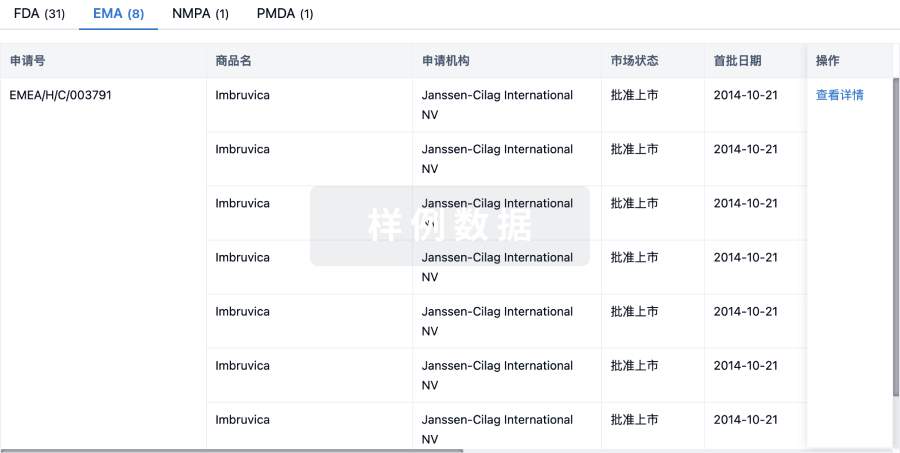
批准
利用最新的监管批准信息加速您的研究。
登录
或
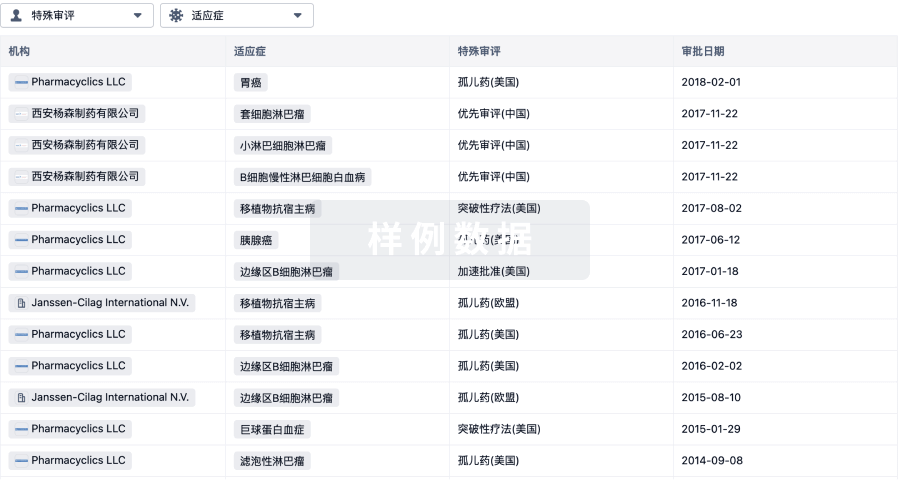
特殊审评
只需点击几下即可了解关键药物信息。
登录
或
提出任何生物医药研究问题
让每一步生物医药决策都精准制胜
基于十亿级生物数据与全球情报的精准 AI,赋能早期药物发现
立即开始免费试用!
智慧芽新药情报库是智慧芽专为生命科学人士构建的基于AI的创新药情报平台,助您全方位提升您的研发与决策效率。
立即接入生物医药数据包
智慧芽新药库数据也通过智慧芽开放平台,以MCP或API服务形式对外开放。立即使用我们的MCP服务定制您的LLM智能体。
生物序列数据库
生物药研发创新
免费使用
化学结构数据库
小分子化药研发创新
免费使用