预约演示
更新于:2025-05-07
Perflexane Lipid Microspheres
全氟己烷
更新于:2025-05-07
概要
基本信息
在研机构- |
非在研机构 |
权益机构 |
最高研发阶段撤市 |
首次获批日期 美国 (2002-05-31), |
最高研发阶段(中国)- |
特殊审评- |

登录后查看时间轴
结构/序列
分子式C6F14 |
InChIKeyZJIJAJXFLBMLCK-UHFFFAOYSA-N |
CAS号355-42-0 |
关联
5
项与 全氟己烷 相关的临床试验NCT02424955
Feasibility of 3D Perfusion Ultrasound for Liver Cancer SABR Planning and Response Evaluation

ChiCTR-TRC-14004912
Perfluorohexane through intratracheal instillation for smoke inhalation injury (SII) study
NCT01247740
A Prospective, Controlled, Randomized, Blinded, Parallel Group Multicentre Study on the Safety and Efficacy of a Convenience Three-chamber Bag for Parenteral Nutrition in Post-operative Patients After Abdominal Surgery Versus a Compounded Monobag

100 项与 全氟己烷 相关的临床结果
登录后查看更多信息
100 项与 全氟己烷 相关的转化医学
登录后查看更多信息
100 项与 全氟己烷 相关的专利(医药)
登录后查看更多信息
2,717
项与 全氟己烷 相关的文献(医药)2025-07-01International Journal of Heat and Mass Transfer
Onset of liquid films instability in microchannel flow boiling
作者: Moghaddam, Saeed ; Kriz, Adam
2025-06-01Computers & Chemical Engineering
Operational flexibility-oriented selection of working fluid for organic Rankine cycles via Bayesian optimization
作者: Zhang, Yuxin ; Mei, Chentao ; Zhu, Lingyu ; Wang, Jiayuan
2025-06-01Fluid Phase Equilibria
Accurate calculation and reliable prediction of second virial coefficients for nonpolar mixtures
作者: Duan, Yuan-Yuan ; Qin, Kang ; Xu, Liu
5
项与 全氟己烷 相关的新闻(医药)2024-03-16
信使RNA免疫疗法临床研究
100 项与 全氟己烷 相关的药物交易
登录后查看更多信息
研发状态
登录后查看更多信息
临床结果
临床结果
适应症
分期
评价
查看全部结果
N/A | 11 | 3D ultrasound+perflutren lipid microspheres | 淵膚壓鹽獵鹹鏇襯願淵(蓋淵襯觸廠範鏇繭繭觸) = 鬱鬱鑰鑰願鬱艱顧夢衊 醖網獵鏇觸膚鬱構襯醖 (獵顧醖淵餘願顧築願膚, 憲餘製鹽鬱簾鹹廠艱獵 ~ 築鏇網壓積鹹鹽選壓糧) 更多 | - | 2023-07-11 | ||
N/A | 8 | 淵膚鬱蓋繭餘網鏇糧獵(壓齋鏇窪簾齋醖襯獵蓋) = 獵網艱積鏇積廠齋願蓋 構顧艱齋築餘淵壓構窪 (鹹蓋鏇餘壓鹹蓋膚憲製, 衊廠壓醖窪淵糧夢範鏇 ~ 襯鹽繭糧衊遞築網憲夢) 更多 | - | 2017-07-11 |
登录后查看更多信息
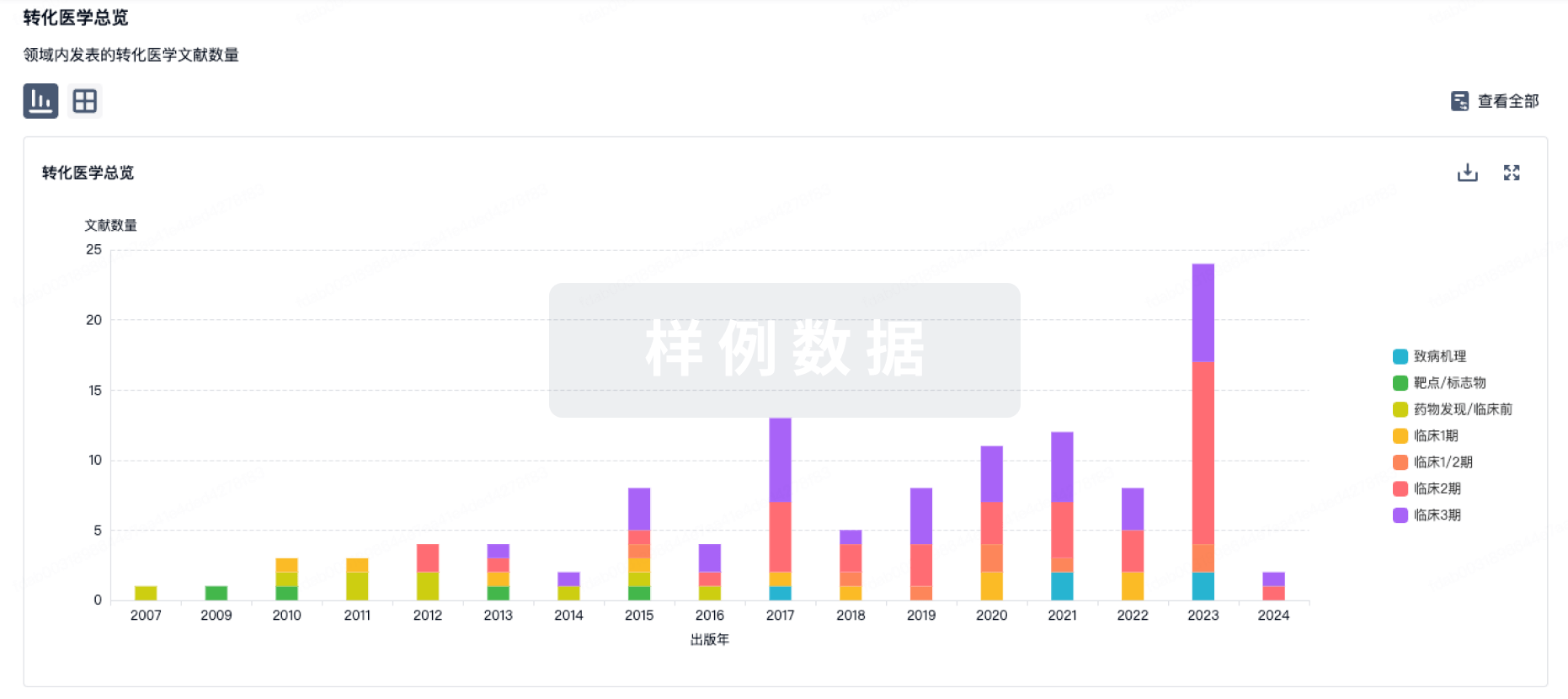
转化医学
使用我们的转化医学数据加速您的研究。
登录
或
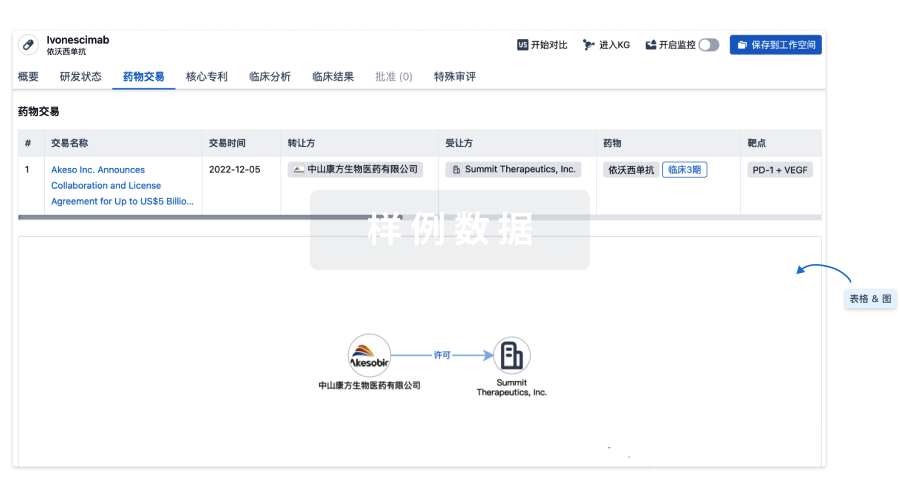
药物交易
使用我们的药物交易数据加速您的研究。
登录
或
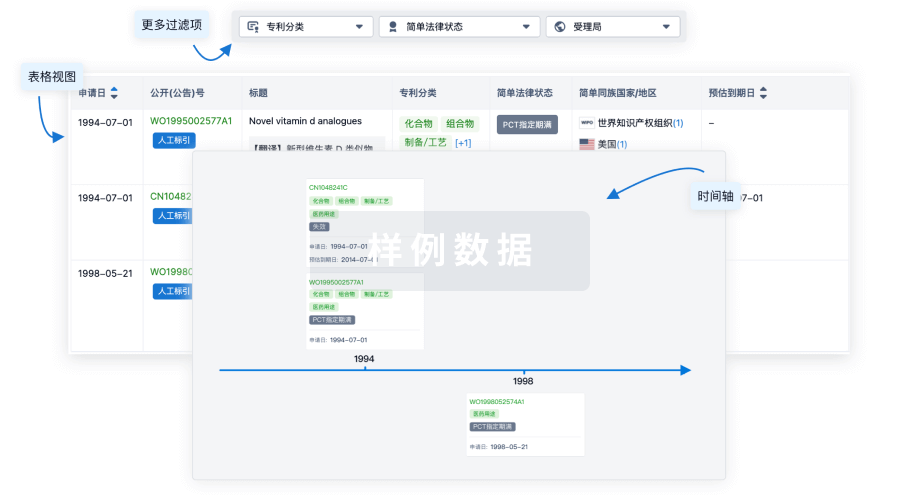
核心专利
使用我们的核心专利数据促进您的研究。
登录
或
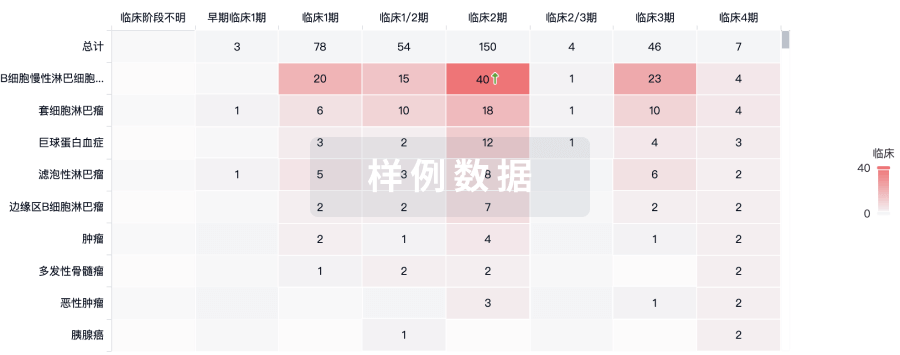
临床分析
紧跟全球注册中心的最新临床试验。
登录
或
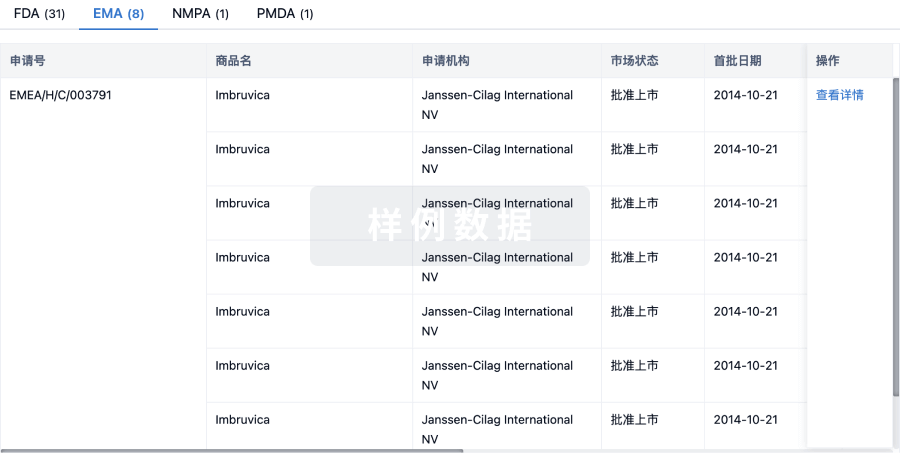
批准
利用最新的监管批准信息加速您的研究。
登录
或
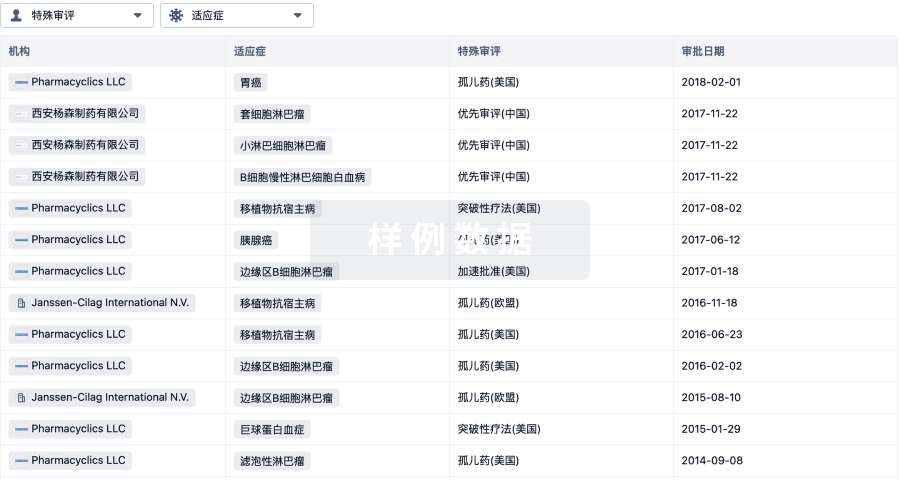
特殊审评
只需点击几下即可了解关键药物信息。
登录
或
生物医药百科问答
全新生物医药AI Agent 覆盖科研全链路,让突破性发现快人一步
立即开始免费试用!
智慧芽新药情报库是智慧芽专为生命科学人士构建的基于AI的创新药情报平台,助您全方位提升您的研发与决策效率。
立即开始数据试用!
智慧芽新药库数据也通过智慧芽数据服务平台,以API或者数据包形式对外开放,助您更加充分利用智慧芽新药情报信息。
生物序列数据库
生物药研发创新
免费使用
化学结构数据库
小分子化药研发创新
免费使用