预约演示
更新于:2026-05-31

B. Braun Melsungen AG
更新于:2026-05-31
概览
标签
其他疾病
神经系统疾病
小分子化药
化学药
疾病领域得分
一眼洞穿机构专注的疾病领域

技术平台
公司药物应用最多的技术
靶点
公司最常开发的靶点
关联
靶点 |
作用机制 |
在研机构 |
原研机构 |
在研适应症 |
非在研适应症 |
最高研发阶段 |
首次获批国家/地区 |
首次获批日期 |


靶点 |
作用机制 |
在研机构 |
原研机构 |
在研适应症 |
非在研适应症 |
最高研发阶段 |
首次获批国家/地区 |
首次获批日期 |
靶点 |
作用机制 |
在研机构 |
原研机构 |
在研适应症 |
非在研适应症 |
最高研发阶段 |
首次获批国家/地区 |
首次获批日期 |
NCT07363161
BASel Kosten-Effektivitäts-Trial: Drug-coated BALLoon vs. Drug-eluting Stent Strategy in High-risk Patients With Coronary Artery Disease
NCT06101121
Performance and Safety of Lubri-cream for Pain Minimization During Urethral Catheterization and Cystoscopy
NCT06183086
Prospective, Multicentre, Single-arm, Controlled Study on the Safety of Linovera® for the Treatment of Category-I Pressure Ulcers/Injuries
100 项与 B. Braun Melsungen AG 相关的临床结果
登录后查看更多信息
登录后查看更多信息
2025-11-01European Journal of Hospital Pharmacy
Stability of intravenous medicines – evidence of maximum temperature reached in both summer and winter within soft shell elastomeric pumps
Article
作者: van der Merwe, Susanna Maria ; Boyd, Nicholas ; Mavhunga, Simba
OBJECTIVE:
Elastomeric devices or pumps are a valuable tool to deliver outpatient parenteral therapy and have been used for administration of chemotherapy, antibiotics and pain medication. A key determinant of effective treatment is to consider the stability of medicines within these devices. It is widely known that an increase in temperature positively correlates to an increase in drug degradation. The objective of our work was to measure the temperature within soft shell elastomeric devices, under simulated outpatient treatment conditions in summer and winter months, and to determine the maximum temperature reached within these periods of use.
METHODS:
Thermocouples were inserted within soft shell Easypump II (B Braun Medical, Sheffield, UK) elastomeric pumps and the temperature was monitored under simulated outpatient conditions during cold and warm weather with different fill volumes. Temperature monitoring was also conducted with varying levels of insulation around the devices.
RESULTS:
Our results show that internal temperatures remained below 32°C±1°C in winter and summer months, including during times defined as a heatwave. Fill volume and ambient temperature were shown to be significant factors affecting the internal temperatures reached.
CONCLUSION:
A soft shell Easypump II elastomeric pump, if used within its carry pouch, will maintain the internal solution below a temperature of 32°C±1°C if patients correctly adhere to handling guidance. Our results show that further improvements to the insulation material used in carry pouches can significantly restrict the rate of temperature rise within the pumps and will give more assurance in relation to preventing degradation especially considering the increases in extreme weather conditions observed in recent years due to global warming.
2025-07-01ANNALS OF SAUDI MEDICINE
Impact of 3D high-definition laparoscopy on total laparoscopic hysterectomy: a body mass index-stratified retrospective analysis
Article
作者: Dhiman, Arminder Singh ; Solanki, Smit Bharat ; Mishra, Vineet V.
BACKGROUND::
Three-dimensional (3D) high-definition (HD) laparoscopy is a promising tool in minimally invasive gynecologic surgery, offering enhanced depth perception and visualization. However, its role in total laparoscopic hysterectomy (TLH), particularly in patients with varying body mass index (BMI), remains underexplored.
OBJECTIVE::
To evaluate the impact of 3D HD laparoscopy on surgical efficiency and patient outcomes in TLH, with a focus on BMI-related differences.
DESIGN AND SETTINGS::
A single-center retrospective study
PATIENTS AND METHODS::
Sixty patients who underwent TLH were included: n=30 used 3D HD laparoscopy (Aesculap 3D EinsteinVision) and n=30 matched controls used 2D laparoscopy. Matching criteria included uterine weight and prior surgical history. Patients were stratified according to BMI (≤24.9, 25–29.9, ≥30.0 kg/m
2
).
MAIN OUTCOME MEASURES::
Operative time, vault suturing time, blood loss, trocar site incisions, haemoglobin drop, and complication rates.
SAMPLE SIZE::
60 patients (30 in each group)
RESULTS::
The 3D HD laparoscopy group demonstrated significant improvements across multiple outcomes. Trocar site incisions were significantly reduced in all BMI categories (
P
<.001). Vault suturing time was shorter in the 3D HD laparoscopy group (
P
=.002), and total operative time was reduced in overweight patients (
P
=.015). Obese patients in the 3D group had lower haemoglobin drop (
P
=.01) and reduced blood loss compared to 2D laparoscopy group (
P
=.017).
CONCLUSION::
3D HD laparoscopy enhances surgical efficiency in TLH, especially in patients with higher BMI, by minimizing trocar site incisions, reducing vault suturing times, and improving hemostasis—highlighting its value in overcoming challenges of minimally invasive gynecologic surgery.
LIMITATIONS::
The study's retrospective design and modest sample size limit generalizability.
2025-03-01REGULATORY TOXICOLOGY AND PHARMACOLOGY
Comprehensive extractables and leachables sensitization analysis and practical application of a risk-based approach to sensitization assessment for parenteral drug products
Article
作者: Macho, Nina ; Masuda-Herrera, Melisa ; Nagao, Lee ; Koenig, Agnes ; Oded, Kobi ; Beaumont, Claire ; Griffin, Troy ; Cruz, Maureen T ; Martirosyan, Alina ; Fu, Qiang ; Guarch, Constança Porredon ; Doron, Dvir ; Hillegass, Jedd ; Parris, Patricia ; Schmitz, Matthew ; Callis, Courtney ; Burild, Anders ; Graham, Jessica ; Worsøe, Carsten ; Martin, Elizabeth A ; Chilton, Martyn L ; Udovic, Erika ; Stanard, Brad ; Johann, Esther ; Bercu, Joel ; Tien, Eric ; Kovalova, Natalia ; Alami, Anissa ; Whelan, Geraldine ; Dusenbury, Kristen ; Bruen, Uma ; Xu, Haiyan
The Extractables and Leachables Safety Information Exchange (ELSIE) Consortium added to the sensitization potency analysis of Parris et al. (2023) by including the Product Quality Research Institute (PQRI) extractable and leachable dataset (Johnson et al., 2024; Product Quality Research Institute, 2021). This analysis of the comprehensive E&L dataset showed 5% of chemicals (20/407) had experimental results demonstrating or were predicted to be potent (strong or extreme) sensitizers, supporting the previous conclusion, that potent sensitizers are of low prevalence and are not routinely observed as leachables in pharmaceutical products. By accounting for prevalence of sensitization in the overall E&L dataset, the probability of any potential leachable being more potent than the less than lifetime ICH M7 (10, 20, and 120 μg/day for human exposure of >1-10 years, >1-12 months, and <1 month respectively) and non-mutagenic ELSIE threshold values (35, 110, and 180 μg/day for human exposures of >10 years to lifetime, >1-10 years, and ≤1 year respectively) (Masuda-Herrera et al., 2022) was considered. The M7 and ELSIE thresholds are anticipated to provide ≥95% coverage of induction of sensitization, supporting the use of these thresholds to set the Safety Concern Threshold (SCT).
2026-05-28
2026-05-28
2026-05-28
100 项与 B. Braun Melsungen AG 相关的药物交易
登录后查看更多信息
100 项与 B. Braun Melsungen AG 相关的转化医学
登录后查看更多信息
组织架构
使用我们的机构树数据加速您的研究。
登录
或
管线布局
2026年10月13日管线快照
管线布局中药物为当前组织机构及其子机构作为药物机构进行统计,早期临床1期并入临床1期,临床1/2期并入临床2期,临床2/3期并入临床3期
批准上市
32
24
其他
登录后查看更多信息
当前项目
登录后查看更多信息
药物交易
使用我们的药物交易数据加速您的研究。
登录
或
转化医学
使用我们的转化医学数据加速您的研究。
登录
或
营收
使用 Synapse 探索超过 36 万个组织的财务状况。
登录
或
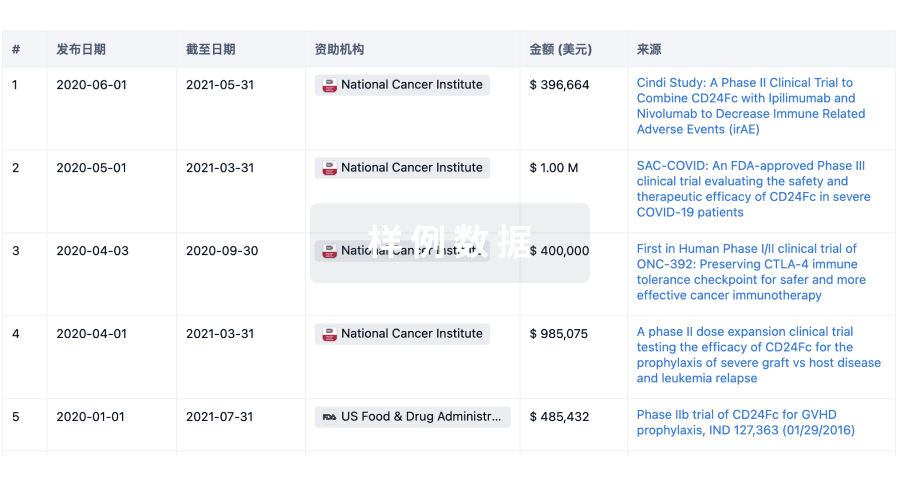
科研基金(NIH)
访问超过 200 万项资助和基金信息,以提升您的研究之旅。
登录
或
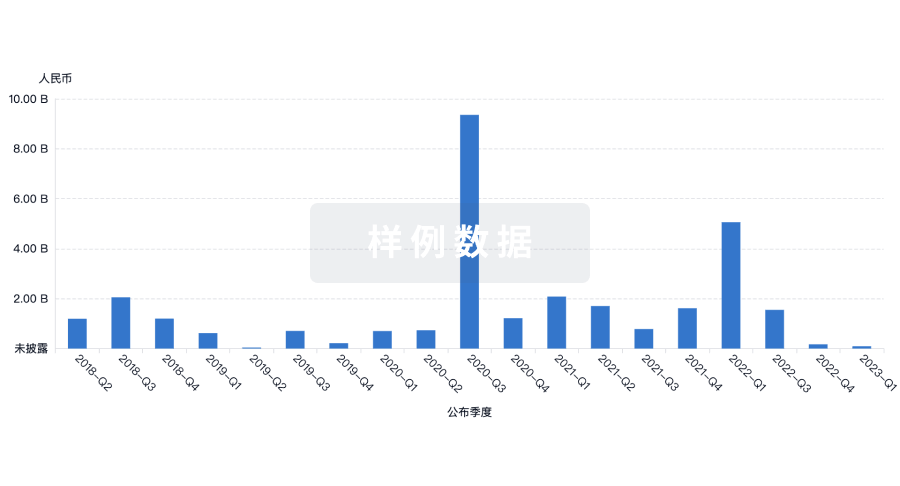
投资
深入了解从初创企业到成熟企业的最新公司投资动态。
登录
或
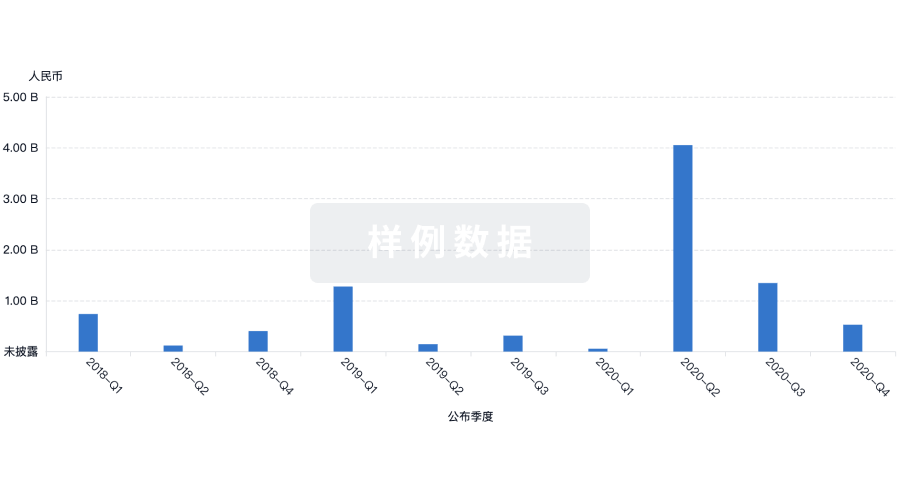
融资
发掘融资趋势以验证和推进您的投资机会。
登录
或
提出任何生物医药研究问题
让每一步生物医药决策都精准制胜
基于十亿级生物数据与全球情报的精准 AI,赋能早期药物发现
立即开始免费试用!
智慧芽新药情报库是智慧芽专为生命科学人士构建的基于AI的创新药情报平台,助您全方位提升您的研发与决策效率。
立即接入生物医药数据包
智慧芽新药库数据也通过智慧芽开放平台,以MCP或API服务形式对外开放。立即使用我们的MCP服务定制您的LLM智能体。
生物序列数据库
生物药研发创新
免费使用
化学结构数据库
小分子化药研发创新
免费使用