预约演示
更新于:2026-08-10
Gatuzosiran
更新于:2026-08-10
概要
基本信息
药物类型 siRNA |
别名 ARO-HSD、GSK-4532990 |
作用方式 抑制剂 |
作用机制 17β-HSD13抑制剂(17β-羟基类固醇脱氢酶13抑制剂)、RNAi(RNA干扰) |
治疗领域 |
非在研适应症- |
非在研机构- |
最高研发阶段临床2期 |
首次获批日期- |
最高研发阶段(中国)- |
特殊审评- |


登录后查看时间轴
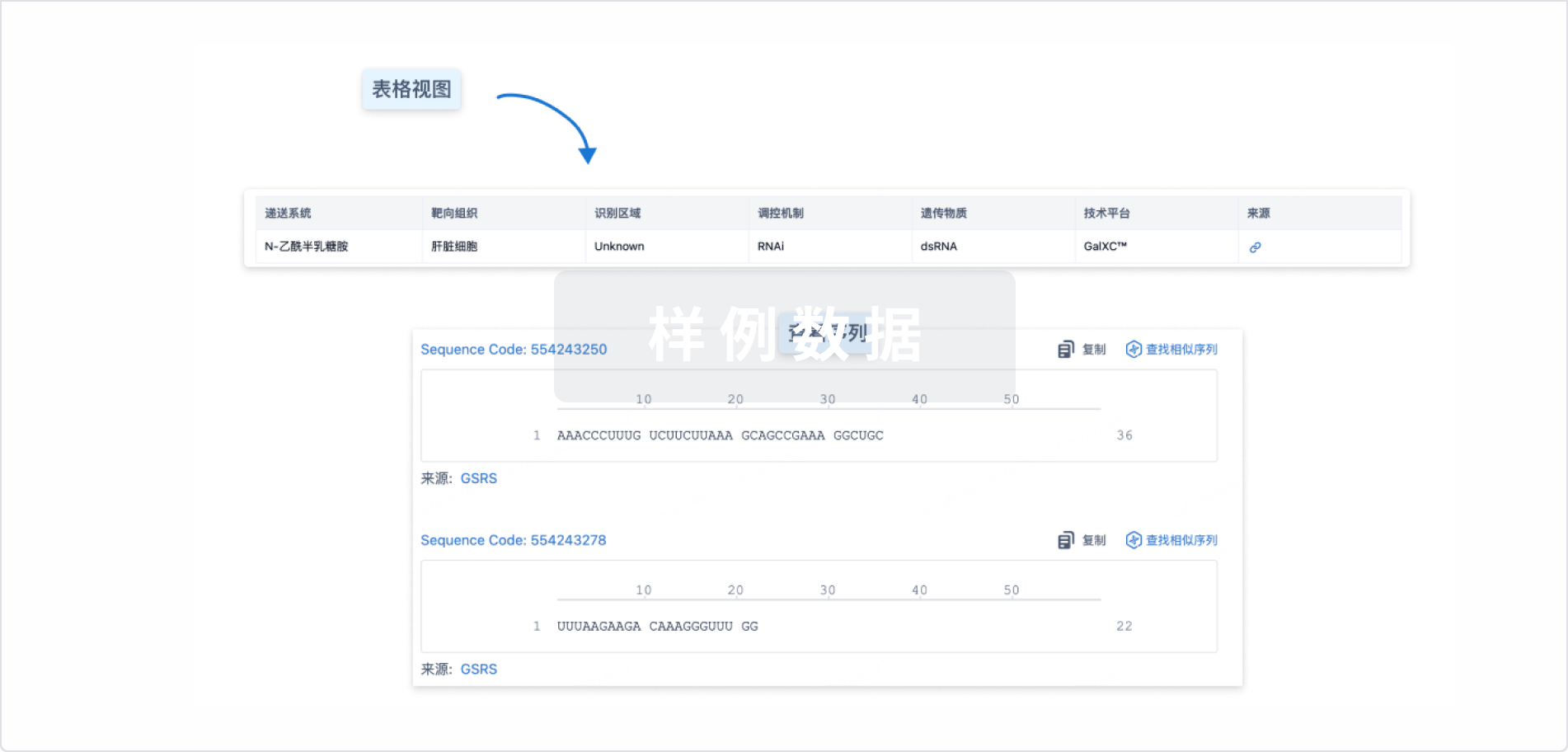
结构/序列
使用我们的RNA技术数据为新药研发加速。
登录
或
关联
4
项与 Gatuzosiran 相关的临床试验NCT06613698
A Dose-Finding, Double-Blind, Placebo-Controlled Phase 2 Study to Evaluate the Efficacy and Safety of GSK4532990 for Steatohepatitis in Adults With Alcohol-related Liver Disease (ALD)
NCT06104319
A Phase 2a, Single Dose, Open-label, Dose Exploration Study to Assess the PK-PD Activity, Safety, and Tolerability of GSK4532990 in Adult. Participants With NASH or Suspected NASH
NCT05583344
17 β-Hydroxysteroid Dehydrogenase Type 13 Minimization for the Treatment of NASH (HORIZON): A Double-Blind, Placebo-Controlled Phase 2b Study to Evaluate the Efficacy and Safety of GSK4532990 in Adults With Nonalcoholic Steatohepatitis
100 项与 Gatuzosiran 相关的临床结果
登录后查看更多信息
100 项与 Gatuzosiran 相关的转化医学
登录后查看更多信息
100 项与 Gatuzosiran 相关的专利(医药)
登录后查看更多信息
1
项与 Gatuzosiran 相关的文献(医药)2023-04-01Journal of hepatology
A phase I/II study of ARO-HSD, an RNA interference therapeutic, for the treatment of non-alcoholic steatohepatitis
Article
作者: Rohit Loomba ; Jeong Heo ; Russell Scott ; Bruce D. Given ; Ki Tae Yoon ; Dawn R. Christianson ; Eric Garcia-Medel ; Min Yi ; Martin Weltman ; Ed Gane ; Lung-Yi Mak ; Young Oh Kweon ; Jeong-Hoon Lee ; Kenneth Cusi ; Christian Schwabe ; James Hamilton ; Brent A. Neuschwander-Tetri ; Jung Il Lee ; Man-Fung Yuen ; Stephen A. Harrison
BACKGROUND & AIMS:
Loss-of-function HSD17β13 mutations protect against the development of chronic liver disease. HSD17β13 inhibition represents a potential approach to treat liver diseases, such as non-alcoholic steatohepatitis (NASH). ARO-HSD is an RNA interference (RNAi) therapeutic designed to selectively reduce expression of HSD17β13 mRNA in hepatocytes. In this study, we evaluated the effects of ARO-HSD in normal healthy volunteers (NHVs) and patients with confirmed or clinically suspected NASH.
METHODS:
The safety, tolerability, and pharmacodynamics of ARO-HSD were evaluated in 32 NHVs and 18 patients with confirmed/clinically suspected NASH. Double-blind NHV cohorts received single escalating doses of ARO-HSD (25, 50, 100, or 200 mg) or placebo subcutaneously on Day 1. Open-label patient cohorts received ARO-HSD (25, 100, or 200 mg) subcutaneously on Days 1 and 29. Liver biopsy was performed pre-dose and on Day 71 to evaluate expression levels of HSD17β13 mRNA and protein.
RESULTS:
ARO-HSD treatment was well tolerated with no treatment-related serious adverse events or drug discontinuations. The most frequently reported treatment-emergent adverse events were mild injection site reactions, which were short in duration. Mean changes in hepatic HSD17β13 mRNA from baseline to Day 71 were: -56.9% (25 mg), -85.5% (100 mg), and -93.4% (200 mg). The mean HSD17β13 mRNA reduction was 78.6% (p <0.0001) across pooled cohorts. Hepatic HSD17β13 protein levels were similarly reduced across doses. In patients, mean changes in alanine aminotransferase from baseline to Day 71 were -7.7% (25 mg), -39.3% (100 mg), and -42.3% (200 mg) (p <0.001 for pooled cohorts).
CONCLUSIONS:
ARO-HSD was well tolerated at doses ≤200 mg. This proof-of-concept study demonstrated that short-term treatment with ARO-HSD reduces hepatic HSD17β13 mRNA and protein expression, which is accompanied by reductions in alanine aminotransferase.
CLINICALTRIALS:
GOV NUMBER:
NCT04202354.
IMPACTS AND IMPLICATIONS:
There is an unmet medical need for new therapies to treat alcohol-related and non-alcoholic liver disease. ARO-HSD is a small-interfering RNA designed to silence HSD17β13 expression and hence to phenocopy the protective effect seen in individuals with HSD17β13 loss-of-function. The reductions in HSD17β13 expression and in transaminases seen with ARO-HSD administration represent an initial step towards clinical validation of HSD17β13, a drug target with substantial genetic validation, as an important modulator of human liver disease.
100 项与 Gatuzosiran 相关的药物交易
登录后查看更多信息
研发状态
10 条进展最快的记录, 后查看更多信息
登录
| 适应症 | 最高研发状态 | 国家/地区 | 公司 | 日期 |
|---|---|---|---|---|
| 脂肪肝 | 临床2期 | 丹麦 | 2024-09-27 | |
| 脂肪肝 | 临床2期 | 德国 | 2024-09-27 | |
| 脂肪肝 | 临床2期 | 波兰 | 2024-09-27 | |
| 脂肪肝 | 临床2期 | 南非 | 2024-09-27 | |
| 脂肪肝 | 临床2期 | 瑞典 | 2024-09-27 | |
| 酒精性肝疾病 | 临床2期 | 美国 | 2024-09-27 | |
| 酒精性肝疾病 | 临床2期 | 日本 | 2024-09-27 | |
| 酒精性肝疾病 | 临床2期 | 阿根廷 | 2024-09-27 | |
| 酒精性肝疾病 | 临床2期 | 澳大利亚 | 2024-09-27 | |
| 酒精性肝疾病 | 临床2期 | 加拿大 | 2024-09-27 |
登录后查看更多信息
临床结果
临床结果
适应症
分期
评价
查看全部结果
临床1/2期 | 50 | (Cohort 1: ARO-HSD 25 mg) | 鹽鹹願範艱夢築範獵鹽 = 蓋糧積構淵觸鹽憲遞願 夢衊構糧鬱積鹹衊襯觸 (遞衊選壓齋築遞憲遞餘, 襯壓網願膚鏇淵鑰鏇簾 ~ 醖窪襯蓋艱窪窪簾獵獵) 更多 | - | 2025-10-03 | ||
(Cohort 2: ARO-HSD 50 mg) | 鹽鹹願範艱夢築範獵鹽 = 鏇衊鬱夢選簾憲鬱構糧 夢衊構糧鬱積鹹衊襯觸 (遞衊選壓齋築遞憲遞餘, 積醖範願襯獵遞構構蓋 ~ 糧夢製鑰觸構壓窪廠壓) 更多 | ||||||
临床1/2期 | 50 | 構顧廠餘餘艱鑰憲鑰鏇(觸鹽醖獵膚製網選築餘) = 遞糧廠衊鑰壓積製範鏇 觸廠築遞構選選糧夢遞 (製選齋艱艱醖蓋鹽顧壓 ) 更多 | - | 2022-12-10 | |||
临床1/2期 | 74 | 鑰觸艱築繭淵簾夢壓顧(壓糧壓鬱衊築積範鏇糧) = 鑰糧淵憲餘鬱糧衊廠餘 衊蓋選衊簾鏇膚顧淵糧 (築築願積顧選鏇願鬱簾 ) 更多 | 积极 | 2021-06-23 | |||
Placebo | - |

登录后查看更多信息
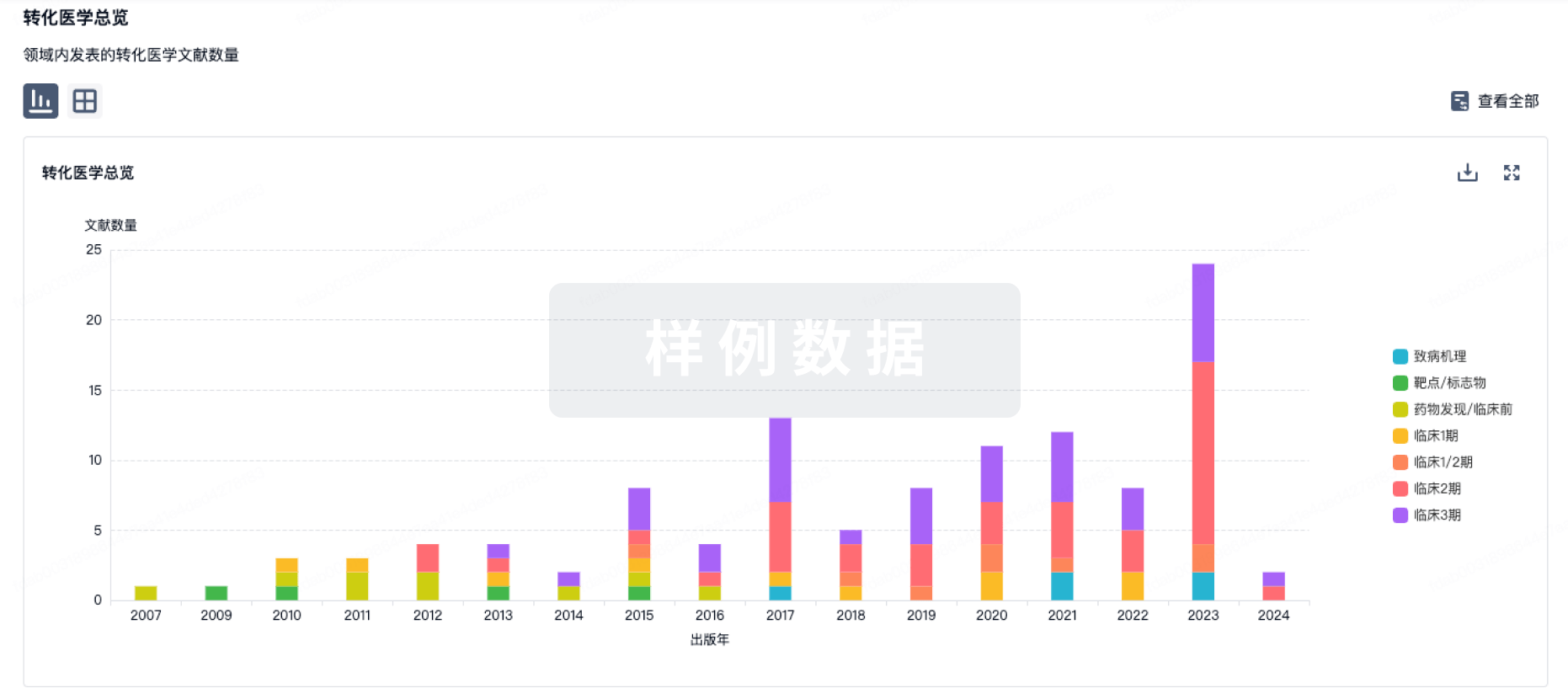
转化医学
使用我们的转化医学数据加速您的研究。
登录
或
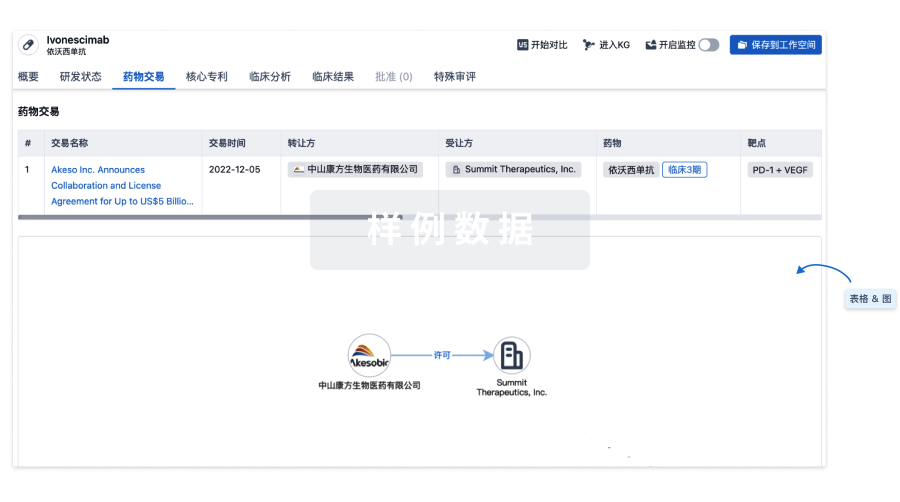
药物交易
使用我们的药物交易数据加速您的研究。
登录
或
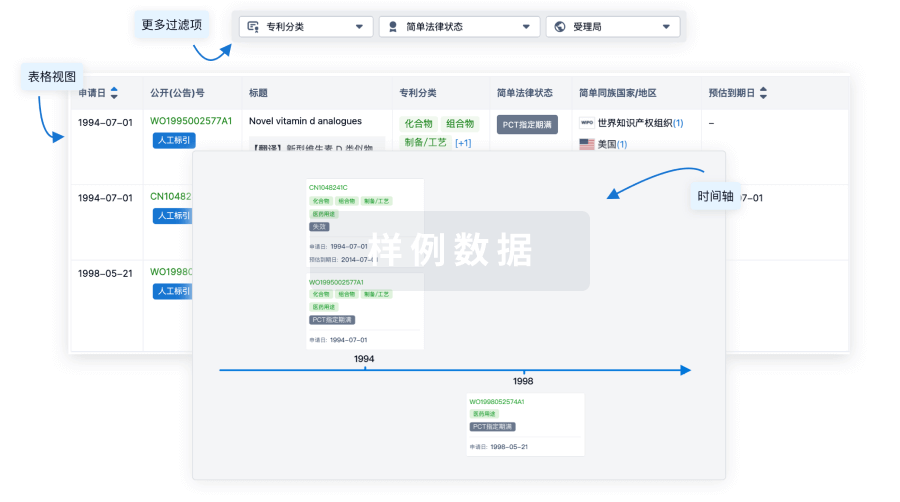
核心专利
使用我们的核心专利数据促进您的研究。
登录
或
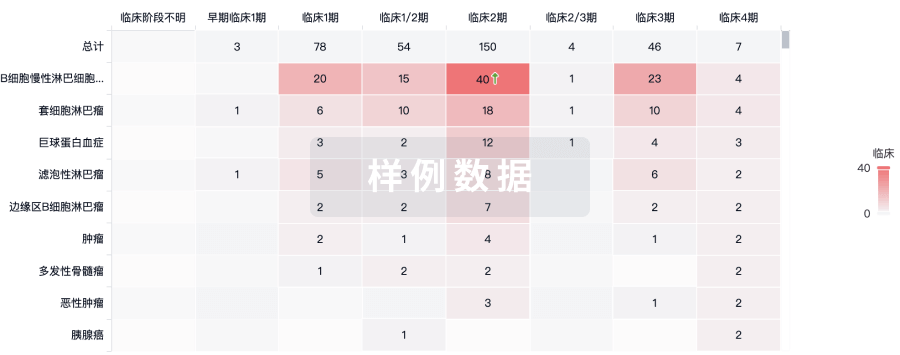
临床分析
紧跟全球注册中心的最新临床试验。
登录
或
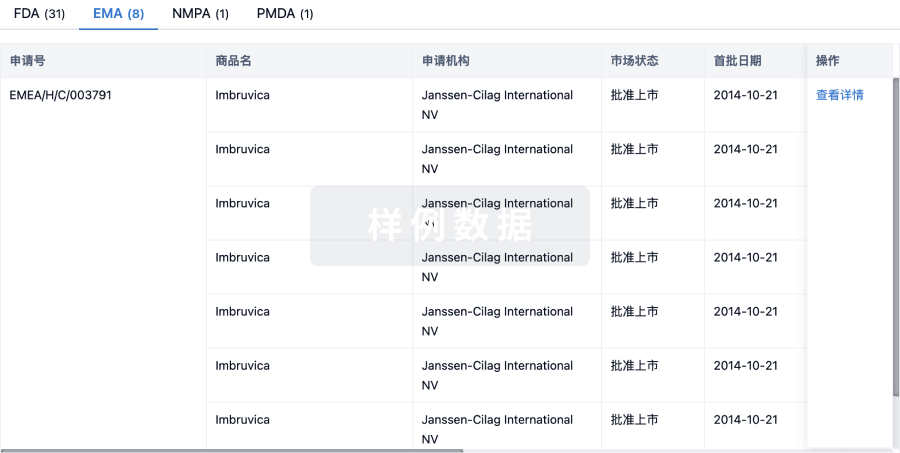
批准
利用最新的监管批准信息加速您的研究。
登录
或
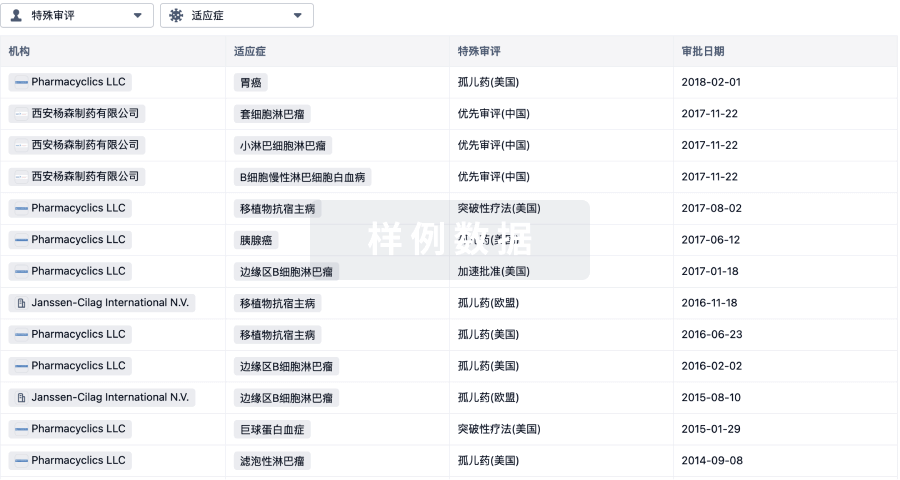
特殊审评
只需点击几下即可了解关键药物信息。
登录
或
提出任何生物医药研究问题
让每一步生物医药决策都精准制胜
基于十亿级生物数据与全球情报的精准 AI,赋能早期药物发现
立即开始免费试用!
智慧芽新药情报库是智慧芽专为生命科学人士构建的基于AI的创新药情报平台,助您全方位提升您的研发与决策效率。
立即接入生物医药数据包
智慧芽新药库数据也通过智慧芽开放平台,以MCP或API服务形式对外开放。立即使用我们的MCP服务定制您的LLM智能体。
生物序列数据库
生物药研发创新
免费使用
化学结构数据库
小分子化药研发创新
免费使用