预约演示
更新于:2026-07-16
Taxifolin
更新于:2026-07-16
概要
基本信息
原研机构 |
非在研机构- |
权益机构- |
最高研发阶段临床前 |
首次获批日期- |
最高研发阶段(中国)临床前 |
特殊审评- |


关联
3
项与 Taxifolin 相关的临床试验JPRN-jRCTs051250004
Taxifolin for prevention of COGnitive impairment (T-COG trial)
JPRN-UMIN000041423
Survey Research 2 of Indicators Relating to the Activity of the Brain Based on Functionality of Food(Taxifolin)

JPRN-UMIN000038223
Survey Research of Indicators Relating to the Activity of the Brain Based on Functionality of Food (Taxifolin)
100 项与 Taxifolin 相关的临床结果
登录后查看更多信息
100 项与 Taxifolin 相关的转化医学
登录后查看更多信息
100 项与 Taxifolin 相关的专利(医药)
登录后查看更多信息
990
项与 Taxifolin 相关的文献(医药)2026-12-01SPECTROCHIMICA ACTA PART A-MOLECULAR AND BIOMOLECULAR SPECTROSCOPY
Mechanistic study of α-glucosidase and α-amylase inhibition by taxifolin
Article
作者: Tang, Yujing ; Ma, Shuling ; Xuan, Hongzhuan ; Zhu, Ziqi ; Liu, Xinyan ; Li, Ting
This study systematically investigated the inhibitory effects of the natural flavonoid taxifolin on the diabetes-related key hydrolytic enzymes α-glucosidase and α-amylase, as well as the underlying molecular mechanisms. The results demonstrated that taxifolin exhibited significant concentration-dependent inhibitory activity against both enzymes, acting as a competitive inhibitor of α-glucosidase and a mixed-type inhibitor of α-amylase. Fluorescence quenching analyses indicated that taxifolin primarily interacted with both enzymes through a static quenching mechanism, forming stable enzyme-ligand complexes. Further multispectroscopic analyses revealed that taxifolin markedly induced alterations in the secondary structure, conformation, and aggregation state of the enzymes, thereby impairing their catalytic activities. Molecular docking simulations showed that taxifolin could be accommodated within the active pockets of the enzymes and bind stably to key amino acid residues through multiple noncovalent interactions, including hydrogen bonding, π-π stacking, and hydrophobic interactions. In vitro simulated digestion experiments demonstrated that taxifolin significantly delayed starch hydrolysis and reduced glucose release. Moreover, in vivo zebrafish experiments confirmed that taxifolin markedly lowered postprandial glucose levels within 2 h. In summary, taxifolin binds the two enzymes and partially reduces postprandial glucose. Its mild hypoglycemic effect precludes its use as an antidiabetic drug, yet it shows promise as a functional food component with theoretical backing.
2026-10-01COLLOIDS AND SURFACES B-BIOINTERFACES
A taxifolin-zinc nanozyme with SOD-like activity attenuates oxidative-stress-induced senescence and extends lifespan in C. elegans
Article
作者: Zhou, Xiaoxiao ; Chen, Xiaochen ; Tang, Xinru ; Chi, Xuesong ; Luo, Fengxian ; Shi, Qingping ; Hu, Jiangning ; Lin, Aixuan ; Cui, Bing ; Chen, Tao ; Hu, Shumeng
Oxidative stress is a key driver of cellular senescence and functional decline. However, many natural polyphenols have limited bioavailability because they are difficult to formulate into stable systems. Here, we report a polyphenol-metal coordination nanozyme prepared by coordinating zinc with taxifolin and using L-arginine to regulate assembly. The resulting Tax-Zn nanozyme formed a well-dispersed nanoscale system with an average hydrodynamic diameter of 57.53 nm. Functionally, the nanozyme exhibited broad antioxidant capacity in several assays and showed slightly stronger activity than Tax in selected assays. In MEFs, Tax-Zn nanozyme showed low cytotoxicity and markedly suppressed intracellular ROS under H2O2 challenge, accompanied by improved mitochondrial function and attenuation of senescence-associated phenotypes. In C. elegans, Tax-Zn nanozyme extended lifespan and improved healthspan-related indicators. Collectively, these results support the nanozyme as a natural-product-derived coordination platform that mitigates oxidative-stress-related senescence phenotypes and supports the development of antioxidant nano-formulations.
2026-10-01COMPUTATIONAL BIOLOGY AND CHEMISTRY
Multi-omics and machine learning uncover the MX1-ISG15-STAT1 synergistic axis as the core interferon signature in systemic lupus erythematosus and identify herbal-derived multi-target therapeutic candidates
Article
作者: Cao, Junjie ; Chen, Yanru ; Ma, Lin ; Huang, Rong
OBJECTIVE:
To address unmet therapeutic needs and safety limitations of current systemic lupus erythematosus (SLE) treatments, this study aimed (i) to delineate the core interferon (IFN)-centric regulatory network and its key mechanisms in SLE and (ii) to identify and evaluate herbal-derived multi-target therapeutic candidates for SLE.
METHODS:
Five GEO datasets were integrated into training and testing cohorts, subjected to a comprehensive pipeline including differential expression analysis, WGCNA, 113 machine learning model combinations (random forest optimal), Mendelian Randomization (MR), co-expression analysis, and molecular docking. SLE-related targets were predicted via multiple databases, with functional enrichment and molecular dynamics simulations performed.
RESULTS:
Six core genes (IFI27, ISG15, MX1, TAP1, USP18, STAT1) were identified; MX1 and ISG15 synergistically upregulated STAT1 (interaction P = 0.003), with their concurrent high expression correlating with elevated SLEDAI scores. MR analysis provided supportive evidence for a potential causal association between MX1 and SLE (OR=1.70, 95% CI:1.16-2.50, P = 0.006). while naringenin, taxifolin, and deoxycholic acid showed excellent binding affinity to core targets (binding energy < -5 kcal/mol).
CONCLUSION:
The MX1-ISG15-STAT1 axis is the core of SLE's IFN-centric network. Identified herbal-derived multi-target candidates provide novel insights for mechanism-based SLE therapeutics.
100 项与 Taxifolin 相关的药物交易
登录后查看更多信息
研发状态
10 条进展最快的记录, 后查看更多信息
登录
| 适应症 | 最高研发状态 | 国家/地区 | 公司 | 日期 |
|---|---|---|---|---|
| 肌肉萎缩性疾病 | 临床前 | 韩国 | 2026-01-06 | |
| 肌肉萎缩性疾病 | 临床前 | 韩国 | 2026-01-06 | |
| 皮肤损伤 | 临床前 | 中国 | 2025-10-10 | |
| 急性肾损伤 | 临床前 | 中国 | 2025-10-06 | |
| 肾脏毒性 | 临床前 | 中国 | 2025-10-06 |

登录后查看更多信息
临床结果
临床结果
适应症
分期
评价
查看全部结果
登录后查看更多信息
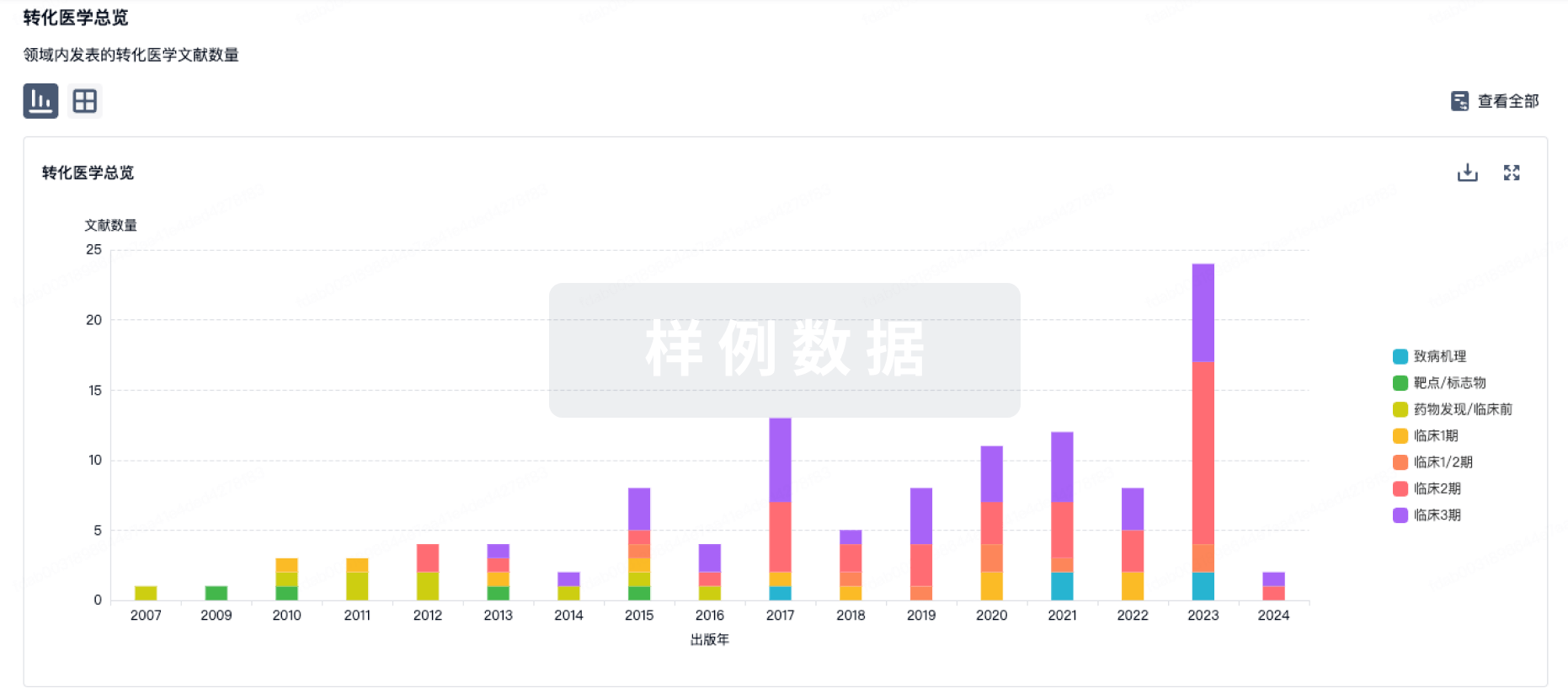
转化医学
使用我们的转化医学数据加速您的研究。
登录
或
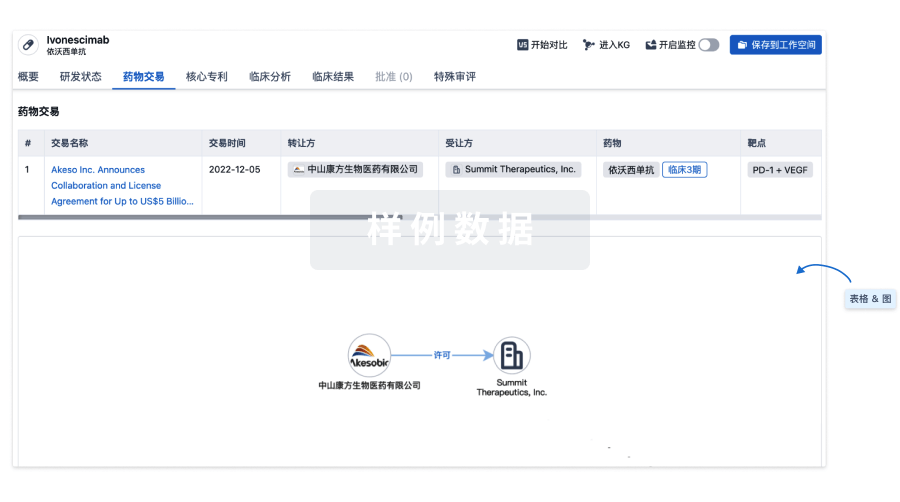
药物交易
使用我们的药物交易数据加速您的研究。
登录
或
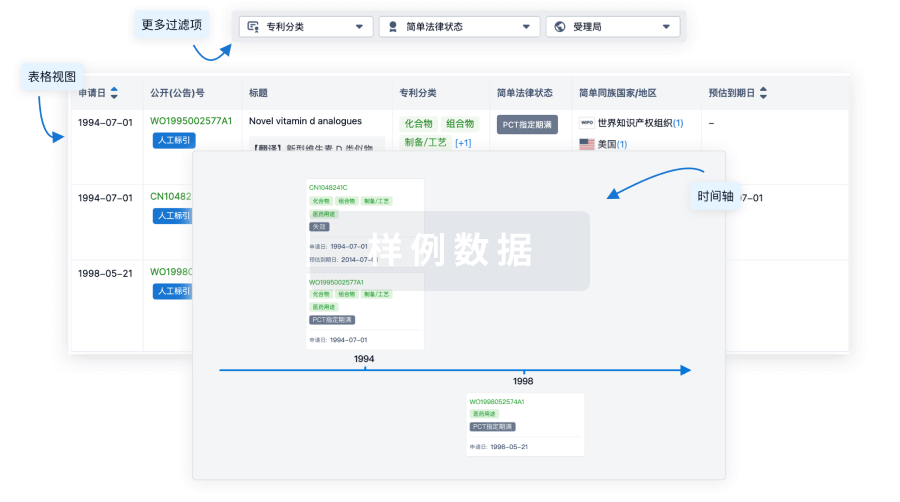
核心专利
使用我们的核心专利数据促进您的研究。
登录
或
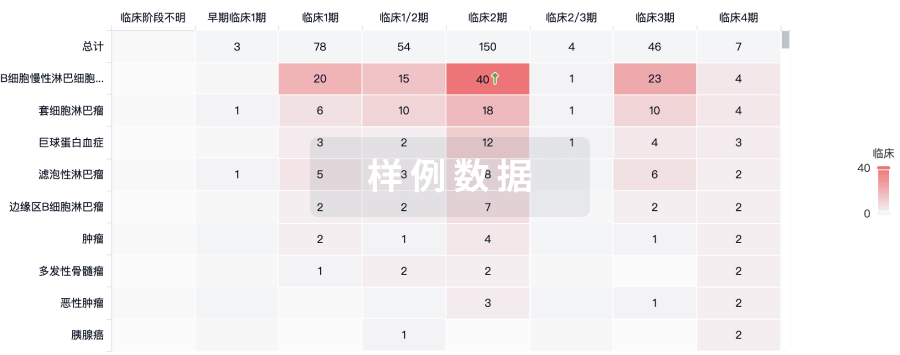
临床分析
紧跟全球注册中心的最新临床试验。
登录
或
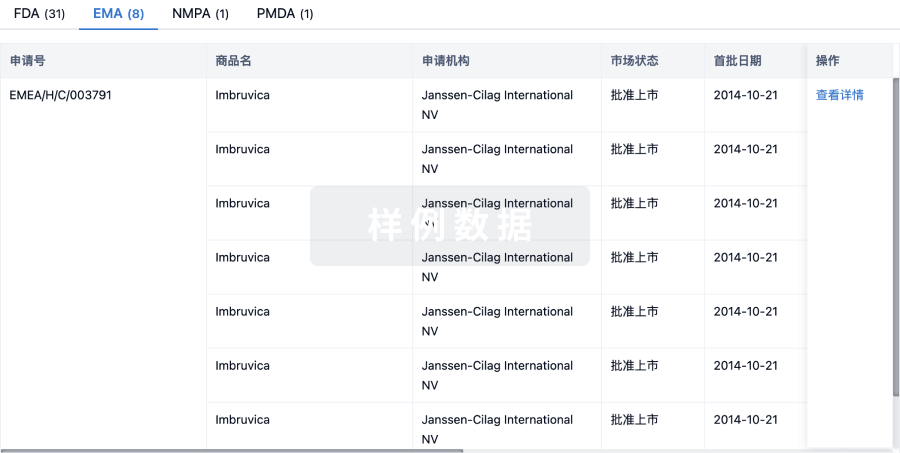
批准
利用最新的监管批准信息加速您的研究。
登录
或
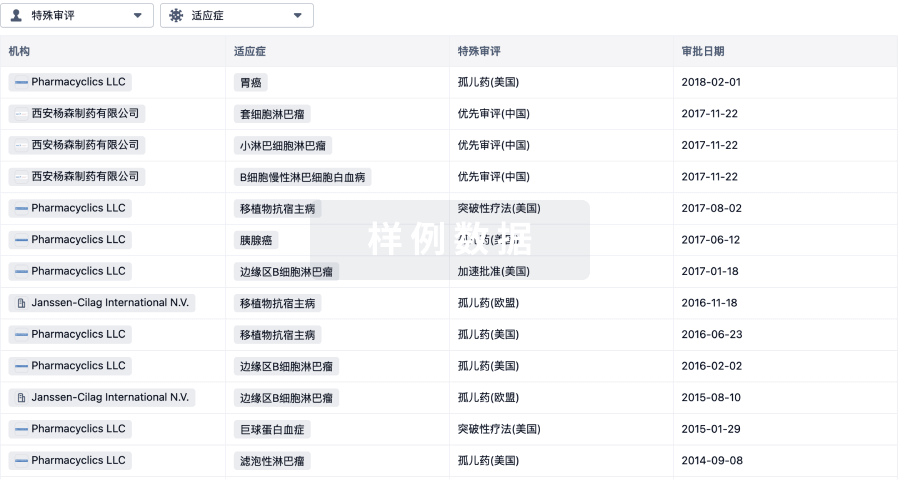
特殊审评
只需点击几下即可了解关键药物信息。
登录
或
提出任何生物医药研究问题
让每一步生物医药决策都精准制胜
基于十亿级生物数据与全球情报的精准 AI,赋能早期药物发现
立即开始免费试用!
智慧芽新药情报库是智慧芽专为生命科学人士构建的基于AI的创新药情报平台,助您全方位提升您的研发与决策效率。
立即接入生物医药数据包
智慧芽新药库数据也通过智慧芽开放平台,以MCP或API服务形式对外开放。立即使用我们的MCP服务定制您的LLM智能体。
生物序列数据库
生物药研发创新
免费使用
化学结构数据库
小分子化药研发创新
免费使用