预约演示
更新于:2026-06-16

Liaoning University
更新于:2026-06-16
概览
标签
肿瘤
其他疾病
神经系统疾病
小分子化药
蛋白水解靶向嵌合体(PROTAC)
疾病领域得分
一眼洞穿机构专注的疾病领域

技术平台
公司药物应用最多的技术
靶点
公司最常开发的靶点
关联
靶点 |
作用机制 |
在研机构 |
原研机构 |
在研适应症 |
非在研适应症 |
最高研发阶段 |
首次获批国家/地区 |
首次获批日期 |
靶点 |
作用机制 |
在研机构 |
原研机构 |
在研适应症 |
非在研适应症 |
最高研发阶段 |
首次获批国家/地区 |
首次获批日期 |
靶点 |
作用机制 |
在研机构 |
原研机构 |
在研适应症 |
非在研适应症 |
最高研发阶段 |
首次获批国家/地区 |
首次获批日期 |

100 项与 辽宁大学 相关的临床结果
登录后查看更多信息
登录后查看更多信息
2026-07-01ANALYTICA CHIMICA ACTA
Ligand-engineered hollow Fe-NC nanozymes with enhanced peroxidase activity for smartphone-based point-of-care testing of isoniazid
Article
作者: Xu, Xu ; Sun, Tongxin ; Zhang, Yu ; Zhou, Xinyue ; Zhang, Lei
Therapeutic drug monitoring of isoniazid (INH), a first-line antitubercular agent, is critical due to its narrow therapeutic window and risk of toxicity or resistance at nonoptimal concentrations. Current methods lack the simplicity and accessibility required for point-of-care testing (POCT), especially in resource-limited settings. Herein, we report a paper-based colorimetric biosensing platform that integrates hollow-structured Fe-NC (Iron-Nitrogen-Carbon) nanozymes with smartphone-assisted readout for rapid, sensitive, and selective detection of INH in human biofluids. The nanozyme is synthesized via controlled pyrolysis of a dual-linker zeolitic imidazolate/tetrazolate framework (ZTF), where 2-methylimidazole (2-MIM) and thermally labile 5-aminotetrazole (5-AT) direct the formation of a hollow architecture that maximizes accessible Fe-N4 active sites and enhances mass transport. This design confers superior peroxidase-like activity, enabling catalytic oxidation of chromogenic substrates in the presence of H2O2 with high specificity toward INH. The resulting sensor achieves a detection limit of 0.24 μM and maintains high accuracy in human serum and urine, with minimal matrix interference. The entire assay is completed using a portable, low-cost device and a smartphone application for colorimetric analysis. Validated on human urine and serum, the platform demonstrates excellent reproducibility, stability, and field adaptability. This work presents a rational nanozyme design strategy through ligand-mediated structural control and establishes a scalable, equipment-free sensing framework for real-time therapeutic drug monitoring in POCT.
2026-07-01BIORESOURCE TECHNOLOGY
Catechol addition reshapes microbial metabolic networks to enhance humification and regulate nitrogen transformation in co-composting of chicken manure and corn straw
Article
作者: Bai, Xu ; Zhang, Lin ; Qi, Haishi ; Wei, Zimin
Catechol was confirmed to promote the formation of humus (HS) by serving as a carbon skeleton during the co-composting of chicken manure and rice straw. However, how exogenous catechol influences the biological pathways underlying humification and nitrogen transformation remains poorly understood. Here, this study investigated how catechol regulates HS formation by reshaping microbial communities and affects nitrogen transformation during the co-composting of chicken manure with corn straw. Catechol addition increased the contents of HS and humic acid (HA) by 122.7% and 100.1%, respectively. Mechanistic analyses indicated that catechol did not simply act as a carbon skeleton for HS synthesis; rather, it strategically altered humification pathways by restructuring key microbial functional guilds. Notably, catechol shifted polyphenols and inorganic nitrogen from limiting factors to primary drivers of humification, thereby accelerating HS synthesis, improving HA polymerization, and enhancing product stabilization. Overall, these findings provide new mechanistic insights and practical strategies to improve humification and nitrogen management of agricultural wastes through targeted modulation of microbial metabolic pathways.
2026-07-01JOURNAL OF MOLECULAR GRAPHICS & MODELLING
Regulation of charge transfer and photophysical properties of porphyrin-based hole transport materials by functional group substitution: DFT and TD-DFT investigations
Article
作者: Yu, Ying ; Ma, Fengcai ; Zhang, Xueling ; Li, Yuanzuo ; Song, Peng
Hole transport materials (HTMs), which are integral constituents of perovskite solar cells (PSCs), play a crucial role in determining their photovoltaic efficiency and long-term stability. This study used quantum chemistry methods to theoretically investigate the promising chlorophyll derivative molecule ZnChl-2 and its designed molecules (ZnChl-Z1∼ZnChl-Z3). The findings indicated that the substitution of diverse functional groups exerted a significant impact on the electronic and optical characteristics of the molecule. The data showed that three new molecules' energy levels were found to be inferior to that of ZnChl, and their energy levels matched well with perovskite. Three new molecules' solubility have been markedly enhanced compared with that of molecule ZnChl. Moreover, the wavelength of maximum absorption of the molecule ZnChl-Z1 is blue-shifted as compared to ZnChl. The new molecules ZnChl-Z1 and ZnChl-Z3 demonstrate a marked enhancement in hole mobility in comparison with the ZnChl, with ZnChl-Z1 exhibiting the superior level of hole mobility among them. Consequently, the molecule ZnChl-Z1 demonstrates superior overall performance compared to the other three molecules, thereby positioning it as a prospective optimal candidate for HTMs.
2026-05-21
·今日头条
2026-03-15
100 项与 辽宁大学 相关的药物交易
登录后查看更多信息
100 项与 辽宁大学 相关的转化医学
登录后查看更多信息
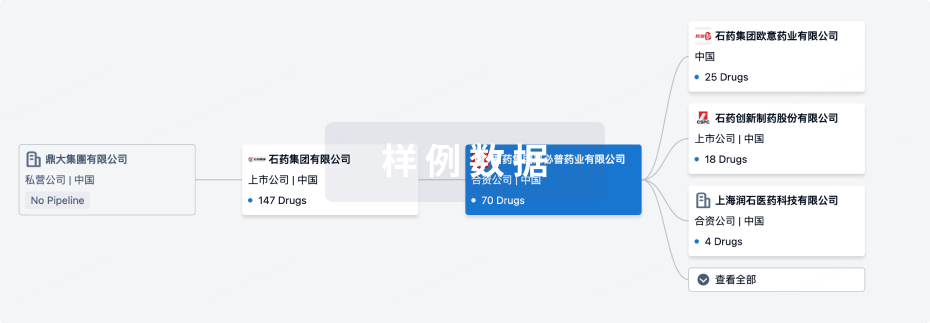
组织架构
使用我们的机构树数据加速您的研究。
登录
或
管线布局
2026年10月31日管线快照
管线布局中药物为当前组织机构及其子机构作为药物机构进行统计,早期临床1期并入临床1期,临床1/2期并入临床2期,临床2/3期并入临床3期
药物发现
7
4
临床前
登录后查看更多信息
当前项目
登录后查看更多信息
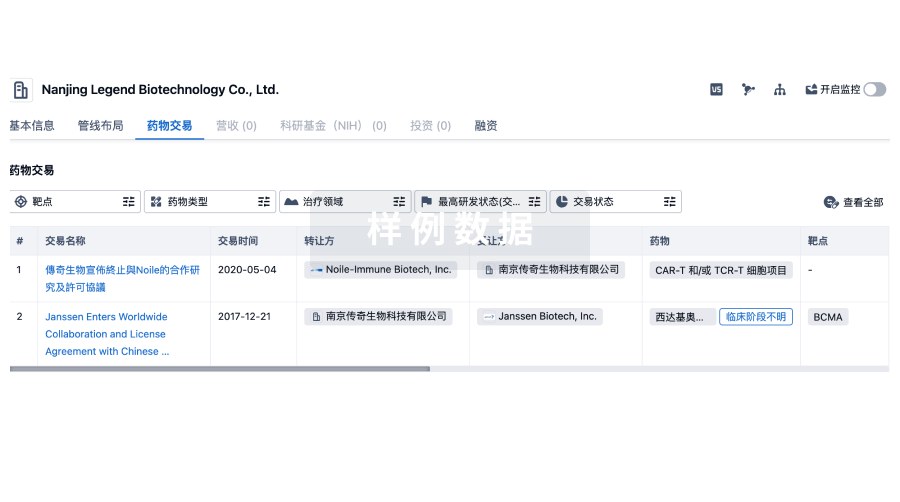
药物交易
使用我们的药物交易数据加速您的研究。
登录
或
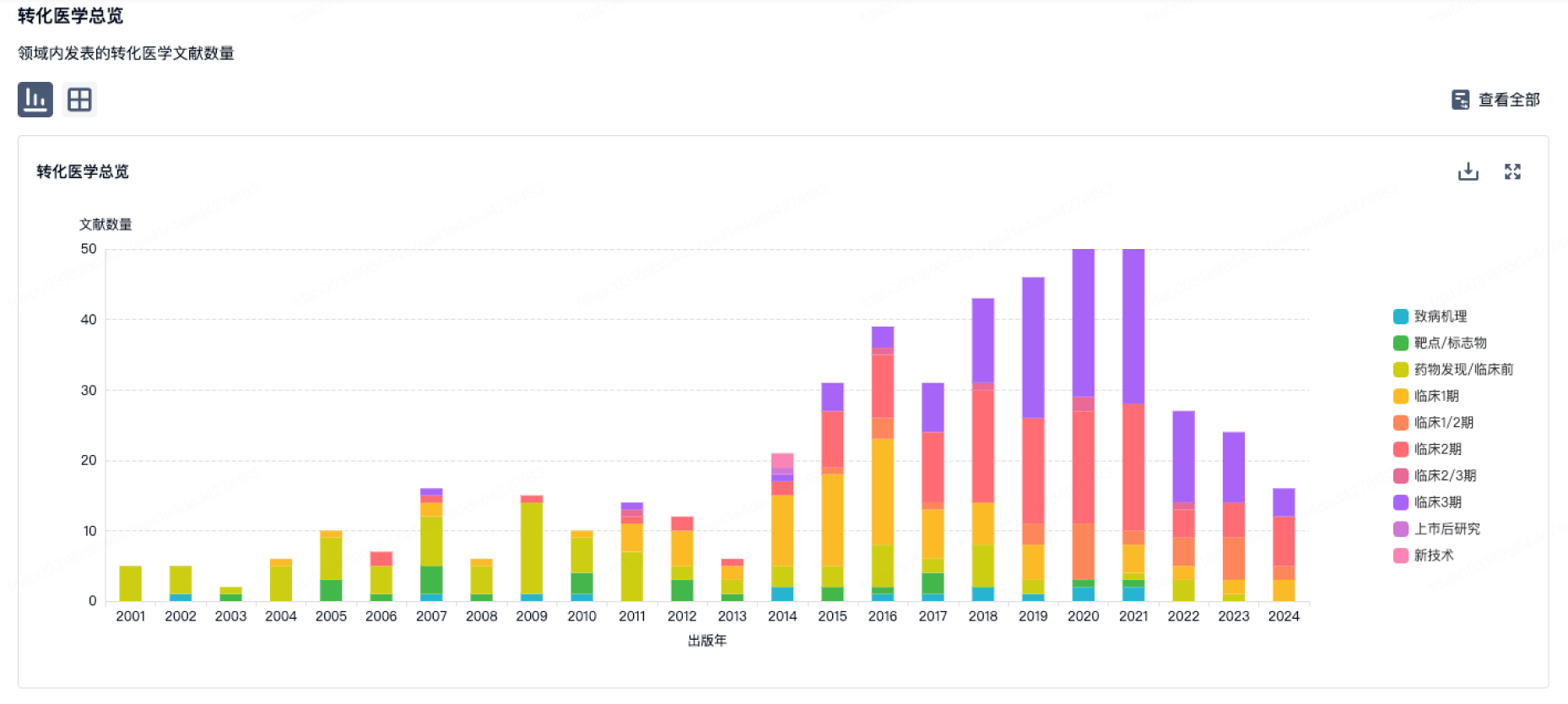
转化医学
使用我们的转化医学数据加速您的研究。
登录
或
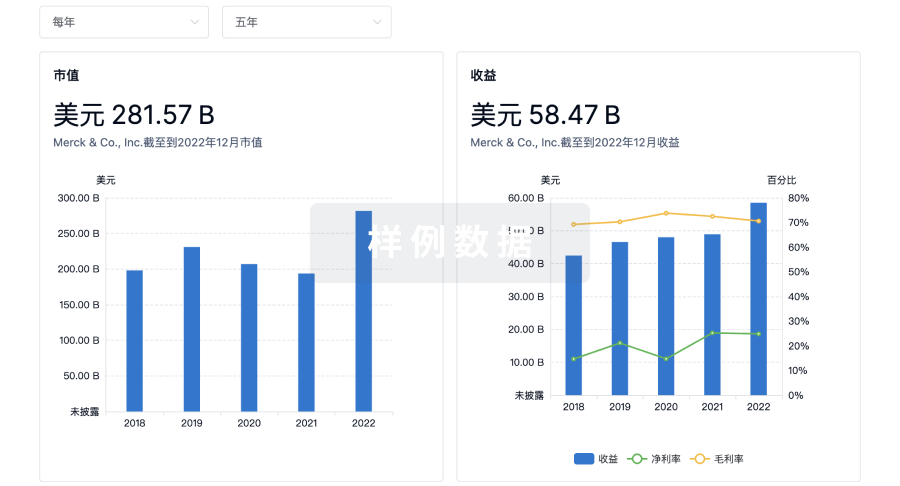
营收
使用 Synapse 探索超过 36 万个组织的财务状况。
登录
或
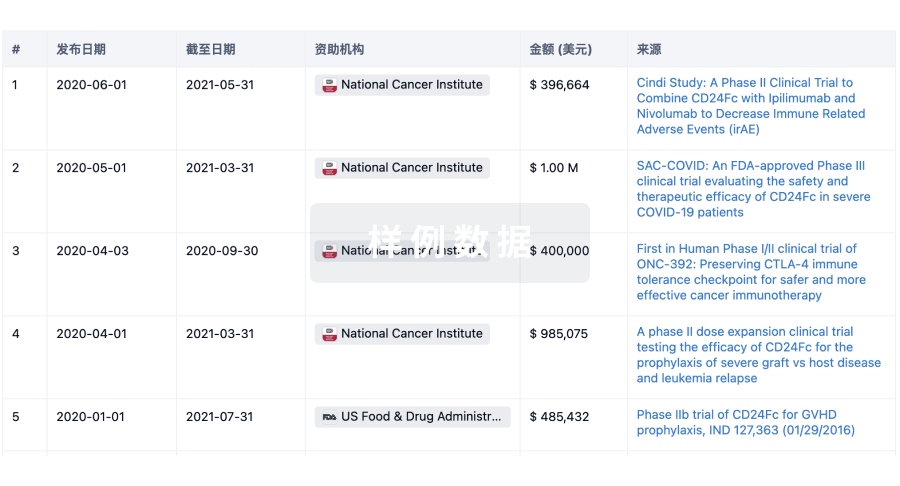
科研基金(NIH)
访问超过 200 万项资助和基金信息,以提升您的研究之旅。
登录
或
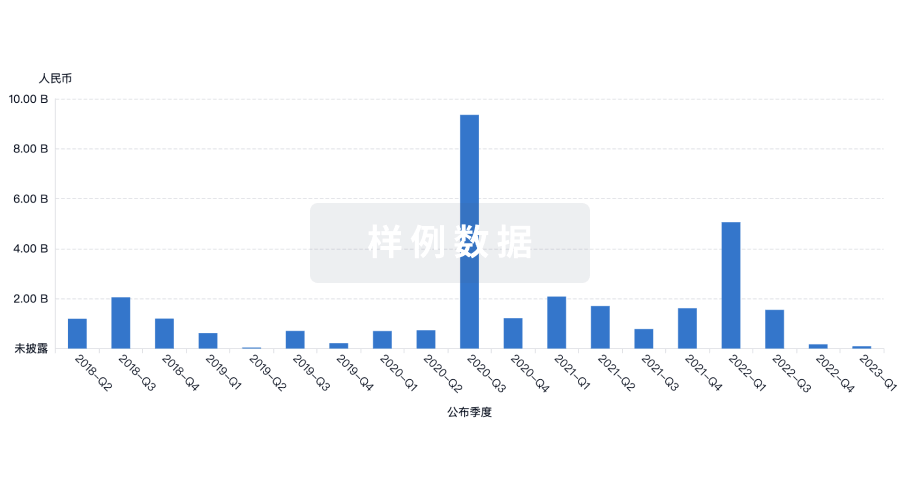
投资
深入了解从初创企业到成熟企业的最新公司投资动态。
登录
或
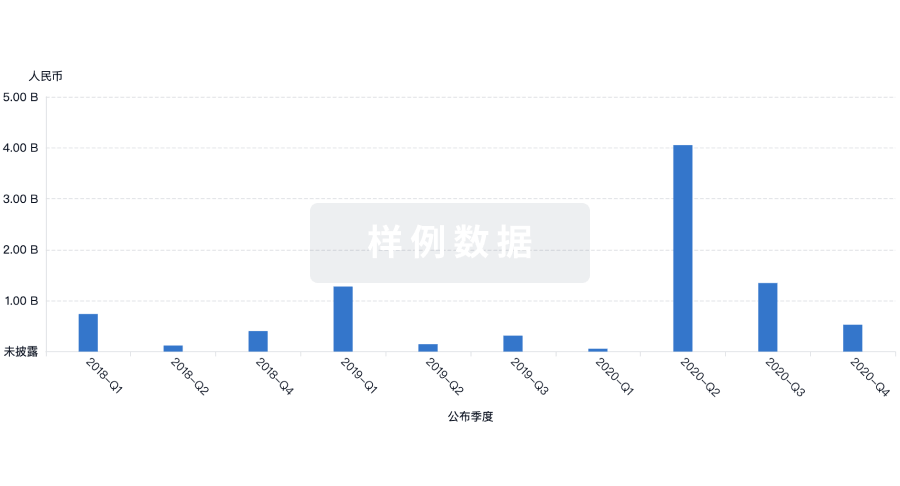
融资
发掘融资趋势以验证和推进您的投资机会。
登录
或
提出任何生物医药研究问题
让每一步生物医药决策都精准制胜
基于十亿级生物数据与全球情报的精准 AI,赋能早期药物发现
立即开始免费试用!
智慧芽新药情报库是智慧芽专为生命科学人士构建的基于AI的创新药情报平台,助您全方位提升您的研发与决策效率。
立即接入生物医药数据包
智慧芽新药库数据也通过智慧芽开放平台,以MCP或API服务形式对外开放。立即使用我们的MCP服务定制您的LLM智能体。
生物序列数据库
生物药研发创新
免费使用
化学结构数据库
小分子化药研发创新
免费使用