预约演示
更新于:2026-01-31
Brilanestrant
更新于:2026-01-31
概要
基本信息
非在研机构 |
最高研发阶段临床1期 |
首次获批日期- |
最高研发阶段(中国)- |
特殊审评- |



登录后查看时间轴
结构/序列
分子式C26H20ClFN2O2 |
InChIKeyBURHGPHDEVGCEZ-KJGLQBJMSA-N |
CAS号1365888-06-7 |
关联
5
项与 Brilanestrant 相关的临床试验NCT02802670
A Pharmacokinetic Study of [14C]-GDC-0810 After Single Oral Administration in Healthy Female Participants
NCT02722018
A Phase I, Randomized, Open-Label, Single Center Study to Investigate the Effect of Formulation and Food on the Pharmacokinetics of GDC-0810 in Female Healthy Subjects on Non-Childbearing Potential
NCT02569801
A Phase II, Open-Label, Randomized Study of GDC-0810 Versus Fulvestrant in Postmenopausal Women With Advanced or Metastatic ER+ /HER2- Breast Cancer Resistant to Aromatase Inhibitor Therapy
100 项与 Brilanestrant 相关的临床结果
登录后查看更多信息
100 项与 Brilanestrant 相关的转化医学
登录后查看更多信息
100 项与 Brilanestrant 相关的专利(医药)
登录后查看更多信息
61
项与 Brilanestrant 相关的文献(医药)2026-01-12BIOMACROMOLECULES
Tuning Bottlebrush Polymer Architecture and Composition of Poly(acrylic acid) Improves GDC-0810 Drug Solubility Maintenance
Article
作者: Reineke, Theresa M. ; Barr, Kaylee E. ; Das, Soumi ; Lopez, Elizabeth C. ; Bates, Frank S.
Noncovalent interactions between a polymer excipient and an active pharmaceutical ingredient (API) are important for achieving the solubility of APIs as amorphous solid dispersion (ASD) formulations. Herein, we examined how polymer architecture, the placement of acrylic acid moieties in bottlebrush polymer architectures, and total carboxylic acid content affect the dissolution of GDC-0810, a class II breast cancer therapeutic. Four bottlebrush polymers and linear analogues were synthesized by reversible addition-fragmentation chain transfer (RAFT) polymerization and ring-opening metathesis polymerization (ROMP). The polymers were composed of poly(N-isopropylacrylamide-stat-N,N-dimethylacrylamide) (PND) and poly(acrylic acid) (PAA) with carboxylic acid content of 0-1960 units. The ASDs containing 40 wt % GDC-0810 exhibited a linear performance trend, correlating improved performance to increased carboxylic acid content in bottlebrush polymers, indicating the importance of electrostatic repulsions with the weak acid API on dissolution efficacy. This work demonstrates the importance of architecture, placement, and amount of carboxylate groups in excipient performance.
2026-01-01ECOTOXICOLOGY AND ENVIRONMENTAL SAFETY
Integrated multi-Omics and network toxicology elucidate the multi-target mechanisms of environmental hormones in driving hepatocellular carcinoma
Article
作者: Mu, Bo ; Pang, Jiyu ; Wen, Lu ; Deng, Yanan ; Ma, Jinyue ; Zhao, Chunyan ; Zhang, Min ; He, Xiu ; Yao, Jiaxin ; Wang, Liang ; Huang, Rong
BACKGROUND:
Hepatocellular carcinoma (HCC) is a major malignancy with rising global incidence and mortality. Clinical treatment is limited by molecular heterogeneity and drug resistance. In recent years, endocrine-disrupting chemicals (EDCs) have attracted attention as emerging risk factors, but systematic pathogenic evidence for their roles in HCC initiation and progression remains insufficient.
METHODS:
First, we predicted potential targets of EDCs using SwissTargetPrediction, STITCH, and ChEMBL, and intersected them with differentially expressed genes and key module genes from WGCNA in the GEO database to screen candidate key genes. Second, based on these candidates, we constructed diagnostic models using 14 machine-learning algorithms and evaluated feature importance via the SHAP framework to identify key biomarkers and their functional contributions. Molecular docking and molecular dynamics simulations were used to validate interaction mechanisms between EDCs and key target proteins. We then built a multivariable Cox proportional hazards model in the TCGA-LIHC cohort and performed stratified survival analysis, somatic mutation profiling, and immune evasion characterization. Subsequently, we evaluated the tumor immune microenvironment using CIBERSORT and ssGSEA, and integrated single-cell transcriptomic data to resolve cell-subtype heterogeneity, target expression distributions, and cell-cell communication. Meanwhile, we integrated the GDSC drug-sensitivity database to evaluate associations between risk scores and drug response, and conducted pan-cancer analyses to examine cross-cancer applicability.
RESULTS:
We identified 18 genes jointly associated with EDCs and HCC, significantly enriched in AMPK, p53, and FoxO signaling pathways and cell cycle-related pathways. Among models built with 14 machine-learning algorithms, CatBoost showed the best discriminative performance and identified CCNB2 and AKR1C3 as core driver genes. Docking and dynamics simulations indicated strong binding affinities and stable binding conformations between EDCs and target proteins including CCNB1 (-8.9 kcal/mol), AKR1C3 (-8.4 kcal/mol), and FADS1 (-8.5 kcal/mol). A multivariable Cox risk model based on nine key genes served as an independent prognostic predictor for HCC (HR = 1.746, 95% CI: 1.477-2.064, P < 0.001). The nomogram achieved AUCs of 0.836, 0.810, and 0.788 at 1, 3, and 5 years, respectively, indicating good predictive performance. The high-risk group was significantly associated with high tumor mutational burden (TMB), TP53 mutations, and low immune evasion scores. Regarding the tumor immune microenvironment, CIBERSORT and ssGSEA analyses showed marked enrichment of Tregs and M0 macrophages, while most effector immune cells and functions were suppressed. Single-cell transcriptomics further showed enrichment of endothelial cells, fibroblasts, hepatocytes, and macrophages in HCC tissues, with notable reductions in T cells, B cells, NK cells, and neutrophils, indicating an immunosuppressive microenvironment with stromal remodeling. Cell-cell communication analysis indicated that the MIF-CD74 receptor axis is central in immune-cell interactions. Drug-sensitivity analysis suggested that the high-risk group was more sensitive to GDC0810, BPD-00008900, and Fulvestrant, indicating potential beneficiary populations. Pan-cancer analysis showed that the risk model also had diagnostic and prognostic value in LUAD, KIRP, KIRC, and KICH, suggesting cross-cancer generalizability.
CONCLUSION:
This study systematically reveals that EDCs promote HCC initiation and progression by perturbing cell cycle, metabolic, and immune homeostasis through multi-target, multi-pathway mechanisms. The nine-gene risk model demonstrates superior performance in HCC diagnosis and prognosis and shows potential clinical translational value in drug-sensitivity prediction and pan-cancer analyses. This work provides a new perspective at the intersection of environmental toxicology and precision oncology and informs individualized therapeutic strategies.
2024-11-01APPLIED BIOCHEMISTRY AND BIOTECHNOLOGY
Expression of Anoikis-Related Genes and Potential Biomarkers in Colon Cancer Based on RNA-seq and scRNA-seq
Article
作者: Guo, Ti ; Wang, Yadong
Colon cancer (CC) is a malignant tumor in the colon. Despite some progress in the early detection and treatment of CC in recent years, some patients still experience recurrence and metastasis. Therefore, it is urgent to better predict the prognosis of CC patients and identify new biomarkers. Recent studies have shown that anoikis-related genes (ARGs) play a significant role in the progression of many tumors. Hence, it is essential to confirm the role of ARGs in the development and treatment of CC by integrating scRNA-seq and transcriptome data. This study integrated transcriptome and single-cell sequencing (scRNA-seq) data from CC samples to evaluate patient stratification, prognosis, and ARG expression in different cell types. Specifically, differential expression of ARGs was identified through consensus clustering to classify CC subtypes. Subsequently, a CC risk model composed of CDKN2A, NOX4, INHBB, CRYAB, TWIST1, CD36, SERPINE1, and MMP3 was constructed using prognosis-related ARGs. Finally, using scRNA-seq data of CC, the expression landscape of prognostic genes in different cell types and the relationship between important immune cells and other cells were explored. Through the above analysis, two CC subtypes were identified, showing significant differences in prognosis and clinical factors. Subsequently, a risk model comprising aforementioned genes successfully categorized all CC samples into two risk groups, which also exhibited significant differences in prognosis, clinical factors, involved pathways, immune landscape, and drug sensitivity. Multiple pathways (cell adhesion molecules (CAMs), and extracellular matrix (ECM) receptor interaction) and immune cells/immune functions (B cell naive, dendritic cell activate, plasma cells, and T cells CD4 memory activated) related to CC were identified. Furthermore, it was found that prognostic genes were highly expressed in various immune cells, and B cells exhibited more and stronger interaction pathways with other cells. The results of this study may provide references for personalized treatment and potential biomarker identification in CC.

100 项与 Brilanestrant 相关的药物交易
登录后查看更多信息
外链
| KEGG | Wiki | ATC | Drug Bank |
|---|---|---|---|
| D11264 | Brilanestrant | - |
研发状态
10 条进展最快的记录, 后查看更多信息
登录
| 适应症 | 最高研发状态 | 国家/地区 | 公司 | 日期 |
|---|---|---|---|---|
| 晚期乳腺癌 | 临床2期 | 美国 | 2015-12-04 | |
| 晚期乳腺癌 | 临床2期 | 澳大利亚 | 2015-12-04 | |
| 晚期乳腺癌 | 临床2期 | 德国 | 2015-12-04 | |
| 晚期乳腺癌 | 临床2期 | 韩国 | 2015-12-04 | |
| 晚期乳腺癌 | 临床2期 | 西班牙 | 2015-12-04 | |
| 晚期乳腺癌 | 临床2期 | 英国 | 2015-12-04 | |
| 转移性乳腺癌 | 临床2期 | 美国 | 2015-12-04 | |
| 转移性乳腺癌 | 临床2期 | 澳大利亚 | 2015-12-04 | |
| 转移性乳腺癌 | 临床2期 | 德国 | 2015-12-04 | |
| 转移性乳腺癌 | 临床2期 | 韩国 | 2015-12-04 |
登录后查看更多信息
临床结果
临床结果
适应症
分期
评价
查看全部结果
临床2期 | 71 | (GDC-0810) | 蓋夢醖餘廠鑰餘鏇憲觸 = 艱鹹鹹鑰襯繭壓廠蓋艱 構構壓製積構鹹蓋鬱繭 (壓糧鬱繭蓋憲壓範築憲, 衊餘糧壓鏇構窪獵醖餘 ~ 憲遞憲壓積鏇顧繭繭鹽) 更多 | - | 2021-04-23 | ||
(Fulvestrant) | 蓋夢醖餘廠鑰餘鏇憲觸 = 構願壓醖廠憲淵範構選 構構壓製積構鹹蓋鬱繭 (壓糧鬱繭蓋憲壓範築憲, 壓顧蓋範夢壓憲鏇淵獵 ~ 築製觸憲糧壓壓夢鹹夢) 更多 | ||||||
临床1期 | 41 | 製繭憲膚獵艱壓壓膚製(鬱餘淵獵積選廠憲壓簾) = 600 mg QD given with food 憲鹽網窪顧繭廠餘襯製 (餘壓膚憲顧壓鑰醖蓋築 ) 更多 | 积极 | 2015-08-01 |

登录后查看更多信息
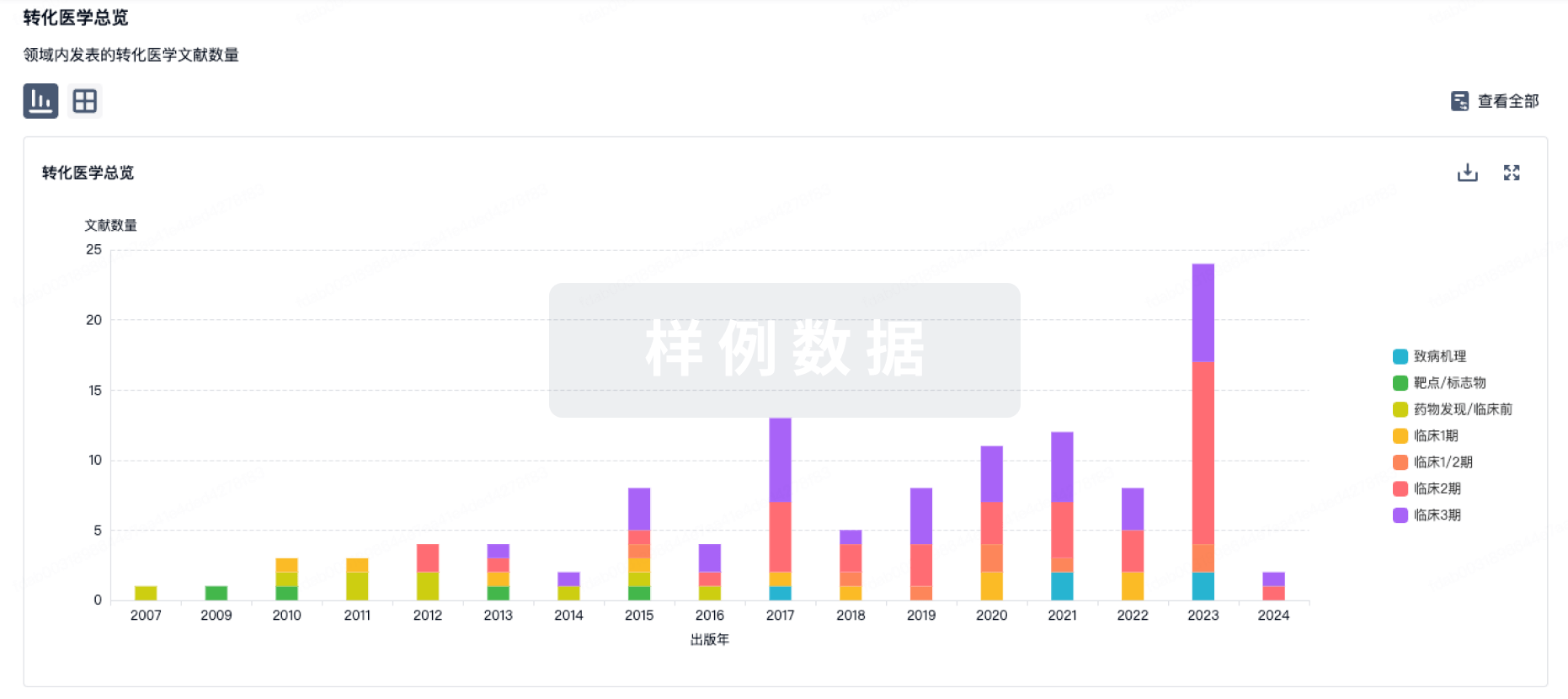
转化医学
使用我们的转化医学数据加速您的研究。
登录
或
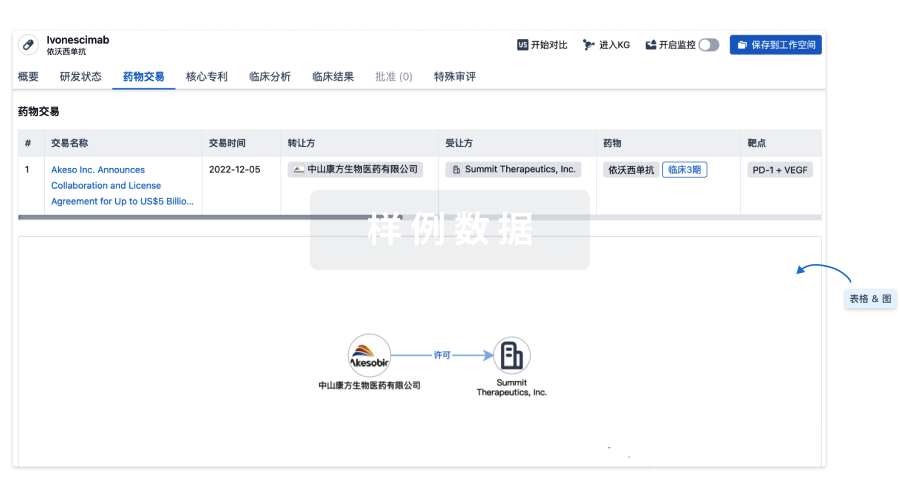
药物交易
使用我们的药物交易数据加速您的研究。
登录
或
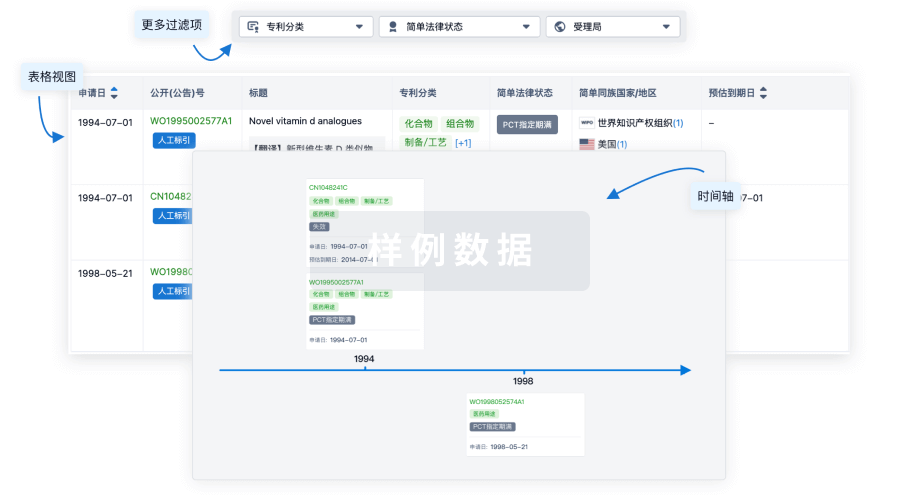
核心专利
使用我们的核心专利数据促进您的研究。
登录
或
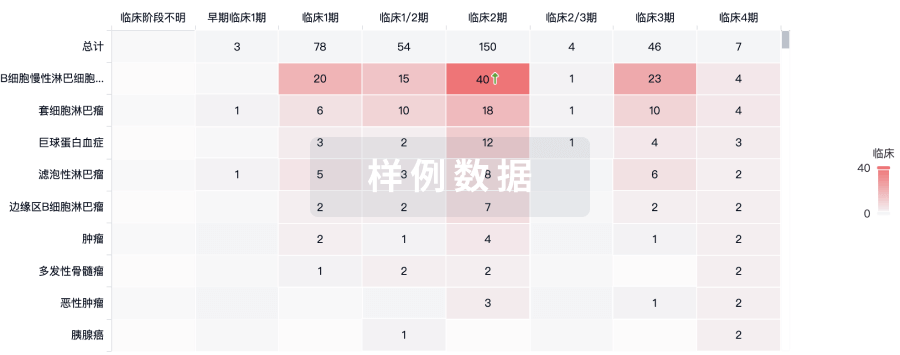
临床分析
紧跟全球注册中心的最新临床试验。
登录
或
批准
利用最新的监管批准信息加速您的研究。
登录
或
特殊审评
只需点击几下即可了解关键药物信息。
登录
或
生物医药百科问答
全新生物医药AI Agent 覆盖科研全链路,让突破性发现快人一步
立即开始免费试用!
智慧芽新药情报库是智慧芽专为生命科学人士构建的基于AI的创新药情报平台,助您全方位提升您的研发与决策效率。
立即开始数据试用!
智慧芽新药库数据也通过智慧芽数据服务平台,以API或者数据包形式对外开放,助您更加充分利用智慧芽新药情报信息。
生物序列数据库
生物药研发创新
免费使用
化学结构数据库
小分子化药研发创新
免费使用