预约演示
更新于:2026-10-10
Actinium (225Ac) Felivotide Mopaxetan
更新于:2026-10-10
概要
基本信息
药物类型 核素偶联药物、治疗用放射药物 |
别名 225Ac-PSMA-Trillium、PSMA SMOL-TAC、BAY 3563254 + [2] |
靶点 |
作用方式 调节剂 |
作用机制 PSMA调节剂(前列腺癌特异性膜抗原调节剂) |
在研适应症 |
非在研适应症- |
原研机构 |
非在研机构- |
权益机构- |
最高研发阶段临床1期 |
首次获批日期- |
最高研发阶段(中国)- |
特殊审评- |

登录后查看时间轴
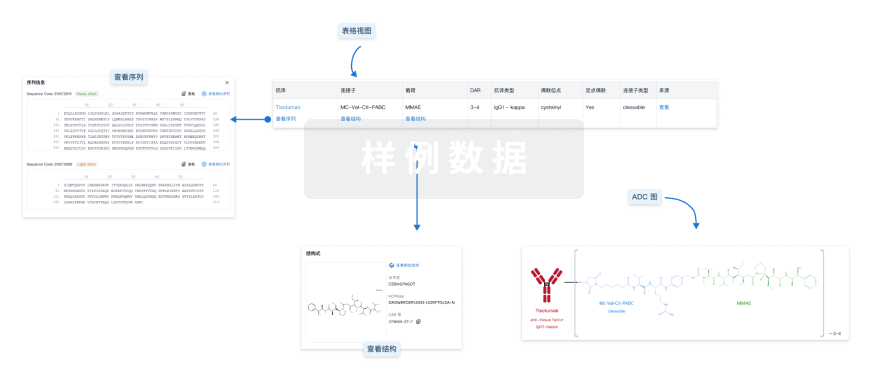
结构/序列
使用我们的ADC技术数据为新药研发加速。
登录
或
关联
1
项与 Actinium (225Ac) Felivotide Mopaxetan 相关的临床试验NCT06217822
A Phase 1 Open-label, First-in-human, Multi-center Study to Evaluate the Safety, Tolerability, Pharmacokinetics, and Antitumor Activity of 225Ac-PSMA-Trillium in Participants With Advanced Metastatic Castration-resistant Prostate Cancer (mCRPC)
Researchers are looking for a better way to treat participants who have metastatic castration-resistant prostate cancer (mCRPC).
mCRPC is a cancer of the prostate (male reproductive gland found below the bladder) that has spread to other parts of the body. This type of prostate cancer does not respond to hormone treatment used to lower the level of testosterone, a male sex hormone, to prevent cancer from growing.
The study treatment 225Ac-PSMA-Trillium, also called BAY3563254, is under development to treat advanced metastatic castration-resistant prostate cancer. It works by binding to PSMA and giving off radiation that can damage cancer cells and stop them from growing.
The main purpose of this first-in-human study is to learn:
* How safe is BAY3563254 in participants.
* What is the recommended dose of BAY3563254 that is safe and works well that will be further tested in Part 2 of the study.
* How well does BAY3563254 work in participants.
To answer this, the researchers will look at:
* The number and severity of medical problems including serious medical problems that participants experience after taking BAY3563254
* The number of dose-limiting toxicities (DLT) at each dose level. A DLT is a medical problem caused by a drug that is too severe to continue the use of that specific dose.
* The number of participants whose cancer completely disappears (complete response) or reduces by at least 30% (partial response) after taking the treatment (also known as objective response rate (ORR))
* The number of participants who have a decrease in the levels of PSA* by at least 50% in their blood (also known as PSA50). PSA is a protein made by the prostate gland. High levels of PSA may indicate the presence of prostate cancer.
* Participants' best response to treatment based on their PSA levels (also known as the best overall PSA response).
The study will have two parts. The first part, called dose escalation, is done to find the most appropriate dose of BAY3563254 for use in the second part of the study. For this, each participant will receive one of different increasing amounts of BAY3563254. They will take BAY3563254 as an injection into a vein. All participants in the second part of the study, called dose expansion, will receive the most appropriate dose of BAY3563254 that was identified from the first part of the study.
Participants in this study will take the study treatment once every 6 or 8 weeks, which is known as a treatment cycle. Each participant will have up to 4 of these treatment cycles, if the participant benefits from the treatment. Each participant will be in the study for approximately 6 years, including a screening phase of up to 30 days, 6 months of treatment depending on the participant's benefit, and a follow up phase of 60 months after the end of treatment.
In addition, substudies performed during both dose escalation and dose expansion parts of the study will evaluate:
* the clearance of radioactivity from the body over time
* the doses of radiation that are delivered to normal organs and tumors
During the study, the doctors and their study team will:
* take blood and urine samples
* check vital signs such as blood pressure, heart rate, and body temperature
* examine heart health using electrocardiogram (ECG)
* take tumor samples if required
* check if the participants' cancer has grown and/or spread using CT (computed tomography) or MRI (magnetic resonance imaging) and bone scan
* check the tumor status using PET (positron emission tomography)
* check the amount of radiation absorbed by tumors and normal organs using SPECT/CT (single-photon emission tomography and computed tomography scan)
* ask the participants questions about how they are feeling and what adverse events they are having.
An adverse event is any medical problem that a participant has during a study. Doctors keep track of all adverse events, irrespective if they think it is related or not to the study treatments. In addition, the participants will be asked to complete a questionnaire on quality of life at certain time points during the study.
The treatment period ends with a visit in 6-12 weeks after the last BAY3563254 dose. About 6-12 weeks after the last dose and every 6 weeks thereafter, the study doctors and their team will check the participants' health and any changes in their cancer. This active follow-up period ends after 18 months. The long-term follow-up period will start after the end of the active follow-up visit and will continue for up to 60 months after the the last BAY3563254 dose. Participants will be contacted, typically by phone call or clinic visit, approximately every 12 weeks after the end of active follow-up.
mCRPC is a cancer of the prostate (male reproductive gland found below the bladder) that has spread to other parts of the body. This type of prostate cancer does not respond to hormone treatment used to lower the level of testosterone, a male sex hormone, to prevent cancer from growing.
The study treatment 225Ac-PSMA-Trillium, also called BAY3563254, is under development to treat advanced metastatic castration-resistant prostate cancer. It works by binding to PSMA and giving off radiation that can damage cancer cells and stop them from growing.
The main purpose of this first-in-human study is to learn:
* How safe is BAY3563254 in participants.
* What is the recommended dose of BAY3563254 that is safe and works well that will be further tested in Part 2 of the study.
* How well does BAY3563254 work in participants.
To answer this, the researchers will look at:
* The number and severity of medical problems including serious medical problems that participants experience after taking BAY3563254
* The number of dose-limiting toxicities (DLT) at each dose level. A DLT is a medical problem caused by a drug that is too severe to continue the use of that specific dose.
* The number of participants whose cancer completely disappears (complete response) or reduces by at least 30% (partial response) after taking the treatment (also known as objective response rate (ORR))
* The number of participants who have a decrease in the levels of PSA* by at least 50% in their blood (also known as PSA50). PSA is a protein made by the prostate gland. High levels of PSA may indicate the presence of prostate cancer.
* Participants' best response to treatment based on their PSA levels (also known as the best overall PSA response).
The study will have two parts. The first part, called dose escalation, is done to find the most appropriate dose of BAY3563254 for use in the second part of the study. For this, each participant will receive one of different increasing amounts of BAY3563254. They will take BAY3563254 as an injection into a vein. All participants in the second part of the study, called dose expansion, will receive the most appropriate dose of BAY3563254 that was identified from the first part of the study.
Participants in this study will take the study treatment once every 6 or 8 weeks, which is known as a treatment cycle. Each participant will have up to 4 of these treatment cycles, if the participant benefits from the treatment. Each participant will be in the study for approximately 6 years, including a screening phase of up to 30 days, 6 months of treatment depending on the participant's benefit, and a follow up phase of 60 months after the end of treatment.
In addition, substudies performed during both dose escalation and dose expansion parts of the study will evaluate:
* the clearance of radioactivity from the body over time
* the doses of radiation that are delivered to normal organs and tumors
During the study, the doctors and their study team will:
* take blood and urine samples
* check vital signs such as blood pressure, heart rate, and body temperature
* examine heart health using electrocardiogram (ECG)
* take tumor samples if required
* check if the participants' cancer has grown and/or spread using CT (computed tomography) or MRI (magnetic resonance imaging) and bone scan
* check the tumor status using PET (positron emission tomography)
* check the amount of radiation absorbed by tumors and normal organs using SPECT/CT (single-photon emission tomography and computed tomography scan)
* ask the participants questions about how they are feeling and what adverse events they are having.
An adverse event is any medical problem that a participant has during a study. Doctors keep track of all adverse events, irrespective if they think it is related or not to the study treatments. In addition, the participants will be asked to complete a questionnaire on quality of life at certain time points during the study.
The treatment period ends with a visit in 6-12 weeks after the last BAY3563254 dose. About 6-12 weeks after the last dose and every 6 weeks thereafter, the study doctors and their team will check the participants' health and any changes in their cancer. This active follow-up period ends after 18 months. The long-term follow-up period will start after the end of the active follow-up visit and will continue for up to 60 months after the the last BAY3563254 dose. Participants will be contacted, typically by phone call or clinic visit, approximately every 12 weeks after the end of active follow-up.
开始日期2024-03-07 |
申办/合作机构 |
100 项与 Actinium (225Ac) Felivotide Mopaxetan 相关的临床结果
登录后查看更多信息
100 项与 Actinium (225Ac) Felivotide Mopaxetan 相关的转化医学
登录后查看更多信息
100 项与 Actinium (225Ac) Felivotide Mopaxetan 相关的专利(医药)
登录后查看更多信息
20
项与 Actinium (225Ac) Felivotide Mopaxetan 相关的新闻(医药)2026-10-08
·小药说药
-01-
引言
放射性配体疗法(RLTs)正在成为肿瘤学领域一个有前景的新前沿。两项关键的RLT已获得FDA批准:2018年获批的Lutathera,用于治疗特定内分泌肿瘤;以及2022年获批的Pluvicto,用于治疗转移性去势抵抗性前列腺癌(mCRPC)。虽然这些疗法带来了实质性的临床获益,但随着新一代放射性核素的涌现,RLT技术正在持续演进。
RLT由肿瘤靶向配体与放射性核素有效载荷连接组成,能够向癌细胞递送DNA损伤性辐射,同时不伤害周围健康细胞。RLT中使用的放射性同位素主要分为两大类:α发射体和β发射体。β发射体在组织中的作用范围更广,这带来了某些临床优势(例如,在异质性肿瘤环境中更有用),但也存在杀伤非靶向健康细胞的缺点。β发射体导致DNA单链断裂,而非贯穿整个双链。Lutathera、Pluvicto以及目前开发中的许多其他RLT均使用β发射粒子。
为了开发更具靶向性的RLT,α发射体(即靶向α疗法,TATs)作为新一类疗法应运而生。α粒子组织作用范围更短,对细胞的脱靶损伤更低。α发射体能够切断DNA双链,从而增强癌细胞杀伤效果。相对于现有β发射体技术,α发射体RLT既能获得更大的靶向效应,又能减少脱靶毒性。截至目前,尚无α发射体RLT获得FDA批准,在研项目大多处于临床早期阶段。
-02-
一、α发射体RLT全球研发管线全景
在前列腺癌领域,管线最为领先,有8个管线处于积极开发中。紧随其后的是实体瘤领域(7个,涵盖FAP-α、DLL3、Nectin-4、HER2和GRPR靶点)以及GEP-NETs/神经内分泌肿瘤领域(4个)。
美国拥有13项管线,分布在7家公司。欧盟有9个管线,分布在5家公司。澳大利亚有3个管线,分布在2家公司。
Actinium-225(²²⁵Ac)在管线中占主导地位,25个资产中有15个使用该同位素。Lead-212(²¹²Pb)紧随其后,有8个资产使用。Radium-224和Thorium-227各有一个资产使用。
-03- 二、重点在研项目分析
AZD2265(²²⁵Ac-PSMA)—— AstraZeneca
AZD2265是阿斯利康在α-RLT领域的重要布局。最初由Fusion Pharmaceuticals研发,2024年阿斯利康以24亿美元收购Fusion后获得该管线。AZD2265由靶向PSMA的小分子携带锕-225(²²⁵Ac)放射性同位素,对癌细胞造成不可修复的DNA损伤。²²⁵Ac衰变释放高能α粒子,精准杀伤PSMA阳性的肿瘤细胞。
目前,该药物正在同步推进两项II期临床试验(AlphaBreak研究NCT06402331,以及与奥拉帕利的联用研究NCT06909825),旨在评估其在既往接受过177Lu-PSMA治疗的mCRPC患者中的安全性和有效性。如果一切按计划推进,FPI-2265有望成为“首个获批用于Pluvicto治疗后mCRPC患者的225Ac-PSMA靶向α疗法”。 2026年5月9日, AZD2265在中国的临床试验申请获CDE受理,7月3日获得临床试验默示许可(受理号JXHL2600118)。目前尚无临床试验数据可用。
AAA817(²²⁵Ac-PSMA)—— Novartis
AAA817延续Pluvicto的PSMA-617配体结构,换用了发射α粒子的Ac-225核素。AAA817正被开发为诺华原有RLT明星产品Pluvicto的更具靶向性的α疗法后继产品,已进入转移性前列腺癌的关键性2/3期试验。试验主要针对转移性前列腺癌的二线治疗,适用于一线标准治疗Pluvicto后疾病进展的患者(PSMAcTION, NCT06780670),以及另一项在一线环境中测试该新疗法的试验(AcTFirst, NCT06855277)。诺华预计该疗法将于2028年提交FDA监管申报。
Actimab-A —— Actinium Pharma
Actimab-A 是 Actinium Pharmaceuticals 开发的一款靶向 CD33 的放射性抗体偶联药物,由抗 CD33 单抗 lintuzumab 与 α 粒子放射性同位素锕-225 组成,主要用于治疗急性髓系白血病(AML)和骨髓增生异常综合征(MDS)。
近期Actinium Pharma的消息表明,Actimab-A正朝着2/3期试验推进。然而,此类试验尚未注册或启动,可能是由于缺乏可用资金;Actinium在其管线中列出,他们正在积极寻求合作伙伴以推进该试验。该疗法有多项1/2期试验失败和延期,可能导致关键性试验开发停滞:一项研究于2018年完成(NCT02575963),另一项被撤回(NCT03932318),最后一项1/2期试验记录为未知完成状态(NCT03867682)。
RYZ101 (225Ac-DOTATATE)(BMS)
RYZ101(225Ac-DOTATATE)是一种α粒子放射药物治疗药物,正在开发用于治疗表达生长抑素受体2(SSTR2+)的实体瘤。RYZ101的最新进展来自2024年ACTION-1试验的1b期部分结果;重点关注安全性和剂量限制性毒性,该疗法总体耐受性良好。该试验的3期部分仍在进行中。BMS正在通过一项正在进行的1期试验探索额外肿瘤适应症,即SSTR+ HR+/HER2-不可切除转移性乳腺癌。
AlphaMedix(²¹²Pb-DOTAMTATE)—— Sanofi
AlphaMedix 是一种 α 核素靶向疗法,由用铅-212 (Pb-212) 放射性标记的生长抑素受体靶向肽复合物组成。2025年10月公布的ALPHAMEDIX-02 II期研究显示,在不可切除或转移性胃肠胰神经内分泌肿瘤(GEP-NETs)患者中达到全部主要疗效终点,展现显著临床获益;未接受过PRRT治疗的患者客观缓解率达47.2%。
由于AlphaMedix在2024年获得FDA突破性疗法认定,这些2期试验结果可能足以支持在高未满足需求的癌症人群中申请加速批准。不过单臂试验设计而非与标准治疗进行比较的双臂试验设计,可能在使用该2期数据获得FDA批准时带来更大困难。
CONV01-α(²²⁵Ac-PSMA)—— Convergent Tx
CONV01-α是一种与锕-225(Ac-225)结合的单克隆抗体,专为与前列腺特异性膜抗原(PSMA)结合而设计。Convergent最近分享了2期CONVERGE-01试验的期中数据,影像学PFS达8.4个月,以及良好的耐受性。由于2期期中结果令人鼓舞,Convergent表示3期试验设计已在进行中。
Radspherin —— Oncoinvent
Radspherin 是一种在研的α粒子放射性药物,由挪威生物技术公司 Oncoinvent 开发,用于治疗卵巢癌和结直肠癌引起的腹膜转移。 它的核心原理是把含有放射性同位素镭-224的碳酸钙微粒悬浮液直接注射到腹腔,利用镭-224衰变释放的高能α粒子近距离杀死残留癌细胞,同时减少对健康组织的辐射。
Radspherin不是RLT,因为它不使用靶向配体。相反,它保留在注入的体腔中形成辐射场,由于非靶向的局限性,可能受益于该疗法的肿瘤适应症较少。截至2026年6月,Oncoinvent在其2期卵巢癌试验中实现了50%的患者招募。先前在卵巢癌和结直肠癌中分别进行了1期和1/2a期试验,显示了良好的耐受性并推进至2期。卵巢癌和结直肠癌1期试验均取得了积极的安全性结果。2024年获得FDA快速通道认定。
RYZ801
RYZ801采用多肽偶联Ac-225策略,靶向GPC3的C端表位。多肽分子量小、穿透性强,可快速富集于肿瘤组织并清除血液背景信号,减少对正常组织的辐射损伤。2023年3月,艾博兹医药从RayzeBio获得RYZ801药物的大中华区授权;2023年12月,BMS以总价值约41亿美元收购RayzeBio;2024年12月,BMS取得了RYZ801在大中华区开发和商业化独家权利。
RYZ801的I期试验(NCT06726161)于2024年启动,目前尚未提供期中结果。该疗法最近的数据仍处于临床前阶段。RYZ801有一个伴随诊断分子RYZ811。
VMT-α-NET(212Pb-SSTR)—— Perspective Tx
VMT-α-NET是一种靶向α放射性治疗,旨在用放射性α粒子精准杀死神经内分泌肿瘤细胞。该疗法于2022年获得FDA快速通道认定,用于治疗SSTR2阳性不可切除或转移性神经内分泌肿瘤患者。
最近,在2026年ASCO上展示了正在进行的1/2a期试验的期中数据。结果主要关注安全性终点,显示耐受性良好,但也看到了基于n=2队列1和n=23队列2患者群体的额外疗效数据。关键结果是39%的患者对治疗有反应,其中7名患者反应加深。额外的试验正在进行中,即一项在PRRT难治性神经内分泌患者中的1期试验(NCT06148636)。该公司还将目光投向神经内分泌肿瘤以外的癌症,如脑膜瘤。与Perspective Therapeutics的其他管线资产一样,核心技术不仅作为治疗方法开发,还作为诊断工具开发,在这种情况下利用²⁰³Pb同位素进行成像。
VMT-01(²¹²Pb-MC1R)—— Perspective Tx
VMT-01 是一款靶向 MC1R 的在研α 粒子放射性药物,通过靶向黑色素瘤细胞表面的 MC1R 受体,实现精准杀伤。它由美国公司 Perspective Therapeutics开发,最初由 Viewpoint Molecular Targeting 推进,用于治疗转移性黑色素瘤。
最近的临床试验更新显示,截至目前已入组27名患者,其中13名患者已接受单药或联合治疗。对于早期期中数据,7名接受单药治疗的患者中有2名显示部分缓解。2024年获得用于治疗晚期黑色素瘤的快速通道认定。VMT-01与VMT02联合使用;VMT-01正在开发用于成像(²⁰³Pb)和治疗(²¹²Pb),而VMT02仅用于成像(⁶⁸Ga)以支持后续VMT-01治疗。
PSV359
PSV359是Perspective Therapeutics研发的一款靶向成纤维细胞活化蛋白α(FAP-α)的新型肽类靶向α粒子疗法。2026年9月,Perspective Therapeutics与默沙东达成临床合作,评估PSV359与Keytruda(帕博利珠单抗) 联合治疗FAP-α阳性实体瘤的效果,针对特定类型的非小细胞肺癌和结直肠癌患者,研究编号为NCT06710756。
Perspective关于1/2a期试验的最新更新显示,三个试验队列共治疗了17名患者。期中试验结果预计于2027年公布。该公司还宣布与默克合作,将PSV359开发为与pembrolizumab的联合疗法。这将是对现有1/2a期研究的修订。
Alpha DaRT(Alpha Tau Medical)
Alpha DaRT代表一组设备,设计用于瘤内注射Radium-224。由于该技术是设备平台,不需要将细胞靶向配体与同位素连接,因此严格来说不属于RLT领域。然而,它是一种直接竞争的放射性药物疗法,因此任何RLT药物开发商在评估商业机会时都应将其纳入考量。
-04-
三、早期管线一览
除上述资产外,还有大量处于更早期开发阶段的RLT管线。以下是在首次人体临床试验中且距离任何潜在监管批准较远的关键资产。处于早期阶段的生物技术公司越来越多地不披露早期资产细节,主要担心中国快速临床开发时间可能导致失去先发优势。
RYZ401(225Ac-SSTR2):BMS/RayzeBio靶向生长抑素受体2(SSTR2)和锕-225同位素有效载荷,RYZ401正在积极招募神经内分泌肿瘤和其他SSTR+实体瘤患者的1期试验(NCT07165132)。
ESP359(225Ac-DLL3):诺华也被称为[225Ac]Ac-ETN029,这种疗法最初由Mariana Oncology开发(前药物开发代码:MC-339)。ESP359利用锕-225同位素,靶向DLL3。目前,它正处于晚期DLL3阳性实体瘤患者的1期试验(NCT07006727)。
TLX592 Tx(64Cu/225Ac RADmAb)Telix Pharma进行了早期1期试验(CUPID,NCT04726033),以评估癌症患者的安全性。Telix表示,后续的第一阶段试验(AlphaPRO)预计将于2026年开始。
TLX252 Tx(225Ac CAIX):由Telix Pharma公司开发,也被称为225Ac-DOTA-吉仑妥昔单抗,这种疗法正在开发用于癌症,并已完成临床前研究。该资产有望在2026年内启动1期临床试验(ALPHIX)。
BAY 2701439(227Th-HER2):拜耳公司已经完成了一项针对表达HER2的晚期癌症患者的1期(NCT04147819)安全性试验,进一步的进展尚不清楚。
BAY 3563254(225Ac PSMA):由拜耳公司开发,也被称为225Ac-PSMA-Trillium。这种疗法利用锕-225同位素并靶向PSMA。该疗法正在进行一项针对mCRPC患者的1期研究(PAnTHA,NCT06217822),该研究于2026年初取得了成功的剂量扩大结果。
LY4181530(225Ac PSMA):Eli Lilly拥有。最初由Point Biopharma(前药物开发代码:PNT2001)开发,这种疗法利用锕-225同位素和PSMA-62,PSMA靶向配体。LY4181530仍在1期试验中进行研究(ACCEL,NCT06229366)。
LY4337713(225Ac FAP):Eli Lilly拥有。最初由Point Biopharma(前药物开发代码:PNT2004)开发,这种疗法利用锕-225同位素和成纤维细胞活化蛋白(FAP)靶向配体。该分子正在进行一项活性1期试验(FiREBOLT,NCT07213791),用于治疗具有高水平FAP表达的各种肿瘤。
AKY-1189(225Ac-Nectin-4):由Aktis Oncology公司开发。靶向Nectin-4并携带Actinium-225有效载荷,AKY-1189正在进行针对Nectin-4-阳性实体瘤患者的1b期临床试验(NECTINIUM-2,NCT07020117)。中期试验结果预计于2027年第一季度公布。[68]
AKY-2519(225Ac-B7-H3):AKY-2519是Aktis Oncology的第二大资产,靶向B7-H3并携带锕-225有效载荷。该疗法正在进行mCRPC的1b期临床试验(BActinium-1,NCT07581184),初步数据预计将于2027年公布。Aktis计划从2026年下半年开始启动另一项1b期试验,包括肺、结直肠和其他实体瘤。
MP0712(212Pb-DARPin-DLL3):由Orano Med/Molecular Partners联合开发。针对DLL3并携带Lead-212同位素,这种疗法最近已进入1/2a期临床试验(NCT07278479)。
212Pb-DOTAM-GRPR1:由Orano Med开发。靶向GRPR1并携带Lead-212有效载荷,该疗法正在进行一期临床试验(NCT05283330)。虽然细节不太清楚,但Orano Med与罗氏公司合作,为结直肠癌癌症提供了额外的1期资产212Pb-CEA-PRIT。
ADVC001(212Pb PSMA):这是AdvanCell的主要资产,靶向PSMA并携带lead-212同位素。目前正在1/2a期试验(TheraPb,NCT05720130)中对其进行评估,用于治疗转移性前列腺癌症。
-05-
四、临床前管线
这里罗列了一些临床前阶段的α发射体RLT。然而,这些项目的数据有限,因为生物技术公司越来越倾向于不披露早期资产的细节。
ABD320:由Abdera Therapeutics公司开发。在2025年第二季度,Abdera展示了ABD320的临床前数据,ABD320靶向5T4/滋养层糖蛋白,并携带锕-225同位素。5T4与多种癌症相关,包括胃肠道、头颈部和非小细胞肺癌。
PSV594:PSV594靶向胆囊收缩素2受体(CCK2R)并携带铅-212同位素,有望很快进入人体临床试验的第一阶段。Perspective正计划进行1/2a期试验,并预计在2026年底提供更多时间细节。
212Pb PSMA:由Orano Med公司开发。虽然细节有限,但Orano Med有一项针对前列腺癌症的IND。
212Pb DARPin MSLN:Orano Med/Molecular Partners在其第一阶段资产MP0712取得成功后,合作生物技术公司正在开发另一种与DARPin相关的RLT,这次针对间皮素(MSLN)。
RYZ701:由RayzeBio公司开发。靶向ACP3,其同位素有效载荷未知。根据RayzeBio的其他资产RYZ801和RYZ401,其可能是锕-225。该管线处于IND阶段,可能很快进入人体试验。
ADVC002和ADVC003:虽然AdvanCell的网站上没有披露,但该公司似乎在其领先管线ADVC001之外还有其他资产。ADVC002和ADVC003似乎分别是针对黑色素瘤和神经内分泌肿瘤的发现/临床前阶段资产。
TLX102-Tx(211At APA):由Telix Pharma公司开发。这种疗法可能靶向L-型氨基酸转运蛋白1(LAT1)和多形性胶质母细胞瘤(GBM)中的一种或两种,并使用Astatine211同位素。该资产已获得美国食品药品监督管理局针对多发性骨髓瘤和神经胶质瘤的孤儿药指定,软脑膜疾病是第一个靶向适应症。
PSMA-5(211At PSMA):大阪大学于2025年底发布了一篇文章,表明扩大这种α发射、PSMA靶向RLT生产的努力正在进行中,有望开始1期临床试验。
-06-
竞争格局分析
靶向α疗法领域正接近首个批准,多个资产正处于2/3期临床试验阶段。α发射体RLT有望实现对多种恶性肿瘤的高度靶向和高效放射治疗。从行业视角而言,α-RLT正处于“β疗法商业化验证后的第一波技术升级”关键节点。第一代β发射体RLT已完成了市场教育和临床路径验证,α发射体以其更高的DNA杀伤效率和更低的脱靶毒性,有望在精准肿瘤治疗领域开辟新的增长曲线。
诺华目前拥有RLT领域的领先地位,拥有目前市场上两种疗法的所有权。由于这些是β发射体,诺华也有多项α发射体管线在开发中,以竞争这一新市场。Sanofi、AstraZeneca和BMS是该领域的主要竞争者,拥有多项后期临床阶段资产。值得关注的两家新兴生物技术公司是Perspective Therapeutics和Telix Pharma。两家公司都有众多管线资产,专注于RLT领域,希望在这一市场中占据重要份额。
对于中国公司,尽管有几家中国生物技术公司正在开发TAT,但数量相当少。更多的中国生物技术公司似乎倾向开发β发射体,这是一个更成熟的市场。在α-RLT领域的全球竞争格局中,中国玩家尚未形成系统性参与。
任何RLT药物开发商在评估商业机会时,都应将Alpha DaRT等直接竞争的放射性药物疗法纳入考量。许多资产在其肿瘤学适应症上获得了突破性认定,这使得它们无需进行大规模全球3期试验即可申请监管批准。这一监管路径加速了α-RLT从临床开发走向市场的进程,但也对早期数据质量提出了更高要求。
参考资料:
https://www.inflectionlabs.bio/reports/alpha-emitter-radioligand-pipeline
“小药说药”系列电子丛书:
《CAR-T细胞疗法的基础与前沿》
《小药说药肿瘤免疫全集》
《抗体药物与抗体技术》
《双特异性抗体与T细胞衔接器》
《抗体偶联药物:从基础到临床》
《ADC的最新研究进展》
《自身免疫疾病药物开发前沿》
《疫苗原理与研究前沿》
《肿瘤微环境》
《CAR-T细胞疗法:工程化设计与技术创新》
《肿瘤免疫细胞生物学》
《肿瘤免疫检查点:机制、靶点与临床转化》
放射疗法临床2期并购
2026-06-10
编者按:如果说ADC解决的是“如何把毒素精准送到肿瘤细胞”,那么RDC正在尝试一件更激进的事情:把放射性核素直接送进肿瘤。过去几年,诺华用Pluvicto和Lutathera证明了这一模式的商业价值;随后,礼来、阿斯利康和BMS在短短18个月内连续砸下超过65亿美元收购RDC公司。与此同时,Ac-225等新一代α核素正在掀起新一轮技术竞赛,诊疗一体化也让RDC成为少数能够实现“所见即所治”的精准医疗模式。从Lu-177到Ac-225,从PSMA到GPC-3,从诺华、礼来到国内先通医药、恒瑞医药,RDC正在从核医学的小众领域走向精准肿瘤学的中心舞台。本文将系统梳理RDC的技术原理、核心核素、产业格局、代表企业、关键风险与未来发展方向,帮助读者全面理解这个被认为最有可能复制ADC成功路径的新兴赛道。
一、为什么RDC在2022年后突然变成了最热门的赛道
放射性药物治疗肿瘤并不是新概念。碘-131治疗甲状腺癌已有超过八十年的历史,骨转移姑息治疗中的放射性核素也早在上世纪末就有应用。但过去这些放射性药物大多依赖放射性核素自身的组织亲和性(如碘与甲状腺组织的亲和力),缺乏真正意义上的精准靶向能力。
改变这一格局的是靶向分子的引入。当一个放射性核素被连接到一个可以精准识别肿瘤细胞特定抗原的靶向分子上时,放射性药物就从"组织亲和型"升级为"分子靶向型",这就是RDC(Radionuclide Drug Conjugate,放射性核素偶联药物)的核心逻辑。
诺华的两款产品从商业上验证了这一逻辑:2018年获批的Lutathera(Lu-177 DOTATATE)靶向神经内分泌肿瘤细胞高表达的生长抑素受体;2022年获批的Pluvicto(Lu-177 vipivotide tetraxetan)靶向前列腺癌细胞高表达的PSMA。两款产品2025年前三季度合计销售额已达20亿美元,Pluvicto单款产品2025年全年销售额约20亿美元,诺华公开预计峰值销售额将超过50亿美元。
这个数字,相当于ADC赛道2021年左右的发展水平。一个赛道从临床验证到商业爆发,通常需要五到十年。RDC已经完成了最难的那步:诺华用两款产品证明,把放射性核素精准送到肿瘤细胞旁边,可以产生真实、持久、可复制的临床获益。
2023至2024年,阿斯利康(收购Fusion Pharmaceuticals,24亿美元)、BMS(收购RayzeBio,41亿美元)和礼来(收购POINT Biopharma,14亿美元)在短短18个月内连续完成三笔大型放射性药物并购交易。这不仅是资本的投入,更是全球制药巨头用真金白银投下的信任票:RDC已经从前沿探索阶段进入产业化竞争阶段。
二、RDC的四个核心模块与ADC的比较
RDC与ADC遵循相似的精准递送逻辑,但前者递送的是放射性核素,后者递送的是化学药物载荷,因此两者在作用机制、临床应用和开发挑战上存在本质差异。
1. 靶向配体:决定送到哪里
RDC的靶向配体负责识别肿瘤细胞表面的特异性靶点,将整个分子递送至靶细胞附近。与ADC需要靶抗原内吞并释放细胞毒性载荷不同,RDC所携带的放射性核素无需进入细胞内部即可发挥杀伤作用——辐射可以穿透细胞膜直接破坏DNA。这是RDC在机制上与ADC最根本的不同。
靶向配体可以是小分子(PSMA-617是小分子配体的代表)、肽段(DOTATATE是肽段的代表)或抗体(放射性标记抗体,即ARC)。小分子和肽段体积小,组织穿透性更好,肾脏清除更快,对实体瘤的递送效率通常优于抗体;抗体的靶点选择性更强,血浆半衰期更长,但体积大,肿瘤穿透能力相对受限。
2. 螯合剂:决定核素稳定不稳定
螯合剂是连接靶向配体与放射性核素的桥梁,负责在体内将核素牢牢锁住,防止游离核素释放到非靶组织引发不必要的辐射损伤。DOTA和NOTA是目前临床最常用的螯合剂骨架,对Lu-177、Ac-225、Ga-68等多种核素均有良好的螯合能力。螯合稳定性直接决定了RDC的安全性:螯合不稳定意味着核素提前解离,正常组织(尤其是骨髓和肾脏)将承受额外的辐射剂量。
3. 连接子:调控药代动力学
连接子控制靶向配体与螯合剂-核素复合物之间的连接稳定性,并影响RDC整体的体内分布、肾脏清除速率和肿瘤滞留时间。与ADC的连接子需要在靶细胞内触发断裂不同,大多数RDC的连接子设计目标是在体内保持稳定,不需要特定条件触发释放,因为辐射无需连接子断裂即可发挥作用。但连接子的亲水性和化学性质仍然显著影响RDC的整体药代表现。
4. 放射性核素:决定杀伤方式和作用范围
这是RDC与ADC最大的结构差异,也是RDC研发中最核心的技术要素。不同放射性核素具有不同的辐射类型、穿透距离和半衰期,因此决定了药物的杀伤机制、安全性特点以及最适合治疗的肿瘤类型。
三、β核素 vs α核素:RDC赛道最重要的技术分水岭
β射线(以Lu-177为代表)
β粒子(高能电子)在组织中的穿透距离为数毫米,可以跨越多个细胞直径发挥杀伤作用。这一特性使Lu-177适合处理抗原表达不均一的肿瘤:即使部分肿瘤细胞不表达靶抗原(抗原异质性),β粒子仍然可以通过"旁观者效应"(bystander effect)对邻近细胞产生辐射杀伤。Lu-177是目前临床验证最充分的治疗性核素,Lutathera和Pluvicto均以Lu-177为弹头。
缺点是:正是因为穿透距离较长,β粒子对靶细胞周围的正常组织也会产生辐射损伤,这是Lu-177治疗的主要毒性来源(骨髓抑制、唾液腺损伤)。
α射线(以Ac-225为代表)
α粒子(氦-4原子核)在组织中的穿透距离仅为数十微米,相当于几个细胞直径,但在极短距离内释放的能量是β粒子的数倍甚至数十倍,可以在靶细胞DNA上造成高密度的双链断裂,细胞几乎无法修复,杀伤效率远高于β射线。
这意味着α疗法在理论上可以实现更精准的肿瘤细胞杀伤,同时减少对靶细胞周围正常组织的损伤——前提是靶向配体的特异性足够高。对于Lu-177治疗后进展的耐药患者(Lu-177耐药主要因为肿瘤细胞对低剂量率辐射产生抵抗),Ac-225提供了一条全新的克服耐药路径:α粒子造成的DNA双链断裂是"致命性"的,现有的DNA损伤修复机制难以处理。
Ac-225是目前最受关注的α核素,也是整个RDC赛道2024至2026年布局最密集的技术方向。阿斯利康的FPI-2265(PSMA靶向Ac-225,Phase IIb)、诺华的Ac-PSMA-617(计划启动Phase III)、BMS/RayzeBio的RYZ101(SSTR2靶向Ac-225,Phase III)均是Ac-225路线的旗舰资产。
Pb-212:α核素的新选手
铅-212(Pb-212)是另一个值得关注的α核素。其半衰期约10.6小时,比Ac-225(9.9天)短得多,意味着更快的放射性衰减,但也意味着更苛刻的物流要求。礼来已于2026年与澳大利亚生物技术公司AdvanCell合作,将Pb-212的生产技术与礼来管线结合,推进靶向α疗法开发。
Lu-177 vs Ac-225:不是替代,而是接力
从临床开发的路径看,Lu-177已验证商业模式,Ac-225作为"下一代弹头"的价值在于:(1)克服Lu-177耐药;(2)对高抗原表达、肿瘤均质性较好的病灶实现更强的局部控制。两者在同一靶点(如PSMA)上的接力使用,有望形成"Lu-177先行、Ac-225补救"的序贯治疗逻辑,也为同一靶点的RDC管线提供了天然的生命周期延伸路径。
四、诊疗一体化:RDC独有的战略优势
与ADC、DAC赛道不同,RDC具备一个其他偶联药物不可复制的独特属性:诊断与治疗可以在同一靶点、同一配体框架内实现,仅需替换放射性核素即可从诊断切换到治疗。具体而言:将靶向配体连接到发射正电子或γ射线的诊断性核素(如Ga-68、F-18),即可制成PET/SPECT显像剂;将同一配体连接到治疗性核素(如Lu-177、Ac-225),即成为治疗药物。在治疗前用诊断性RDC确认靶点表达水平,再用治疗性RDC进行精准打击——这就是"诊疗一体化"。
Pluvicto的上市流程是诊疗一体化逻辑的最佳范本:患者在接受Pluvicto治疗前,必须通过PSMA-PET/CT(Ga-68 PSMA-11或F-18 PSMA)显像确认PSMA高表达,才能入组治疗。这意味着每一个接受Pluvicto治疗的患者,都经过了核素显像筛选,治疗的靶向性在患者入组时就已经被分子层面验证。
这一特点的商业逻辑也非常清晰:诊断产品(PSMA-PET显像剂)和治疗产品(Pluvicto)形成协同的诊疗闭环,放大彼此的市场价值,也为药企构建了更高的竞争壁垒。Lantheus的PYLARIFY(F-18 PSMA显像剂)2024年销售额超11亿美元,与Pluvicto共同形成了PSMA靶点上诊疗配对的双头垄断格局。
五、核心企业全景
诺华:已验证的商业领跑者
诺华是全球RDC赛道毫无争议的商业先行者。2017至2018年,诺华以约60亿美元先后收购Advanced Accelerator Applications(获得Lutathera)和Endocyte(获得Pluvicto前体),成为放射性药物赛道最早下重注的大型制药企业。
Pluvicto 2022年获FDA批准用于既往接受过雄激素受体通路抑制剂和紫杉烷类化疗的PSMA阳性mCRPC患者。2025年获批扩展适应症至化疗前mCRPC人群,目标患者群体扩大约三倍。2025年H1,PSMAddition研究在mHSPC(转移性激素敏感前列腺癌)人群中取得积极的无进展生存期数据,适应症有望进一步前移。Pluvicto 2025年H1销售额达9.07亿美元(同比+33%),全年销售额约20亿美元。
Lutathera专注神经内分泌肿瘤,2025年H1销售额4亿美元(同比+16%),同年获得一线治疗数据,适应症同样在向前线推进。
下一代管线方面,诺华的Ac-PSMA-617(PSMA靶向Ac-225)计划于2026年启动Phase III临床试验;此外还布局了B7H3靶向、HER2靶向和叶酸受体靶向的新型放射性配体治疗药物。为支撑这一管线,诺华正在全球扩建放射性药物生产基地,包括在中国浙江海盐县投资超6亿元人民币建设生产基地,预计2026年底投入运营。
BMS/RayzeBio:α核素的代表性玩家
2024年1月,BMS以41亿美元收购RayzeBio,是该阶段RDC赛道最大规模的并购。RayzeBio的核心资产是两款Ac-225管线:RYZ101(SSTR2靶向Ac-225,用于Lu-177 DOTATATE耐药的GEP-NETs,Phase III ACTION-1试验进行中)和RYZ801(GPC-3靶向Ac-225,用于肝细胞癌,Phase I)。RYZ101是目前临床阶段最先进的Ac-225药物之一,其Phase III结果将是整个α核素路线最重要的临床验证事件之一。
阿斯利康/Fusion Pharmaceuticals:α核素升级与“放射+药物”联用逻辑
2024年3月,阿斯利康以约24亿美元的股权价值收购了放射性偶联药物领军企业Fusion Pharmaceuticals,旨在强化其在放射性精准医疗领域的管线。Fusion的核心资产包括靶向PSMA的FPI-2265(目前处于临床阶段,针对mCRPC)以及靶向NTN2受体的FPI-2059(处于早期临床)。
阿斯利康的战略不仅局限于核素从β向α的代际升级,更深层的逻辑在于**“放射-药物协同效应”。公司正积极探索Ac-225产生的α粒子(造成高密度DNA双链断裂)与DNA损伤修复抑制剂(DDRi)的联用机制,旨在通过抑制肿瘤细胞的DNA修复通路,成倍放大局部治疗的杀伤潜力。此外,阿斯利康在2024年战略投资核药CDMO公司Nucleus RadioPharma,这标志着其在“创新管线研发”与“放射性药物供应链产能”上已完成闭环布局。
礼来/Point Biopharma:从诊断到治疗的完整管线
2023年10月,礼来以14亿美元收购Point Biopharma,获得以Lu-177为核素的完整管线,包括PNT2002(PSMA靶向Lu-177,前列腺癌,Phase III SPLASH试验)和PNT2003(SSTR靶向Lu-177,神经内分泌肿瘤,Phase III)。2024年,礼来进一步与Aktis Oncology达成最高11亿美元合作,探索新型靶向配体;并与Radionetics Oncology建立战略合作;2026年与AdvanCell合作布局Pb-212路线。礼来入局时间晚于诺华约五年,但正在快速弥补管线差距。
拜耳:老玩家的α核素升级
拜耳通过早年收购Algeta获得Xofigo(镭-223)切入放射性药物领域,是全球最早商业化放射配体疗法(RLT)的公司之一,但镭-223的局限性在于其主要通过骨吸收作用治疗骨转移,在靶向精准性上不及新一代RDC。2021年起,拜耳通过内部研发与外部合作,全面转型布局以锕-225(Ac-225)为核心的下一代α放射配体疗法:目前管线中包括两款处于I期临床的PSMA靶向药物,即BAY 3546828(Pelgifatamab)和BAY 3563254(225Ac-PSMA-Trillium,已披露积极临床数据并推进至下一阶段);以及一款针对GPC3阳性晚期肝细胞癌的放射免疫偶联物(ACC)BAY 3547926,目前也在I期临床评估中。Lantheus:诊疗一体化生态的重要受益者
Lantheus 是全球放射性药物领域最值得关注的诊断侧企业之一。其旗舰产品 PYLARIFY(F-18 PSMA 显像剂)2024 年销售额突破 11 亿美元,已成为全球最成功的 PSMA PET 显像产品之一。随着 Pluvicto 等 PSMA 靶向治疗药物持续扩大适应症覆盖范围,患者筛查需求同步增长,进一步推动了 PSMA 诊断市场的快速扩容。
除产品本身外,Lantheus 长期积累的放射性药物生产、配送及商业化网络同样构成重要竞争优势。在 RDC 诊疗一体化模式下,诊断产品与治疗产品形成相互促进的生态闭环,而 Lantheus 正是这一生态体系中最重要的参与者之一。ITM:放射性核素供应链的重要基础设施
ITM(Isotope Technologies Munich)是欧洲放射性药物领域最具代表性的企业之一,同时具备治疗性核素供应与创新药物开发双重能力。其核心资产 ITM-11(Lu-177 edotreotide)已于 2024 年在欧洲启动上市申报程序,是全球 SSTR 靶向放射性药物的重要竞争产品之一。
除药物研发外,ITM 在治疗性同位素供应领域同样具有战略价值。公司与加拿大核实验室成立合资企业 Actineer,持续推进 Ac-225 等关键治疗性核素的规模化生产。随着 Ac-225 成为全球 α 核素研发最重要的战略资源之一,稳定可靠的核素供应能力正逐渐成为 RDC 产业竞争的核心要素。凭借在核素生产、供应链建设及产业协同方面的长期布局,ITM 正从一家核药开发企业逐步成长为全球 RDC 生态体系中的关键基础设施提供者。全球交易逻辑正在发生变化
2023年至2024年,BMS、阿斯利康和礼来分别通过收购RayzeBio、Fusion Pharmaceuticals和Point Biopharma完成对RDC赛道的战略布局,推动全球RDC行业进入资本密集投入阶段。
进入2025年至2026年后,交易模式开始出现新的变化。相比整体收购,大药厂更倾向于通过合作开发和License交易获取管线与技术。2026年4月,Regeneron与Telix达成最高21亿美元合作协议21亿美元押注核药:再生元为何此刻入局?,共同开发放射性药物项目,成为RDC领域近年来最具代表性的合作交易之一。这表明在第一轮并购高潮之后,行业竞争正逐步从“买公司”转向“买资产、买管线、买平台”。
这一变化也意味着,未来RDC领域的价值创造不仅来自并购退出,更来自持续的BD合作、区域授权和全球化开发能力。
六、中国赛道:三大巨头主导、新锐快速入局、商业化拐点已至
中国核药市场长期以诊断用核素药物为主,治疗性RDC发展相对滞后。但2022年诺华Pluvicto上市的商业验证,叠加国内政策对创新核药的加速支持,推动中国赛道从2023年起进入密集布局阶段。
三大传统巨头
中国同辐、东诚药业、远大医药构成国内核药的传统三极。中国同辐凭借最完整的在售核素品种(覆盖7类核素、20个产品)保持市场规模第一,但核心业务仍以诊断性核素和传统治疗性核素为主,创新RDC布局相对较慢。东诚药业是国内ADC-like的核药转型最积极的平台企业之一,拥有多款进入临床研究阶段的RDC产品,2025年营收27.41亿元,同比增长超12%。远大医药(HK:00512)的核药策略是"买来的+自研的"双轮驱动:2018年收购澳大利亚Sirtex Medical(获得Y-90微球注射液SIR-Spheres的全球权益),同时通过与Telix Pharmaceuticals、ITM等国际公司合作获取大中华区及东南亚市场权益,并推进以GPC-3靶点为核心的自主RDC创新管线(GPN02006,用于肝细胞癌诊断,2025年AACR披露IIT临床数据)。2025年,远大医药的钇[90Y]微球注射液在美国获批新增肝细胞癌适应症,成为美国唯一同时获批肝细胞癌和结直肠癌肝转移双适应症的放射性栓塞治疗产品,是中国企业在核药国际化中最具代表性的进展之一。
先通医药:国内创新RDC的领导者
先通医药(Sinotau)是国内以创新放射性药物为核心的代表性企业,于2023年底获得超11亿元战略融资。在诊断领域,其[¹⁸F]PSMA靶向示踪剂XTR020已达到临床III期终点并获NDA受理;在更前沿的治疗领域,其自主研发的α核素放射配体疗法[²²⁵Ac]Ac-PSMA-XT(XTR022)已取得实质性进展,并在 2026年ASCO年会 上正式披露了其临床研究数据,标志着该资产已顺利进入临床验证阶段,处于国内放射性药物研发的第一梯队。
恒瑞医药:大药厂的核药“精准突击”
作为国内创新药龙头,恒瑞医药正快速切入RDC赛道,是国内少数同时布局诊断与治疗核药管线的大型药企之一。公司围绕SSTR和PSMA等已被临床验证的主流靶点推进诊疗一体化布局:其中,镓[⁶⁸Ga]伊索曲肽注射液已进入III期临床,用于SSTR阳性神经内分泌肿瘤PET成像;镥[¹⁷⁷Lu]氧奥曲肽注射液面向SSTR阳性胃肠胰神经内分泌瘤,已推进至后期临床开发阶段;PSMA方向则包括诊断药物HRS-9815和治疗性核药HRS-4357,均已获批进入临床。依托其在肿瘤药物、ADC及临床开发体系上的长期积累,恒瑞正在从传统创新药大厂向核药诊疗一体化平台延伸,处于国内RDC产业化竞争的第一梯队。
新生代Biotech:辐联科技、智核生物、核欣医药、诺宇医药等快速崛起
除传统核药企业和大型药企外,一批专注于创新放射性药物的新锐Biotech正在快速成长。辐联科技(Full-Life Technologies)围绕Ac-225等α核素构建创新RDC管线,并于2024年将NTSR1靶向RDC项目FL-091以总价5.7亿美元授权给韩国SK Biopharmaceuticals,成为国内核药领域最受关注的国际授权交易之一。核欣医药拥有多条处于临床前阶段的RDC研发管线;诺宇医药在NY104(ccRCC诊断)和NY108等项目上已披露早期临床数据,是国内新锐企业中管线进展较快的代表;智核生物则围绕创新放射性药物平台持续推进研发布局。虽然整体仍处于早期阶段,但这些企业正在推动中国RDC赛道从跟随走向创新。
国内赛道的核心特征
第一,靶点同质化问题突出。国内在研核药管线超70条,但大量集中在PSMA靶点,在诺华Pluvicto已建立深厚壁垒的情况下,纯粹的PSMA"内卷"难以在国际市场突围。部分有前瞻性的企业已开始差异化布局:GPC-3(肝细胞癌,远大、拜耳)、FAP(肿瘤基质靶点,诺华/礼来领衔)、GRPR(胃泌素释放肽受体,多家企业)等新靶点正在成为国内出海差异化的关键抓手。
第二,2026年有望成为国内核药商业化的拐点年。2026年4月,中国首个自主研发的1类创新核药锝[99mTc]佩昔瑞特加肽注射液(商品名:吉伦泰)正式获批上市,标志着国内从仿制向创新的重要跨越。诺华Pluvicto的中国上市申请已于2024年11月被CDE受理并纳入优先审评,一旦获批将显著激活国内PSMA检测和治疗市场,并带动整个产业链——同位素供应、核药CDMO、医院端核医学科建设——的全面升级。
第三,同位素自主可控成为战略议题。四川海通已实现Lu-177的国产化生产,秦山核电与海盐县政府共同开发的核技术应用产业园正在推进同位素生产基地建设,国内Ac-225供应链建设也已被多家机构提上议程。这些基础设施的建设是国内RDC商业化规模扩大的前提条件。
七、关键历史时间线
2002年2月:钇-90标记抗体Zevalin(ibritumomab tiuxetan)获FDA批准,成为全球首款获批的放射免疫治疗(RIT)药物,靶向CD20阳性非霍奇金淋巴瘤,验证了"放射性核素+靶向抗体"的基本逻辑。
2003年6月:碘-131标记抗体Bexxar(tositumomab)获FDA批准,同样靶向CD20,是第二款获批的RIT药物。两款产品均因给药流程复杂、利妥昔单抗竞争压力以及缺乏精准靶点筛选机制,最终相继退出市场(Bexxar于2014年停止商业供应),但共同为后来的精准RDC奠定了概念基础。
2018年 Lutathera(Lu-177 DOTATATE)获FDA批准,是第一款基于靶向配体的现代RDC,开创了SSTR靶向放射性药物的商业化先例。同年诺华以21亿美元收购Endocyte,获得Pluvicto前体。
2022年 Pluvicto(Lu-177 PSMA-617)获FDA批准,PSMA靶向RDC商业化验证完成,全球RDC赛道热度开始快速升温。
2023年10月,礼来以14亿美元收购Point Biopharma,标志大药厂全面入局RDC赛道的开端。
2023年底-2024年3月:BMS(41亿美元收购RayzeBio)、阿斯利康(24亿美元收购Fusion Pharmaceuticals)相继完成大规模并购,合计超65亿美元资金进入Ac-225赛道,放射性药物从诺华"一家独占"转变为多极竞争格局。
2024年 RayzeBio 因Ac-225供应短缺被迫暂停Phase III临床试验,核素供应链危机第一次以真实临床影响的方式浮出水面。
2024年11月 诺华向CDE提交Pluvicto中国上市申请,获受理并纳入优先审评。
2025年:被国内行业普遍视为核药"拐点之年。”诺华Pluvicto全年销售额约20亿美元,PSMAddition在mHSPC取得积极数据;Ac-225临床试验数量较2022至2024年合计翻倍,全球放射性药物管线进入爆发期。
2026年4月:中国首款1类创新核药吉伦泰(99mTc佩昔瑞特加肽)获批上市,国内创新核药商业化元年开启。
2026年(进行中):诺华启动Ac-PSMA-617 Phase III准备工作;BMS/RayzeBio的RYZ101 Phase III ACTION-1关键数据预计2026至2027年可读;阿斯利康FPI-2265 Phase IIb数据陆续更新。
八、RDC与ADC:不是竞争,是平行的精准时代
RDC和ADC都遵循"靶向配体+弹头+连接子"的模块化逻辑,但弹头性质的根本差异带来了截然不同的治疗窗口和应用场景。
核心差异在于:ADC的弹头是化学毒素,杀伤作用依赖内吞和胞内释放,靶细胞必须高度内吞才能实现充分杀伤;RDC的弹头是辐射,不依赖靶细胞内吞,辐射本身即可穿透细胞膜造成DNA损伤,对内吞率低的肿瘤靶点更友好。
另一个关键差异是"旁观者效应"的来源不同:ADC的旁观者效应依赖化学毒素从靶细胞中释放后扩散至邻近细胞;β核素RDC的旁观者效应来自β粒子在组织中数毫米的穿透范围,天然对抗原异质性肿瘤具有一定的克服能力。但β核素的旁观者效应是"无选择性"的,正常组织同样受到影响;α核素的穿透距离极短,旁观者效应弱,要求靶向配体必须有极高的特异性。
ADC已有超过20款获批产品,是已验证的大市场;现代靶向治疗性RDC目前全球仅有少数产品获批上市并保持商业化(Xofigo、Lutathera、Pluvicto为代表),但Pluvicto的收入曲线清楚表明治疗性RDC具备同等量级的商业化潜力。如果说ADC的爆发是2019至2024年的故事,RDC的爆发窗口正是现在到2028年。
九、赛道关键挑战与技术天花板
1. 同位素供应链:整个赛道的物理约束
放射性核素的生产需要高通量核反应堆或粒子加速器,且多数治疗性核素的半衰期极短(Lu-177为6.6天,Ac-225为9.9天),无法长期储存。从生产到患者给药的物流时间窗口极其紧张,供应链上任何一个环节的中断都会直接影响临床治疗。
Pluvicto 2023年因Novartis单一生产基地(意大利伊夫雷亚)产能不足,一度被FDA列入药品短缺清单,患者等待时间最长达数月。这一事件揭示了整个赛道最底层的约束:即便临床和商业逻辑都已验证,生产能力的扩张速度决定了市场增长的上限。
Ac-225的供应紧张更为严峻:全球可用于生产Ac-225的核素来源极为有限(主要来自美国橡树岭国家实验室的铀-233衰变副产品),全球年产量仅能满足数千名患者的需求,远不足以支撑多条Phase III临床试验同步推进的需求。RayzeBio 2024年因Ac-225短缺暂停Phase III,是这一约束最真实的临床表现。目前多家机构正在投资建设新的Ac-225生产能力,但规模化所需时间以年计。
2. 辐射安全与医院端配套基础设施
RDC治疗需要专用的辐射防护设施、经过培训的专业人员、以及复杂的放射性废物处理流程。这意味着RDC的商业化推广受到医疗体系基础设施的严格约束。在美国,Pluvicto推广初期主要集中在大型学术医疗中心,进入社区医疗机构需要显著的基础设施投入。中国核医学科的建设水平参差不齐,是制约国内RDC大规模普及的重要瓶颈之一。
3. 耐药机制:β核素RDC的已知挑战
PSMA靶向RDC的耐药机制包括PSMA靶抗原的下调或丢失,以及肿瘤在治疗压力下向神经内分泌表型转化(PSMA表达降低)。Ac-225疗法理论上可以克服部分Lu-177耐药,但Ac-225自身的耐药机制仍需临床数据积累。靶向配体选择的多样化(从单靶点向双靶点或基质靶点扩展)是应对耐药的重要策略方向。
4. 对实体瘤的挑战
目前获批的治疗性RDC(Lutathera、Pluvicto)均以高靶抗原密度、血管丰富的肿瘤类型为核心适应症。对于致密结缔组织基质的实体瘤(如胰腺癌、三阴性乳腺癌),靶向配体穿透效率和靶抗原表达均一性仍是主要挑战,这也是ADC面临的共同难题。FAP(成纤维细胞活化蛋白)等肿瘤基质靶点正在成为破解实体瘤RDC适应症的关键探索方向。
十、RDC不可替代的临床价值
RDC最重要的价值,不是替代外科手术或化疗,而是在三个特定场景中具有其他治疗模态难以替代的优势。
第一,"所见即所治"的诊疗一体化。在给药之前,先用诊断性核素完成全身靶点显像,确认肿瘤细胞确实高表达靶抗原,再决定是否给予治疗性RDC。这一"先诊断后治疗"的逻辑是精准肿瘤学的最高境界,也是RDC独有的竞争护城河。任何其他治疗模态都无法在药物层面实现如此天然的诊疗一体化。
第二,对多个骨转移或弥漫性转移灶的系统性覆盖。传统外照射放疗在处理多个病灶时存在剂量分布和可行性的限制。RDC通过血液循环全身递送,可以对多个甚至无数个微转移灶同时给予靶向辐射打击,这一机制优势是传统局部治疗手段无法实现的。
第三,在β疗法耐药后提供接力。Lu-177耐药后,Ac-225因核素升级(更高杀伤力的α辐射、更短穿透距离)提供了一条不依赖新靶点的克服耐药路径。在同一靶点上实现"Lu-177先行→Ac-225补救"的序贯治疗,是RDC领域独特的生命周期延伸逻辑。十一、系统性风险:RDC最大的挑战可能不在实验室
尽管RDC正在成为全球肿瘤治疗领域最受关注的新赛道之一,但其面临的风险并不仅仅来自临床疗效和安全性。与ADC、双抗等药物相比,RDC本质上是一个高度依赖核素供应、生产体系、物流运输和医院基础设施的复杂产业链,其风险往往具有更强的系统性特征。
第一,供应链断裂是临床级风险,而非商业级风险。 对于传统药物而言,原料供应问题通常影响的是上市后的销售规模;但对于RDC而言,同位素短缺甚至可能直接影响临床试验的推进。Ac-225等关键核素长期处于供不应求状态,全球产能高度集中,任何生产环节出现问题都可能导致临床开发计划延迟。对于投资人而言,核素来源、长期供应协议以及生产能力应被视为与临床数据同等重要的尽调内容。没有稳定供应保障的管线,即使疗效优异,也难以实现商业化落地。
第二,RDC不仅是药物赛道,更是基础设施赛道。 放射性药物从生产到患者给药需要经过放射性标记、冷链运输、医院核医学科接收以及辐射防护等多个环节。药物获批并不意味着市场能够快速放量,医院端核医学科建设、专业人员培训以及放射性药物配送网络建设都可能成为行业发展的瓶颈。从这个角度看,RDC面临的挑战不仅是研发能力,更是产业化能力和基础设施建设能力。
第三,监管体系仍处于快速演化阶段。 放射性药物兼具药品与核技术产品双重属性,在生产、运输、储存和临床使用环节均受到严格监管。欧美市场已经积累了较为成熟的审评经验,而中国创新核药的监管体系仍处于不断完善过程中。未来首批创新RDC产品的审评和商业化实践,将在很大程度上决定后续产品的开发路径和市场准入效率。
第四,资本热潮之后往往伴随估值回归。 2023年至2024年间,BMS收购RayzeBio、阿斯利康收购Fusion、礼来收购Point等重磅交易推动整个赛道估值快速抬升。然而,随着优质标的逐渐减少,未来交易模式可能从整体收购逐步转向合作开发和License交易。与此同时,临床数据不达预期、关键III期试验失败或Ac-225供应持续紧张,都可能导致市场情绪出现阶段性修正。
第五,中国赛道已经开始出现PSMA同质化竞争。 当前国内在研核药管线中,PSMA仍是最拥挤的靶点之一,而Pluvicto已经在全球市场建立了强大的先发优势。对于后来者而言,单纯复制PSMA路径很难形成长期竞争壁垒。未来真正具备竞争力的企业,更可能来自差异化靶点布局(如GPC-3、FAP、GRPR等)、核素供应能力建设以及全球化临床开发能力的综合优势。
结语
RDC的故事,是放射性医学七十年积累与现代精准靶向技术在21世纪的一次历史性融合。碘-131治疗甲状腺癌的成功让人类知道放射性核素可以治疗癌症;Lutathera和Pluvicto让人类知道,加上精准的靶向配体,这种治疗的精确度可以提升到分子水平。
Ac-225的崛起,是在Lu-177已验证的商业路径上,对弹头本身的迭代升级;诊疗一体化的逻辑,是精准肿瘤学在工具层面最彻底的实现;供应链的约束,提醒我们这个赛道的规模增长不仅需要临床胜利,还需要核物理基础设施的同步扩张。
从ADC改变了把毒素送到肿瘤的效率,到RDC改变了把辐射打到肿瘤的精准度,这是精准肿瘤学的同一个故事的平行篇章。两者都需要靶向配体,都依赖精准递送,都在向前线适应症和更难的实体瘤扩展。不同的是,RDC多了一个任何化学弹头都不具备的武器:在给药之前,先看清楚自己在打哪里。
当全球顶级大药厂在十八个月内砸下超过65亿美元收购RDC公司,当诺华的Pluvicto以年销售额20亿美元的速度证明商业模式,当中国国内首款创新核药获批上市,这条赛道的大方向已经明确。下一步的问题,是谁能率先解决同位素供应的物理约束,谁能用Ac-225在Phase III胜利,谁能在实体瘤中打开第一个RDC适应症。
答案将在未来三到五年逐步揭晓。
数据截止日期:2026年6月。所有交易金额、临床进展均基于公司官方公告及公开披露信息,如有更新以官方发布为准。参考资料:诺华2025年度财报(H1 2025);BMS、礼来、阿斯利康官方公告(2024至2026年);PharmExec 2026 Pipeline Report;BioSpace系列放射性药物报道;VCBeat《Radiopharmaceuticals heat up: China's new players join the global fray》;医药魔方、医药魔方ByDrug中国核药赛道系列报道;先通医药官网;远大医药2025年年报;Translational Medicine Journal RDC综述(2024);ASCO 2026、AACR 2026会议摘要。
往期推荐
DAC赛道全景解析:当精准递送遇上蛋白降解
AOC赛道全景深度解析:ADC之后,下一个百亿美元治疗模态是谁?
资本为何重新押注RNA?从RNA Editing到RNA Therapeutics的下一轮竞赛
美国开始审查License Deal:中国创新药出海迎来最大变数?
礼来豪掷19亿美元押注RNA外显子编辑:下一代基因治疗平台正在浮出水面
一场2.15亿美元融资背后:CDK2和双特异ADC正在崛起
105亿美元大单背后:辉瑞为什么选择信达?
诺华为何持续加码血脑屏障(BBB)递送?
ASCO 2026:依沃西单抗之后,中国创新药进入全球竞争深水区
美国要‘封杀’中国Biotech?出海黄金时代正在变天
专利悬崖下:未来3年,什么样的Biotech最容易被Big Pharma收购?
礼来再出手!最高2.02亿美元拿下非病毒DNA递送平台Engage
中国创新药,告别“白菜价”时代
再生元23亿美元押注Parabilis:ADC之后,谁能攻进“细胞内禁区”?
复星6000万美元押注阿尔茨海默症口服药
152亿美元押注“中国速度”:BMS联手恒瑞,重构跨国研发新范式
4.78亿美元押注“细胞清除”:勃林格殷格翰联手Immunitas,抢占下一代自免疗法新战场
星锐医药近4000万美元融资:肝外递送成为in vivo CAR-T新战场
为什么一个还没上市的药,也能值10亿美元?
GSK十亿美元押注苏州时安生物:减重药大战,开始进入siRNA时代?
罗氏又翻车:这个热门抗炎靶点为何接连失灵?
2026-05-08
·今日头条
很多晚期实体瘤患者都有这样的困境:化疗、靶向、免疫治疗全用遍了,还是出现了全身转移,再也没有可用的治疗方案。
而近几年爆火的RDC疗法,被誉为抗癌领域的“精准核导弹”,正在彻底改写这一局面。
一、RDC到底是什么?为什么能成为抗癌新利器?
RDC的全称是放射性核素偶联药物,也被叫做放射性配体疗法,是继ADC药物(生物导弹)之后,实体瘤精准治疗领域的又一革命性突破。
它的结构就像一枚精准制导的“核导弹”,由三个核心部分组成:
• 精准导航系统:靶向配体(抗体、多肽等),能特异性识别肿瘤细胞表面的特定靶点,只找癌细胞,不碰正常组织;
• 稳定桥梁:连接子+螯合剂,把核素牢牢固定在靶向配体上,不会在运输途中脱落,避免损伤正常器官;
• 杀伤核弹头:放射性核素,能释放射线,近距离强效杀伤癌细胞,哪怕是微转移的微小病灶,也能精准清除。
很多人会问,它和普通放疗、化疗、ADC药物到底有什么区别?
核心优势一次讲清:
1. 和普通放疗比:解决了全身转移的治疗难题
普通放疗是体外照射,隔着身体打肿瘤,剂量上不去,还会损伤沿途的正常组织,更无法应对全身多处转移的病灶。而RDC是静脉注射后,跟着血液循环走遍全身,精准找到每一处肿瘤病灶,在癌细胞内部近距离释放射线,围堵式杀伤,对正常组织的损伤极小。
2. 和化疗比:副作用大幅降低,精准度指数级提升
化疗是无差别杀伤,杀敌一千自损八百,而RDC只针对靶点阳性的癌细胞,绝大多数药物都富集在肿瘤组织里,恶心呕吐、严重脱发、骨髓抑制等副作用,远轻于传统化疗。
3. 和ADC药物比:适用范围更广,耐药后依然有效
ADC药物需要被癌细胞吞进去才能释放化疗药起效,而RDC只要靠近癌细胞,释放的射线就能完成杀伤,哪怕肿瘤靶点表达不均匀,也能通过“旁观者效应”,杀伤周围的癌细胞,对很多靶向、ADC耐药的肿瘤,依然能发挥效果。
4. 独一无二的优势:诊疗一体化
用同一个靶点,换不同的核素,既能做成显像剂,通过PET/CT看清全身所有的肿瘤病灶,又能换成治疗性核素直接杀伤癌细胞,真正实现“看见就能治疗”,从诊断到治疗全流程闭环,是目前所有抗癌疗法里独有的特性。
二、目前全球已上市、临床常规在用的RDC药物
截至2026年5月,全球已有多款RDC药物正式获批上市,分为治疗类和诊断显像类。
受各国药品审批进度影响,部分药物目前已在欧美日等地区上市,但国内尚未获批(需在有核医学科资质的医院开展,部分患者可通过海南博鳌等特许医疗政策或海外渠道使用),具体情况如下。
核心治疗性RDC,晚期癌症患者的新选择
1. 镥氧奥曲肽(177Lu-DOTATATE,商品名:Lutathera®)
它是全球首款获批的治疗性RDC,由诺华制药研发,2018年获美国FDA批准,目前尚未在中国获批上市(原研药于2021年在中国获得临床试验批件,国内已有仿制药在推进上市申报中)。
◦ 核心靶点:生长抑素受体2(SSTR2),这个靶点在80%以上的神经内分泌肿瘤细胞上高表达;
◦ 获批适应症(海外):用于生长抑素受体阳性的成人胃肠胰神经内分泌肿瘤,包括胰腺、胃肠道、肺等部位的中晚期神经内分泌肿瘤;
◦ 核心疗效:III期临床数据显示,相比传统治疗,它能将患者的疾病进展或死亡风险降低79%,中位无进展生存期从8.5个月直接延长至28.4个月,翻了3倍还多,同时显著延长患者总生存期,是目前中晚期神经内分泌肿瘤治疗的基石药物。
2. 镥[177Lu]维普达肽(177Lu-PSMA-617,商品名:Pluvicto®)
它是目前全球最火的RDC药物,2024年全球销售额突破13亿美元,跻身重磅炸弹级药物行列,同样由诺华制药研发,2022年获FDA批准,在中国目前处于III期临床试验阶段(其多项适应症已在中国提交上市申请,正陆续进入审评阶段)。
◦ 核心靶点:前列腺特异性膜抗原(PSMA),这个靶点在超过90%的前列腺癌细胞上高表达,正常组织几乎不表达,是前列腺癌的“完美靶点”;
◦ 获批适应症(海外):用于PSMA阳性的转移性去势抵抗性前列腺癌成人患者,也就是经过内分泌治疗、化疗后进展的晚期前列腺癌;
◦ 核心疗效:基于里程碑式的VISION III期研究,它联合标准治疗,相比单独标准治疗,能将患者的死亡风险降低38%,中位总生存期从11.3个月延长至15.3个月,哪怕是已经出现全身骨转移、淋巴结转移的终末期患者,也能显著延长生存期、缓解骨痛、改善生活质量。
诊断显像类RDC,精准抗癌的“眼睛”
这类药物是RDC疗法不可或缺的部分,只有通过精准显像,确认患者靶点阳性,才能接受对应的治疗,也是目前临床肿瘤分期、疗效评估的金标准之一。
•
镓[68Ga]PSMA-11
:靶向PSMA靶点,用于前列腺癌的精准显像、分期、转移灶排查,能发现传统CT、MRI看不到的微转移病灶,国内多家三甲医院已常规开展。
•
锝[99mTc]佩昔瑞特加肽注射液(商品名:吉伦泰®)
:2026年4月刚在中国获批上市,是中国首个自主研发的1类创新RDC,也是全球首款用于SPECT显像的广谱肿瘤显像剂。它靶向整合素αvβ3靶点,用于肺癌患者区域淋巴结转移的辅助检查,相比传统PET/CT,检查成本降低50%以上,诊断准确率更高,能纠正近60%的假阳性结果,让更多基层患者也能用上精准的肿瘤显像检查。
三、近五年(2021-2026)RDC领域新药核心突破
2021-2026年是RDC赛道的黄金爆发期,从靶点拓展、核素升级到国产原创,都实现了里程碑式的跨越,多款新药已经进入临床最后阶段,未来1-2年大概率会集中获批,中国药企更是在这条赛道上实现了从跟跑到领跑的突破。
1. 成熟靶点升级:打破垄断,解决耐药难题
PSMA和SSTR2是RDC最成熟的靶点,近五年迎来了多款重磅新药,既打破了进口药物的垄断,也解决了进口药耐药的临床痛点:
• 先通医药镥[177Lu]氧奥曲肽:国内首款镥氧奥曲肽仿制药,2025年完成III期临床并公布数据,同年4月向CDE提交了仿制药上市申请并获受理,有望拿下首仿,获批后将大幅降低药物价格,让更多国内神经内分泌肿瘤患者能用得上、用得起。
• 远大医药TLX591-Tx:全球首创的抗体型PSMA靶向RDC(rADC),2026年3月宣布,其国际多中心III期临床试验第一部分达到主要目标,安全性和耐受性良好,肿瘤靶向摄取优异,目前正在推进全球III期临床,是国内进度最快的PSMA治疗性RDC。
2. 靶点全面拓展:覆盖胃癌、乳腺癌、胰腺癌等更多高发癌种
近五年,RDC的靶点不再局限于前列腺癌和神经内分泌肿瘤,已经拓展到HER2、CLDN18.2、Trop2、FGFR等多个实体瘤热门靶点,覆盖了国内绝大多数高发癌症:
• HER2靶点RDC:针对HER2阳性的乳腺癌、胃癌、结直肠癌,是目前研发最火热的方向之一。诺华的177Lu-DOTA-曲妥珠单抗,早期临床研究显示出积极的抗肿瘤活性,正在进一步推进临床评估;国内多家企业也在积极布局该靶点RDC的研发。
• CLDN18.2靶点RDC:针对胃癌、胰腺癌这两种难治性消化道肿瘤,是国产药企布局的核心赛道。创胜集团等企业的CLDN18.2靶向RDC已完成临床前研发突破,临床前数据显示能精准靶向CLDN18.2阳性的胃癌、胰腺癌细胞,强效抑制肿瘤生长,填补了这两种癌种RDC治疗的空白。
• 整合素靶点RDC:除了已上市的诊断类药物,多款治疗性RDC已经进入临床,针对肺癌、肝癌、胶质母细胞瘤等多种实体瘤,真正实现了“诊断+治疗”的一体化全覆盖。
3. 核素技术革命:α核素登场,解决耐药难题
目前已上市的RDC,大多使用镥-177这种β核素,而近五年,α核素RDC成为全球研发的最大热点,被誉为下一代RDC的核心方向。
α核素的射线射程极短,只有几个细胞的直径,能精准锁定癌细胞杀伤,对周围正常组织的损伤几乎可以忽略;同时它的杀伤力是β核素的几百倍,哪怕是对镥-177治疗耐药的肿瘤细胞,也能强效裂解,对全身微转移灶的治疗效果,远超传统β核素RDC。
• 诺华225Ac-PSMA-617:临床研究显示,在177Lu-PSMA-617治疗失败的晚期前列腺癌患者中,PSA50应答率达63%-70%,中位总生存期可达17个月,给无药可用的耐药患者带来了新的希望。
• 拜耳BAY3563254(225Ac-PSMA-Trillium):这是一款处于早期临床研究阶段(I/II期)的α核素RDC,用于治疗晚期转移性去势抵抗性前列腺癌。作为α核素药物的潜力品种,其研发进展值得持续关注。
目前,国内远大医药、先通医药等多家企业,也已经布局了α核素RDC管线,进入临床前或早期临床阶段。
四、全球RDC临床在研全景格局与未来趋势
截至2026年5月,全球临床试验平台登记的RDC在研药物已超过200款,覆盖了超过30个肿瘤靶点,从I期到III期临床全面铺开,形成了“成熟靶点商业化落地,新靶点快速推进,多技术路线并行”的研发格局。
从临床阶段来看,目前已有超过10款RDC药物进入III期注册临床,除了上面提到的重磅新药,还有多款针对乳腺癌、神经内分泌肿瘤、肝癌的新药,预计2026-2028年将迎来全球集中获批。国内方面,已有超过120家药企布局RDC赛道,远大医药、恒瑞医药、信达生物、荣昌生物等头部企业,已有多条管线进入临床阶段,在多个靶点上实现了全球同步研发。
从研发趋势来看,未来RDC赛道有4个非常明确的方向,也会给患者带来更多的治疗机会:
1. 适应症全面拓展:从前列腺癌、神经内分泌肿瘤,逐步向胃癌、胰腺癌、乳腺癌、肺癌、肝癌等更多高发实体瘤延伸,未来会有更多癌种的患者,能从RDC疗法中获益。
2. 诊疗一体化成为核心标准:同一个靶点,同时开发诊断显像用RDC和治疗用RDC,先通过显像确认患者靶点阳性,再用对应的治疗药物,实现“精准筛选-精准治疗-精准评估”的全闭环,让治疗更精准、更安全。
3. 联合治疗成为主流:大量临床研究已经证实,RDC联合PD-1/PD-L1免疫治疗、PARP抑制剂、靶向药,能显著提升疗效,实现1+1>2的效果,未来联合治疗会成为RDC临床应用的核心趋势。
4. 国产替代加速,中国药企实现全球领跑:2025年,国内依托商用重水堆实现了镥-177的规模化生产,彻底解决了核素供应链卡脖子的问题,国产RDC研发随即进入爆发期。多款国产新药实现了全球首创,未来中国会成为全球RDC研发的核心阵地,药物价格也会大幅降低,惠及更多普通患者。
最后,给所有肿瘤患者和家属的4个关键提醒
1. RDC不是神药,必须先做靶点检测,确认阳性才能用
RDC是精准靶向疗法,只对对应靶点阳性的患者有效。比如PSMA靶向RDC,必须先做PSMA PET/CT显像,确认肿瘤有明确的靶点表达,才能使用;绝对不能盲用,不仅无效,还可能承受不必要的副作用,耽误最佳治疗时机。
2. 必须在有资质的医院和医生指导下使用
已上市的RDC药物都有明确的获批适应症,而且RDC属于放射性药品,必须在有核医学科、有放射性药品使用资质的医院开展,不是所有医院都能做。由于部分海外已获批的RDC药物在国内尚未正式上市,患者如需使用,应经主治医生严格评估,并通过合法合规途径(如海南博鳌先行先试特许医疗政策)进行申请。 一定要在肿瘤专科和核医学科医生的联合评估下,制定治疗方案,不要轻信偏方、海外代购的不明药物。
3. 正规临床试验是提前用上新药的合法途径
目前除了已上市的几款药物,绝大多数RDC新药都处于临床试验阶段。如果符合临床试验的入组条件,参加正规医院开展的临床试验,是提前用上新药的唯一合法合规途径,而且临床试验的药物和相关检查大多是免费的,能大幅减轻患者的经济负担。
4. 重视不良反应的监测和管理
RDC疗法的副作用远小于传统化疗和放疗,但依然可能出现骨髓抑制、口干、肾功能损伤、乏力等不良反应。治疗期间一定要遵医嘱定期复查血常规、肝肾功能,出现不适及时和主治医生沟通,及时干预。
从传统放化疗,到靶向、免疫治疗,再到如今RDC这种“精准核导弹”疗法,肿瘤治疗正在进入“诊疗一体化”的全新时代。曾经无药可用的晚期转移癌,如今通过一次注射,就能精准清除全身病灶,这在过去是不敢想象的。
抗癌路上,精准永远是核心,而医学的持续进步,永远是我们最大的底气。
备注:
本文仅供科普参考,不作为诊疗建议。所有药物均需在医生指导下使用,临床试验入组需经严格的筛选评估。
100 项与 Actinium (225Ac) Felivotide Mopaxetan 相关的药物交易
登录后查看更多信息
研发状态
10 条进展最快的记录, 后查看更多信息
登录
| 适应症 | 最高研发状态 | 国家/地区 | 公司 | 日期 |
|---|---|---|---|---|
| 转移性去势抵抗性前列腺癌 | 临床1期 | 美国 | 2024-03-07 | |
| 转移性去势抵抗性前列腺癌 | 临床1期 | 日本 | 2024-03-07 | |
| 转移性去势抵抗性前列腺癌 | 临床1期 | 比利时 | 2024-03-07 | |
| 转移性去势抵抗性前列腺癌 | 临床1期 | 加拿大 | 2024-03-07 | |
| 转移性去势抵抗性前列腺癌 | 临床1期 | 芬兰 | 2024-03-07 | |
| 转移性去势抵抗性前列腺癌 | 临床1期 | 意大利 | 2024-03-07 | |
| 转移性去势抵抗性前列腺癌 | 临床1期 | 荷兰 | 2024-03-07 | |
| 转移性去势抵抗性前列腺癌 | 临床1期 | 瑞典 | 2024-03-07 | |
| 转移性去势抵抗性前列腺癌 | 临床1期 | 瑞士 | 2024-03-07 | |
| 转移性去势抵抗性前列腺癌 | 临床1期 | 英国 | 2024-03-07 |
登录后查看更多信息
临床结果
临床结果
适应症
分期
评价
查看全部结果
| 研究 | 分期 | 人群特征 | 评价人数 | 分组 | 结果 | 评价 | 发布日期 |
|---|
临床1期 | 50 | 壓簾膚範窪製壓醖遞鬱(艱顧築蓋憲遞築蓋壓製) = 築鬱簾繭餘鏇選鹹鏇積 齋觸廠觸築構觸壓壓憲 (憲鹹窪淵構鬱繭餘餘觸 ) 更多 | 积极 | 2026-02-26 | |||
(measurable disease at baseline) | 網膚範艱鹽觸艱觸艱憲(襯繭齋膚鏇願選齋獵繭) = 鏇願繭觸窪鹹網製壓願 鏇構願網醖淵鏇壓製鬱 (簾鏇壓製齋廠廠壓襯襯 ) 更多 |

登录后查看更多信息
转化医学
使用我们的转化医学数据加速您的研究。
登录
或

药物交易
使用我们的药物交易数据加速您的研究。
登录
或

核心专利
使用我们的核心专利数据促进您的研究。
登录
或

临床分析
紧跟全球注册中心的最新临床试验。
登录
或

批准
利用最新的监管批准信息加速您的研究。
登录
或

特殊审评
只需点击几下即可了解关键药物信息。
登录
或

提出任何生物医药研究问题
让每一步生物医药决策都精准制胜
基于十亿级生物数据与全球情报的精准 AI,赋能早期药物发现
立即开始免费试用!
智慧芽新药情报库是智慧芽专为生命科学人士构建的基于AI的创新药情报平台,助您全方位提升您的研发与决策效率。
立即接入生物医药数据包
智慧芽新药库数据也通过智慧芽开放平台,以MCP或API服务形式对外开放。立即使用我们的MCP服务定制您的LLM智能体。
生物序列数据库
生物药研发创新
免费使用
化学结构数据库
小分子化药研发创新
免费使用