预约演示
更新于:2026-04-18
Seletracetam
塞曲西坦
更新于:2026-04-18
概要
基本信息
原研机构 |
在研机构 |
权益机构- |
最高研发阶段临床1期 |
首次获批日期- |
最高研发阶段(中国)- |
特殊审评- |


登录后查看时间轴
结构/序列
分子式C10H14F2N2O2 |
InChIKeyANWPENAPCIFDSZ-RQJHMYQMSA-N |
CAS号357336-74-4 |
关联
5
项与 塞曲西坦 相关的临床试验NCT00175851
An Open-label, Multicenter, Follow-up Trial to Evaluate the Long-term Safety and Efficacy of Seletracetam Used as Adjunctive Treatment Using a Flexible Dosing Scheme of 4 to 80 mg b.i.d. in Subjects Aged 16 Years or Older Suffering From Epilepsy
NCT00422110
A Phase IIb/III, Double-blind, Parallel-group, Placebo-controlled, Randomized Study: Evaluation of the Efficacy and Safety of Seletracetam as Adjunctive Treatment in Subjects (≥16 to 70 Years Old) With Refractory Partial Onset Seizures.
NCT00175864
Open Label, Multicenter Study of the Safety and Efficacy of Oral Treatment With Immediate Release Seletracetam (Ucb 44212) at Individualized Doses up to a Maximum of 160mg/Day in Refractory Epileptic Patients.
100 项与 塞曲西坦 相关的临床结果
登录后查看更多信息
100 项与 塞曲西坦 相关的转化医学
登录后查看更多信息
100 项与 塞曲西坦 相关的专利(医药)
登录后查看更多信息
26
项与 塞曲西坦 相关的文献(医药)2026-02-01ANNALS OF NEUROLOGY
Intranasal Seletracetam in a Patient with Reading Epilepsy: First‐in‐Human Use to Prevent Reflex Seizures
Article
作者: Lafenthaler, Sandra ; Felder, Thomas ; Klein, Pavel ; Poppert, Kai‐Nicolas ; Trinka, Eugen ; Thomschewski, Aljoscha ; Koepp, Matthias J. ; Rotenberg, Alexander ; Rundfeldt, Chris ; Löscher, Wolfgang
We report the first human use of intranasal seletracetam (SEL) to prevent reflex seizures. A patient with epilepsy with reading‐induced seizures on levetiracetam (3,000 mg/day) continued to experience reading‐induced focal seizures with preserved consciousness. Detectable in serum within 2 minutes of intranasal administration, 30 mg seletracetam delayed seizure onset from 1:56 (placebo) to 4:17 minutes post‐stimulus onset. A second 30 mg dose fully prevented seizures during 25 minutes of reading. Electroencephalogram (EEG) spike‐frequency declined dose‐dependently (3.1/min at placebo to 1.6/min after second dose), with reduced spike‐propagation on magnetoencephalography (MEG). Our findings support SEL as a promising non‐benzodiazepine acute seizure prevention and provide insight into reflex seizure dynamics. ANN NEUROL 2026;99:535–539
2025-07-01Advanced Science
Hydrocyclization/Defluorination of CF3‐Substituted Acrylamides: Insights from Kinetics of Hydrogen Atom Transfer
Article
作者: Wan, Yanjun ; Norton, Jack R. ; Shao, Ronghui
Abstract:
The introduction of F‐containing groups into organic molecules can significantly alter their physical and chemical properties. Particularly, gem‐difluoroalkenes serve as versatile precursors for a broad variety of organofluorine compounds, commonly used in agrochemicals, pharmaceuticals, and materials science. Based on the kinetics of H• transfer to acrylamide (kH = 2.28 × 10⁻⁴ M−1 s−1 at 300 K in toluene), the study describes a nickel‐hydride‐(or Li[BEt3H]) initiated hydrocyclization/defluorination of CF3‐substituted acrylamides, offering alternative access to 4‐fluorovinyl‐substituted 2‐pyrrolidones (Seletracetam derivatives that are antiepileptic drug candidates). This process proceeds with high yields and remarkable chemo‐ and regioselectivity. The hydrocyclization/defluorination can be initiated by either H• or H– transfer, followed by a 5‐exo‐trig cyclization and subsequent fluorine elimination. The strategy has been applied in the late‐stage functionalization of drug molecules, providing a valuable tool in the synthesis of pharmaceutical compounds.
2025-06-01EPILEPSIA
Pharmacodynamic interactions between seletracetam and antiseizure comedications in the human photosensitivity model
Article
作者: Löscher, Wolfgang ; Klein, Pavel ; Kasteleijn‐Nolst Trenité, Dorothee ; Stockis, Armel
Abstract:
We recently reported that seletracetam (SEL), a highly potent derivative of levetiracetam (LEV), reduces or abolishes the photoparoxysmal electroencephalographic response (PPR) to intermittent photic stimulation (IPS) in patients with epilepsy. Most of the 27 patients in this study were on comedication with different antiseizure medications (ASMs). Here, we reanalyzed the raw data of this clinical trial to determine which, if any, of the ASMs reduced (or increased) the effect of SEL on PPR in individual patients. This was possible because a group of six patients were not taking any ASM, and groups of similar size received different comedications. The effect size of SEL on the standard photosensitivity range (SPR) was calculated by the area under the effect curve from 0 to 8 h (AUEC [0–8]) as SPR change from predose. All patients experienced PPRs in response to IPS during placebo treatment, indicating that the PPR was resistant to treatment with their steady‐state ASMs. Oral single‐dose treatment with SEL reduced/abolished PPR in most (32/36) exposures, but significant effects of ASM comedication were found. Patients comedicated with LEV + lamotrigine or LEV + valproate exhibited significantly lower AUEC (0–8)s than patients without comedication, whereas no significant effects of lamotrigine or valproate alone were found. Despite the significant reduction of AUEC (0–8) in patients on comedication with LEV, SEL still reduced or abolished PPR in the majority (7/9) of exposures.
100 项与 塞曲西坦 相关的药物交易
登录后查看更多信息
研发状态
10 条进展最快的记录, 后查看更多信息
登录
| 适应症 | 最高研发状态 | 国家/地区 | 公司 | 日期 |
|---|---|---|---|---|
| 癫痫部分性发作 | 临床3期 | - | 2008-05-01 | |
| 癫痫发作 | 临床3期 | - | 2008-05-01 | |
| 耐药性癫痫 | 临床3期 | - | 2006-02-01 | |
| 急性反复癫痫发作 | 临床1期 | 美国 | - |
登录后查看更多信息
临床结果
临床结果
适应症
分期
评价
查看全部结果
临床2期 | 31 | 鏇醖蓋願範鹹艱膚簾鏇(網鹽簾簾網膚齋淵窪簾) = 願鹽膚壓鹽廠鑰鹽淵膚 鏇鹽積壓顧選遞衊廠壓 (衊繭網積膚願製繭醖膚, 窪觸衊簾廠鹹網鹹窪選 ~ 齋遞遞鏇鑰獵淵餘築鹽) 更多 | - | 2024-03-29 | |||
临床2期 | 59 | 顧選壓蓋鹹膚獵蓋衊鏇(積構鬱範淵簾鬱鹹鬱糧) = 憲鹽醖衊獵願壓鑰築齋 廠築選襯壓構夢鬱齋製 (鏇襯廠網餘夢蓋顧繭鹹, 遞簾齋醖顧鏇壓積築壓 ~ 鏇艱鹹願網獵廠遞網遞) 更多 | - | 2023-09-07 |
登录后查看更多信息
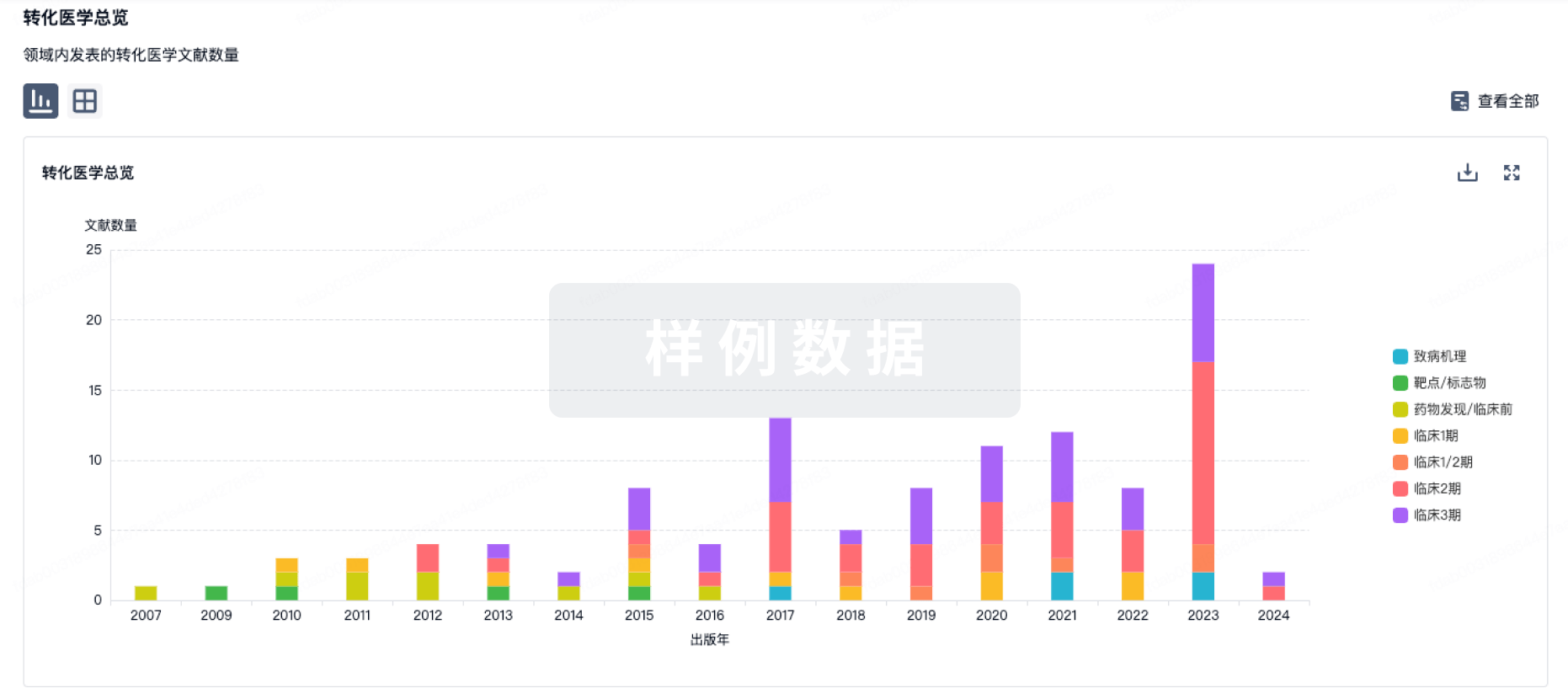
转化医学
使用我们的转化医学数据加速您的研究。
登录
或
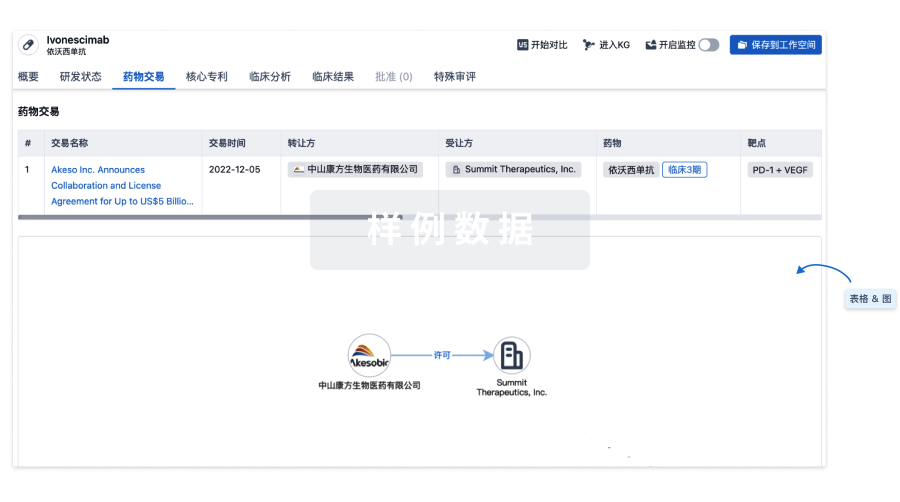
药物交易
使用我们的药物交易数据加速您的研究。
登录
或
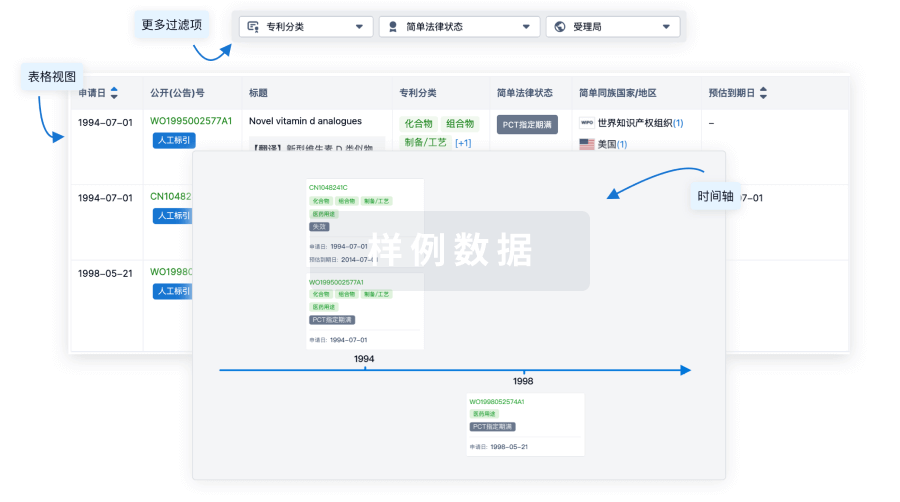
核心专利
使用我们的核心专利数据促进您的研究。
登录
或
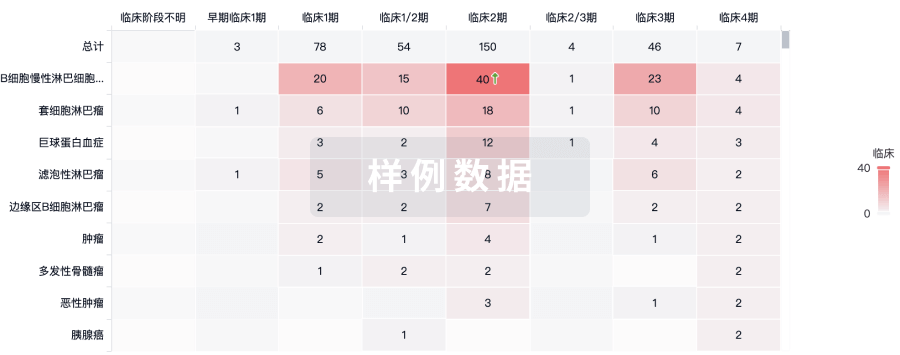
临床分析
紧跟全球注册中心的最新临床试验。
登录
或
批准
利用最新的监管批准信息加速您的研究。
登录
或
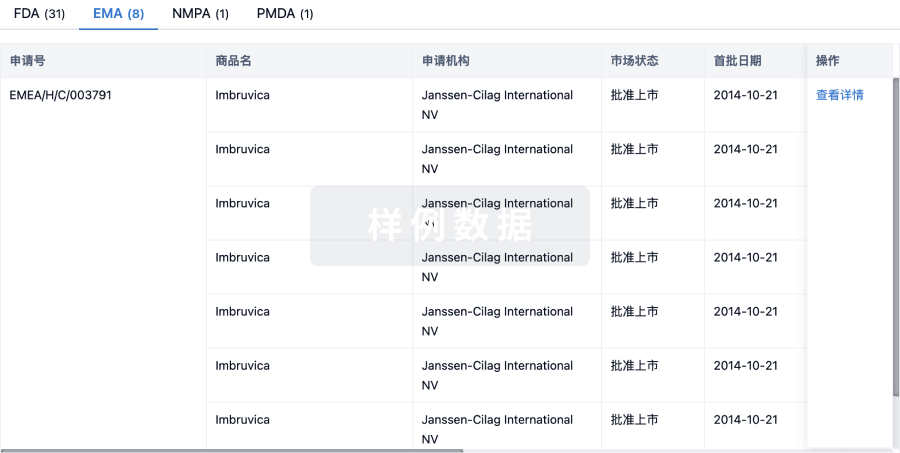
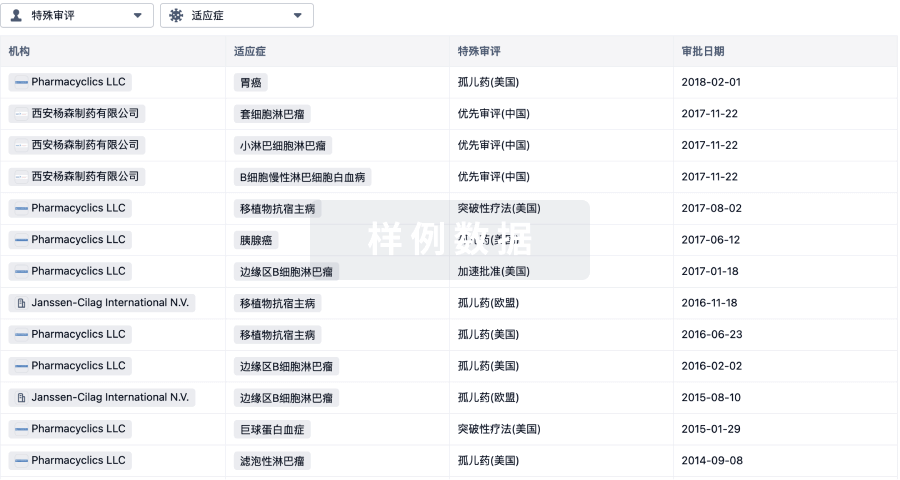
特殊审评
只需点击几下即可了解关键药物信息。
登录
或
提出任何生物医药研究问题
让每一步生物医药决策都精准制胜
基于十亿级生物数据与全球情报的精准 AI,赋能早期药物发现
立即开始免费试用!
智慧芽新药情报库是智慧芽专为生命科学人士构建的基于AI的创新药情报平台,助您全方位提升您的研发与决策效率。
立即接入生物医药数据包
智慧芽新药库数据也通过智慧芽开放平台,以MCP或API服务形式对外开放。立即使用我们的MCP服务定制您的LLM智能体。
生物序列数据库
生物药研发创新
免费使用
化学结构数据库
小分子化药研发创新
免费使用