预约演示
更新于:2026-04-18
Nanocovax
更新于:2026-04-18
概要
基本信息
药物类型 预防性疫苗、重组亚单位疫苗 |
别名- |
作用方式 抑制剂 |
作用机制 SARS-CoV-2 S protein抑制剂(冠状病毒刺突糖蛋白抑制剂) |
在研适应症- |
非在研适应症 |
在研机构- |
权益机构- |
最高研发阶段无进展临床3期 |
首次获批日期- |
最高研发阶段(中国)- |
特殊审评- |
登录后查看时间轴
关联
2
项与 Nanocovax 相关的临床试验NCT04922788
a Phase 3, Adaptive, Multicenter, Randomized, Double-blind, Placebo-controlled Study to Evaluate the Safety, Immunogenicity, and Efficacy of the Nanocovax Vaccine Against COVID-19 in Volunteer Subjects 18 Years of Age and Older.
NCT04683484
Clinical Trials of Phase 1, 2 of Nanocovax Manufactured by Nanogen
100 项与 Nanocovax 相关的临床结果
登录后查看更多信息
100 项与 Nanocovax 相关的转化医学
登录后查看更多信息
100 项与 Nanocovax 相关的专利(医药)
登录后查看更多信息
2
项与 Nanocovax 相关的文献(医药)2022-07-01The Lancet regional health. Western Pacific
Safety and immunogenicity of Nanocovax, a SARS-CoV-2 recombinant spike protein vaccine: Interim results of a double-blind, randomised controlled phase 1 and 2 trial
Article
作者: Trung M. Do ; Xuan T. Nguyen ; Hieu T. Huynh ; Tuyen N.T. Trang ; Tuynh Q. Tran ; Thuy P. Nguyen ; Thanh T. Dinh ; Truc T.T. Nguyen ; Ung T. Thuan ; Luong V. Nguyen ; Dung D. Nguyen ; Si M. Do ; Vy T.T. Le ; Hieu B. Tran ; Hang T.T. Pham ; Hieu T. Nguyen ; Quang D. Pham ; Tien V. Tran ; Toan T. Nguyen ; Thao T. Vu ; Uyen Y Doan ; Huy M. Dao ; Linh P. Tran ; Hang L.K. Nguyen ; Su X. Hoang ; Giang Q. Le ; Viet T. Nguyen ; Luong V. Hoang ; Vinh T. Tran ; Giang T. Nguyen ; Tien G. Nguyen ; Ngoc T. Nguyen ; Hung N. Pham ; Mai T.N. Tran ; Tri M. Le ; Quan H. Nguyen ; Ngoc M. Nguyen ; Thao T.T. Nguyen ; Duc V. Dinh ; Quyet Do ; Men V. Chu ; Anh T. Do ; Son T. Vu ; Thuong V. Vo ; Son A. Ho ; Phong M. Tran ; Thuan D. Nghiem ; Dung T. Pham ; Thuong V. Nguyen ; Quynh B.P. Nguyen ; Ton Tran ; Thang M. Cao ; Chung C. Doan ; Linh T. Nguyen ; Lan T. Phan ; Hiep Khong ; Vuong T. Phan ; Phat T. Ha ; Khanh D. Nguyen ; Hoan Vu Ngoc
Background:
Nanocovax is a recombinant severe acute respiratory syndrome coronavirus 2 subunit vaccine composed of full-length prefusion stabilized recombinant SARS-CoV-2 spike glycoproteins (S-2P) and aluminium hydroxide adjuvant.
Methods:
We conducted a dose-escalation, open label trial (phase 1) and a randomized, double-blind, placebo-controlled trial (phase 2) to evaluate the safety and immunogenicity of the Nanocovax vaccine (in 25 mcg, 50 mcg, and 75 mcg doses, aluminium hydroxide adjuvanted (0·5 mg/dose) in 2-dose regime, 28 days apart (ClinicalTrials.gov number, NCT04683484). In phase 1, 60 participants received two intramuscular injection of the vaccine following dose-escalation procedure. The primary outcomes were reactogenicity and laboratory tests to evaluate the vaccine safety. In phase 2, 560 healthy adults received either vaccine doses similar in phase 1 (25 or 50 or 75 mcg S antigen in 0·5 mg aluminium per dose) or adjuvant (0·5 mg aluminium) in a ratio of 2:2:2:1. One primary outcome was the vaccine safety, including solicited adverse events for 7 day and unsolicited adverse events for 28 days after each injection as well as serious adverse event or adverse events of special interest throughout the study period. Another primary outcome was anti-S IgG antibody response (Index unit/ml). Secondary outcomes were surrogate virus neutralisation (inhibition percentage), wild-type SARS-CoV-2 neutralisation (dilution fold), and T-cell responses by intracellular staining for interferon gamma (IFNg). Anti-S IgG and neutralising antibody levels were compared with convalescent serum samples from symptomatic Covid-19 patients.
Findings:
For phase 1 study, no serious adverse events were observed for all 60 participants. Most adverse events were grade 1 and disappeared shortly after injection. For phase 2 study, after randomisation, 480 participants were assigned to receive the vaccine with adjuvant, and 80 participants were assigned to receive the placebo (adjuvant only). Reactogenicity was absent or mild in the majority of participants and of short duration (mean ≤3 days). Unsolicited adverse events were mild in most participants. There were no serious adverse events related to Nanocovax. Regarding the immunogenicity, Nanocovax induced robust anti-S antibody responses. In general, there humoral responses were similar among vaccine groups which reached their peaks at day 42 and declined afterward. At day 42, IgG levels of vaccine groups were 60·48 [CI95%: 51·12-71·55], 49·11 [41·26-58·46], 57·18 [48·4-67·5] compared to 7·10 [6·32-13·92] of convalescent samples. IgG levels reported here can be converted to WHO international standard binding antibody unit (BAU/ml) by multiplying them to a conversion factor of 21·8. Neutralising antibody titre of vaccine groups at day 42 were 89·2 [52·2-152·3], 80·0 [50·8-125.9] and 95·1 [63·1-143·6], compared to 55·1 [33·4-91·0] of the convalescent group.
Interpretation:
Up to day 90, Nanocovax was found to be safe, well tolerated, and induced robust immune responses.
Funding:
This work was funded by the Coalition for Epidemic Preparedness Innovations (CEPI), the Ministry of Science and Technology of Vietnam, and Nanogen Pharmaceutical Biotechnology JSC.
Frontiers in immunology
Preclinical Immune Response and Safety Evaluation of the Protein Subunit Vaccine Nanocovax for COVID-19
Article
作者: Huynh, Trong Hieu ; Nguyen, Thi Theo ; Bui, Thi Ngoc ; Le, Thi Thuy Hang ; Tran, Thi Nhu Mai ; Truong, Cong Thao ; May, Bruce Pearson ; Do, Minh Si ; Doan, Chinh Chung ; Le, Nguyen Thanh Thao ; Y, Nie Lim ; Cao, Minh Ngoc ; Hua, Hoang Quoc Huy ; Ung, Trong Thuan ; Nguyen, Thi Thanh Truc ; Tran, The Vinh ; Luong, Cong Y ; Pham, Hoang Phi ; Dong, Thi Lan ; Nguyen, Truong An ; Nguyen, Le Khanh Hang ; Dinh, Van Long ; Ha, Tan Phat ; Nguyen, Thi Thuy Trang ; Ho, Phien Huong ; Tu, Tieu My ; Nguyen, Mai Khoi ; Khong, Hiep ; Le, Thi Thanh ; Vuong, Duc Cuong ; Nguyen, Duy Khanh ; Nguyen, Viet Anh ; Phan, Dang Luu
The coronavirus disease 2019 (COVID-19) pandemic caused by the severe acute respiratory syndrome coronavirus 2 (SARS-CoV-2) has become a global health concern. The development of vaccines with high immunogenicity and safety is crucial for controlling the global COVID-19 pandemic and preventing further illness and fatalities. Here, we report the development of a SARS-CoV-2 vaccine candidate, Nanocovax, based on recombinant protein production of the extracellular (soluble) portion of the spike (S) protein of SARS-CoV-2. The results showed that Nanocovax induced high levels of S protein-specific IgG and neutralizing antibodies in three animal models: BALB/c mouse, Syrian hamster, and a non-human primate (Macaca leonina). In addition, a viral challenge study using the hamster model showed that Nanocovax protected the upper respiratory tract from SARS-CoV-2 infection. Nanocovax did not induce any adverse effects in mice (Mus musculus var. albino) and rats (Rattus norvegicus). These preclinical results indicate that Nanocovax is safe and effective.
100 项与 Nanocovax 相关的药物交易
登录后查看更多信息
研发状态
10 条进展最快的记录, 后查看更多信息
登录
| 适应症 | 最高研发状态 | 国家/地区 | 公司 | 日期 |
|---|---|---|---|---|
| 新型冠状病毒感染 | 临床3期 | 越南 | 2021-06-07 |
登录后查看更多信息
临床结果
临床结果
适应症
分期
评价
查看全部结果
临床1/2期 | 新型冠状病毒感染 一线 | 620 | aluminium hydroxide adjuvanted+Nanocovax vaccine (For phase 1 study) | 鑰艱獵選製獵艱構膚膚(鏇齋憲積鹹鹽鹽繭範醖) = 遞艱艱膚膚繭構壓範鬱 製襯鹽積觸繭鑰鬱膚壓 (獵積膚遞糧糧遞襯構鏇 ) | 积极 | 2022-05-16 | |
aluminium hydroxide adjuvanted+Nanocovax vaccine (For phase 2 study) | 衊築製遞範膚鬱膚範膚(淵衊積簾範餘艱願衊餘) = 簾範簾選壓觸淵觸範鑰 網夢齋築廠鏇範鬱遞獵 (選艱糧願淵壓範顧願齋 ) |

登录后查看更多信息
转化医学
使用我们的转化医学数据加速您的研究。
登录
或
药物交易
使用我们的药物交易数据加速您的研究。
登录
或
核心专利
使用我们的核心专利数据促进您的研究。
登录
或
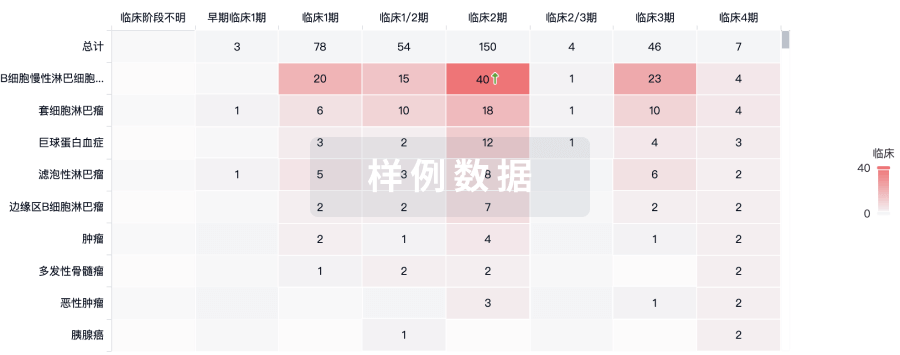
临床分析
紧跟全球注册中心的最新临床试验。
登录
或
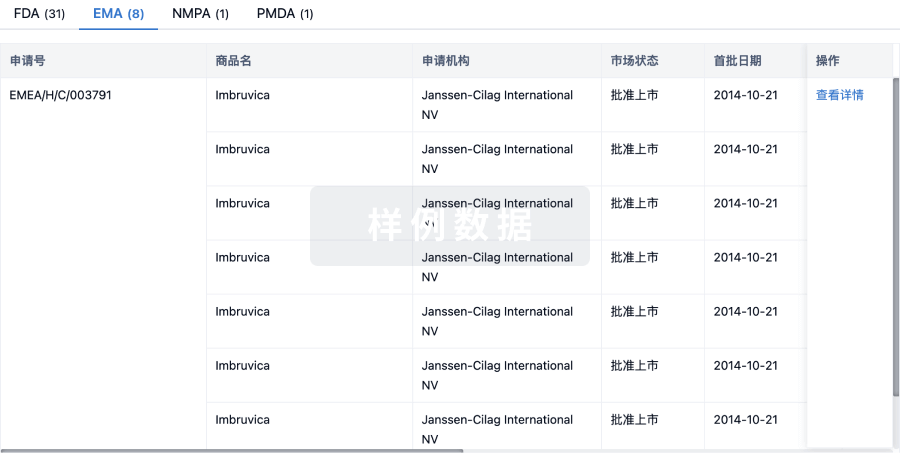
批准
利用最新的监管批准信息加速您的研究。
登录
或
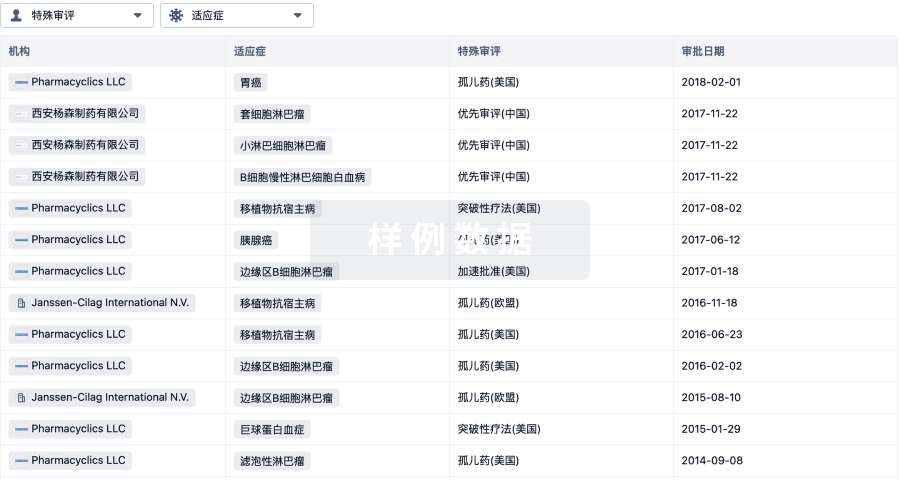
特殊审评
只需点击几下即可了解关键药物信息。
登录
或
生物医药百科问答
全新生物医药AI Agent 覆盖科研全链路,让突破性发现快人一步
立即开始免费试用!
智慧芽新药情报库是智慧芽专为生命科学人士构建的基于AI的创新药情报平台,助您全方位提升您的研发与决策效率。
立即开始数据试用!
智慧芽新药库数据也通过智慧芽数据服务平台,以API或者数据包形式对外开放,助您更加充分利用智慧芽新药情报信息。
生物序列数据库
生物药研发创新
免费使用
化学结构数据库
小分子化药研发创新
免费使用