预约演示
更新于:2026-09-05
YH-4808
更新于:2026-09-05
概要
基本信息
原研机构 |
在研机构- |
非在研机构 |
权益机构- |
最高研发阶段无进展临床2期 |
首次获批日期- |
最高研发阶段(中国)- |
特殊审评- |
登录后查看时间轴
关联
9
项与 YH-4808 相关的临床试验NCT02176668
A Randomized, Open-label, Multiple-dose, Partial Crossover Study to Explore the Pharmacokinetics and the Pharmacodynamics of YH4808 New Formulation in Healthy Subjects
NCT02072447
A Study to Determine the Absolute Bioavailability of YH4808 Using Simultaneous Oral Therapeutic- and [14C]-Labeled Intravenous Microdoses

NCT01876615
A Randomized, Open-Label, Single-dosing and Cross-over Clinical Trial to Investigate the Safety and Pharmacokinetic Drug-Drug Interaction of YH4808 and Diclofenac in Healthy Male Volunteers
100 项与 YH-4808 相关的临床结果
登录后查看更多信息
100 项与 YH-4808 相关的转化医学
登录后查看更多信息
100 项与 YH-4808 相关的专利(医药)
登录后查看更多信息
7
项与 YH-4808 相关的文献(医药)2026-01-01CPT-Pharmacometrics & Systems Pharmacology
A Mechanism‐Based Multi‐Level Population PK/PD Model for Potassium‐Competitive Acid Blockers
Article
作者: Lee, Jaeyeon ; Jung, Woojin ; Yun, Hwi‐yeol ; Chae, Jung‐woo ; Jeon, Hyeseon ; Lee, Soyoung ; Sung, Taewook
ABSTRACT:
Potassium‐competitive acid blockers (PCABs) are emerging alternatives to proton pump inhibitors for the treatment of acid‐related diseases. However, due to the complex, nonlinear interaction between drug exposure, food intake, and physiological rhythms, optimizing dosing strategies remains challenging. A multi‐leveled population analysis was conducted using published pharmacokinetic and pharmacodynamic data on four representative PCABs: tegoprazan, YH4808, fexuprazan, and vonoprazan. A semi‐mechanistic population PK/PD model was developed to account for food effects, circadian pH rhythms, and pH‐dependent drug absorption. A multi‐level nonlinear mixed‐effects modeling framework was implemented to capture both inter‐drug and inter‐study variability. The model successfully described the time course of plasma concentration and intragastric pH for all four PCABs under various conditions. The model identified differences in pharmacokinetics and pharmacodynamic potency between drugs (with the relative in vitro potency ranked as vonoprazan > fexuprazan > YH4808 > tegoprazan), and simulations demonstrated that both pre‐ and post‐meal administration enhanced pH control in early time period via potentially distinct mechanisms: the pre‐meal effect may arise from temporally separated contributions of food‐ and drug‐induced pH elevation, whereas the post‐meal effect is likely driven by temporally overlapping, additive actions, particularly under low‐dose or non‐steady‐state conditions. Predicted pH profiles and holding times above pH 4 closely matched reported clinical outcomes. The study demonstrates the application of a mechanistic, multi‐level population approach for cross‐drug PK/PD evaluation of PCABs. The findings support drug‐specific dose optimization and highlight the clinical relevance of food–drug interactions. The modeling approach provides a model platform for pharmacotherapy or model‐informed drug development (MIDD).
2022-09-01CPT: pharmacometrics & systems pharmacology
A population PK–PD model of YH4808 , a novel P‐CAB , and intragastric pH that incorporated negative feedback by increased intragastric pH onto the systemic exposure to YH4808
Article
作者: Lee, Hyun A. ; Chung, Tae Kyu ; Jang, Seong Bok ; Lee, Kyeong‐Ryoon ; Lee, Howard ; Yu, Kyung‐Sang
Abstract:
YH4808 is a novel potassium‐competitive acid blocker that is under clinical development to treat patients with gastroesophageal reflux disease and peptic ulcer diseases. In this study, the pharmacokinetic (PK) and pharmacodynamic (PD) profiles of YH4808 were modeled in healthy male volunteers who received a single oral dose of YH4808 at 30, 50, 100, 200, 400, 600, and 800 mg or matching placebo and multiple once‐daily oral doses of YH4808 at 100, 200, and 400 mg or matching placebo for 7 days. A population PK–PD model adequately described the time–concentration‐effect profiles of YH4808. The maximum increasing effect of YH4808 on intragastric pH was 4.38, which was higher than the observed maximum increase in intragastric pH after omeprazole at 40 mg (2.2 in pH). The maximum inhibitory effect by the increased intragastric pH on the exposure to repeated YH4808 was 58% from baseline. Monte–Carlo simulation experiments based on the final model showed that YH4808 at 200 mg will produce a higher percentage of time at pH > 4 over 24 h on day 1 than observed value of esomeprazole at 40 mg once‐daily, an active comparator (84.7% time vs. 58.3% time, respectively). Because YH4808 at ≥200 mg resulted in a higher percentage of time at intragastric pH > 4 than seen after once‐daily esomeprazole at 40 mg and YH4808 showed acceptable tolerability at a single‐dose of 30–800 mg, we suggest to test the 200 mg once daily dosage regimen in further clinical trials of YH4808.
2021-01-01Translational and clinical pharmacology
Comparison of the pharmacokinetics and pharmacodynamics of YH4808 in healthy subjects for defining an appropriate dosing regimen
Article
作者: Park, Min Soo ; Yoon, Sukyong ; Byun, Hae Mi ; Jang, Seong Bok ; Oh, EunSil ; Kim, Heeyoung ; Kim, Choon Ok ; Park, Hyeonsoo
TRIAL REGISTRATION:
ClinicalTrials.gov Identifier: NCT01761513.
100 项与 YH-4808 相关的药物交易
登录后查看更多信息
研发状态
10 条进展最快的记录, 后查看更多信息
登录
| 适应症 | 最高研发状态 | 国家/地区 | 公司 | 日期 |
|---|---|---|---|---|
| 反流性食管炎 | 临床2期 | 韩国 | 2012-12-01 |
登录后查看更多信息
临床结果
临床结果
适应症
分期
评价
查看全部结果
登录后查看更多信息
转化医学
使用我们的转化医学数据加速您的研究。
登录
或
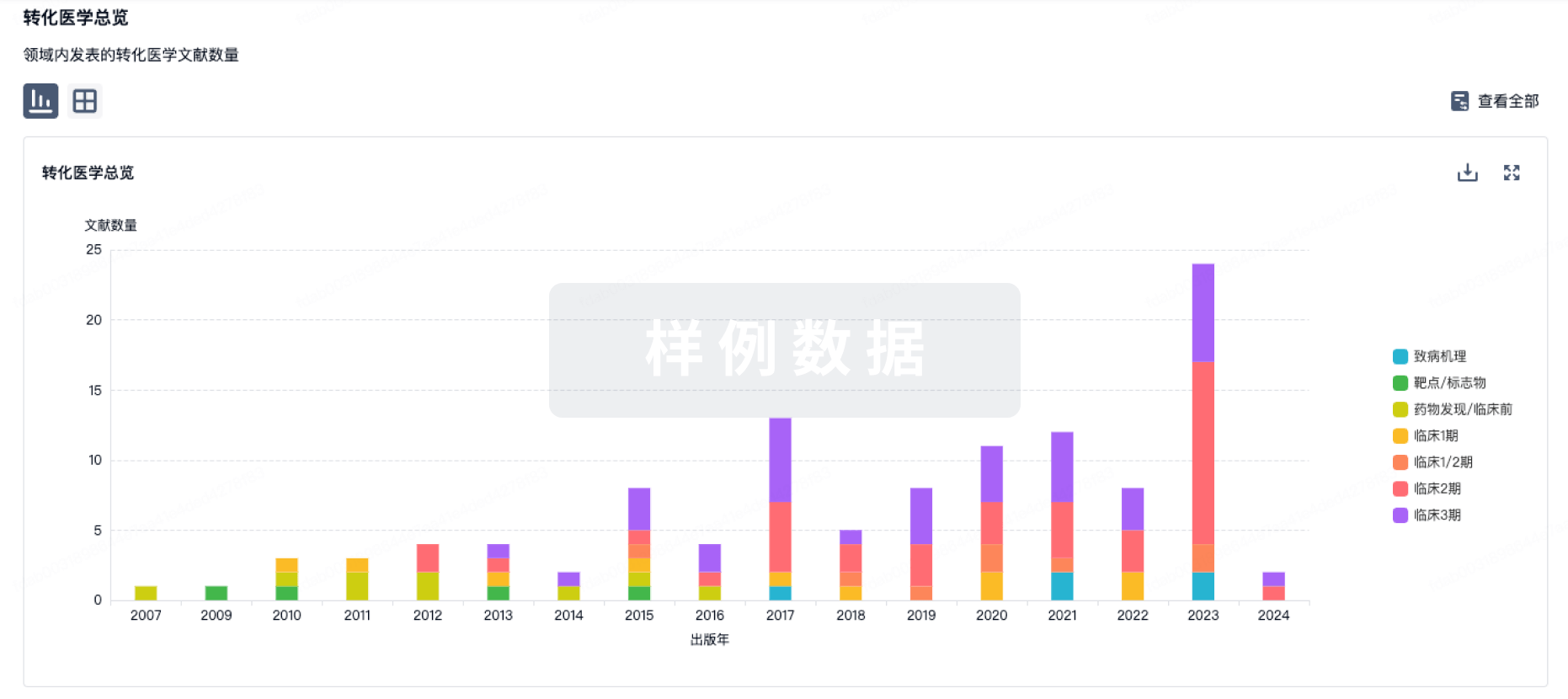
药物交易
使用我们的药物交易数据加速您的研究。
登录
或
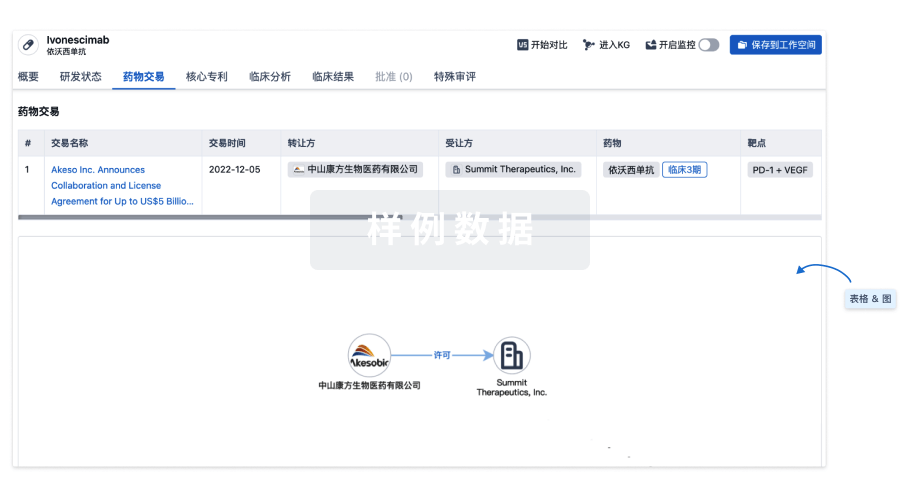
核心专利
使用我们的核心专利数据促进您的研究。
登录
或
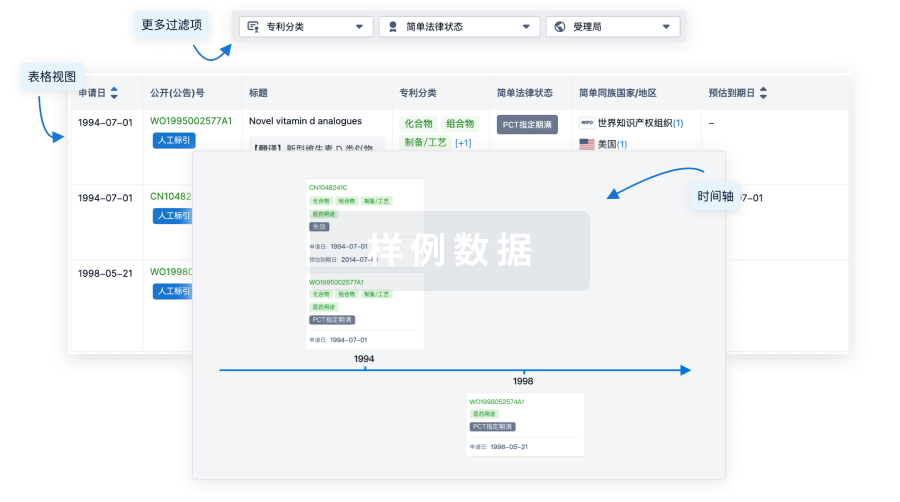
临床分析
紧跟全球注册中心的最新临床试验。
登录
或
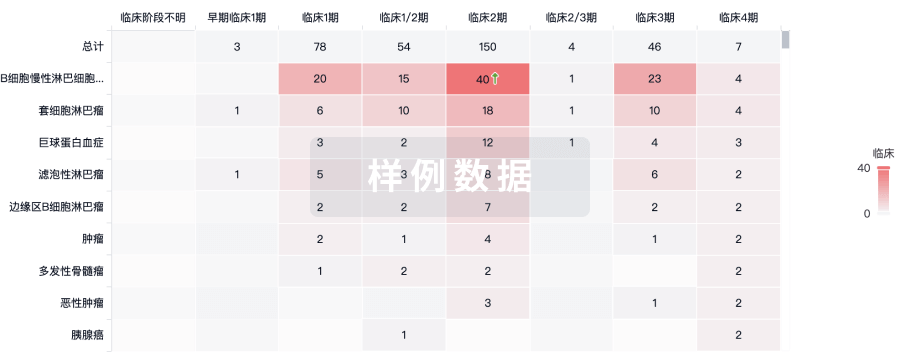
批准
利用最新的监管批准信息加速您的研究。
登录
或
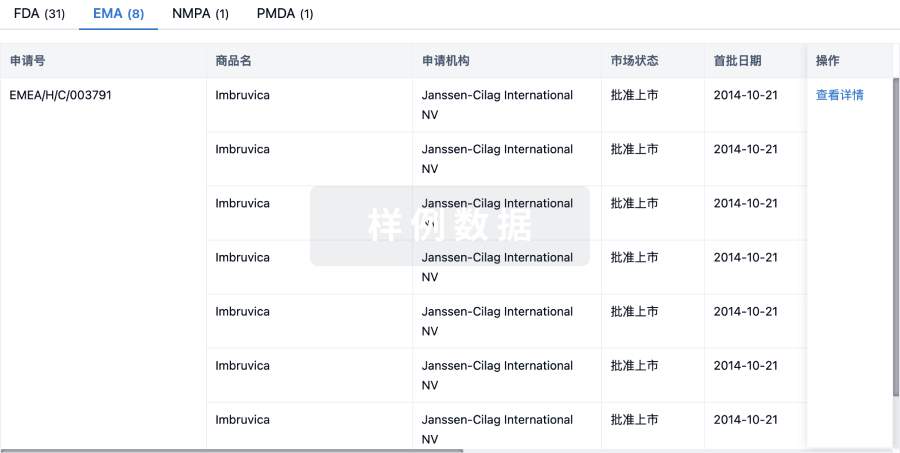
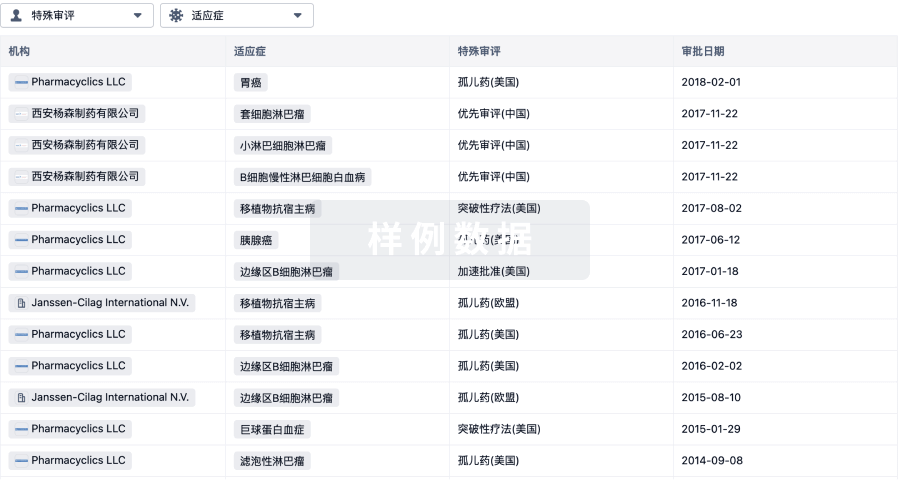
特殊审评
只需点击几下即可了解关键药物信息。
登录
或
提出任何生物医药研究问题
让每一步生物医药决策都精准制胜
基于十亿级生物数据与全球情报的精准 AI,赋能早期药物发现
立即开始免费试用!
智慧芽新药情报库是智慧芽专为生命科学人士构建的基于AI的创新药情报平台,助您全方位提升您的研发与决策效率。
立即接入生物医药数据包
智慧芽新药库数据也通过智慧芽开放平台,以MCP或API服务形式对外开放。立即使用我们的MCP服务定制您的LLM智能体。
生物序列数据库
生物药研发创新
免费使用
化学结构数据库
小分子化药研发创新
免费使用