预约演示
更新于:2025-11-29
Ro-13-7410
更新于:2025-11-29
概要
基本信息
原研机构 |
在研机构 |
非在研机构 |
权益机构- |
最高研发阶段临床前 |
首次获批日期- |
最高研发阶段(中国)临床前 |
特殊审评- |

结构/序列
分子式C24H28O2 |
InChIKeyFOIVPCKZDPCJJY-JQIJEIRASA-N |
CAS号71441-28-6 |
关联
100 项与 Ro-13-7410 相关的临床结果
登录后查看更多信息
100 项与 Ro-13-7410 相关的转化医学
登录后查看更多信息
100 项与 Ro-13-7410 相关的专利(医药)
登录后查看更多信息
461
项与 Ro-13-7410 相关的文献(医药)2025-12-01·JOURNAL OF BIOLOGICAL CHEMISTRY
The retinol-binding protein receptor STRA6 and melanin cooperatively sustain retinoid signaling and outer blood-retinal barrier integrity
Article
作者: von Lintig, Johannes ; Saadane, Aicha
Disruption of the outer blood-retinal barrier (oBRB) is a central feature of retinal degenerative diseases, including age-related macular degeneration, yet the molecular mechanisms maintaining this barrier in the adult eye remain poorly defined. STRA6, a high-affinity receptor for retinol-binding protein (RBP4), mediates vitamin A uptake at the basolateral membrane of the retinal pigment epithelium (RPE), while melanin protects ocular retinoid stores from photooxidative stress. We previously showed that STRA6 deficiency leads to downregulation of junctional proteins in the RPE. Here, we demonstrate that STRA6 and melanin act synergistically to preserve the integrity of the oBRB. In albino Stra6 knockout mice, ocular retinoid levels were severely reduced despite normal circulating retinol levels, and dietary vitamin A delivered via chylomicrons failed to compensate for the loss of RBP4-mediated transport. This led to a functional impairment of both rod- and cone-mediated responses, even under vitamin A-sufficient conditions. Mice also showed downregulated tight junction proteins (ZO-1, Claudin-1, Claudin-3), RPE disorganization, barrier leakage, and immune cell infiltration into the subretinal space. These defects were further exacerbated under dietary vitamin A restriction. Importantly, systemic treatment with the pan-retinoic acid receptor (RAR) agonist TTNPB restored junctional gene expression and oBRB function in Stra6-/- mice, providing evidence that barrier failure arises from impaired retinoid signaling rather than structural loss of STRA6 and melanin. These findings define a novel role for retinoic acid in sustaining RPE barrier function and highlight the combined importance of STRA6-mediated transport and melanin-dependent photoprotection in retinal homeostasis.
2025-02-04·ADVANCED SYNTHESIS & CATALYSIS
Regioselective Cobalt‐Catalyzed Protoboration of Alkynes
作者: Cho, Eun Jin ; Hwang, Ho Seong
Abstract:
A regioselective cobalt‐catalyzed protoboration of alkynes has been developed, utilizing diboron as the borylation source for the efficient synthesis of alkenylborates. The reaction proceeds via cobalt‐boryl intermediates, diverging from conventional Co−H chemistry. By fine‐tuning the phosphine ligand side chains, we achieved excellent reactivity and regioselectivity across a wide range of internal and terminal alkynes. This Co‐catalyzed method offers significant advantages in terms of both efficiency and environmental impact, making it an attractive approach for the synthesis of complex organic molecules.
2024-11-01·TOXICOLOGICAL SCIENCES
Signature analysis of high-throughput transcriptomics screening data for mechanistic inference and chemical grouping
Article
作者: Everett, Logan J ; Thomas, Russell S ; Willis, Clinton ; Haggard, Derik E ; Harris, Felix ; Word, Laura J ; Bundy, Joseph L ; Judson, Richard ; Shah, Imran ; Harrill, Joshua A ; Chambers, Bryant
Abstract:
High-throughput transcriptomics (HTTr) uses gene expression profiling to characterize the biological activity of chemicals in in vitro cell-based test systems. As an extension of a previous study testing 44 chemicals, HTTr was used to screen an additional 1,751 unique chemicals from the EPA’s ToxCast collection in MCF7 cells using 8 concentrations and an exposure duration of 6 h. We hypothesized that concentration-response modeling of signature scores could be used to identify putative molecular targets and cluster chemicals with similar bioactivity. Clustering and enrichment analyses were conducted based on signature catalog annotations and ToxPrint chemotypes to facilitate molecular target prediction and grouping of chemicals with similar bioactivity profiles. Enrichment analysis based on signature catalog annotation identified known mechanisms of action (MeOAs) associated with well-studied chemicals and generated putative MeOAs for other active chemicals. Chemicals with predicted MeOAs included those targeting estrogen receptor (ER), glucocorticoid receptor (GR), retinoic acid receptor (RAR), the NRF2/KEAP/ARE pathway, AP-1 activation, and others. Using reference chemicals for ER modulation, the study demonstrated that HTTr in MCF7 cells was able to stratify chemicals in terms of agonist potency, distinguish ER agonists from antagonists, and cluster chemicals with similar activities as predicted by the ToxCast ER Pathway model. Uniform manifold approximation and projection (UMAP) embedding of signature-level results identified novel ER modulators with no ToxCast ER Pathway model predictions. Finally, UMAP combined with ToxPrint chemotype enrichment was used to explore the biological activity of structurally related chemicals. The study demonstrates that HTTr can be used to inform chemical risk assessment by determining in vitro points of departure, predicting chemicals’ MeOA and grouping chemicals with similar bioactivity profiles.
2
项与 Ro-13-7410 相关的新闻(医药)2022-06-23
生命的起点是一个细胞。无论是血液、大脑、和肝脏细胞都可以追溯回这个单细胞胚胎或受精卵。在自然界中,精子和卵子结合产生受精卵,然后分裂和分化并形成一个完整的有机体,这一过程是不可逆的。在小鼠等哺乳动物中,只有受精卵和二细胞胚胎具有真正的全能型,在此之后的细胞会迅速失去产生生命个体以及分化形成所有胚内和胚外细胞类型的能力。在没有生殖细胞的情况下,是否以及如何在体外建立代表生命起点的全能干细胞(TotiSCs),从而找到除自然胚胎孕育之外的其他途径来创造或复原生命,一直是生命科学领域追求的一个目标。它吸引着代代科学家投入其中,相关的重大成果更是历次获得诺贝尔奖的青睐。清华大学药学院丁胜教授也一直在探究这一生命的终极问题的答案。2022年6月21日,清华大学药学院丁胜教授团队在国际顶尖学术期刊 Nature 发表了题为:Induction of mouse totipotent stem cells by a defined chemical cocktail 的研究论文。在这项研究中,丁胜团队发现了一种全新的药物组合——TTNPB、1-Azakenpaulllone、WS6,这三种小分子药物组合(TAW),可以将小鼠多能干细胞(PSCs)诱导成具备转变为完整有机体潜能的全能干细胞(TotiSCs),而且可以在实验室中保持这些诱导的细胞的全能型(胚内和胚外分化潜力)。研究团队将这类细胞命名为——ciTotiSCs(chemically induced totipotent stem cells,化学诱导的全能干细胞)。这些细胞在转录组、表观基因组和代谢组水平上类似于小鼠全能二细胞胚胎细胞。这项研究提供了一个明确的化学药物组合,在体外定向诱导产生全能干细胞,从非生殖细胞中创造生命,这开启了一个全新的生命创造研究领域。这一创新的替代路径——从更成熟的细胞,而不是利用生殖细胞(精子和卵子)获取生命最早的起始细胞,具有广泛的意义。这种以非自然方式创造生命起点的发现是生物学领域的一个“圣杯”。丁胜于1999年在美国加州理工学院获得化学学士学位,于2003年在斯克里普斯研究所获得化学博士学位。在2003年至2011年间在斯克里普斯研究所化学系任职助理教授、副教授。2011年在美国加州大学旧金山分校药物化学系任职冠名资深研究员及教授。2016年,清华大学成立药学院,丁胜任清华大学药学院首任院长。早在2008年,丁胜就率先开展了使用化学小分子诱导多能干细胞的研究,他也是开发和应用全新化学手段研究干细胞和再生医学的引领者,一直致力于发现和鉴定可以调控细胞命运和功能的小分子化合物。凭借20年对细胞命运的理解以及通过化合物调节干细胞的研究,丁胜带领团队选择并筛选了数千个小分子组合。通过多轮分析,他们发现并最终确定了三种小分子的组合——TTNPB、1-Azakenpaullone、WS6(TAW),可以将小鼠多能干细胞诱导成具有全能特性的细胞。研究团队称这种分子组合为 TAW 鸡尾酒药物组合。 “TAW 中的每个字母代表一个已知的可调节特定细胞命运的分子,但直至这项研究才发现它们诱导全能干细胞的联合作用。” 丁胜表示。研究团队详细核实确认了 TAW 诱导后的细胞,包括它们的全能性和非多能性。这些细胞在所有的转录组、表观组和代谢组水平上都通过了严格的分子测试标准。例如,研究团队发现数百个关键基因在 TAW 细胞中被开启。这些基因通常在全能干细胞中被发现,并被该领域的其他研究学者奉为确定全能性的标准。同时,与多能干细胞相关的基因在 TAW 细胞中处于沉默状态。为进一步证明 TAW 细胞具有真正的全能性,研究团队在体外测试了它们的分化潜力,并将其注射到小鼠早期胚胎中以观察其体内的分化潜力。他们发现,这些细胞不仅在培养皿中表现出具备真正的全能干细胞的特点,而且在体内还分化成胚内和胚外谱系。它们具备发育成胎儿和周围卵黄囊和胎盘的潜力,这是普通全能干细胞的典型特征,而多能细胞只能发育成胎儿。此外,研究团队在特殊培养条件下培养由 TAW 鸡尾酒药物组合诱导的全能干细胞时,新生细胞也显示出类似的全能特性。这一观察结果表明,TAW 诱导的细胞在实验室环境中可以保持全能性,从而建立一个稳定的系统。从mESC 到 ciTotiSC 的化学定向诱导(OCT4绿色荧光标记的是多能干细胞,MERVL红色荧光标记的是全能干细胞)丁胜表示,这一系统非常重要,因为它将使许多关于生命起源的科学研究成为可能。科学家们可以使用该系统来操纵全能干细胞,以更好地了解生命开始时高度协调的过程。 从这个意义上来说,这篇论文迈出了探索生命起源的重要一步,为后续研究开辟了巨大的机遇。此外,对全能干细胞的更深入的了解,具有深远的意义,为再次创造个体生命,甚至是加速物种进化创造了可能。丁胜表示,这项研究带来的许多可能性都会引发争议,虽然这些可能性在遥远的未来才会发生,但很难预测将会带来什么社会伦理问题。在过去十年里,科学界并为放款对人类胚胎研究的限制,而在去年,国际干细胞研究学会(ISSCR)表示将放宽培养人类胚胎不能超过14天的限制,延长科学家培养人类胚胎的时间。最后,丁胜表示,自己的团队高度重视伦理,但作为科学家,自己会专注于推动科学发现,为后来的研究者奠定基础,让他们将来拥有做出决策的知识和工具。丁胜团队研究成果主要参与者合影论文链接:https://www.nature.com/articles/s41586-022-04967-9
细胞疗法小分子药物基因疗法
2022-06-22
·生物探索
导语:美批准5岁以下儿童接种新冠疫苗;清华团队开发全新化学诱导全能干细胞;肠道菌群可预警非酒精性脂肪肝病……生物探索与您一同关注“药”闻,探索生物科技的价值!01美批准5岁以下儿童接种新冠疫苗据美国CDC(Centers for Disease Control and Prevention)网站近日报道,美国决定向6个月至5岁的婴幼儿及学龄前儿童开放新冠疫苗接种。这意味着,又有近2000万名儿童获得了接种新冠疫苗的资格,当前所有6个月及以上的美国人都有资格接种疫苗。CDC称,父母和护理人员现在可以让他们6个月至5岁的孩子接种辉瑞生物技术公司或莫德纳公司生产的新冠疫苗,以更好地保护他们免于感染新冠病毒。此外,所有儿童,包括已经感染新冠病毒的儿童,都应该接种疫苗。02Nature:清华丁胜团队开发全新化学诱导全能干细胞6月21日,清华大学药学院丁胜教授团队在国际顶尖学术期刊Nature发表了题为“Induction of mouse totipotent stem cells by a defined chemical cocktail”的研究论文。在此研究中,丁胜团队发现了一种全新的药物组合——TTNPB、1-Azakenpaulllone、WS6。这三种小分子药物组合TAW可以将小鼠多能干细胞诱导成具备转变为完整有机体潜能的全能干细胞,而且可以在实验室中保持这些诱导的细胞的全能型(胚内和胚外分化潜力)。研究团队将这类细胞命名为——ciTotiSCs(chemically induced totipotent stem cells,化学诱导的全能干细胞)。这些细胞在转录组、表观基因组和代谢组水平上类似于小鼠全能二细胞胚胎细胞。03肠道菌群又添新“用途”可预警非酒精性脂肪肝病近日,发表在《科学转化医学》杂志上的一项新研究中,来自上海交通大学附属第六人民医院贾伟平院士联合香港大学和德国莱布尼茨汉斯诺尔研究所的研究团队开发了一种基于肠道微生物组的非酒精性脂肪肝发病进展预警模型。研究团队与来自德国莱布尼茨汉斯诺尔研究所的合作者通过数据分析,揭示了患者肠道菌群在发病之前(即超声诊断非酒精性脂肪肝病之前)就已经与健康受试者有所不同。他们再利用统计分析识别出具有预测能力的菌群及其代谢物特征,最后用机器学习中随机森林的方法建立了一个能正确区分这两组人的模型。04Nature:血液来源于两种母细胞近日,发表在Nature上的一项新研究中,来自哈佛大学和波士顿儿童医院的研究团队意外地发现血细胞并非来自一种母细胞,而是两种:这群不是来自干细胞的祖细胞,会在胎儿时期到成年的过程中产生大部分血液,然后随着年龄增长逐渐减少。它们是被称为胚胎多能祖细胞(eMPP)的细胞。看来,血细胞家族树需要一个新的祖先分支了。这一发现将为白血病和骨髓移植领域带来重要的见解,还可以为改善人类免疫系统开辟新的途径。05阿斯利康3款抗体新药在中国启动3期临床6月20日,中国药物临床试验登记与信息公示平台显示,阿斯利康(AstraZeneca)有三款抗体新药在中国启动了3期临床试验,分别为抗CD73抗体oleclumab、抗NKG2A抗体monalizumab、靶向I型干扰素受体的抗体新药anifrolumab,涉及的适应症包括特定非小细胞肺癌、活动性狼疮性肾炎成人患者。整理|露娜排版|露娜
End
往期精选
围观
震惊!多数国人体内无有效抗体,国产新冠mRNA疫苗或安全有效!
热文
16万1只!CRO开启囤猴大战,“猴哥”为何身价暴涨?
热文
未婚者短寿?62万人研究:单身或致死亡风险增加
热文
1.5748米以下的男生竟最长寿?科学表明并非越高越好……
热文
下一个子宫内生死之战,Nature:母体为保卫胎儿抵御细胞感染有多努力?
点击“阅读原文”,了解更多~
疫苗抗体信使RNA小分子药物合作
100 项与 Ro-13-7410 相关的药物交易
登录后查看更多信息
研发状态
10 条进展最快的记录, 后查看更多信息
登录
| 适应症 | 最高研发状态 | 国家/地区 | 公司 | 日期 |
|---|---|---|---|---|
| 白血病 | 临床前 | 中国 | - | |
| 鳞状细胞癌 | 药物发现 | 瑞士 | - |
登录后查看更多信息
临床结果
临床结果
适应症
分期
评价
查看全部结果
| 研究 | 分期 | 人群特征 | 评价人数 | 分组 | 结果 | 评价 | 发布日期 |
|---|
No Data | |||||||
登录后查看更多信息
转化医学
使用我们的转化医学数据加速您的研究。
登录
或
药物交易
使用我们的药物交易数据加速您的研究。
登录
或
核心专利
使用我们的核心专利数据促进您的研究。
登录
或
临床分析
紧跟全球注册中心的最新临床试验。
登录
或
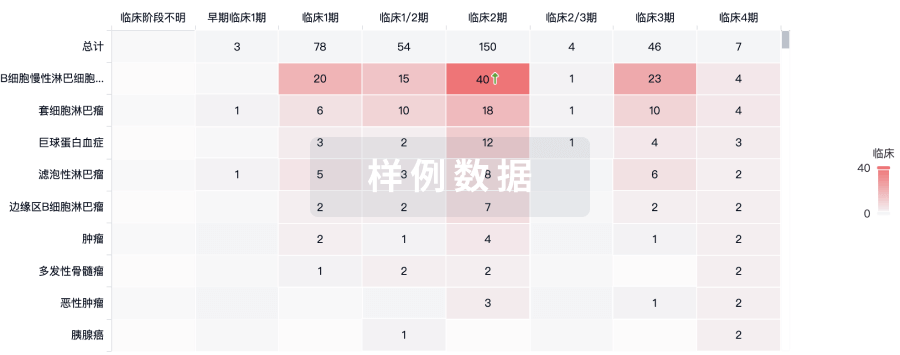
批准
利用最新的监管批准信息加速您的研究。
登录
或
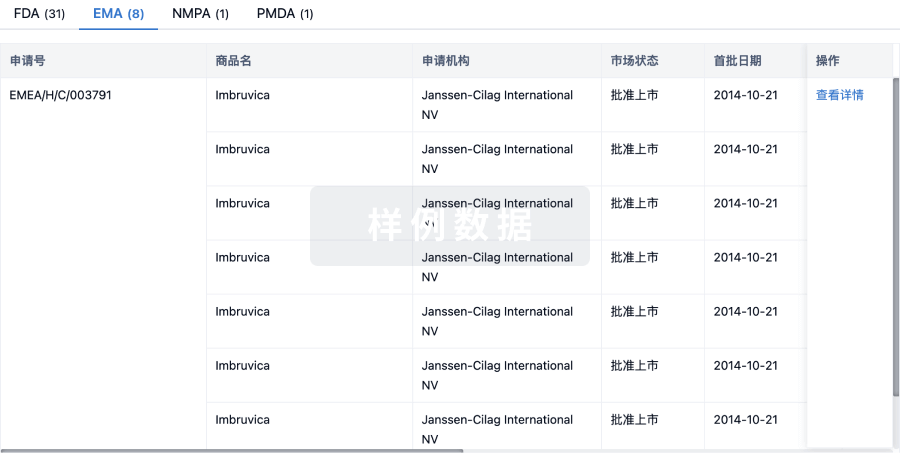
特殊审评
只需点击几下即可了解关键药物信息。
登录
或
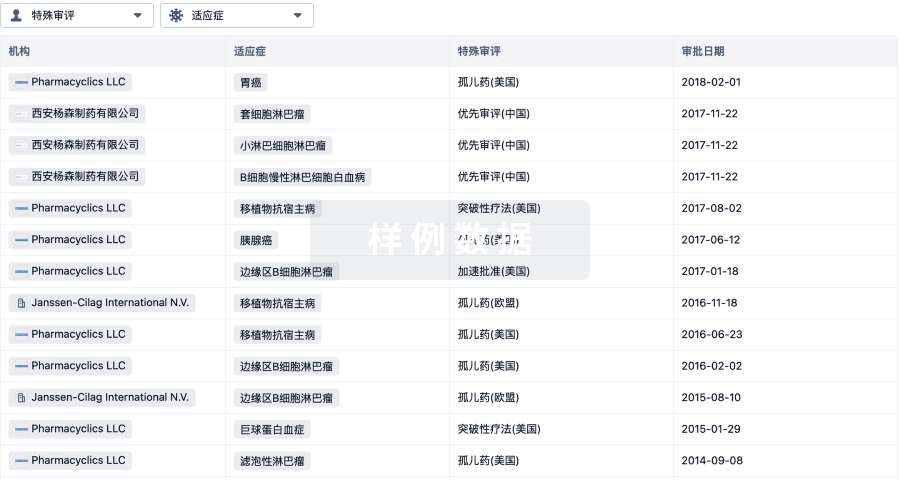
生物医药百科问答
全新生物医药AI Agent 覆盖科研全链路,让突破性发现快人一步
立即开始免费试用!
智慧芽新药情报库是智慧芽专为生命科学人士构建的基于AI的创新药情报平台,助您全方位提升您的研发与决策效率。
立即开始数据试用!
智慧芽新药库数据也通过智慧芽数据服务平台,以API或者数据包形式对外开放,助您更加充分利用智慧芽新药情报信息。
生物序列数据库
生物药研发创新
免费使用
化学结构数据库
小分子化药研发创新
免费使用